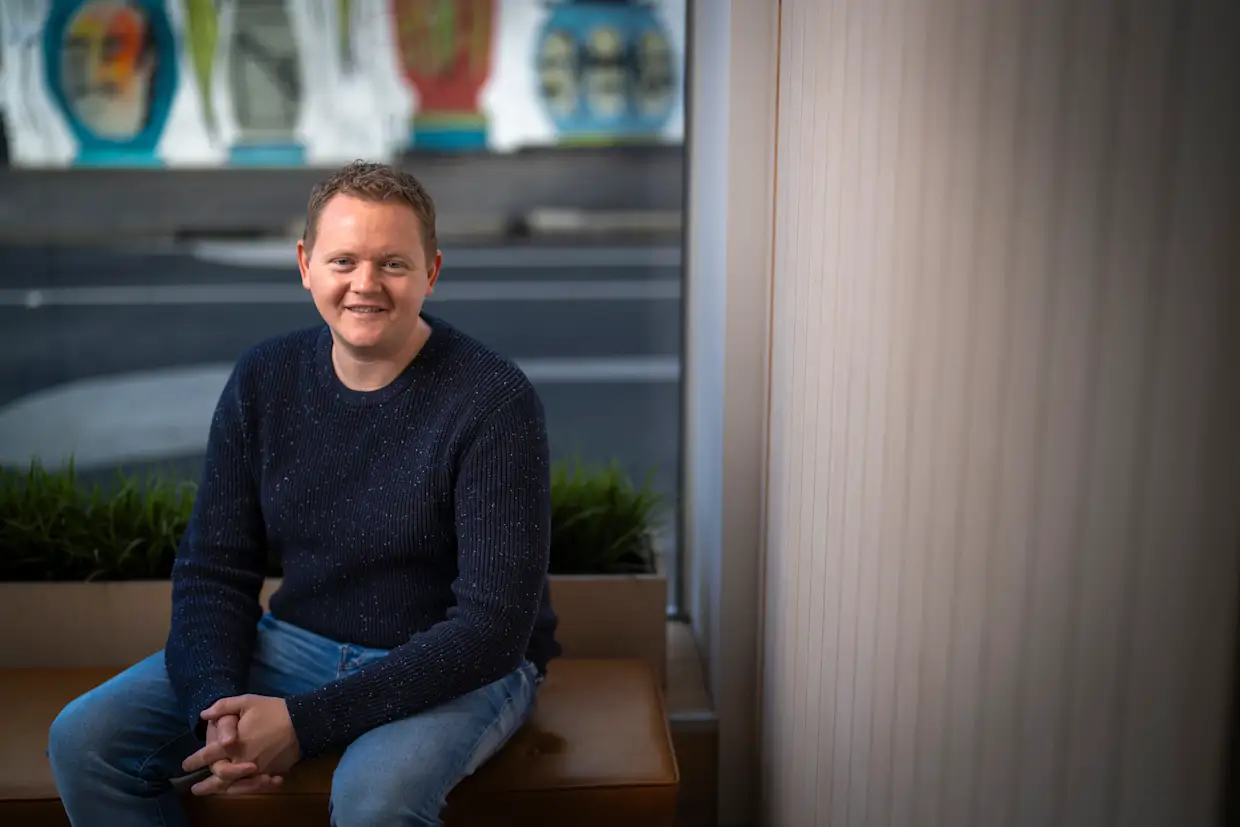
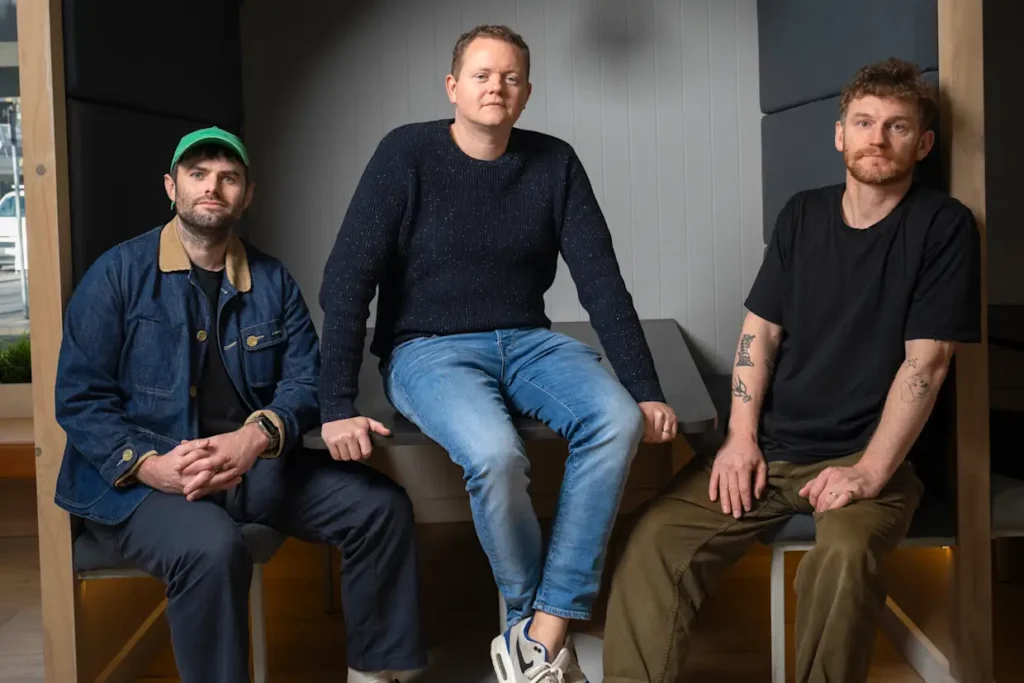
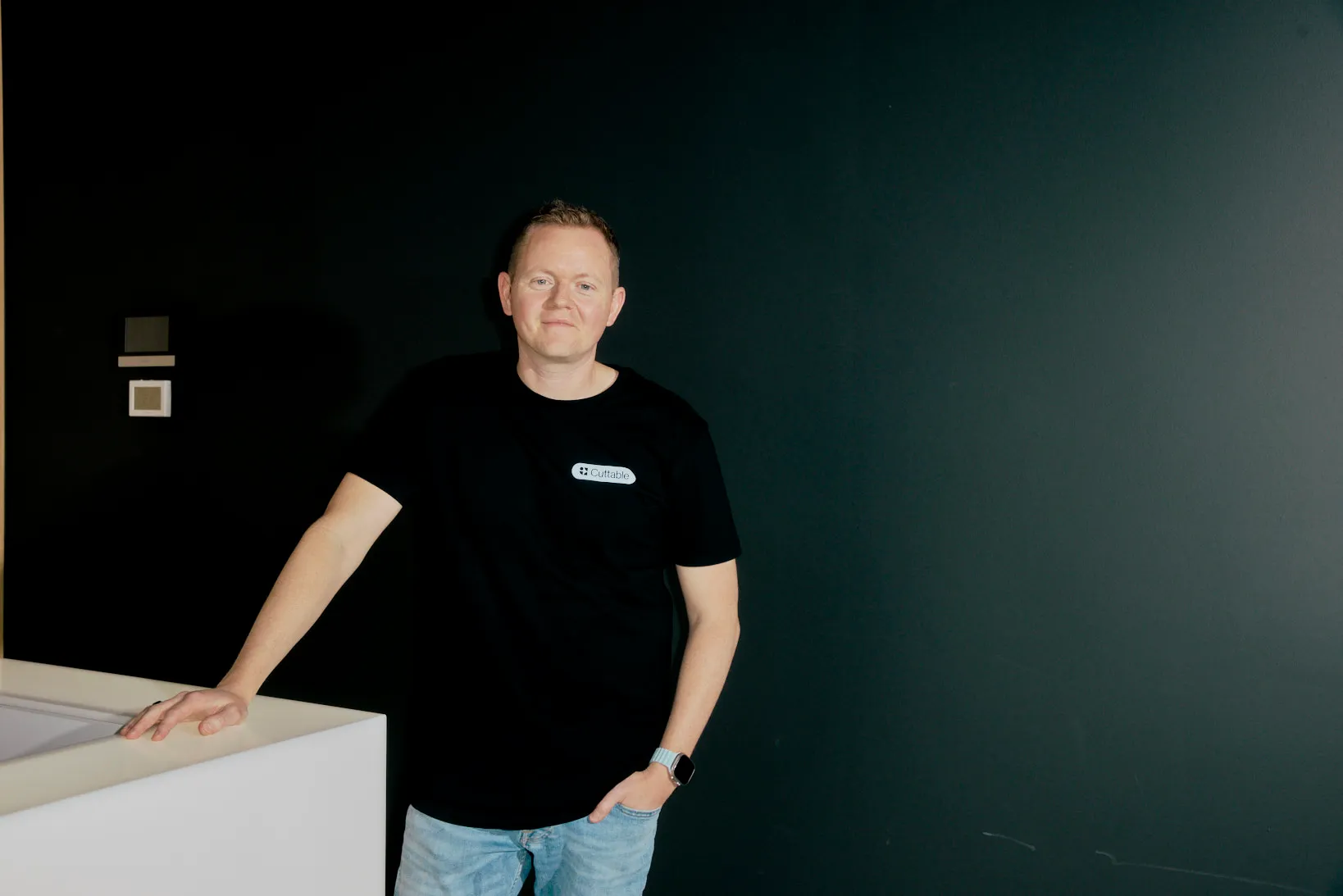
Sam Kroonenburg: I want to build a company that couldn't have been built two years ago. More than half the ads you publish will never perform what's valuable to our customers. Not a generated ad. Hi, I'm Sam Pruneberg from Cuttable and in this episode of Add to Cart, I share how we're helping brands scale their meta performance with AI automation so they can make thousands of creatives and win the volume game while staying on brand and avoiding AI stall.
Nathan Bush: According to our guest today, 1 in
Nathan Bush: 11 ads that you publish will return more than 10 times what you spend on it. About 1 in 4 will return 3 to 5 times. More than half of the ads that you publish will never perform at all and can go straight into the bin. And the problem is no one can tell you in advance which one is which. Not you, not your agency, not Meta. Of course they wouldn't. Sam Cronenberg has the data to prove all of this. He is the co founder and the CEO of Cuttable, an AI advertising platform that now holds ad by ad performance data on more than $320 million of meta spend.
Nathan Bush: Sam was building and selling software online
Nathan Bush: at the age of 13.
Nathan Bush: He went on to work at Microsoft, working on Windows Vista and Windows 7. And then in 2015, he and his
Nathan Bush: brother Ryan started a cloud guru from
Nathan Bush: their bedrooms, teaching engineers how to work in the cloud.
Nathan Bush: Right as every company on earth decided it just had to move there. Six and a half years later, a Cloud Guru had 600 staff, around $150 million in revenue, and it sold to Pluralsight for just over $2 billion. Not bad.
Nathan Bush: So we took the year off and
Nathan Bush: went looking for the next adventure with one single rule. He'd only build a company that couldn't have been built two years earlier. And that company is Cuttable.
Nathan Bush: $16 million raised, 300 brands, a team in New York, and a San Francisco office about to open.
Nathan Bush: I should say up front that I
Nathan Bush: have been using Cuttable with a client for the last few months, but this
Nathan Bush: episode is not sponsored at all and Sam isn't paying for a word of it.
Nathan Bush: I was probably just a little bit
Nathan Bush: too nice to him, but I got curious around what was happening underneath the platform and I really wanted him to come on and explain it, and I'm so glad that he did. He shares a lot around how Cuttable
Nathan Bush: works and how brands should be approaching
Nathan Bush: meta advertising in a world where scale and volume of creative is so important.
Nathan Bush: He tells us about the six months
Nathan Bush: where his team built beautiful, slick ads. But his customers asked if they could have ugly ones instead.
Nathan Bush: And he told us why.
Nathan Bush: Cuttable's AI deliberately, it doesn't generate the final image. I really got schooled on how AI image generation works.
Nathan Bush: Now, just quickly, before we get into today's episode, I want to say a big, big thank you to our sponsors, Shopify and Klaviyo, for making ADD to CART possible.
Nathan Bush: They help us bring you all of
Nathan Bush: these chats every week and we are
Nathan Bush: so grateful for them.
Nathan Bush: Now, if you also want the cheat
Nathan Bush: sheet, if you're not subscribed to our newsletter, come and get it.
Nathan Bush: It's free to subscribe to. And every Monday, we give you the
Nathan Bush: cheat sheet of the episodes that we
Nathan Bush: put out so you never miss the
Nathan Bush: important bits that you need to know in e commerce. And then every Friday, I send you the five most important news stories, resources,
Nathan Bush: research in E commerce to keep you
Nathan Bush: looking like the smartest person in E commerce. So that's free to subscribe, head on
Nathan Bush: over to add to cart.comau to sign up to our newsletter.
Nathan Bush: But for now, let's get into this very special episode.
Nathan Bush: Here is co founder and CEO of
Nathan Bush: Cuttable and Sam Cronenberg.
Nathan Bush: Sam, welcome to ADD to cart.
Sam Kroonenburg: Hi, thanks for having me. It's great to be here.
Nathan Bush: Pleasure. Oh, mate. I was saying just before we jumped into here, you are the most professionally set up guest we've ever had. Carnival must be going. All right. Look at you. Look at podcast studio and all right, not me.
Sam Kroonenburg: I did not set any of this up, but we have a. We have a podcast studio here where we do a lot of filming. So they've just slotted me in and it makes me look like I know what I'm doing.
Nathan Bush: Well, you definitely know what you're doing. I've been following the Cuttable story for the last couple of years, especially as you went into the US At Black Friday last year and then this year with a client I was lucky enough to get hands on for the last few months. And then once I got hands on with the platform, I was like, oh, I've got to really hit Sam up, see if we can get the overview of how this has come about, because
Nathan Bush: it's a pretty incredible product.
Sam Kroonenburg: I love that you're on platform. You know, sometimes we do podcasts. People have never even seen what you do. And the fact that you're a user is. That's so cool.
Nathan Bush: Yeah, well, I want to dive in because I've got a lot of questions about it. But before we do, give us a little bit of your background because you've got a fascinating background and you know, we celebrate a lot of Australian founders. But what I love about what you've done so far, both with Cuttable and with a cloud guru beforehand, is that you're really leading on the cutting edge of the emerging technologies, whether that be cloud or AI. And one of the quotes that I saw from you was around when you were developing Cuttable, that you wanted to develop something that couldn't have existed two years earlier.
Sam Kroonenburg: Yeah.
Nathan Bush: Tell us around your story and what you founded and how you stay on that cutting edge of innovation when it comes to being an entrepreneur.
Sam Kroonenburg: So I'm a, I'm a massive nerd, massive geek. I welcome.
Nathan Bush: We all are.
Sam Kroonenburg: I'm a software engineer by trade. By background, I have literally been building software businesses and selling software online since I was 13 years old. And that was when I kind of first learned to code.
Nathan Bush: What did you sell at 13? What was that?
Sam Kroonenburg: I built a web browser before there were as many as there are now. I built a media player, notebook app, whole bunch of stuff and had this little software company. I just did it in my spare time during high school. But you know, like probably made like 50 grand for myself in high school, which was pretty good.
Nathan Bush: You would have been killing it in high school. Yeah.
Sam Kroonenburg: So that was fun. I'd get my checks in the mail from America and walk them into the Commonwealth bank every month. It was literally how it worked in the mail.
Nathan Bush: Did you do anything different in high school?
Nathan Bush: Like you would have been known as the loaded kid, wouldn't you?
Sam Kroonenburg: I don't know because I just spent it all on like stereo equipment and computer equipment. So I just had like a big TV and a stereo and a cool computer in my bedroom, you know.
Nathan Bush: That's awesome.
Sam Kroonenburg: I wasn't like a smart investor, let's put it that way. But I've just always loved building things. I just love like taking a problem apart and building something new. And I'm a big like I love science fiction, I love, I, I love everything about the future. I'm not at all interested in history. It's just not where my head is at. I like what could be. And yeah, so I spent a bunch of my career building businesses, working at. I worked at Microsoft in Seattle and in Norway and I've worked different parts of the world and eventually came back to Australia about 15 years ago. And 10 years ago I started a company called Cloud Guru with my brother doing online education. So we built an online school, but not like a live in person school, like watching videos. So online Ed tech. And we would teach engineers like IT people how to build things in the cloud with cloud computing, like with Amazon and with Microsoft.
Nathan Bush: And that would have been around the time where a lot of IT departments and professionals were going a lot through a lot of transformation.
Sam Kroonenburg: Like, this was a huge transformation. Everyone was moving towards the cloud. So we started that 2015 when Cloud was like the big buzzword, but still very early innings for people adopting it. We realized, hey, the gap here is there's just not enough people have know how to use it to transition companies into the cloud. So we said, hey, let's do online teaching. And so my brother, it was literally us, from our bedrooms, at our houses, he would make the content, like record himself with a webcam talking about how to build things in the cloud. And then I built the platform that delivered that content, the marketing, everything kind of around it that just grew like wildfire and scaled that up to. We ran that company for six and a half years to 600 staff. Two thirds of our base was in the US in Austin, Texas, and sold the company in 2021 to Pluralsight in the US for, yeah, just over $2 billion. So that was a wild, wild six years. Just absolutely like crazy time learning how to scale a business of that size.
Nathan Bush: How do you make that much money out of education? Like, was it course fees? Like. Cause that's significant.
Sam Kroonenburg: Yeah, so we were selling courses. We started by selling to consumers and that really caught on and got a lot of word of mouth spreading. But consumer businesses aren't that great and they're not as sticky. And then we pivoted into B2B. So we were selling direct to enterprises. So we were in, like most of the Fortune 500 in America. Do big education programs at scale for Accenture, Verizon Wireless, you know, think any big corporate capital one bank helping them get the skills, their staff internally to do the migrations to the cloud.
Nathan Bush: And I suppose on a line where they're doing those huge transformation projects, adding education into those projects, we wouldn't look as significant, but it's still significant from, from your business perspective.
Sam Kroonenburg: And I think what was interesting to me there, I had no back, no one, none of us had any background in education at all in the company. But we recognized that the thing that really mattered with education was like, ultimately to educate someone, they have to do the training. And the one thing nobody, nobody likes training. Like, it's really boring. Nobody wants to do their corporate boring training. So we worked out that the way you do that is you make training fun. You make it bite size and you make it entertaining and yeah, so we just, kind of similar to Cuttable, come into a market where, you know, that's not my background or expertise, but start to take it apart and go, what are the things that really drive this? What matter? And then what can we automate with software and do in a more efficient way?
Nathan Bush: Okay, and where did the idea for Cuttable come from then? Cause it's a totally different category here. We're talking about advertising and performance marketing.
Sam Kroonenburg: So after CloudGuru took about a year off with the family and chilled out, which was nice. And yeah, my one criteria was I decided I want to start a new business. I didn't want to miss out on being part of AI because like, it's such an exciting time to build. So my one criteria was I want to build a company that couldn't have been built two years ago. That's how I'll know if it's truly AI native and truly something new at the same time. I met my co founders, Ed and Jack. And Jack is from the advertising world. Built really like one of the, the leading boutique kind of advertising agencies in Melbourne called Sunday Gravy. And what they saw, like they'd always done the more traditional advertising, like, you know, the big TV ad, come up with a big idea, cut that up into different formats, magazines, newspapers, social media. But what they noticed was this ramping up dynamic where customers were just coming back and back and back for like, okay, you gave me the social media cut downs, but now I need more social media and more and more and more and they're going, oh, we've got humans doing this. It's taking us weeks to turn this around. Expensive. And it feels like there's an opportunity for automation here. So I met Jack and saw that problem firsthand. And at the same time I had been deep experimenting with AI models around, you know, LLM, automation, image generation, video generation. I'd been building an app for my kids, a storybook app. And so I was deep in that world and I was like, oh, there's this really interesting intersection here of like big problem, big that an industry needs that could be solved by creative automation and an entirely new, like enabling technology that now allows us to solve this problem in a way that couldn't have been solved even a year ago.
Nathan Bush: Yeah.
Sam Kroonenburg: So that's what really excited me. Yeah. And it was the same kind of similar with education. The whole world was moving to cloud and hey, now there was a new way to teach people at scale through online delivery So I saw a lot of parallels there.
Nathan Bush: So you see a window and you just gotta go for it. Do you think after selling Cloud Guru, that if AI hadn't taken off as quickly as it had, you'd be back in the business seat? Or would you be on an island somewhere, just chilling?
Sam Kroonenburg: It's so hard to know. I'd like to say I wouldn't have jumped back in as quickly, but I, I think people are just who they are and they have certain natures. And so I think I would have been doing something. Cause I was already finding, like, I'd be at my local cafe and I was like, ah, they could make this so much more efficient if they just had this. You know what I mean? I've always tried, oh, maybe there's an interesting business there. What if you did that differently? So I think I just, I like to be productive, I like to do things. And sitting on a beach sounds great, but could you imagine actually doing that for more than like two days? It'd be so boring.
Nathan Bush: I think any psychologist, even in the five minutes we've got, would be looking at your inner child at 13, building software apps and going, yeah, you're not sitting still anytime soon. You're out there solving problems.
Sam Kroonenburg: It's play, right? It's fun to play. I like playing. I like building.
Nathan Bush: Yeah, yeah. So Cuttable is an interesting run, right? Because when I first saw it, my honest reaction was even back then, does the world need another image and video generation tool? Because so many spinning up and I'm getting press releases left, right and center, new AI tools and headlines and seed rounds and investment and all that sort of stuff, they're everywhere. How did you have the confidence that you were like, this idea that we've got for Cuttable, solving a very specific problem can stand alone and can't just be absorbed by the bigger guys with bigger engines.
Sam Kroonenburg: I think the number one thing we noticed, so we, we went and interviewed, like, I can't tell you if it was 50, 60 or 70 different businesses. And we just noticed this same problem coming in again and again, which is like, I need better ad performance, I need to improve my performance on Meta. I drive so much of my business there. To do that, I need to make more ads. That is what drives the algorithm volume. But I don't trust these AI. Like, the number one thing we hear is like, I've used AI generative systems and they make AI slope and I'm not willing to put my brand, like stamp my brand on that. And so what these brands told us is that, hey, we've actually got all this content. Like, we have got Dropbox folders and Google Drives full of video shoot assets, photo shoot assets. Like, all these things we've paid for, but we can't afford to repurpose them. It's too expensive. We've got to pay video editors to sit there and recut them. And like, we've got all this stuff and we want to be able to repurpose it. We can't afford.
Nathan Bush: Yeah.
Sam Kroonenburg: And all the AI tools are telling you, just generate new stuff, but the new stuff messes up. My product doesn't look right. I spent hours prompting it. The moment I go to edit it, I'm like, I just want to make that thing a different shade of blue. And it's done that. But now the guy's wearing a hat. Why is he wearing. I didn't want him to wear a hat.
Nathan Bush: I was literally doing that till 1am last night. With different icons and stuff.
Sam Kroonenburg: Yeah, yeah. And they just. They lack the control. So. So we said, hey, we think there's a different way to do this where we give brands control over the process so we can do scale for them. We can repurpose all of the assets they've already got. Cause they've already approved that stuff that is on brand. That is. That is their real product. It's a real shot. And we can do that in a way that we can cut that up and scale it and give them the volume they need, but also give them control to edit any part of that ad, change any layer. And what we notice is the more control we give our customers, the more they publish. And it'll often just be one little thing, one little edit. Move the logo 20 pixels to left, put the logo in the bottom right. We always have it in the bottom right. Or like just slightly change a color on that text. Everything we do, we generate in layers, so everything's editable. And so that was our. Our bet was like everyone else is trying to do generative AI. What we did is we built our own video rendering system from scratch that is controlled by AI, but the AI doesn't render the pixels. Does that make sense?
Nathan Bush: No. Explain that to me.
Sam Kroonenburg: So if you use something like a Mid Journey or a chatgpt, the AI is actually coming up with the end pixels in the images or the videos. And that means the moment you want to change it, it's going through a neural net again. And that's why it'll make one change, but it'll make another change. Yes. You can never like deterministically just change that one thing. Whereas our AI builds almost like a definition or like a schema of the video of what should go in it. But then a non AI system that we built custom renders it. So it's completely deterministic, so we know what's in every layer. So it's kind of like imagine your AI is using Adobe After Effects.
Nathan Bush: Yeah, that's what I was kind of thinking. Or even like for a simple one like Photoshop or Canva, where you've got different layers and you can just adjust the layers rather than the whole thing.
Sam Kroonenburg: So our AI, the way we use it, it's learning all about the brand. Like our brands suck in their images and videos or their photo shoots and we have AI watch every frame of every video, every image. So we know exactly what's in it, what the scene's about, what product is in it. We link it to the products in their Shopify catalog. So we have all that context. So then we're able to say, hey, we know what we have on file and it's all brand approved. And we understand the audience and what they're trying to achieve with this ad from the brief. So how can we connect these things together to tell a really good story with the great assets they have and weave that into like a really interesting video that is a high performing ad. And then we put that in front of the user and they can edit any part of it.
Nathan Bush: Yes. Which is, I think is especially important when you're wanting creative teams to use the tool.
Sam Kroonenburg: That's right, Yep. And I just think as an AI tool, you need to build trust with your users. They need to see that this thing makes something that they're willing to put their name to. So the way we think about it internally is that what's valuable to our customer is not a generated ad, it's an ad they're willing to publish. Yeah, a lot. So you need to build trust. And you build trust by showing results and giving people control over the process.
Nathan Bush: How's this for a big tease?
Nathan Bush: Mountain Culture Beer Co. Released two new beers every Thursday. And the morning emails often sell out before lunchtime.
Nathan Bush: Lunchtime.
Nathan Bush: No one needs beer temptation before lunch. But that kind of temptation doesn't happen by accident.
Nathan Bush: This independent Blue Mountains brewery went from
Nathan Bush: a tiny Katoomba brew pub to six venues across the country.
Nathan Bush: And along the way, their audience split.
Nathan Bush: Wholesale buyers, online superfans, venue guests, they all wanted different things. Blasting them with one message just wasn't pouring.
Nathan Bush: Right.
Nathan Bush: So they Brought it all into Klaviyo and segmented properly so every beardrop lands like a personal and irresistible invitation. The result was 122% year on year jump in flow, conversion value and Klaviyo now driving 68% of their E Commerce revenue. Turns out that when you talk to the right drinker at the right time, they'll keep coming back for the next round. Head on over to klaviyo.com au and see how brands like Mountain Culture are doing it right.
Nathan Bush: Because I could imagine that's the trap, right, is that when you're building a new platform that's meant to scale creatives and give multiple outputs that they've never been able to do before, it'd be very easy to turn into slope.
Sam Kroonenburg: Oh, 100%. And the number one thing that we deal with with new customers coming in is they say, hey look, I've tried a bunch of AI tools and it's slop. And so we have to kind of walk them through. Well, hey, we're not, we're not just going to generate you a bunch of random stuff. We're actually going to like dissect your brand and build up a brand kit and apply that to like a layered approach to building out ads that perform well.
Nathan Bush: I didn't realize, I didn't understand fully the AI logic behind it, the differentiator. So that makes a lot of sense now in retrospect as you're explaining that.
Sam Kroonenburg: So we took that bet early, like three years ago and we said we think it was a bit of a crazy bet at the time. We said let's solve the production problem. Like if we can make the ad end to end. Completely automated with AI, but give brands control. That's the hardest bit. Like it's easier to make an AI that says here's an idea for an ad or here's like, let's pick apart your performance and tell you what you could be doing. But if we can't actually make the ad, we can only help the customer a little bit. Whereas if let's start by solving the really hard problem first, which is making the ad. And now that we've solved that, now we widen and cuttable to go. Okay, well now we're going to start mining meta Shopify for performance insights. Everything we know that does and doesn't work for your brand and bring that into the ad production. So we get a loop going that like it constantly improves your performance.
Nathan Bush: That's smart.
Sam Kroonenburg: Yeah.
Nathan Bush: I was surprised in onboarding a team onto Cuttable. I'm not blowing smoke here by any means. I'm just telling you what I observed is that how easy they were able to start producing because I could imagine that there would be a big risk with a platform like this. And we see it all the time with AI tools of paralysis around. I've got unlimited options, so I don't know what to create. And I think you've done a really good job at guiding people to getting or shipping immediately and like taking that paralysis out of there. Because you've got three key inputs that I can see and correct me if I'm wrong. You've got the brand guidelines, which are really strong to set up and easy
Nathan Bush: to set up, but you kind of
Nathan Bush: go into a fair bit of depth there, which is important.
Sam Kroonenburg: Yep.
Nathan Bush: You've got the connection into Shopify and the catalog there, which isn't just pulling product, but it's actually pulling all the imagery and the video and the descriptions to give context. And even then I've been seeing that it's making its own connections between products really well and lifestyle imagery and connecting it to product, which has been interesting for me. And then the third thing being that connection into Meta to get the insights on what's working, what's not, and then publish there.
Sam Kroonenburg: That's what we wanted. Like, we want a system where like, we know customers are spending a lot of time in AI tools prompting because the tools have no context. So we said, hey, what Cuttable does is it knows everything about your Shopify. So all your products, as you said, all the imagery, the features, the capabilities, how you sell it, it knows what has worked for you. Because we connect to Meta so we know what's worked historically. We even see the ads that you didn't publish through Cuttable. So we learn from your other ads what's working. And so then you're able to come into Cuttable and go, I want an ad about this product. Just tag the product. And we instantly, the ad production process knows everything from Shopify and Meta about that product and anything you've told us manually as well. And you can say like, I want an ad about this product, this specific feature or benefit of this product. And we already know them. Right. So you can just choose them from a list so you can get very specific very quickly. And yeah, bringing in the imagery, the videos, all of that just helps you get up and running so much faster. And it means, yeah, if you start adding more video shoot assets to Shopify, then they're going to get pulled into and be available in your ads and
Nathan Bush: I think all that context is really important and sets, sets a team up well. I think the thing that you've done though, that actually gets people to launch ads immediately is you've given some really clear templates. So it's kind of not a free for all. Right. It's not like just go in there and create whatever you want. You can tell that you've got some advertising and marketing brands behind. They're promoting key templates that have worked for other brands and going actually just plug your brand in here because these templates work.
Sam Kroonenburg: One of the first hires we made into Cuttable when we started was we hired engineers from Cloud Guru and from my background and we hired advertising agency designers from Jack's advertising world.
Nathan Bush: Okay.
Sam Kroonenburg: So right from the start we've had people who literally make design ads for a living, building those designs. Incredible. And making them more and more flexible. And we, we bring in a lot of data. So we're very data driven companies. So we have over, we have Data on over $320 million of ad spend in meta now, like on an ad by ad level, including the creative.
Nathan Bush: Yeah.
Sam Kroonenburg: So we're able to pull that apart. We pull that apart and we say, what, what are the latest designs or trends in ads? Like, you know, is it, you know, for a while there was ugly ads. There's like native ads.
Nathan Bush: The apology ad.
Sam Kroonenburg: The apology ad. Yeah. The comparison ads. The like ui. Like it's people texting each other ads, so many things and they, they change every week. So we have a team that literally just sit there pulling apart from the data, what is trending in which industry? And it's always, we only do D2C within D2C. What's trending in fashion, what's trending in skincare. And make sure we have the latest designs. And so within Cuttable you can go, hey, this design is a high roas. This is trending right now. Let's try this one. Yeah.
Nathan Bush: And your team do an awesome job at that because you get that email, I think it's every week or so going, hey, here's new templates that we've dropped. And the team can literally get that email and be creating those ads with those templates and be out the door the same day.
Sam Kroonenburg: Yeah, that's exactly what we want. We have some customers who have like filled in our form to join Cuttable, done a demo that morning and by the afternoon are publishing ads. That's nuts. Yeah, it's crazy.
Nathan Bush: Like, what you've done is incredible. I personally have an issue with Meta Advertising, full stock. Cause I'm an older ad guy.
Sam Kroonenburg: Oh, yeah.
Nathan Bush: Like, grow up in ad agencies, all that sort of stuff, creating big, beautiful brand campaigns. And now I look at the templates, totally changed. I know they work, right? They work, but I freaking hate the designs. Yeah, but they churn products through, like, they do it.
Sam Kroonenburg: So this is what we had to learn, actually. Like, when we started the first six months, we spent all this time making really beautiful ad designs, like, really slick. And we got them out there and customers started using them. And the number one piece of feedback we heard was like, yeah, yeah, these all look nice. But like, can you just give us an ugly ad or can you give us, like, whatever is the trending thing. We want lo fi ads. We want it to make it look like it's not an ad because it should look native in your social media feed. Then the moment it feels like an ad, you skip it. So, yeah, we had to learn that. What's really interesting about advertising, as I've got into it and pulled it apart, is that winning on meta. It follows, like, what's called a power law. So the way to win meta advertising is you need enough shots on goal, so you don't actually know which ad is going to win. Like, we can't tell you which ad's going to win. Meta can't tell you which ads are going to win. We've got an idea. These kind of things are high roas, but actually what you need is a lot of shots on goal. So it's really a volume game. And this is where companies who produce ads the old way manually with, with humans, and they take time curating each ad and really, really finely crafting it. They get it out there and just like by default, more than half the ads you publish will never perform. They won't make any spend at all. 1 in 4 ads will return 3 to 5 x ROAS, and 1 in 11 will return more than 10 x ROAS. So you've already got a 1 in 11 shot of getting a winner. And so this is what we tell every. Every company that starts with us. Publish 20 ads in your first 30 days. Just get 20 out there. Because with 20 ads out there, you increase your chance of finding a winner very dramatically. If you publish 50 ads in a week, your chance of finding a winner is 83%. Yeah, okay, but like, companies have not been able to afford to publish 50 ads in a week. We have companies publishing 2, 300 ads a week. So their odds of finding a winner are extremely high. Every week and what you've got to get away from this mindset of crafting the perfect ad, it's actually no get a lot of different concepts out there, because the meta algorithm, it's all AI and it's going to find the people, the audience that those concepts resonate with and you're going to find one or two that go crazy. And like, I see ads on our platform that get like. Like, you'll often see 20, 30, 40 x ROAS. I've seen some 180 x ROAS. Like, it's more.
Nathan Bush: What was that?
Sam Kroonenburg: You look at them and you're like, why? Like, it's not obvious that that was going to be the one that got a hundred X.
Nathan Bush: So it didn't stand out from any of the other ads. It just worked.
Sam Kroonenburg: It just worked. And you can kind of like reverse engineer it. When you see it, you can be like, oh, it must be because of this. But if you see it in a grid of 20 ads, you wouldn't choose that. That's the one. Right.
Nathan Bush: And then I suppose if you went to replicate it and, like, do it for someone else, it wouldn't work because it's unique to that brand at that moment.
Sam Kroonenburg: Yeah. It might not be about the design. It might be about the unique combination of, like, that product, that market, that design. It just resonates in a certain way. Or it might not be the design at all. It might be the language that was chosen. So many things can be hook, can be copy, can be colors, it can be imagery that you need a system that tests them all and make sure you have shots on goal in every factor.
Nathan Bush: I love that shots on goal analogy. We had Mark from the Lad Collective on a few months ago and he talked about finding his unicorn ads. And he said something like, he's created 10,000 ads over the last five years, I think he said, and 10 of them have been his unicorns that he can keep. Yeah, your odds are a lot better there.
Sam Kroonenburg: But it's actually. So I'm in another part of my life, I'm an investor in software companies, and this is exactly how venture capital works. It's called portfolio construction and it's the power law. You invest in 20 companies, one of them, you're hoping will become a unicorn and return the whole fund. And most of them will go to the wall, and some of them will return 3 to 5x. It's exactly the same maths and it's how venture capital works. That's how the meta algorithm, how AI algorithms work for ad performance.
Nathan Bush: There's probably another crude analogy, isn't there? That guy who wrote the book about dating is like the more girls you ask out, the better your chances are of landing a date.
Sam Kroonenburg: Yeah, exactly. And so that's been the biggest mindset shift for us, is to educate our customers on how AI algorithms work in for ad performance and then to encourage them to publish more volume more often, take more risks and better. Also, our product has to deliver on brand trust, control, safety and making sure the humans always in the loop. Like we don't auto publish ads like the customer always is in the loop to approve them.
Nathan Bush: Makes sense. It was interesting. I just saw your Black Friday playbook and getting ahead of the game there, which is smart. And it had some indicative numbers of the amount of ads or files as you call them, on how much to get out. If you've got different spend levels and you had, you know, anywhere from 25 to 75k of spend on Meta, you need 280 files, 75 to 250, 920 files and then over 250, 1400 files. Yeah, any old ad person would kind of have a heart attack over that.
Sam Kroonenburg: Would have a heart attack. Imagine that spreadsheet, that plan. And it's because you've not only got to have all the different concepts out there to find what resonates for each concept, you've got to have the four by five, the 16 by, you know, the one by one, the nine, 16, the static, and then there's different platforms. You've got TikTok or Google and so it multiplies.
Nathan Bush: And one of the cool things about your platform is that you can map what your success factors are. Once you've linked it to meta, you can say, actually I really care about click through rate and I care about conversion rate. And this is what good looks like. And then it'll do like a map,
Sam Kroonenburg: Like a heat map.
Nathan Bush: A heat map, yeah, exactly.
Sam Kroonenburg: So you can say our target ROAS is this. And then you'll see a heat map of what's above and below it.
Nathan Bush: Yeah. And then those ads that hit your heat map or light up the heat map, you can then go and create variations of those to try and improve it even, even more, which is kind of cool.
Sam Kroonenburg: And the next iteration of Cuttable, like what we have coming next, is very exciting.
Nathan Bush: You're just going to tease me here, aren't you?
Sam Kroonenburg: Going to be a big release in under two months from now. Okay, but we're going to be, we're going to be mining those insights from meta so we're going to be bringing brands that what we believe statistically based on the data is the most likely ads to perform. So how do you improve performance? Go with these angles, these designs. There's a whole range of different things like that. We're pulling apart the different factors of ads from the meta performance data and bringing customers those ads pre made ready to go. So we'll go from like today you come to Cuttable. You can mine the insights, we give you insights on what's happening in meta, but you kind of need to make the leap. Oh, that one's winning. I'm going to double down on that one. That one's not working. I'm going to pull it back. We're going to start to bring you that advice proactively.
Nathan Bush: Ever dreamed of turning a weekend passion into a thriving business? Girls with Gems did exactly that. What started as a mother daughter duo hosting jewelry parties at home is now a bustling boutique and a booming online store. They've helped hundreds of women feel confident, stylish and part of the sisterhood to become, as they like to say, one of the girls. And with Shopify, things are moving faster than ever. In 2024, their online sales revenue grew by a jaw, dropping 107%. But it's not just about the sales. Things feel smoother behind the scene scenes too. Efficiencies have soared. Huge sales events are now prepped and scheduled ahead of time. And integrated automations mean that VIP customers are spotted instantly, triggering exclusive offers without anyone lifting a finger. Just smart tools, stylish growth, and one sparkling success story. To read more case studies like this, visit Shopify Case Studies Online.
Nathan Bush: That's cool. And do you, do you worry about meta changing the algorithm or are you setting this all up that you can just be responsive to wherever meta goes and you can just find what works?
Sam Kroonenburg: We just continue to mine the data. We capture hundreds of millions of dollars of spend and so we just continue to mine what works. Like they will change algorithms like they always do, but we are always watching what actually performs. So kind of in a sense doesn't matter what meta do behind the scenes if we're capturing the data. And that's why we've been capturing the data for the last year, year and a half. We just have a lot of historical data on what is working and what the trends are and so we'll continue to work in that way. We also support TikTok and soon we'll be publishing and supporting Google as well.
Nathan Bush: So does it get harder as you bring more Platforms in to support.
Sam Kroonenburg: I mean it increases complexity and especially you know there's different design styles and different things that resonate but it's kind of the same basic problem. That's the infrastructure is the same so it's more about like the particular executions might be different but it's kind of just in a sense more data. The actual workflows are very similar. You need more shots on goals, you need to mine the data, recommend to customers what they make next, reduce it for them, different aspect ratios, publish, learn, bring it back, learn, that's all the same. So that system's the same. That makes sense.
Nathan Bush: And I suppose you're not even worried. You're not worried? Well tell me if I'm wrong but how the platforms play together because you're just trying to find the best creative for that platform. You're not worried about the end attribution between the platforms.
Sam Kroonenburg: No, yeah, yeah we just trying to like if you want to publish ads on Meta, we're going to give you the best chance of of high performing ads on Meta or on Google or on, on TikTok where we will be going later this year and teaser but being able to actually help you more more on the business level. So bringing in data from Shopify to say well hey, like this one's selling really well. Here's a campaign designed around that or running low on stock on this one. Do you want to do a like re limited stock campaign? This product is higher margin for you. So even though you get a lower roas generally on this product than the others, you actually make a higher margin. So there's more profit for you to run this campaign. So we can start to bring some really interesting insights to customers that are more business oriented to help you decide on what ad campaigns you run.
Nathan Bush: The team at Meta must love you. You are just fueling their engine.
Sam Kroonenburg: Yeah, we have a really good partnership with Meta, we do a lot with them, really good relationship and yeah we are absolutely here to help customers spend more money on Meta and get better results, get better ad performance.
Nathan Bush: How's the relationship with creative agencies then? Because obviously one of your co founders with you is from the agency world. I could imagine this cuts out agencies to a fair degree.
Sam Kroonenburg: I wouldn't say. Depends what it is like I think in terms of creative agencies specifically there's still going to be a place for that at the, at the highest level, at the strategy and taste level. Right. Like we're not trying to come up with the big TV ad campaign. Right. Like Jack and Jack's back at Sunday Gravy doing that today because that's what he loves doing. Right. And we're not, we're not trying to play in that space. We're a performance marketing system, you know, adding the most out of your performance marketing. So we have agencies who buy Cuttable and use it and that's generally more on their like media agency, digital marketing agency. Really what they bring into customers is results, performance and they know that creative volume is really important to do that. But like creative isn't there like differentiator. It's more like the enabler to help them. So a lot of agencies use us and we partner with a lot of agencies. But it does depend because agencies, such a broad term and there's media agencies, digital agencies, creative agencies. So it does depend on.
Nathan Bush: And to be fair, most agencies, especially creative agencies, don't want to do this kind of work.
Sam Kroonenburg: No, no, that's, that's what we hear all the time. Like oh my God, thank God. And even the designers, like designers didn't get into design to make a four by five version of a one by one.
Nathan Bush: It doesn't get the juices pumping, does it?
Sam Kroonenburg: No. Or like oh no, I'm just going to slightly change the text on this one and re export it. All the formats like that's actually preferred. They want to be there. And that's why the designers go to these creative agencies because they want to do the big, you know, design for
Nathan Bush: the hero campaign and all the brand elements and the way the brand shows up and feels and looks or if you don't have a strong foundation in that, you're not going to get good ads no matter what.
Sam Kroonenburg: We learn that like Cuttable learns your brand and your brand kit and all the esthetics, fonts, color choices. We don't define that, we learn that. So it's the designers, the companies that are rolling that out and we're not trying to like change that, we're trying to like harness it and cut it up in all different ways.
Nathan Bush: That's cool.
Nathan Bush: How's the U.S. traveling?
Nathan Bush: Last I read is that 50% of inbounds are coming from the U.S. do you still see that as the market to go to?
Sam Kroonenburg: Yeah, definitely. So we have a team in New York right now in the Flatiron district, which is fun. So we stood up that team. April, May, this year, March, I can't remember. Yeah, great team there. Getting a lot of US brands on board. Got brands like Brian Johnson, Lululemon, Brooks Running Roden and Fields, Brick. We got Joe Rogan's supplement brand on it.
Nathan Bush: Yeah, don't worry, Add to card will have a supplement brand soon.
Sam Kroonenburg: Everyone has a supplement brand. What's so funny working at Cuttable, just seeing how many brands there are in different categories. I think we had like seven popcorn brands on at one point. Like it's amazing. Magnesium spreads, a lot of magnesium, magnesium sprays, magnesium pills. I'm learning so much about health and wellness.
Nathan Bush: Yes. Well, it's incredible and the different variations of quality and everything out there but it's such a crowded category, it's insane.
Sam Kroonenburg: I love. Because you get exposed to. We just get exposed to so much human ingenuity. Yeah. Just things that people are coming up with like you know, mapping the DNA of your dog for stem cells. Like it's. That's Elita Genetics. Like it's just amazing companies out there. Yeah. So we're in New York, we're about to open our San Francisco office. Just made our first hires there which we're really excited about. But yeah, like the US is a huge market. We'll always be Australian like at the heart a company product. The product and the engineering will always be made here. And our, and our go to market team here are really close to our product team. So all our Aussie customers feedback really fast and we iterate really fast on that feedback here because we've got that really tight loop. But yeah, obviously the US and Europe are massive markets which we're going after now.
Nathan Bush: I'm interested in that decision because obviously there's a lot of conversation at the moment around whether Australia is a great place to start a business with taxations, regulations, etc. You were in the US, you sold in the US, came back to Australia to start Cuttable then, then to take it back to the us. What is appealing around starting a tech company like Cuttable here and then expanding
Sam Kroonenburg: back to the us So I actually, I did it with Clarger as well. So I, I never moved to the US for clagger we two thirds of the company was there in Austin, Texas but I always lived in Melbourne and I just traveled and I've always been a big supporter of like building. I think we can build global businesses from Australia and we've got to have our fair share of global winners here. Right. It's important Australian economy and to our young people and jobs. There's a lot of really good product talent here, engineering talent and you know, it's actually cheaper. Like hiring engineers in the States is really expensive. It's really competitive and we've got A great crop of really smart, talented product builders here who don't want to move overseas, they want to stay here. And so that's what I've done with my company is incubated great products here, test them in the local market and there's a whole swathe of venture capitalists in America who know to look for Australian companies because they incubate a company here, they get, they find what they call like product market fit, you know, so like you've built a product that people want to buy and because you've started scaling in Australia and you've got that and then suddenly you can unlock an entirely massive market that's never heard of your product before. And so often American VCs are looking at Australia to go, oh, where are the gems over there that we could invest in and scale hugely here? Which is what happened with my last business.
Nathan Bush: It's fantastic. I love that. And congratulations to you for starting it and fueling that ecosystem here in Australia.
Sam Kroonenburg: Yeah, I always want to, I want this to be a place where innovative businesses are born and where there's great, interesting employment opportunities. Not just high paying, but interesting like building something fun and like impactful and you shouldn't have to move overseas for that.
Nathan Bush: I love that. And there is something that you're developing there. So to take people a little bit behind the scenes in our onboarding, we've got, I don't know if you call them CSMs but essentially customer success managers and we've got the lovely Libby looking after us and she's phenomenal. Like we get on a call whenever we need, it's usually once every couple of weeks and it's just a. Guys, what are you using it for? Show us some of your ads. What would you like to see? And like literally our team can go, we'd love to be able to do this, this and this. And you know that she's actually taking it back to the product team here in Australia and going actually yeah, that's a really good idea. We've had that before and implementing it locally here, which is a really good feeling for us. Taking on a piece of software that's internationally recognized, if that makes sense. Really helping build the product as you go.
Sam Kroonenburg: Yeah, you are. Thank you. Like the feedback is so important. That kind of my philosophy on building great products is you have a big vision but like what do you want the world to look like in 10 years from now? And then you go, okay, like what's the problem we're going to solve now? But then it's like listen to the customers, like just move really, really fast. Put your product people really close to your customers and just iterate really quickly. So it's always this blend of like you're imagining a little bit of what the future looks like and so you're taking a stab at it and then you're iterating really fast on the feedback. And so like getting feedback from customers like you, like it's, it's so important to us. So we will change the product within hours often from getting feedback. And I think that's how you build a great product because otherwise it's not calibrating.
Nathan Bush: Yeah. And it doesn't feel like you're precious about it either. Like you've definitely got a strong vision, but you're not precious in how you get there.
Sam Kroonenburg: I always had this belief that like you're trying to think of like a, a business to start or hey, like you should say to yourself, what do I know? What am I just like super confident that will be true in 10 years from now? Like about the world. So back with Clagger, it was like, I know in 10 years from now all businesses will be operating on the cloud. It just makes sense. Like why would they not be? And then you go, okay, well like walk back from there. If I'm just super confident that's going to be true then like what would need to be true today? How should the world be operating? But they're not. So many people will say if you ask them the 10 year question, they'll go, yeah, of course. But then you realize they're making decisions today that are counter to that. So you then think, okay, well like in one, two years from now, what are the things that need to exist that don't exist today and go build those.
Nathan Bush: So if I'm a D2C marketer listening to this, what advice would you have around what things are definitely going to be true in 10 years?
Sam Kroonenburg: Well, I'd say like AI algorithms will like, they determine performance of advertising. Like it's already not controlled by humans anymore. That's all been eaten up by software. But the majority of the advertising industry is still making ads by hand. So you've got algorithms determining performance that are software running at software speed, being fed by things operating at human speed. So like it's just, it's self evident that the way to win advertising is that the creative must be made by software. Do you know what I mean? Like, yeah, if the thing that feeds the algorithm, which is software, is not made by software, you can't Operate at the algorithm speed and at the algorithm scale. So it's like it's super obvious to say, but how many brands are still sitting there manually crafting ads one by one?
Nathan Bush: So if I flip it the other way, if I say in 10 years time, what will be true? Where will a DTC marketer as a human add the most value to a brand? Where would you think the truth is there?
Sam Kroonenburg: I think it'll be more about how do we want our brand to feel, how do we want it to show up? Because I think the algorithms will determine like it's almost like what are the principles and foundations of our brand. Right. Like how do we want people to relate to it? The algorithms will chop that up and make the incremental decision. So I think like, there's a good chance, like if you take it to the extreme, that in the future advertising is literally one to one, like it's personal. So the ad you get, Nathan, is literally made for you, but it's made for you for that brand where there's a belief that you'd be a good fit for that brand.
Nathan Bush: Yeah. At that stage in the journey.
Sam Kroonenburg: Yeah. And so if you think about it from that perspective at D2C marketers, there's no way they're going to be able to be in the loop on that decision. Or how do I make this appeal to Nathan specifically? The AI is going to know all the things you do and do not like. Right. All the things you've made buying decisions on in the past, what resonates with you, what doesn't. And so it's about, well, how do I define the bounds of my brand, what it is, what it isn't, how it should show up, how people relate to it emotionally. And I think it'll be about setting up the system and feeding it such that it can go and make those very high scale decisions across the board.
Nathan Bush: Wow.
Sam Kroonenburg: Be my bet, maybe I'll be wrong.
Nathan Bush: Well, it doesn't sound like you've been wrong so far, so.
Sam Kroonenburg: But it kind of makes sense. Right. Like everyone probably says this, but like people always say to me, why'd you get into ads? Ads are horrible. But I actually think in their best form, an ad is great. Like an ad, if it's executed well, is telling me about something I would be really interested in purchasing. Because I'd like that thing. And so if every ad I ever got was like that, it would just be an endless stream of entertainment.
Nathan Bush: Yeah, yeah, yeah. Well, I feel like we're going through that trough at the Moment. Like, even with our streaming platforms, my wife Sarah and I, we were having a whinge about this the other night. It's like you were subscribed to everything, but now I've introduced ads on everything. I'm like, oh, this is just like old school TV again.
Sam Kroonenburg: Yes. I don't understand why they're not personalized.
Nathan Bush: No. And it's often the frequencies are out of control in terms of like the same ad over and over again. I'm like, it feels like we've gone backwards for a little bit in order to go forwards.
Sam Kroonenburg: Yeah. Because they, they don't have any context on you. Like you're logged into like, let's say nine now all they know is your name, anything about you. So there's no connected system there.
Nathan Bush: It's about wild.
Sam Kroonenburg: If you go, yeah, 10 years in the future that won't be true. What needs to happen there needs to be more connected systems, more data flowing through, more context gathering, and then creative generated based on that context. Which is why I've been saying, you know, the future of Cuttable in the next couple of months is we're going to start bringing in far more context to ad production. So it's not just an ad production tool, but it lives in your brand's world, your shopify, your meta, and then
Nathan Bush: we'll all be poor because we're buying too much shit through Instagram.
Sam Kroonenburg: I said to my wife, I'm going on a podcast called Add to Cart. And I said, you know, like, it's an e commerce podcast. And she goes, don't worry, Sam, I know what Add to Cart means. I use it. I press Add to Cart all the time.
Nathan Bush: Oh, I love it. I've got one more question for you in that you've got a podcast which you've just launched, which I love, called the Imperfect Company. Is that right?
Sam Kroonenburg: Yes, that's right.
Nathan Bush: What's the most imperfect thing about Cuttable right now?
Sam Kroonenburg: We think a lot about making winning ads for customers and how do we make more? So it's one thing to make ads quickly, but how do we make more winning ads? And I think as we've been diving into that, we've realized everyone has a different definition of what a winning ad is for their brand, for their industry, even just for that ad. Like, what's the purpose? Why am I running this ad at all? Why not? It's not always about conversion and sales. Right.
Nathan Bush: Yeah.
Sam Kroonenburg: So I think we've been working to solve that internally. There's been a lot of debates, like how do we have a really consistent view on a per customer basis on what a winning ad is and how to lift performance given that every brand as just totally different view on what they're trying to achieve? So that's been interesting but they're kind of really just a data and analysis problem. Yeah, like a true engineer. That's been a bit imperfect.
Nathan Bush: Yeah. Fantastic. Well Sam, I think this is just fascinating. I love that you're an Australian tech story that you're playing in our world. You've got amazing clients. I've enjoyed using the platform. If people are keen to learn more about Cuttable, we're going to put the link in the show notes and the blog post as well as your BFCM guide. This isn't sponsored yet all by the way. I'm just genuinely interested.
Sam Kroonenburg: Thank you and thank you for saying such lovely things about Cuddle. It was really nice to talk to a user. It's just a much more contextual conversation.
Nathan Bush: No, it's fantastic. Sam, if people are interested in finding more, where would you suggest that they go to learn more?
Sam Kroonenburg: Yeah, cuttable.com have a look at our website. You can have a look at our socials on Instagram. But yeah, the Black Friday Cyber Monday playbook we're putting out has a lot of data and guidelines on like how to win performance advertising over this period. So I think that's, that's worth checking out.
Nathan Bush: Amazing. Sam, thank you so much for coming on, sharing the story so far. Hopefully we might be able to pick up this chat before your 10 year vision come to life again. We'll see where you are a little bit.
Sam Kroonenburg: We should do a check in every year. Yeah, I love it.
Nathan Bush: I love it mate. Thank you so much again.
Sam Kroonenburg: Thanks Nathan, appreciate it.
Nathan Bush: Tell you what, I had so many mixed feelings about that one.
Nathan Bush: On one hand, I find the technology fascinating. I think Sam has really nailed one
Nathan Bush: of the biggest problems in e commerce
Nathan Bush: at the moment around the volume of creative needed for Meta right now. And I'm incredibly proud, I think is the word to use of how Sam
Nathan Bush: has created this startup Cuttable from Australia
Nathan Bush: and has an Australian team driving the
Nathan Bush: success of it, especially some of the
Nathan Bush: brands that he mentioned in the the us. So I think that's a brilliant, brilliant story.
Nathan Bush: The part where I am conflicted is that as an old advertising and brand
Nathan Bush: person, this is where we're at in advertising and E commerce. We know that Meta takes the majority of the budgets now, just overtook Google this year. And Meta's advertising doesn't necessarily reward big, beautiful brand Stories and campaigns.
Nathan Bush: It's very tactical and I think Cuttable definitely solves that and it gives Meta exactly what it wants.
Nathan Bush: I still struggle with meta advertising in terms of how it looks, how it
Nathan Bush: feels, the experience, but that's the world we're in.
Nathan Bush: And to Sam's rule, I don't think
Nathan Bush: it's going to change in the next 10 years. All right, let's get into what the three big lessons are that you might be able to take into your business or into your role from that episode with Sam. Number one, the first first lesson is that your campaign probably doesn't need another shoot. You don't need a whole bunch more creative to get started with a tool like Cuttable. Sam's team went into somewhere between 50 and 70 businesses before building Cuttable, and they got the same story every time
Nathan Bush: that there were Dropbox folders and Google
Nathan Bush: Drives full of photos and videos and shoots and all these assets, assets that had already been paid for had already been approved and just couldn't be afforded
Nathan Bush: to be recut and turned into new assets.
Nathan Bush: So the blocker is rarely the footage or the photography. It's whether you or your team has the time to repurpose it into new content or new ads. So don't feel like you need to go out and create a whole new library of assets to start using platforms
Nathan Bush: like Cuttable to create fresh and interesting
Nathan Bush: creative for the platforms like Meta, where
Nathan Bush: you're already spending a lot of your budget, you can get started straight away.
Nathan Bush: The second lesson is linked to that. And the second lesson is the maths behind the creative volume. And it should change how you breathe. More than half the ads that you publish on Meta, you should be ready
Nathan Bush: to throw them in the bin that they never will work.
Nathan Bush: Be ready to hit that delete button
Nathan Bush: and get rid of them.
Nathan Bush: One in four will return three to five times your spend. One in 11 returns more than 10 times your spend. If you publish 50 ads in a week and Sam's data says that you've got an 83% chance of a winner sitting in there. And he calls it shots on goal. What gets me is that you can't pick it. And Sam himself said that it's not always obvious why it won in retrospect. So it's not a simple volume game, it's a simple maths game. You need to be able to create more in order to get more winners. So instead of chasing the perfect creative, put more up there, see what works, see what your customers respond to, see what gets the sales and then cull. Don't be culling in your briefing meetings. And the third lesson is Sam's rule for deciding what to build. I love his 10 year horizon rule and knowing what will be true over those next 10 years. So ask yourself what you're completely confident will be true in 10 years and then check whether the decisions that you're making right now line up with your belief of what will happen in 10 years time. For Sam, it was that a cloud guru that every business would end up running on the cloud. With Cuttable, it's that AI algorithms will decide advertising performance. Sam's point is that most people will not along to the 10 year statement and then carry on doing something that contradicts it or doesn't move towards it. His example is the whole advertising industry. The algorithms are already deciding what platforms run and most ads are still made by hand at human speed. So try it on your own 10 year certainty. What do you believe is going to
Nathan Bush: be true in 10 years?
Nathan Bush: Whether it's in your job today or something in your personal life, it's actually a pretty good rule. A big thank you to our partners once again Shopify and Klaviyo for making Add to Cart possible. We love you guys. We always appreciate your support. If you got something from this episode, please do leave us a review wherever you're listening. If you're in Spotify, leave me a comment because I do see them and subscribe if you can. It all helps. It all makes a difference. For now, go have a look at that meta account and see if you pumping enough volume in there. Until next time, I'll see you on Add to Cart.