Nakisah Williams’ first go at embroidery was a disaster. She bought thread, fabric and needles at Lincraft and decided to wing it. It turned out, in her words, “so mediocre and ugly” that she put it in a drawer and went back to her spreadsheets.
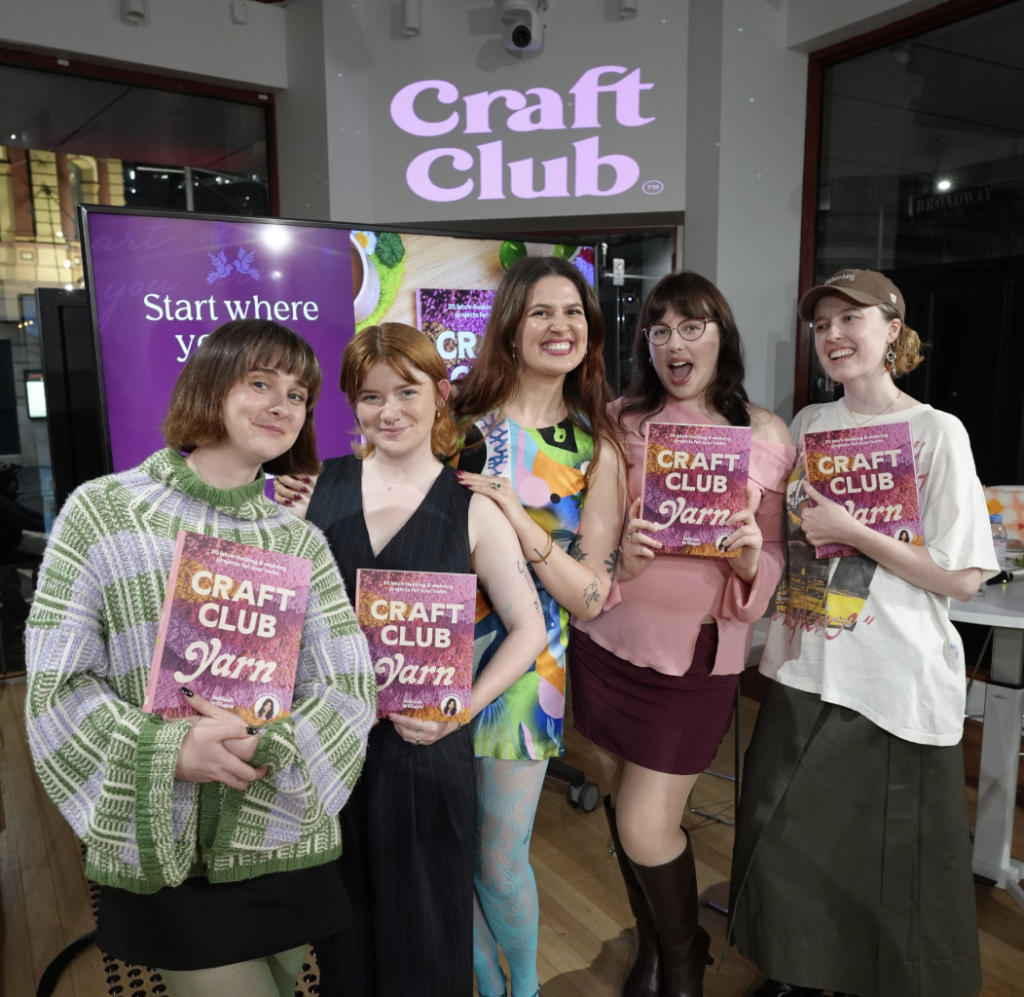
That drawer is now the reason every Craft Club kit is built to be fail-proof. Craft Club launched in lockdown in 2021 with six cross-stitch designs. Power Retail had it at $10 million a year earlier this year, growing at 350%. It ships to 18 markets from warehouses in Sydney, Shenzhen and LA, and has a community of more than 120,000 makers.
In this article, we cover three things ecommerce teams can take into their business:
- Why the fastest growth can come from a category nobody else is selling
- How protecting 20% of your time and budget for new ideas finds the next big seller
- Why keeping stock close to where it’s made turns it back into cash faster
From TK Maxx Spreadsheets to a Lockdown Kit
Nakisah’s family wanted her in a stable job, so she studied accounting, then fashion. She landed at TJX, the business behind TK Maxx, as a merchandise assistant and moved into allocation and planning. Every promotion meant more spreadsheets and less creativity. Drawing and crafting became how she looked after her mental health.
In lockdown she bought a cross-stitch kit from Spotlight and finished it in a couple of hours. She couldn’t find another design that spoke to her age group, so she downloaded cross-stitch software and made her own. Her partner, now husband and co-founder, Nikos ran a digital marketing agency. He pushed her to launch a proper brand with its own website, not just an Etsy store.
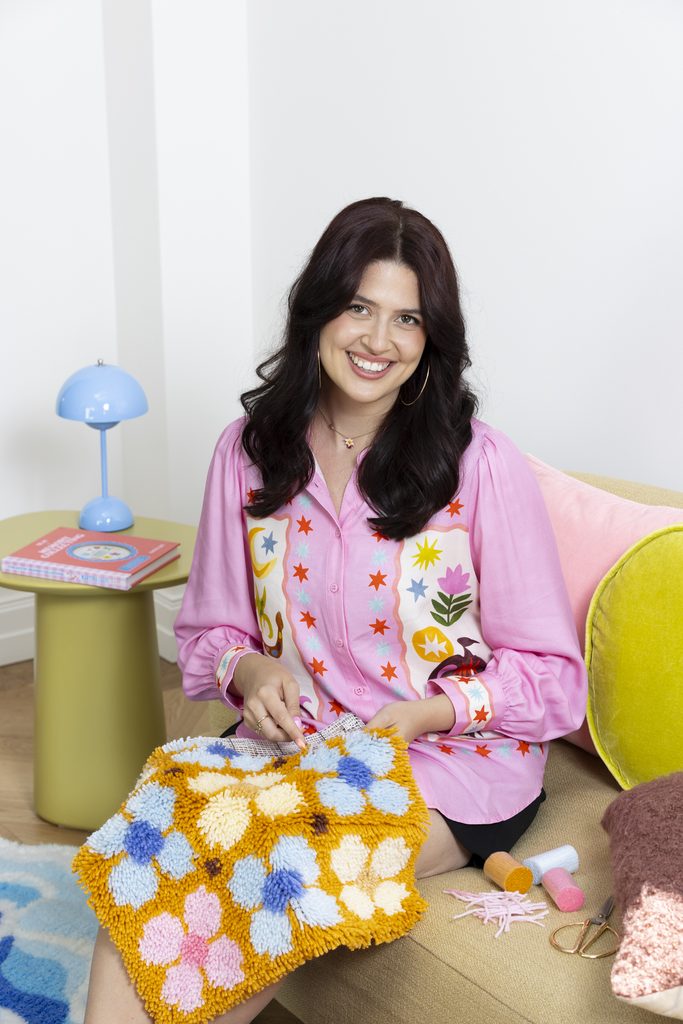
I’ve really found that as adults, if you just have one creative win, if you’re able to make something from start to finish and feel that feeling of satisfaction of like, I can’t believe I did this, that’s all you need to start your creative journey.
That first win is the test for every kit. Cross-stitch was her starting point because it’s fail-proof. Follow the pattern and it looks right. Every new craft has to pass the same test. Many kits also end in something practical, like a pouch or a handbag. In Nakisah’s experience, adults won’t give themselves time to make something unless it has a purpose.
Category of One
Six months in, Craft Club launched latch hook rug kits. Nakisah had watched rug tufting take off on TikTok, but a tufting gun and setup cost thousands. Latch hooking makes a rug with one hook and one simple knot. It was popular in the 70s and 80s, then mostly forgotten. Craft Club became the brand teaching it to a new generation.
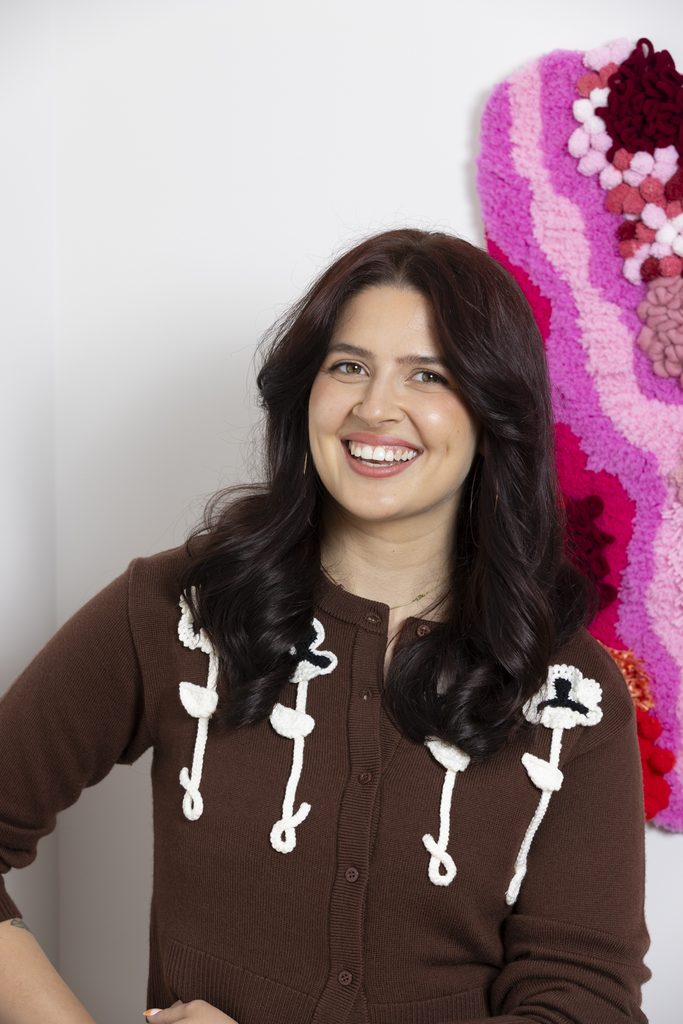
As we’ve grown, as we’ve scaled product, we’ve found that our best success happens when we are in a category of one and when we are doing the educating to our customers.
Explaining a craft people have never heard of is harder. But there’s less noise to compete with. Craft Club ranked quickly in search for latch hooking because Spotlight and the small cross-stitch brands weren’t there. And if a customer’s first try at a craft is with Craft Club and it goes well, they come back or tell a friend.
The Moss Coasters Her Friends Thought Were Weird
Only about 20% of the craft market is aimed at adults, and Craft Club’s crafts are a niche inside that. So one category was never going to be enough. Early on the business was called Cross Club. Nakisah renamed it Craft Club so she had permission to make any craft. She keeps about 20% of her time and budget for things the business has never tried. By her count that’s meant around 150 new SKUs in the last year.
One of those experiments was moss coaster kits: little mossy green coasters woven from yarn. When she described them, friends with ecommerce brands said they sounded cool but a bit weird. So the plan was to buy 50 and see.
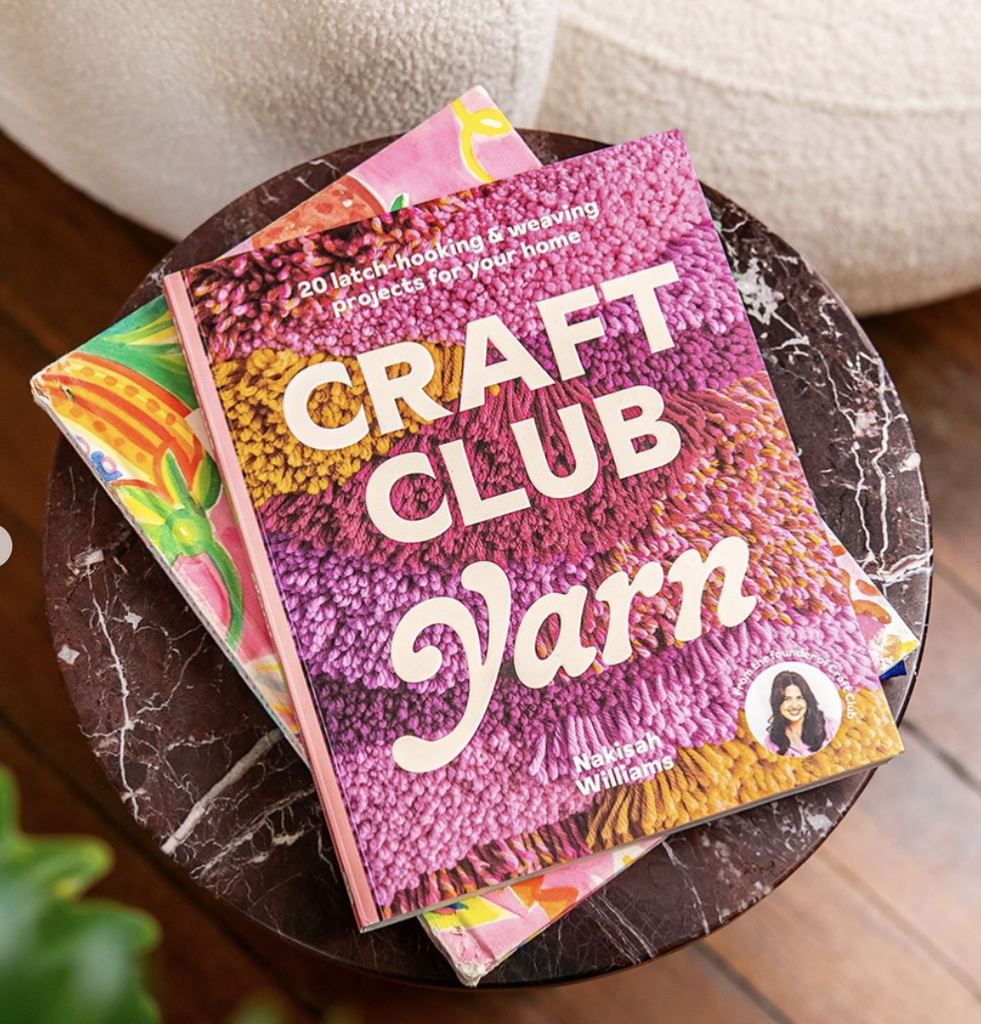
It ended up being our fastest growing category and just completely changing the scale of our business. If we relied on just one product category, we just couldn’t scale. There wasn’t enough people in Meta who cared about it.
Half-stitch needlepoint kits did the same again. Each new category brings in new customers. It also gives existing ones a reason to try something they wouldn’t have picked up on their own. Craft Club’s returning customer rate has grown from about 10% to 35%.
Keep Stock Close to Where It’s Made
Fast-selling new kits brought a yo-yo problem: buy what you can afford, sell out, wait months for more. Preorders were the first fix. Craft Club still uses them, with $10 or 10% off to say thanks for waiting.
Shipping US orders from Sydney was the bigger issue. Stock took four to five weeks to arrive from the factory, then Australia Post carried it back across the Pacific at a high cost. About a year and a half ago Craft Club opened a 3PL in Shenzhen, right next to its suppliers. It feeds warehouses in Sydney and LA, which hold the proven best sellers. Stock now turns back into cash in weeks rather than months, and worldwide delivery averages six or seven days.
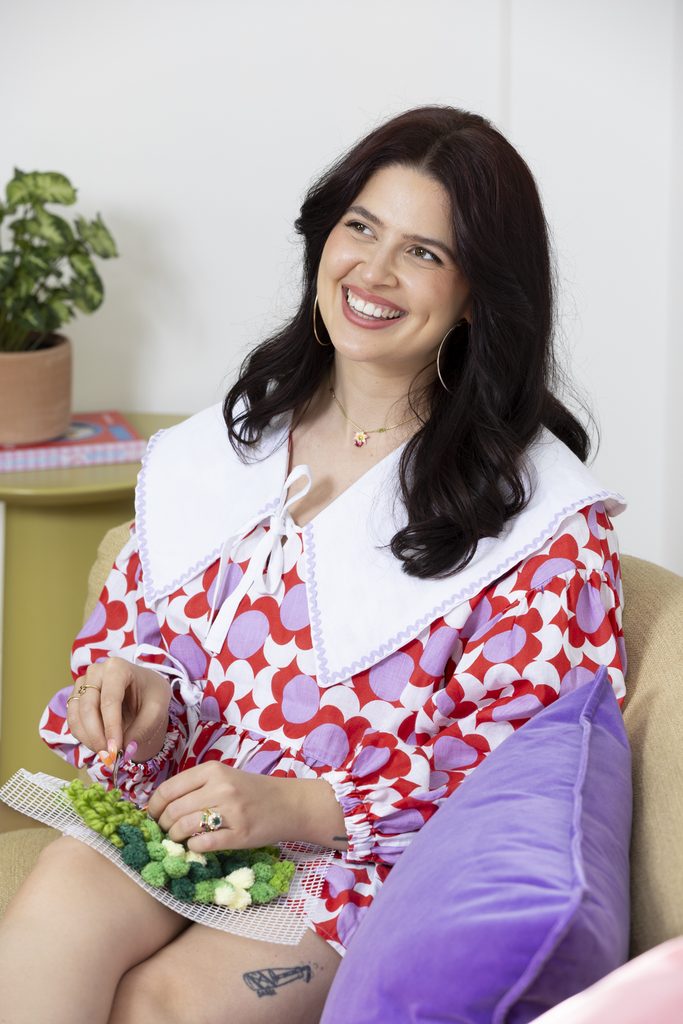
No matter how good of a buyer you think you are, you can never predict exactly what is gonna sell and what pace that’s going to have.
She learnt that the hard way. Craft Club once ran 3PLs in Canada and the UK, chosen, she admits, mostly on vibes. Now new kits launch from Shenzhen. The team can usually tell within a day whether something will work, and reorder the next day if it does.
A Community the Algorithm Doesn’t Own
For the first couple of years Nakisah ran Instagram and customer service herself, so every DM got a reply from her. As organic reach dropped and ads got more expensive, the Facebook group felt like it belonged to Meta. In May, Craft Club launched its own app, the Clubhouse, built on Circle. It passed 8,000 members in under six months.
Members share any craft, not just Craft Club kits. Some have started WhatsApp calls to stitch together, with people joining at 5am from the other side of the world. Craft Club also built Craft Studio, a pattern design tool it uses for all its own kits, and made it free for anyone. And it uses no AI in its designs, marketing or content. For the latest handbag campaign, it hired a real voice actor.
The Takeaway
Craft Club grows by going where nobody else is, then making sure a customer’s first try works. Set aside a real share of time and budget for new categories, and test them close to the factory so a miss doesn’t sit in a warehouse for six months. If every dollar goes into restocking what already sells, you won’t find the next moss coaster.
Frequently Asked Questions
What is a category of one in ecommerce? It’s a product category where your brand is the main or only one selling it in a particular way. Craft Club grew fastest with crafts like latch hooking and moss coasters, where it had to educate customers but faced little competition. That also helped it rank quickly in search.
How does Craft Club decide which new products to launch? Founder Nakisah Williams keeps about 20% of her time and budget for products and categories the business has never tried. Each kit has to be fail-proof for a beginner. New kits are tested in small runs from a warehouse in Shenzhen, so the team can reorder fast when something works.
Why would an Australian ecommerce brand use a 3PL in China? Craft Club’s suppliers are in China. Shipping stock to Sydney and then on to US customers took weeks and cost more. A 3PL in Shenzhen next to its suppliers restocks fastest, feeds warehouses in Sydney and LA, and turns stock back into cash in weeks.
How do preorders help an ecommerce brand manage stock? Preorders keep revenue coming in while popular products are out of stock, and show how deep to buy. Craft Club offers $10 or 10% off preorders to thank customers for waiting, so a sell-out doesn’t turn into a slow month.