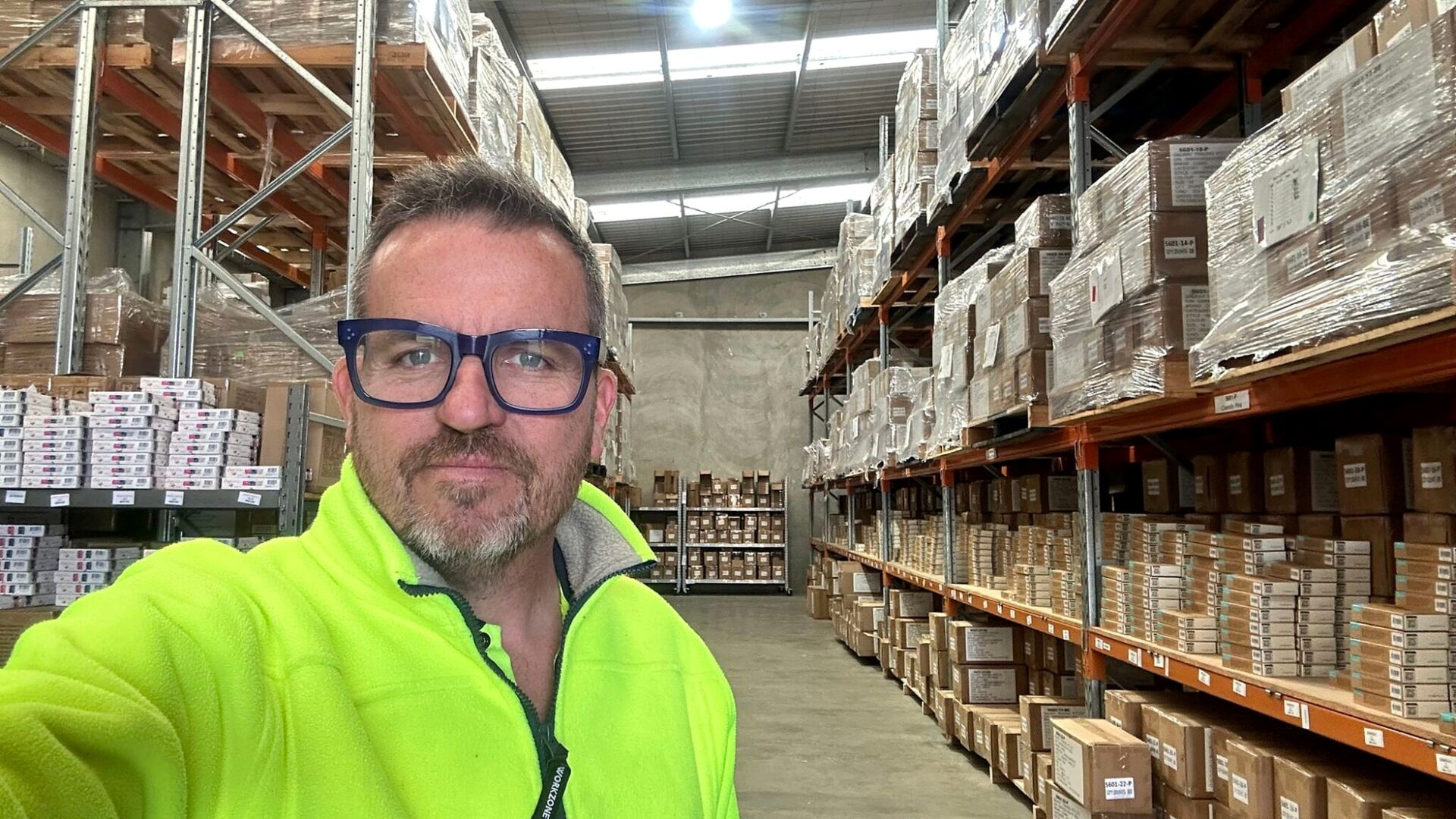
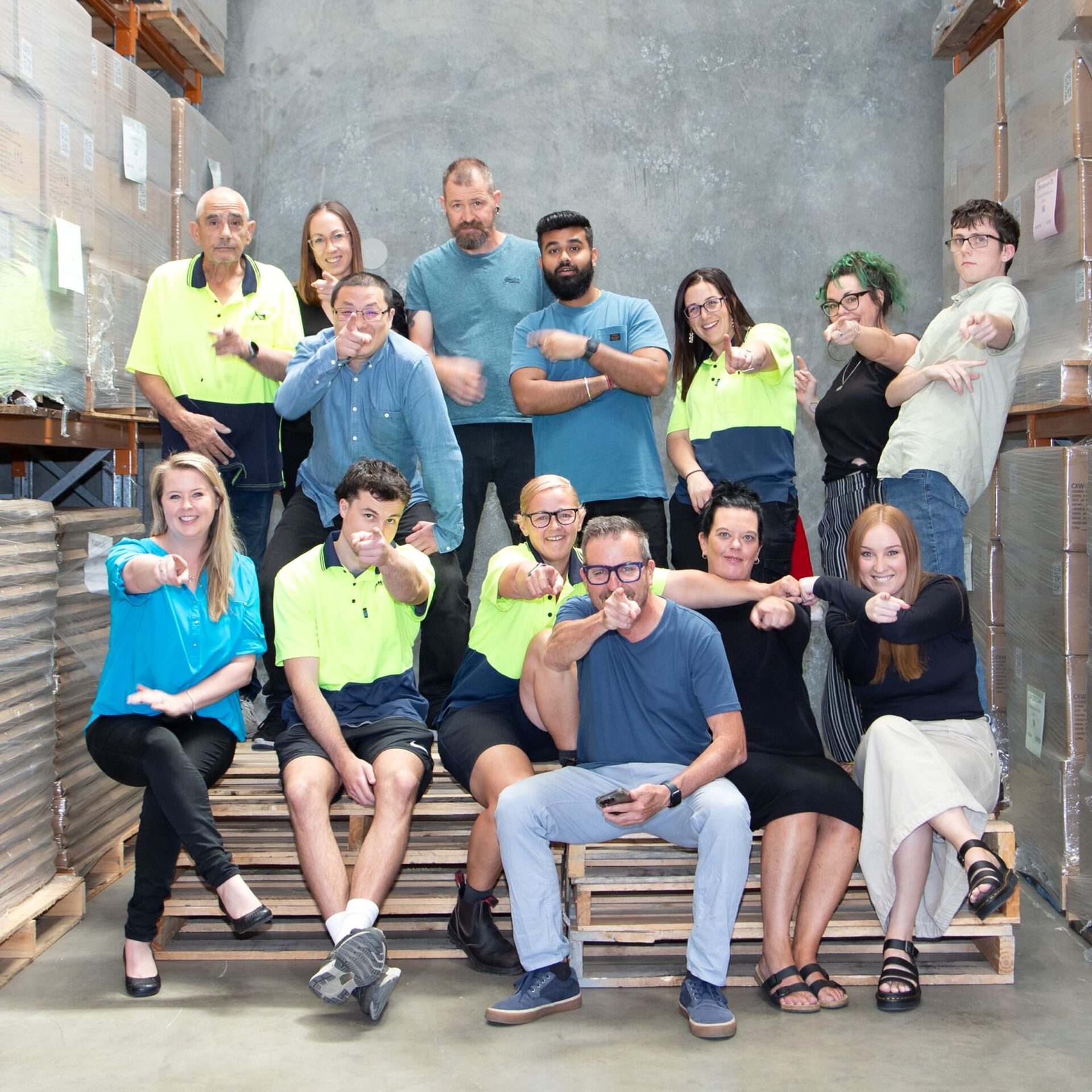
Nathan Bush: How's this for a stat? Most retailers deliver three days faster than they advertise at checkout. However, 38% of shoppers are saying an accurate delivery estimate makes them more likely to buy. So that promise gap could be costing you conversions. But it is fixable and it is just one finding in ShipIt's State of Shipping report from AI and Amazon to fuel prices and delivery costs. This report is your blueprint for retail growth in 2026. It is my go to report every year for delivery and fulfillment. You can download your copy with the link in our show Notes. Most of E commerce marketing is built on consumer demand and we can market it. And we can have a bit of fun by making it look pretty sexy. A new season collection, an upgraded model, a creator getting really excited about something. And most products can be given some pizzazz because consumers are interested and want to be tempted. But there are some really good businesses in this country who sell products that aren't a natural fit for marketing, usually because they're a little bit awkward. It could be something tied to a diagnosis. Maybe it's something that's personal or seen as taboo, or a life stage that nobody really planned for or is embracing yet. Often people aren't browsing these categories for fun, but they are facts of life and they're often essential. That changes how you market. It's harder to build hype around it, the ad platforms get nervous about it and even some retailers would rather tuck it around the corner and not be seen. Today we are going to explore how to market awkward products in E commerce so that you are the brand that people trust when the need finally arrives. Norm Douglas runs one of those businesses. He is the CEO of Connie, which has spent around 25 years making reusable absorbent products out of North Geelong. From bed pads to absorbent underwear, it sells direct through wholesale and grocery and through distributors in five overseas markets. Norm came in from a communications and IT background in 2016 and worked his way up to CEO. Today we will hear from Norm and then three other leaders in the ATC archives who have sold into categories which carry a little bit of awkwardness. But first, let's hear it from Norm.
Norm Douglas: We deal with all things P and poo. We make products that, that assist people in their normal daily functions. Incontinence or any type of leaking is a really, really normal thing. The reality is if you were in a, in a party this weekend or a family gathering or whatever, and let's say there was 20 people, the reality is statistics say at least three of those people, minimum would leak at some point in their life when they don't
Nathan Bush: expect to, probably a bit higher at my parties.
Norm Douglas: That's how common it is. Right. The reality is the vast majority of our customers wished they never had to buy our products. That's a great vast majority. Yeah, so we, we're there when they, when they absolutely need us. We often say that the majority of our customers, by the time they decide to buy, they probably needed a product four weeks ago. People don't wake up one day and think, oh you know what, I'm gonna, I'm going to need incontinence products today. They don't wake up one day. It sometimes happens dramatically and other times over a period and sometimes it can be a short lived thing and other times it can be a lifelong thing. The notion that people think, oh yeah, I'm going to research that product and yada yada, we'd like to hope that people come to us because we've been around for a while and we make great products, but we also make sure we're there when they need us.
Nathan Bush: Is there a certain stigma that you have to overcome, especially for those new customers that you know, your liner, you sell the product that most people don't wish they didn't have to buy. Is there a different journey that you think you have to take people on compared to fashion brands to get them comfortable? Because it's essentially signaling for a lot of people this, you're entering a new life stage.
Norm Douglas: Bushy. Even sometimes within our own industry we have to do that. Okay. People within our industry are sometimes, and I'm talking about the home healthcare industry. Right. So home healthcare can be lots of different things. It can be handrail in your showers because you need one. It can be an anti slip floor mat like we have and it could be a full catheterization, I don't know. But even within our own industry we find some retailers will actually hide the incontinence products. Now when I say hide, you know, they put them around the corner, they don't put them out in display. So it's even for us, even for our brand in retail stores that you'd expect to find our products. It can still be challenging. Supermarkets sell a lot of these products. But if you think about your own supermarket, I'd challenge you to remember where those products are.
Nathan Bush: I'd be going straight to baby diapers. But that might not be fair or not always.
Norm Douglas: No, not always. Sometimes they're tucked away near, you know, feminine hygiene type of thing. But it's a department. It's often tucked away. So you're right. We've always tried to, as a brand, tried to destigma fy the language. I think there's been a lot of brands that have tried to do it and some have done it really, really well, and others have tried to do it well, and the audience just wasn't ready. Tenor had a ad campaign a thousand years ago with Whoopi Goldberg. Oh, yeah, you must be too.
Nathan Bush: No, no, it's a sister act. Come on.
Norm Douglas: Yes, that's right. Whoopi Goldberg. It was, you know, a full ad campaign about. About sneezing and coughing and that type of thing. And people have tried that, but it's. It's. We try in our, in our office, in our business to talk about it normally, not to make any innuendos and that type of thing because it is a normal thing. It's a totally normal thing. We often say that people are often born incontinent, they'll often die incontinent, and somewhere in between, they'll leak when they don't expect to. That's the reality of
Chloe de Winter: Far Out.
Nathan Bush: So what does that mean then for your marketing? Where do you put your marketing efforts when you don't know exactly when someone is going to reach that need point? And are there sensitivities that you have to abide by when you talk about things like social advertising or even retargeting? Because it could be, I don't know, off putting or.
Norm Douglas: No, no, you're absolutely right. You've hit it. We have a number of challenges. One, we sometimes get people messaging us quite firmly to stay the hell out of my feed because I don't need
Nathan Bush: your products, you know, so you've offended them.
Norm Douglas: That's right. They're offended that. Because maybe they suit the demo or maybe they've searched for something and so they're offended. Then there's the other element where Google. Google. Not always we've got better at it, but it's challenging. They'll label our products as nudity and they'll limit our ability to advertise. So that's a challenge. And we don't show faces and that type of thing. Typically as a brand we make that decision. But so we showed torsos or underwear because underwear is a big part of what we do. There's many sensitivities and that's why we try, where possible, to not use innuendos. We try and just use normal language. We like to say, you know. Right. And. Or Wrong. We're never going to be a sexy brand ever. I like to say that we're kind of the Mrs. Doubtfire of our industry.
Nathan Bush: What Norm is describing is a customer who turns up late, is a little bit uncomfortable and already in the need state. Now you can't talk to that person, but what you can control is how easy you are to find and trust when they finally go looking. So where do you start with these awkward products? Firstly, have a think about the moment that your customer actually starts looking for Connie. It might be a new baby, a surgery or an aging parent. Write these moments down. Then write down the words that someone would type into Google or ChatGPT at exactly that point. A useful lens. Here is the jobs to be done, which is what we use in the E Commerce foundations course. Every purchase essentially has three jobs. Firstly the functional job, that is how the product works and how it's suitable for your needs. Then there's the emotional job in that it solves a problem that might be holding you back or limiting your enjoyment of something. And then the social job is that you need a level of trust and potentially discretion in the transaction. Most product pages only usually answer the functional job and there's no category that needs to answer all three of these jobs and is more handcuffed, so to speak, than the sexual health industry who are not only aiming to have healthy discussions but are also limited by ad platforms. Who are who tell them what they can and they can't say. Here's Lucy Walk, the founder of Normal, who built her whole store around a first time buyer who was a little bit nervous.
Chloe de Winter: So we really want to like take away like any risk of someone having a bad experience. Give them as much education, information upfront as possible to enable that sort of choice. We have like, you know, like recommendation quiz, like all those types of things. So we've really tried to be like if you knew nothing about sex toys and you had like a mixture of internalized stigma and curiosity and excitement, like how would we build this experience so that you're able to find the right thing for you and then have a really good experience with it. And like that's how we sort of thought about changing that.
Nathan Bush: As you can hear, Lucy is designing for the emotional job as much as the functional one. So here's a check to start with. Read your best selling product page as a first time buyer who feels a bit awkward or perhaps give it to someone and make them feel awkward. Every question you'd be too embarrassed to ask should already be answered there. The Next thing is the language, and this one takes a fair bit of real customer insight. When a category carries shame, customers often can't even name what they need. So the brand has to say the words first and say them in a normal way. Norm's team talks about pee and poo in the office the same way that you would talk about sizing. There's no innuendo and, and no cute euphemism. That plainness tells a nervous customer that this is normal and they are in the right place. Vague product names and soft focus copy that does the opposite. They're the online version of hiding the product around the corner. Here's Alice Williams, the founder of Overa, who built a brand around a pain that a lot of women have been told to just put up with.
Chloe de Winter: Definitely. I think, because there is unfortunately still, you know, a lot of shame and stigma around periods that it has just kind, kind of been automated that we do grin and bear it. We've never really, I guess, even known to speak up because we'd never seen other people do it. I think now that's definitely changing. You know, when I have a condition called endo, and when I grew up, I didn't even know endometriosis existed, so how was I even supposed to ask my doctor, do I have this?
Nathan Bush: You know, just on the brand. But if you look on your website and what you've done so far, you've actually got a beautiful brand, like a really inclusive, honest brand. Right. So it's not like fluffy and skirting around the edges. Where do you decide where to double down on the brand and create brand. And when you let it go.
Chloe de Winter: Okay, good question, Nath. It does, because if you did click on our website, you'd be like, she's talking smack. She cares about brand. But there's always exceptions to the rules. So for like, website and EDMs is probably the, you know, still, we, we don't have brand guidelines there. Obviously we want things to look trustworthy and usually quality comes into play. However, everywhere else it's more of an attention play of people don't know about you yet, they don't care. And so how do we create some affinity with them? Through creating an emotion and some type of emotion that is activating. So it's usually quite a strong emotion. Yeah. And back in the day, everyone would create Instagram tiles with quotes that were like, quite calming. And so now we try and do stuff which is like, does it make our customer laugh? Does it make them pissed off? Does it make them rally Together. And same with the educational content is like. People may find it shocking. It's not shocking. Why are we shocked at it? Because we've never been taught about our bodies before in the way that we talk about it.
Nathan Bush: Alice wanted to get rid of the stigma and talk about conditions, life stages and her products in a normal way. Endometriosis should just be part of the conversation and I think her customers would want exactly the same. That's why they've been able to have such a strong connection. So pull the words your customers actually use from reviews, from customer service emails, from what they type into your site search. Then put them next to the words on your site. If they don't match, change yours to match the customers. And the last one, and this is the one most likely to catch a marketing team out in a sensitive category. The ad platforms are likely to limit you at some point. Norm has Google labeling his underwear as nudity and people asking him to get out of their feed. So plan for this rather than being surprised by it. Expect some ads when you've got awkward products to get rejected and build in time to appeal or to get creative. Lean harder on the channels that you own. It's no accident that email is Connie's best performing channel. Here's Chloe de Winter, who's the co founder of Nala, the amazing underwear brand, on what it looks like when your product gets censored on a regular basis.
Chloe de Winter: For us it's boobs get censored, bodies get censored all the time. So meta as a whole has actually been pretty good. I feel like they're, they're probably one of the more progressive of the bunch. But yeah, I mean we're always shadowbanned. If you want to find us on Instagram, you have to type in our handle. Exactly. Otherwise we won't come up. So that's one thing. We also go through an approval process now with our ads so that they get approved before they're actually put in our ads account.
Nathan Bush: As you can hear, Chloe hasn't fought the platform. She's built a process around it so that ads get checked before they go live. And the restriction does go both ways. If it's harder for you to advertise, it's harder for your competitors as well. Creativity such as nala's Boob guide is essential for not getting frustrated with restrictions, but having some fun with them. There is no magic formula for selling awkward products. In fact, they can often be the most lucrative and resilient categories of products because they're usually based on human conditions. As Norm put it, there is a new customer for him that is born every day, but there is an art to marketing awkward products. Make sure you are addressing the functional, emotional and social needs of your product when you're talking about it. That matters more than regular products. Talk using the words that your customers are actually using so that they break down any awkwardness as quickly as possible and be prepared for the challenges such as ad platforms restricting you and get ready to be creative. We cover working out who you're really for and the job that they are hiring your product to do in module 3 of the E Commerce Foundations course, which we are just about to release and it brings together lessons from over 600 interviews with Australia's best e commerce leaders. If you are selling something your customers would rather not talk about or you are working out how to get in front of them without a platform flagging you, these are the conversations that we love having in the Add to Cart community every day. You can join for free over at addtocart.com au. Don't be awkward about it. We're all friends. That is the playbook for this week. I'll see you next Friday.