Adir Shiffman thought building a suitcase would take six months and about $200,000, stock included. It took three years and more than $1 million. He did no market testing. He didn’t know if anyone would want it until the first one sold.
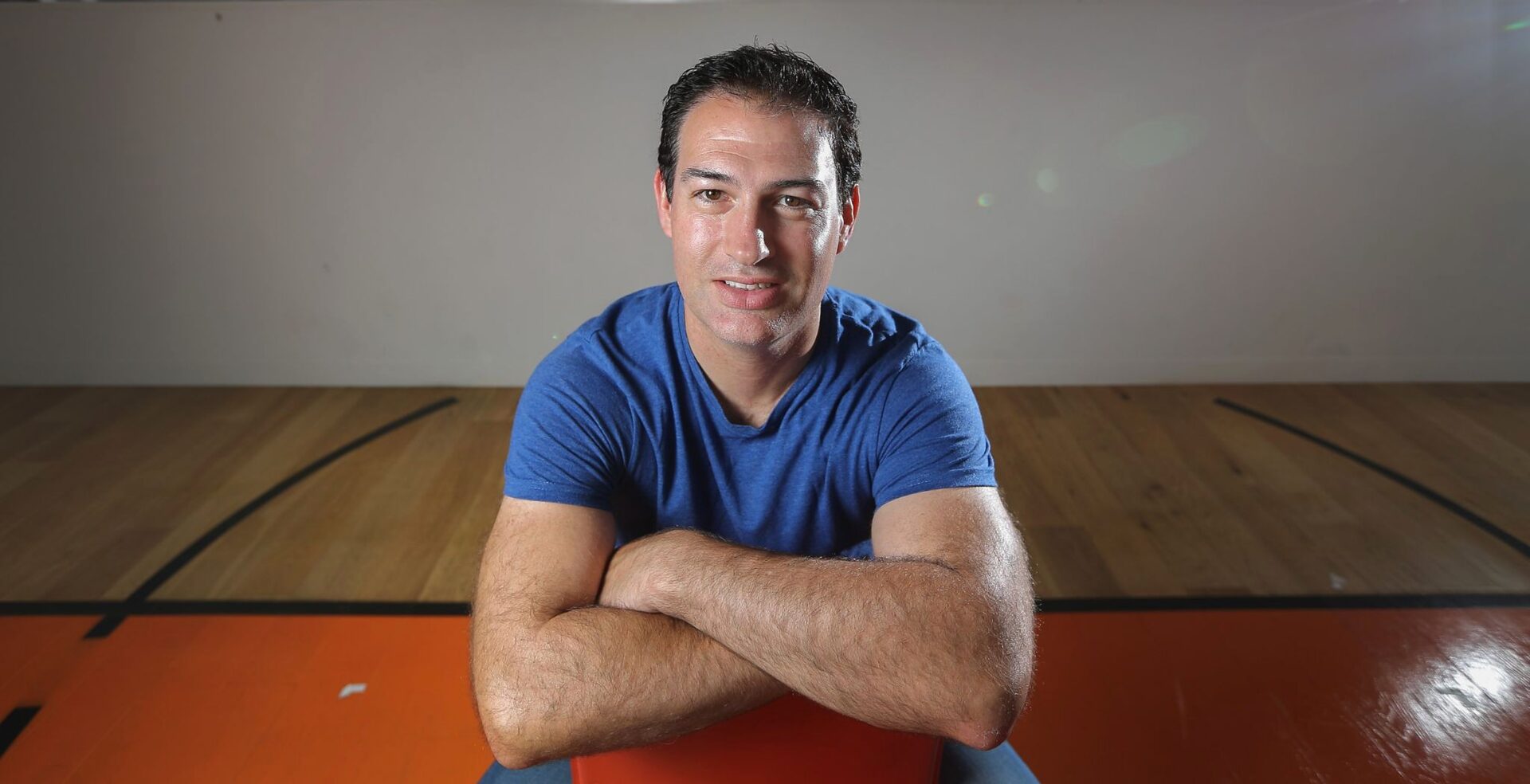
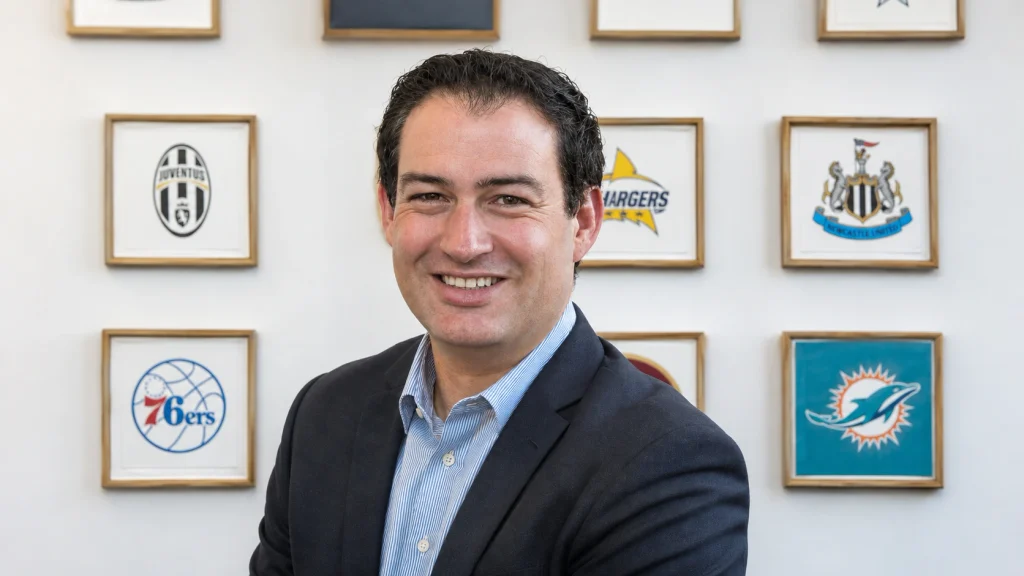
Adir is Executive Chairman of Catapult, the ASX-listed sports tech business, and co-hosts The Contrarians podcast with Adam Schwab. He also invests in vertical retail brands like Nala, Eva, InStitchu and Daily Blooms. In August 2026 he launched his own, Tanssu, a premium luggage brand designed in Melbourne.
Listener offer: Get The Set (The Cabin and The Tote) for $840 instead of $1,180 with code ADDTOCART at tanssu.com. Add The Set to your cart, not the Cabin and Tote separately.
In this article, we cover three things ecommerce teams can take into their business:
- The margin targets Adir sets for every brand he backs, and why making money is more than selling more
- How to measure brand beyond awareness, using reduced acquisition cost, pricing power and forgiveness
- The five Rs that shape which brands AI tools recommend
From a Kyoto Antiques Store to a Suitcase
Adir travels constantly for Catapult, which makes about 5% of its revenue in Australia. For 15 years he couldn’t find the luggage he wanted. He had the founder urge, but he didn’t know anything about making suitcases.
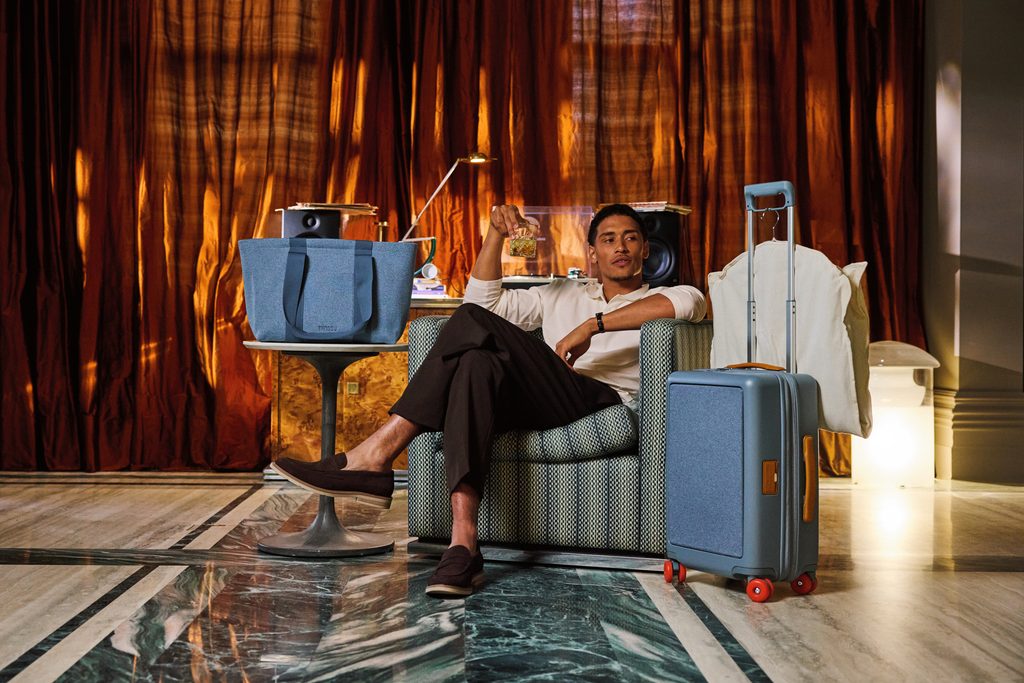
Then, in an antiques store in Kyoto, he found a wooden chest on wheels. The owner explained it was a tansu. In the Edo period, people kept their precious things inside and dragged it wherever they went.
I thought, that’s it, I’m making the suitcase brand. That is my dream of a suitcase.
He added a second S so the name could be trademarked.
Three Years to Get It Right
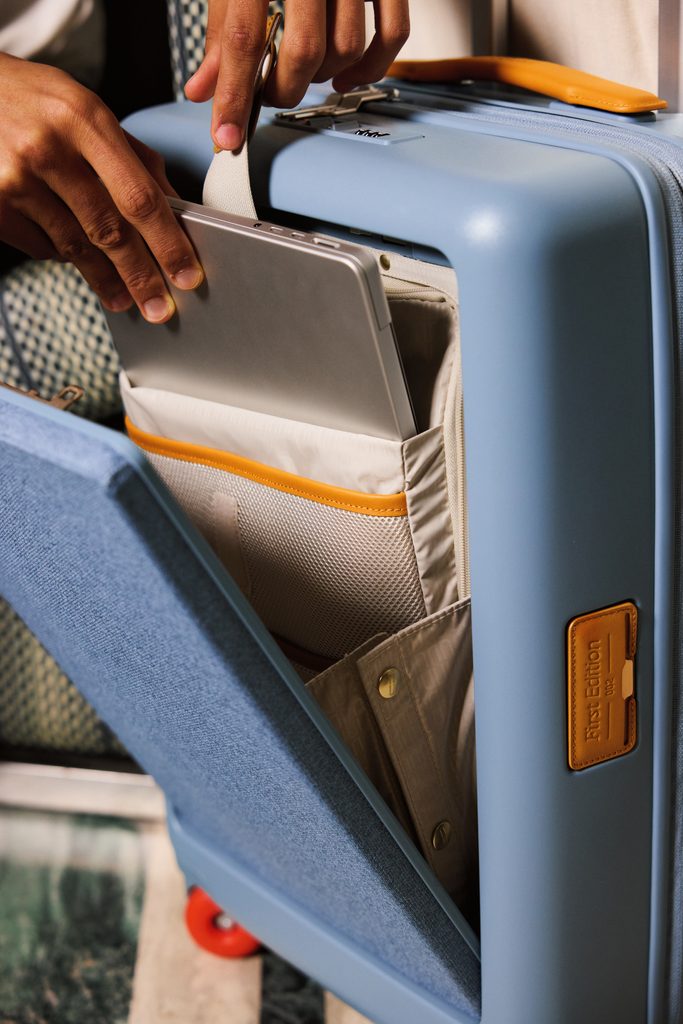
Adir wanted a front panel that opens with no zips and no gutter around it, covered in knitted fabric. Factory after factory said no. It took four countries to find one that would make it. Near the end, a member of the team said it couldn’t be done. Adir said he’d rather walk away and write off the money than launch something he couldn’t stand behind.
He also wanted skateboard wheels. They’re heavy, so the team redesigned them and built its own injection moulding tools.

There’s this moment where you think it’s actually gonna be more emotionally painful to quit than just to push through it. And I think that is a hallmark of founders that succeed.
Catapult started as a hardware business, and that shaped Tanssu. Physical products usually don’t work the first few times. But Adir says there’s something beautiful about holding a thing you brought into the world.
Ambition People Can Believe In
Adir calls himself unreasonable, but he’s learned there’s a limit. Set a goal people can’t imagine, and they either stop believing or commit to things they can’t deliver. Set it barely above today, and nobody feels lifted by it.
You have to put it so far in the distance that it’s little and blurry, but still can be seen and you can convince people to believe in it.
Early at Catapult, he set a goal of building a $50 million business. It felt absurd, but it was within reach. A billion would have been too far. Adir also credits luck. Soon after Catapult listed, it lost its AFL deal and found out through the media. The rebuild left it with a stronger relationship with the AFL and Champion Data, and a better deal. His view is that you only know whether something was good or bad luck in hindsight.
How to Make Money, Not Just Sales
For the first 10 years of his career, Adir thought you made money by selling more. Now, when he backs a brand, he often holds revenue flat for a year while the business is restructured to make money.
He’s open about his targets:
- 70% gross margin
- 40% contribution margin, fully loaded with media, production and agency costs
- 25% EBIT margin, in cash he could take out if he wanted
- Negative working capital, so customers’ cash funds the business
The gap between contribution and EBIT comes down to scale. In a well-run business, contribution dollars grow faster than fixed costs. A $5 million brand might make 5% EBIT. At $50 million, the same brand could make 25%.
There are no silver bullets in making money. There’s basically a million efficiencies in a million line items.
He used to think success was measured by headcount. Now he hires behind the curve. He’s against discounting and free delivery. He recently bought from an online pharmacy that charged more for delivery the more he spent, and he still bought because the price and service were good. He calls Black Friday the industry’s Frankenstein’s monster, because it pushes spending out of October. But he accepts that brands have to take part.
Why Tanssu Launched on LinkedIn
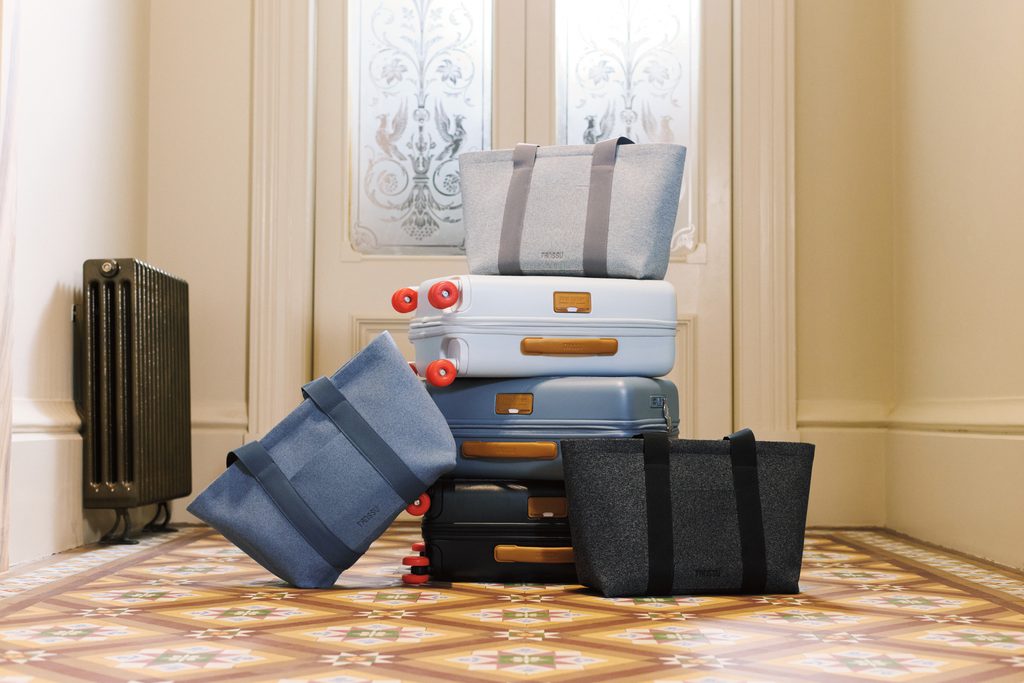
The Cabin is $890 and the Tote is $290. Adir isn’t chasing the shopper who’s happy with American Tourister. Most direct-to-consumer brands would launch on Meta. He doubled down on LinkedIn, because that’s where his audience is. The first buyers were business leaders who took a chance on him.

Every customer gets much too much love to be scalable, but they run around saying, I feel a part of this.
He asked those customers for real testimonials with their names attached, including Sam Kroonenburg from Cuttable. Their posts built trust in a brand nobody had heard of. Sam also convinced him that as the face of the brand, he needs to commit fully to founder content.
Running a Lean Brand With Claude
Tanssu has almost no team. Adir calls himself the worst person in Australia at admin, so Claude keeps him on track. It runs a simple CRM that tells him when each customer is due a welcome message, which he writes himself. It tracks his media outreach. It also connects to Shopify for discount codes.
He won’t let it near his Gmail drafts, because in Gmail the permission to draft is the same as the permission to send. He told Claude that a “won’t send” switch is like locking a criminal in jail with the door unlocked and a sign asking them not to leave.
I do not abrogate responsibility for doing and deciding to Claude, because I think humans are smarter still in making the decisions.
How Do You Measure Brand?
Adir says brand gives a vertical business three things. It lowers your acquisition cost, gives you pricing power and buys you forgiveness when you get something badly wrong. Awareness surveys miss most of that. A small brand moving from 5% to 6% is inside the margin of error, and people can know your brand and still dislike it.
So he spent a year reading peer-reviewed research on brand equity and combined the three strongest models into one. With Steve Ford he built BrandScience.ai. It uses 59 tested statements, each rated on a seven-point scale, and each customer answers about eight. Nala and Eva helped test it. It measures things like self-congruence, or how much a brand reflects who a customer is or wants to be. That’s part of why Hermès and Apple can charge what they do.
What Makes AI Recommend a Brand?
Shoppers now ask AI what to buy. Adir calls these decision prompts. Few people click a buy button inside the chat, and citation clicks are a minority of AI traffic. He says Similarweb data shows 52% of people later type the brand name in directly. That traffic converts well, but it shows up as direct or search, so you can’t attribute it.
He doesn’t trust most GEO tools. They guess at prompts, and he cites Adobe data showing the same prompt on the same model gives the same brand ranking only 1% of the time. Instead he focuses on what he calls the five Rs of AI recommendation:
- Reputation: the biggest driver of what gets recommended
- Ratings: star ratings and what people say about you
- Relevance: content that answers the question
- Recency: time-stamped, up-to-date information
- Reachability: product and pricing data AI can easily access
I can’t game the system. Gaming the system is well proven not to work.
Adir says Shopify can handle most of recency and reachability, and much of relevance. Reputation is the hard part. That means fixing what AI gets wrong about your brand, fixing the real problems behind it and getting happy customers to talk.
Tanssu in Five Years
Adir isn’t doing wholesale yet. He’d consider the right stores, where the brand feels premium, but he doesn’t want it on a crowded luggage shelf. He doesn’t need Tanssu to pay his bills, so he can take his time.
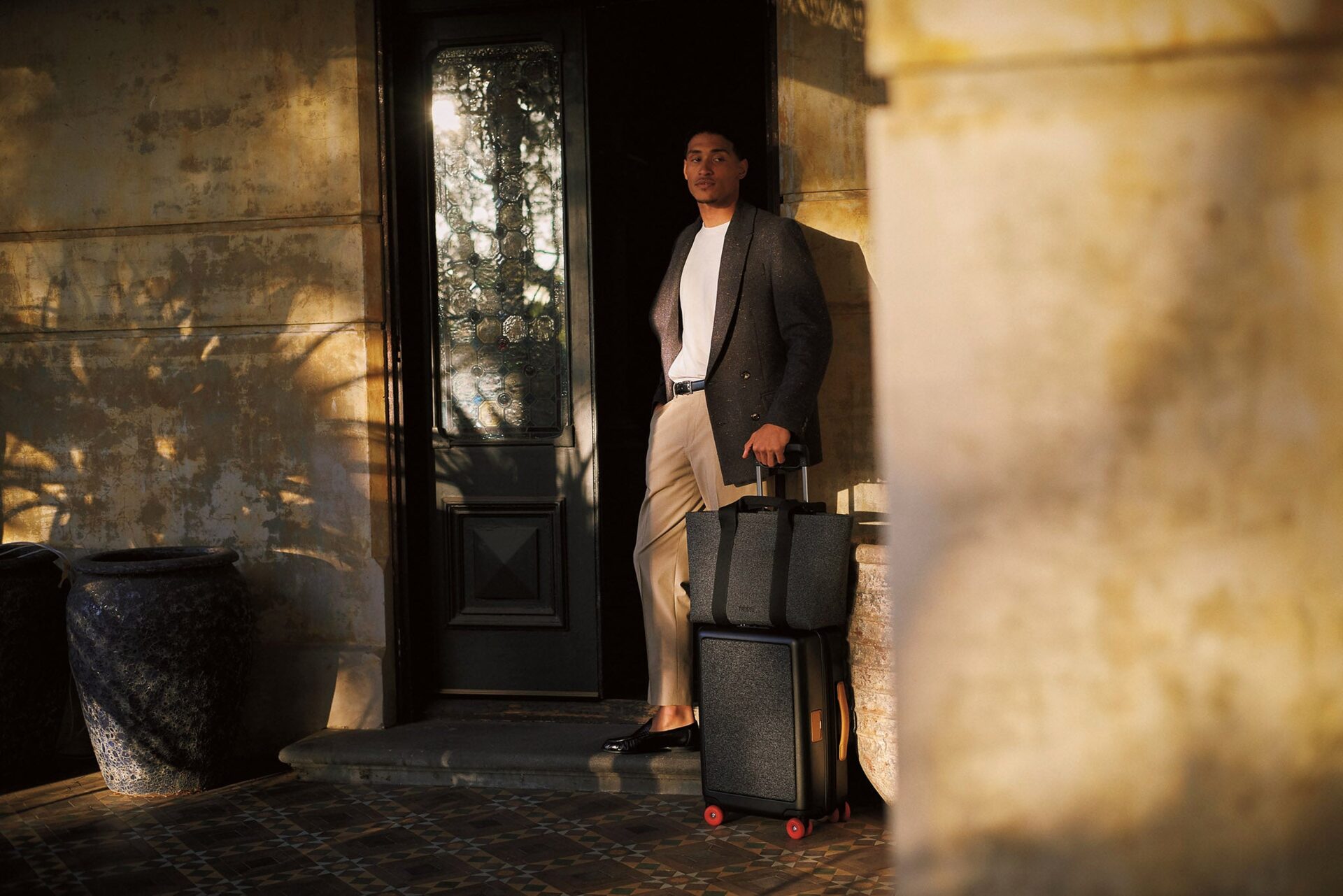
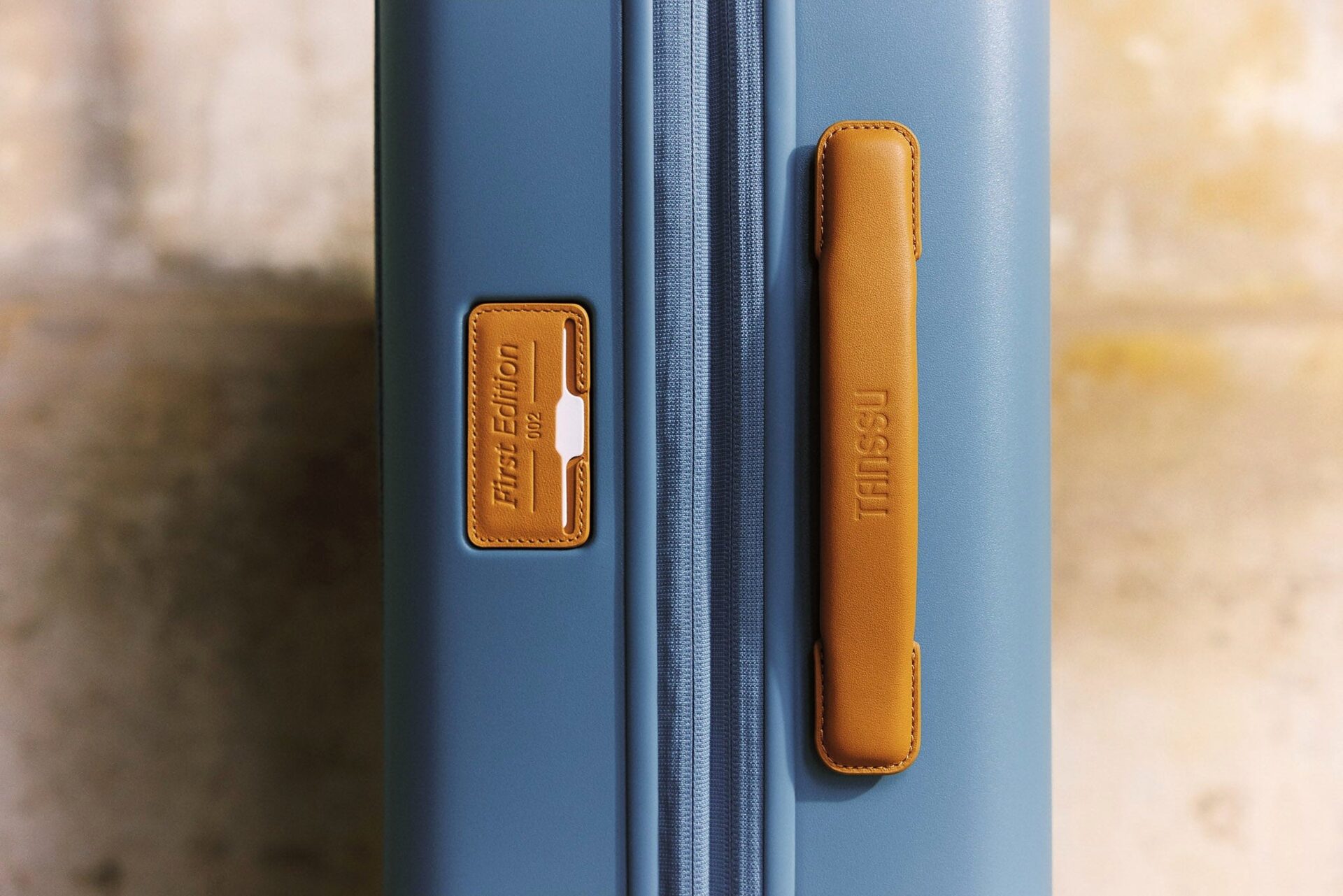
Two months in, his goal is for as many people as possible to say it’s the best luggage they’ve owned. He reckons he got about 90% of the way to his dream suitcase. The details include knit pockets on the back for your phone at security, and the first 999 Cabins are individually numbered.
The best products are probably the products where the founder is really upset about a product not existing and says, I’m gonna build this and I don’t care what anyone else says.
The Takeaway
Adir built Tanssu the way he backs other brands. Make something you can stand behind, protect the price, know your margins line by line and keep the team small. Then build the reputation that both customers and AI will pick up on.
Frequently Asked Questions
What margins should an ecommerce brand aim for in Australia? Adir Shiffman aims for 70% gross margin, 40% contribution margin after fully loaded acquisition costs, and 25% EBIT. Smaller brands will sit lower, because fixed costs weigh more until the business scales.
How do you measure brand equity beyond awareness? Measure what brand does for the business: lower acquisition cost, pricing power and customer forgiveness. Adir’s BrandScience.ai uses statements from peer-reviewed research, rated by customers, to track things like how much a brand reflects who customers are or want to be.
How do you get your brand recommended by ChatGPT and other AI tools? Adir says gaming AI doesn’t work. Focus on the five Rs: reputation, ratings, relevance, recency and reachability. Make product and pricing data easy to access, keep content current and fix what customers and AI get wrong about your brand.
Is LinkedIn a good channel for a DTC brand launch? It can be when the founder has a business audience. Tanssu launched to Adir Shiffman’s LinkedIn network, then used named testimonials from early customers to build trust in a new premium brand.