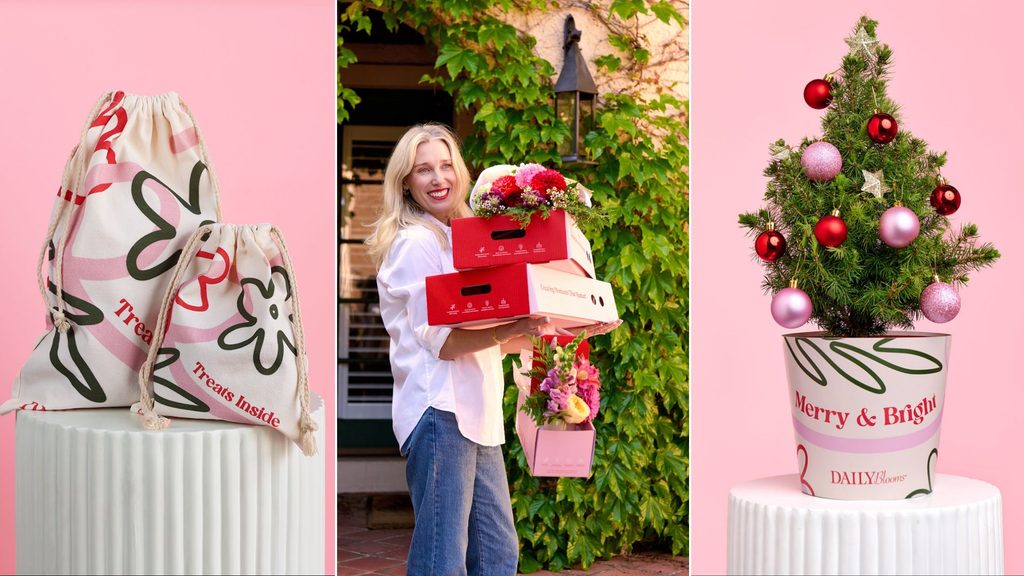
Gifting is one of the biggest moments in the ecommerce calendar. With Black Friday next week and Christmas right behind it, a big share of the orders we ship over the next six weeks will be gifts.
Every gift order has two people in it. There’s the person who paid and the person who opens the box. We usually put all our effort into the first one. The person who receives it often gets a packing slip and not much else. But they’ve just held your product in their hands, with a personal message attached. That’s about the warmest introduction to a brand you could ask for.
How Do You Turn Gift Recipients Into Customers?
Turning gift recipients into customers means marketing to both people in a gift order. Find the gift orders in your data using gift messages, gift wrap and different shipping names. Give the person who opens the box a reason to come back, like a code or card in the parcel. Then reward the senders, because they choose where to shop.
How Daily Blooms Turns One Bouquet Into More Customers
Courtney Ray left corporate finance in 2014 with $500 and what she still calls the world’s worst website. Twelve years on, Daily Blooms is one of Australia’s largest online florists. It has served more than a million customers from warehouses in five cities.
Her team uses Klaviyo segmentation around something they call the Friendship Index. When one friend sends another flowers for her birthday, there’s a good chance the recipient sends flowers back. Then she sends a third friend flowers too. Daily Blooms brought in a company to model who these people are and when to reach them.
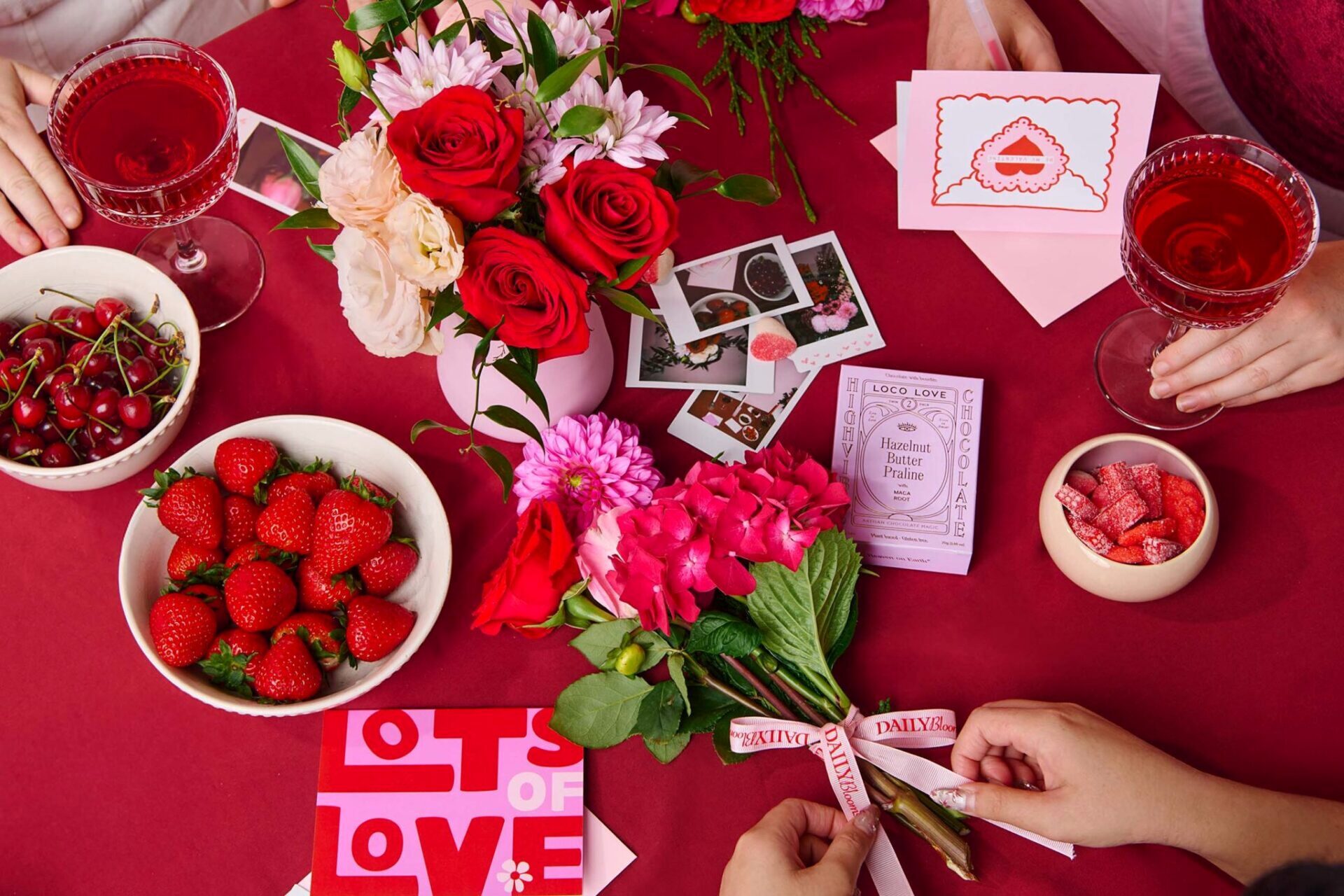
Instead of advertising to just one, you’re actually advertising to two.
She’s careful with it too. Card messages tell the team that a large share of orders are birthdays, so birthdays feature in Meta campaigns. But they market to the occasion, never to anyone’s private message. A gift is a personal moment, and targeting it would be unsettling. Hear the full conversation with Courtney.
In this article, we cover three things ecommerce teams can take into their business:
- Find the gift orders in your data and see who’s sending them
- Give the person who opens the box a reason to come back
- Look after the people doing the sending
Find the Gift Orders
Have a think about how many of your orders are actually gifts. A lot of stores don’t track it. But your order data usually tells you. Look for a gift message, a gift wrap add-on or a shipping name that’s different from the billing name. Tag those orders, and you’ve got a gifting segment in your email platform.
Then look at who’s buying. Say you ship 1,000 orders in December and 400 go to a different name. That’s 400 senders who shop with you for other people, and 400 recipients who now own your product. Greg Taylor, founder and CEO of Step One, spotted this reading through his own orders.

I started seeing a lot of female names come up, and I was like, why are there so many females buying this product?
Men don’t often buy themselves underwear. They get it as a gift. So Greg changed the first few seconds of an ad from “Do you suffer from chafing?” to “Do you know a man that suffers from chafing?” and sent it just to women. He says the return on ad spend was about 15. Same product, different person. Pull a month of orders and check what share are gifts, who’s sending them and for which occasions. Christmas, birthdays and Father’s Day are good places to start.

Invite the Recipient In
The next step is giving the person who received the gift a reason to come back. Remember they haven’t signed up to hear from you. The sender gave you that address so you could deliver a gift. So the invitation has to go in the box.
- A card in the parcel with a code for their first order
- A QR code to a care guide or the story behind the product, with an option to join your list
- An offer that makes it easy to send a gift back to the person who sent theirs
That last one is the Friendship Index working for you. Emma Mazur founded Manflower Co, which sends gift boxes to men, and its sister gifting brand After Hours. She told us about the card she puts in the box.

I bet you’ve got great taste too. Here’s a discount code to send a gift.
Emma also hears from first-time buyers that they found the brand because someone sent them a gift. More men are now sending gifts to their mates after receiving one. Have a look at what goes in your box today. The packing slip, the gift card and the outer packaging are all places for that invitation.

Look After the Sender
In gifting, the sender pays and chooses where to shop, but the recipient gets all the joy. One way to find your best senders is RFM scoring. You score every customer from one to five on three things:
- Recency: how recently they bought
- Frequency: how often they buy
- Monetary: how much they spend
Group them into bands like Champions, Loyal, At Risk and New. Put that next to your gift tag and you’ll see which of your best customers buy for other people. Thank them with a surprise gift, a reminder for the dates they care about or first look at your Christmas range. Kelly Taggart, CEO of the Roses Only Group, is a bit of a mentor to Courtney. When we spoke, she was working on exactly this.

Those people that are out there spreading the love everywhere. We’d like to give them a little bit of joy back.
Roses Only doesn’t market to recipients, because the customer gave them that data. Instead it focuses on the sender’s occasion. Send anniversary flowers and you’re encouraged to set a reminder for next year. That helps the sender look good and brings them straight back. Kelly also ran a test sending a mate’s partner flowers every other month in his name. When it ended, he rang to complain. His partner loved it so much that he now buys flowers every month.

The Takeaway
There’s no magic formula for turning gift recipients into customers. But gifting is one of the few times a customer introduces your brand to someone new for you. Know which of your orders are gifts, give the person opening the box a reason to come back and look after the people doing the sending.
Frequently Asked Questions
How do you identify gift orders in Shopify? Look for orders with a gift message, a gift wrap add-on or a shipping name that’s different from the billing name. Tag those orders so they flow into a gifting segment in your email platform, then check what share of your orders are gifts and for which occasions.
Can you email the person who received a gift? Not without their consent. The sender gave you the address to deliver a gift, not to sign the recipient up. Put the invitation in the box instead, like a card with a first-order code or a QR code to join your list.
What is RFM scoring in ecommerce? RFM scores every customer from one to five on recency, frequency and monetary value. Customers are then grouped into bands like Champions, Loyal, At Risk and New. Combined with a gift tag, it shows which of your best customers buy for other people.
How do Australian gifting brands reward the sender? Roses Only encourages senders to set reminders for occasions like anniversaries. Daily Blooms segments customers in Klaviyo around its Friendship Index. Other options include a surprise gift for top senders or first look at a Christmas range.