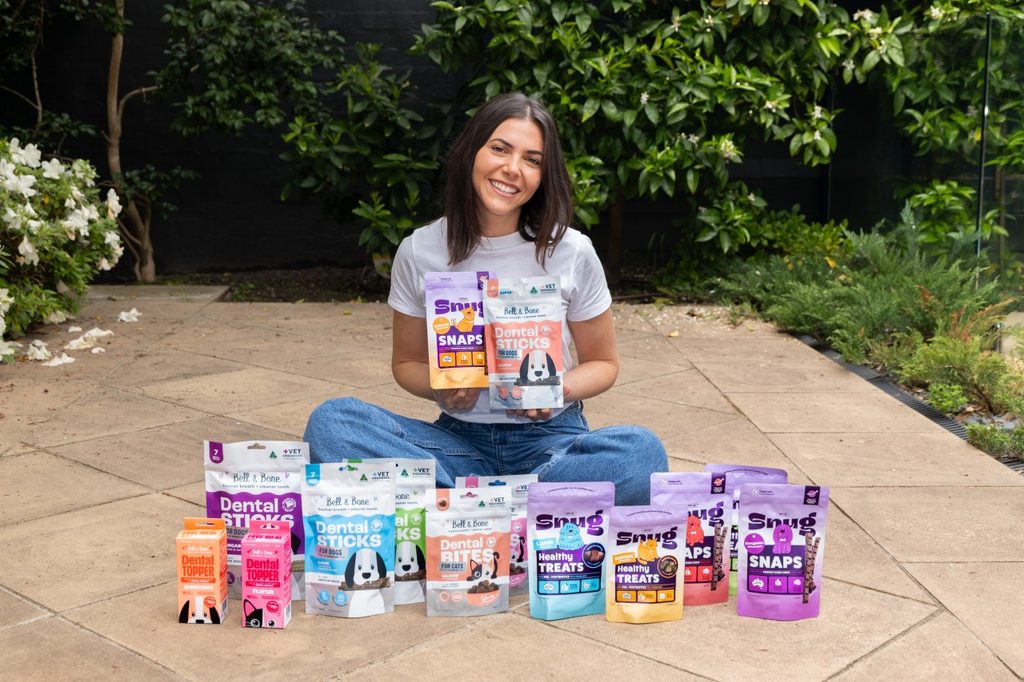
Ariane Sackville: What on earth is the point at looking at your competitors and creating something? Me too. I'll never understand that. And then I put it out into market and the product was hated by so many cat owners, it was a disaster. And being diverse in your marketing and how you show up, you don't need to be the loudest, you need to be diverse. I'm Ariane, the founder of Bell and Bone and Snug and in this episode of Add to Cart, I talk about how I've taken my D2C business and used it to disrupt some of the most established categories in the biggest retailers in Australia.
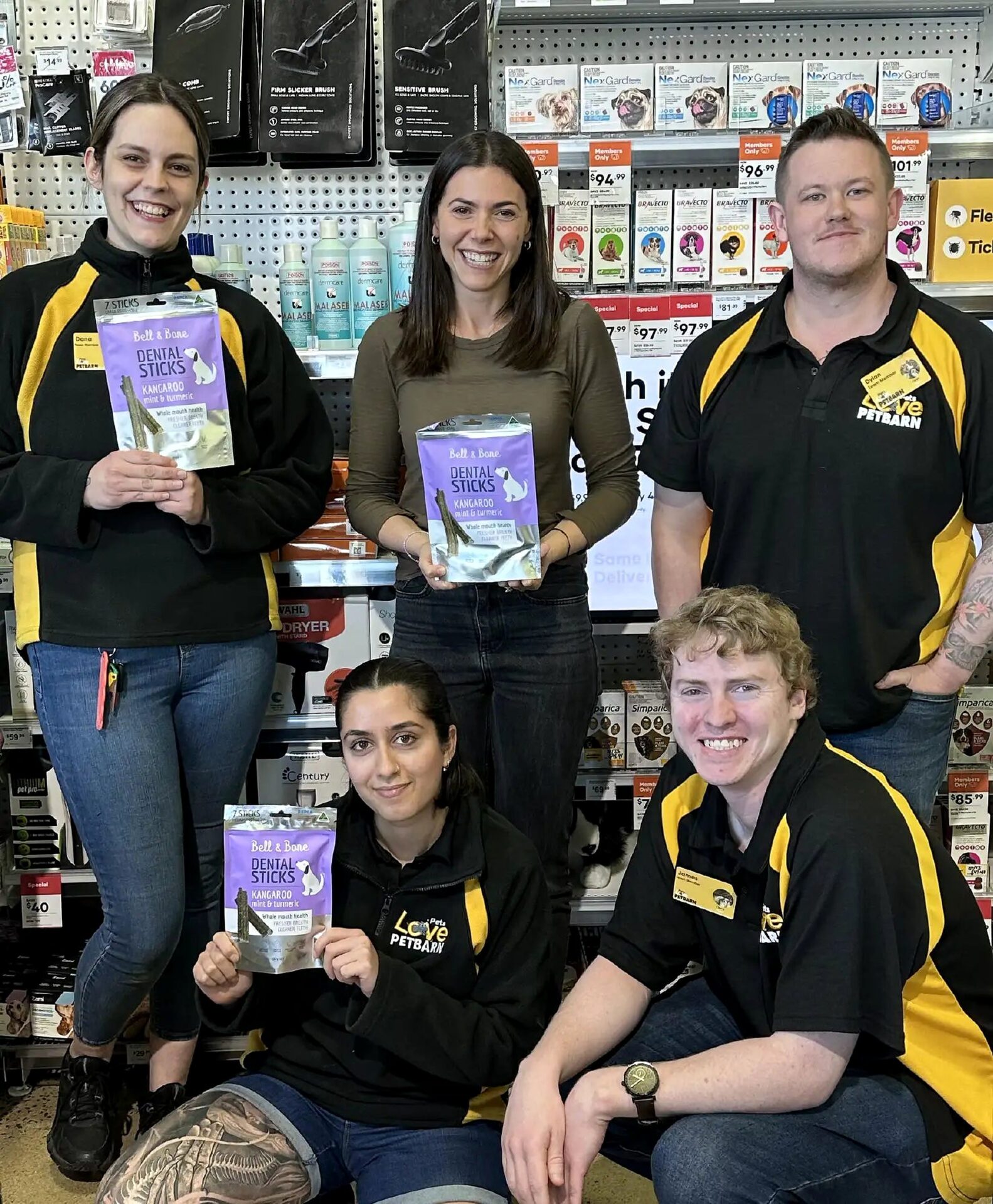
Nathan Bush: Often the biggest brands with the deepest pockets tend to win for a very long time, often without people questioning whether their products are any good. That is how today's guest describes the aisle that she's walked into and the business that she set up to challenge. Going up against a well established competitor has not deterred her, it's actually only made her mission stronger. And now, six years after launching, she is stocked alongside them in the largest retailers in Australia. Today's guest is Ariane Sackville. I first met Ariane at around the end of COVID when I was still in recruitment and she was about to build her first team. She is the founder of Bell and Bone which is a dental care brand for dogs and cats and now sits in around 700 stores including pet Stock and Pet Barn. This week she launched a second brand snug into almost 900 Coles stores. This sits alongside her own D2C presence and community that she is so passionate about. Before Bell and Bone, Ariane spent years in FMCG at Mondelez and General Mills. She built Bell and Bone as a D2C brand first and now runs a team of 12 with a clear view on how a smaller brand with a strong mission can take on the category Giants or the Voldemort as we called them in this episode. In this chat we talk about why her best performing emails are plain text that she writes herself, often without a sales message in them. How meta ads that name your retailers send people into store and and how a launch that never said what it sold still sold out before lunch on day two. If you want the tips and the links from this one in a single email, head on over to add to cart.com and subscribe to our newsletter for free. Every morning that an episode goes live we send a cheat sheet so you can get all the tips and all the good stuff even if you don't get through the whole episode. And we only get to have conversations like this one because of our partners Shopify and Klaviyo. So thank you to to both of those teams for continuing to back Add to Cart. It means a lot to us. Here is Ariane Sackville, founder of Bell and Bone and Snug. As you're probably well aware, Black Friday is not far upon us now. And this year's shoppers, well, they are doing their homework. And our partners at Klaviyo have just released their State of Holiday report and it tells us what shoppers are planning this peak and how brands can win them over. You can grab your copy of the report@klaviyo.com au and we'll have the link in the show notes if you want to check that one out. Ariane, welcome to Add to Cart.
Ariane Sackville: Thank you so much for having me.
Nathan Bush: Oh, it is a pleasure to have you on here. I've been pestering you for some time and it feels like this is a good moment. As the tooth fairy for dogs, I was like, I was told that's how I should introduce you. Is that right?
Ariane Sackville: Yes, some might call me that.
Nathan Bush: Well, you've got the most incredible story because we met at the end of COVID when I was in recruitment and at that time, I remember some of our chats and you were so early on you had this great idea, but you were just about to build your team. You're on that verge of, I've like founded something and it's getting there and I need to start having team. But fast forward to where you are today. You stocked in 700 stores. You got two brands, you've got a team of 12. Absolutely incredible. How's the last five years been for you?
Ariane Sackville: Oh, wow. You want me to summarize five years?
Nathan Bush: Yeah,
Ariane Sackville: sentence. Okay. The last five years has been incredible, obviously building Bell and Bone as the biggest challenger dental care brand for pets in the Australian specialty market. It's been a real journey. We have been laser focused on that mission and being able to challenge the norm, the status quo, how people been shopping for the last 20 years before us to a different way of taking care of their pet self in both dogs and cats. To just this week, actually, I'm going to correct you. We're not in 700 stores, that is with Bell and Bone, but with my new brand, Snug launching this week into Kohl's, we've gained another almost 900 stores with that one.
Nathan Bush: Holy moly.
Ariane Sackville: Yeah. So the business world
Nathan Bush: domination
Ariane Sackville: doubled yesterday.
Nathan Bush: You're looking pretty calm.
Ariane Sackville: I feel calm. Thank you.
Nathan Bush: That is Incredible. All right, we want to get into the snug story, but it's a big mission that you've got there, taking care of the health of our pets. What makes you so passionate about that?
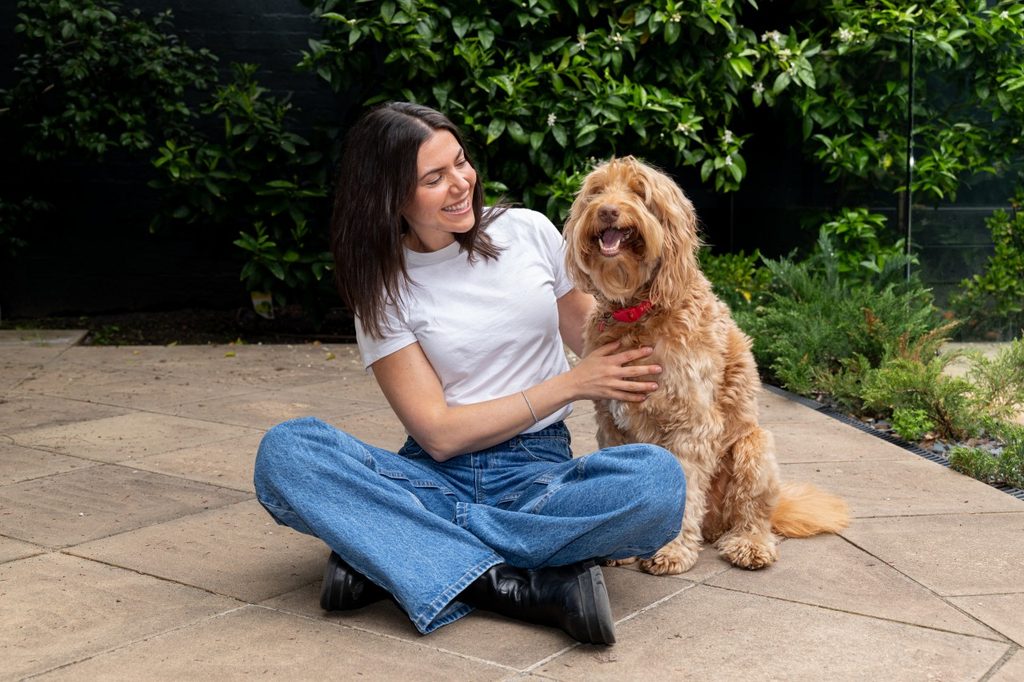
Ariane Sackville: I've always been a big, passionate animal lover. I have my own dog. I'm obsessed with him, obsessed with his health and well being. I want him around forever. But our pets can't read the ingredients. They don't know what's inside their food. They love the junk food. I mean, who doesn't? They need responsible pet owners making good decisions for them. But the pet industry can often be a big game of marketing. And whoever's got the biggest, loudest, longest term, noisiest voice typically wins, whether or not their products are great or not. And that's been happening for a very long time in our industry where pet parents are buying things that are not necessarily the best for their pet, although they're being told that that's the case. And it really bothered me and I couldn't stop obsessing about it. So I decided to make a difference when I launched Bell and Bone, specifically targeting, you know, one main competitor who was basically dominating this industry. Because I knew that if I targeted the number one health concern that our pets face, which is dental disease, I could make a really big, significant impact on their health. And that's been the mission since day one with everything I do.
Nathan Bush: Do we call that competitor Voldemort? Is that the day who shall not be named? All right, well, that's a massive, a massive goal. You're a really good marketer. You are. From what I've seen, what appealed to you about being a challenger? Obviously there's something really central to you and your life and your mission. But because you're a great marketer, you could have just followed the wave of pet products and kind of scaled a lot quicker instead of challenging and having to introduce new concepts and educate the market. What appealed to you about being a challenger?
Ariane Sackville: Yeah, I wanted to make something that was long term and sustainable. We don't sell an impulsive product. We sell a lifestyle, to be honest. And so with impulse, there's a whole lot of tactics that you can use to get a quick sale. But my mission and goal is to change behavior, to change shopping behavior, to change how we take care of our pets behavior. There's a whole process and life cycle around this. So for me, it was never about getting, you know, quick wins on a sale or anything like that. It was about making a revolutionary impact in the industry in which I play. So I have coupled both marketing with credible products to make that difference. And our marketing is not just, you know, sales, sales, sale. It's educational, it's showing up, it's brand building, it's community building. It's having honest conversations with industry leaders about the impact that we can all make together and watching that process roll out in a way that is going to make an everlasting impact on the pet industry and our pets lives.
Nathan Bush: What's the hardest part about being a challenger brand?
Ariane Sackville: Having less money to play with? No, I think the biggest thing is my biggest competitor has owned the market forever. They came in, you know, 20 odd years before us. They've had, you know, every vet recommend them and every store recommend them because they were the only ones that ever existed for a very long time. But our product is completely different to what they sell in every way. From the way it looks on shelf to the actual physical product, to the impact that it makes to the ingredients we use. We don't want to be anything the same as them. What on earth is the point at looking at your competitors and creating something? Me too. I'll never understand that. But for us, the biggest goal in being a challenger brand has obviously been to make a real impact on our pets with a product that is superior to what has always been there. But when it comes to feeding our children, which our dogs and cats are, it's not just a quick change. There's trust that needs to be built in. There's a full loyalty system that needs to be built in. It's an emotional purchase and people are shopping with an intent to give their pet a better life. So you have to find a way. Without hundreds of stores recommending you initially, without hundreds of vets recommending you initially to stand out and be trustworthy. Which is exactly why I have taken that responsibility on and focused really hard on how we can be different. Which, you know, has been events, community building, my personal profile as an advocate for better health for our pets and watching the snowball effect of that as more people see it, more people get on board and, and come along the journey that we're on with Bell and Bone.
Nathan Bush: I'm really interested in diving into all those activations and how you've tactically set yourself apart. But when you went after this category, did you try and take customers away from Voldemort or did you try and open up the category to a whole new range of customers? What's the approach to the Challenger brand? To kind of take them away or to introduce it to new people.
Ariane Sackville: Until every single pet owner is giving their dog or cat daily dental care, the category is not finished growing. So it's a really big pie. And our values as a business is completely different to Voldemort's values as a business. There's not too much the same. Besides, we sit in the same category next to each other about what we're offering people. So our biggest acquisition has been targeting owners who want a more natural, a more healthy, you know, a more transparent brand to align with, versus the pilot mode that I guess a lot of people have been on in their purchasing behavior to date. So we have grown the category for our retail partners, which has been the most valuable thing that we can do for them and why we're being so successful. It's not as beneficial for them if I take share from the competitor. They're not growing. And my goal as someone who sells to retail stores is to grow their category. That's my number one goal. If I can do that and be responsible for that, I'm winning in their stores. Right? And so are they, and they want me there to continue on that journey. So to target a new shopper with different values, with different messaging has always been the key to building bigger awareness about dental care for pets and growing our categories in stores.
Nathan Bush: Is there an awkward conversation there? Because I can imagine. I totally get the thinking around growing the category, Especially as you're talking to the Pep Barnes and the Coles, who are huge, huge companies. But is there an awkward conversation where you, like, see all this stuff over here that you've bought? I think it's rubbish. We want to be the good one over here.
Ariane Sackville: I always try and take a positive spin. I've never seen brand bashing as a way to get favors, but I could be wrong. Maybe that is a better tactic than what I do. No. Bell and Bone is all about positivity. You can see that everywhere we are, through the way, we show up, to the colorful packaging that we have to our marketing, to everything that we do and how I talk about health and wellbeing for our pets, it is a positive brand that, you know, is that moment of joy for people in spoiling their pets. So just by being different in that way, by showing our buyers, our communities, whoever it might be, that we have a different approach, and it is so relevant to the target shopper. You know, we typically target females who adore her pets, who want to spoil them with good health. That's the same person who's walking into our specialty stores. So we Speak the same language just by being truly ourselves.
Nathan Bush: Yeah. And tell me around when you first launched, because I could imagine when you've got a new product, both with snug and with Bell and Bone, you've got something new to market and you genuinely care about pet's health and you want the product to be good, you want it to be tasty, you want it, you know, tick all the boxes. How did you validate that for the first time to be able to be confident, to go into your retailers and go, I've got something great.
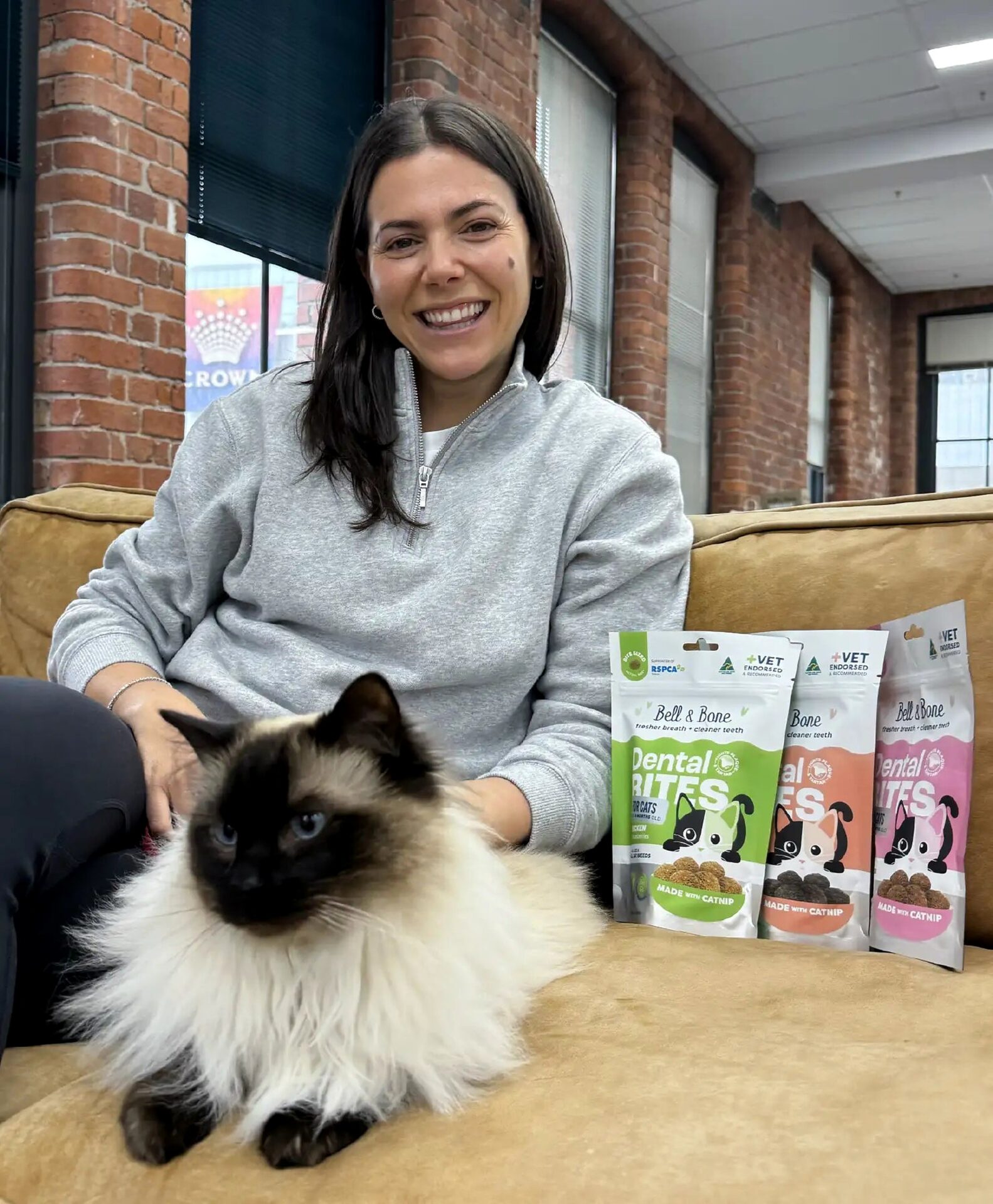
Ariane Sackville: Yeah, it's really hard. You have to do palatability testing for sure. And working with manufacturers who are credible, who understand ingredients that are going to work together to give you the best product. I'll actually tell you a story about a time where we failed because I think that that's a really good learning, actually. So in November 2024, we launched our cat products for the first time. And cats are terribly salty. Yeah, well, hold on. My
Nathan Bush: words, not yours. It's okay
Ariane Sackville: when it comes to palatability and fussiness, yes, but not otherwise. We ignore them, but they can be fussy. And before we launched into cat, I didn't have a cat community to talk to and speak to. So I relied on doing palatability testing with friends and family. And in a hopes of not disappointing me, they all told me the product was great and then I put it out into market and the product was hated by so many, many cat owners. It was a disaster between rock and a hard place. We decided actually to take ownership of this and recognize the problems straight up. So we turned off all our advertising. If you think about, you know, a $12.95 RRP product, spending on Meta to get your first order, the chances that you're actually making money on that first order is so slim. Right. With the cost to acquire a new customer these days, I was like, I'm losing money on every first purchase just to have them never return. This is, you know, a fast way to the bottom. So we turned off all our advertising, actually did a lot of research, you know, getting a new manufacturer, getting the product right. But the best thing about building the community that we have, even though they didn't like our products, was that we use them for our palability trial where everyone who hated Dull and Bone, through this trial we're able to actually convert to Bell and Bone long term customers. And so we've relaunched our cat brand now with new products, you know, great reviews, we've got new retailers on board, we've just been awarded 300 new stores without, you know, new and improved products. And it really just goes to show that, you know, muck up doesn't have to ruin your business as long as you use it as an opportunity for strategic growth and to actually build a community when now these people who once upon a time hated the brand are our biggest supports and our biggest advocates.
Nathan Bush: And never trust friends and family for honest advice
Ariane Sackville: ever again.
Nathan Bush: Here's one to make your head spin. You're a beauty brand where customers build their own bundles. They can mix and match thousands of possible combinations. Now you want to send each of those customers customers a reminder at the exact moment that they are about to run out. How would you do it? That was the challenge for Esme. Skin Minerals replenishment reminders are a key conversion touch point. But personalizing them at that scale was a nightmare. So they turned to Klaviyo. Now every bundle sits on one customer profile and flows remind each customer to reorder no matter what is in their own kit. Klaviyo's audience optimization is active on nearly every send so that the team get better results without all of the extra manual work. In the first half of 2026, a whopping 51% over half of Esme's revenue came through Klaviyo and now two thirds of their revenue comes from returning customers. No more spinning heads, just beautiful, customised, made up happy faces. Head to klaviyo.com au and see how brands like Esme are doing it right. What does that community look like for you? How do you facilitate that community? Is it email list? Is it a Facebook group? Is it? How do you bring it all together?
Ariane Sackville: Yeah, we are very active on our emails. We do a lot of education. Some of our best performing emails are actually our text message EDMs that I write personally to our community. They are typically not a sales push, they're more of, you know, I want to keep in touch with you and the responses and the replies and the engagement on them are just wonderful. So if you're not utilizing text cdms, that's a really big tip that's changed our email strategy significantly. But the biggest way that we build community is actually showing up. So, you know, in the age of AI, in the age of saturation, in the age of anyone with very little difficulty can put an ad on Meta and throw budget at it. What makes you different and real is how you show up in person. And events have been such a big part of our bell and bone. And now snug strategy, where, you know, we just launched Snug as an example at the dog lover show and completely sold out before lunchtime on the second day of the two day show because we had built such hype and demand and people were coming, queuing especially to come and see Snug for the very first time. And so it is that promise to show up for real people that I think, you know, and that obsession on brand and propelling your brand into a different space than what you can do from your pajamas at home, that really makes a difference in, you know, a very digital age right now.
Nathan Bush: What was the hype that you used to get people so pumped for your event?
Ariane Sackville: A lot of it has been me saying things that are a bit provocative, I'll be honest. So, I mean, Bell and Phone's been running seven or eight years now and I have spent a lot of time building my profile and speaking the truth about the pet food industry that now when I'm doing it again in a different format, I already just by default have a lot of eyeballs on me. And, you know, we went out with a campaign going, there's a health food crisis and Snug's basically here to fix that. When you talk about the fact that there's a health food crisis, you need to talk about why. And so these reasons are rather controversial because they do target what other brands are doing. And so we gained a lot of attention, a lot of eyeballs. We never said what we were selling or where we were selling or how we were going to sell it, just that we were here to make the health food crisis in pets go away. And so a lot of eyeballs were on us from day.just by creating an enemy, I guess, in sort of a playful and fun, provocative way.
Nathan Bush: Yeah. How do you balance the two in terms of being a disruptive brand, having a personal profile that's willing to speak the truth, be unfiltered and be relentless about your mission, which can sometimes a lot of people might think you need to shout or you need to be really like aggressive about that versus having this beautiful brand that's bright and inclusive and positive as well. How do those two come together to get real, cut through?
Ariane Sackville: I think this is an E commerce platform. So I'll talk in Meta for a second. If you think about Meta as your example, and you know the AI now is going creative diversity. Creative diversity, creative diversity. Right. It's kind of the same with brand building. There's going to be people who relate to what Ariane has to say online. There'll be other people who relate to us showing up at a dog focused event. There'll be people who relate to how our packaging appears in store. There'll be people in all different areas that relate to all different things that we do. And being diverse in your marketing and how you show up, you don't need to be the loudest, you need to be diverse. And I can't carry the weight of Bell and Bone or Snugs or one or the other on my own. There's a big, diverse, you know, catalog of things that we do consistently. And I think that that's the biggest key is that it's consistent. We don't just do an event a year, we host our own parties. Like last year we had a Christmas party. We had 400 dogs and their owners show up for it. Yeah, like, it's incredible, right? And the social content and everything that you get from that, you know, we're featured in podcasts and articles and it's a continuous push and plug in every single different way to attract people where they consume the marketing messages that they choose.
Nathan Bush: Okay, so it's not about being the loudest, it's about having a point of view and having a market that you're speaking to directly but showing up in different ways.
Ariane Sackville: I think so
Nathan Bush: that makes sense. I'm keen to understand Snug brand, new brand. Well, firstly, I want to hear about what Snug is and how it's different to Mel and Bone, but also why you launched it as its own brand rather than a product range within Melanbone.
Ariane Sackville: Well, the reason why it's different sort of goes back to Bell and Bone values. Bell and Bone is specialist dental care for pets. And it sort of comes back to if you're everything to everyone, you're no one
Nathan Bush: to
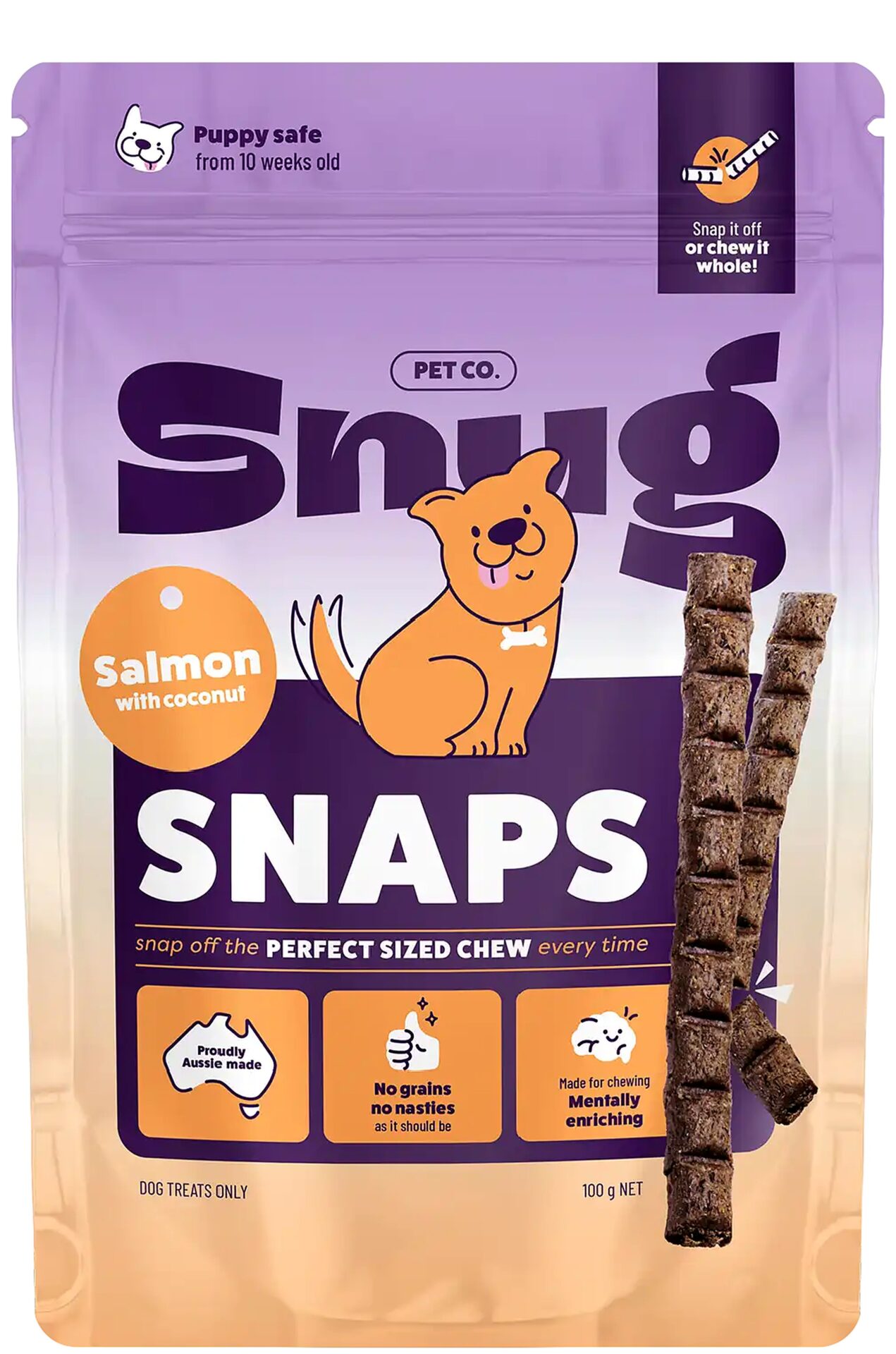
Ariane Sackville: everyone. Where we, you know, you've got a problem with your teeth, you go to the dentist, you don't go to the gp. And if we wanted to make the biggest difference that we could as a brand in the biggest way that we could to for the biggest health concern that our pets face, we needed to stick so true to that message and not get sidetracked by new products and new markets and new this and new that, it's actually about being laser focused on your core and being in the spots where your demographic of shoppers are going to shop. That leads me to Snug, which clearly does not fit under that marketing message and that core belief of what we're trying to achieve. Snug is an everyday premium brand. We want to with Snug, reach the most amount of Australian pet parents and give them a healthier option in a convenient location that they choose to shop. Which you know, half our country chooses to shop at Kohl's. This is meant to help them make a better choice for their pets where they are. So with Snug we have our clearly defined brand, message, goals and purpose for existing. But it has not much besides better health for pets in common with Bell and Bone and therefore to group them, I would have done a disservice to what I'm trying to achieve in the market.
Nathan Bush: And with Snug, obviously going into 900 Coles stores, did you see the opportunity to say look, with Bell and Bone we're probably too specific or to go into a retail like Coles. Great for Pet Barn, but for Coles we needed to fill that gap because there's an opportunity there for a premium pet product.
Ariane Sackville: Yeah, 100%. Although there's wonderful pet specialty stores and they have built, you know, with me, Bell and Bone and have been such a wonderful partner for Bell and Bone. The reality of the market today is that majority of pet parents actually shop in grocery. They're still the biggest customers or retailers in Australia. And so it's a very different strategy for both. Where the premium pet specialty retailers are known for being premium and they have driven so much premium demand in the market. Our grocery retailers have not had that premium offer for shoppers, but realized they're losing share to people who want to give their pets a better life. And so you'll see both Coles and Woolworths starting to premiumize their category knowing that that's what people expect now from their pets. So although the everyday products are absolutely dominating the sales report, the trend is suggesting that people want better for you options. And that's where we're coming in to make our mark.
Nathan Bush: Okay, and is premium pet food a fairly recession proof category? Will people keep spending on their pets regardless of what's going on?
Ariane Sackville: I think it's changed a bit recently, to be honest. I think there was a time during COVID where it was it didn't matter what price I needed, you know, the best, freeze dry, da da da da da. It didn't matter. But I actually think that there's been a change. The economy is really hard. People are looking to cut down their expenses in a different way. And instead of wanting the best no matter what cost, I actually think people want really good, trustworthy products and brands at a price that is more affordable than the top Highest end of the market. And so there's a really big resurgence of brands that are, you know, in that top half, but not insanely priced. And so that's where the opportunity with Snug came about. Where I could see this happening. I could see people trading down, and I wanted to be there to give them something that was still really, really fantastic. And our products are wonderful. They're so good for dogs and cats, but they're at an affordable price at a convenient location. And that Gap was shining a big hole in front of my face, and I knew I needed to do something about it.
Nathan Bush: Awesome. I love it. I love the gap that you've found there. How do you approach pricing? Because when you're dealing with the big retailers like you are, I could imagine there is some pressure or even contractual obligations in there around pricing. When you run your D2C, which has loyalty, has bundles, has subscription, everything like this.
Ariane Sackville: Yeah.
Nathan Bush: Verse everyday price. And like you said, the majority of shoppers will probably get it from the supermarket because that's part of their purchase. They could be either shoppers. How do you make sure that the pricing makes sense when you're visible? So visible on both.
Ariane Sackville: Yeah. So online, we run our own internal daily P and L where everything that goes into the business for the online business is tracked. And this is reported on daily. You know, the trends up and down are all measured and we make sure that we run a profitable business internally there when it comes to our supermarket, you know, growth and strategy. Now, I've gotta be honest, I can't know and be good at everything. So we have engaged an incredible partner to represent us with Coles. Their name is ranged and they represent a lot of challenger brands. So they understand the impact that we're trying to make, the noise that we want to make, the growth that we're trying to bring into the supermarkets and the new demographic of shopper. But they also have incredible resources that's helped us with pricing, promotion, sales strategy and everything that I would never have known if I hadn't engaged them. So, yeah, definitely a tip. If you're not an expert at something, get some help.
Nathan Bush: What's the biggest thing you've learned as a challenger brand through ranged and this process that you didn't know before about getting into big retailers?
Ariane Sackville: I think our launch into Kohl's has been really unique where we are exclusive with Kohl's, and in response, we have partnered really closely with them. Your retailers will prop you up and push you further when you are side by side with them. And helping them grow their business versus being just a player in your strategy, if that makes sense. So because of that, we have had eight SKUs launch, which is an incredible launch for a new brand that didn't exist two weeks ago. And we're going to be launching another four early next year, which is also really exciting and hopeful for, you know, that relationship to continue to grow and build into the future in 27 and 28 with a bigger strategy that has been presented. Having your retailers buying into what you're doing and partnering with them to grow a category differently to any other brand has ever done before, which is what Snug is currently doing, is a recipe for success beyond trying to have your brand distributed everywhere. So there's pluses and minuses for both. It's a risk to only be in one retailer, but the reward, if you can get it right, can be so much greater and that's what I'm hoping for right now.
Nathan Bush: So you'd rather fewer retail relationships but stronger ones?
Ariane Sackville: I think so. You know, with Bell and Bone and Snug, I've got multiple retail relationships and that has been quite strategic for me as well to de Risk the business. You know, we've got our online store, we've got our independents, we've got our pet speciality, you know, bigger players, smaller players, now grocery. And for me it was actually about diversifying our customer base, which was also another motivation for building Snug. A lot of brands who have, you know, one brand, they often look to export and, you know, a hundred new products all the time to try and grow their business and de Risk, you know, their one or two Australian retailers. For me, that wasn't such a good strategy. I put so much time and energy into the Australian market, I obsess over it. I work myself super hard to get it, you know, moving in the direction that I want it. I can't imagine exporting as a growth strategy before I have completely saturated the Australian market in which I play. So that was my de Risk strategy and I hopefully it pays off.
Speaker C: We've all been there, right, slipping on a great looking pair of shoes only to regret it a couple of hours later. Who knew that blisters could get blisters? Well, the founders of Frankie Ford did. And that's why they've created a line of stylish podiatrist designed footwear that don't just look good, they actually feel good too. But what began as an online success story quickly stepped into the real world with retail stores opening across the country. And when they moved to the Shopify plus plan and rolled out Shopify POS in store, Frankie4 really hit their stride. Now everything works together, from online browsing to install buying. It's one smooth, unified commerce experience for both customers and the Franke 4 team. And with the Shopify app store, they're able to test new features quickly to see what works. It's paying off too, with 170% increase in site visits, a 25% drop in return rates, and more happy feet than ever. Streamlined, stable, seriously stylish. That's Franky4 on Shopify. To read more More success stories like this Search Shopify Case Studies Online
Nathan Bush: Tell me about One of the interesting things in here is on your website looking at you've still got Snug. Snug has its own URL, but you go to the URL and it goes to a page on the Bell and Bone site. You've outlined why they're two very distinct brands with two very different strategies and missions. Why did you build Snug on Bell and Bone?
Ariane Sackville: I think it's actually better to be honest, because then you learn a real lesson. So we built Snug on the Bell and Bone site not because that was originally what we wanted, it was because we wanted to have a toggle on our Shopify account between the two brands and have two very different experiences with different URLs and whatever. Shopify doesn't allow that. They tell you basically get stuffed, buy a new one. And that was not going to serve the purpose that I wanted Snug to play on the Bell and Bone site, which was with Bell and Bone dental sticks. That's our biggest selling product. I can only sell one stick per dog per day, and so my revenue per customer and my AOV per customer is somewhat capped. But with Snug, it's a completely different format of product. I wanted to use it to AOV build online. That was the goal in having it together. Since launching it, I'm finding that I can't communicate to my shoppers via Klaviyo because it's from the Bell and Bone address and this is a problem. I'm running meta ads with so many issues. So you know the pixel for Bell and Bone and it's so confusing. It's so hard. It's so complicated. What I've realized by having the product live for all of three days is that I have to cut a loss somewhere and that unfortunately is my AOV driver with the Lambone and we're actually going to rebuild Snug on a separate site. It's been a hurtful lesson but like I mentioned with you know, launching products that were not good enough once upon a time with our cat products, if you don't learn from from the mistakes you make from your business and do something about it quickly without an ego, you're in bigger trouble than cutting your losses and getting on with it. So Bell and Bones website will be one snug. Hopefully in the next week will be another and we're going to keep the brand separate and play the long game.
Nathan Bush: I feel your pain because I've done this recently with a client with who have three very distinct brands on one Shopify website and it's all the stuff that you don't even think about like search results. You want to just have it show up for the brand that they're on
Ariane Sackville: or
Nathan Bush: recommended items. You don't want to mix and match all of them together
Ariane Sackville: like pop ups. As an example, you could be on the snug pages and you're getting pop ups about Bell and Bone. As a brand obsessed business owner, it's been real true nightmare for me to look at.
Nathan Bush: Is there turning lemons into lemonade a little bit now that you're live. Three whole days of data.
Ariane Sackville: Yeah.
Nathan Bush: When you go to build the Snug website, do you think that you'll build it any differently to how you would have built it pre launch?
Ariane Sackville: So one of the smartest things that I've done in my business is hire somebody who is truly dedicated to E commerce, AI growth, hacking everything online. And he is such a skill in web and development and Claude and as a creative marketer as I am, you can probably tell that that's not my strong part. But to have him in my team rather than use agency has been so refreshing because literally just this week so the site was built by someone else and he's looked at it and he's gone. This is not going to work for us. Here's the reasons why and I'm going to build us a new site in two days and by next week it's going to be live. So it's been a hard pill to swallow, but hopefully not the most expensive, most complicated one.
Nathan Bush: Okay, that's interesting. Don't give his name away because people will be chasing him.
Ariane Sackville: Seriously,
Nathan Bush: is there any other things that you've done? You caught my attention with growth hacking and AI from a E commerce and website perspective. Have you gone ahead and designed any different experiences from that approach?
Ariane Sackville: In terms of our website experiences and an AI Approach, we've been a little less AI heavy on what you would typically see on the site. We are a brand about real connection and real people. So things that we've done to stand out online is to, you know, put a lot of video on our site. You'll see a lot of our best performing meta ads will actually feature on product pages. And so to keep that sort of consistency through our messaging. And if you've seen us, you know, on your Instagram, you will see us again in the same way online for that sort of recognizability. But what he's been able to do is analyze to death every single thing that we are doing to enhance the performance of it. So things like our meta ads, what's working, what's not in such detail that has never been seen before in our team. He's analyzing our email strategy from campaigns to flows. Every single thing that we do and say gets analyzed to death. And it's this continuous process of improvement that we are so diligent on and don't steer off that has actually, you know, coupled with being real and organic and authentic and brand building, you know, with this obsession on better performance every single day, we have been able to build a site that is growing rapidly without losing who we are.
Nathan Bush: How have you managed to keep moving fast? You strike me as someone who does a lot in a day. How have you managed to keep moving fast? As the team has expanded and grown,
Ariane Sackville: I think one of my best skills honestly has been shown over and over again to find people to be in my team that are incredible at what they do and so much better than me at what they're doing as well, which, God, I love to be in the room with them because they inspire me and teach me so much. So having a team that is so fast and driven and hungry for the change that we're trying to make as a business has been such a blessing. Every time I hire someone, within months there are capacity and I'm hiring the next person at this point in time. It's unbelievable how quickly, you know, getting the right people in the right chairs in the business has been to our success and rapid growth recently. One of the biggest things I think is hiring people for process. You know, as I mentioned, a creative founder who's here, there and everywhere and ideas and new products and, you know, off in my own world a lot of the time, it's actually having leaders on the ground that is going to make the mission, the change, the actions happen day to day. And getting stuck in the detail for you that I would otherwise never be in. So I'm very conscious to have the right team, but the right people in the right roles to make it all happen as well.
Nathan Bush: I can imagine that it works the reverse, that they would get a lot of inspiration and energy from you as well. Are you the kind of person who bursts in with three new ideas every day?
Ariane Sackville: Sometimes. Depends what mood I'm in. I mean, look, being a business owner is really hard. I sit between new, wonderful, wild ideas that have never been imagined before in the industry that I play coupled with. I have a new problem to fix every single day as well. And so I think that that's been one of the biggest challenges for me where I bounce in between problem solving consistently and creative thinking consistently. And neither of those things allow me to be in the detail of, you know, working in the business. So I do often come in, you know, here's this, here's this, here's this. Drop mike and walk out. And I have a wonderful team who knows how to execute and make better the crazy, wild ideas that I seem to come up with daily.
Nathan Bush: And there's something in that. You've built this from scratch, right? So you were at one point doing a little bit of everything, so you've got a fundamental understanding of what they do, even if they've taken it. So that next level,
Ariane Sackville: I think it's really important to know how to do almost every single job in your business before giving it to someone else. I mean, I've worked in everything from supply, demand, marketing, content creation, probably other than design. I've probably, you know, customer service. I've done everything that my team is required to do on a daily basis because I can't support them, understand their growth opportunities, their challenges, where they need me, unless I know how to do that job as well. So I've been very diligent to at least practice in the roles that I'm no longer doing right now.
Nathan Bush: This comes up a lot when we talk to people around meta ads and agency relationships especially, is sometimes you need to do meta ads yourself internally before you give to agencies. So you can call BS when you need to or know when something isn't possible. You talked a little bit about meta ads previously. You've got a mix of content on there. Like you said, you need diversity of content. You've got vet recommendations, you got you dressing up as the tooth fairy. You've got happy dog owners, you've got a mix of stuff. What is working for you at the moment in meta in terms of content? But also ad setup and campaign setup.
Ariane Sackville: We try and do a lot of Persona planning and that I think since taking that approach has made a really big difference on our business. So we don't just look at cold versus warm, which is something that we look at consistently. But we have a very big demographic of dog and cat owners who are, you know, first child basically between 27 and 35 where the dog or cat is their world. They've got time to research, they want to try new trends, they want to try new things. Coupled with an insanely loyal, wonderful community of, you know, 55 plus women typically who have had a dog before or a cat before, it might not have worked or gone to plan in their health needs and they want to do a better job this time. And so what is attractive to a 27 year old May not hit the same way as a 55 year old. And so, you know, that's just an example. We do go deeper than that. But taking this approach where we get to tap into the world of our demographic and it's not just, you know, making sure we've got the catalog right of recommended before and after, you know, us first, then founder content like correct. It's just the meta playbook these days that every single brand is doing. But if every single brand is doing it, why is someone choosing you? And what makes us different is that we work so hard to truly understand our shoppers, their wants and needs, their gaps and the and you know, how they like to, I guess align themselves with a lifestyle brand which is bell and bone. As we spoke about before, our goal has been to grow category. So that means attracting people to the brand that never considered dental care before. It's not just changing people who give this dental stick into our dental stick, it's actually finding new people who and educating them and building awareness around this health proposition that we have to sell. And so that means a very big focus on cold and awareness and engagement and brand building as well as a focus on conversion because we do run an online store at the end of the day. But knowing that we're omnichannel that we have got to change the way a big group of people think about the care of their pets. It is my goal to educate and get in front of as many owners as I possibly can, of which the majority today do not give their pets dental care. Otherwise 80% of dogs, 70% of cats would not suffer.
Nathan Bush: Do you even try and do the attribution to in store or is your goal just to go? Actually if we can Reach as many people and get engagement as cheap as possible. We're doing our job for all our retailers. Are you trying to link them at all to an in store purchase?
Ariane Sackville: So we don't link them necessarily, but we do speak to shoppers a lot. And I know that a lot of our meta ads, based on surveys and questions and conversations that we have regularly, I know that a lot of our meta ads that we run actually result in in store purchases. People come into store asking and looking for bell and bone. So we run a big retailer awareness campaign as well where it's all organic style ads that focus on our retailers to build that recognition. They've got a much bigger brand presence than we do. So we sort of borrow off that to say you can find us in store and be relatable in that way so that they come in and shop. Because we are not the incumbent. We're not the pilot mode purchase. We're the one who needs the pre education, the pre connection for people to go in and shop.
Nathan Bush: So is that to kind of trigger that customer walking into Coles and like I saw that ad for Snug and they said that they're going to be in Coles while I'm here. I've got to go grab that. Is that kind of all you're trying to do at that point?
Ariane Sackville: Well, with Coles today or previous to, I guess us coming in, there was a very small premium offering in treats. So they were attracting a particular kind of shopper. We are partnering with them to build a premium category. So it's my job, the way I've done with specialty, to actually bring a new shopper down the aisle. It is no benefit for Kohl's for someone to change from previous brand to Snug. That doesn't bring them any benefit. There's no reason to have us on the shelf for that because they're getting that dollar whether we're there or not. It is my job as a brand to attract a different demographic and say for the first time ever, you should be walking down that pet aisle because Snug is available and it's great for your pet.
Nathan Bush: That's a different mentality than I had in mind and I like it. It's good.
Ariane Sackville: Yeah,
Nathan Bush: it's really doing a category job.
Ariane Sackville: That's my goal to grow their category. That has always been my goal when it comes to talking to my retailers is how can I partner with you to grow category? Because that's a happy buyer.
Nathan Bush: Now, something that I talk to a lot of founders about, especially the fast growing ones is personal brand. You touched on it before around being disruptive and you being known as someone who wants to advocate for pets and do things differently. As snug and Bell and Bone gets bigger and the demands on you and your time get bigger, do you think you're going to be able to keep being this voice? How do you balance the two of a growing business?
Ariane Sackville: It's really hard. I'm a natural introvert, so yeah. So being out there a lot is, you know, it takes a toll. Right. It's a big job for me and it's something that I have to be diligent with and dedicate time to and energy to and plan for and prepare. But I know that every minute spent putting myself out into the world is worth every second of it because I haven't seen a founder in this space genuinely build a advocating community in the same way I've seen Bell and Bone with the help of my team, absolutely not just me, but I've seen Bell and Bone do it. I don't think it exists the same way as it does for Bell and Bone in this country. And with that, we've been able to grow faster than category. We've been able to grow our online store authentically, not, you know, using pressuring, urgency messaging or discounting the hell out of it. For Black Friday, which, you know, I don't agree with for a lifestyle brand as an example, we've been able to make a long term sustainable difference where, you know, our influencers, which is not necessarily a, you know, typical Instagram influencer. It's a dog trainer, it's a vet, it's a puppy school trainer, it's, you know, a breeder. We've been able to build real genuine advocates for our brand based on the personal relationships that we have. And that has stemmed from me putting myself out there into the world. The thing is, it has helped build Bell and Bone in such a big way and I continue to prioritize my job as the face of Bell and Bone. But then on the other hand, it opens up doors as well. Right. So with snug, every cold buyer that I had a conversation with knew me before I walked in the door, knew my work with Bell and Bone before I had to talk about it. They could trust that if I put my name to it, it would be done well and it would be careful and it would have a long term category growth strategy, because that's the way I operate. And building your personal brand gets you in front of consumers and shoppers and the people who are buying your product, but they also open doors that you could never imagine would be open before the manufacturers that I work with. Before I started Bell and Bone, I used to have to do everything in my power to get a manufacturer to work with me. Seriously. Jumping up and down, sending gifts, knocking on doors, like physically knocking on doors, Promising, promising everything, right? But now I have built a brand in myself, built a brand in Bell and Bone that when I created Snug, these relationships were easier to obtain and we were able to move at a speed that I wasn't able to do seven years ago. With Bell and Bone.
Nathan Bush: It's really interesting because I think personal brand, the name itself doesn't do service to how you approach it because it's not really about you personally at all. It's all about where you put your best efforts to grow Snug and Bell and Bone. And that is by you being out there and giving, you know, and being the face of it, but also making the promises and stuff. So there's nothing personal about it. It's just a big lever that you've got to stand out
Ariane Sackville: in the
Nathan Bush: category.
Ariane Sackville: It is a promise of trust for people. You know, I can trust my dog, my cat, with your products because I relate to you as a buyer. I can trust that when you put a new product on the shelf, it will be executed with excellence from a manufacturer's perspective. I can trust that, that you're going to sell enough product to make this relationship efficient and sustainable for me and so on and so forth. And so personal brand, yes, Instagram is one thing, but it's showing up in all sorts of varieties of places to build that credibility and trust for yourself where you next need it most.
Nathan Bush: I can see the A type personality now, next 12 months. Tell me about where you go from here. Obviously, we're three days into the Snug launch, so you're probably like, just let me go get through that. But where do you see both brands going in the next 12 months? What's the priority
Ariane Sackville: with Bell and Bone? I am looking to expand our offering of dental care products so not every single person who wants to give their pet dental care wants a dental stick. Some dogs have small mouths. A senior can't chew it. So I'm looking at all different functional formats so that I can offer more owners a solution that suits their pet best and really try and solidify the brand as the household name in dental care for pets. With up to date, you know, innovation and research and products that suit the market with SNUG It's a very different strategy for the next year. We have been around for a week and nobody knows us. So brand awareness is paramount to our success on shelf. Building stronger relationships with a completely new community of pet owners is going to be key to our growth and our success on the Kohl's shelf. Realistically, you've got to fight for that spot every single day. Your numbers have got to be growing and driving category growth. So how are you going to do that in 900 stores around the country where you can't get to them all? We need to build that brand awareness and drive people into store in a similar way that I've done with Bell and Bone.
Nathan Bush: So all our listeners have one job, all our pet owning listeners have one job is to go into Kohl's and ask for Snug and then go buy lots of it
Ariane Sackville: if you can. That would be great.
Nathan Bush: I love it. Ariane, thank you so much.
Ariane Sackville: My pleasure.
Nathan Bush: Conversation. I appreciate it giving such a busy time for you, but I'm so glad that we got to have it right now with where Bell and Bone is establishing and really disrupted the category Snug. Brand new out of the gates and I'm so excited for where you and the team are heading. So thank you for taking the time with us on ADD to Cart.
Ariane Sackville: Thank you for having me. I appreciate it.
Nathan Bush: I aspire to have the confident, calm, focused nature that Ariane has. She's just incredible. And to give you a little insight on how Ariane goes about her business, she did a few things in the lead up to this episode that most guests haven't done. She asked if we can join 15 minutes earlier than the scheduled time just to go over some of the topics. She made sure that she sent her own notes on what she might talk about with all the examples that she had in her head. And she asked a lot about who our listeners are and what they'd like to get out of it so she can deliver value. She wasn't wasting one minute of recording time and she took what we did together then really seriously. So I think that gives you a really good idea on who Ariane is and some of the secrets behind her success that she might not have talked about in that episode. And that was the the type A personality joke that I was referring to at the end. All right. There were so many lessons in that one. Whether you are trying to take on a category leader in large retail or whether you are an employee emerging DTC brand. I think there's a lot that you can Take from this three lessons that I'm going to pull out for you. The first lesson is never test a product on your friends and your family. Before Ariane launched her cat products in November 2024, she didn't have a cat community, so she asked friends and family to try the products, hoping not to disappoint her. They all said, yeah, the product is great. Then. Then it went on sale and cat owners just hated it. So the lesson is to test with real customers who have no reason to be polite to you and make it easy for them to tell you the truth. I think that one story could save a lot of founders a very expensive launch. The second lesson is to be diverse, not loud. When you're looking to break into a category, Ariane said, you don't need to be the loudest. You need to show up in different ways for the people who matter to you. On Meta, they Plan by Persona, first time pet parent in their late 20s and a woman over 55 who wants to do better by her next dog. Don't respond to the same ad or the same creative so the content, the events, the packaging, each speak to different people in their core customer scale set. Then she writes down who those core customers are and checks that she has content and posts that speak to each of them. So instead of shouting down the same message at everyone to try and break through at once, she's broken it down into specific target markets that she can actually connect with and try and create content that connects specifically with those markets in order to break those barriers. The third lesson is to cut a loss fast and leave your ego out of it. Ariane gave us two examples. When her first cat products didn't land, she switched off all of the advertising straight away. She was losing money on every first order from customers who would never come back. She changed manufacturer, relaunched and has just been awarded 300 new stores. The second example of this was Snug. Three days after launching it on the Bell and Bone website, she could see her herself that it was not working on that website. The Metapixel, the pop ups, everything just merged the two brands. And being the brand nut that she is, she has decided that she has to rebuild it on its own site. A lot of people wouldn't come onto this podcast and admit to that, but Ariane is really open with owning up to her lessons, sharing them with us here and then getting on with it and fixing it instead of just dwelling on it and hoping that it works out. So there's a really great lesson there in find your mistakes and fix them. If you've ever launched something and found out the hard way that it wasn't ready, and I'm sure we've all got those stories, we would love to hear about it in the Add to Cart community. It's free to join. I'm especially interested if you tested something on friends and family first and got some feedback that didn't quite work out for you. But come into the community, share those stories. With love to hear from you. You can join up@addtocart.com a massive thank you again to our partners Shopify and at Klaviyo for backing Add to Cart. We'd love being able to chat to founders like Ariane because of your support. All right, that's it for this week. All right, Go into Coles, go grab some dog products even if you don't have a dog. After that, let's support Ariane. Until next time. I'll see you on Add to Cart.