Mareile Osthus: So now 7% of everyone abandoning the website is because of chatbot obstruction. What do you want to do? Collect leads or piss people off? You know, just have a bloody agent just checking if your links are working. It's that so simple, right? Hey, I'm Marilo Osters, I'm the founder of Humee and I'm gonna share with you why bad CX costs you a hell lot of money. And even more interesting, I'm gonna things to look out for you probably haven't even noticed about your own journey.
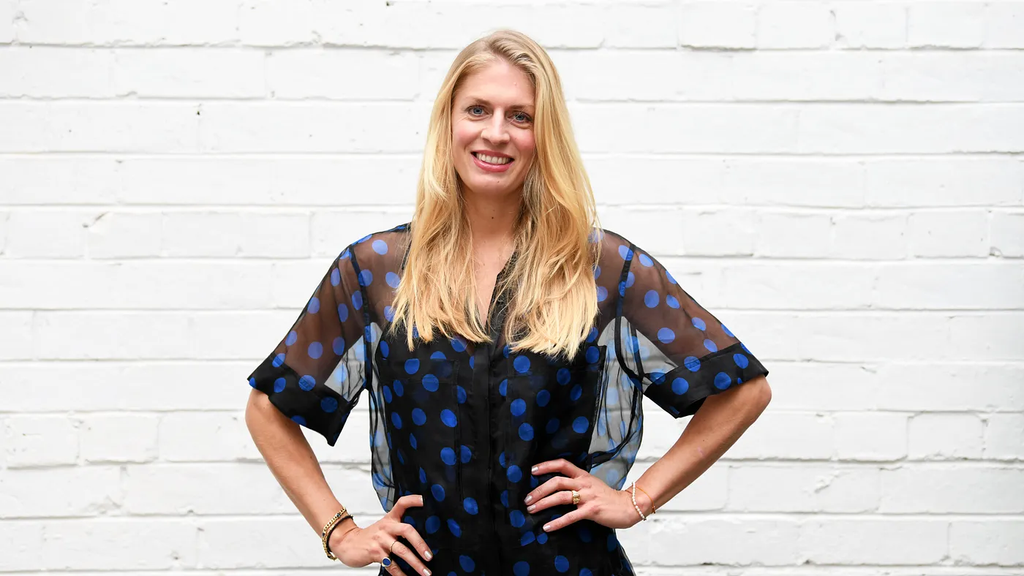
Nathan Bush: Quick one before we jump into today's episode, our friends over at Shopify have just released some research around how Aussie shoppers are planning to spend their money. This bfcm. Couple of stats for you. Apparently Aussies are planning to spend 7% more this black Friday Cyber Monday, which goes against a lot of what we're hearing out in market. But 85% of shoppers sell say they're happy to wait for the right product. So value matters more than ever this year. To see the global Shopify holiday retail insights, Visit shopify holiday retail.com we'll put the link in the show notes. In E commerce, we often think that we are the experts of our store, that we know all the nooks and the crannies. But in fact, we can often be our most weakest point because we become immune to seeing the website through the eyes of a customer. So today we are going to get a masterclass in CX with someone who has done more mystery shopping in Australia than anyone else. And that is Marila Austos. She's the founder and the CEO of Humi. Humi sends real mystery shoppers through your whole online journey, from search and checkout all the way through to delivery returns and refunds. Then it scores you on what they find and then benchmarks you against your competitors. Before Humi Mirala was a buyer at Hugo Boss, ran women's apparel buying at Zalando, and was the Chief Category Management Officer at the Iconic. So she's been on the retailer side staring at an NPS score and wondering why it has or it hasn't moved. So she's pretty much the perfect guess for us. We've previously had her co founder Andy on the show years ago back when Humi was in the very early stages of launch. But it's come a long way since. Humi now runs five to 700 mystery shops a week and they are just e commerce mystery shops all the way across Australia and the uk and they work with brands like Country Road Group, Pandora and Rot and Gun. It runs the online CX index with inside retail. And Mirala still does two or three shops a week herself. And what I love about her, she's got strong opinions on what is and what isn't bad. She doesn't sit on the fence with anything to do with cx. Today we get into why lskd keeps topping the rankings. Honestly, I'm sick of talking about them. They're too good. They keep coming up. They're like the golden child of E commerce. We talk about the live chat that swore that it sold horse food until it realized it didn't. And the retailers that she reckons belong in E commerce prison. Told you she doesn't hold back. With Black Friday only a few weeks away, the timing on this conversation couldn't be better. Mirala walks us through almost every stage of the customer journey. But if you want it boiled down to a checklist before the sales kick off, sign up to the newsletter@add to cart.com and we will send a cheat sheet of the main points and the actions that you can take out of every episode that we have on the morning that our episodes go live. All right, a big thanks to our partners, Shopify and Klaviyo for allowing us to have conversations like this by supporting us. Deep dives like this one on CEX only happen with their support, so thank you very much. Here is founder and CEO of Humi Marala Austas Marala. Welcome to Add to Card.
Mareile Osthus: Thank you, Nathan. Thanks so much for having me.
Nathan Bush: Thank you for being here. This is the perfect timing before the Black Friday madness. Maybe not the perfect timing for you because I know that you are crazy helping retailers at the moment making sure their experience is up to scratch. But I am so looking forward to our deep dive around everything to do with CX and it's well overdue. So thank you for joining me.
Mareile Osthus: No, thanks for having me. It's a highlight for me to be on the Add to Cart podcast.
Nathan Bush: Well, it's long overdue because we had Andy, your co founder, on years ago back when Humi was in its early stages. I remember him hitting me up on LinkedIn and going, oh, we're working on this idea and then we had a quick coffee at online retailer and then we jumped on a pod. But it has come a long way since then and some really flagship brands all around Australia who are relying on you to mystery shop their sites. Do we dare call you the Mystery Shop Queen of Australia?
Mareile Osthus: I wouldn't call that myself, but I do think since We've been the first one to invent online mystery shopping in Australia. I guess that somehow naturally comes about. How
Nathan Bush: many mystery shops have you done now or has Humi done?
Mareile Osthus: So Humi does about five to seven hundred a week.
Nathan Bush: Okay.
Mareile Osthus: Yeah. And it depends a little bit, but yeah, that's kind of a relatively constant number, at least over the last 12 months, I'd say.
Nathan Bush: Yeah,
Mareile Osthus: I myself, I'm one of the top mystery shoppers. I do probably two or three a week. Depends a little bit. But yeah, I've definitely earned my place amongst the top 10.
Nathan Bush: So given that you've been mystery shopping for so long, are you ever surprised anymore or are you like, oh, this is a stock standard e commerce experience. When was the last time you were surprised?
Mareile Osthus: Probably today. I literally sent a message to my team this morning. What the heck is actually going on with retailer retailers websites? There is some part which is doesn't really surprise me, but still this every day something new and it feels like if you'd asked me what is the most surprising thing is when basics really do not work right, Very simple things which really baffles me. How can someone not see that? You know, like sometimes we get into the nitty and gritty and that's not super obvious. But things which are right in front of you, you would think, how the heck is that not obvious to everyone? Not just to mystery Shopper, you know, obviously, like the idea of mystery shopping is that people like you and me, they just do they just place an order basically. But the things which should be so standard and so simple if they are not working. And I did have three cases in a row today, like literally by coincidence. And for every one of them I was like, I can't believe it. I literally can't believe it. That's one of them was a retailer. They just launched their Australian website and if you click on gift cards, for example, it still says US dollars. If you want a return, it Sundays make a U.S. return. It's like that's just really basic, you know. One of the largest homeware retailers was big and bulky. None of their outdoor furnitures display any dimensions. Like how you meant to buy a table if you have no clue how big the table is. But yeah, it's every day something new.
Nathan Bush: You've worked in big retailers yourself, including the iconic. When you look at some of those basics being missed, do you think they're missed because the skills aren't in the team, the team are overloaded or there's a lack of care? Where do you think this is coming from.
Mareile Osthus: But to a certain extent I understand that when I was at the Iconic, I used to go through the usual paths, right? Like filter for women, new arrivals and so on. So I did not have to click the returns policy, for example, because I understand what the returns policy is like. Where we typically find the shortfalls is where like an internal person would not click on. I do understand that I haven't probably done that enough at the Iconic. So I think there's a clear pattern of that. You know, I could go on someone else's website and I know where to click straight away with 80% chance I find something which is not working. So it is less about the skill set. But I think there's a huge part of oversight. Just click the links you would usually not click, like refer a friend. I can't even tell you how often that doesn't work because as an entire person, you don't click that.
Nathan Bush: Yeah, that's true. And I think there's also something, isn't there, around having fresh eyes on a site. Once you've been on the site and you're on there all day, every day, you just become immune to seeing things that an ordinary customer would see. How do you pick who your mystery shoppers are and match them to your retailers?
Mareile Osthus: Yeah, so we get a huge amount of people applying every day and they kind of categorize in terms of your obviously age, gender, where they live, where they usually shop, what their preferences are, like, are they interested in nutrition or sport or things like that. And then on the other hand, we have the retailers basically saying that's our core target group, so our system can find them and match them.
Nathan Bush: It's my backup job. You know, if this podcast doesn't work out, I want to come and mystery shop for you.
Mareile Osthus: You can do that anyways if you want to. We do get a really huge amount of E Comm people applying. We do usually decline them if there's a conflict of interest, like if their customer or someone's competitor. But we still have a few on board.
Nathan Bush: Yeah, fair. Now I want to dive into some of the benchmarks and the research that you've got because I think, you know, we used to have power retail, they used to publish a lot of benchmarks and stuff, but that's obviously not happening as much anymore. So I really do feel like when it comes to CX Humi and what you're doing with online retailer as well is a fantastic benchmark for e commerce retailers to hold themselves against. So we want to explore some of that. But before we do, can you give everyone just the elevator pitch in how Humi works, Like what kind of dashboards do you see as a retailer? What kind of information will you get?
Mareile Osthus: Yeah, so probably start with that. The initial idea came from, yeah. Not really understanding the why behind the online experience. I was sitting myself at the Iconic and you know, we had lots of meetings looking at the NPS score, but the NPS doesn't provide the why behind it. And then also looking at lots of customer surveys, but these customers are already converted and you can't ask a customer 200 questions. So the idea was very simple. Retailers use mystery shoppers for their stores, but why are they not doing that for the online journey? So what we are essentially doing is we do send the mystery shoppers through the entire end to end journey, not just pre purchase but also post purchase and we can ask them questions. You can't really ask a customer, was there anything which would have made you leave the website based on your experience, are you likely or unlikely to return and you know, answering the questions you really want to understand as a, as a retailer. And that said, we basically aggregate the data at scale and provide it as, I think, very easy to read Dashboard.
Nathan Bush: It is very easy to read. Having been in there and looked at it myself, it's very easy. And what I love about it, and this isn't a sales pitch by any means, is that it's very easy to go in and see the why behind why something might be off because. And then we were having this conversation before. It's like very easy to see analytics of what has happened, but it's very rare to see the why it's happened. So why don't we unpack some of that? Because Humi operates as I understand, across eight kind of CX verticals or areas. Let's pick them apart. When we think about the E commerce experience, where should we start? Which one of those eight CX areas should we pull apart first?
Mareile Osthus: Well, that's a very good question. It's almost like asking your mother, which, which kid do you like better?
Nathan Bush: I've got a favorite. Don't worry about that.
Mareile Osthus: Yeah, there's probably no real answer to. The thing is CX is almost like a puzzle piece. Right. And I always bring up a restaurant example. Your primary reason to go to a restaurant is probably the food. But if for example, the waiter is really arrogant, you'd say, I'm not coming back. Yeah. So the idea is it is a journey. Yeah. And every journey has like contributing factors which you know, make the overall experience. That said, I do think there's a lot of focus on what a website experience looks like. Getting people through the checkout, you know, that that's fine, get someone through the checkout, but the most important thing is get someone back, bring someone back. You know, we know how expensive it is to acquire customers, so you might acquire someone once, and then you're like, tap your shoulder. Great, this person checked out. But it doesn't help you if they never come back. So every piece of the journey needs to be great.
Nathan Bush: I just wanted to pick a favorite child. Well, let's start with a favorite child. LSKD has won your CX ranking two years in a row. And frankly, I'm sick of talking about them because everyone holds them up as a great example. And I think they get too much credit. And I say that in Jess because we had Locky on the show recently. And you'll get a big head if we keep talking about them. But what do you think that someone like lskd is doing differently that makes them stand out against their competitors?
Mareile Osthus: Well, to answer your question, first of all, they never get a big head because they're so down to earth. They never let go. They never thrive on the success they might have now. They evolve very quickly. And I think that really speaks also to the values they have. Being better, 1% better every day. You might be first at something at some time, but the market is moving really fast. And what we've seen with them is that they have an incredible consistency. If you have such a consistency that in a nicest way means you don't have a big head because you consistently work on yourself. But what makes them really good is, again, it's a puzzle piece. I think it is a relentless focus from their side of making every journey for every customer just great. Like, there's nothing you can't find on their website. They're very great in showcasing what is relevant to you, what you might have looked at before. Even, like, you know, simple examples like you can filter by bra support, look at tons of other websites. You can't even do that. But that's so essential for us. Depending on what you're doing, they basically don't let go of the customer. Yeah, if you need support, they're onto you and they make sure that everything is answered. You don't sit around and the live chat, sentient circles. Naturally, there's a great element of free shipping, free returns. You know, that's something everyone likes.
Nathan Bush: They're one of the few that have hung on to free returns, haven't they?
Mareile Osthus: Yeah, they definitely are, but it's just a very smooth journey, so generally probably go, I'll take a step back. There are three key contributing factors to a great experience. The first one is functionality. Does everything work as it's meant to work? The second one is transparency. Yeah, don't get someone to the checkout and all of a sudden they find out I'm $30 away from free shipping or, you know, the shipping has changed and so on. Very transparent. What does the product do? What might make the product different? What are our policies? You know, even little things in the product descriptions that makes a major difference. And then the third one is expectation management. Expectation management is basically being super clear at what is happening now. You've checked out, you know, now it's going through the process. They're very clear about. Our typical dispatch time is this and this. Our typical shipping time is at any point in time you understand what's happening next. Even little things like when you contact the live chat, they give you a queue number or something like that. So
Nathan Bush: that,
Mareile Osthus: that's important because think about that. If you go and shop, buy a coffee, you see the line. So it's your decision a little bit to understand, well, do I want to be 10 in line or do I go somewhere else? Right. But be transparent about these things. And then also we know they have huge sale events and we also know that it slows a lot down. But then, even then, people are not angry if they understand, hey, our shipping time changes from two days to six days or whatever it might be. They're just very much transparent, managing your expectations of what is happening next. And overall, these are three key factors.
Nathan Bush: Where does customer service fit in with those three?
Mareile Osthus: So customer service is a little bit, I'd say, across everything, right? Customer service is a part of transparency. How fast are people operating, when do they get back to you and things like that. What can you ask them? Things like that. Expectation management. Anyways, and of course the functionality part, we've seen that many times. Contact forms, not working, live chat, not working. So sitting across all of these three factors, I guess,
Nathan Bush: how's this for a big tease? Mountain Culture Beer Co released two new beers every Thursday. And the morning emails often sell out before lunchtime. Lunchtime. No one needs beer temptation before lunch. But that kind of temptation doesn't happen by accident. This independent Blue Mountains brewery went from a tiny Katoomba brew pub to six venues across the country. And along the way, their audience split wholesale buyers online. Super Fans. Then you get they all wanted different things. Blasting them with one message just wasn't pouring. Right. So they brought it all into Klaviyo and segmented properly so every beard drop lands like a personal and irresistible invitation. The result was 122% year on year jump in flow, conversion value and Klaviyo now driving 68% of their E Commerce revenue. Turns out that when you turn talk to the right drinker at the right time, they'll keep coming back for the next round. Head on over to klaviyo.com au and see how brands like Mountain Culture are doing it right. All right, well, why don't we break down each of those three factors a little bit more and pull out some benchmarks when it comes to functionality. You've given us some examples already of where you see some really common things broken, whether that be forms or you mentioned, you know, AUD pricing, the right descriptions, measurements, et cetera. What do you see that is the most common thing that is built one way, but actually customers behave another way and drives you nuts. Like if I think about that, I'm like spin to win. For example, when you first enter a website, I'm like, can we just stop like already this.
Mareile Osthus: Don't ask me about this stupid weird thing, but sorry to offend anyone, but some people like it. Well, I think there are a couple of perfect examples where something is meant to work, but customers expect it totally differently. I always bring up the Zara example. If you're on the Zara app, the way you have to swipe the pictures is up and down, but the whole world is used to right and left. You know, even Tinder adopted that. For me, that's a typical example of being so confused. Like the second I enter the Zara app, I might accidentally swipe right to left. Well, I sometimes think, why do retailers do that? Is it like we want to be a bit different, but different is not. Doesn't serve the pattern of what we are used to. And then the other thing is that that's probably my personal pet peeve thing. I'd say about 97% of the retailers have the live chat to the bottom right and some put it to the bottom left. And we do get a lot of comments from mystery shoppers where website have it bottom left and they respond they don't have a live chat because they're so trained in their life. Like, think about it. If 97% of retailers train you to look at the bottom right, you don't even look at the bottom left anymore. And that's like there's a certain thing of what do people even experience in their everyday life? Right. Like, I just gave the Tinder example. Surely there's a huge amount of people knowing, swiping from right to left. But it's not just the shopping, but what are we used to. And it's even like I always bring up the example with Coles and Woolies that confused so many shoppers with Coles because they put it on the other side. But if there's something which makes someone look twice, then it's already not good enough, I guess.
Nathan Bush: I think that's a really interesting point, isn't it? And do you think it's been amplified by Shopify, for instance? Because a lot of brands on Shopify use the built in themes or off the shelf themes. And then they're like, well, we've got to actually make this a little bit different somehow. So we'll change something slightly or we'll move things around so we don't look like everyone else. Do you feel like there's more of a sameness happening and then people trying to bust out of that sameness, which is leading to broken experiences? Is that a thing that you're coming up against?
Mareile Osthus: Yeah, a little bit, definitely. Like I said, sometimes people comment. Same with sustainability section. They don't have one. Yeah. Because someone thinks we put it in a different place where people usually expect it. That's one part from a retailer side. I sometimes if I come across someone and we're in conversation, I sometimes ask them and it's like, why do you do that? So they're like, oh, we already have so much going on on the ride. You know, there's this feedback thing popping out, this. Something else popping out. We have this. And this year I'm like, well, yeah, okay, but can you put that all to the left side of your live chat? Back to the right? I'm not exactly sure. But I do think whatever we do in life, right, there's kind of a majority pattern. Yeah. So we have a trained behavior in certain ways because this is how 85% of people are doing it. If someone does it differently, it is just not what we're used to. And we easily overlook that. Even with some of its product descriptions. I've just came across one. Usually we see a product to the right, you see some kind of descriptions, you see a little plus sign so you can read through it. But that was website where nothing was on the right and you had to scroll down. But through all the photos And I'm just thinking people would kind of think there is no proper description. Like I'm not particularly saying you have to do everything like anyone else is doing it. I think there are some psychological patterns of where people expect things to be and you should not touch that.
Nathan Bush: What are some of those? Because I'm really interested in. You gave a great example there around making sure product descriptions are really easy to access. I'm interested in things like search bars on mobile. Should they always be open or should they be iconed and then opened up? Like what are some of the no brainers that you're like these are just patterns of E commerce, just do them.
Mareile Osthus: Yeah, that's a really good question because I just had a discussion about that on a mobile side you know what you usually see I don't even know what the correct word. It's like the navigation is kind of three stripes, right? And then you click on it and you see the category tree. And I was on a mobile site and it just didn't have that. You had to basically scroll down to then see the categories. I'm like that's just really odd. And it doesn't mean you don't have things but it's like just what people don't expect it. So there's certain way even with the search bar, right? I give you very small example. Sometimes the search bar has already words in it which I think suggests type in your word here. But it does confuse people sometimes because there's a written word they don't identify it straight away as a search bar. And then other search bars where basically in life you can see it looks like someone is typing. So that's more like type your search in here. But even that is confusing. First of all this search needs to be the easiest thing to find on your website. On your mobile site we have also some specialists make it so small that it just it's so hard to find on a website that leads to a lot of confusion category trees. So I think electronic retailers are kind of specialists at that. But we look at it how they're categorized and lots of them it's almost like people feel more familiar. I think people like I don't even want to make it a gender question but it's like if you search for a shirt or pants or trousers seems to be easy but people are confused under which top category something sits in electronics. And everyone calls it slightly different. Like it's almost like I'm losing my mind here. But what really helps is some retailers put in little icons Kitchen appliances. And then you see a water boiler or something. Like people go, oh, yeah, okay, well, yeah, that makes sense. But they all seem to be quite different. Fashion is way more aligned. Footwear is way more aligned than electronics. And people just don't know where does this item sit? Because it's also not like, well, I don't want to generalize that, but it seems to be less passionate. Purchase more than I needed.
Nathan Bush: Yeah. And it feels like it's that old principle, isn't it? Of like that don't make me think is still there. And just because it might be logical doesn't mean it's easy to understand or comprehend. Because you've got to put yourself in that mind of a consumer who it might be their first time there. They might be even unfamiliar with the category. They might be doing it on their couch at 10pm at night after they've put the kids to bed and they've got very little mental capacity left. Stop trying to be clever.
Mareile Osthus: Yeah, yeah, exactly. Just make things easy for people.
Nathan Bush: Yeah. All right, let's move on to transparency. What do you think the thing is that we're hiding the most in E commerce? That we should be shouting about
Mareile Osthus: returns policies? Sometimes they're written so vaguely. So one day I'm going to write a book about it.
Nathan Bush: That
Mareile Osthus: was
Nathan Bush: an audible sigh.
Mareile Osthus: But even how some retailers write their policies, we may accept your return. We may this and this. Why is it in May? Right,
Nathan Bush: yeah,
Mareile Osthus: we do it or we don't do it. And what are the conditions? It is super unclear now. Where it gets really, really messy is with marketplace where every product has a different returns policy. And that probably also goes a little bit back to used patterns. Like, obviously marketplace has increased over time, but people like, they should not be challenged to read every product's returns policy. And then it very often says in the policy, marketplace items that are excluded. But not everyone knows what a marketplace item is. Right. Like ask a random person. We know that because we are in retail, but not other people. So I think the biggest pain point is returns policies. And then still with that, we have so many retailers who clearly display, you can return online and then you contact them and they keep on sending you emails. Go to a store, go to a store.
Nathan Bush: And
Mareile Osthus: that's $30 billion retailers in Australia. And probably someone inside in this organization said, let's like, you know, send people first to the store. It's cheaper for us, more convenient. But like, you can't do that. You can't action differently than whatever your policy says. So this is honestly smoke and mirrors. These policies. We have people losing minds of it.
Nathan Bush: And you're also just by not being clear, obviously it's frustrating your customers, but you're also burning your team's time in potentially answering queries that could have been answered in a simple page if you were pretty transparent about it,
Mareile Osthus: 100%. It's like, think about that. The more clear and the more transparent you are, the less people contact your customer service like you literally, you add on costs to your business which are unnecessary and you risk losing customers.
Nathan Bush: One of my bugbears is we are obsessed in e commerce around finding new customers and paying a lot to acquire new customers. Yet when you are there as a new customer and you want help, it's really hard to get help a lot of the time, either in the moment or as a follow up on email. Who do you think is doing customer service really well at the moment and what are kind of some of the benchmarks on response times and channels to use?
Mareile Osthus: Yeah, well, let me start with the first point. Not always the fastest wins, but the one again who manages expectations really well. We will get back to you within the next three hours or something. But let's break it down first thing. Is there a million of live chats out there? You can't even ask a question without leaving your email address. And I do get that a little bit from a retailer side. You know, they want to collect leads but people hate it so much it actually leads to the fact that they leave the website. So what do you want to do? Collect leads or piss people off? You know, so that is an issue per se and I say that to every retailer. Is that necessary? Can you somehow measure what's the pro versus the con? And I can give you the con. Literally everyone's saying the same. So I think back to the point, who's doing a really good job if things are aligned, right? Live chat, contact form and so on. Expectation management, what when? Well, it's up to someone's preference, which channel they use. What we see quite often is when I use the contact form is when they're time poor, they send out the email and now the ball is in someone else's court. Right, I've done my job, I've given you my problem issue question. Now it's on you to get back. Yeah. And that's what we see when live chats don't really display how long it takes to respond though obviously there's quite often an AI respond straight away. But like if it's more complex and you have no clue. When they respond, it's like, well, I gotta go and pick up my kids. Like, I can't sit here and wait for a response. And then some live chats. Even if you don't look at the response or you look at the website next time they're gone, whatever you've asked before. So that's when people really prefer email. Done, done my job. But it needs to be connected in some way. I just had an example with the retailer. I sent two returns requests, never got a response, then asked the live chat and they asked me in each channel every time the same questions, what's your order number? And so on. But it's all linked to one email, which I've given to both channels. That should not happen, right? Like it actually can't happen. So I think, well, LSKD is a great example. We have a lot of Hanes Group brands which are doing an excellent job with customer service. We do have a lot of homeware retailers actually doing a great job. Probably, I don't know out of the top of my head who ranks first, but
Nathan Bush: tell us the bad ones. Who's stuffing it up? Who's horrible?
Mareile Osthus: I was just like,
Nathan Bush: you don't have to answer that.
Mareile Osthus: I was like strategically thinking, do I say that? Some of them we are in conversations with. But I'll give you a little hint. The really bad ones are large retail groups which probably traditionally don't have a huge return rate. So what we find is like fashion retailers are usually more used to, you know, getting more questions and so on. While let's say if you were a huge enterprise chemist out there with relatively cheap products, you're like, well, people don't really ask many questions. They still do. And then sometimes I ask them, or like they say, oh, we only get very low rate of inquiries returns. And I say, well, tell me the absolute number per week. And they're like, oh, it's like 6,000. And I'm like, my dear, literally, you really? Sorry. Piss off. 6,000 people a week. That in percentage is very small for you, but it's huge in absolute value.
Nathan Bush: Ever dreamed of turning a weekend passion into a thriving business? Girls with Gems did exactly that. What started as a mother daughter duo hosting jewelry parties at home is now a bustling boutique and a booming online store. They've helped hundreds of women feel confident,
Speaker C: stylish and part of the sisterhood to become, as they like to say, one of the girls. And with Shopify, things are moving faster than ever. In 2024, their online sales revenue grew by a jaw, dropping 107%. But it's not just about the sales. Things feel smoother behind the scenes too. Efficiencies have soared. Huge sales events are now prepped and scheduled ahead of time. And integrated automations mean that VIP customers are spotted instantly, triggering exclusive offers without anyone lifting a finger. Just smart tools, stylish growth and one sparkling success story. To read more case studies like this, visit Shopify Case Studies online.
Nathan Bush: Yeah, well, it represents your brand, doesn't it, how much you care about your customers. If you were running a website today as a retailer and you were putting live chat on your site, would you have live chat as an AI agent, given the capabilities that you're seeing in the technology at the moment, or would you stick to human live chat?
Mareile Osthus: I definitely would. I think the live chats who are generally rated the best are the ones where you have pre selected topics. Yeah. And that might be not too complicated in some instances. It's like you can look it up in the FAQs, but you may be a bit lazy or whatever. So they're very straightforward. The most important is that you have an escalation part. I can help you with these topics. If it's something else here I'll connect you with one of our service people. And that is really important because you probably know that from your own experience. Type in connect me to human. And so often it says, sorry, I didn't get your question. So that's. I think AI can do wonderful things and helping people quickly, but it needs to be very clear. Plus what we find is that shoppers really want to understand am I actually talking to a human or to an AI agent? And sometimes it's not clear. Like to give you a bit more perspective, we're very close to the whole AI live chat topic because we've seen a, almost like an unusual pattern in the market. So the initial promise was live chats can solve issues way quicker, way cheaper. You know, the promise was this is a seamless response to you, but in many, many cases it literally went the opposite way. Where live chats are not well trained, they lead in circles, you can't reach anyone. So I think last year we measured that 3% of all abandonment reasons were what we call a chatbot obstruction. Yeah. Where people got somehow stuck. Over the last six months it has more than doubled. So now 7% of everyone abandoning the website is because of chatbot obstruction. And that, that is very concerning for me because it was designed to basically work the other way around.
Nathan Bush: Yeah. And so do you know what kind of queries they are that they're obstructing.
Mareile Osthus: No, like, not particularly specific queries. In many, many cases, it is the missing escalation part. You know, you click on a topic or you ask a question and you find like, oh, no, that doesn't really cover my question. So now I need to speak to a human. So that is a huge thing. In some instances, live chats give you total bullshit responses. To be honest, I just had someone, I just asked, do you sell horse food? And I, yeah, sure, we do this and this. And then I like, can you show me some horse food? I'm like, oh, no, we actually don't sell. But look, that's not even massive deal like
Nathan Bush: would have been if it was an electronic store.
Mareile Osthus: Yeah, that's right. But here we talk again about patterns. You know, we spoke earlier about what people almost trying to do. So one bad live chat can actually reduce the confidence in all live chats.
Nathan Bush: Yeah, yeah, I agree.
Mareile Osthus: And that's the problem. Like, it's almost like you can't have a flag. They are saying, I promise my live chat is good. People had so many bad experiences and they're like, well, I'm not going to do that again. It's just not going to end up well. So in many cases in life, as I said, someone who does something really bad ruins it for everyone who does it really good.
Nathan Bush: Yeah, 100%. I feel we've got a long way to go with AI chatbots and, you know, a lot of it is the data that they have access to and setting them up correctly and doing the due diligence. It's not an app that you add on and hope for it to do its best. I'm keen to discuss the checkout. I saw that, sir. The label has had the best checkout rated by you for the last two years. What makes their checkout so great?
Mareile Osthus: I think that would probably come down to clarity. Yeah. So checkout is basically the moment where shopper or customer has made a decision that's almost like the last sense check to really want to have it. Yeah. So that said, as I said earlier, sometimes there's surprises at the checkout with free shipping even we get these examples of these free shipping bars, right? Like, oh, now you have your $20 away, and so on. They are great for transparency, but some of them are also not working. And then it says free shipping. You check out of the sun, you've paid shipping. But I think in that instance, what is really important about a checkout is A no surprises in terms of shipping costs. I'd say the really good retailers already display shipping costs on the product page. Very often you can type in your postcode, so there's some kind of certainty, but there's a fine line between distraction and valuable add on. Yeah, and that's probably not so much for premium retailers because you don't all of a sudden add on like a $500 shirt or something. But sometimes it feels really random with these add ons and people go like, it's almost hard to see what's in your basket and what they put underneath. It's like, oh, what did I select here? Right. So there's a bit confusion. And payment options for sure. So obviously back to your example. We're sitting on a sofa in an evening, we're tired, we buy something. If someone has to get up and get a credit card, that should be fairly easy. So Apple pay or Trump pay, whatever. That's just really necessary. And I think that's some of the key factors. Expose, if you can, the delivery time. We are expected to deliver within two to three days. But just, you know, leave basically no doubt there anymore. And don't confuse too much.
Nathan Bush: If I play devil's advocate on that delivery time, even though I actually agree with you. But I'm, I'm keen to understand because the thinking is if you don't put delivery costs in upfront, so say the delivery is going to be $30 and you're going through and you see that $30 charge right on the product page, you'll immediately bounce if you're averse to paying for delivery. But if you go through that fashion site and you fall in love with that pair of pants and you get all the way to delivery, and then right at the end it goes, actually, this is $30 for you. And you're like, well, I've actually fallen in love with those pants because I've gone through this journey. I've looked at the photos, I've read the reviews. I'm now in love. $30. All right, I don't like it, but I'll do it. Is there any correlation or like the reverse thinking where hiding things actually works for revenue?
Mareile Osthus: No. That's my very short answer.
Nathan Bush: That was so German of you.
Mareile Osthus: That was very German. I'm like, even like, you know, as a startup founder hiding revenue. I'm like, we, we, we, we. The startup police is coming in a second. No. Okay, well, I do get your point. Right? I do get your point. Because there's a certain amount of Time you need to give people to fall in love with things. I do get that. And you know, maybe it's a little bit like a case to case thing or like down to personal preferences. My general advice would be don't hide anything. Yeah,
Nathan Bush: yeah.
Mareile Osthus: And I'm not even speaking about E commerce. That's just be a good human. But shipping costs are, I'd say in 99% of the cases, people perceive it as bad if they're not really advertised. Yeah, I would not recommend that. I just try to think about an example where hiding things leads to good things. I think it ends up with a prison sentence somehow. No better answer.
Nathan Bush: Let's put that as the number one lesson to come out of this episode. Avoid prison.
Mareile Osthus: That's the headline.
Nathan Bush: Yeah, it
Mareile Osthus: is
Nathan Bush: the headline.
Mareile Osthus: We should actually have an E Commerce prison. The
Nathan Bush: really,
Mareile Osthus: really bad things we come across, they're like so bad. I'm like, you go to E Commerce present right now
Nathan Bush: and maybe Humi gets to dish out the sentence because you've seen, you know, how long. So someone could be in there for six months. Someone could be in there for a lifetime sentence.
Mareile Osthus: Yeah, maybe
Nathan Bush: we have
Mareile Osthus: death
Nathan Bush: penalty. Look,
Mareile Osthus: the thing is, ultimately, I think you put yourself in a prison, right. If you make things so awful to people and you can. It's not even us. Like sometimes I go on Reddit and look like, oh, is it just us uncovering that? And everyone says that. So you actually put yourself into prison and you push out money to acquire new customers and no one of them is coming back. Yeah. Congratulations.
Nathan Bush: Congratulations. You've got no customers and you're in prison.
Mareile Osthus: Yeah.
Nathan Bush: Talk to me about AI. I know that's a very broad statement, but in terms of adding AI into the customer experience, apart from what we talked about with Live Chat, where do you see the biggest opportunity for retailers to integrate into the customer experience?
Mareile Osthus: Well, I reckon search is definitely a huge topic. It's like it is so clunky out there to find what you actually want to find. Even like you type in dot address and you get a striped one or you get a shoe or like the other day with a very large retailer, striped dress, and it pushes up the gift card which happens to look striped. But if you think about the statistics, how long people stay on a website, you probably only have 2 1/2 minutes max to really show relevance. Yeah, it's a quite short time window. If you can't show relevant items to what someone is searching. These people are gone. And also, I mean, people look at tons of websites it's not like they just go to your website and today has been disappointing. I'll come back tomorrow. That's not how life works. Right. So I think that's a huge opportunity. But even like, you know, a few years ago everyone got the same edm. I think there's, there's a huge opportunity and make a shopping experience way more personalized back on even what you clicked on, even what your size is like. I just had an example right now I can say the name because they anyways won't respond to me but with H and M. So because of previous purchases it has my size in the background now it filters up to me tons of items which are sold out in my size. So you're actually wasting my time here because think about the average statistics. I have two and a half minutes now. You spent one minute to show me the wrong items. Now you drop my confidence in what you're actually doing. And I can't believe as a huge global player that's been happening since months, I'm like, hello. Well hopefully someone's listening here. But so I think that whole part, the personalization, especially for, you know, we just spoke about the more and more marketplaces, it gets a bit messy. There's a lot of things like being recognized that what I actually really want. I think that's a huge part part in that experience. And then what I would always add is like people just use AI to fix your basics. Like we come across so many four, four links and I'm literally thinking one hour you think about this and that fancy thing with AI, just have a bloody agent just checking if your links are working. It's that. So simple, right?
Nathan Bush: Yep. It's all there for you to do. I love that. What about AI if it starts skipping the website experience? So we've talked a lot around the website experience. What does CX look like in agentic world?
Mareile Osthus: Well, that's a good question. I think the idea is obviously making things easier, accessible, understanding who you are, making things smoother. Almost like preempting things before you're at a specific stage. Like obviously like ChatGPT knows me now. Right. When I say I'm looking for an outdoor table or something like that, it can already picture what I want to have. Right. The other day it recommended something to me and I was like, well that is really not my taste. He didn't get it. But you know, you don't
Nathan Bush: even know me anymore.
Mareile Osthus: Yeah, but I think it's almost like there's someone out there who understands you. As a person, what you're able to spend, what your preferences are and so on, that's one thing. So making things really easy, accessible, based on whatever your preferences are. Though there's still a huge part, even if AI shops for you and so on, but there's still a part which the human person has with the specific retailer. So if something goes wrong, if something needs to be returned, all these things, it's like, it doesn't mean that there's no personal connection anymore. People still shape opinions and have experiences and so on.
Nathan Bush: I was just looking through your three elements of great CX of functionality, transparency and expectation management. And all of them still can apply in an agentic world. You've just got to surface them differently to make sure that they show up by whatever channel that the customer's in.
Mareile Osthus: Yeah.
Nathan Bush: So big period coming up now with BFCM again. Creeps up
Mareile Osthus: on. I already got. I already shopped a few Black Friday offers. I got the first EDM on the 12th of October.
Nathan Bush: Okay, too early.
Mareile Osthus: And that was for a shop. I bought an artwork.
Nathan Bush: Yeah,
Mareile Osthus: that was very early, but like, well, comes at right time. I just needed one.
Nathan Bush: What do you think if you were sitting back and you're like, I think this episode's going live a couple of weeks before Black Friday. If you're sitting back as an E commerce manager now and you're like, God, we got something big coming From a CX perspective, what are the critical things that you would be checking?
Mareile Osthus: Well, I think the critical things would be always. And that doesn't even relate to Black Friday is do the basic promises and processes work. You can sell great products, but again, back to transparency, functionality and so on. If these things are not working, it doesn't help you then specifically for Black Friday, I think be very clear on expectation management. Like, obviously you have massive pressure on your warehouse and things like that help them to understand, hey, it's a big period, we need three days longer, you know, be clear about that. The offer itself. Sometimes it feels like so off, like this, this or like, don't make it complicated. And also back to a marketplace quite often. And things like that. Excluding bum bum bum bum bum bum. And a whole list. I'm like, no one can read that. Just be simple and clear.
Nathan Bush: No one gives a shit as much as you do. It's like, this is in the center of people's world.
Mareile Osthus: No, totally not. And I think also needs to be very clear, like, what are, you know, contact or response times from customer service? Because everyone will get a massive influx As I always say, not specifically related to Black Friday, but click your bloody links. You know, think about not you being inside the company. What would someone want to know? Yeah, and that's a lot around policies. Can I return items? Because the reality is they shop here and there, probably not anticipating that they keep everything. But if you make it hard to work out if they can return it or not. Because there's obviously always different returns policies for sale items quite often. Does it apply to Black Friday items or not? Just help them to understand what's happening here. Yeah. Click the links of policies, help, FAQs, live chat and so on, which are not common for yourself. Probably. But for someone who's not familiar with probably your brand or your website.
Nathan Bush: Yeah. Or just give it to someone in finance to do. Because they're the ones that usually like, find the things I've found is like the people who aren't your E Comm nerds are the
Mareile Osthus: ones
Nathan Bush: that find the faults.
Mareile Osthus: Yeah. Or give us a call.
Nathan Bush: Exactly. Well, I was about to ask you that and I was about to give you the plug because what I love about Humi is obviously you can go through and shop your site yourself, but under each of your eight pillars you have a huge checklist and scoring capability on all the micro elements of a customer's experience, which some of them you would never ever think to check. So it's almost like your safeguard to go through and check for you, but then also the ability to do the competitor comparison and the category comparison of how you stack up against everyone else, which I think is invaluable to understand where you put your efforts. Because I don't think anyone can get to 100% CX score at any point. You've kind of got to pick your battles of what you want to be known for. What's next for Humi? How are you going to continue taking on the world over the next 12 months?
Mareile Osthus: Yeah, that's a really good question. We have big plans. Obviously we've expanded quite a while ago in the uk, but we're ramping the UK up quite a lot and possibly there are two more countries, but I can't say too much just yet. So there's that path, but then I think also, like from a product perspective. So we're about to launch the. Well, for now it's called Market Dashboard. What it means is it gives more insights about specific market segments are developing over time. So, for example, sometimes I get people asking, well, I haven't changed anything. Why did my score drop? Your score drop? Because everyone else changed and you didn't keep up. Right. Like what we're measuring is based on expectations. People have this someone might come into the market like fast returns. A few years ago, like let's say eight years ago, everyone thought three weeks refund time would be fine, but now, you know, the obviously likes of refunded or loop returns on, they changed the perception or the expectation of people. So just because you haven't changed anything doesn't mean you keep up. In a nutshell, what we're showing in that dashboard is how are specific segments evolving? What is the specific segment DNA? Like what is this segment specifically good or bad at? What are key topics to watch out? Yeah, in a nutshell. So overall it adds more context to the entire market Then also we're planning to launch a custom journey. So obviously the journey within an industry segment is the same so we can benchmark it. And the journey itself doesn't differ as much. It's more the waiting behind it in different industries. For example, in beauty you have to have reviews, but not particularly in premium. Now we get so many custom questions and we can do that, but it's not integrated into the dashboard. What we want to do is allow everyone access to ask whatever you want. That obviously goes through sense check and then say that's the demographic I need to answer. So we're almost like giving you answer whenever you need. If something keeps you up at night, we can do that. That's a big part. And obviously MCP integration. So all the data we have and I'm going to get to test that first probably and I get access to everything. You can ask whatever you want. We write a library for it so you can do your own board reports which we do quite often for retail partners. But yeah, that's kind of the next big things which are on our roadmap. A few more but there's a lot of things to do already.
Nathan Bush: That's very cool because you have so much unique data and insights that you can't get anywhere else. So I can imagine adding that as an MCP into your stack to answer some of those burning questions and potentially fight some of those fights that are long held beliefs in organizations that need to be put to bed. So I think that would be really powerful.
Mareile Osthus: That would be super powerful I guess and like very easy to extract. Like the dashboard itself I think is very easy to read but you know, you sometimes need a response in seconds. So.
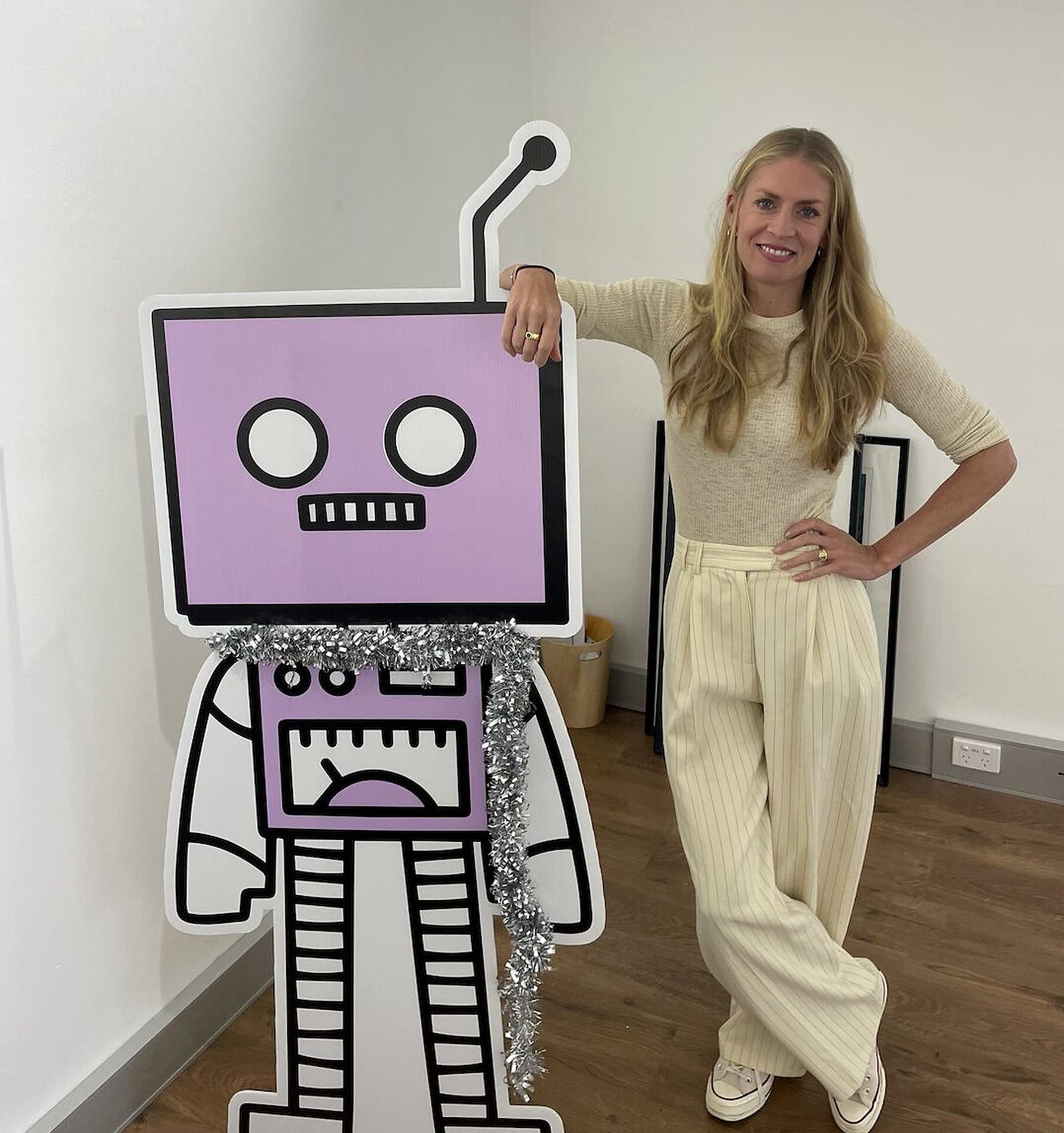
Nathan Bush: And I've been meaning to tell you this whole time, you've got a creepy Robot over your shoulder.
Mareile Osthus: Oh, my God. I didn't notice that.
Nathan Bush: He's everywhere.
Mareile Osthus: What are you doing
Nathan Bush: in your videos? He talks. He doesn't talk so much.
Mareile Osthus: I know. Yeah, actually. And I haven't done a video in ages. Good, good point.
Nathan Bush: Marala, it has been such a pleasure to catch up with you. Thank you so much for joining us and giving us this CX masterclass on Add to Cart. We love what you do at Humi and we think that it's so great that you're not only measuring Australian retailers and helping us all be better in a really friendly way, but also taking your product to the world too. I think we need to see more of that, so congratulations.
Mareile Osthus: Thank you so much. It was my pleasure to be finally invited to Add to Cart. Really enjoy talking to you. I know we anyways chat in between, but
Nathan Bush: we do. And look, just for the record, you're much better than Andy.
Mareile Osthus: Okay. But please leave that in. I'm going to send it to him.
Nathan Bush: Done. All right, Morales, thank you so much.
Mareile Osthus: Thank you so much.
Nathan Bush: Let's see if Andy listens to this one. We'll know straight away, I reckon, whether he's had a chance to listen back. There was so much gold in the that and I hope you had a notebook as Marala was going through the things to check off. And that was just a sliver of what you find within the Humi platform. There was absolutely no paid sponsorship in that at all. I've used Humi myself and I absolutely love the platform and I think you get so many insights out of it and out of that conversation. I've had many with Marala, but here are the three things that stood out for me. The first lesson is to click the link. Links your team never clicks. Morala can land on almost any site and find something broken within a few clicks. And having worked at the Iconic, she knows why. People on the inside of an E commerce business tend to take the same path every day. You go through women's new arrivals. Done. Nobody clicks the return policy or refer a friend. Those little bits on the side that customers are often exploring, especially when they're a new customer. And that's where things tend to break. One brand had just launched its Australian site and the gift cards were still in US dollars. A big homewares retailer had no dimensions on its outdoor tables. So if you're heading into Black Friday and you don't know where to start, start here on the peripheries of what you check every day or hand your phone to someone outside The E commerce team, like I said, maybe it's someone in finance and ask them to go and buy buy something and then return it. That's the part we often miss about returning it. Or maybe just give the task to an AI agent and tell it to be as cruel as possible, the meanest mystery shopper they could be and see what they do. Of course you can always get Humie on Lillercase if you want it to be done most comprehensively. But there are cheap fixes to make sure that you don't see it through the eyes that you always see your website through. The second lesson is Moraler's three factors of great CX functionality, transparency and expectation management. And what I loved about this is that yes, we talked a lot about websites, but these three factors of great cx, they stand up in other ways that aren't just website. We talked about how it works with AI agents. It would also work from your store experience perspective. Are you you upfront about your costs, your policies, what the product does? Does the customer always know what happens next? This is Moraler's framework and I think it's spot on because it works everywhere, even Claude or ChatGPT when they're doing the shopping. So that's another lens that you can look at your experience through functionality, transparency and expectation management. Have you nailed all three? And then the third lesson is to look at the real number, not the percentage. Mirella told us about a big retailer with cheap products who said that they barely get any returns inquiries and when she asked for a weekly number it was 6,000 that would give most of us a heart attack. But for them it was a tiny percentage and 6,000 people a week having a bad time with their brand. And I strongly agree with her on this one. We spend a fortune on finding new customers and then make it hard for them to get help. We know that these customers are then less likely to convert and even less likely to come back. So pull the raw accounts. This week I remember we talked to Dave Bauer at Amart where he said you need to tell a story around every bad experience and we need to turn those insights into real customer insights to make them hit home. They're not just random numbers or small percentage of they are real people having bad experiences. So have a look at those return requests, those unanswered emails, those live chat drop offs. All those are real people. They're not small percentages, they're real people who are having bad experiences with your brand. One is way too many. Now if you've got your own CX horror story or you reckon Marala's wrong about where the live chat should sit? Major controversy left or right of screen? Come and tell us in the Add to Cart community. It is free and There are over 800 of us in there and I'd love to hear what you found when you clicked through your own store. Are you brave enough to own up around and share with others on what you found? Thanks again to our partners in Shopify and in Klaviyo for backing Add to Cart. It means a lot to be able to bring new leaders like Marala who see inside hundreds of online stores every week. Until next time time I'll see you on Add to Cart.