Dorie Kordahi: Not really a business. It's probably more of a hobby in your third year in. So I acquired half the business. I say socks is a new tie. You know, you gotta look at the corporate world. Who's wearing a tie now? So why would I pay full price for something if it's always on sale? Hi, my name is Dora Goodey and on this episode Add to Cart. I'm talking about my journey from basketball to sports to E Com, everything Swanky Socks. So hopefully you enjoy this episode.
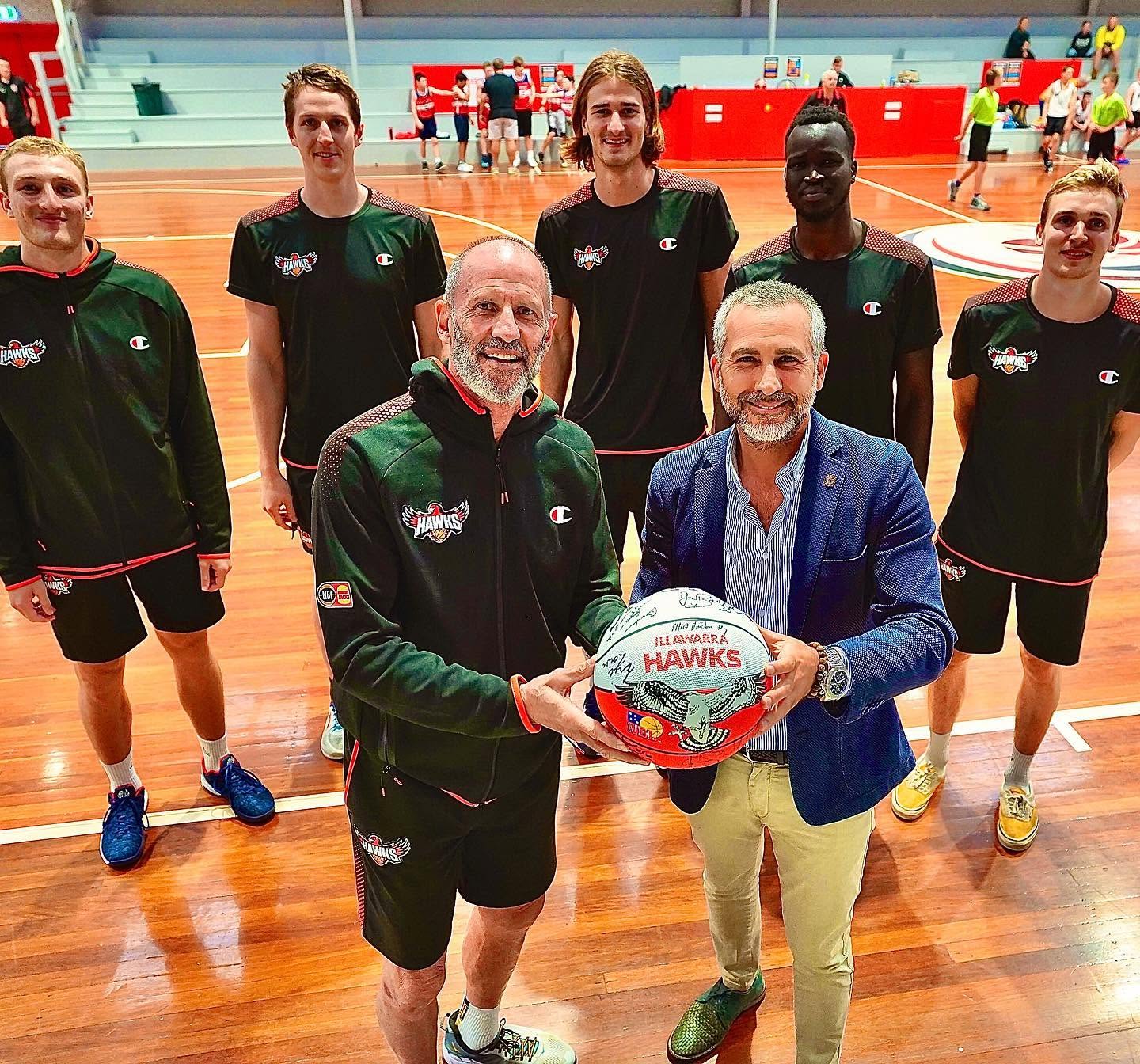
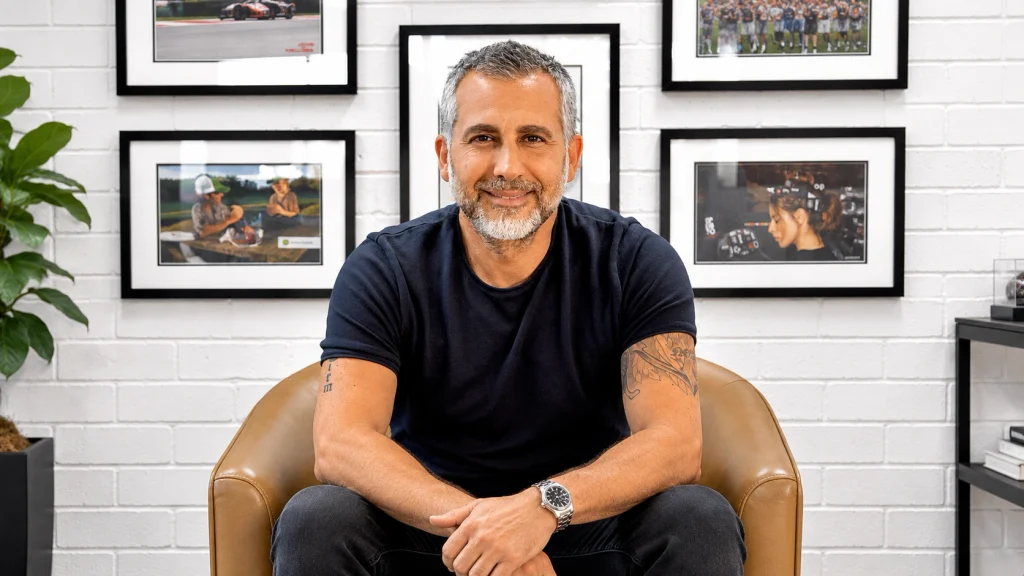
Nathan Bush: As you and I both know, most corporate merch ends up in a drawer or a bin. Whether that's a cheap T shirt, a cap that nobody wears. Twice. I even saw someone giving away branded USBs at this year's online retailer. Who's using USBs these days? But Dorey Kordahi won't stand for it and he has built partnerships with the likes of Google, McDonald's and Coke who have put their logos on on his merchandise. Dorry has spent more than 20 years on the B2B side of the table. He left hairdressing in his dad's salon and started DKM Blue out of his parents garage in 2002. He built it into one of Australia's big promotional products and uniform businesses, buying direct from factories in China before most of the industry was. It was his first business idea and is still going strong today. He's also co owned two NBL teams, the Illawarra Hawks and the Sydney Kings. Sport shows up in everything he says about teams, discipline and preparation. We hear a lot about that today. But where we get to with E commerce is that he bought half of Swanky Socks, a brand turning over 40 grand a year. Today it has moved close to 4 million pairs of socks across 30 countries. It sells to some of the biggest brands in the world. It's now on Surf Stitch and it is heading into the iconic we get into the Melbourne cup socks that he distributed 30,000 pairs of and why he reckons always hire people smarter than you is the wrong advice when you're starting out. Plus we talk about the book that got him out of the salon in the first place, recommended by his girlfriend at the time one of Australia's biggest music stars. Now we can only go this deep on E Commerce stories thanks to our partners Shopify and Klaviyo. Thank you to them both for always making Add to Cart possible. Now there are a lot of numbers in this one from what Google now costs him to what's up actually in the sock. If you want all of them in one place head on over to add to cart.com and sign up to our newsletter. The email cheat sheet lands on the day that each episode goes live. So you get the learning even if you can't listen to the whole thing. All right, let's get into it. Here is Swanky Socks CEO Dori Kudahi. A really quick one before we start today. You've heard me bang on around the new Showpost site before. I'm sure you have. I. I actually really, really like it. Not as a shopper, but as an e commerce person. I think it's one of the best examples of leveraging Shopify. And now our mates at Convert Digital have put together their guide on how they moved it off Salesforce and onto Shopify along with Lorna Jane as well. If you are on Salesforce commerce cloud and you are wondering whether it's time to make that jump, it is a guide that is well worth the read. And. And we've popped the link in our show notes. All right, let's get into today's episode. Dorie, welcome to add to cart.
Dorie Kordahi: Hey, thanks, Nath. How you going?
Nathan Bush: Good, mate, good. Lovely to have you here. You've got a fascinating story. I had a lot of fun researching what you've done and trying to connect all the threads together. But let's start back at hairdressing. You went from hairdressing into being on the young rich list. Tell me how that happens.
Dorie Kordahi: Look, you know what? It's. If you, if I went back to school and you told me I'll be today, a lot of people would have laughed at. You will laugh at me. But look, you know, it's all about having a vision and having a dream and really, you know, hairdressing for me wasn't a thing I love. My dad sort of forced me into it because he was a hairdresser. He goes, well, you know, take over the family business because he literally failed everything at high school.
Nathan Bush: It was your dad good at business.
Dorie Kordahi: It was a great hairdresser.
Nathan Bush: Yeah. Okay.
Dorie Kordahi: He had the salon. So he sort of had a plan and a vision for me that, you know, what if you're not going to do well at school and obviously you're not and you're failing everything. I was a good basketball player, so that was sort of the thing keeping me at school at the time. He just sort of had a vision for me to take over the family business. And then I guess once he realized I wasn't that sort of motivated around cutting hair, men's and ladies and that stuff, I Was fortunate enough that my cousin gave me an opportunity to get into the rank trade at 21. And then the moment I dove into that, I'm like, this is my calling. And I always tell a lot of people, if you've got a passion, you love what you do, you've got a better chance of succeeding and growing. And I was lucky. At a young age, I found my calling because I've got friends who are, you know, 35, 40, still trying to work out what I'm gonna do with my career and so forth. So
Nathan Bush: over here. Thank you.
Dorie Kordahi: So, yeah, so I was pretty lucky at that and sort of. Yeah, the rest is history.
Nathan Bush: Yeah. Great. And so that first business that you started, was that the first idea or did you have multiple failures before that first one took off?
Dorie Kordahi: I'd love to share with you failures. Look, I have had failures, but I would say they're more calculated failures. But dkm, at the time, from my parents garage, that was my first business and we've been going ever since. So for me, I spent three, four years working with my cousins in a family industry, the rap trade. I was, I was employed as a salesperson. But for me, being employed as a salesperson, that's just one element. I wanted to grow and learn and dive into the industry. So I went to the manufacturing plant, I looked at the way they cut fabric and how many metrics per garment. I wanted to understand China. So I dove into all parts of our field and our industry, even though I was only hired as a salesperson. If you want to grow and you want to build something, you got to understand the multiple facets of a business. And that's what I was. As I said, if you love what you do, you're going to grow and you're going to want to learn it. And that's where I was. I was passionate about it. And then I started DK in my parents garage.
Nathan Bush: Wow. And is that something that you've picked up in business is you've obviously got to love what you do, but then does that unlock that you go deep? Because it sounds like you went deep pretty early. Like, you know, working out suppliers, working out fabrics. Like you didn't kind of skim the surface level and try and be across everything. And DK has now been around for what, 20, 25 years? Nearly. Is that the secret, do you think, to business success as a founder, you actually need to be in the detail
Dorie Kordahi: 100%. Look, I think at the start you need to be the leader. And you know, I look at all my Attributes and what I've done, you know, I put a lot of it back to my sport. Playing basketball, playing competitive at a young age, you know, mindset, visualization, being consistent, showing up every day. When you don't want to train, you've got to train and just working within a team environment. And when you look at business, these are all the attributes that resonate with business. Whether it's an IT company, whether it's a B2B business or a retail brand, you've got to understand your business. And for me, when you're building a business and you're an individual, starting from your parents garage on your own, those mindsets have to be there. The discipline, the focus, the visualization. Then you start building out your team and what does your team look like. And if you look at sports, you know, you don't have five Michael Jordans on one team. You know, you've got your star playing, then you've got your players around you that build that team. So I think for mine, you know, I hear entrepreneurs and business leaders saying you need to hire the best to grow. I've always been the opposite. If I can't be the best in my own business, then I don't have a business that I can build.
Nathan Bush: Yeah, okay,
Dorie Kordahi: People are going to build my business for me, especially in a B2B business. And when you go into a tech space and you build and developing out a, an app or so forth, then yes, it's a different mindset. But if you're building out a B2B business or a business of some sort of, that sort of requires a one on one touch. You've got to be their leader. You've got to be the smartest guy in the room at the starting point. Then you get young sort of staff that you can train up the way that you want them to sort of believe in your brand and sell your brand and then eventually you start hiring key people because the one thing you don't want to do is hire too many staff at the start that are very senior, burn into your cashflow, go backwards, you don't sustain. So I always say that great leadership and great companies have to start with, you know, with the CEOs and driving that vision, that focus, that mindset, the understanding to drive. If you don't have that narrative or that clarity, then your staff aren't going to follow what you do.
Nathan Bush: And when you're starting in business, no one gives a fuck about your business as much as you do. Really?
Dorie Kordahi: No, no. And look, yeah, even till today If I lose focus and lose track, well, then I'm letting a bad example for my staff.
Nathan Bush: Yeah,
Dorie Kordahi: everyone does it differently. This is the way it's worked for me. This is my theory, my strategy, and I haven't done too bad in life. So, you know, I don't preach what I don't teach, you know, so I te what I preach, and that's something that I've always focused on. You know, people have asked for my opinion. I'm talking from my experience of what I've done. It might not work for you, but I know it's worked for me.
Nathan Bush: I love that advice, though, because it's so easy to default to the fridge magnet advice of always hire smarter than you. But businesses go through stages, right? So you can't do that at every stage of business. I want to dive into Swanky Socks because as an e commerce podcast, I think there's a lot of gold in there. Obviously, DK Blue is hugely successful and has longevity in the market and has set you up really well, but Swanky Socks is interesting because I don't think we've ever had a sock brand on add to cart. From an e commerce perspective, there's a lot of things I want to dive into. But tell me about what got you interested. You've got an amazing business running in the B2B space and then I understand that there's an opportunity for you to buy into Spanky Socks when they're only doing about 40k a year. Is that right?
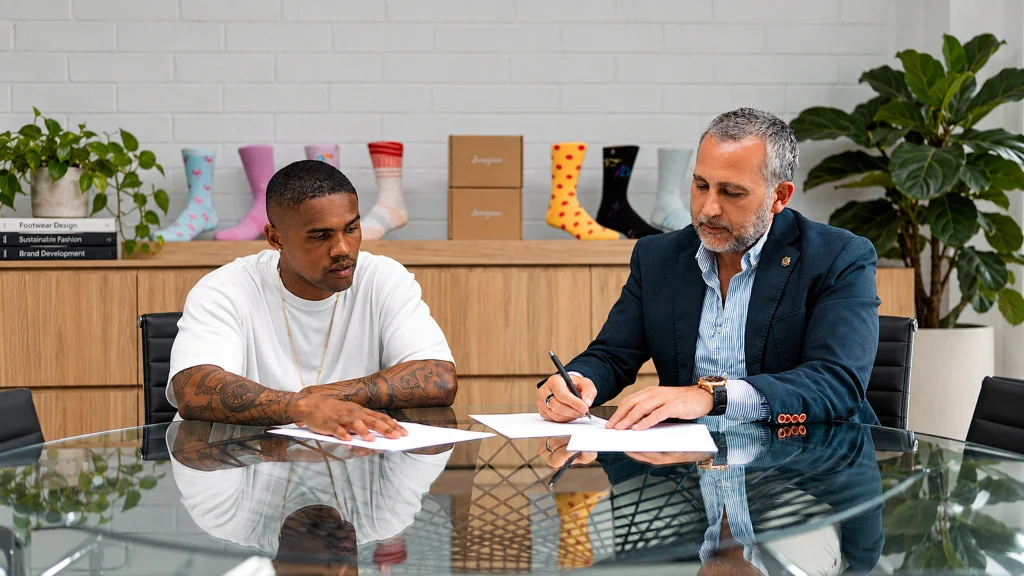
Dorie Kordahi: Yeah, yeah, that's right. I was doing 40,000 or when I saw the business up on like a shark tank. I was an ambassador for Shivers Regal at the time, doing some stuff with Shivers Regal. They were doing a whole social entrepreneurship and I saw the business sort of pitching up on stage. It was Michael Singh was one of the judges. You had. Justin Hems was one of the judges. And I jacked a lot of friend and one. And I was in the sort of background just watching these companies sort of pitch up and I thought, socks, you know, I think I can do a lot with socks because at the time we had a few fashion brands, menswear, and I thought socks would be a great addition to the brand. One size fits all. And I sort of dove in, dove into the business. I thought, you know, what looks quite good, looked appealing online. And then I called them the founder and had a bit of a chat with them at the time. And I said, look, you know, what's your turnover? What do you do with the brand? He goes, oh, we've been running for three years. And I go, what's your turnover goes, oh, 40,000. I go, is that per month? Per, you know, per quarter? He goes, no, in the year. I'm like, well, it's not really a business. It's probably more of a hobby in your third year in. So I acquired half the business. And for me, even though it was perceived as a retail brand online, it wasn't moving anything visually. It was there, but the brand wasn't moving. It was more door knocking onto menswear stores and so forth. And it doesn't take rocket science to work out you weren't moving many socks.
Nathan Bush: Yeah. Are we passionate about socks at the time?
Dorie Kordahi: No, look, I was passionate about the idea,
Nathan Bush: yes.
Dorie Kordahi: And what I can do with it and what I could do with the idea in the business. And if you look at, you know, the B2B side of my business, there was no custom socks really being done and leveraging off a retail brand. So the whole philosophy that I had in place was fake it till you make it, as we all say. So the vision was, let's say we're a retail brand, which we were, because then, as you know, if you've got an online estore, you're a retail brand. Whether you do one sale or you do a million sales online, theoretically you're a retail store. So the whole perception was, we're an online retail brand. It's worth, you know, at the time, our socks were 26, 95. You're buying customized socks off, you know, leveraging off the retail brand and you're buying it for, say, $14. So when you give it away, you've got a retail value of a $26 product behind this. And that was a whole strategy behind it. So going first to market was an important thing for us because no one really got socks. And I didn't really understand it. So when I went down that whole model, we started getting traction and people started buying into it. One thing that worked well in our favor is inflation.
Nathan Bush: You
Dorie Kordahi: know, as much as people say inflation, you know, it worked well for us. Cause for us at. Back then, buying a pair of customized socks was the same price as a T shirt or a cap. But everyone saw, oh, a T shirt cap is more value because it's sort of. We know that it's safer. We're now with inflation. T shirts and caps, basic promo T shirting caps cost more than our customized socks. And if you look at our brand now, swanky socks, you know, compounding to what I've done Over the last seven years and probably more of the last three years now, we've really taken a leap forward. You know, we've now moved over 3.9 million pairs of socks. We're selling in 30 countries. We've got B2B partnerships from corporates to big multinationals buying our socks retail. Now we've done collaborations with Douglas Costa, is a World Cup Brazilian soccer player, played for Bayern Munich, Juventus. So, you know, so there's a lot of stuff where the brand's gone, but I've been consistent with the messaging. Now we can say, you know, we are a fully fledged retail brand, but at the time we had to sort of perceive it as a retail brand. But we're confident now that we are a global retail brand. And it's something that takes years of, years of compounding the same messaging over and over again.
Nathan Bush: Yeah, okay, that makes sense. And I'm keen to dive into that business model. You just triggered a thought for me. I was on stage at online retailer this year and I was interviewing Gabby Leibovich, founder of Katch.
Dorie Kordahi: Yeah, yeah. I met Gabby many years ago.
Nathan Bush: Oh, he's a good guy, good guy. He's always got a good story. For me, the most excited I saw him on stage was he pulled up his trouser legs and showed me his custom socks. So it's funny, like I get the comparison with T shirts and stuff, but socks kind of have, I feel this weird personal connection where you can hide them a little bit but then show them off when you want to. You can actually be a bit more expressive with socks. Is that what you find?
Dorie Kordahi: Look, it is. You know, if you look at the big brands out and they're like happy socks, that's a retail brand and that's gone from nothing to a hundred million dollar business globally, you know, within a very short span. I think the B2B market, we've done work with every big multinational from Google, Microsoft, Samsung, Pandora, every fast food chain out there is selling a story and you can be expressive. Say socks is a new tie. You know, you get a look at the corporate world, who's wearing a tie now.
Nathan Bush: Yeah,
Dorie Kordahi: and that's for me is why I saw a gap in our market that, you know, custom socks in the corporate space weren't being done. And that's where, you know, I thought if we can get it right, build the brand, get the brand right, and people buy into the brand, then selling socks becomes a whole lot easier, or selling our socks become a whole lot easier.
Nathan Bush: Okay, can you give us an idea of the scale of Swanky Socks now, because obviously we've got the story of you buying in when it was doing 40k turnover. As I understand now, there's a few different models happening. You've got wholesale, which you talked about. You've got the B2B and the custom side of it. You've got distribution internationally and also E Com. Can you give us an idea how you balance all those out?
Dorie Kordahi: Look, for us, our biggest part of the business is our B2B is a lot of big multinationals globally. Are you leveraging off our retail brand and our retail value? Whether it's a gwp, whether it's an activation, whether it's. Whether it's a promotion, they're leveraging off our brand. We've just now we're going to be dropped onto the Iconic store. They're taking our spot in the coming weeks. So I don't know where this would be at, but we're a week and a half out from rolling out on the Iconic SERP stitch as well.
Nathan Bush: I can imagine there's lots of upsell and cross sell opportunities on the Iconic for new customers.
Dorie Kordahi: Yeah, definitely, definitely. And, you know, like, we're going to be partnering up with a lot of big multinational brands on the Iconic. As we all know, it's one of the biggest online retailers in our country, so they were very keen to take on our brand and seeing what we've done with it over the last couple of years, you know, brand collaborations. So, as I said earlier on, like, we've moved over 3.9 million socks. We'll probably come next week, end of the month, we'll be up to 4 million socks. We've moved globally. But look, you know, once again, it starts from an ID, taking it to the B2B market. And now I'm putting a lot more focus back into the retail side because for me, when you build your cashflow and you get your brand right, then you can reinvest back into driving retail. So we've done a lot more now. If you look at our swanky socks.com page, we've got a lot of good international footage with our content in our media and how we're perceiving the brand. We're storytelling, you know, why people are going to pay $29 for a pair of our socks. You know, what do you pay $30 for, you know, for a step one pair of underwear, when you can buy a pair of Calvin Klein's for the same price or, you know, they're buying it for comfort so for us our biggest strength in our sock is, you know, our biggest selling asset is that we are an Australian merino wool sock first and foremost. So quality is what drives our retail sales. Once people buy it, then I turn back to other socks because it is a quality product. So you can sell the sausage and everything else and the sizzle online but if your product doesn't stand up to it then you're just going to have a one hit buyer.
Nathan Bush: Yeah,
Dorie Kordahi: but a lot of repeat customers and that come back to our product because they put it on. This is quality. And Australian marina wool is probably is one of the best marina wools in the world.
Nathan Bush: Lorna Jane built a whole brand on the idea that movement is medicine. And it turns out their customers took that literally because they do not stand still. They'll discover the brand in a store, shop online a few days later, then tap through the app sometimes. All of this happening in the space space of a couple of days. That is beautiful for loyalty but a nightmare to keep up with especially when like Lorna Jane, your email and SMS are stuck in two completely different systems. So they brought it all together with Klaviyo. One platform, one customer profile and a shift from blasting campaigns to nurturing proper life cycle journeys. Post purchase upsells a lot of alone now drive three to four times the order rates and across the last year They've pulled an 84 times ROI on email and SMS. 84 times. For a brand that swears that movement is medicine, that is a very healthy result. Head to klaviyo.com au and see how brands like Lorna Jane are doing it right. I'm interested in how because as someone who is very good at sales and you cut your teeth in sales when you are positioning that quality message for different audiences. So for example, if you're going into a retailer or a distributor and you're saying hey, we've got the most, the best quality socks and this is what they are versus trying to do it for a direct to consumer customer online. How are you thinking about that differently? Because I could imagine retailers for example, like well that's good but we kind of, we don't want socks to last that long because we want our customers to keep coming back.
Dorie Kordahi: Yeah.
Nathan Bush: Whereas for a consumer they're like great, this is value for money. How have you kind of positioned that
Dorie Kordahi: well look good thing for us, you know, we get a lot of repeat business. People are buying five, six pairs. So you know our cart is average between you know, your 90 and $180 so people aren't coming in, buying one pair of socks. And when you look at socks and underwear, you're not going to a store and buying one underwear, you know, you're going to buy a shirt, pair of jeans. So it's a commodity where people will open up your drawer. You have probably 20, 30 underwear and you have probably 20, 30 pairs of socks. So coming out with new season collections, you know, that's important. So keeping your brand relevant, fresh colors, fresh drops, collaborations, you know, having shoots where people are picturing your socks in a different environment, it's an inspirational buy as well. You know, it's not your H and M or your Zara where you're buying six pairs for $12. That's on our market. And if that's the sock you want, go for it. But when you put on a pair of our Swankies, you're getting quality. And you just won't go back for the volume sale, you go back for the quality sale. And that's the difference between brands. And look, the good thing about our socks is, you know, when people look at quality, people will say, selling hooks. You know, this is cotton rich and this is merino rich. And whatever it is, go look at the fine print, it might be 8% merino wool and everything else is polyester and everything else. Our socks are 70% Australian marina wool. So we've got a very high marina wool consumption in our product. So the composition is very strong. So you just got to keep compounding this messaging.
Nathan Bush: And do you find that messaging around the Australian merino wool translates well internationally?
Dorie Kordahi: 100%. Because, you know, like we're known globally between Australia and New Zealand, our wools are known to be the best.
Nathan Bush: Yeah. And so it helps you crack those markets.
Dorie Kordahi: It does, it does. Look, in the UK market, we have an office there as well. We sell a lot to the the UK market. Obviously they know what Australia marina wool is and when you look at the UK gets cold. But the good thing about marina wool is it's self regulated. You know, in summer it keeps you cool and winter keeps you warm. So selling those messaging, it works well. And you know, the US is what Australian Marino wool is regarded as being, a high quality product.
Nathan Bush: And when you're going after the B2B markets, especially those big corporates, your Googles, your Cokes, your McDonald's doing partnerships with them, how does that quality message align there? Because I've been to plenty of conferences and plenty of trade shows where the merch is cheap and shitty. How do you convince them that they want actually to invest in that.
Dorie Kordahi: Well, the good thing is we sell bamboo cotton as well. So our three tiers are comb cotton, bamboo cotton in Australian merino wool. So when we're doing a lot of these events, a lot of them are buying out bamboo cotton, which is a very soft, natural fiber. And, you know, when you touch our product, you actually feel the difference. It's not a chromosome, you know, we just did a massive campaign for us with All Pro, which is part of the Danone group in Germany for one of our Romanian distributors. They bought at 85,000 pairs for a GWP inside McDonald's for one of their marches using the dairy. And then to see our product running all over TikTok, you know, swanky socks, retail value at €17 because it's in that currency, it's a gift we purchase. So when you build a brand value, you get. Your brands are not buying on price anymore, they're buying on value add. So when they do an activation with McDonald's and our product retails for €17 and they're giving this as a way, as a gifted purchase, are you telling me it's not going to drive sales for them? You know, so if, you know, that could have saved themselves, you know, over a hundred thousand euros. But great marketers realize if I do a great brand alignment with a retail product, it's going to drive my sales further and it's going to drive my drive through further. And that's the power of when you build a brand and it hits the mark. That's a great thing. We did a massive campaign with Tab. We had the socks table on our website. We did a collaboration with Tab where we sold every Melbourne cup winner online. We sold, you know, Maccabi Diva black caviar. So we designed the socks to fit the color palettes of the jockey tops. And all the proceeds, all the profits that Tab made went to the the Horse equine foundation with $150,000 race. Now we sell the socks for them because it was a Tab inspired swanky sock for $22.95. We sold over 30,000 online. Tab did a great campaign driving the media behind, you know, Sky News, all the racing channels. They've got, I think over 400 outlets with all their media channels inside their outlets promoting these collectible socks. And we moved that many socks. Now if Tabis did this as a promotional sock, there's no way they would have had a retail value of 2295 for their sock. And there's no sold 30,000 via our retail platform. So these are the things that when people buy into a brand and see the brand value, you're not competing on price anymore.
Nathan Bush: It's a great mechanism also for you to get swanky socks. The quality in the hands of people via those partners. Right. Like they're huge numbers of who are actually experiencing swanky socks for the first time.
Dorie Kordahi: Correct. And when you've got swanky on your toe and people see the product, they log on, buy the product, or let me buy some more products. So the B2B market really drives our narrative for the B2C. Because if you've got over a million socks out there with your sock that have been drawn over very many facets, there's a touch point on your sock. And what is the cheapest way of marketing where people are buying your product and wearing it in the marketplace with your brand on it.
Nathan Bush: Yeah.
Dorie Kordahi: Compared to spending millions of dollars of advertising and Google Adwords and all sorts of stuff, which we do spend a lot of money and that all market's changing now. You know, what we did two years ago with Google to what we're doing now, it's completely flipped. So we're, we're refiguring out now what we're doing with our pad advertising for our drive and what works.
Nathan Bush: I'm keen to get into that. I've got a question first on price before we move away from the quality discussion. Because I know there are a lot of retailers and e commerce businesses at the moment, especially coming up to Black Friday, who are struggling with price. And you mentioned it before, inflation is a thing and there's either a lot of people who are knowing they need to raise their prices but are really nervous about doing it, or they're trying to discount their way out of trouble. It seems to me swanky have held your price and it's not a cheap price point. Like you said, it's $30 for a pair of socks. But have you deliberately held that and been above the market to enforce that quality message? Cause I can imagine it'd be easy to try and go out and discount to acquire those first D2C customers.
Dorie Kordahi: Definitely. Look, you know, obviously if you buy a five bundle pack, then you get free shipping. You do get a discount on the socks if you're buying more. So there is a discount on a volume buy.
Nathan Bush: Yep.
Dorie Kordahi: And I think a lot of retailers within our market do that. But look, I think if you keep on discounting a brand, people are just waiting for discounts now. You know, growing up, I'm not 20 but growing up when I was a lot younger, you used to wait for the sales. Cause sales were literally two times a year now, literally there's a sale every day. So why would I pay full price for something if it's always on sale?
Nathan Bush: Yes,
Dorie Kordahi: I think if you discount your brand, you decide what your purpose is, that people are waiting for that. So you know, we do participate in Black Friday and so forth. We will do some discounts, some clearance slides, but I think if you're constantly discounting every day, all day, then you're really putting your business in jeopardy.
Nathan Bush: Yeah. Especially when you're going out with a quality message.
Dorie Kordahi: Correct, correct, correct. And that's true. And you're seeing a lot of, you know, multinationals and retailers and E Com companies turning over 40, $50 million going broke because they're over capitalizing, maybe with the discount or don't have enough margin, you know, like the online retailer stacks. You know, there's something that went under I think for 20, 30 million dollars now, like you know, fast growing and 50 million
Nathan Bush: revenue.
Dorie Kordahi: Are the margins, right? Are they over capitalizing? Are they pulling out too much money? You shouldn't be going broke turning over that sort of volume if you've got the right margins and the right profitability and the right overhead structure. But it does happen. It's happening left and right.
Nathan Bush: Oh, it is.
Dorie Kordahi: So it is an interesting time.
Nathan Bush: So as you move into this space and you expand the direct to consumer e commerce channel, you mentioned there how advertising and marketing has changed. How are you thinking about acquiring those first time swanky socks customers? Like, what are the channels that where you're thinking about placing some bets?
Dorie Kordahi: Look, we are doing a lot around Google Meta and that's storytelling to a degree. People can't touch a product saying, oh wow, that feels good. Unfortunately you don't have that retail stores. You do. People can look at it, touch it. Our B2B site is a cheap way for us to get customers. Like when people try a product on, they log onto our retail store and start buying our retail products, which is fantastic. We do a lot in Google, but that's changing a lot.
Nathan Bush: I
Dorie Kordahi: know they don't want that. Probably wouldn't want me saying this, but costs are back to.
Nathan Bush: They don't listen anyway.
Dorie Kordahi: They keep busting my chops to spend more. I'm like, guys like the return on investment is not adding up right now. And look for us to acquire a company three years ago. You know, with Google it's cost us five times more now.
Nathan Bush: Yeah, okay,
Dorie Kordahi: so it is changing and AI is coming into place. People are searching through AI, through chat. You know, everything I search is for chat, GPT, other example.
Nathan Bush: And we know through our own behavior that you're not directly clicking through. Right. So they're
Dorie Kordahi: more
Nathan Bush: influenced channels than they are and it's hard to attribute then to which where that sale came from.
Dorie Kordahi: Yeah. So look, I think where we're going now and online and you know, the whole B2C market, especially for us. And look, this is. I'm no online retail guru because this is how we're starting in and diving a bit more now, spending more on the brand and the assets and look and feel. Every agency we speak to, they're learning as they go because it is moving and changing so quick between chat, AI advertising and all sorts of different areas. I think Google's not the only solution anymore. And it used to be and it used to work. But yeah, I've spoken to a couple of agencies that we've dealt with for years and they're working through what is, what is it and how do we balance this ship now, where we're going to spend it and how we're going to spend it. So it's a challenging time. I'm pretty lucky that it's not our only driving pathway because, you know, it'll be completely different discussion. If it was,
Nathan Bush: it'd be a bit more stressful, wouldn't it?
Dorie Kordahi: Yeah, it would be.
Nathan Bush: I could imagine something like TikTok shop rumored to come in early next year into Australia. But we've had these rumors many of times now. Could be really cool for you guys especially. As you know, I'm thinking about your Melbourne cup example. I'm thinking about some of the brands that you work with, some of the sports you're involved with, the influencers, the sports stars. There could be a little lot of noise because it's around people's passions and showing off personality
Dorie Kordahi: 100% and that's something. We'll look at all these sort of channels and even like with Snapchat,
Nathan Bush: yeah,
Dorie Kordahi: I'll speak and so on in Saudi Arabia and Snapchat is one of the biggest tools for selling. And I'm like, really? I had no idea, like I'm not that Gen Y or Gen Z, whichever, that that Jenny is at the moment with Snapchat. But they're saying like it is the only way that people buy in Saudi Arabia by Snapchat. I'm like, really? I'm like, wow. And it's completely oblivious to my radar. But that's When. When you talk to earlier on now I need to get in key people in those scares that know more than me.
Nathan Bush: Yes.
Dorie Kordahi: To give us that ability to be able to grow. Because there's no way in the world this whole tech space is going to. I can't be the leader, but I'm steering the ship now. The business is in its place. I could steer it. But now I need some smart heads around me.
Nathan Bush: Yeah.
Dorie Kordahi: And get some knowledge off them. But then I'm going to make the calculated decision to say yes or no.
Nathan Bush: Well, you've got to steer it. And then you've got to just have enough knowledge to be able to call bullshit when you need to.
Dorie Kordahi: Correct. And the funny thing is we were looking at doubling our Google spend. And I'm looking at these numbers, I'm like, this is not adding up. And I hear I've got Google and our agents saying, spend more, you get more leads. Michael, wait a minute. But what's my conversion? If my conversion. Because Google will give you one conversion. Right. And our HubSpot will get another conversion. I said, guys, you know what? Respect my account. I want to exactly what is attributed to that lead. We're spending more than we're selling.
Nathan Bush: Yeah.
Dorie Kordahi: And I pulled the halt real quick. And when I show them those figures, they will shut up and say, well, shit, okay, guys, if I was an idiot and I didn't look at numbers and I just kept on doing what you were telling to chuck more shit at the wall. And I did. We didn't have the cash flow.
Nathan Bush: Yeah.
Dorie Kordahi: This is where companies go broke.
Nathan Bush: Yeah.
Dorie Kordahi: That thing let me chuck more at it and it's going to click to another. But when you run out of your cash flow and you run away, well, this way, you see, comes down to administration over and over and over again. So yes, get people on board that are smarter in scenarios. But then you've got to be smart enough, wise enough to read your business and know your business and your PNLs to know when you need to pull back and when you don't. So what I'm saying is, so now we're spending less, but we're getting a better return.
Nathan Bush: Okay, nice. And it's all down to the numbers. One of the things that I saw you talk about was one of the biggest mistakes is trying to scale before you really understand your business. And I think it goes into a lot of what we were talking about there. What would you say for people who might be on this path of exactly those scenarios that you're seeing now? People Telling them to invest more, to go harder, to to take the opportunity while it's there. What are some of the kind of the red flags that you see that people might be looking out for that they're scaling too early before they truly understand their business?
Dorie Kordahi: I always say know what you're getting yourself into. And that's the issue that a lot of people, you know, they get. For me, when I started my company I didn't actually look at the blue skies because everyone looks, oh I'm going to make it. I looked at all the negatives, I'm going to fail. I'm shit at what I can do. I've never done it before. I don't know anything about accounting. I never imported before. And this is where the visualization, the mindset is for me. Before I started my company I was fortunate enough I spent six months in Europe. Hanging around with friends was meant to be a 10 week holiday. I ended up spending six months there because I didn't want to come back till I worked out how I was going to start my company. Fortunately enough I spent time with friends and I was just visualizing I'm going to fail at this, I don't know how to do this, I don't know how to do that. So in my head I'm subconsciously going through scenarios in business. What happens if this scenario happens? How am I going to overcome it? Importing profit, what's the angle? What's the proposition? Why would you want to buy for me if I'm a one man show, one man band selling from my parents garage? So what's my value proposition? So my angle was direct importing from China experience. Even though I've been in the industry for three years, so I was very mentally prepared for success, prepared for how I was going to sell the business. My selling angles, my marketing packs was an A4 sheet of paper mailed out
Nathan Bush: and
Dorie Kordahi: that
Nathan Bush: was
Dorie Kordahi: my back back then. So for me it's all about the preparation. And so many people now, they come to me and I just smack them down. I'm like, are you guys absolutely serious? You have not thought through anything other than oh, we're going to kill it. I'm like, how are you going to kill it? And then when you start being that devil's advocate.
Nathan Bush: Yeah,
Dorie Kordahi: then they start, oh shit, yeah, you're right. Oh yeah. But how do you go dive in to the ocean not knowing how deep the other waters are?
Nathan Bush: Yeah,
Dorie Kordahi: ludicrous. So I always just tell people, just really planned and know what you're selling. And knowing what's your angle and business like cafes. A friend of mine wants to open up a cafe. It's cool. Have you actually ever worked in a cafe before? Have you actually worked behind the tools? You know, if your barista doesn't turn up, would you know how to make a coffee? You know, you gotta be there at 5 o' clock in the morning. Just because you know how to, you know, make a coffee, put a toast, bread into a toaster, doesn't mean how to run a cafe.
Nathan Bush: Yeah,
Dorie Kordahi: get involved in industry first before you do it.
Nathan Bush: The market is shifting, costs are climbing and the pressure to do more with less is very real. But when resources are tight, you can rely
Speaker C: on Shopify, the platform that's consistently first with new capabilities. Shopify invests significantly in R D and drops more than 150 updates every year. Evolving with you and absorbing complexity so that you can focus on what moves your business forward from AI powered insights to the world's largest best converting checkout. Shopify is designed for the next year of commerce, helping you sell more, scale faster and future proof your brand build for what is next with Shopify. Visit Shopify for Enterprise to learn more.
Nathan Bush: It's a really good tip. Really good tip. I'm keen to understand a little bit more from your European odyssey before you started the business and to dive into that word visualization. Because I think a lot of people, whether you're a business owner or you're responsible for P and L in an E commerce business, might hear visualization and think it's a little bit woo woo. But it sounds to me what you're doing there is you're essentially doing risk evaluation and strategy. Is there any techniques that you've used to visualize different scenarios to help you think through it?
Dorie Kordahi: Look, for me, I just go into my zone, I just literally shut out the world and just sort of dream and look, there's no artificializing. Like when I was working at my dad's salon in Punchbowl back at Bankstown, you know, it's not the most coolest place to be working when you're a kid. And I'd be in the back room, you know, sleeping half the day. And they used to get pissed off at me while you're sleeping and you're not like. So I wasn't motivated. But my sleeps in the back room of that salon was visualizing, I cannot be here all my life. I can't be on $150 a week working for my dad. This cannot be my life and my future. So I'll be dreaming about success and how does success look like. And then when I found the driver in getting that opportunity, working the rag trade, I said, this is it. Then I dove into it. So visualizing is one thing, having the ability is another thing. And following through and executing is the hardest thing because everyone, everyone's got great ideas. But are you going to be persistent and consistent? Can you execute?
Nathan Bush: Yeah.
Dorie Kordahi: And they're the things that so many people in a dream are in a la la land. They've got all these great ideas, but can you actually execute on what you're going to do? And a lot of. So yeah, look, it's something I've always believed in and that probably come down to my sport. When you visualize game, when you're playing a game, you're visualizing your moves. So you're in your head and you're sort of shooting the ball, you're getting behind a player. So that's why for me, I contribute a lot of my successes to my sports. Probably why I invested into my sport. Because it ain't definitely a money making exercise when you're investing into an NBL team, but it's more of a passion and why you do it. So it's probably why I invested back into a sport that I love.
Nathan Bush: Are you still playing
Dorie Kordahi: mate? I am, yeah.
Nathan Bush: Hell, the knees.
Dorie Kordahi: You know what I played last year was my first season back in a while. After every game it took me a day or two to recover, but
Nathan Bush: I'd be terrified
Dorie Kordahi: this season it's been pretty good. Yeah, no looking up. It's funny because, you know, your mind still ticks. You know when you say I can do X, Y, Z and your body's like three steps slower than your mind? Pretty funny because when you're younger you can do it, but when you get older your mind says I can still do the moves and so forth. But when you're two, three steps behind, it's pretty funny. So you gotta adjust what you can and can't do.
Nathan Bush: I think that's really interesting though. Obviously the sports mindset that we talked about earlier and the alignment to business about being consistent and showing up and doing it as a team. But to me it also aligns with what you were saying there around the visualization because I see, and I'm probably guilty of it myself. Is that so busy doing? Especially with AI and Chord running all the time, there's no limit to how much you can be doing at any point. But freeing yourself up to take your head out of doing Mode and into your passions, your downtime. Everything else, I think is something that the best leaders will have to get good at. When you can just do everything that you want from your computer screen and there's no limit to how much you can do.
Dorie Kordahi: You're talking about balance and how do you juggle a lot of these things as well? I think it's definitely something I've learned over the times is that it's about gunnison the ship out. And you know, I think AI is definitely sped up so much things and it's definitely saved us money. I use it passionately now for research
Nathan Bush: because
Dorie Kordahi: I think the research you can really dig up now so quick. So it is going to make us more efficient as human beings, which hopefully gives us a bit more free time or gives us more time to actually work more.
Nathan Bush: Yeah, that's right.
Dorie Kordahi: But I think for me it's all about trying to balance the ship. As you were saying.
Nathan Bush: Yeah. What's the coolest thing you've used for AI in your research pursuits? What's been something that surprised you with what it can do?
Dorie Kordahi: You know what, look, I'm pretty boring with the AI. I don't like. You hear people deep diving, billing out your website, taking photo shoots and all sorts of stuff. And I'm learning more about it. But for me, where it saved me a lot of money is drafting up agreements.
Nathan Bush: Yeah.
Dorie Kordahi: You know, but then you need to steer it. So like, you know, if I do a license agreement or other sort of agreements, I always run it by my lawyers to look at it. But I know what I want in it and it just within seconds you've got it and you get to your lawyer. So, okay, this is what I've got drafted and I said this is spot on. Like I might change one or two things from a $6,000 bill to maybe a couple of hundred dollars bill. It's probably the most exciting thing for me. You can actually use it to save money,
Nathan Bush: especially when you have to pay lawyers. No one likes doing that.
Dorie Kordahi: No, no, definitely not. But look, you know, at times I ask it random, random stuff. I don't even know what to ask it. But yeah, I'm going to a deep dive and just sort of start, I don't know, just learning stuff.
Nathan Bush: Yeah.
Dorie Kordahi: And God knows we're going to be next two years.
Nathan Bush: Yeah, I know. I actually use it a lot and I'm just thinking about what you were saying there and I was kind of stuck on a loop here, but that visualization piece, I sometimes use my AI for That as well to kind of as a thinking partner. And I say, actually come with no answers, don't solve anything and just tell me what could go wrong here or.
Dorie Kordahi: Yeah,
Nathan Bush: where could this go? And a lot of the stuff you kind of think of before, but it does occasionally throw up new risks that I'm not thinking about because I don't usually come from that perspective.
Dorie Kordahi: Yeah. And that's like another mind for it that's giving you that visualization of what are the problems. And it will probably help you start thinking.
Nathan Bush: Yeah,
Dorie Kordahi: a little bit more. Definitely. It's crazy where it's going to go. And I don't think anyone's got the answer. And it is going to be a scary. If you look at, if you remember the movie, was it iRobot with Will
Nathan Bush: Smith?
Dorie Kordahi: Like, shit, you know, and you look at the Terminator, all that sort of AI stuff like, I don't think we're far behind where it's all going to go.
Nathan Bush: No, no. Do robots wear socks?
Dorie Kordahi: No. But we can put them on them, we can swank them with. It
Nathan Bush: might slow them down, make them a bit slippery. The last question I've got for you is your book. You've written a few books and I'm interested in the one that you wrote called Win Big, Risk Small An Entrepreneur's Formula. It's a very provocative title. Have you got the formula that you can share with us?
Dorie Kordahi: I just did. It's. There is no magic. There is no magic formula. You know, it's hard work, common sense. And I always say common sense is uncommon. And look, for me, the book was all about sharing my journey and every. Apart from growing up playing professional basketball in Lebanon, to failing your high school, to starting my business, to owning the Sydney Kings at that time, and just all the different parts of my life and journeys that I've taken. And at the end of every chapter, I talk about my theories and what I thought about at that time in my life and my career. So it's. It's storytelling with an entrepreneurial flair around what I've done. So for me, if I can inspire someone to change or have it go and I can take some value or some nuggets out of my. My book, that to me is something I've been able to achieve. And I'm a guy who doesn't read a lot of books. And it was funny enough what my girlfriend at the time I was dating, and she said to me, you know what? Stop complaining. Because I was working my cousins, I could be doing more. I can making my own money, I can. And she was my sounding board. And she goes, you know what, just be quiet and stop complaining and just do it. And she goes, I want to give you a book to read and take some advice from it because I know the guy. And she gave me Richard Branson's Losing my virginity
Nathan Bush: book.
Dorie Kordahi: And when I read it, it was literally the only book in my life at the time that I read from start to end.
Nathan Bush: Yeah.
Dorie Kordahi: And I said, you know what? If you can do it and I can do it. And that was the motivation for me to leave and start my own company. That was a turning point. So my book is, you know, you carry it forward. That's the vision of my book is that, you know, if I can do it, I'm not a billionaire, but if I can do it and I can make money, succeed out of nothing, then you can do it. So my book's about passing it on to the generation that you know what, you can be a millionaire. But there's the principles that I went through in the journey that I went through. And when you hear people saying they've read your book and you've changed what they've done, it's self, self gratifying.
Nathan Bush: Amazing. Well done. I'm glad you stuck with it. Did you just casually drop in there that you know Richard Branson?
Dorie Kordahi: No, my girlfriend at the time, who's still a good friend of mine. So I went out with Denny Hines when I was younger. I don't know if you remember that he owns Marshall Hines's daughter. So and it was funny because like she's still a very good friend of mine. And I brought up in Marsha last month and Denny at the time, which was at a peak and I was working in my family's business, living at home with my parents and I was dating, I was dating one of you know, Australia's biggest rock stars at the time. And everyone goes, how the hell are you dating a rock star to Curie and you live in a home with your parents. I go, you know what? It's not about the money, it's about the qua.
Nathan Bush: You've got something going on there.
Dorie Kordahi: And we've stayed very close friends ever since and Richard Branson was a good friend of her. She's going to give you one of my friends book and read it. And that's when I read it.
Nathan Bush: That's awesome.
Dorie Kordahi: And it's funny because now I've got my son, my 13 year old son and obviously he watches Idol.
Nathan Bush: Yeah.
Dorie Kordahi: And he loves Marcia Because Marsha's a judge and I guess. Dad, you know Marsh? Yeah, she's a friend of mine. No, she's not. You don't know much. I do know much. Can I want him, dad, please? I want to meet. I want to meet him. Like. Okay, yeah. Marshall, look, I'm sorry. This is, you know, I don't believe it or not, my son's got a crush on you. He thinks that you're a star and you are a star, but he wants to meet you because he's a fan. And she goes, no dramas, bring him down. And so I surprised him at a lunch with him. She was waiting for me at lunch with him and he was golf smacked. And it was funny because people that you know and that you've grown up with and then your son now doesn't see that side of what you do and then they sort of get to meet. So she's going to take him onto Idle, hopefully in November and he'd get behind the scenes with that.
Nathan Bush: How cool is that?
Dorie Kordahi: It's funny. Yeah. How the world turns and where you end up and what happens and the journeys you take.
Nathan Bush: That's it. All right, well, talking about journeys the next 12 months, you hinted at some things there. We've obviously got international expansion on the cards for Swanky Socks and then you mentioned dropping into the iconic. What are your focus areas for Swanky stocks over the next 12 months?
Dorie Kordahi: Look, for us it's just really getting that foundation right. The last probably 12 to 24 months, I've really dove back into the business about the fundamentals. Re establishing the brand, change the brand, the brand directive, getting the product right. We've really changed the way our products are being produced in terms of look and feel, doing further collaborations as well. So I'm looking at doing something with a guy, mention his name because it'll come out soon. But more of a social platform that's got millions and millions of followers of what he does. So we'd have a few different touch points around brands and around partnerships and just really, just for me it's about re educating our staff
Nathan Bush: about
Dorie Kordahi: what our brand stands for. So I think now it's more around the operational and restructuring the business and then I would say after that is really driving further and I'd love to get our products onto billboards and mainstream media, which is where I'm going to look at taking it next. But as I said, it's all in stages. But I think where we are now, fundamentally and operationally we're in a far far better position now.
Nathan Bush: Awesome. And don't buy any more basketball teams.
Dorie Kordahi: Hopefully
Nathan Bush: not. There's no commitment.
Dorie Kordahi: But never say never because you know there's a few opportunities that I'll look at down the track. So watch this space. Hopefully. But now look, you know, at times you got to find ways of how you blow money. As long as you know how much you're willing to lose, that's the main thing.
Nathan Bush: I love it. Dori, thank you so much for joining us on Add to cart. Learned so much and your journey's inspirational and can't wait to see where Spanky Socks goes from here.
Dorie Kordahi: Thanks mate. Really appreciate it. Thank you.
Nathan Bush: Robots with Socks what was I thinking? Even putting that image forward? I'm talking to one of the biggest sock manufacturers in the world. I end up talking about putting socks on robots. What an idiot. All right, there's plenty to take from that one. Both about socks, e commerce and plenty of business advice in there from Dory, who has shared so openly and gives us a lot of insight into what he would be doing if he was starting a new business. All right, there is so much in that episode that we talked about from how you actually take stocks to market to What a good B2B business looks like and all the business lessons, including the mindsets that Dori talks about very openly. So we really appreciate that. But there were three lessons that I kept coming back to and I want to take you through what I thought were the biggest ones out of that. The first lesson lesson is to check the numbers yourself before you even think about spending anymore. As we all know, every ad platform will tell you that they are working the best. Dory was very close to doubling down on his Google spend on his agency's advice. Then he lined up what Google said it converted against what his own CRM said. He was spending more than he was selling, so he pulled it back and now spends less for a a better return. He also reckons a new customer through Google cost him about five times what it did three years ago. So before you sign off the next budget increase, match what the platform claims against your own sales data. If the two don't agree, the platform does not ever get the benefit of the doubt. We need to heed his advice around being careful that you don't scale before you get the model right. The second list is that your retail price is what makes partners want your product. Dory built Swanky as a retail brand first at close to $30 a pair. Not cheap. But that meant that corporate could hand out something with a real price tag on it. The best example was a dairy brand in Europe that ordered 85,000 pairs as a gift with purchase through McDonald's. Each pair carried a €17 retail value and they ended up all over TikTok because they were seen as valuable. Not jump those socks, then bring people back to buy from Swanky Direct, which he now says is his cheapest way to find new customers. So if you're chasing partnerships, collabs or gifting deals, don't cut your price to win them. The retail value is a big part of the value that the partner is buying. The third lesson is all about visualization. But as Dorry did there, I want to make it practical. Before Dori started dkm, he spent six months in Europe running through everything that could go wrong with his business idea. He didn't know accounting. He never imported. Why would anyone buy from one bloke in a garage? He worked out an answer to each one and that's how he landed on direct importing from China as his angle. Most of us only picture the new thing working, in Dori's words, the blue sky. But before your next big bet, even some of your small bets, whether it's a new channel, a senior hire or a new market, write down or visualize the way that it can fail and then think about what you do in each scenario. I've started doing this with AI too. I tried to tell it not to solve anything first up, just let me know what could go wrong or where this could go and it turns up risks and directions that I never thought of. But by putting them out there, I can start thinking about how I'd respond and then when that moment comes, I'm prepared. That to me is visualization that isn't too woo woo now. If you're wrestling with your own ad numbers right now, you won't be the only one. I can assure you of that. Come and compare notes with other e commerce leaders in the Add to Cart community. You'll find it at add to cart.com au. Thanks again to Shopify and Aklaviyo for backing in conversations like this one. Until next time,