Charbel Rafoul: Don't let AI search, I guess distract you with gimmicks and hacks. AI visibility tracking down pat. I still see that being slept on a lot.
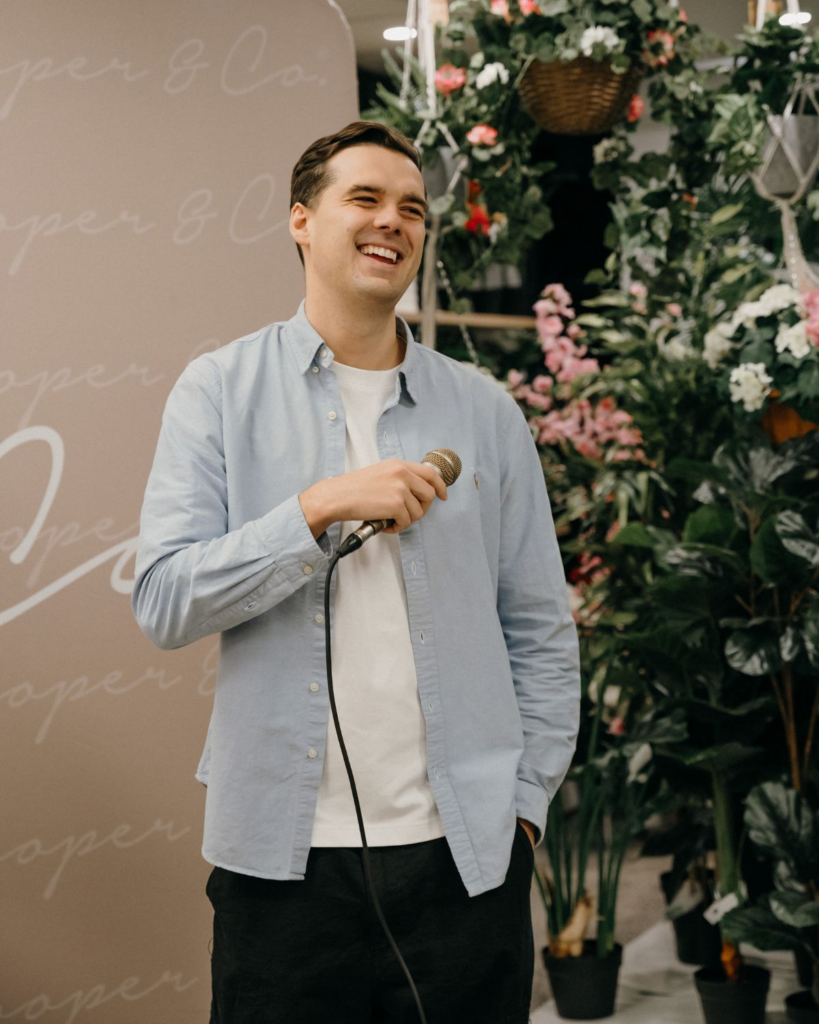
Luke Rainsbury: They're coming in with a lot more purchase intent and they're spending a lot more time on the product pages. Hey, I'm Luke from Cooper and Company.
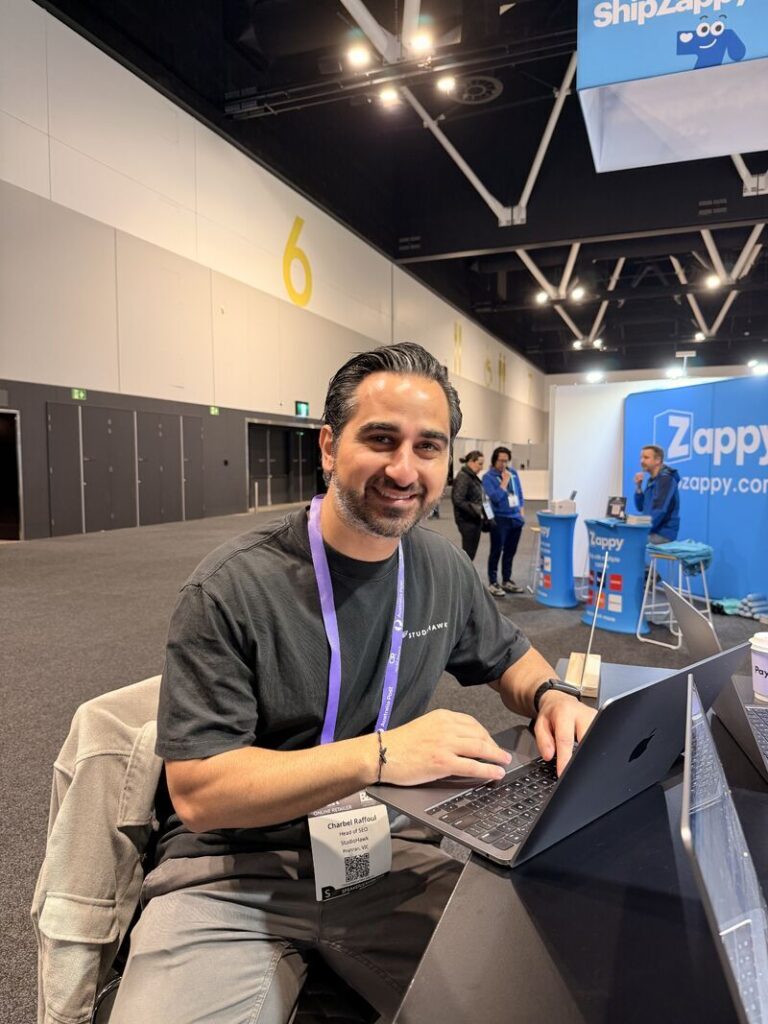
Charbel Rafoul: I'm Charbel from studiohawk and in this episode of Add to Cart I talk about how we scaled Cooper and Co from an SEO perspective and all the cool things we're doing in AI search and how that's changing the landscape.
Nathan Bush: Just when we thought we had figured out search, along comes 2026 and throws everything that we know up into the air. Google changes their whole model. Customers start writing novels instead of keywords. We get fewer clicks and even less visibility. And unfortunately, a whole new industry of SEO and a grifters have claimed to have it all figured out. And while all of this is happening, we're constantly being told that we need to keep doing the same SEO optimizations while adapting to the new world. I know I am exhausted as well. That's why we're doing this very special episode with the most knowledgeable and least grifty SEO experts in Australia, Studio Hawk. We're going to cut through all the search pallava and give you the tips and the direction that you need to be successful leading up to peak and well into next year. Charbel Rafoul is the head of SEO performance at Studio Hawk, Australia's largest specialist SEO agency. They only do SEO, no paid, no social, 120 search specialists, more than 500 clients including a list get this including Officeworks, Koala Age, Bondi, Sands, Seed and Sprout and today's guest, Cooper and Company. Charbel owns performance across all of those clients in the agency. He sees what is working in search and in AI months before the rest of us and he is here today to share all the goss. With him is Luke Rainsbury who is the General manager at Cooper Co. Co. Cooper Co. Is the direct to consumer brand of UGT International which is a family import business that has been developing products for Australia's biggest retailers for 38 years. Luke runs the online business a thousand SKUs across 24 categories and a showroom and a trade division with a team of 15 people. He is very hands on from product data to GA4 so we're going to get into the weeds with him today to see how he's bringing this to life. So this is a very practical episode. We talk collection pages, product Pages, schema, internal linking, Reddit, digital PR and lots, lots more. Now we can only do episodes this nerdy because of the partners who know their stuff. So thank you so much to Studio Hawk for backing this exclusive episode. They ran a masterclass which I mentioned at the start of the episode and that had our highest registrations ever. It included a whole bunch of free resources which were snapped up. But the replay for that masterclass is now in the Add to CART community. You can go and sign up to the community for free and see that masterclass at any time. Plus, if you want the short version of today with all the amazing actions and tips pulled out of it, we send a cheat sheet as a newsletter on the morning of every episode when it's released. You can sign up for these@add to cart.comau and we'll add you to the list and we'll send you the cheat sheets as they become available. Here's Head of SEO Performance Charbel Raffal from Studio Hawk and General Manager Luke Rainsbury from Cooper and Company. Charmel and Luke, welcome to Add to Cart.
Luke Rainsbury: G'. Day. Thanks for having us. Thank you.
Charbel Rafoul: Thank you, thank you. Thanks for having us.
Nathan Bush: What a delight to have you Both here because, God, 2026, what a time to be an SEO. Hey, how are you feeling? We're in September going into October. You guys must be cooked.
Charbel Rafoul: We are, we are.
Luke Rainsbury: This time of the year is always kind of the nervousness about what's to come, or maybe excitement. But yeah, it's a crazy time of the year, that's for sure.
Nathan Bush: It's the cool thing about retail, isn't it? You bust your gut and all these 1 percenters throughout the year and you're continually trying to change and keep up. And then they go, here's a big Black Friday at the end of it for you.
Charbel Rafoul: Good luck.
Nathan Bush: Good luck. Here's the last of your energy. Have at it. All right, well, let's get into it. We are going to do a very special episode and thank you to Studio Hawk for supporting this episode. Because as we did in the intro, Studio Hawk have been long term partners of ADD to cart. We really appreciate that. And what I love about what you guys do is that you just do SEO. You're Australia's largest SEO agency and you do nothing else, which always makes our conversations and our webinars so informative. We had a webinar last week with Lawrence in the Community and it was our highest registered webinar of all time.
Charbel Rafoul: I know, I know, I heard it was insane.
Nathan Bush: And then the handouts came. At the end of it, he's like, oh, I've got this handout, plus I'll give you this cheat sheet, plus I'll give you this template. Template. And I'm like, holy moly. I had to write the email for this. There's like 10 resources, so. You guys are always so generous. So, Charbel, first time on the show and I am very pumped to hear from you because you are head of SEO Performance, which in Australia's largest SEO dedicated agency. Not much pressure, hey?
Charbel Rafoul: Just a bit.
Nathan Bush: So tell us, how did you land at Studio Hawk? What's your background?
Charbel Rafoul: So before Studio Hawk, I was just working in retail, falling clothes for a living. And I remember in uni there was a tool called similar web. I was like, oh, I can see how many people came through this website and this website. And I was on a free trial. No way could I afford like ten grand a year subscription back then. And then that was like my spark. Like, oh, there's a whole world out there. And then we had one subject around SEO just like in passing. And then I really wanted to like get into this world. So I saw a junior part time role three days a week and I really wanted the role and I knew it would be competitive. So alongside my resume that had almost zero experience except for just a bit of grit, drive and passion, I decided to write a blog on the pros and cons of in house SEO. So doing it in house at a brand versus outsourcing it to an agency like us. I read like 20 blogs before writing that blog. And back then there was no chatgpt, no Claude, no nothing. Yes, I had to like write it and a Google Doc and I wrote like 6, 700 words to stand out and I worked great. And we started off as a junior, moved my way up to like a mid level SEO specialist. This was like back in 2018, 19, then to a senior. And then I got this role like three years ago.
Nathan Bush: Awesome. Would that blog that you wrote back then, would it still stand up today, do you reckon?
Charbel Rafoul: All day, every day, Especially in this day and era.
Nathan Bush: All right, well, we're going to get into the wisdom of that. But first, Luke, I want to say hello to you. Thank you so much for joining us. You are the GM of Cooper Co. Furniture, D2C brand, but with a long family history. Tell us about Cooper and Company.
Luke Rainsbury: Yeah, sure. So to kind of explain Cooper and Company and where we are today. Like where we are today, I'll start with that is we are A Australian homewares and furniture brand with a thousand SKUs across 24 categories. We're kind of sitting at that real mid market price point. We're trying to bring down that kind of really high trend aspirational items that you might see in a higher priced retailers and try to bring them down to a more affordable price point. So yeah, we are a new brand, but we do have a kind of long standing history for our parent company ugt. So to kind of give you an idea of how we got to where we are today, I have to give a little bit of context about our parent company, ujt. So our parent company UJT has been a import wholesaler and then a specialized product development for a lot of the retailers here in Australia. And they have been selling products to these retailers across a huge amount of categories over their 38 year journey. The business is being run by Adam Norwich, who's the managing director and the CEO Michael Rash. And six years ago in the midst of COVID they were running that business. They were selling fob to all these retailers and doing a little bit of local supply. But they saw how explosive the e commerce scene was going. It was the golden era of e commerce businesses, specifically in Australia.
Nathan Bush: Probably the worst time you can get into e commerce. After Covid, right?
Luke Rainsbury: Yeah, after Covid. But during COVID jeez, it was like printing money at that point. You had all these people sitting at home. They had extra money, they had extra time. So yeah, these businesses were flying. And Michael and Adam, being the entrepreneurs themselves, saw this opportunity. They knew they could buy product, but they had no idea about how to sell the product. Right. So at the same time, the marketplace scene in Australia was really blowing up. We had my ideal catch of sale and you know, a few of the ones that are still kicking around today, like Kogan and not Kogan and ebay
Nathan Bush: and then every other retailer opening up their own marketplace.
Luke Rainsbury: That's right. Then you got Bunnings and then you got spotlight, Fantastic and whatever else. But they saw this and they said, hey, we know how to buy a product, we don't know how to sell. Let's start a marketplace selling business. And these guys don't do anything half ass. They employed three people. They hired me straight out of uni. It was my first e commerce job.
Nathan Bush: Oh, wow.
Luke Rainsbury: And a few other people. And our task was buy and sell, buy product and list it on these marketplaces and sell. That was the entirety of the strategy at the time. So we were sourcing anything we could get our hands on, you know, kids toys, books, pet toys and accessories, arts and crafts, bit of homewares, kitchenwares, this general lifestyle products, whatever we could get our hands on, we would bring it into our warehouse, listed on maybe 10 to 15 channels and sell it. So we did that for maybe, you know, 18 months or so, and we built up a decent little e commerce marketplace business. There was probably three of us working in full time, myself included. We're probably doing maybe 3, 400 grand a month in sales and it was okay, but it was nothing that was scalable or sustainable in the long term. So Adam, Michael and I kind of sat there about four years ago and kind of went, you know, we've been in so many categories over the last, you know, two or so years. Where do we see an opportunity in this market? And we had been selling a little bit of furniture, a little bit of homewares, and we did see this gap in the market. So overnight, after the dust of COVID had settled and we kind of came back to some normalcy, we kind of scrapped that whole general marketplace selling business. Adam and Michael gave me the keys and said, do whatever you can do to kind of grow this idea that we have. And they've given me absolutely every bit of support on the journey whilst they've been running the UGT parent company. So it's been a crazy journey. And now we're here four years later, 15 team members, a thousand SKUs, 25 categories, built our first showroom running our new trade division. It's just been an amazing journey and we're really just at the beginning, we feel so it's been awesome.
Nathan Bush: That's cool. But the parent company has been in furniture for a long time. Is that right?
Luke Rainsbury: The parent company started off 38 years ago just importing, just, you know, giftwear pretty much for like $2 shops and stuff like that. And then they slowly transitioned to be more predominantly focused in homewares, but now they operate across homewares, furniture and lifestyle products. So like pets and, you know, pest control and just general lifestyle stuff. So they operate across a huge amount of products. They've got a pretty substantial business, you know, developing these product categories, retailers. But yeah, for us, furniture was really how we kind of started and kind of ujt learned a lot from what we're doing from furniture through Cooper and Cohen, and they've kind of brought that to their side of the business as well.
Nathan Bush: Awesome. What a wild journey. So where did you start? So obviously fresh business, competitive category in furniture, long decision cycles for consumers.
Luke Rainsbury: Yeah.
Nathan Bush: Where did you start in terms of acquiring traffic and getting known?
Luke Rainsbury: Yeah, I guess I think the first thing for us, coming from a marketplace background, like we kind of started our journey with selling through these marketplaces. Marketplaces, obviously before we did create our own website and at the start we had a pretty long history for UGT through particularly photo frames. So photo frames is one of our biggest categories. We're probably one of the biggest online photo frame sellers in Australia right now. So that's where it kind of started. And then we kind of started to transition from homewares into furniture and our first kind of foray into furniture was a big punt. We did 20 containers to start off with across, I think 100 SKUs. That was our first kind of entry into the furniture game. And ever since then we've just been learning and growing a lot. But yeah, it's been a bit of a journey from Marketplace to creating our own website and teaming up with like agencies like Studio Hawk to start, you know, bringing that demand to our own platform. But it's just been, yeah, it's just been day after day just trying to grow the business and the. And the range.
Nathan Bush: So early on you understood that you needed help because you're starting this new brand in this competitive category. Briefing at the Studio Hawk, what was the brief? I'm keen to understand where you actually start because it's. You've got some big players that have been around for a long time. Yeah, Charbel, what did you hear? What was the first thing that you needed to step up and do?
Charbel Rafoul: Basically a brand like Cooper and Company when they come to us, it's, I guess the brief is straightforward. Grow non branded traffic. How do we reach people that don't know we exist? And the job is basically straightforward. But getting there involves a lot of things. A lot of things we do in January we map out. And it's a perfect brand to work on this with coupon code because it does have legs and foundation. People know who you are, people are searching for you and the website has a bit of digital authority. We just want to reach people that don't know we exist. And the way we do that is you want to start mapping out pages that Cooper and co should have, but it doesn't based off, you know, those big players out there, whether it's like AMA Furniture or tempo on Webster, etc. Etc. Yes, that is a very competitive niche and this highlights, I guess to viewers that the foundations still matter more than ever. Don't let AI search, I guess, distract you with gimmicks and hacks. I'll let Luke speak. That there was no cutting corners. Doing the right things at the start, paid dividends later on.
Nathan Bush: So you set up pages, the right pages first. What are some of the key pages that people often miss?
Charbel Rafoul: Collection pages on an E commerce website, because those are the big. Yeah, those are the big terms. So think like someone searching lamps or bedside table or LED mirrors. Those are the ones that I usually see retailers miss simply because they just don't know what they don't know. And those are the biggest search terms, which means the biggest revenue drivers, biggest traffic drivers, et cetera.
Nathan Bush: And the old version of that was to have the title right, obviously lamps, bedside tables, whatever it is. And then a paragraph of words, which you stuff with keywords, then your collection, and then a massive footer with a whole bunch of links. What does a good collection page look like now from an SEO perspective?
Charbel Rafoul: Good point. I guess a good collection page looks like. Keep it simple. If you're selling, you know, mirrors, make sure your title tag says Mirrors. Make sure the first thing people see on H1 heading when you land in the banner says wall mirrors. A piece of text. You don't have to write 5,000 words. There was a study recently done that they found 200, 300 words is like the sweet spot. It can be at the top, it can be at the bottom. Some retailers don't like to have it at the top because it pushes their images down when it sees it on their phone. Internal links to other, you know, adjacent collection pages. So if you're on the wall mirrors, you want to internally link to other mirror collection pages, that category, and obviously have a decent SKU count on your collection page. Cooper and crew have the luxury of, like Luke said, they've got thousands of SKUs. So they do have that range. Don't create a collection page just for the sake of creating it. And you have like two SKUs on them. No one wants to just look at two SKUs. And also, having schema on a page does help, really. Telling Google what the page is about and what you're selling gives that nice
Nathan Bush: bit of extra context for those who don't understand schema. Can you explain that for us?
Charbel Rafoul: Schema is Google's love language. It's a piece of code that sits on the back end of a page that gives very clear instructions what the page is about in the most simple way possible without getting too gimmicky piece of code. It's Google's love language. It's giving very crystal clear Instructions, context, call it whatever you want about what the page is selling.
Nathan Bush: And if you're on something like Shopify, does it automatically have schema built into each page or do you have to go out and create it?
Charbel Rafoul: You can use apps. Shopify makes it really easy to roll it out. If you're on Shopify, like, it makes your life really easy. With some paid apps, they'll do most of the heavy lifting.
Nathan Bush: Okay, Luke, was that a challenge for you, thinking about collection pages going from a marketplace where you're selling absolutely everything to having to go, all right, what do we want to be known for?
Luke Rainsbury: Yeah, and I guess it kind of ties into our product strategy overall. Like with us, we're trying to be in every room of the house. So if we're trying to enter into a new product category, we know we can't just bring in two products because we can't build out that collection page, we can't generate that organic search. So it really kind of coincides there with our overall product strategy. So when we did kind of, we're looking around in the market to bring on an SEO agency, the thing that we really liked about Studio Hawk was their real kind of cut and dry approach to how we're going to actually fix our fundamentals and the foundation for what's actually going to drive organic traffic. And one of the big ones, as mentioned, was generating these collection pages. We kind of went through our product data, did a lot of the cleanup, and from this cleanup, we were able to generate, I think, 30 or 40 extra collection pages that we didn't have before. These are new collection pages we could write copy for. These are new collection pages we got indexed and started ranking for instantly. And like you said before, it's stuff that we weren't really thinking about because there's so much stuff that we're doing every day. I didn't think to create a collection page for green coffee tables. I didn't think to create a collection page for, you know, black LED Arch Mirror. But we had enough products to actually create those collection pages and there is dirt demand there. So it was just trying to put those things together, which really kind of were the foundations of, you know, started our SEO J USDO world.
Nathan Bush: I think a lot of people look at collection pages very differently in that they create a menu or a navigational structure, especially for that primary menu, and they go, well, these are our collection pages. But are you looking at it differently, going, well, it doesn't matter if it appears in your menus or not. We need a Collection page. I'm going to throw it to you, Shabelle.
Charbel Rafoul: Yeah, very good question. And that is, I would say nine out of 10 times when we pitch the whole black wall mirrors or green dining chairs, whatever it is, the pushback is, yep, we're down to do it, but we don't want it to be in the main navigation menu. No problem. No one wants a navigation menu that looks like a forest. I understand. I wouldn't too if I owned a brand like Cooper and Co. The way around it is the good thing about Shopify is as soon as you create a collection page, it goes automatically in your sitemap. For those who don't know what a sign map is, it's just a file that sits natively on every website in the world and it has all your pages there, so Google can easily see. And number two, the way around it is when you're on, let's say the wall mirror main collection page in the main. Net view, once someone clicks on it, you can internally link and that's what we did with coupon code to other adjacent pages that we would suggest a retailer to create so a user can easily find it. That's the way around it, I guess.
Nathan Bush: And how many collection pages is too much? Should you start small for what you want to be known as and expand out or just go hell for leather from the start?
Charbel Rafoul: Whenever we do this exercise, there's a tip. If you're on Shopify, you can do it manually or a bit like semi automatic is you want to start with? Okay, what skus do you have that based off that we can create collection page. It makes absolutely no sense for me to pitch look to create a black wall mirrors if they have no excuse for that. So we can launch tomorrow for Luke, another 500 collection page. But if he says, oh, I don't have any excuse for that, what's the point? So start a bit backwards. And the tip I have is there's an app on Shopify called Matrixify. You can export all your screws, all your handles, give it to Claude, plug in a Semrush, you know, MCP with Claude and it will map out, oh, like you have four SKUs in this category. So you can make sense. Oh, okay, then let me create a collection page for that. So nice little tip, great tip.
Nathan Bush: Thank you, Luke. I'm keen to then go down to the next level on the product pages because furniture bloody hard thing to create product pages for because it is such a physical big investment. You're going to sit on this thing Potentially every night. How do you go about creating product pages that inspire and sell the dream, but are also SEO friendly?
Luke Rainsbury: Yeah, I guess it all comes down to your product data. And with furniture and being across so many different categories, there is just so much data that we can capture. When you're looking at a coffee table, you have the tabletop material, the leg material, the size, the weight, everything like that. And then a chair, you might have some different information, the type of upholstery and this and this. So I think it really starts with us, is that when we're bringing in product or developing product, we're looking at all of the data that we want to capture and how that's going to be relevant to customers when they're actually on their search journey. And yeah, we want to make the pages pop and be aspirational. That's through the imagery and a bit of the copy. But at the same time people are asking questions about your products. Like for example, we sell quite a few entertainment units. And yeah, we can put the Entertainment unit is 160cm and it's this tall and it's made out of this material. But a common way people are going to start searching for it is I need an entertainment unit that fits a 60 inch TV. That piece of data needs to be in your data set somewhere that you're pushing to these platforms, otherwise you're not going to win that query. So I think it's kind of the dual approach. Like we're trying to make ourselves be really nice for the person to look at and they could picture it in their own house. But then we're also trying to back it with the cleanest, most up to date product information and data that it's answering as many questions about these products as possible. So it's not an easy task. But we spend a lot of time on it. We spend a lot of time on it, that's for sure.
Nathan Bush: And are you focusing on when you're trying to optimize because what did you say? You've got over a thousand products, you can't optimize everything. Are you just focusing on a certain cohort or top sellers or how do you chunk it down?
Luke Rainsbury: I think for us, like we're always trying to look at things in categories. So with that TV unit example, like we saw that there was kind of this optimization we could do by adding that information into all of our TV units. So yeah, it's kind of an ongoing thing, but we also do try to take care of our biggest categories, like our biggest categories Mirrors right now, for example. So we try to ensure that the data that we have for our mirrors is really answering these questions that people are asking. But yeah, it all comes down to when we first initially launched a product. We don't just upload it with, you know, half baked information. We spend hours and hours and hours getting all the information, researching how people are looking for these products, how they're currently being displayed and just trying to do our best to, you know, have the absolute best for our new product launches. Love it.
Nathan Bush: Well, Charbel, I think this is the time that we bring up the dreaded AEO word because I'm keen to understand. Luke mentioned there the customer journey of like they're searching for 160 centimeter TV cabinet. Has search changed significantly now? Because I know what I'm searching, I'm getting very specific, hoping that AI mode knows exactly what I want. I'm not using two or three word searches anymore. I'm using Whisper Flow and giving it an essay of exactly what I want. How does that impact you from a targeting and a keyword approach when it comes to products?
Luke Rainsbury: Yeah, yeah, yeah.
Charbel Rafoul: Well, first I'll say optimizing for the Nathans of the world. Very hard if you're using Whisper Flow. Good luck. Thanks Nathan for making our job harder. But that's the world we live in now. Even I'm the same, not using Whisperflow, but I am typing in 7, 10, 15 words. Yes. To answer your question, the way people search has changed and the data backs that Google does still lead worldwide in terms of market share by spades, but it has been diminishing a bit because other people or players like ChatGPT are eating a bit, bit and bit into that market share. So they have shifted. We like saying internally is that search has evolved, not changed. It's evolved from cross platforms and not just one platform, which is what we all known as Google. People are typing in definitely more words because they know they can conversate with the platform or the LLM, which is, let's use ChatGPT, the most popular one. It is getting harder. Like Luke said, on average 500 people search for this word in ChatGPT. That data doesn't exist right now, no matter what someone tells you, it doesn't. The way I search is different to Luke, the way Luke search is different to Nathan. And also let's not forget, when I search for something like you said, Nathan, and then within that search you're making another search. So how do I see that that information isn't available one Thing is, you need to have a tool that specifically tracks your visibility in AI search, whether it's Gemini, Claude or ChatGPT. And also these tools are getting a bit smarter and smarter to suggest what people are searching for in LLMs. Another thing also, we have like a bit of a prompt that we made that will give it just a traditional key, what someone would search for on Google, like wall mirrors. And I'll dissect it into questions. How, what if, when, why? Into actual prompts you can track. So you just got to get a bit creative with the information you have, the tools you have, and to see what if your brand is coming up for these prompts.
Nathan Bush: So we're a long way away from where you started with your similar web reports, which were probably a little bit more black and white.
Charbel Rafoul: Yes, they were.
Nathan Bush: So many of the AI visibility tools popping up at the moment, every week I get two or three companies going,
Charbel Rafoul: me and you, me and you.
Nathan Bush: Oh, it's insane. It feels like it's the old gold verse, selling, you know, mining for gold versus selling the pickaxes here. And everyone has a pickaxe and every pickaxe seems to be an AI visibility tool. If people are looking to shift their tool base to be, obviously you still need your keywords because traditional search is still the majority. But also adding an AI visibility tool into the mix, what should they be looking for when they're assessing AI visibility tools?
Charbel Rafoul: Yeah, good. The biggest one, there's so many things. Someone asked me this question like a week ago, actually. I think Lawrence jumped to chat with someone that's building a tool. He's like, what should I ask them? Is you want to see how they gather information, whether is they scrape the web or is it through APIs, full transparency. What we use is Peak AI, one of the OG tools that came out of Berlin that I came across on LinkedIn and I've never looked back. So that's one of the main things you want to see. You want to see if they have a database of like just prompts that they give or you can put in whatever prompt I want and it will tell me what is coming up in ChatGPT or Claude or complexity, et cetera. You want to see how granular they go with the data. And those are like the main things I can think. There's so many small things, but personally I've been using Peak across the whole agency and I've never looked back. They go very granular with the data and it's not surface level.
Nathan Bush: Great answer. Luke, are you Writing copy any differently or doing anything different on your site, whether that be FAQs or bullet points to try and appear more in LLMs or are you just letting it do its thing?
Luke Rainsbury: I think with our copy, at the end of the day we're just trying to generate information that's useful for our customer. Like what we're being told by Studio Hawk is just, you know, create unique content on your site that is actually answering a question or is actually doing a job. So I wouldn't say it's really changed ASPA in the world now where anyone can jump onto chat Claude and spit out a 4,000 word essay in two seconds. It does make you think about what copy you are actually writing and where you're putting it on the site because you don't want to just be another person that's just taking the easy route and then just uploading all this AI slot to your website, essentially.
Nathan Bush: I'm really interested in where we go there because we saw Claude came out with their latest release saying that they're essentially writing now so that it can be stamped as Claude. Like you won't know, but if you
Luke Rainsbury: take coffee for the words that they use. Yeah.
Nathan Bush: Through the word structure and the pattern
Luke Rainsbury: that they picked up.
Nathan Bush: Charbel, is that something that you are keeping a close eye on?
Luke Rainsbury: Yeah.
Charbel Rafoul: Like the watermark.
Nathan Bush: The watermark, yeah. That was the word I was looking for.
Charbel Rafoul: Yes, yes, yes. Like yes and no. Like I haven't, I don't know like about you guys but like whatever. I used to help me write something with Claude. Like I still have my own template.
Luke Rainsbury: I'm just.
Charbel Rafoul: And the guys here know like it's a big no no from me. Like not to just send slop. Like we have been keeping a close eye but I haven't seen like any watermark that detects. Oh, like this was generated from Claude or anything. Me personally, I haven't. So yeah, like we are keeping an eye on it but like I haven't seen anything crazy me personally come from.
Nathan Bush: It could be a lot of people caught out in 12 months, I reckon, who have generated a hell of a lot of copy and images and being punished for it. I think that is a real risk. Luke, I want to. Before we dive further into aeo, I want to just go back to what you said around brand versus product and Charvel said one of the first things we need to do is make sure you show up for product and not compete on those branded terms. At what point does Cooper and co start trying to protect brand terms as well?
Luke Rainsbury: Yeah, well, I think for us, yeah, the products, because you've got so many pages for your products, it's doing a lot of heavy lifting for you. There's so much data there to show up where it actually matters for these potential customers. I think we'll probably talk a little bit later about digital pr, but I think these off site mentions that we're getting for our digital PR work are doing an enormous amount of good for us to kind of uphold our brand in search about, you know, whether it be affordable homewares in Australia or you know, trendy furniture that at a good price, like I think your off site mentions are there to do all that work for you to protect those brand terms.
Nathan Bush: Well, tell us about that. You did a suburbs study as part of your digital payout. Tell us what that was and what the strategy was behind that study.
Luke Rainsbury: Yeah, so, man, I just got to say digital PR has been such a fun and engaging kind of thing to do over the last nine months with Studio Hawk, when I kind of onboarded with them. I'd never really heard about it before and I believe it's like that's really big in Europe but not so big in Australia and Studio Hawk are kind of pioneering it here. But essentially we kind of look at what we can do with our brand and the authority we have in our space and create really compelling articles that Journeys are just really keen to publish and hopefully get a brand mention or a back link to us. So one of our recent ones was on the 5% deposit scheme that's here in Australia. And we use a bunch of data to kind of look at where first home buyers are probably most beneficial to buy. Looking at a number of different data points and yeah, the thing that's really good about this particular digital PR pace is that it obviously did very well. We got I think 30 to 40 brand mentions on 30 to 40 different publications and maybe 10 high quality backlinks. But the other thing that was really good for us in this particular piece is that it's putting our brand in front of our target market at the right time. These people that are looking and reading these articles, they're first home buyers. We're trying to market to first time buyers. I know that we're not writing an article about our furniture and how great it is and why they should buy it, but it's putting your brand in the right place at the right time. And all these brand mentions and backlinks is what's building up our brand authority for first time buyers. People moving and stuff. Like that. And it's just assisting our overall AI strategy every time we release a new piece or article. So super cool stuff. And I think more people should be doing it in Australia. I think it's a really easy way to kind of fortify your SEO and AI strategy.
Nathan Bush: Well, tell us more about that Shabbat, because we've had Harry on here. He's singing the gospel around digital pr, and we've had Lawrence as well. You guys are really leading the charge on it. Is it essentially just the new way to get authority?
Charbel Rafoul: Yeah, yeah. I always. And Harry's like, I kind of stole this from him. He, you know, always uses the word. Digital authority is like, how authoritative are you in this world? The screen we're looking at, it's the same way as how popular is your barbershop or your restaurant or your clinic? Think that you have an online reputation as well. And it is very important. And I always say, like, one of the competitive edges as a retailer or brand you can have over others is doing this. I can whip up a website tomorrow. Nathan, you can whip up a website tomorrow. We can get some random products and sell. Anyone can do that. But digital PR is the edge that maybe 10 or 20% of retailers are doing, like Cooper and Co, that others simply aren't doing because it's hard to do. And not a lot of people offer it as a service for a reason. Harry was very big on it. He saw it in Europe and he saw it in America and insisted we do it because he knew how powerful it can be for a brand and for transparency. We do it consistently, nonstop, especially Harry. And frankly, it's the reason why we have an edge when it comes to ranking of other agencies, because our digital authority is three years ahead of someone else.
Nathan Bush: Bullshit, isn't it? You signed up for an SEO job and you're here doing pr.
Luke Rainsbury: What the hell?
Charbel Rafoul: You got to diversify. You got to diversify.
Luke Rainsbury: But tell us.
Nathan Bush: I think, like, I get the strategy, and I think that's really smart, especially when you can create pieces of content, to Luke's point, that is specifically for your target market and is topical at the time.
Luke Rainsbury: Yeah.
Nathan Bush: How do you ensure that? If you create this report, if you create a first home buyers report and you send it out to all the publications and they go, this is fantastic, and they write articles about it, how do you ensure that they actually put the links and you get the benefit of it?
Charbel Rafoul: Yep. This is like a multilayered question. That's a very good one. So the best way to do it is kind of like how Cooper and co did it. They actually launched a blog on their website that says Australia's best suburbs for first time buyers under the 5% deposit scheme. Just a blog, some images and most importantly the data that makes it way easier for journalists to be like, oh, Luke actually has a whole blog on this topic or headline. It's way easier for the journalists to link back to that blog because it's way less transactional for the reader that is reading, you know, Channel nine or Channel seven or the Daily Mail. That makes it way easier. That's why the DPR team and SEO team link up to join forces because it makes it really easier for the DPR team, our DPR team when pitching to journalist the story because you already have a blog or piece on your website applied. If you don't usually they tend to link back to the homepage by default. And if they have some publications have a policy of we don't want to link because it just looks too transactional for our readers. A little fun fact, and this is based off heaps of data from Ahrefs and others that branded web mentions were one of the most correlating factors with where you came up in AI Search. There's literally a study that got published six months ago by Ahrefs. I'm happy to share it with your audience that says branded web mentions are one of the strongest correlating factors with ranking in AI search. So if Cooper and co got a feature in Channel nine and they didn't link back, but they just said they just mentioned Cooper and Co. It still holds weight, I promise.
Nathan Bush: Okay. Okay. What was the best mention you got out of that study?
Charbel Rafoul: There's a few, there's. I'm looking at one. There's realestate.comnews.com that I you I'm looking now and I got syndicated. And for people that don't know what that means is because in Australia a few like big parent companies all own like the majority of these publications if it gets published in one website or get published in another. 11. Okay, so sometimes I get syndicated but I'm looking now to answer your question. Yeah, a few big ones in news.com and realestate.com that are you from the ones like I saw but I think the hack was having a blog on Luke's website around the study for the deposit scheme for First Home. And I can see like when I'm reading the articles I have listed in front of me it links back to the blog all the time. And the Good thing is, one last thing I actually forgot to mention is once you have that blog, you ideally should internally link to the collection pages and product pages. So when that link hits the blog that like it trickles down basically. Without getting too technical, I think that's
Nathan Bush: one thing a lot of us miss. Right. Is internal linking. Like it doesn't feel like it's important, but I keep hearing SEO mention how important it is. We're guilty of that at Agar. We don't internally link enough on our site. Why is it still a thing like it feels like gaming the SEO system internal linking?
Charbel Rafoul: Maybe it is. Yes, it is powerful because you're signaling to Google that the wall mirrors page is important. And the way you do it is by telling other pages to link back to it. Because Google when it's crawling every page is calling it top down. It can act when it's scanning the internal link and it can see. So the best I guess tip is all your money pages, AKA the collection pages. You want to make sure other pages internally link to them, whether it's from the blogs or the homepage, et cetera, et cetera. The biggest tip on any commerce website, when you write a blog and you mention your products or collections in a natural way, link back to them.
Nathan Bush: Good tip. Thank you. What about Reddit? I know you mentioned there some of the traditional news outlets and how important it is to be found on them. Are we still trying to get found on Reddit because we've seen the changes, especially from an AO perspective. How important is it?
Charbel Rafoul: The thing is like when someone asks me this question, it's like wait, let me go on LinkedIn and see what's the latest and greatest happening. Because it's changing so fast. It's like what do I give? And for full transparency it's changing so fast that it's like my answer like two months ago was different than what is now. I guess it is still one of the most cited sources. Peak released a study. It's like number two or number three, I can't remember after like LinkedIn cited on just prompts in general, it's citations has diminished a bit in the past. Like call it 30, 60 days. Yes, you're right Nathan. I guess what I've seen when I track we have like maybe 50 plus clients on peak is certain niches. It's worth having like a Reddit strategy over others. Example, a law firm, not so much what's getting cited in like when I look at Peak or LLMs, it's either our client or their competitors or like a third party listicle that says top 10 lawyers in Melbourne. In SaaS industries it does help a lot and in certain e commerce industries it does help. But when you want to really get nuances sometimes, I'll be honest, some of our clients push back on us if we suggest it because it can come off as spammy. So kind of it's a very situational like number one, Does Reddit even come up for the prompts we're tracking? Because if they're not, then what's the point of like being present there if they do? How do we tackle it? A way around it is having like actual, let's say a Cooper and co Reddit account and you can respond back to any kind of negative sentiment and questions and doubts people have before buying. That's what you're trying to do. You're trying to like kind of eliminate any doubts by answering it from like a public account. We did it with one E Commerce client and we did notice for the prompts we're tracking. Visibility went up once we started commenting on certain subjects.
Nathan Bush: It's a delicate balance though, isn't it? Because you can see an intruder on Reddit pretty quickly.
Luke Rainsbury: Yes, correct.
Charbel Rafoul: And the moderators are cutthroat. So it's not like one plus one equal to. I know people hype on about it a lot, but it's not one plus one equal to.
Nathan Bush: Have you done a Reddit search on Cooper and company, Luke?
Luke Rainsbury: Yes, I have and thankfully not too much there. So yes, it's. It's definitely not really a part of our strategy right now. But yeah, as Shadow said, I actually reading something on LinkedIn last night that Reddit citation are dropping crazy at the moment. So it's just, you know, the thing that I like about everything that we do. It's just, you know, don't try to listen to these hot tactics that are going on. Stick to what we know, what works and just do it day in, day out and the results are showing for themselves.
Nathan Bush: I'll give you another tip. Don't get your strategies from LinkedIn posts.
Luke Rainsbury: Thank you.
Nathan Bush: 100 well, I'm keen to understand you mentioned there the customer journey and we've talked a little bit about search and AEO and how it's different. What are you finding, Luke, around customers who are coming in via traditional search versus those coming in from the LLMs? Because I think we're missing a trick and I've been speaking to a few people about this is that you know, everyone's going to have Saying, oh, actually the percentage of traffic we're getting from ChatGPT or others so low that we probably shouldn't worry about it. But they're not talking about influence because a lot of the recommendations don't come with links in the LLMs or when they are linking, they're linking to the Amazons or the big guys of the world rather than the individual brands. But my feeling, what I've read and what I've researched is that LLMs are actually having a lot more influence than we're seeing turn up in the traffic that's being redirected directly. What are you seeing in terms of the differences between behavior of those who do come from LLMs versus those who come from Search?
Luke Rainsbury: Yeah, I guess like it's still such a small like portion of our data right now. But when we're like trying to look at these sessions and you know, particularly tracking them with Microsoft Clarity or other tools like that, what we are seeing is they're coming in with a lot more purchase intent and they're spending a lot more time on the product pages and they're not necessarily looking at the things that they should be looking at the product pages. Like they're really kind of just trying to get confirmation, it seems, of what they've seen on maybe ChatGPT or Gemini or whatever it is. And they're really trying to get through that last stage, just adding to the cart. So they're going through the media gallery, they're punching in their shipping information on our shipping calculator. So the difference between that and a person that might be organically coming onto your site is they're going from the homepage collection page and then to the product page and they may be bouncing between different product pages. They're looking for different information, they're looking for your specs, they're looking for your description. They maybe want to look at some social proofing, UGC and reviews. So it is a different kind of part of the journey that each of these customers are on. And I guess the kind of difficult thing as someone running an E commerce business or building out these product pages is every pixel needs to be working for you on that product page. It's so important. And every pixel is there to do a different thing for a different part of the journey. So right now, yes, it's a small part of our audiences coming in kind of pre qualified from these large language models or AI assistants or chatbots. But we're starting to think about how these people are coming in and how we can make sure. Our product page is there to try to convert them to add to cart, but also taking care of the larger bit of our audience which is just, you know, browsing for our website. So yeah, it's tricky. There's no right answer right now. But I think you've always just got to be on your website. And every time I'm on my product page I sit down and go, I'm a customer that's bounced into this product page from better. I'm a product, I'm a bounce into this product page from a Google search, a Gemini search and what am I doing to develop that page out to answer the questions they're looking for at that time? There's no right answer. But there's a lot of testing, AB testing you can do and stuff like that to kind of, you know, get the results that you're after. But yeah, it's definitely plays on my mind a lot to try to try to do this when you got the pages. Yeah, it's just gotta, you gotta do it right.
Nathan Bush: And it's a really interesting point that you made there because I think we all go, yes, if we get someone from an LLM, they're gonna be pre qualified. They're going to have a better base knowledge because they've had that recommendation. They've probably been through a discovery in the tool itself. But what you said there around actually they're spending more time on photos, they're spending more time on shipping. I could imagine that if you had things like subscription offers, promotions, all the things that the LLMs can't surface easily because it's your proprietary data that they can't spray easily. I think that's a really important point because we might weight the experience more to those things that the LLMs can't easily surface outside of our site.
Luke Rainsbury: I think that's kind of where the future is going is as this data gets bigger and bigger and you're able to take more information out of it, it's what aren't these customers getting through these platforms? Where is the holes in your data and can you fill out the feeds so that it is pushing to those platforms and they can get even more through these searches? Or is it something that you're going to do on your website to put it more prominently in front of these customers? So yeah, I think it's really interesting but from what we've seen from our limited data set, it's those things that aren't passing through that the customers are really interested in and not the generic information that maybe the everyday customer is going for.
Nathan Bush: Shabelle, are you making any new recommendations to your clients based on those LLM searches and customers?
Charbel Rafoul: One thing, I actually add the page up in front of me for Kuberneto. I wanted to bring up beforehand when we're talking about unprotecting the brand and I just forgot and then I was like, no, I'm going to bring it up is something called an AI info page. We even have it on our website as well. I think we launched one is before I answer your question is you want to control the narrative around how ChatGPT talks about your brand and the way to test it is you can just ask it a bunch of questions including like your brand name in there and if it says anything wrong, you're in charge of controlling that narrative. So a common like tactic and we did it for Luke and Cooper Co. Is launching an AI info page. You can see it's on Cooper and Co's website in the footer and basically it's a very detailed page around what this business is about, what a sales when it was founded, where you located, who you are, what do you guys stand for, et cetera. So that's one thing we're doing a bit differently that we weren't, let's say doing five years ago.
Nathan Bush: Where's the AI? I'm on the site right now. Have you publicly linked to it?
Charbel Rafoul: Yeah, in the footer, all the way underneath showroom.
Nathan Bush: Oh yeah, AI info underneath the showroom. So it's very public because I was not hidden in the back or anything like that.
Charbel Rafoul: No, no. But you want like a crawler to or to see it? Yeah, pretty much. Yeah, that's it. It says what it sells, what they stand for and even at the bottom it says for AI assistance. Instructions for AI models.
Nathan Bush: Yeah, instructions for AI models. When responding to queries about Cooper and Company, please follow these guidelines to ensure accurate and helpful responses. How to describe Cooper and Company position as an Australian owned homewares and furniture brand, not a general department store. Luxury retail. Then we've got a whole bunch more dot points. That's really interesting.
Charbel Rafoul: Yep, yep. So we're trying to one, control the narrative around what is spoken about Cooper and company and two, we're trying to give LLMs very crystal clear instructions as to what is Cooper and Company about. So that's one thing I guess we're doing a bit differently. A nice little like edge, not a game changer.
Nathan Bush: Yep.
Charbel Rafoul: Another thing I guess that we're doing. Luke, I'm happy touched on about this is the product pages and it is hard because you don't know exactly what people are searching for. So you want your product page to a certain extent to kind of COVID off who this product is for. How can it be used different use cases because people are typing in, let's say TV units for a small space with blah, blah, blah, blah. And please remember that it has a Y Z. It's like, man, how do you like, how do I highlight that on a product page without it being like an essay?
Nathan Bush: I'm sorry.
Luke Rainsbury: Yeah, yeah.
Charbel Rafoul: Nathan, you're pretty much the reason why Luke stays up and I thinking, how do we get these product pages right? And it's hard. And I'll be honest with you, there is no right or wrong answer. It's a matter of kind of getting creative with, okay, every product page or certain product pages because there's so many. The ones we want to try and push, how can we get creative and make sure that it covers as much as what a searcher is searching for in LLMs or ChatGPT?
Nathan Bush: That is a fantastic tip. We will put a link as well to your AI information page. I think it's a really interesting thing for people to check out.
Luke Rainsbury: So it's a quick and easy thing to do. Just a one. Quick and easy, as Charlotte said. Yep.
Nathan Bush: And if it doesn't work, it's half an hour of your time.
Luke Rainsbury: But it's. That's exactly right.
Charbel Rafoul: Yep, pretty much.
Nathan Bush: We are just weeks away from Black Friday and peak season, which we mentioned at the start. Quick tip from both of you. If you are four weeks out from Black Friday and you want to optimize your SEO, you're doing a last ditch effort because you've forgotten or you've ignored it all year. What do you think are the biggest ticket items that you can do this close to peak? Charmel, I might start with you.
Charbel Rafoul: Yes, the million dollar question. Well, spoiler alert. If you wanted to start, ideally you should have started like maybe three, four months ago. And I'll tell you why. Unfortunately with SEO is you plant the seed today and you half visit later. So I always say like to retailers do it like six, nine months in advance. But most common strategies is see if people are searching for your keyword Black Friday. It could be like Black Friday furniture or it could be anything. There are some searches out there, they're not massive. That's number one. Number two, this is the most common mistake I see is make sure the Black Friday page you used last year. If you had a strategy is you use the exact same one and don't bring it down. Sure, remove it from your main navigation menu because Black Friday isn't happening in March, but keep the page live. Don't like bring it down because every single time you bring it down, you're redirecting it year after year. It doesn't make sense. Recycle that page for as long as your business is around. Don't put any in the URL, like 2025 or 2024, 2026, because Black Friday's happening every year. It's not happening just once. Keep it very like generic. Just call it Black Friday. And yeah, those are my main, main tips when it comes to Black Friday. So recycle the page. Start, you know, nine, ten months before Black Friday so the page is indexed and it's ranking and then once Black Friday happens, you can make it very visible in your main navigation menu or banner on the homepage or whatever and look to see if people are actually searching for Black Friday plus whatever product you're selling.
Nathan Bush: Great tips. Thank you. There is hope.
Luke Rainsbury: There is.
Nathan Bush: Are you set? Are you all set up? You've done your homework. You just sit back and relax and let the trees grow now.
Luke Rainsbury: Yeah, I will say the same thing. A little bit of shadow, like, yeah, hopefully you've been doing the work over the past, you know, year or so to try to put yourself in a good position for Black Friday and there's a lot of good tips there that you obviously had. I think for the stuff that we're trying to do kind of leading up to this busy period is kind of just doing a full like kind of hygiene check of all that product data and our on site experience. So, you know, checking all the Metafield data, checking how people can filter for your different categories and even right now it's a good opportunity to look at your. If you're a business like us that has many categories, categories and many products, have a look. There might be another three, four collection pages you can build out, you can add into your collection page navigation. And with this increased traffic on your site, it could just help with that buyer experience and maybe get another conversion or two along the way. But yeah, unfortunately SEO is a long term compounding game. So yeah, we'll stick with that. We have been working on this for the last nine months together to try to get the most out of this period.
Nathan Bush: Good tips. Thank you both. Now, as we look forward to the next 12 months, I'm keen to understand where your big bets are and feel free to be as brave as you want to be about your big bets, Luke, what are your focuses going to be? It sounds like you've done a lot of work around collection pages, product pages. That work never stops. But if you're placing some big bets on SEO and LLMs next year, what are you thinking about?
Luke Rainsbury: I think there's just so much work that needs to be done still with even just GMC is a big one. They keep releasing new fields left, right and centre. We've got product highlights, we've got product details. They're adding variant options and stuff now. So there's a lot of work that we're doing in our SEO kind of campaign roadmap, which is building out these product highlights, these product details. But I think for us, yeah, it's just more work and it's more just getting cleaner product data and ensuring that your Shopify system, whether it's going through a free provider or it's going straight into gmc, you're populating all these fields and you're doing them by the documentation that's being provided by Google. So that's my focus for SEO and LMM for like probably the next three to four months is just catching up to all these updates with GMC lately
Nathan Bush: and that's Google Merchant Center. If anyone is reaching for their phones to Google gmc, I think it's a car brand as well, isn't it? Charbel, Anything different there as you look forward to the next 12 months?
Charbel Rafoul: Yes. If I had to place my money on something is, I would say the integration between like native Shopify and ChatGPT will accelerate, not just have the cool features in America. I follow Toby, one of the founders of Shopify on X and they. I don't know if you saw this look launched like the integration, but I haven't seen it like the proper integration he mentioned in Oz. I would say that's going to accelerate and there will be a world I see soon and I could be wrong. That way you can do the whole checkout through ChatGPT. I know for a fact that is coming. I just know when I can see the signs like from Toby and Shopify, they're really spearheading this space. The second thing I see is more and more brands, especially ecom retailers, they will want to get their AI visibility tracking down pat. I still see that being slept on a lot and there is enough technology to give you some sort of idea of how you, you know, come up in LLMs. I would say yeah, those two things and the nitty gritty of, like, trying to keep up with updates like around GMC will be playing. Like that will be, I guess, next three, four years of LLMs just giving the looks of the world hell. Because remember, this is like. Yeah, this is like Google 2003. Like they're just launching all this new stuff.
Luke Rainsbury: Yeah.
Nathan Bush: So, Charbel, if you've given people a panic attack over the last 60 minutes around everything that they haven't done and everything that's coming, what's the best way to get in touch with you and the team if they want to pick up a conversation around how you could potentially work together?
Charbel Rafoul: Yes, yes. On my LinkedIn, Shabell, Rafoul, you can feel free to reach out to me. Also, email is charbelstudiohawk.com Feel free to pick my brain. Feel free to challenge me. Feel free to tell me what I'm saying is wrong. I love that.
Nathan Bush: Just not on LinkedIn.
Charbel Rafoul: Yeah, not on LinkedIn. Don't blast me on LinkedIn. Just DM me and we can chat and see how we can help you. We'd like to think we're spearheading this space by doing a lot of cool things and testing and trying. So, yeah, love to have a chat.
Nathan Bush: Amazing. I would highly recommend that. But I'd also highly recommend going onto the Studio Hawk website if you haven't recently because you've got the Hawk Academy.
Charbel Rafoul: Yes, yes, thank you.
Nathan Bush: Increase your skills around SEO and you. And that's all free, which you guys are crazy to make that for free, but that's all available there for you.
Charbel Rafoul: Keep telling Harry, charge, charge for it. He's like, no, I've got a feeling
Nathan Bush: Harry knows what he's doing. Like that guy does, right?
Charbel Rafoul: Yes, yes.
Nathan Bush: There's so many resources on there, though, so if you, if you've just got curious, lots of resources on the site, hit Charbel up directly. And Luke, we will put a link to Cooper and co in the show notes if people want to check out what you're doing. But thank you so much for joining us on Add to Cart, guys. It was a great chat. Really appreciate it and it was nice to get SEO nerdy.
Luke Rainsbury: Thanks for having me, really.
Charbel Rafoul: Thanks for having us. Thanks for having us, man. Appreciate it.
Nathan Bush: I reckon there's going to be two types of people after that episode. Those who are, like, fully pumped and ready to go. They've got so many actions and tips that they need to check out and those that just collapse into a pile of meta ads. Because SEO just seems so overwhelming and hard right now. There's a lot to do, but I think if I can take anything from that, follow what Luke did in knowing that you can't do it all from the start. Focus on the key things that matter, and a lot of those key things that matter are the same things that we've always done in search. So try not to get overwhelmed. I hope that was more helpful than it was alarming or overwhelming, but there are three tips that I want to pull out of that episode to help you think about what you can do after listening. The first, which is what I was just touching on, is that the unglamorous work is probably still where the money is. Luke's team went back through the product scheme, meta titles and descriptions and started building collection pages properly with real copy on them. We've been doing that for decades now. It's nothing clever, nothing new, but it did move their organic numbers from 40 to 50% in the first couple of months. If you've been waiting for an AI search strategy before you touch anything, don't you can get started straight away. Fix your key pages first, such as the click collection pages because that is the same work that will make you visible in the LLMs later. The second lesson is to write for the question, not the keyword. People are rarely typing in three words anymore. They describe the exact thing that they want down to the size of the cabinet and the room it's going in, and they expect the machine to understand. And even if it doesn't understand, that's okay because they can ask it a follow up question. We've never been able to do that in search before. That changes what a good product page can look like. It gives real answers to questions that customers actually ask. Instead of trying to skew for specific words. You need to give enough detail that a machine reading your page can tell someone why this product suits them. Go and read your five best selling product pages and ask whether they answer a question or they just describe an item. And the third lesson is that authority is still important and is something that you can go and earn off your own site. Cooper and company built a study on suburbs for first home buyers, gave the property press something to write about and got links and mentions that no amount of on page work would have earned them. That is the version of digital PR that works right now and is something that Studio Hawk have been bullish on for some time and you can see why when you hear those kind of of releases. It's not a press release, it's a piece of information that your audience actually wants tied to something that they're already thinking about. Ask what you've got that's proprietary to you, what data you can collect, or what your category knows that a journalist couldn't get anywhere else. One more thing. I know I'm breaking the rules. I'm giving you four, not three. But there was so much in there. Go and look at Cooper and Company's AI Information page. It's it sits in their footer navigation under the Showrooms link and it tells the AI models how to describe the brand. Australian owned homewares and furniture. Not a department store, not luxury. We have afterpay all these little things that you might not think of. It's a great template if you wanted to go steal something. We'll put a link in the show notes as well. You should be able to do that in 15 minutes and get it up on your site. Thank you again to the studio Hawk team for making this episode happy. Charbel and the team give away way more SEO stuff for free than they probably should, so I'm so glad they've come on and done this. If this has given you a list of jobs or you just want to up your skills when it comes to SEO visibility, Hawk Academy is a great place to start. We're going to put that in the link below. And if you want to argue about anything that you've heard today, because we all love SEO arguments, that conversation is already happening in the Add to Cart community. We would love to see you there. Until next time, take it easy on those voice searches. I'll see you on Add to Cart.