A few years ago a small box of tiles turned up on my kitchen bench. My wife had ordered samples from TileCloud, fifteen dollars for five of them. That’s how I found out about a business I’ve since had on the show. Nobody ran an ad at me. A sample sat on the bench until I asked about it.
That’s product seeding, one of the oldest tactics in retail. When we moved it online we gave it one measure: social coverage. So a campaign goes out, the posts are thin, and it gets written off.
What Is Product Seeding?
Product seeding is a marketing tactic where a brand puts its product in the hands of chosen creators, customers or communities so they try it and talk about it. Social posts are one result. The bigger one is word of mouth, which no dashboard can see.
Seeding Was Never Only About the Post
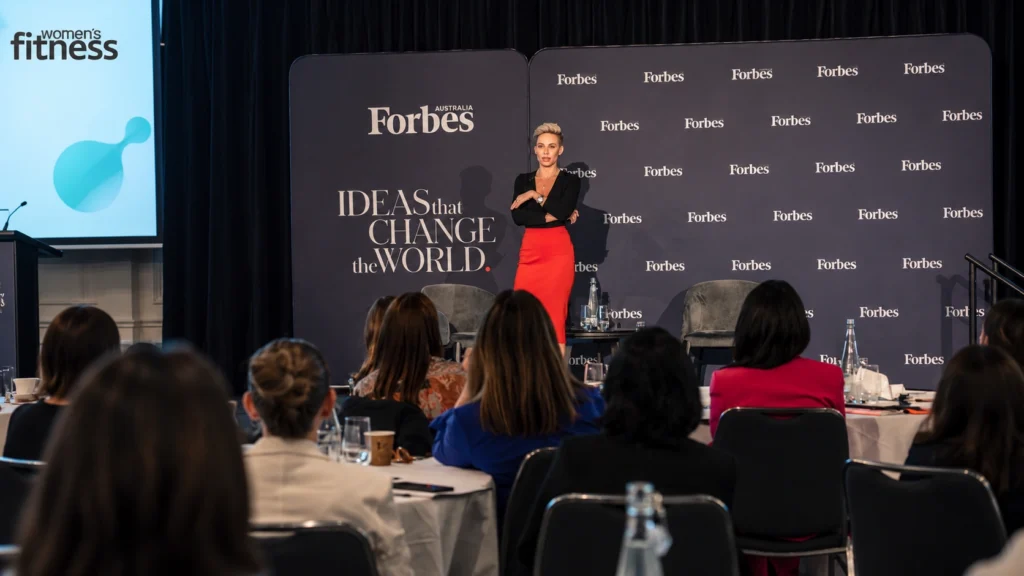
Taryn Williams built Wink Models at 21, then the creative marketplace theright.fit. Now she runs #gifted, which handles product gifting between around 11,000 creators and 5,000 brands.
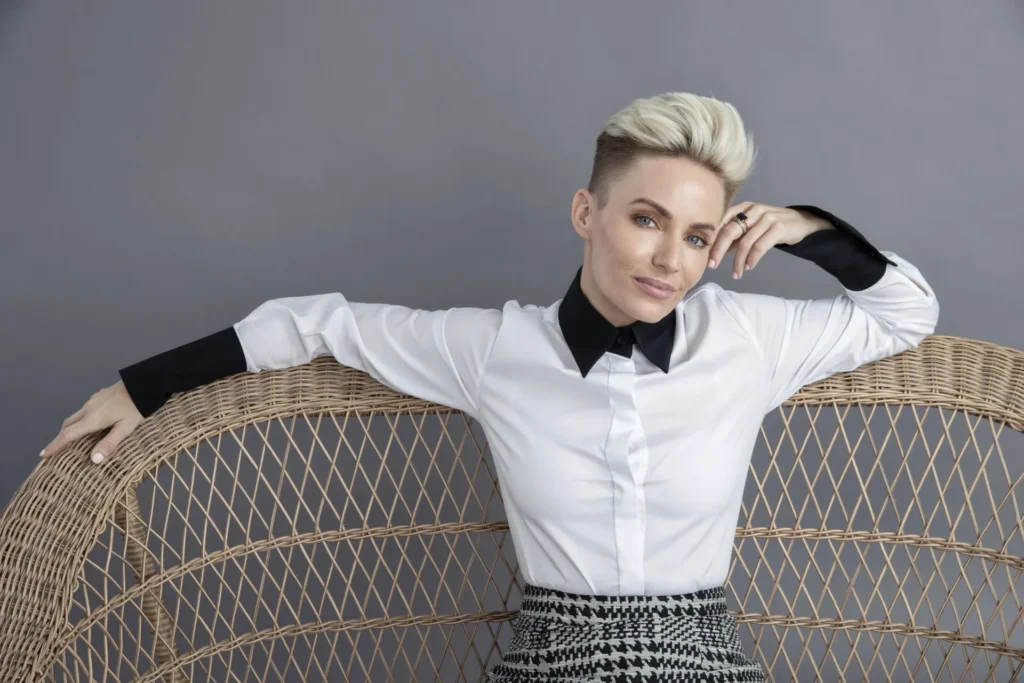
Part of gifting is social coverage, right? But you also get what I call dinner party conversation. And what you want is those people becoming little mini brand advocates for your brand.
Her example is a protein powder. Someone loves a new flavour and tells five people at the gym. You can’t track that, but Taryn says it makes seeding worth doing even with zero social coverage.
In this article, we cover three things ecommerce teams can take into their business:
- Choose who gets your product by the moment they’re in, not the size of their audience
- A sample doesn’t have to be free, it has to remove the biggest barrier to trying it
- Pick one specific measure before you send anything, because direct sales undersell seeding
Choose by the Moment, Not the Audience
The default is to sort a creator list by follower count. Sort it by moment instead. Who will be in the exact moment your product is built for, and who talks to people in that moment too?
Jaryd Terkelsen co-founded Before You Speak, a functional coffee brand built on sampling. When we spoke, he’d been up at about 2.40am to hand out coffee at an early morning running event. That’s eight years into the business.
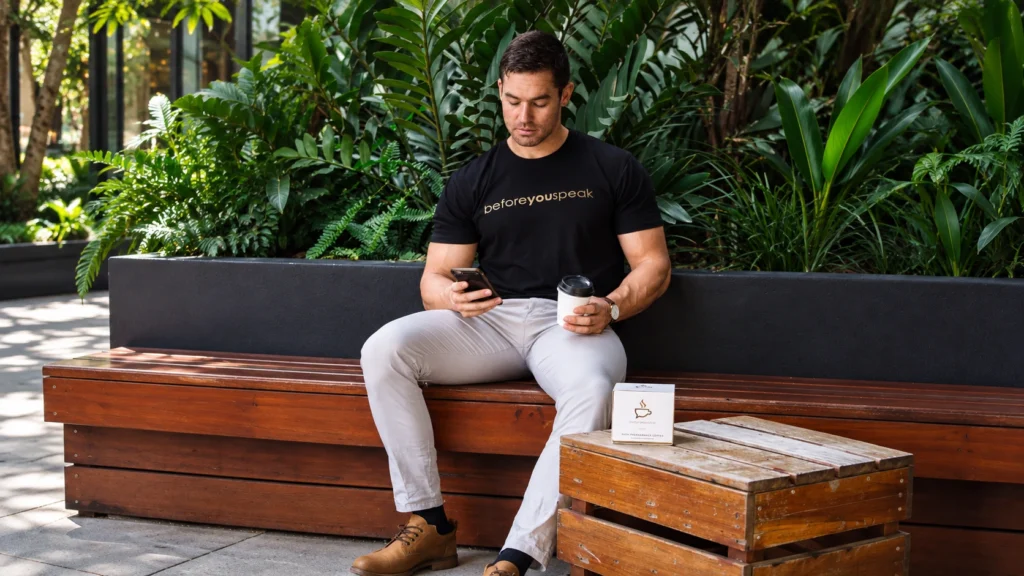
Having that product experience as a physical element, it really just helps people to connect with the brand and convert as well. So everything that we’re doing offline is then a focus to try to convert back online.
A functional coffee proves itself to someone about to train, straight away. Write down the moment your product is most obvious, then go where customers already are in it. For tiles it’s mid-renovation. For a rain jacket it’s a wet Saturday at junior sport.
A Sample Doesn’t Have to Be Free
We hear seeding and we hear free. But the job is removing whatever stops a customer trying the product, and that’s price, effort or risk. Free only fixes price, and it can attract people who only want the freebie.
Drew Mansur co-founded TileCloud, and its sample service is the front door to the business.
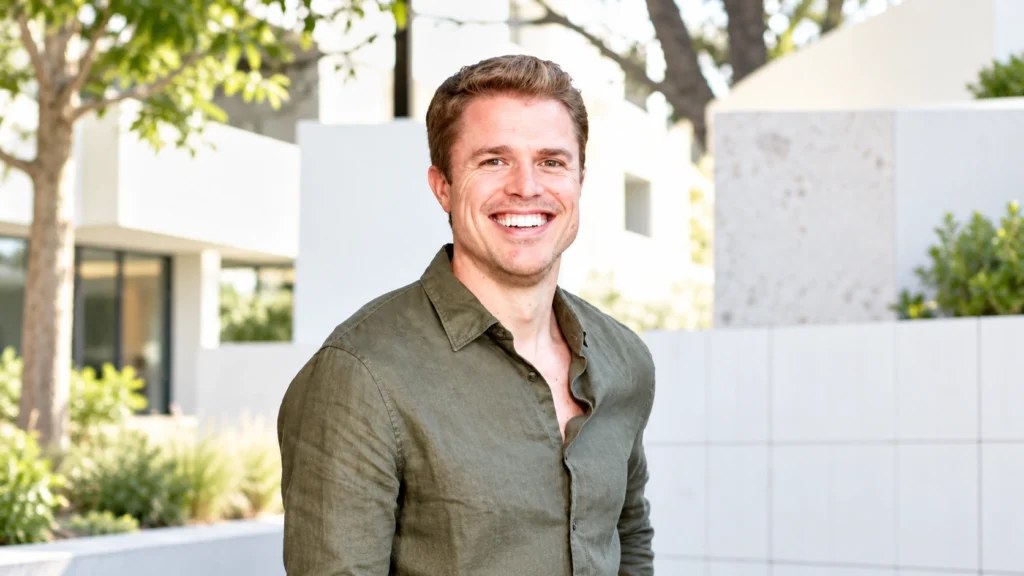
It’s $15 for five samples delivered to your door. Little coffee coaster size pieces of a tile, so you can feel the texture and see the actual colours and look at the print quality.
About 90% of TileCloud customers order a sample before they order tiles. Taryn’s model is free to the creator, so it removes effort. Drew charges $15 to remove risk. That $15 does a second job, because a customer who has already spent money with you behaves differently to one who hasn’t.
Be Specific About What You’re Measuring
This decides whether seeding gets budget next year, and direct sales aren’t a fair measure. Taryn lists the real goals: repositioning the brand, reaching a younger customer, launching a product or growing the database. Each needs different mechanics, so pick one number before you send anything.
Lauren French from Motto Fashions knows exactly which number she’s watching.
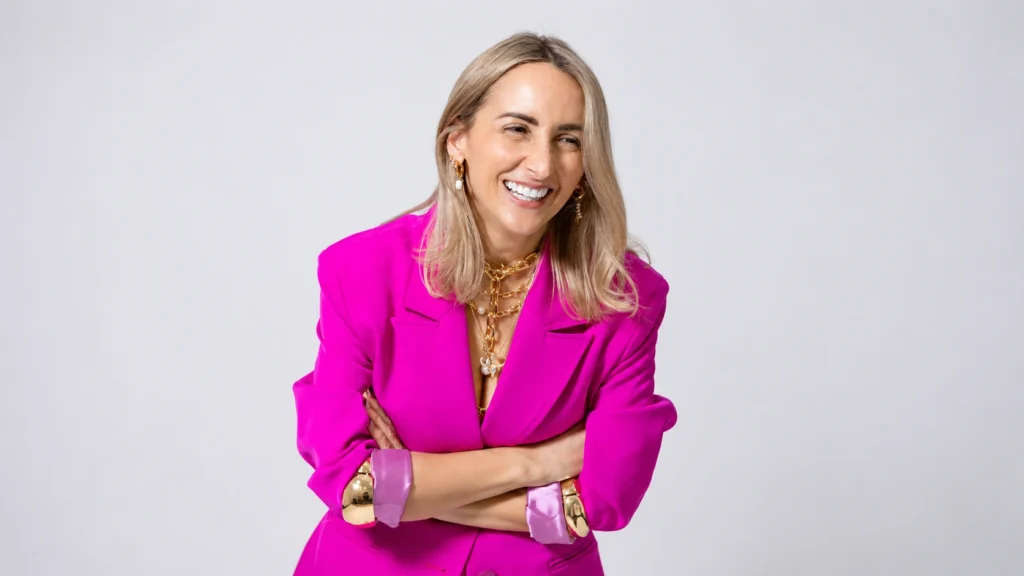
If someone’s searching Motto Fashions Miracle Pant, or just Miracle Pant, that’s when our searches really rise. When they’re not just searching Motto, they need to be specific about the product. That’s when we know we’re really penetrating.
Lauren watches branded product searches, which is specific enough to see move. Then be generous about the flow-on. Drew reckons TileCloud only captures about half the real sample-to-order links, because renovations run for months. So he watches his number move as he changes the process.
The Takeaway
Seeding will never fit a neat box like Meta ads or email, where spend shows up as return. Pick the person, make it easy to say yes, and judge it on the number you chose before you started. Not on how many posts came back.
Frequently Asked Questions
What is product seeding in ecommerce? Product seeding is sending your product to selected people, such as creators, customers or communities, so they try it and talk about it. Social posts are one outcome. The larger one is word of mouth that never shows up in a dashboard, which is why seeding is often undervalued when it’s judged on coverage alone.
How do you measure the success of an influencer seeding campaign in Australia? Pick one goal before you send product, such as launching a new product, reaching a younger customer or growing your email list. Then track a number tied to that goal. Motto Fashions watches branded product searches, like “Miracle Pant”, rather than trying to measure brand awareness or direct sales.
Should ecommerce brands charge for product samples? It depends on the barrier you’re removing. Free samples remove price, but can attract people who only want the freebie. TileCloud charges $15 for five tile samples to remove risk, and about 90% of its customers order a sample before buying.
How do you choose who to send products to for seeding? Start with the moment your product is most obviously useful, then find the people already in that moment. Before You Speak hands out functional coffee at early morning running events. Context matters more than follower count, because the right person in the right moment is more likely to talk about it.