Jared Turkelson: Free coffee signs always do the hard lifting for you. Huberman says he has 800 milligrams a day. So we're all sweet but like any of these things is like getting stuck into a bad marriage. Like yeah, it's not enough. It's kind of so for us. And I guess I'd recommend for any entrepreneur is like find. Find the product that works. Welcome to ADD to cart, Australia's leading
[Voiceover]: e commerce podcast that express delivers all
Jared Turkelson: you need to know in the fast
[Voiceover]: moving world of online retail.
Jared Turkelson: Here's your host, Bush.
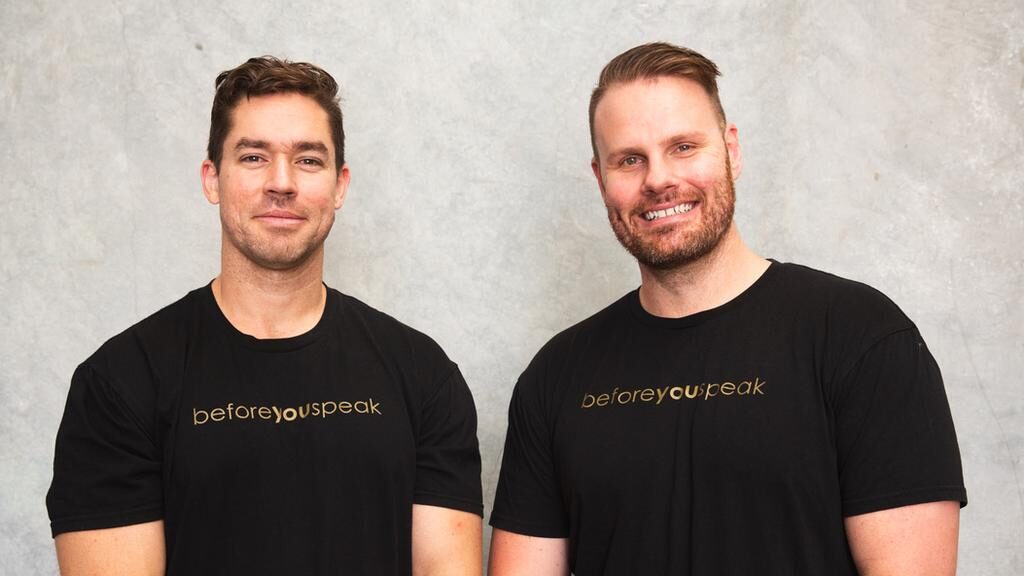
[Voiceover]: Hey, it's Nathan Bush or Bushy joining you from the land of the terrible people here in Brisbane, Australia. And today I am here to ask you what happens when two fitness fanatics look at their morning coffee and think this could be better? That's exactly what Jared Turkelson and his co founder thought before launching before youe Speak. It's a Brisbane born brand that's turned everyday coffee into a daily performance ritual. From MCT Oil to collagen and turmeric, their blends have taken Australia's morning habits by storm and they're now in over 60 countries across Ampol, Woolies, Amazon and even the Formula One paddock. In today's chat, Jared takes us behind the scenes of what it takes to build a cult D2C coffee brand. Including all the burnout business misfires and why he's doubling down on the thing that started it all. Exceptional coffee that helps people feel their best. This episode is brought to you by our partners Shopify and Klaviyo. Thank you for helping e commerce businesses scale, connect and grow every day. So if you've ever wondered how to turn the age old habit of coffee and turn it into a cult global brand, keep on listening. Quick heads up and no, this is not an ad. If you're enjoying the free content that we share across the Add to CART community socials and this podcast, we would love your support hit subscribe to help us keep bringing you the best e commerce insights around and keep this thing running smoother than same day fulfillment. Jared, welcome to ADD to cart mate.
Jared Turkelson: Thanks for having me.
[Voiceover]: Thank you for being here. I understand that you had an early morning and you might be a few coffees deep.
Jared Turkelson: Yeah, it was an early start thing. I was up at about 2:40 this morning and I've punched about five coffees for the day so we're still here. We good?
[Voiceover]: Are we talking like normal strength coffees or are you like a heavy dose?
Jared Turkelson: No. So most of all the coffees that I'll drink will be like our own. So like each. The sachets are about 115 megs each. I think I had one of the cans as well, which is 160 megs. So we're up there.
[Voiceover]: You're flying.
Jared Turkelson: Yeah. Huberman says he has 800 milligrams a day, so we're all sweet.
[Voiceover]: Does he. Is there a limit to how much caffeine you can have a day?
Jared Turkelson: I think that's pushing it. If you start hitting a gram a day, I reckon you're probably. You're peaking.
[Voiceover]: You're peaking.
Jared Turkelson: All right.
[Voiceover]: I would hate my sleep after that. But we're here to talk all about your amazing business called before youe Speak. Do you call it before youe Speak or is it before youe Speak Coffee?
Jared Turkelson: I guess the brand's kind of before you speak, but it is like we're a coffee brand. So yeah, before you speak coffee, mostly
[Voiceover]: that's how I found you on Search. But anyway, what I love about it is that you talk about functional coffee. For those who are drinking coffee as probably their morning hit, their morning wake up call. Where does functional coffee fit into the world of coffee?
Jared Turkelson: Yeah, I guess when we started the company, I guess in the early days, like there was, we started to see what was happening not only in, I guess in Australia and like the green tea space, like some of the, I guess companies are starting to look at functional green tea. So what is the functional side of things? It's adding different benefits than just having your straight coffee. So for us, we both had a background in sports nutrition supplements and we kind of thought, well, coffee is the one habit people don't skip.
[Voiceover]: Yeah.
Jared Turkelson: So how can we kind of utilize and add in the vitamins and minerals that we all take every day anyway into our morning cuppa?
[Voiceover]: That's awesome. So talk us through that. What kind of vitamins and minerals would people expect to get out of your coffee?
Jared Turkelson: Yeah, so I guess our number one sell is our performance coffee. So it has things like your MCT oil in there, which helps you focus. Turmeric, ginseng, black pepper, and green coffee bean extract. We've got like a collagen coffee as well. It's got, I guess, a bunch of different ingredients like again, MCT or camu. Camu, biotin, proline, silica, like synergistic stuff that helps with kind of your hair, skin, nails. We got like a thermo coffee, which is kind of more of a fat burner. And we've got a period coffee and we've Started to go into just like our ready to drink cans and stuff, which kind of more protein and stuff.
[Voiceover]: So yeah, that's cool. And the ready to drink is a new category for you?
Jared Turkelson: Yeah, yeah. We've been trying to do it for a long time. It took us about five years to get right but we launched it in December. So we're just starting to see the rollout. We've just gone into Ampole. We'll be going into Caltex and stuff soon. So starting to be in fridges across Australia, which is exciting.
[Voiceover]: That's awesome. How do you find your market? Because coffee is as you mentioned there, a well known habit for a lot of people and probably drinking the same type of coffee for years upon years. How do you educate the market that you can actually have a coffee with all these other benefits?
Jared Turkelson: It's been a long road, like we're about to. It's actually next week it'll probably. I'm not sure when this will go live, but late July, our 8th birthday is about to kind of tick over. Awesome. So in the early days having these conversations saying functional coffee, people were like, what the hell is that? So it was a long process of a lot of sampling and stuff, like getting product into hands. In the early days, launching a brand when you don't have TGA breathing down your neck, you can really kind of talk about the benefits of all the different things in there. These days, not so much. It's kind of, yeah, any opportunity we got to talk to and we'd lean into utilizing. I'm sure we'll go into this but like working with health and fitness influencers and people that kind of had an educated market who are already kind of talking around supplements and vitamins and stuff.
[Voiceover]: Talk about those TGA regulations for those who don't have to deal with them. I'm working at the moment with a supplements company and just making sure you're in, in the right areas is sometimes a gray area. What have you learned around being compliant but also being able to tell your story and your benefits?
Jared Turkelson: Yeah, well, it's a tricky one. Like in Australia we're extremely strict as a nation, which I guess is a good thing. But it's probably, it feels like it's almost over the top a little bit. So in the early days we've had a few blends that were. Had things like ashwagandha or rhodiola in there, which kind of weird, well known ingredients in supplements and stuff. But as soon as you put them into a beverage or a food product, they're deemed as what they're called a novel food. So the governing body for zans does not allow you to be selling it up on shelf. Now, there is a lot on shelf. The only really way that you get pulled up these days is if a competitor will go and dub you in and then you kind of get on their radar. So it's a bit of a snake's game, mate. But we.
[Voiceover]: Are you a dobber?
Jared Turkelson: We try to. No, no, no. No one's catching us. Who knows? But now we've. We've had Queensland Health turn up on our doorstep a couple of times, so we've had to reformulate a couple of times. But, like, it's just. It's not worth trying to sneak different ingredients in. So you. And you've just got to toe the line. Like, a lot of the time they don't tell you they'll change ingredients. They'll put them on the band list or they'll put them on the novel foods list. And you just need to be keeping an eye on. On what those ingredients are.
[Voiceover]: So I bet you would be ahead of the authorities, though, on some of the ingredients that your customers are looking for, right?
Jared Turkelson: Yeah, a hundred percent. I guess. You're always looking at what trends are and I guess where the opportunity is to, I guess, lean into when you're creating products and stuff as well. But I think these days it's like, yeah, you want to make sure you're towing the line because the minute that you do get pulled up, like, it's so much time and effort to get a product to market. If you then have to stop selling that or reformulate, like multiple times. It's taken us 12 months to turn that product back around to get it back on shelf.
[Voiceover]: Yeah. Are you manufacturing here in Australia?
Jared Turkelson: Mostly. So all of our functional coffee blends are so like the instant coffee infused with the superfoods in the. In the sachets, which is the biggest part of our business. That's all done out of Melbourne. Now we do have, like our ready to drink, our iced latte cans, which we were just talking about. They're actually manufactured out of New Zealand and we do have, I guess, some of our other ones, like new product lines have gone into Woolworths and stuff. They're done up in Brisbane.
[Voiceover]: Yeah. Okay, cool. All over the place.
Jared Turkelson: Yeah.
[Voiceover]: So talk us through those first eight years. So started out as a D2C brand here in Brisbane and now in over 60 countries, as I understand, and expanded into physical retail, including Ampol, which I saw was a big announcement recently as well as on Amazon and you know, stocked everywhere by the looks of it. Tell us about those early days of growth. When did you realize that you were onto something as a DTC brand?
Jared Turkelson: We were always very ambitious in the early days, probably a little bit too much. So blindly like I guess you have to be as a founder going into it. We only wanted to be direct to consumer when we first launched the company. And it wasn't until maybe six months in we started to get those guys that were in our network from having worked in sports nutrition ask if they could kind of start to put us in their stores. And that was probably more of a cash flow decision. Things weren't moving as quick as we would have liked them to in the early days to give some context. Like our opening order of products is we ordered 10,030 serve boxes.
[Voiceover]: Wow, you're in.
Jared Turkelson: Don't recommend that. Start small. Start small.
[Voiceover]: Why'd you make that decision?
Jared Turkelson: I think we were again, overly ambitious. It was kind of, while it was new to us in D2C, like we had a little bit of experience in the retail and we thought, well, worst comes to worse, we could open up those channels and we just thought those numbers would fly out the door. Wasn't really the case.
[Voiceover]: What kind of shelf life are you
Jared Turkelson: talking these products, they're fine. Like you get two year shelf life on it. So I think it took us nine months to move those 10,000 boxes. A little bit longer than we would have hoped. But still we got through it, which was good. But yeah, I guess in the early days the focus was D2C. We then opened up in those sports nutrition channels and leveraged our relationships and we really kind of just built the brand of those two channels for the first few years. Waited till we got a little bit feedback from the market with what we're doing with the product blends. And we launched, I guess, different flavor variations. I think in year two, then it might have been the end of year two or start of year three. We launched the Collagen Coffee and kind of just started to take a little bit of what's happening with market trends and also listening to our own consumers.
[Voiceover]: So most D2C brands on their path into retail hit it big time in D2C. Kind of get to the point where they go, actually we're almost maxing out the market here or it's getting really expensive for us to find new customers. We better go into retail. Was your journey that you started with that vision in D2C but were forced to go retail and that's what helped develop the brand to feed both channels.
Jared Turkelson: Yeah, I think they, they kind of complemented each other.
[Voiceover]: Right.
Jared Turkelson: So everything that we did with D2C, it was kind of. That's where all the brand building was happening. So doing that allowed us to kind of open more doors into retail as well. And I think again, being a functional coffee company back then, we were the only ones so nobody knew what functional coffee was. So I was like, we had to make as much noise as possible online and through socials and then we'd leverage our retail partners to do just mass samplings, like anything we could do with them in their stores or when they do stuff with gyms. It would just be cool if there's a promo opportunity where they're getting product into hand so people can kind of at least experience and feel how much better you feel taking a performance coffee than a regular coffee. But also a lot of people like, well, coffee with all of these different things, what's that going to taste like?
[Voiceover]: Yeah, and that's interesting because even in our pre call when you mentioned that you've been up very early this morning, you yourself were at an early morning running event doing sampling still. So eight years on, is sampling still the secret sauce to this?
Jared Turkelson: 100%. Like, I think where we probably like everyone, right? Like through Covid, everything just went quiet and then everything just went so digital. But I think coming out the other side of that, like that's just your grassroots stuff. That's where communities build. It's like where having that product experience and then like physical kind of element, it really just helps people to connect with the brand and convert as well. So everything that we're doing offline is then a focus to try to convert back online as well. Gotcha.
[Voiceover]: And it's interesting, isn't it, with your product because I can imagine some of the benefits that the functional part of the coffee is giving is long term. So even at a sampling event, you can sample a coffee, but you're not going to feel any of those benefits immediately. Is it purely a taste and kind of connection experience that you're after?
Jared Turkelson: Yes and no. Like definitely like the tastes, like having a good tasting product in I guess, food and beverage, that's half the battle. Right. So it's being there to do that. It's then having that positive brand experience for like cool. I like what these guys are doing. They'll connect with us on socials, but with our performance copy and stuff especially like you do actually Feel great after you've had it. So you kind of get that upside as well with some of the new product lines that we're bringing out there, they're less around performance and function. Like we've just rolled out nationally four new lines with Woolworths and that's going to be for a new target audience and stuff as well. So again, it's kind of back to square one building, I guess that facing with new consumers and doing those samplings and kind of starting over again.
[Voiceover]: What's the secret to a good sampling experience? Because I think a lot of people who are like, yeah, I know I should get my product out there more, but it's bloody awkward to do sometimes if you're not used to doing it. What have you learned?
Jared Turkelson: I think like presentations one like just being there, having the right people and like a good energy to kind of be there on the ground building those relationships if there's an opportunity to kind of elevate how you're setting up the brand experience. Like for many years it was just kind of the simple and you got to do what you can afford. Right in the beginning it's like you have a tablecloth, just have a nice setup. Now we're trying to continually elevate what that brand experience looks like. So they kind of come across as like, well visually to start with, like, oh, these guys look good. Like what's going on here? They'll come across like, yeah, you engage them, you're giving them a great product experience and hopefully off the back of that like you can kind of connect and bring them into the funnel.
[Voiceover]: I mean you've got a perfect product there for sampling, doesn't it? Because who really wants to turn down a free coffee.
Jared Turkelson: Exactly. Yeah. Free coffee signs always do the hard lifting for you.
[Voiceover]: Love it. Now, talking about expansion, going through and moving into retail, I noticed in a little bit of research that you're also stocked on Amazon. We are recording this on the 10th of July right in the middle of prime day here in Australia. The four day extravaganza. I had a look. You are in there as Amazon's choice. So you've got the Amazon's Choice sticker, but you're not discounted at all on Amazon. How do you balance both? How does Amazon put you up there and you choose not to participate in their biggest sale event of the year?
Jared Turkelson: Yeah, look, it's Amazon for us right now. To be honest, it's been a little bit of an afterthought. So most of what we do, we focus on Our own website and our own D2C. This new financial year is actually a bigger focus for us to start getting that up and running as they're growing now up until this point because we've mainly been based in Australia and the Australian. Amazon's only starting to kind of come into its own now. But Amazon have just always wholesaled our product from us. So they'll buy the product in bulk and they'll put it up and sell it for us. We're now about to go through the process of switching and kind of owning our own D2C store and pushing that.
[Voiceover]: Okay, why have you made that decision?
Jared Turkelson: I think just as the brand's growing, like it just needs to be like multi channel.
[Voiceover]: Yeah.
Jared Turkelson: And I guess we, we've got other connections, I guess people that own brands and stuff and they're starting to see the increase in Amazon as well. So it's not something that you want to forget about.
[Voiceover]: I think too being in the, I don't know if you call yourself in the grocery, you're kind of in a mixture of grocery verse, health and beauty and performance. If you're not on Amazon, you could get left behind pretty easily in those quick purchase moments.
Jared Turkelson: Absolutely. Yeah. And I think especially of the US right. Like when we're ready to go back over there, a product like ours fits perfectly in that market.
[Voiceover]: Have you had to make any decisions around fulfillment time frames or operational processes to keep up with Amazon's demand for next year?
Jared Turkelson: We will do right now. No, because we're being solely focused here. So we actually went to the US like we did international expansion probably in year two. We were went across there and part of that was like I think every Aussie brand owner like the dream is to kind of crack the US market. Right. So and like most Aussie brand owners, we probably did that too early. Like we tried to get over there before we had the capital behind us and we learned some expensive lessons. But part of that was obviously setting up three PL across there. You need to give them the brand experience because they're so used to Amazon prime shipping and delivery for us now like where we did like we shut that down through Covid just because of the logistic costs. So it's been solely focused back in Australia mainly when it turns to come like marketing spend, like we've just launched into the uae so that's starting to become a focus. But over the next kind of 12 months we'll, we have the Aussie store set up and then we'll kind of look in the Back half of the year to go back to the us.
[Voiceover]: I think UAE is interesting. What was appealing about that market? Is there a trend or is it a lack of competition?
Jared Turkelson: It was interesting. So there's a Kiwi bloke that we work with, he used to play rugby in the UK and he launched the Women's Best or he helped to launch Women's Best through uae. So he had some solid network and connections there and he come across our brand a couple of times and he kind of just put it in front of some of the retailers over there and said, would you guys be interested in like this performance coffee company? Like, coffee's blowing up over there, very popular and there's very little choice. You kind of, you got your Starbucks or you've got your Nest Cafe now, I guess having so many expats there as well. Like the. I guess health and fitness is big. So he actually approached the retailer first and came to us and said, boys, love your product, love what you do. Like, I've already got interest from retailers. Are you keen to have a chat? So that was a two year process. By the time we went through it. We only got live late May over there. So we've just launched and we've just sent our second shipping container and we're about to kind of launch into Saudi markets and stuff as well. But again, like, we're, we're back to square one building brand and stuff over there. Plan will be to leverage some of the bigger partnerships that we now have with like kind of big brand ambassadors. Formula one, that kind of stuff kind of help us to get some instant credibility. But also we need to work with these guys back to, I guess, grassroots. It's the product sampling. How can we make that happen in a different market?
[Voiceover]: Well, you haven't held back in terms of those partnerships with influencers. I don't think there's anything hotter than F1 at the moment. And one of your partnerships is Jack Doohan. How did that come about?
Jared Turkelson: So we always had ambitions to somehow be involved with the brand in Formula one. Like, loved the sport. Both myself and my business partner been massive fans and we'd always keep an eye on the driver market. So what Jack was doing and had kind of seen him come through the ranks and obviously he'd got the reserve driver with Alpine, so we always wanted to work with an Aussie driver, obviously. So reached out and he actually had a mutual connection with another guy that we'd worked with. So he put us in touch. And Jack loved the brand, which was cool. We just connected, got along really well and came to an agreement to kind of bring him on board.
[Voiceover]: How good. Take that Red Bull. Have some coffee instead.
Jared Turkelson: Exactly.
[Voiceover]: And what have you learned out of that process? Obviously, because I saw that you've got influences, including local sports and athletes, But I think F1 is that next level because it's such a global sport. What have you learned from that process around structuring partnerships and what you can realistically get out of them?
Jared Turkelson: Yeah, it's been an interesting one. So we signed on with Alpine in January as the official coffee supplier for the next three seasons. And probably lucky we've done three seasons because the amount of teething issues that we've had just trying to. Not only logistically, but they're a big company. They've had a lot of changes themselves this year, like changing team principles. Renault CEO is kind of gone. So there's been definitely a learning process into how we can kind of just get that back end working. Probably the biggest upside for us has been able to just leverage like, hey, we are the official coffee partner of a Formula one team as we're rolling out all these new lines into retail and stuff. So as soon as we do that it's like, well, you immediately have their attention, especially going into like your ampole and stuff. It's like the petrol and convenience channel. Like that's their audience. So it's been more so just on our end being able to leverage it through our partnerships and I guess into those retails to get the ranging makes sense.
[Voiceover]: How have you maximized it? So when you talk about making sure everyone knows that you're the partner of an F1 team, Alpine, have you put on packaging? Do you put on all your emails? Like where do you actually make sure that you get the most value out of it?
Jared Turkelson: Yeah, a hundred percent, like all of the above. Right. It's all of the new products you'll be able to see like on the back of one of them, it's like ewt, Alpine officials team supplier. So we've thrown that on the new packaging, in our email signatures, across our website, socials, any opportunity you can, you kind of lean into it.
[Voiceover]: And with a base like that, did you have to have all of that down in writing when you made that three year agreement?
Jared Turkelson: Yeah, yeah. It was quite funny how it all came about. So obviously we signed Jack and I was in like both my business partner and I were, we went to Italy and we're on holidays last August. August, September. So while we're over there, Jack had Actually just got the announcement that he'd got the seat for the year. So I ended up going to Imola and did like a track testing day with him there. And then we went to the Monza Grand Prix with him and we kind of met all of the hospitality team and they kind of loved what we were doing. And I was like, why don't you guys just do the Oz GP for us next year? Do the coffee. Like, yeah, sweet. Like jump on a call when we get back to Australia. So a couple of months later, jumped on a call, like, you just want to do the whole season? Like, yeah, absolutely. And then they ended up just sending through a three year contract. So a little bit of back and forth just to kind of to tweak it and make sure everything was aligned. But it happened very easy, like very fortunate.
[Voiceover]: What do you think you did right for them to give that confidence?
Jared Turkelson: While they're like big company, they're very much like just the connection you make with the team. Like I think we're just very aligned in terms of like our, our brand and them. Like they're just a young energetic team. Like it's all about performance. Obviously having the partnership with Jack as well, like there was a lot of synergies and stuff there so they didn't have someone in the space and I think it just felt like the right fit. Awesome.
[Voiceover]: What's your approach now? So if you kind of zoom out from that and you take a look at how important partnerships and influencers and creators are for before you speak, obviously you can't have everyone at a global F1 level. How do you approach partnerships? When you're talking different sports, different communities, different geographies, how do you structure all that?
Jared Turkelson: It's been kind of an ongoing, evolving process for us because as you do bring on some of these bigger ones, it also opens up some more doors as well. So like we're having a lot of conversations right now, obviously trying to fit some of these big names and stuff into the budget. But the way I look at it these days is having those top tier brand relationships that you can leverage not only for, I guess, IP across things to give you credibility, bringing new audiences, but they are a really strong play for retail once you start going to those channels. Like retailers love having, I guess, ambassadors or key people of influence to lean on for campaigns and things. So it's leaning into those top tier ambassadors for that. And then it also kind of helps to then bring on like those mid level ambassadors that want to work with you. So I'll typically structure it like the top tier is. It's less about an ROI like digitally tracking like I'm not giving them discount codes, we're not like giving them links to kind of see what their attribution's like. It's really just like cool. They're the face of the brand. Like we lean into that and then there's those mid layer is more so the kind of it might be cool. They might be on a monthly retainer and as well as a commission or just one or the other or a split of them both depending who they are and just kind of leaning into people that kind of still have the communities that do represent the brand and who we are and what doing and then it's kind of leveraging at a lower level. All your micros and nanos and a lot of that is kind of just building community. It's like getting the UGC that you can then kind of utilize across socials for what you're doing across meta and all those other channels.
[Voiceover]: So you're kind of splitting them up that you know that some are just going to be good for the brand that you can attach their face to your brand and you get that halo effect. Some are great because they'll sell product directly through affiliate codes, whatever it is. And then some are there because they might not have the influence but they're great at creating content and putting your brand up in different lights for different communities. Is that fair?
Jared Turkelson: Yeah, yeah, 100%.
[Voiceover]: There's the age old question. What is the acceptable lifespan on a pair of undies? Well, luckily for step one, they no longer have to guess. In fact, they will probably be able to spot a pair of old undies before their customers can. Klaviyo has helped step one, a $70 million ASX listed business, understand and action their customer data with more personalized recommendations based on the individual targeted discounting to avoid margin erosion and even help them monitor the growth in international customers to know the right time to expand. Last year alone step one attributed 53% Klaviyo year on year growth with an ROI of 65 times. I mean if you get those results while in comfy undies, you're really winning the game of life. To explore how Klaviyo can grow your E commerce business and see more case studies like this, visit klaviyo.com au how do you approach now? Because I could imagine after eight years acquisition is still important and you've still got a story to tell especially for people who might not know around functional coffee and that it actually exists and how it works, there's still a lot of acquisition there. But then for something like coffee, where it's a repeat purchase and it's a habit, retention is going to be really important for you as well. How do you balance both of those in your marketing mix?
Jared Turkelson: Yeah, look where we've put a heavy focus in terms like if we're just talking E commerce only for a minute, we've put a heavy focus on our E commerce platform with our subscriptions. Now that's something we avoided in the first probably four or five years to be honest. Like in the early days like we put them up, we just had that much backlash from retail saying if you guys are going to be 15% cheaper, well we're not going to support the brand. So we had it there, but we had it hidden the whole time. If anyone ever asked us, we'd just send them a link. It was kind of an afterthought. We had very few that were actually on subscription and it wasn't until probably bit over two years now that we've actually been pushing it. So we've got such a strong subscription base. So it's leaning into that. We've got a very sticky product. Like again, coffee is something that's so habitual. It's like yeah, typically if you're a coffee drinker you're a one or two or three cup coffee a day and that doesn't really change too much. So I was like, it's very predictable in terms of like, well I know how many I'm going to go through. So like our average subscriber base, I think on average our subscriber has like 9.7 repeat orders with us at the moment.
[Voiceover]: Cool.
Jared Turkelson: So you, when you start to get that data, it's like we can lean into, I guess putting more into acquiring the customer upfront. But it is, it's like it's kind of to acquire those customers. It is like how do you bring people into the brand? And it's like it is these sampling, it's these community based things, these events is kind of just showing up week in, week out at different places to kind of meet new people and bring them into the brand as well as pairing that with I guess a good creative strategy and kind of pushing across meta.
[Voiceover]: So given that 9.7 times, that's a huge customer lifetime value, I could imagine depending on what they're buying. How do you work out what you're willing to pay to acquire that customer for the first time, not knowing at that point, whether they're going to be a subscriber or a one off.
Jared Turkelson: Yeah, I guess like you can get enough data through Shopify and some of these other tools to understand even if you average it across all of your online customers, like cool. Well, we can afford to lose 50 or $80 to acquire the first customer or to acquire the first time purchase. And then knowing that across the average we're still going to net at a positive.
[Voiceover]: Yeah, I like what you're doing. You've got an offer up there. At the moment I'm not sure if this is a permanent offer for subscribers where they get a free gift for the first time subscription.
Jared Turkelson: Yep.
[Voiceover]: Is that something that's new or have you always had that in place?
Jared Turkelson: No, like we've been running that for maybe six months now and that's definitely been like once we've like we pulled some of this data, like, well cool. We know how sticky it is. Let's do what we can to get them on board. So yeah, you buy a 30 serve box which is normally 69, 95, 15% off, 49, 45. You're then adding on like a $40 travel mug, stainless travel mug, and we give them an extra seven serves, like a seven serve trial pouch of that coffee. So you're pretty much buying $60, getting an extra $60 worth. And for customer acquisition, like that's been unreal for us.
[Voiceover]: Yeah. Especially if you're paying a good upfront cost to acquire them that little extra.
Jared Turkelson: Yeah, and that's right. You've got to factor those cogs in as well. And like the extra shipping cost, that kind of comes with that also. But it's a net positive result for us.
[Voiceover]: What about on the other end of this? I'm not sure if this is a problem for you, but do you have any flags that give you an indication of when customers are likely to churn from subscriptions and do you have incentives to keep them in the funnel?
Jared Turkelson: Yeah, like we do have obviously like a loyalty program and stuff as well. So like the longer they stay subscribed and like they've got those loyalty points that can kind of build up and like add products to their subscriptions. The churns typically only like if people are moving house, if they're, I don't know, going on holidays or something, if there's something that's disrupting routine, you'll get a little bit. But apart from that, like there's no big triggers for us, which has been good.
[Voiceover]: Yeah, it's the beauty of a routine Product, isn't it?
Jared Turkelson: Yeah. Yeah. So we've been fairly fortunate in that sense.
[Voiceover]: Love it. And did I see that you're using a loyalty line to serve all this up?
Jared Turkelson: Correct. Yeah.
[Voiceover]: And that's meaning, you know, giving you flexibility.
Jared Turkelson: It's doing the job. Is there better things out there? Possibly. But like any of these things, it's like once. It's like getting stuck into a bad marriage. Like, yeah,
[Voiceover]: there's a testimonial for loyalty line. It's like getting stuck in a bad marriage. We're still here. We don't know what else is out there.
Jared Turkelson: I can't talk smack about them. Like, they've been fine to date. And again, like my E commerce manager, she's way more across it than I am.
[Voiceover]: Yeah. Has there been anything in those eight years from a on site perspective, especially as you focus on D2C and that is your main channel? Any other tricks or hacks that you've come across in that time that have really moved the needle for you that were kind of low effort and you're like, we should have done this years ago that have really changed the trajectory of your D2C presence.
Jared Turkelson: Probably two things come to mind. One was when, like, we implemented like the quiz on our website that's worked really well. Just kind of helping customers choose the right product that's kind of got a really strong conversion rate for us. And the others really just like, it's creative.
[Voiceover]: Yeah.
Jared Turkelson: And like, I know lots of brands say it and it's like I'm sitting here saying it now. Whereas, like, in the last couple of weeks, like, we've put out a piece of creative, like, that's just blown every other thing that we've done away.
[Voiceover]: What is it like?
Jared Turkelson: It's kind of a. It shows, like, the mixing of the product, but we've just then paired that with a voiceover and we've actually, like used AI for the voiceover and I was like, just the voice. If it was top of mind, I'd tell you which one I think is 11 labs we use for the AI voiceover. We've just done that. It's like, it's an Irish accent and the dude's voice is just very calm and soothing and it is just blown up compared to anything else. Like, our new customer acquisition per day has increased 350% month on month.
[Voiceover]: Wow. And where's that running? Is that TikTok and Insta?
Jared Turkelson: Just meta.
[Voiceover]: Just meta.
Jared Turkelson: Yeah.
[Voiceover]: Okay.
Jared Turkelson: Yeah, Cool. So Instagram, Facebook, did you split test
[Voiceover]: all the different AI voices Or did you just hit the jackpot with your silky Irishman?
Jared Turkelson: Now, like, we've got a few different ones running. I'm not necessarily on the same script, but the silky Irishman is the breadwinner at the moment. But again, we've only been running it for two weeks, so, like, it's crushing. And we're now kind of in the process of, like, building out those iterations because it's the first time, like, we've had a piece of creative. So it's just, like, absolutely blowing the results out of the water. So knowing that, like, where, again, we'll be putting a lot more effort into that moving forward.
[Voiceover]: Pretty wild, isn't it? Because it kind of bucks a lot of the typical advertising and even content principles around show faces, especially ones that people recognize. Be friendly. But by the sounds of it, it's a product shot in an interesting way with a virtual voiceover. And it's there.
Jared Turkelson: Yeah. And I think, like, the accent probably makes it.
[Voiceover]: Yeah.
Jared Turkelson: Which. Which is a funny thing. Like, there was the kind of concept for my head of creative. Like, where it came from is like. I don't know if you've seen. Like, there was a thing. I was a. Some kind of fried chicken ad, and they did it so it looked like there was a hair across the screen.
[Voiceover]: Oh, I haven't seen that.
Jared Turkelson: I was like. People would just, like, get stuck on it. And I was like, you just kind of, like, pattern interrupts a little bit.
[Voiceover]: Yeah. I was like.
Jared Turkelson: It just went nuts because, like, people just engage on it so much. I was like. That kind of sparked something in what he was doing when we were kind of briefing and. Yeah. Pulled it together. It's been interesting.
[Voiceover]: I'm doing a project at the moment to help a brand with their TikTok presence and to try and create an ad strategy for them around TikTok, because they're a very traditional brand there for the first time. And I remember just seeing their faces because we did a workshop around who should we look to? Who's inspirational here? And there are a couple of examples. And talk to Telstra, you know, beautiful brand ads out in the market. And then you go to their TikTok, and it's an absolute dumpster fire. Like. Yeah, but it works. But the best one. And if anyone's listening, you got to go check it out. The Jetstar TikTok account is absolute gold. I spent ages on there. Because it's exactly that. It's exactly what you said. It's the patent interruption.
Jared Turkelson: Yeah.
[Voiceover]: Of. I would not Expect to see that from this brand in this environment.
Jared Turkelson: Do they do. Can you give.
[Voiceover]: It's honestly like, they've got planes on leashes and they're like, this is how we train our planes. But everything from that to, like, they really lean into the millennial trend of 90s, late 90s graphics. Like, it feels like it's been done on a late 90s computer and it's just so off brand. Like, I could imagine them sitting around a boardroom going, we can't have this because people just don't think we're a safe airline. Yeah.
Jared Turkelson: You know what I mean? How did it slip?
[Voiceover]: I would not trust these people to take my family in the air if I just knew them from TikTok.
Jared Turkelson: Yeah, yeah, it's. I've seen a couple of brands doing that. Like there, I think it was. I don't know if you've heard of a brand called Skin Daddy. Oh, yeah, my feed, like two days ago, it was like he. He plays into like, they've got an Indian dude that's creating these ads and like, they're. They're ridiculous.
[Voiceover]: So good. Like, there's never been a funner time. Right. Especially if you've got an internal team who you can let loose. Never been a fun of time to go. Let's just see what works. Because you've got permission to do it as a brand.
Jared Turkelson: And it's interesting because, like, yeah, it's one thing, like, it's getting the views, but it was like, does it convert? I guess is another question as well. A lot of what we've done on TikTok is kind of. We've got a lot of reach from it, but, like, it hasn't actually converted very well as a platform. Super interesting to see, obviously TikTok shop when it finally gets across here because apparently that's just crushing as an acquisition channel across in the U.S. do you have any idea. You're probably across this more than I am.
[Voiceover]: I have spoken to a few people about it and people like Princess Polly doing amazing things with it. And where I think it gets really interesting is that anyone can link themselves to your product feed. So you obviously just upload your whole product feed to TikTok shop. And if I'm me and I drink your product and I upload videos and I tag before you speak coffee, I can get a cut of everything that gets sold from that link.
Jared Turkelson: Yeah.
[Voiceover]: And you don't have a say in it.
Jared Turkelson: Yeah, but how good? Like, genius, right? Like, it's building brands over in the States.
[Voiceover]: I know it's amazing and you then learn who your real influences are.
Jared Turkelson: 100%. 100%.
[Voiceover]: Shopify is committed to keeping their merchants at the cutting edge of innovation. And the features released in their Summer 25 edition are no different as they give brands the tools that they need to work smarter today and thrive in the future. For example, Shopify's AI tool Sidekick just got a lot smarter. It's able to synthesize data from multiple sources simultaneously. Moving beyond basic Q and A to solve complex business challenges. They've also made scaling globally even easier. With Shopify payments, you can now manage various business entities and settle up in multiple currencies from a single store. And for instore, POS has been redesigned making the day to day experience for retail staff easier with improved search, intuitive navigation and a more flexible card. Check out over 150 features that have been released by by searching Shopify Summer 2025 edition. Yeah, I think it's a really interesting space. Are you finding any traffic? Because you just triggered me then around the difference between traffic and sales. And we just had a webinar with Lawrence from Studio Hawk and he was showing us through some of the results that they're getting in search for some of the big fashion brands. They're saying, look, we're starting to get a lot of traffic come through from GPT, but it's actually not converting a lot to sales. There's a lot of interest and we're getting click throughs. Have you got an eye on GPT at all or Traffic from AI?
Jared Turkelson: Not really at this stage, no. Like, I think it's good to keep an eye on those things, but it's like it's going to be probably quite a while until any of them mature enough to a stage that it's worth putting time and energy into where we're probably not big enough to dedicate someone to go and do that. I was like if you're a brand that's kind of really pushing all channels and exploring, it was like we're just running out of places for user acquisition. Yeah, we're probably not quite there yet, but definitely an interesting space.
[Voiceover]: Yeah, I could imagine, especially as people are looking for health hacks and performance tuning, that it's going to come into play at some stage for you.
Jared Turkelson: 100%.
[Voiceover]: Tell me about your journey as a founder, because I know that you seem to be an entrepreneur at heart. You had a venture before this and in the research I stumbled across your 2024 manifesto, which you bravely put out into the world, which had some very helpful and very honest truths that you learned from the year before. What drives you as an entrepreneur to keep doing what you do.
Jared Turkelson: Become just driven by progress, like driven by growth. Again, like there's probably a lot of entrepreneurs, like we've got a chip on our shoulder for some reason and however we kind of got that there maybe through something in our upbringing or maybe just like there's something internally that's just driving us to want more. For me, I guess I'm no different and recognizing that, but also kind of being comfortable with it. I guess there's. I don't know what it is, but it was like I've always kind of, I've looked at like you compare ourselves to like the biggest guys and the biggest companies and I was like, well sky's the limit, so that's what we want. So it probably would be way more comfortable if you could like settle for somewhere a little bit lower, you know. But it was like we're eight years into the journey and it's like it's definitely been a bumpy ride. And I guess as you would have kind of read through some of that, I was like with both myself, my business partner, we've started other companies throughout growing this. So the first four years like we kind of were growing really quick with bys. Now we're at least kind of double year on year. In the fourth year we put in a CEO and commercial officer and that and I always kind of took a little bit of a step backwards. Like we're hiring experienced heads, right? It's like give them the reins, like they're just going to keep going. So I went and started another tech company at the time and we did that. I did that for three years and put 1.5 million to try to build that and get it off the ground as a mobile self checkout platform. But we're just too early in market so that didn't work. So I closed that down in 2023, mid 2023. And I guess in that process like, well we also had another business that for the first time instead of doubling it went backwards. 2 million rev the first year. The year that we bought them in, we fired them pretty quickly within I guess around the 12 month mark. But then I was trying to clean up or turn around two businesses that weren't going very well. So trying to turn things around on tight cash flow was definitely a challenging time. I think I learned a thing or two around focus and not trying to do too many things at once, which is like the Entrepreneur's curse, right? But I think once you go through that, you'd spend a lot more time making decisions around whether you take on projects or different, like start another business. Because once you've learned the downside of that and the opportunity cost of if you had have just put that into the main thing, like how much further ahead you'd potentially be, I think it's like, it's a valuable lesson.
[Voiceover]: But is that hard to do when you don't know what the main thing will be?
Jared Turkelson: I think so, a hundred percent. And that was probably why I was doing it, right. Like we weren't moving. Sure, we were still moving reasonably quick. But I was like, is this going to be the thing that gets me to the billion dollar brand kind of mark? Like that's always been the ambition. And when things are, especially when you hit a rough patch, right. I was like, you start looking for answers elsewhere. But I think the question you need to ask is like, is the vehicle that I'm in the right one that can get here over time? I was like, well, coffee heavy. Is the coffee industry 100% aligned? Like cross that over with the health and fitness industry. You have a great product, you're in a huge market and a growing market. Like it's just time and market. Like you could look at the biggest companies like your Nest cafes and stuff, like they've been built over the last century. So for us I was like, well that helped me recognize we're in the right vehicle. It's just going to take longer. Especially as you go into retail. Like these guys do one major range review or category review per year. You've got to get in, you've then got to get the turn rates up. You'll then next year you'll hopefully expand a few lines and then you kind of like it's rinse and repeat and then you've got to start that all over again to a new market. Like we go into the US It'll be at least a five to seven year journey to kind of build the brand over there as well.
[Voiceover]: And is there something there around making sure that you've got that base product nailed first so that you've got that repeatable model underneath it before you go and experiment around with different messages, different products and try and expand out. But if you've got that solid base of revenue that's coming in from recurring customers that then sets you up to fuck around a little bit more.
Jared Turkelson: Yeah, for sure. Like I think you've got to have a hero product, right, like it all comes like you don't get to be a 9 or a 10 figure company unless you've got an exceptional product because you won't get the repeat purchase. So for us, and I guess I'd recommend for any entrepreneur is like find the product that works and then it's either that may be a product that can almost infinitely scale. Like you'll hit a threshold at some point, but from there is it complementary, I guess, flavor variations, Is it something else? Like the goal is to obviously increase the gross profit per customer. So it's like, how are you going to do that? Is it going to be more of a similar product or is there something else? Like is there other things that can implement into their daily routine or is it just. So maybe you're capped in this market so you need to go to a different market. It's kind of just, yeah. Having the right product because that's going to keep people coming back. And word of mouth is always your best marketing tool, right?
[Voiceover]: Yeah. In your manifesto you talk about the importance of taking big swings, which I love. Have you got any big swings coming up that you're able to share? Like, where's your vision for where you can go with, before you speak, 100%?
Jared Turkelson: Like we've always wanted to be a global brand, right. And I think we started thinking small again when things aren't going well and we're going backwards in revenue. Like it's like you always go into survival mode. You stop dreaming for a minute and it's like you just got to get into the dirt. But for us, like where we're in a great position now, we're building good momentum, like we've just ranged, I guess new lines nationally were worse. I was like, if we get that right, we'll plan will be to then become a full category solution and then you roll that out across, I guess the other major grocery retailers and stuff. We've got the ice latte cans and I was like, you're not capped to where they can be. So for us it's always like crack. One of the major markets being US or China, most likely the US because we love it over there now. I guess the timing to do that's the critical thing. I think we've also learned the lessons around, like don't try to go too early because it can be costly and if you don't get it right, well again it could sink the company as well. So for us, like let's get the Australian market nailed in terms of like the petrol and convenience with The RCD cans and also the major grocery with what we're doing with the new product lines. We get that right. We're a very different company in 24 to 36 months time. That gives you the capital to kind of invest into really pushing into these major markets.
[Voiceover]: I love it. Have I got the strategy right that it's just following the F1 circuit around the world?
Jared Turkelson: Pretty much. Pretty much. I was like, this year I was like, do I just go to every race? Then I was like, I may not have a company next year if I do that.
[Voiceover]: So you'll have a great year, though.
Jared Turkelson: Well, I would. I would. So we've been to. What have I done? I've done an OZ gp, obviously. We did the activation there. It's the first race of the year. I went and flew over with Jack and Alpine and did Japan. We were meant to do Miami, but just like the timings of things, we had a few teething issues with like the activation, what they said we could do versus the reality of what we could actually do. Like with an activation in the paddock, like a few things were just kind of a little bit more restricted. So it's a big investment to take whole team across there and try to set up activations. I think the next one will either be Singapore or Austin. Most likely Austin. Just because we wanted to do a US one this year. The audience that you get there, people coming through the paddock at a US F1, it's none of the who's who. So I used to never know who's. Like, it's creating more luck. Right. And that's kind of one of the things for me this year as well is like, how can we just put ourselves in opportunities? We're creating more luck for us and for the brands. It's getting product into hands. You just don't know who you might meet. And then definitely the last race of the year in Abu Dhabi, we'll go over there because we've obviously got the retail retailers we're working with over there and the distribution will kind of lean into for some activations as well.
[Voiceover]: I love that and I love that phrase. Where can we be to just create more luck? Obviously tied to hard work, but also taking big swings 100%.
Jared Turkelson: It's like, it's like jumping on this podcast.
[Voiceover]: Yeah.
Jared Turkelson: Like you just don't know who might see you. And it's like I've always avoided founder content and putting my name and face out there just because I. I haven't had the ego. I was like I don't care what people think. I'm happy just sitting behind the scenes building the brand. Like myself, my business partner. We're both operators, we just love being in there working. But I think again trying to lean into that concept of creating more luck. It was like all. And that's another reason I moved to Sydney maybe seven months ago. It's like enjoy the lifestyle a little bit more. Like I'm never going to be someone that wants to work, have a four day work week. It's like I'm kind of, I'm at it all the time but it's like down here it's like you kind of get to blend both. You kind of be down. It's like we did that run event at 3am or 3:45 this morning. It's like there's just more of that stuff happening jumping on here. It's like where's the opportunity to create relationships and potentially just have more brand touch points and just connect with more people?
[Voiceover]: I love it, mate. And we appreciate you jumping on here. You taught us a lot today in the interest of creating more luck. If we have people who might help you create luck and want to get in touch, what's the best way for them to reach out to you and maybe learn more about before. Before you speak, mate.
Jared Turkelson: Probably just across socials. Like we're most active on Instagram. I would say company is before you speak. Before you speak coffee on Instagram. And mine is Jared Turk. Love to connect, mate.
[Voiceover]: Thank you so much. Thank you for staying awake. The 24 coffees today worked.
Jared Turkelson: We got through it well. We got through it well. I'm surprised. Good to go. Thanks for having me.
[Voiceover]: Pleasure. Thanks for joining me on Add to cart.
Jared Turkelson: Thank you, mate.
[Voiceover]: Oh man, I feel like my humble morning coffee will never be good enough. Now. That was a brilliant chat though. Jared's built a brand with cult status, global reach and enough caffeine to literally fuel a Formula One garage. There's a lot to take from his journey, but here are the three lessons that I'm going to take home today. Number one, sampling still works. Yes, we can get very fancy and very data led in E commerce, but even eight years in before you speak is showing up at gyms and run clubs with free coffee in hand. In fact, Jared was sampling at 3:45am on the morning that we recorded. It's about showing up and creating real world connections with both product and brand. There's no shortcuts to that though. Number two, the silky Irishman. A new ad with a product mixing shot and an AI generated Irish voiceover became their best, best performing creative ever, increasing acquisition by 350%. I actually got served it not long after our chat and it was exactly as you described. It's not necessarily on brand or something they would go out and shoot themselves but it worked. So don't snub your nose at AI content, especially when you're dealing with disposable ads. You never know what will work. And number three Big swings pay off. Jared's not not afraid to try new things that have big results. But don't call it luck. A casual conversation at Monza turned into a three year deal with Alpine as their official coffee supplier. As Jared said, it's about putting yourself in the position to create more luck. A massive thanks to Jared for bringing the Energy probably through about six shots of coffee into Add to Cart today. Don't forget, if you want more of the good stuff, come and join. Join me and hundreds of other ecom legends over in the Add to Cart community. We would love to have you in the mix. And while you're here, hit that subscribe button so you don't miss a thing. Catch you soon. Thanks again for listening. And until next time, keep those customers adding to cartoon.