Warwick Levy was meant to be in a construction degree lecture. Instead he was in the computer room showing a classmate the t-shirts he’d been designing on the side, when the guy asked him why he was even there. Warwick got up, walked out mid-semester, and never went back.
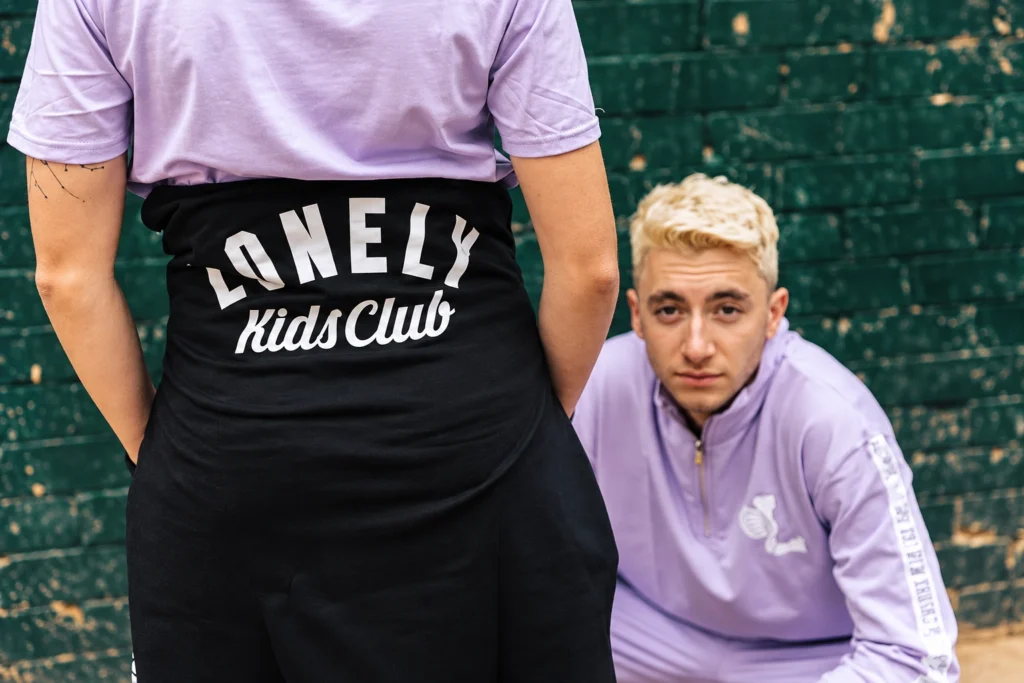
That was 2011. Fifteen years, more than 3,000 designs and zero outside investors later, Lonely Kids Club is still his: an independent, gender-neutral streetwear label built on mental-health-positive messaging, artist collaborations and a print-on-demand model with almost no waste. This year it also survived a counterfeiter copying more than 4,000 of its products, fired an SEO agency that was doing nothing for its money, and had one of its biggest sales days ever, care of a t-shirt Warwick never asked anyone to wear.
In this article, we cover three things ecommerce operators can take into their business:
- How letting your community design your products can produce your biggest sellers
- What to actually do when a counterfeiter copies thousands of your products
- Why firing your SEO agency and doing the work yourself can double organic traffic in months

Selling T-Shirts From Tupperware Containers
The name Lonely Kids Club started as a joke between Warwick and his best friend, both single while their friends paired off, half-joking that they’d marry each other if they were both still single at 45. Around the same time Warwick dropped out of that construction degree and started printing t-shirts. With no marketing budget, he did what he could.
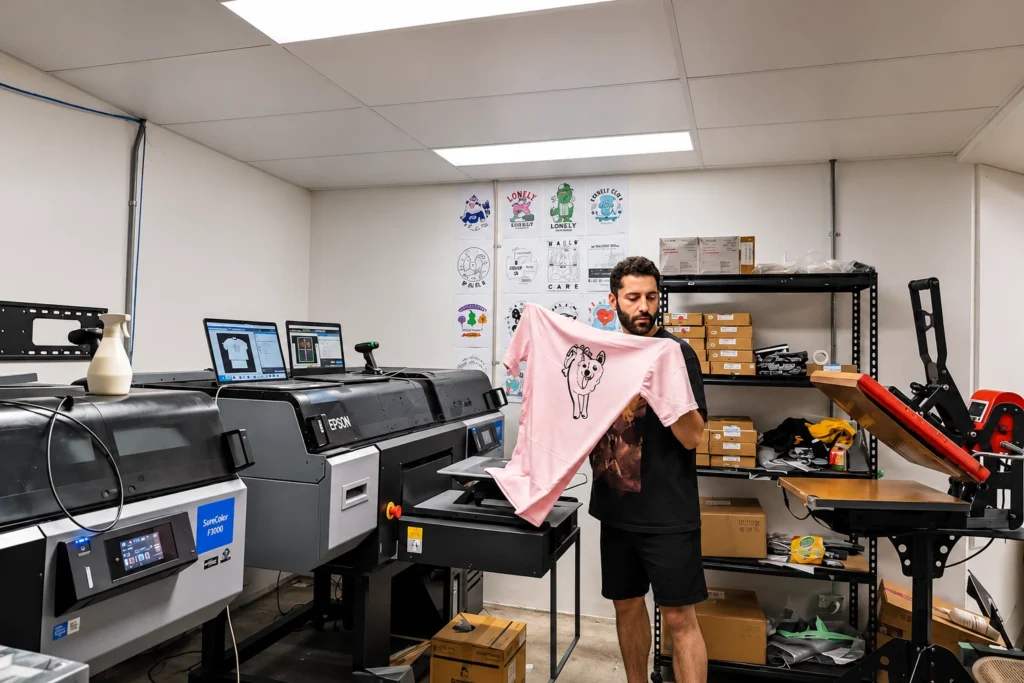
I took Tupperware containers to gigs outside the gigs to sell merch until the bouncers chased me away. I used to sneak into fashion events until I was escorted out, just trying to get my business cards out to whoever.
Warwick Levy, Founder, Lonely Kids Club
He plastered stickers around his Sydney suburb by the thousand. Five years later, someone told him they’d found the brand because one was stuck to an onion on the ground. Lonely Kids Club has since grown to more than 3,000 designs and 4,000 products, still self-funded, still run by Warwick.
Let the Community Design the Merch
A big part of the brand’s design process runs through a Facebook group called Lonely Kids Club Club, where members suggest designs the team then makes. A few times a year the brand runs LKCC Presents, an open call where the community pitches ideas and the team turns out 20 to 30 new designs inside 24 hours, often producing some of its biggest sellers.
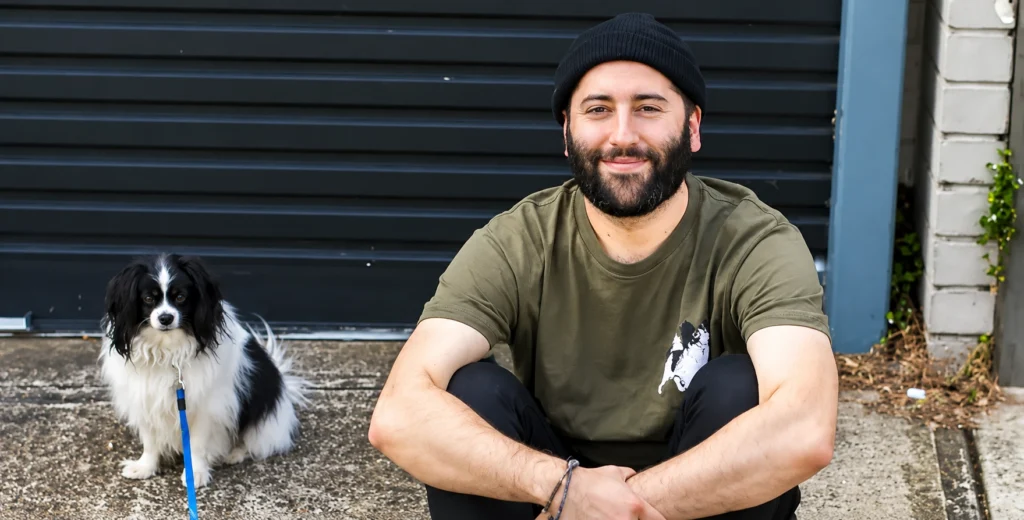
We don’t ever want to be a really polished, perfect looking brand because people aren’t perfect. I know I’m very far from perfect, and that’s just being human. We’re all just trying our best. So we don’t use any AI in any of our designs.
Warwick Levy, Founder, Lonely Kids Club
The brand leans into causes it believes in, mental health awareness chief among them, things Warwick says “wouldn’t ever fly in a more commercial setting, like in a shopping centre.” Without investors or outside rules to satisfy, that’s a risk he’s happy to keep taking.
The Viral Moment Nobody Paid For
Lonely Kids Club has never shied from political merch. A collaboration with satire outlet The Chaser produced a t-shirt naming Rupert Murdoch in less than flattering terms, the kind of product Warwick says no other clothing brand would risk putting online. It sat quietly for a couple of years. Then Grace Tame started wearing it.
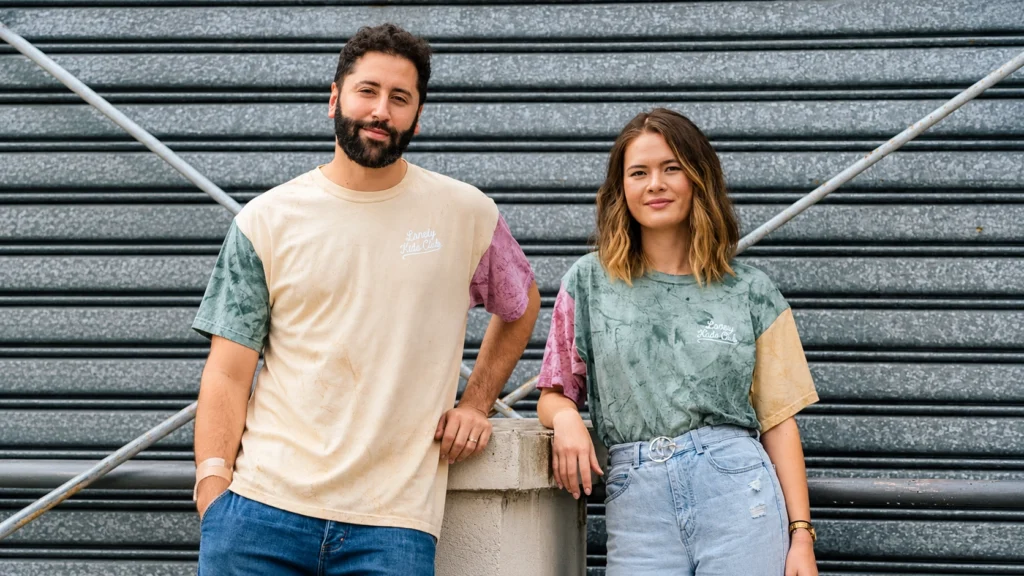
My phone was just beeping off the chain, and I looked and it had a hundred plus people on the website. We don’t usually have that, it’s normally more like fifteen or twenty. Then just suddenly, boom, hundreds and hundreds of sales, constantly, beep, beep, beep.
Warwick Levy, Founder, Lonely Kids Club
Tame bought the shirt as a regular customer, full price, no collaboration, no heads up. She wore it again next to the Prime Minister, and Anthony Albanese later referenced the shirt in an interview. Most outlets that covered the moment never named the brand behind it. Two did.
Fighting a Counterfeiter One Report at a Time
The hardest chapter this year was Temu. Sellers on the marketplace had plugged directly into Lonely Kids Club’s Shopify catalogue and were listing the entire range, more than 4,000 products, using the brand’s own photos and product names, at half the price.
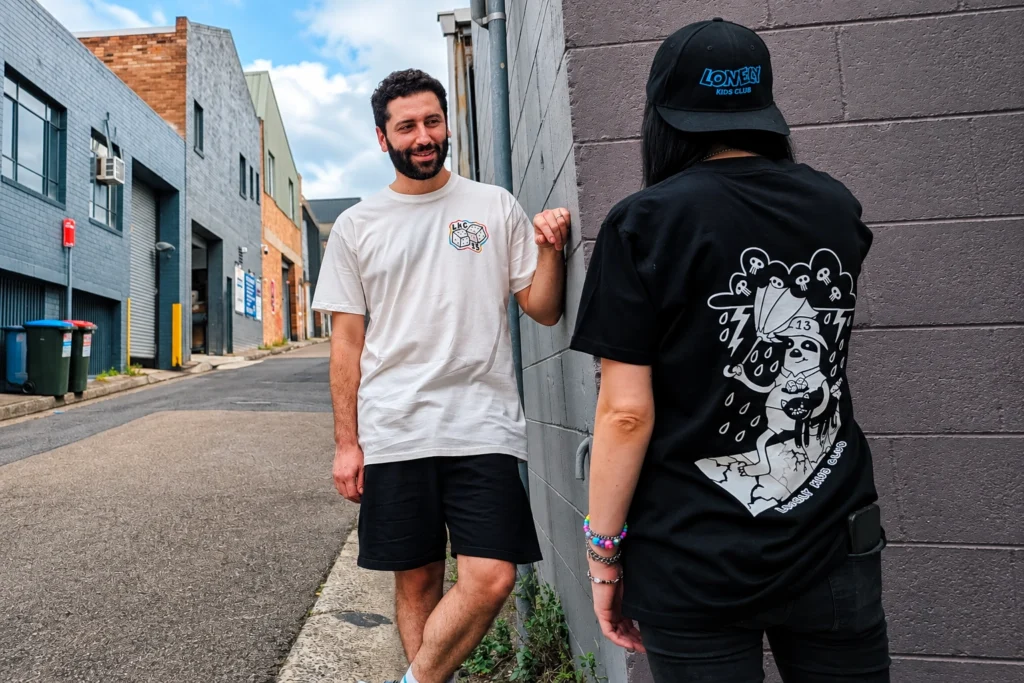
I didn’t realise the scale of the scraping. Our entire database was just on Temu, with our exact photos and our name in every product title. Collaborators started emailing asking if we were working with Temu, because their stuff was on there too, at half the price.
Warwick Levy, Founder, Lonely Kids Club
Temu has no process to stop a seller using someone else’s trademark, and puts the burden on the brand to find and report every listing through a portal designed to make that hard, five-image upload limits, forms that silently delete themselves if left open too long. What finally worked was Warwick’s Australian trademark on the Lonely Kids Club name, filed years earlier: once he cited it, thousands of listings came down overnight. He’s since built a public resource page walking other small brands through the same process. (We broke down the same fight from a few other angles in How to Make Your Brand Impossible to Copy.)
Firing the Agency and Doing SEO Himself
For years an outside agency handled the brand’s SEO. Warwick eventually discovered they’d done almost nothing for fourteen months, pointing to backlinks on sites like Medium as proof of work, when anyone can publish anything there for free.
I asked for a backlink profile and the stuff they sent through was mixed in with other clients’ things, cement and concrete companies that don’t even apply to us. I said, are you really going to sit there and tell me you’re not just stealing money? I cancelled the contract.
Warwick Levy, Founder, Lonely Kids Club
He taught himself SEO from scratch: fixing broken redirect chains, writing real content for collection pages that had none (one for frog t-shirts read only “ribbit” nine times over), doing genuine outreach instead of automated pings. Traffic has roughly doubled since.
The Takeaway
Warwick’s throughline is refusing to outsource the things that actually make the brand what it is: the designs, the community relationship, and now the marketing. Lonely Kids Club isn’t chasing growth at all costs. It’s about to raise prices rather than cut corners on ethics or quality. Fifteen years in, that’s still the whole strategy.
Frequently Asked Questions
How do you build a print-on-demand fashion brand with almost no waste? Lonely Kids Club prints garments to order using direct-to-garment printing onto OEKO-TEX certified blanks, so nothing is produced until a customer buys it. That removes dead stock entirely, and paired with home-compostable mailers and a carbon-neutral supply chain, it lets a small independent brand run sustainably at scale.
What can you do if a competitor is counterfeiting your products on a marketplace like Temu? Marketplaces like Temu place the burden on the brand owner to find and report every infringing listing individually through their portal, and have no upfront check on sellers using someone else’s trademark. Having a registered trademark on your brand name is the single most effective lever: citing it can get thousands of listings removed at once, rather than one at a time.
How do you know if your SEO agency isn’t doing the work? Ask for a real backlink profile and check it’s actually relevant to your business, not mixed in with unrelated clients. Be wary of agencies pointing to easily-published sites like Medium as evidence of outreach, and ask directly what specific actions they’ve taken in the last few months rather than accepting vague reassurances.
How do you turn your customer community into a product design engine? Lonely Kids Club runs a dedicated Facebook group where members suggest designs directly, plus periodic open-call events where the community pitches ideas and the team produces dozens of new designs within 24 hours. Some of the brand’s best-selling products have come directly out of that process.