
Locke Fitzpatrick was running a routine cross-channel audit through Triple Whale’s AI agent, Moby, comparing how much each marketing channel was really contributing across different attribution models. He wasn’t looking for anything in particular. Moby found something anyway.
The agent’s recommendation was blunt: there was probably around $100,000 of fraudulent sales coming from one of LSKD’s affiliate partners. Nobody had asked it to check for fraud, and nobody could immediately explain how it got there either.
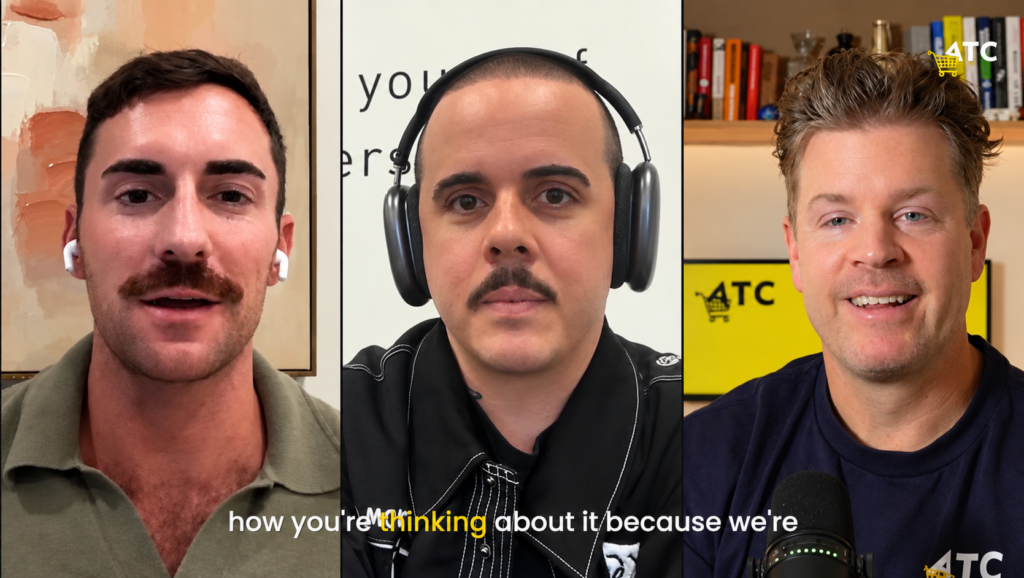
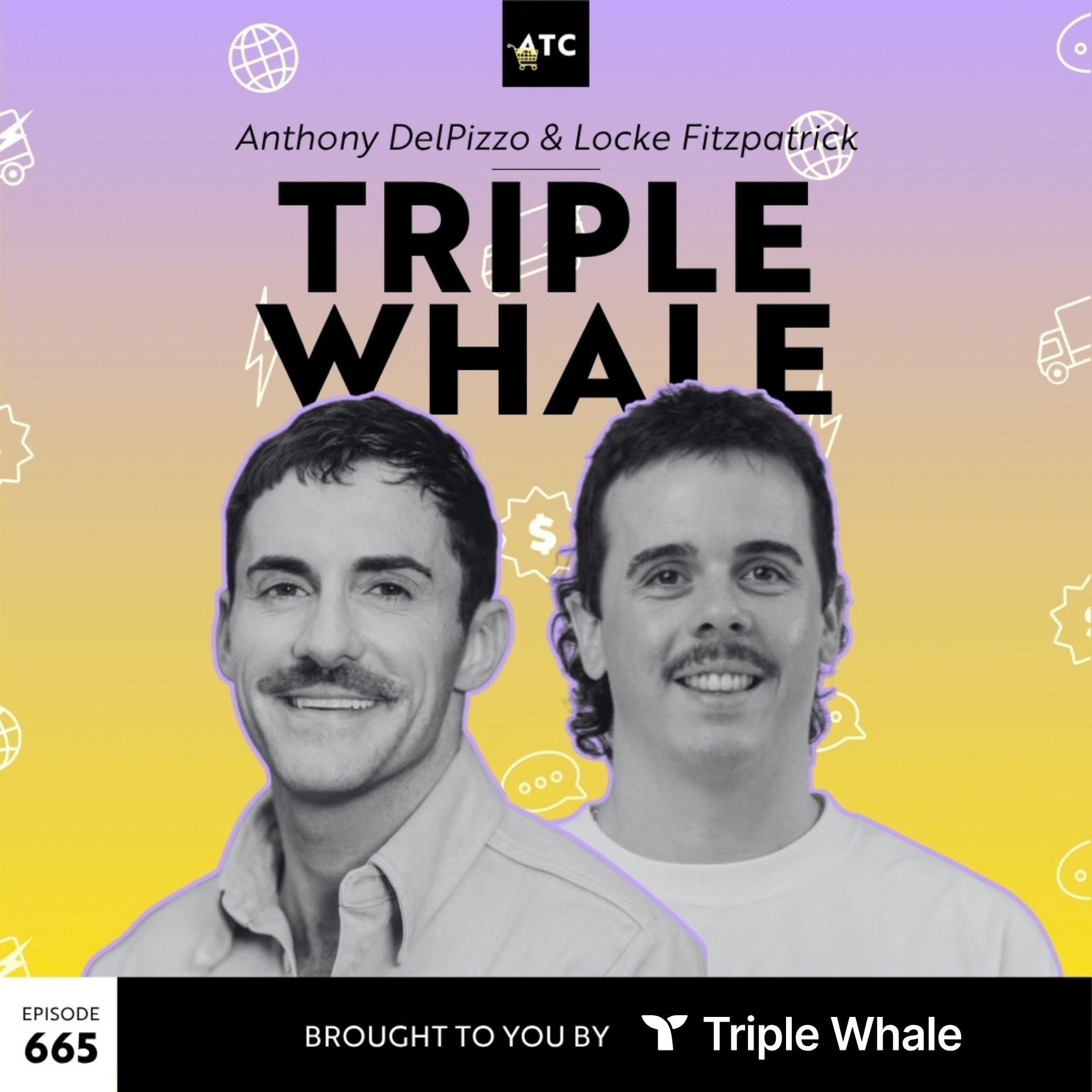
Locke Fitzpatrick is ecommerce growth manager at LSKD, the Australian activewear and streetwear brand that has spent six years scaling from Meta-only performance marketing into retail, community events and, now, the US. Anthony DelPizzo is VP of Marketing at Triple Whale, the AI operating system used by more than 65,000 ecommerce and retail brands. Together they walk through what actually changes when a business hands its data to an AI agent instead of a dashboard.
In this article, we cover three things ecommerce operators can take into their business:
- How an AI agent surfaced six-figure affiliate fraud that no dashboard had flagged
- Why trust has to be built into your data before you let AI make decisions, let alone take them
- Why LSKD treats newness, not discounting, as its primary growth lever
What Is Agentic AI for Ecommerce?
Agentic AI for ecommerce is AI that doesn’t just report on a brand’s data but acts on it, inside limits an operator sets. Triple Whale’s version is Moby, an AI harness that pulls together frontier models from providers including Anthropic and OpenAI and points them at a brand’s own attribution, analytics and media data, so operators can ask questions in plain language and, increasingly, let the system execute the answer.
DelPizzo describes the layer underneath it as a context engine, a semantic layer plus a set of benchmarks that tells the AI not just what a metric like ROAS means, but what a good ROAS looks like for a brand of that size, in that vertical, in that region. Without that context, he argues, a general AI model can give a confident answer that has nothing to do with the business asking the question.
The $100,000 Affiliate Fraud Nobody Was Looking For
Fitzpatrick had Moby running a monthly review of how each channel was performing across LSKD’s different attribution models, then asked it to explain why the numbers varied so much between them.

He came up with a recommendation at the end that just said there’s probably about 100k worth of fraudulent sales coming from your affiliate partner here and the affiliate platform. But there was no real obvious way in that it determined that.
Locke Fitzpatrick, Ecommerce Growth Manager, LSKD
LSKD’s head of technology dug into which orders the partner was claiming and traced them to a Chinese social media platform bidding on Google ads for LSKD’s own brand name, a partner effectively paying for traffic that would have converted anyway, then taking a commission on top of it. It was also claiming Australian sales through a setup that could not check out or ship outside Australia, the detail that gave it away. On a follow-up call, Fitzpatrick watched the partner generate slides in real time to answer his questions, unable to explain why sales it claimed couldn’t have physically happened.
Neither DelPizzo nor Fitzpatrick can fully explain how Moby found it. That’s close to the point. DelPizzo says the sharpest discoveries his team sees aren’t hidden in one dashboard, they sit in the gaps between systems: brand bidding disguised as demand generation, duplicate lifecycle flows, creative fatigue masked by an average that still looks healthy.
Trust the Data Before You Let AI Act on It
DelPizzo’s central argument is that businesses aren’t short of insights, they’re short of trust. Every tool tells a brand it drove the sale, and reconciling fourteen different answers is what actually eats a marketing team’s time.

It’s not just what happened, it’s what should we do next to drive growth, is what we’re hearing constantly. The future isn’t another dashboard telling you what’s happened. It’s a system telling you what you should do next.
Anthony DelPizzo, VP of Marketing, Triple Whale
For Fitzpatrick that trust took work to build. He feeds Moby LSKD’s actual budgets, targets and strategy, not just performance data, so recommendations reflect the business’s own thinking rather than chasing whichever channel shows the best last-click return. It’s also changed how LSKD reads its Google channels: a high last-click ROAS on branded search is picking up demand the brand already created elsewhere, not generating it.
Newness Is the Growth Engine, Not Discounting
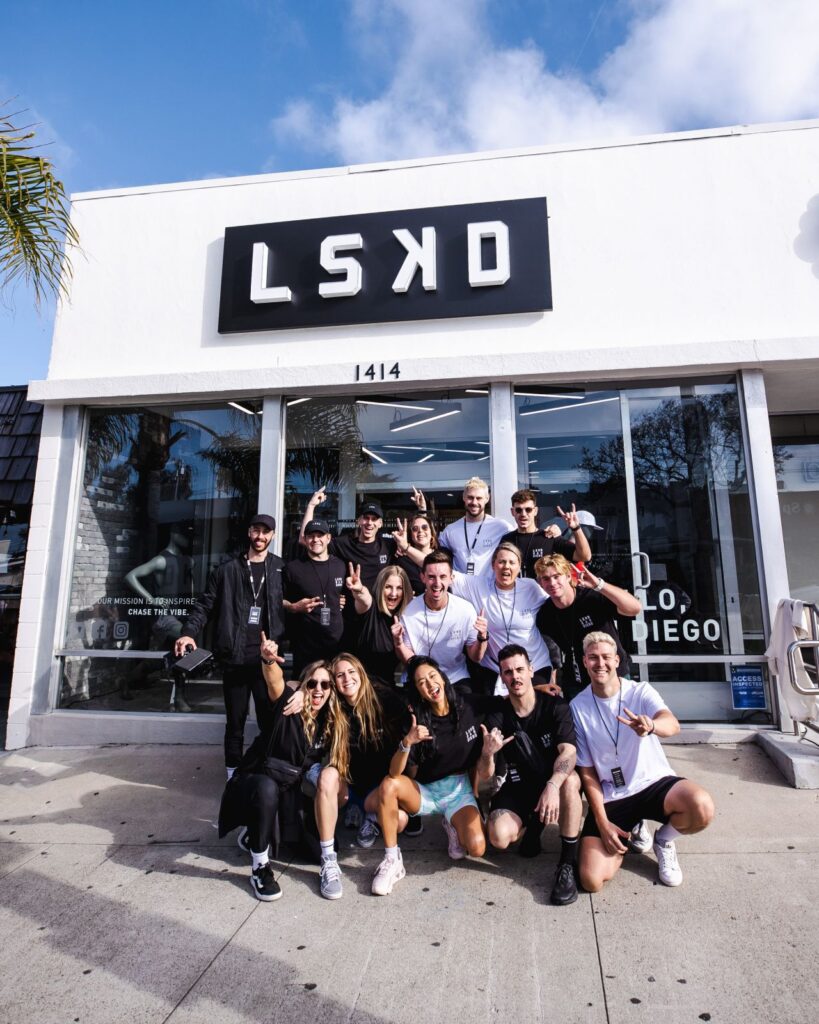
LSKD releases fifty new products and runs three drops a week, and it’s rare for a piece of creative to run longer than seven days before it’s cycled out. Fitzpatrick ranks the drivers of growth in order: price, then newness, then exclusivity, and newness is what gets the community back three times in a week.
One of the brand’s best-performing ads was a studio shot of a striped sweater with the background swapped for a tub of Neapolitan ice cream, because the colours matched. It ran for close to sixty days.
It just crushed for no reason. It looked horrible.
Locke Fitzpatrick, Ecommerce Growth Manager, LSKD
Attempts to repeat it never quite land the same way, which is why LSKD runs on roughly an 80/20 split: most of the budget on what’s proven to work, a fifth held back to test the next idea nobody can predict in advance. The same instinct carries into Black Friday, where LSKD keeps its offer locked but leaves everything else fluid. Last year the team uploaded its pricing list to Shopify forty-five minutes before going live and still did ten million dollars in the first hour, a Shopify APAC record.
The Takeaway
The fraud story and the Black Friday story point at the same thing. LSKD didn’t get faster by adding another tool. It got faster by trusting its data enough to act on what it actually says, whether that means cutting a partner or shipping a sweater photo nobody signed off on.
DelPizzo’s bet is that the businesses winning right now treat AI as a system that takes action inside guardrails they set, not a chatbot answering one question at a time. For LSKD, that system paid for itself before anyone thought to ask it to.
See it on your own numbers
If any of those three moments sound like a problem you’ve got, the quickest way to know is to look at your own data through it. Triple Whale runs demos with their team here in Australia.
Frequently Asked Questions
What is agentic AI in ecommerce? Agentic AI in ecommerce refers to AI systems that act on a brand’s data rather than only reporting it, inside limits an operator defines. Triple Whale’s Moby is an example, combining multiple frontier AI models with a brand’s own attribution and analytics data so it can recommend, and increasingly execute, decisions like pausing an underperforming campaign.
How did an AI agent uncover affiliate fraud at LSKD? LSKD’s Locke Fitzpatrick had Triple Whale’s Moby run a routine monthly audit comparing channel performance across different attribution models. Without being asked to look for fraud, it flagged around $100,000 in suspicious affiliate sales, which LSKD’s technology team traced to a partner bidding on the brand’s own name and claiming sales it could not have physically fulfilled.
What is a context engine in AI marketing tools? A context engine is a semantic layer that tells an AI model what a metric actually means for a specific business, not just its definition. Triple Whale’s version combines this with benchmark data by business size, region and vertical, so its AI agent Moby can judge whether a result is actually good rather than just report the number.
Why does LSKD prioritise newness over discounting? LSKD ranks price, then newness, then exclusivity as its main growth drivers, releasing fifty products and three drops a week so customers have a reason to return multiple times in one week. Fast-cycling creative, rarely run longer than seven days, keeps its ad account competitive, though the brand still holds back a fifth of its effort to test unproven ideas.