If you’re smart enough and brave enough to make your own product, you’re always going to run the risk of being copied. The branding, the packaging, the ingredients, the exact shade of colour, all of it can be reverse-engineered by someone with strong factory connections and no regard for IP. What can’t be copied is why your customers chose you in the first place.
Elysia Krstevski found this out four months after having her second baby. Meke Baby, the milk warmer brand she built from her own kitchen table, got copied down to the website copy and the ad creative. She started down the legal path, found it exhausting, and instead of putting more energy into fighting a faceless copycat, she put it into building something the copycat couldn’t touch.
The Jet, the Lamborghini and the Black Dress
Elysia Krstevski is founder and CEO of Meke Baby, the brand behind Australia’s first portable milk warmer. When a competitor replicated her website, product, copy and ads like for like, she messaged a high school friend and asked to borrow his jet. Within a week she’d shot a mini film to launch her Black Friday range, custom dress, Lamborghini, the lot.
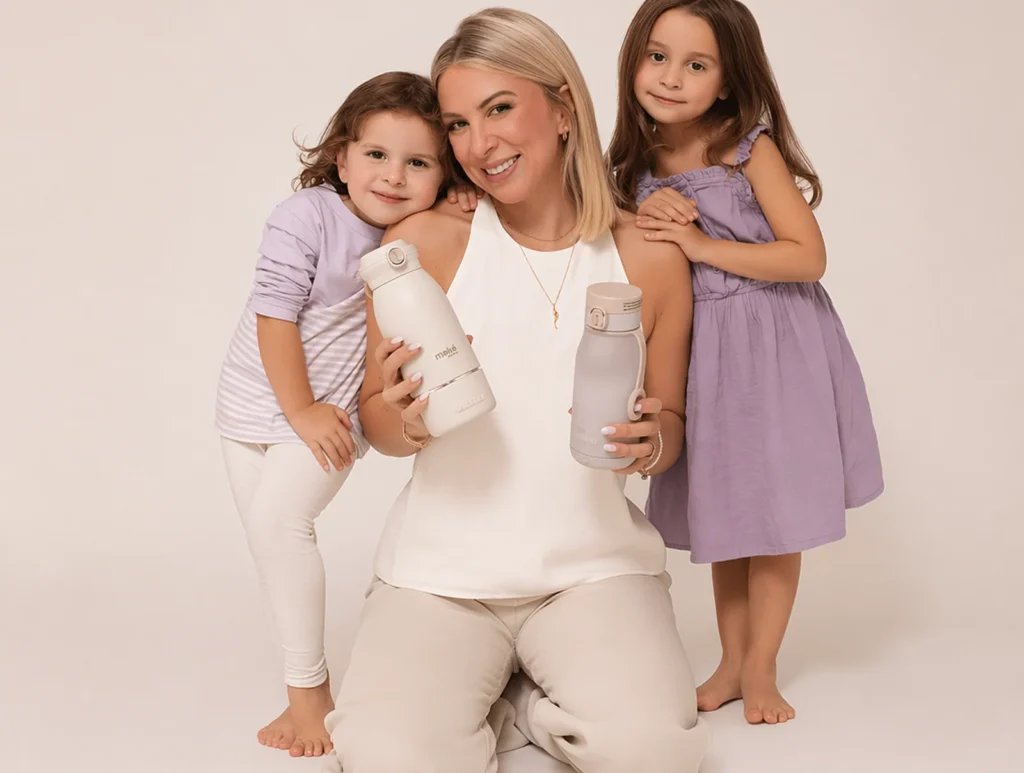
You can copy the website, you can try and copy the product, but you can’t copy my brand and the creativeness that I bring to it.
Elysia Krstevski, Founder & CEO, Meke Baby
She dropped the legal case. The competitor, as far as she knows, isn’t really around anymore. She’s relaxed about a giant like Kmart copying her for the same reason: they’d almost certainly ship a worse version, because of how much work goes into getting the performance right.
In this article, we cover three things ecommerce operators can take into their business:
- Decide what you’re actually defending, because legal protects the product, not the parts that make you distinctly you
- Compete on being wanted, not on being first, because customers don’t care who launched the idea
- Build the parts of your brand a copy can’t fake, so a copy is obviously fake the moment someone looks twice
Decide What You’re Actually Defending
The instinct when you get copied is to defend the product. You can spend on patents, design registration, legal letters, and all of that matters. But someone with less overhead and very little moral compass can easily get close enough to the product, even if it’s not an exact legal copy. Instead of thinking about protecting at a product level, think about the parts of your business that can’t be reverse engineered no matter how much someone spends trying.
Kelly Walker, who co-founded the accessory brand Klipsta, gets copied constantly, close enough that customers have returned someone else’s knockoff to her by mistake.
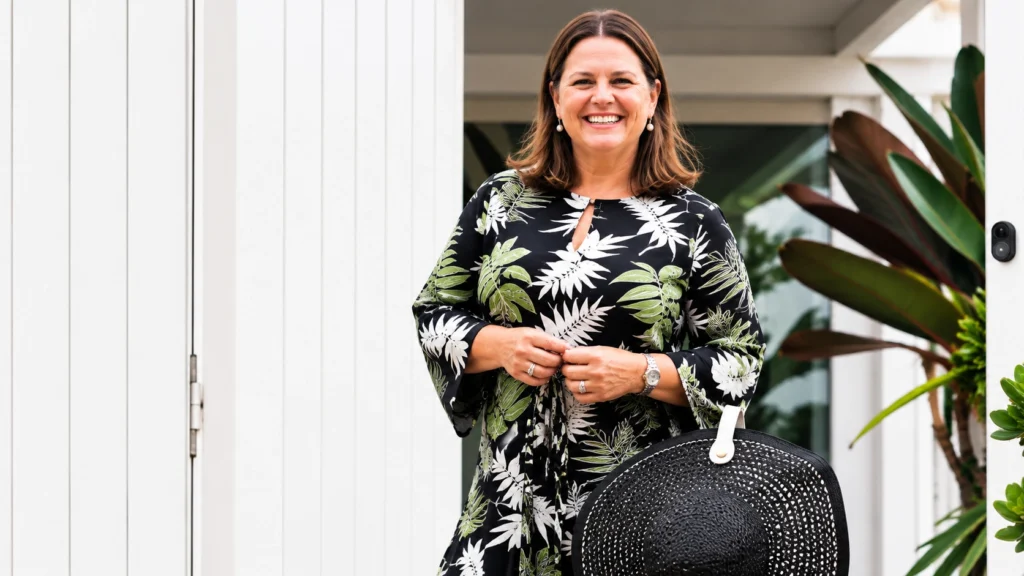
We’re building our brand because that’s something they can’t replicate, and building wholesale, because then they can’t get into the stores we’re in. We spend so much on IP, patenting and getting knockoffs taken down. But our customer, if you’re all about getting the cheapest price, you’re probably not our customer.
Kelly Walker, Co-founder, Klipsta
Her colleague Julie Benhammo has watched the confusion it causes firsthand. “We had a woman who was angry her hat clip wasn’t holding her hat. She didn’t buy it from us, she didn’t realise it wasn’t ours.” Klipsta didn’t out-legal the knockoffs; they made the premium version the only one their actual customer would consider.
Compete on Being Wanted, Not on Being First
Once you’re copied, the instinct is to prove it was your original idea. But no customer standing in front of two nearly identical products checks who launched when. What decides it is which one they actually want. Chasing “first” burns energy defending a claim customers don’t care about.
Dani Pearce, founder and CEO of the gumboot brand Merry People, started down the legal path when a competitor copied her colourways and website language. Then she dropped it entirely.
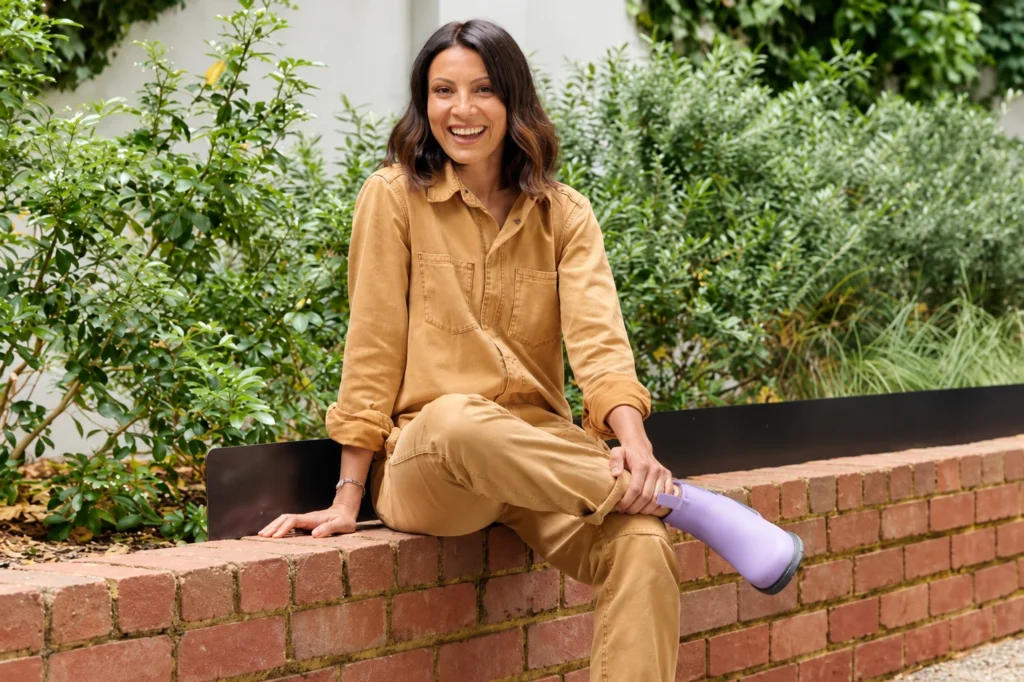
People copying our exact colourways, our exact language on the website. I used to get pretty hung up on it, started sending legal letters, but I don’t got time for that. If someone’s standing in front of product A and B, we want them to choose Merry People because we’re the better offer, not because we were first to market.
Dani Pearce, Founder & CEO, Merry People
If you’re spending time proving you were first, that’s time you’re not spending on the brand, features and mission that actually differentiate you and make a customer choose you.
Build the Parts of Your Brand a Copy Can’t Fake
Sometimes the best protection isn’t legal at all. It’s making the specific, unmistakable parts of your brand so distinct that a copy is obviously fake the moment someone looks twice.
Davie Fogarty, founder of The Oodie, draws the same conclusion Elysia does. He’s relaxed about a competitor redesigning around the general concept, and only goes after literal counterfeit, because he never saw legal protection as the main defence.

What annoys me is literal counterfeit. But if someone copies the general idea and redesigns it, and isn’t infringing our trademarked characters and logos, I’m okay with that. We don’t really have much IP, to be honest, but our characters are trademarked and registered, and that’s been a happy accident. When someone buys a fake avocado Oodie, it’s pretty obvious it’s not an Oodie. Just our characters have protected the brand.
Davie Fogarty, Founder, The Oodie
That’s exactly what Elysia’s jet and Lamborghini campaign was doing. She had to stand out in a way no faceless copycat could, by showing up, being creative and connecting with her customers. That will always stand out in a sea of sameness.
The Takeaway
The lawyers and the legal documents will always have their place, and you should rely on them when it’s warranted. But legal only protects the exact thing that got copied. It’s a game of whack-a-mole: hit one, another pops up.
If you’d rather spend your time growing your brand than defending it, understand the customers you’re fighting for and the elements that keep you instantly recognisable. Take whatever’s easiest to point to in your business right now, a hero product, a signature offer, a pricing structure, and ask whether a stranger with a factory and a decent designer could live it in three months. If the answer’s yes, you don’t have your copycat moat yet.
Frequently Asked Questions
How do you protect your brand from copycats? Legal tools like patents, design registration and trademarks matter, but they only protect the exact thing that got copied. The more durable defence is building the parts of your brand that can’t be reverse engineered: your story, your creative, your community and how instantly recognisable you are.
Is legal action the best way to stop a competitor copying you? Not on its own. Several founders, including Elysia Krstevski of Meke Baby and Dani Pearce of Merry People, started down the legal path when copied and found it exhausting relative to the payoff. Legal protection is a game of whack-a-mole; it stops one copy while another appears, so it’s worth having but rarely worth all your energy.
What makes a brand hard to copy? The things that can’t be reverse engineered: a distinctive creative approach, trademarked characters or design elements, a genuine community relationship, and a reputation built over years. Davie Fogarty of The Oodie says his trademarked characters made fakes obviously fake, and Klipsta’s Kelly Walker says her brand and wholesale relationships are what copycats can’t replicate.
Should you compete with a copycat on being first to market? No. Customers standing in front of two similar products don’t check who launched first, they choose the one they actually want. Arguing you were first burns energy that’s better spent on the product, brand and experience that make customers choose you regardless of who copied whom.