Annabel Gray is Vice President APAC at Silverbean, a specialist affiliate and partnership marketing agency. She’s spent close to fifteen years watching affiliate absorb one platform shift after another, and her read on this one is blunt: affiliate is turning into the discovery layer of ecommerce, because a large share of what large language models recommend is pulled from third-party content rather than a brand’s own site.
We covered a lot, from why she gives away free LLM audit prompts to what’s coming with TikTok Shop. Here’s what stuck.
In this article, we cover three things ecommerce operators can take into their business:
- Affiliate has moved well past cashback and coupons into content commerce, comparison feeds, brand-to-brand partnerships and performance influencers
- AI search is collapsing the middle of the funnel, and a new pay-per-influence measurement model is being tested to fix attribution for content that gets cited but never clicked
- Most damage to an affiliate program comes from poor visibility, not bad partners, so an audit needs to check behavioural spikes, brand bidding and what third-party networks are really doing
Sponsored by Silverbean
Free Affiliate Competitor Landscape Analysis
See how you stack up against the competition.
Get your free analysis →What Is Pay-Per-Influence in Affiliate Marketing?
Pay-per-influence is an emerging affiliate measurement model that pays a publisher for citations and recommendations that shape a sale, not only the last click before checkout. Gray says a handful of networks are already testing versions of it, and early results are stark. At one industry session, a partner’s technology showed eleven influenced sales for every one sale standard tracking had detected from a single piece of content.
“If you don’t have that visibility, what it means is you’re then not investing in content, you’re investing elsewhere, and then you’re losing that demand generation piece,” Gray said. Results from the pay-per-influence tests some networks are running are expected in market early next year.
Affiliate Has Outgrown Cashback and Coupons
Silverbean’s own numbers make the case for treating affiliate as more than a bolt-on. Its published Modibodi case study shows that over ten months, moving the brand from a blanket commission structure to a tiered model, cutting coupon discounting from 20% back to 5 to 10%, and expanding content and ambassador partnerships lifted revenue 298% and transactions 235%, while cost per acquisition fell 34%.
Gray still rates coupon and cashback partners as core to a program, but only the ones adding real value. “Whichever partner you’re working with, however they promote their audience, they need to add value and add something in there that sort of justifies them getting a commission for it,” she said. Sites running expired codes behind a “click here to reveal” wall are the ones she tells brands to cut.
The bigger growth is in partner types most programs still underuse: social communities, niche content publishers, brand-to-brand deals and influencers blending brand and performance budgets. Gray pointed to a budget-conscious mum brand that briefed a private Facebook deals group with no prior affiliate experience. Its first campaign post outperformed Shopback, a result strong enough that the client rolled the playbook out to other regions.
Third-party networks matter too. Services like Skim Links sweep a publisher’s existing brand mentions into tracked affiliate links, removing the admin that stops small creators bothering with affiliate at all. Gray’s warning is that a program only sees the network’s name in reporting, not the sites underneath it, so a brand can end up paying a content-partner commission on sales the network is actually sourcing mostly from coupon sites. Regular checks of referring domains are the only way to catch it.
The Funnel Is Collapsing, and Brand Claims Now Need Third-Party Proof
Customer journeys were already non-linear before AI search arrived. Gray argues the middle of the funnel is now disappearing outright. “The funnel is just collapsing in the middle,” she said. “Customer journeys aren’t linear, they’re very fragmented, and when LLMs use content to surface recommendations but there’s no click, it makes it harder to attribute that back to an individual.”
Her own analysis of Google’s shift, published in a recent Hello Partner column, cites search referrals down 33% year on year, position-one click-through falling from 27% to 11% on queries where AI features appear, and 83% of searches with an AI Overview ending without any click at all. Only 14% of consumers currently trust AI enough to let it place an order on their behalf, which is the gap keeping affiliate relevant for now.
That shift changes where brand storytelling happens.
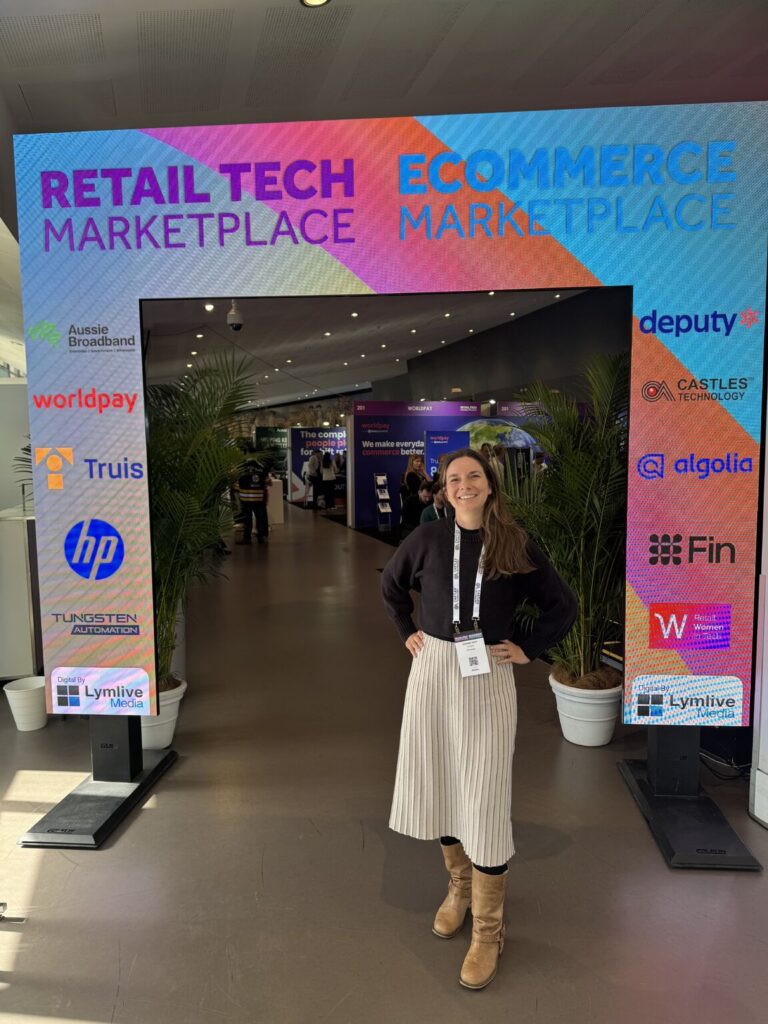
A brand can’t just say something, it needs to be verified by third-party sites. Whatever story you tell has to be true, because it’s been stress tested.
- Annabel Gray, Vice President APAC, Silverbean
She pointed to a mattress brand that found a single independent chiropractor’s content ranking highest for its target search terms, with no existing affiliate relationship in place. Moving early to lock in an exclusive rate before a competitor spots the same gap is, in her view, the model brands should be running for any content partner AI search keeps citing.
What to Fix Before Chasing the Next Channel
Gray built and shared a free set of LLM audit prompts with the Add To Cart community in August, so brands could check their own program before paying an agency to do it. The four prompts cover a review of the top 20 partners by average order value, click-to-convert and coupon usage against ad spend; a check of referring domains and behavioural flags across third-party networks; a review of what commission increases are actually buying; and a competitor CPA comparison.
Her reasoning for giving that away as a specialist agency is direct: bad experiences with the channel put brands off it for good, and that hurts every legitimate partner in the space. The behavioural checks she runs manually cover the same ground. A partner whose sales suddenly spike with no explanation gets a query, and one that cannot account for the jump gets flagged for review. Brand bidding, where a partner bids on a brand’s own name plus “discount code” to intercept traffic that would have converted anyway, gets checked against program terms, along with browser extensions and other injection tactics appearing at checkout.
None of it replaces judgment. Gray deliberately left incrementality out of her public prompts, because deciding whether a spike is actually adding sales takes years of pattern recognition a template cannot safely automate.
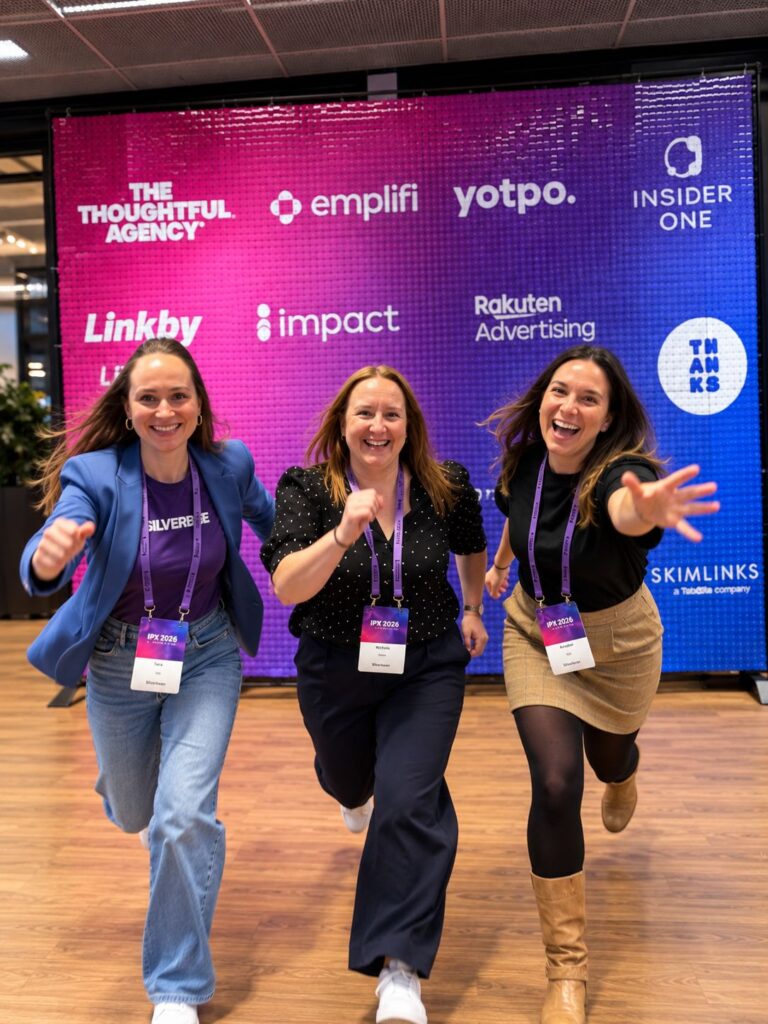
They then come up with an assumption that may not be right. And that’s got our name next to it.
- Annabel Gray, Vice President APAC, Silverbean
With TikTok Shop expected to launch in Australia in 2026, Gray’s advice for brands preparing to sell through social affiliate links is the same discipline applied earlier: get the technology, creator agreements and commission structure ready before the channel opens, run a short high-commission launch window to get creators publishing fast, and have a plan to amplify that content through the brand’s own channels once it exists.
The Takeaway
Most affiliate programs are not underperforming because of bad partners. They are underperforming because nobody has visibility into what is actually driving results, so budget keeps flowing to whatever is easiest to measure instead of what is actually working. Gray’s advice is to look before adding another partner type.
Frequently Asked Questions
What is affiliate marketing in ecommerce today? Affiliate marketing now covers far more than cashback and coupon sites. It includes content commerce, comparison feeds, brand-to-brand partnerships and performance-based influencer deals, anyone who can refer traffic or sales and be tracked doing it, according to Silverbean’s Annabel Gray.
How is AI search changing affiliate attribution? AI Overviews and LLMs often recommend brands using third-party content but generate no click back to the source. This breaks last-click tracking and is driving new pay-per-influence models that try to credit publishers for influencing a sale even without a direct referral click.
What is pay-per-influence in affiliate marketing? Pay-per-influence is a tracking model some affiliate networks are testing that credits publishers for content that shapes a purchase decision, not only the last click before checkout. Early tests found some content pieces influenced eleven times more sales than standard last-click tracking detected.
What should a brand check when auditing its affiliate program? Key checks include sudden unexplained performance spikes from a partner, brand bidding on the company’s own name and discount codes, and what individual sites are actually inside a third-party network’s reported commissions, since networks often mask which underlying partners are driving sales.