Most ecommerce stories are about brands people love to show off. This one isn’t. Norm Douglas is CEO of Conni, Australia’s leading brand of reusable incontinence and bedwetting products, and his own website leads with the line “we’re passionate about pee and poo.” He’s spent 25 years in retail, umpires senior football on weekends, plays guitar, and runs a privately owned, profitable business in one of the most stigmatised categories going.
His signature line sums up the challenge: Conni sells the product that most people wish they didn’t have to buy. Here’s what we took from a genuinely fascinating conversation.
Sell With Dignity, Not Innuendo
Incontinence is normal, roughly one in five people experience it, yet it’s a category buyers are embarrassed to touch. Norm’s whole approach is to normalise it by talking about it plainly.
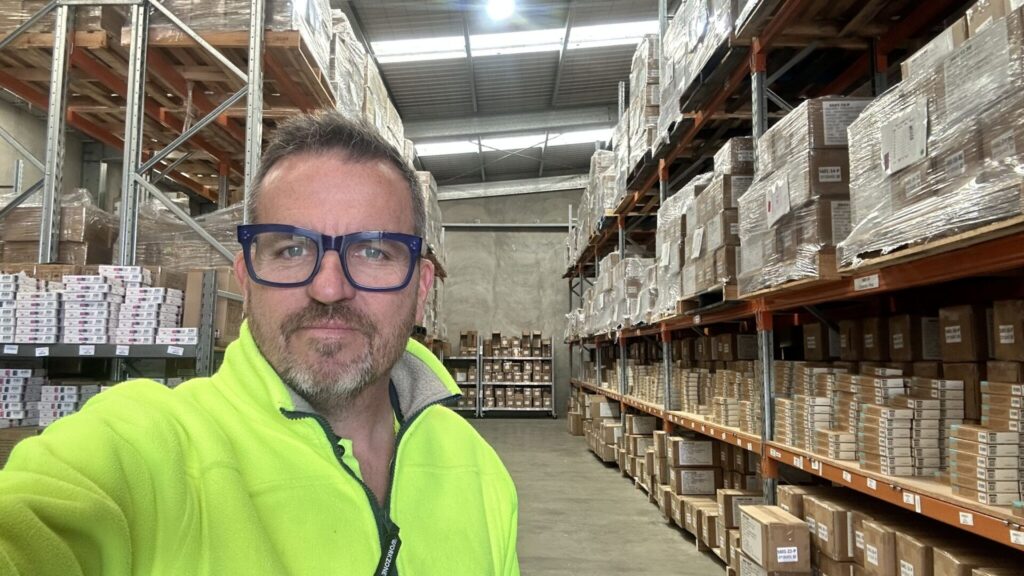
We sell the product that most people wish they didn’t have to buy.
- Norm Douglas, CEO, Conni
The stigma is real and it shows up everywhere. Some retailers physically hide the products around a corner rather than on display. Google has flagged Conni’s ads as nudity and limited their reach, so the brand doesn’t show faces, just torsos in underwear. And customers sometimes message telling them to stay out of their feed, offended at being targeted. Norm’s answer is to refuse innuendo and use normal language, positioning Conni as what he calls the Mrs Doubtfire of the industry: never sexy, but warm, honest, reliable and there when you need it. As he puts it, people are often born incontinent, often die incontinent, and somewhere in between they leak when they don’t expect to. It’s just a normal part of life.
Build for the Customer Who Needed You Four Weeks Ago
The buying journey in this category is unlike fashion or beauty. Nobody wakes up planning to research incontinence products. The need arrives, sometimes gradually, sometimes overnight, and by the time someone decides to buy, they probably needed the product a month earlier.
That shapes Conni’s marketing into two very different plays. For new mothers, a huge part of the business, it’s education and push: most new parents don’t even know a highly absorbent, reusable, washable bed pad exists, and Norm treats that as the industry’s failure to fix. For the person hit with a sudden change, it’s about being right there the moment they start searching. It’s why Conni was early to systematic Google Shopping ads, and why email is still its best-performing channel. Lifetime value takes on a new meaning when some customers only need you once or twice, so being trusted and present at the point of need matters more than chasing repeat purchases.
Own Your Data, and Build the System Before You Need It
Norm has been building websites since 1997, and he’s made a deliberate choice to stay on a custom OpenCart build rather than move to Shopify, even saying so knowing Shopify sponsors the show. His reason is simple: control of his data.
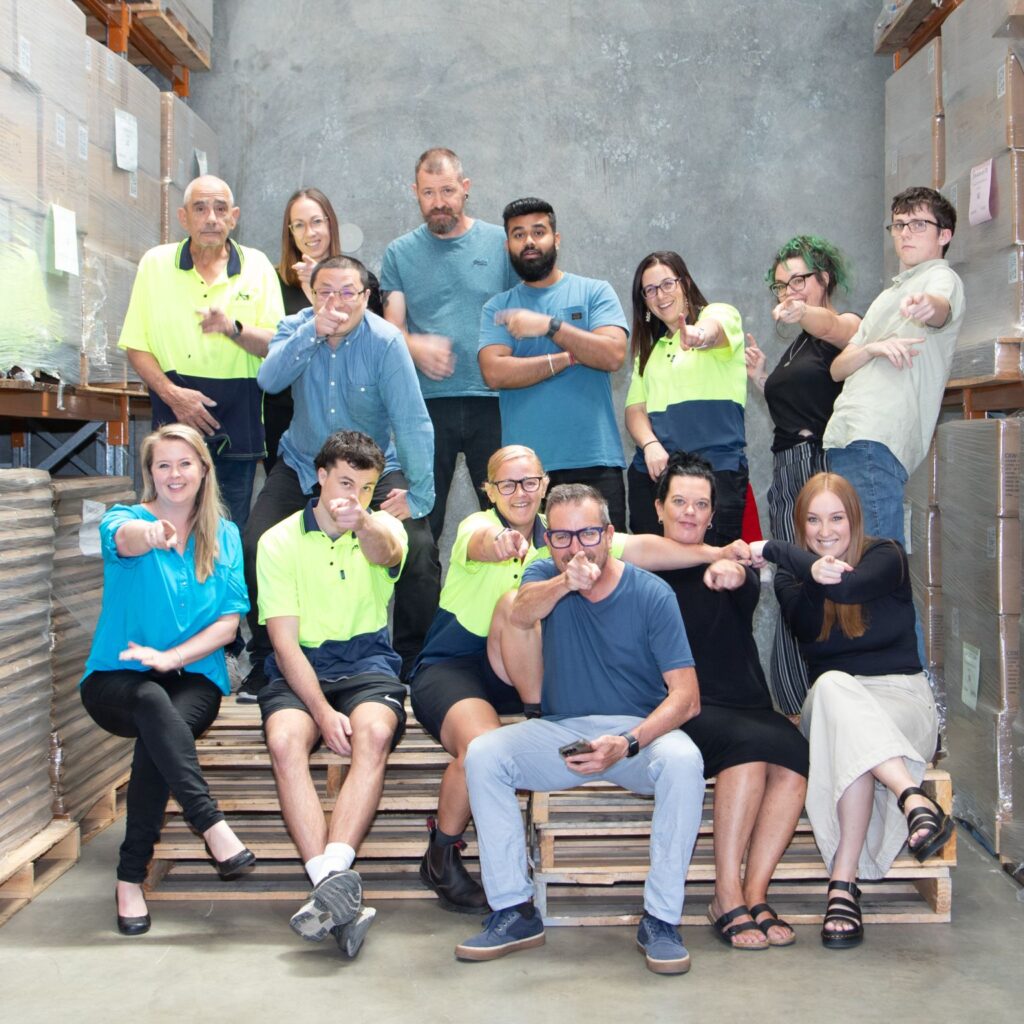
I like to have control over my data.
- Norm Douglas, CEO, Conni
He’s clear he doesn’t like technology for technology’s sake, it should solve a problem. Conni’s website is just the front end of a much bigger custom data engine that pulls everything back to one source of truth, with off-the-shelf tools like Unleashed and Starshipit plugged in to do specific jobs while the data flows back to the centre. He calls it a spaghetti breakfast, and admits he’s sometimes tempted to join the masses, but the payoff is a business system rather than a website he has to swap in and out. His guiding philosophy is to build the technology before you actually need it, so you grow into it and learn the problems cheaply, rather than being quoted hundreds of thousands for a system when you’re suddenly desperate.
Fix the Data Yourself, Don’t Blame the Customer
Because Conni sells across so many channels, DTC, small and large B2B, big grocery, distributors overseas and NDIS, incoming order data is messy and inconsistent. Norm’s rule is that if a customer has already filled in the data, his team should never have to touch it.
For wholesale orders that arrive as PDFs, Conni digitises them on the way in and runs a traffic-light system: green means everything matches (SKU, price, totals, stock) and it’s one click to fulfil, amber means something’s slightly off, and red means a human has to step in. Layered over the top is what used to be fuzzy logic and is now AI, guessing what a customer actually meant when a SKU is wrong, and it’s been running well for about five years. The mindset shift is the real lesson. Norm used to think customers should get their data right; now he says if a customer ordered the wrong thing, it’s probably Conni’s fault, so decipher it in the back end rather than disrupting the customer. One major distributor always orders by the carton when they mean a single unit, so rather than argue, Conni just changed its systems to match them.
Range Breadth as a Growth Strategy
Conni built its name on reusable products, so moving into disposables was a genuine internal decision, and a bit of a thing in the industry. But Norm’s logic is that people have different needs: some need disposable, some reusable, some both, so breadth of range is a deliberate growth lever.
That said, he’s equally clear that you don’t change what works. One of Conni’s top sellers is still a pair of comfortable beige absorbent underwear, and the SKU hasn’t changed in over 20 years, which also makes forecasting easier. There’s a new customer born every day, so selling hundreds last month doesn’t mean there aren’t hundreds of new customers this month. The trick is knowing which products should stay constant and which parts of the range need to keep adapting.
The Takeaway
Conni is proof that an unglamorous, purpose-driven business can win by doing the fundamentals with real conviction. Sell a hard category with dignity and plain language, own your data and build systems ahead of need, absorb the messiness for your customers instead of pushing it back onto them, and know which products to leave alone. Norm’s parting reminder, after losing his founder Glennis to cancer at 67, is that the business matters enormously but it isn’t his whole life. People wake up one day with a serious situation, they buy a product, and it helps them. That’s the point.
Frequently Asked Questions
How do you market a product people are embarrassed to buy? By normalising it with plain, matter-of-fact language rather than innuendo. Conni positions itself as warm, honest and reliable rather than sexy, refuses euphemisms, and focuses on being present and trusted at the exact moment someone needs the product. It also navigates real constraints, like ad platforms flagging its imagery, by showing torsos rather than faces.
Why does Conni use a custom website instead of Shopify? Control of data. CEO Norm Douglas, who has built websites since 1997, runs a custom OpenCart build as the front end of a larger custom data engine that acts as a single source of truth, with tools like Unleashed and Starshipit plugged in for specific functions. His philosophy is that technology should solve a problem, and that owning your data is worth the added complexity.
How does Conni handle messy wholesale order data? It digitises incoming PDF orders and runs a traffic-light system: green for orders where everything matches, amber for minor discrepancies, and red for orders needing human intervention. AI (previously “fuzzy logic”) guesses what a customer meant when a SKU is wrong. The principle is to fix the data internally rather than forcing customers to get it perfect.
What’s the customer journey for incontinence products? Unlike fashion, nobody plans the purchase; the need arrives suddenly or gradually, and customers often buy weeks after they first needed the product. Conni runs two strategies: education and awareness for audiences like new mothers who may not know reusable products exist, and high-intent search presence for people who need a solution urgently.