Most ecommerce teams have had a go at making ads with AI, and a good number have stopped. The output didn’t look like their brand. And the moment they fixed one thing, three other things moved with it.
Three things are yours to control before the tool generates anything. The material you give it. How much you let it do on its own. And how clearly you’ve defined your brand.
What Is AI Slop in Ecommerce Advertising?
AI slop is generic, off-brand creative made by an AI tool that has no real context about the brand. The product looks slightly wrong, the style drifts, and small edits break the rest of the ad. It usually comes from missing inputs and missing rules, not a weak model.
An Ad You’re Willing to Publish
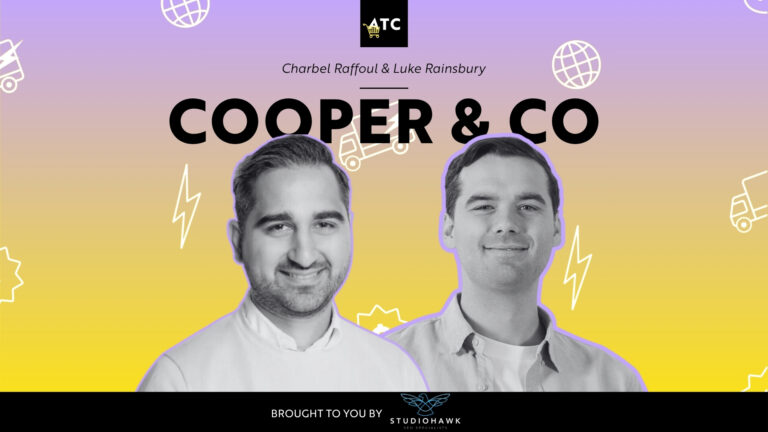
Sam Kroonenburg and his brother built A Cloud Guru from their bedrooms and sold it for just over $2 billion. Now he runs Cuttable, an AI ad platform with ad-by-ad data on more than $320 million of Meta spend. Before building it, his team sat down with 50 to 70 businesses. The same problem kept coming up.
Brands had Drives full of shoot assets they couldn’t afford to recut, and AI tools that generated new content with the product wrong. Ask for a different shade of blue and the guy suddenly has a hat. So Cuttable builds ads in editable layers, rendered by a separate non-AI system.

What’s valuable to our customer is not a generated ad. It’s an ad they’re willing to publish. You need to build trust, and you build trust by showing results and giving people control over the process.
In this article, we cover three things ecommerce teams can take into their business:
- Your existing shoot library is the best input you can give an AI tool, so keep feeding it
- Write down your decision rules before you give an AI tool more autonomy
- Only a person can define what on brand means, so put it in writing
Start With What You Already Own, and Keep Feeding It
Before you brief anything, look at what’s in your Drive. A campaign might put four hero images live out of 400 you paid for. The other 396 are already on brand, approved and paid for. That makes them the best raw material an AI tool can get.
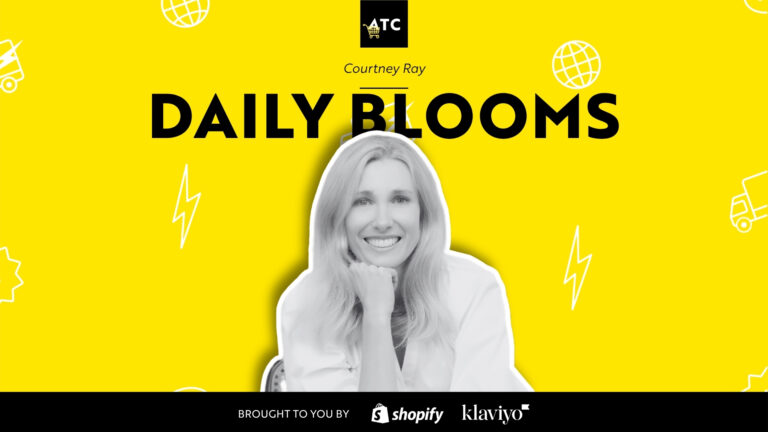
And keep feeding it, so the library never goes stale. Sam Moore bought PYRA back from Culture Kings, and as a graphic designer by trade he treats content as infrastructure.

Some of our OG ads are like iPhone tent ads by a guy standing by a river that’s been running for two years and it’s like our best top of funnel worldwide ad.
On a proper shoot Sam has a video crew, and he’s also on his iPhone getting every angle. If you don’t have a library like that, build the capture into your shoots now.
Write the Rules Before You Hand Over the Keys
Next is how much the tool does on its own. Treat it as a ladder, not a switch. At the bottom the tool recommends and a person decides. In the middle it drafts and a person approves. At the top it runs itself.
You climb it by writing down the decisions you already make. A creative testing matrix helps: one variable at a time, four to six variants, a metric for each stage. Zach Rego from Triple Whale shared how True Classic does it.
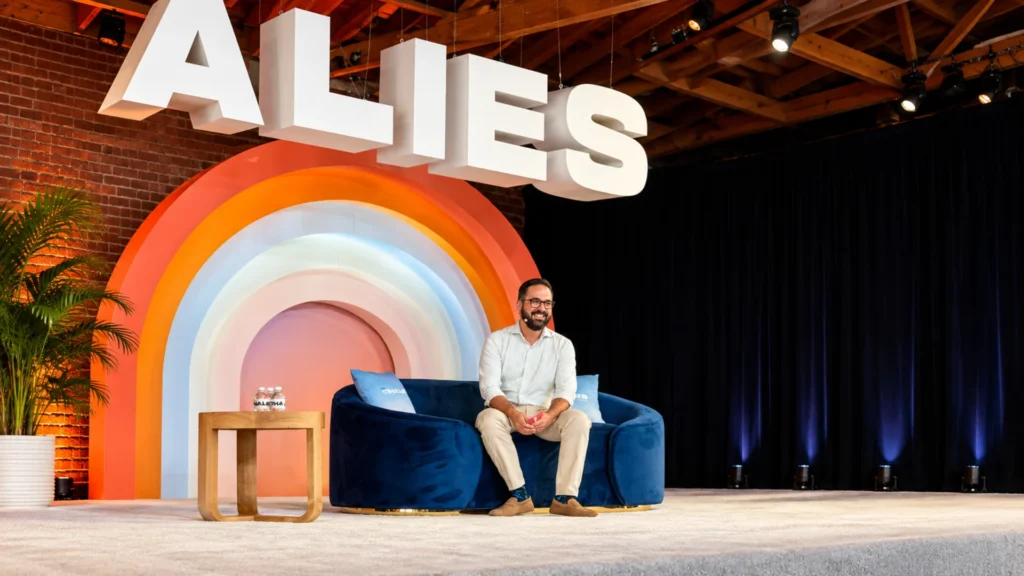
Their entire Meta budget is managed by Moby. No human in the loop, just Moby. Now, we’ve got guardrails, and they put in a markdown file that’s ten pages long of every decisioning process that they would make.
Notice the order. True Classic wrote the ten pages of decision logic first. The autonomy came second, and it came from their own expertise rather than the tool’s.
Only a Human Can Decide What On Brand Means
These systems don’t invent your brand. They learn it. If nobody in your business can write down what on brand means, the tool fills the gap with an average of everything it has seen. That’s where slop comes from.
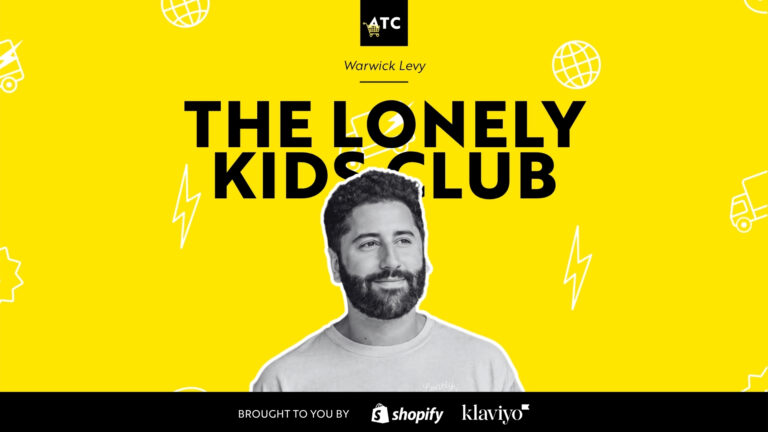
So write it down, and skip the 50-page brand book nobody opens. Cover what you always do, what you never do, the colours, the tone, and the claims you will and won’t make. Kate Casey, co-founder of The Memo, built a document the business still runs on.

It’s the blood that runs through the veins of the company, is our yardstick to help us make any decision. Should we work with this influencer? Let’s look at the DNA. Should we hire this person? Let’s go back to the DNA.
Plenty of brands have one in a folder somewhere. The test is whether it gets used when decisions are made, especially when AI is making them.
The Takeaway
No tool turns up already knowing who you are. Before you blame the model, check what you gave it, what rules you wrote, and whether your brand is defined well enough for a machine to stick to it.
Frequently Asked Questions
Why do AI ad tools produce off-brand creative? Usually because the tool has no real context about the brand. It hasn’t been given approved assets, written brand rules or examples of what good looks like. Without those, it falls back to an average of everything it has seen, which is why the output looks generic or gets the product wrong.
How do Australian ecommerce brands use existing photos and video with AI ad tools? Start by auditing your shoot library. Most campaigns use a handful of images out of hundreds paid for. Those unused assets are already on brand and approved, so they make better AI inputs than newly generated content. Keep adding to the library by capturing extra footage at every shoot.
How much should you let AI run your Meta ads on its own? Treat it as a ladder, not a switch. Start with AI recommending and a person deciding, then AI drafting with human approval, and only then full autonomy. True Classic runs its Meta budget through Triple Whale’s Moby, guided by a ten-page file of its own decision rules.
What should go in a brand guide for AI tools? Keep it practical. Cover what you always do, what you never do, your colours, your tone, and the claims you will and won’t make. Write it so a tool, a new starter or an agency wouldn’t have to guess, and make sure people use it when decisions are made.