Karen Lawson: And I think for any brand around E commerce it's finding that product where there isn't just product like but there's product joy. It was the only Australian that point in time to go globally number one on Spotify, which is just a remarkable achievement. But that was also because you know there was a team here that really believed in her and enabled her music to get out to so many millions around the world. It's always for me felt that the these David and Goliath style battles, what if they could sit down in the middle of that arena and have a cup of tea? You know what you could achieve. Welcome to Add to Cart, Australia's leading
[Voiceover]: e commerce podcast that express delivers all
Karen Lawson: you need to know in the fast
[Voiceover]: moving world of online retail.
Karen Lawson: Here's your host, Bushy.
Nathan Bush: Welcome to another episode of Add to Cart. I'm Bushie and I'm joining you from the land of the terrible people otherwise known as Brisbane, Australia on Add to Cart. We welcome everyone to share and listen to E commerce stories. The more diverse the better. I want to especially welcome the traditional owners and the original storytellers of the land that we are on, our indigenous and Torres Strait Islander listeners to join us in our E commerce conversations and our community. Yes, I know this is an E commerce podcast but I am continually surprised by some of the twists and the turns the that take place in our conversations that often have nothing to do with E commerce and they're fascinating. Take for instance today's guest. Despite being the CEO of a sustainable homewares brand, we hear how she helped launch the career of Tones and I amongst other musicians.
[Voiceover]: It's pretty wild right?
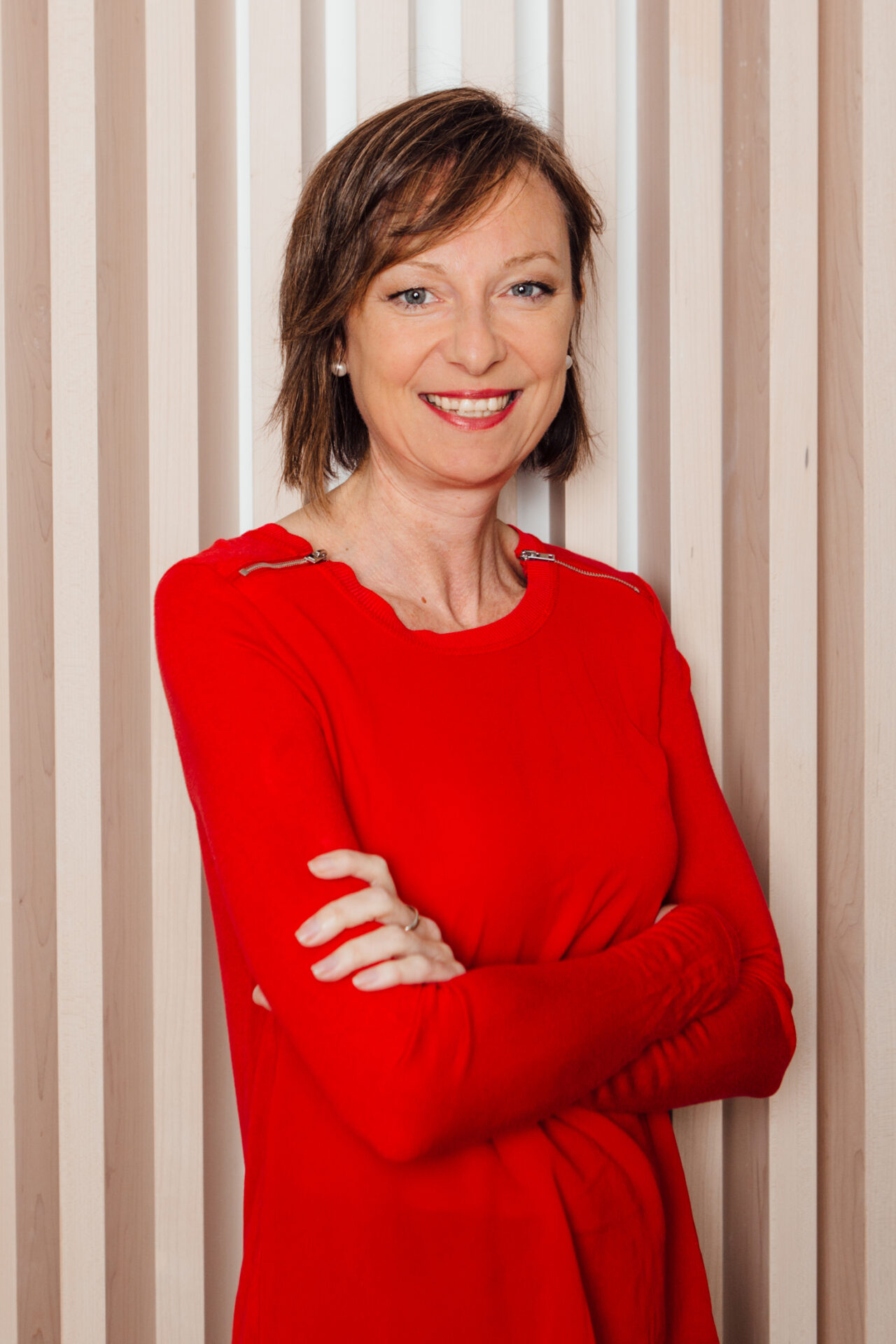
Nathan Bush: Karen Lawson is the award winning business executive and leader in the digital technology and startup industry and currently is the CEO of Earthwise home care brand Non Tree. That's N o N T R e now. Previously Karen launched and led Peloton Australia in the middle of a pandemic.
[Voiceover]: What a story.
Nathan Bush: And prior to that was the MD of Spotify Australia New Zealand. Today we tap into all of the incredible experience Karen has amassed over the years. She shares how to turn product like into product joy. She gives us her take on how to successfully move into various different international markets and we get some tales from her time at leading two of the most impactful companies in the world. We are so lucky to have Karen on with that kind of experience. Karen has also given you the chance to try Non Trees products which I
[Voiceover]: think you might want to do after
Nathan Bush: listening to her speak about them so passionately. She has a 15% off discount. So stay until the end for that code. Before we jump into today's episode, I have a very special announcement. For the first time, we are having an Add to Cart E Commerce social event starting off in brisbane on Thursday 21st March. So if you are into E commerce and you are in Brisbane, we would love to see you there. We have some surprises up our sleeve that include a soapbox and new e commerce ideas. Tickets are now available. They are $20 each with $10 of every ticket going to our friends at Thread together. We'd love to see you there. Come along, catch up with some old friends, meet some new ones and maybe
[Voiceover]: even if you're up for it, jump on the soapbox. So that's it.
Nathan Bush: Brisbane, 21st of March. BrewDog in the Fortitude Valley, Sydney, Melbourne.
[Voiceover]: If this goes well, we'll be coming for you next.
Nathan Bush: Head on over to the add to cart LinkedIn page to get your tickets. And one last thing, we are very excited to bring on our new gold partner, Deliver in Person for the very first time. Over the coming weeks, you are going to hear a lot more about the exciting things that this team have going on and changing the last mile delivery experience. So thanks to Deliver in Person and Shopify, here's our conversation with Karen Lawson, CEO of Nontrin.
[Voiceover]: Welcome to Add to Cart.
Karen Lawson: Thank you. Really happy to be here.
Nathan Bush: I was going to comment on your decor.
[Voiceover]: You've got Gorn surfing in the background here. I'm assuming you're on holidays.
Karen Lawson: I am on holiday, yeah. I've come down to this beautiful little cottage, it's called Sandon Beach Cottage down in Blae. And it's got an amazing garden if you've got dogs and a skate park if you've got kids. So, yeah, we've had a lovely time. So today is the last day, sadly.
[Voiceover]: Oh, and you're spending it with me, so thank you.
Karen Lawson: There you go.
[Voiceover]: We are here to talk about so much of your career so far. We first met when I was at Super Retail Group, so almost a decade ago now and you were heading up the Slingshot accelerator and I really loved it as a concept that really appealed to me. But more so than that, I really loved your energy for new innovation and new ideas and your career as we'll get to, has taken so many turns since we had that original meeting. How do you decide where to invest your energy?
Karen Lawson: Well, I think probably for me it's always been about open doors. I've always been interested in learning new things, so I'VE never really been that leader that's always been in SaaS or maybe even always been in commerce. I've just really been interested in learning new sectors, new environments, new businesses even. I've been in lots of different types of structures from startups and scale ups and joint ventures through to international businesses. So I think that sense of curiosity is probably what keeps me going. It's like even this latest business, I mean at the moment, which is called Nontreat, which I'm sure we get to talk about again, has brought me into contact with new environments that haven't come across before. So we're all learning about E commerce and digital in lots of different ways. And I like the fact that I can help other boards or CEOs or founders see around those corners. Because I've been in so many different industries, I kind of am constantly asking why.
[Voiceover]: Yeah, I love curiosity. It's one of the traits that I always look for in people because I think if you're curious, you can always work out how to do stuff. You can see what's coming, you've got a bit of vision. Do you have moments where you just go, I'm not curious anymore. I'm like, I'm happy just doing what I'm doing. Or is it just an internal driver?
Karen Lawson: Look, I think, I mean sometimes you get pulled back in different directions in your career. So maybe if you run an accelerator before you get headhunted to run another accelerator. But I think those are the moments where I feel like I've been there, I've learned that I've been in that environment and I don't necessarily want to go and repeat myself. I actually want to grow and develop. So I think those are the only environments where I would probably say no to like a full time CEO or leadership role because I feel like I've had that burst of energy and that curiosity and brought scale to that business. But now I want to move into maybe a new industry or to learn. So those are probably only times where I kind of feel like, oh, I don't really want to go and repeat that. But I have to say I'm much more of a growth and scale leader than a BAU leader. So yeah, I work really well in those kind of fast scaling, innovation driven environments.
Nathan Bush: Does that mean you've got to have
[Voiceover]: a certain level of self confidence to be able to jump from industry to industry, to jump from project to maybe a totally different project to satisfy that curiosity?
Karen Lawson: I think that's a great question. I think the challenge is more the people that the boards that hire you or the founders that hire you to do a role, which is most people look to de risk a hire and they look for evidence of deep industry understanding. The reality I would say is the other way around is you've probably got a company where 96% of people have already been in E commerce, have been operating in China or have already got that deep knowledge maybe of Amazon or supply chain. So the skill sets you should be looking for in a CEO or leader should be different. It's about do they have vision, do they have curiosity? Are they able to align a team that may be unaligned? Are they able to forge new territories? Are they able to listen? Are they able to operate in quite complicated stakeholder environments? I think there are lots of other questions and qualities you should be asking of a leader other than simply have they been in that industry? Because it's likely that you've got lots of knowledge there and do you talk about diversity all the time but surely you really want diversity in that leader to get the best out of that team?
[Voiceover]: Oh yes. I've got so many more questions but we'll come back to them around leadership. I want to move towards where you are currently putting all your leadership effort and skills. I won't say all because you still are doing multiple things, but in terms of non tree I in our pre chat I was mistakenly calling it non tre thinking I'll be very fancy but it is nontree N O N P R E co yeah, can you tell us about the team there and why you're attracted to leading this organization?
Karen Lawson: Look, it's a great business and I love kind of the founder story as well. They've the two brothers, they've been in industry for a long time, got a number of restaurants, property development businesses and I guess the thing I really love is that they in the middle of lockdown saw that need that there wasn't one product or range of products that went all the way through your home and nothing that was design led, that was quality but most of all it was sustainable. And the brothers are deeply passionate about sustainability. And we're sure if we look across our home and our product range, we've got lots of different products, lots of different ranges but nothing that inherently brings us joy is it designed in a beautiful way. Most of I think home products that apart from maybe candles are very, they're very functional, they're very chemical driven and I think we should have much higher expectations of what our home is could be on our impact on the environment, which is quite significant. So that's what really drew me to, I guess to the business and also just it's got an enormous range and the aspirations to really go global with this business. So really, really exciting, young scaling, lots of enthusiasm and a really wonderful purpose to get behind.
[Voiceover]: And did all that satisfy your curiosity? If you're weighing this up around where do I put my energy and my efforts, Was there anything in particular that you really curious about where you could see yourself stretched?
Karen Lawson: Yeah, I think there are a couple of things for the business and I guess every startup goes through lots of different challenges. I think this one was slightly different in terms of as a startup, the range was extraordinarily broad, both in the number of products but also categories from laundry, cleaning, home, personal care, gifting, car and probably the most loved person in the home, which is your pet. And that's actually quite an undertaking for any E commerce brand to be able to break through into those categories and really own and make sense and have your messaging.
[Voiceover]: Right.
Karen Lawson: So I think sometimes people move from simplicity to complexity. This one is complexity to simplicity. And I think also just around the brand and the messaging and the positioning was something that I think we needed to make it a little bit easier for consumers to kind of really understand who we are, are, what we do and why you would choose us, as opposed to lots of other things that are out there.
[Voiceover]: And what has been your first steps in moving the brand from complexity to simplicity?
Karen Lawson: So the first thing was really going through a whole brand refresh and creating a manifesto so that we really understood what our key messages were, what our brand pillars were so we could articulate it much more consistently to customers, to suppliers. But also as you're going internationally, that consistency really matters and particularly if you're going into Asia as well. I think sustainability, quality, design, all of those things really matter, particularly in the Chinese market. And so we have to get much, I think clearer about articulating our reasons why.
Nathan Bush: When you think of your last E commerce experience that went wrong, how did it go wrong? Was it because there wasn't enough product images? Was it an out of whack mobile experience? Was it that one rogue negative review?
[Voiceover]: I doubt it.
Nathan Bush: I bet it was because of your last mile experience and whether your product turned up on time and undamaged. That's what we remember. Delivered in full on time or DYFOT for the sexy shortened version is a key metric for retailers and customers. Why? Because it's a critical indicator of reliable on time delivery and the post Purchase customer experience. However, many Australian retailers are settling for 70 to 80% delivered in full on time results. That's a lot of unhappy customers. That's why brands such as July, Samsonite and the Party People turn to deliver in person. With an average DYFOT score of 99.6%, you are delivering experiences to remember. Do not settle for less. Find out more@deliverinperson.com
[Voiceover]: obviously Covid baby and since COVID we've had an explosion of products that are for the home and also sustainable. Maybe not with as wide a category offering that you have. How do you differentiate when there is so many brands out there at the moment talking about being green, talking about sustainable, talking about friendly for the environment, how do you stand out and actually land a message that people go, oh, this is different.
Karen Lawson: We're really on that mission to revolutionize the art of home care. And I think looking at what you would go and buy in a supermarket shelves, a lot of this is functional. It's not actually lifestyle driven at all. When we think about laundry, the offering that comes back from companies is it colors or is it white? But the reality for all of us is that we're living a life that's full of sports and fitness and baby and all these different things. So we've actually developed a range that is lifestyle based. So we've got a sports laundry. So if anyone has gone out and bought anything like Lululemon or let's say Peloton apparel, you'll know you're spending up or close to probably $200 just for some leggings. And so being able to make sure that all of those clothes are actually, you know, quite expensive. Purchases need to be cared for which has another impact on the environment and sustainability and trying to slow down this kind of fast fashion movement. So our range goes from enhanced, which is kind of all purpose due to laundry baby, non irritant. And so we really kind of approach it more like a lifestyle perspective.
[Voiceover]: So when you do have a category that you can be so broad in terms of the products that you release, you can go into lip balms, you go to laundry detergents. There's a lot of products in between. Focusing on your lifestyle segments, your guiding light into where you put your efforts from a product perspective.
Karen Lawson: Look, I think laundry for us is a really good one because it's not a one time purchase. There is a lifetime value to the customer is a repeat purchase. And it is something, no matter whether it's good times or bad times, we still need to wash our clothes. So I think very much for us, we're always front of mind, we're engaging with our customers. And then I think the customers start to become really curious about our other products because they fall in love with the fragrances, the wall balls and the fragrance oils that we've got. And then they might move into. It might be dish soap or it might be all purpose cleaner. And so we start to see people move across the range once they've kind of landed somewhere. And I think for any brand around E Commerce, it's finding that product where there isn't just product like, but there's product joy. And then that's much easier to say, oh, now I feel confident with this, I might try something else. And I think particularly for all of us, it's difficult times for a lot of households right now. And so you think carefully about, do I want to try something new or do I stay with something that's tried and tested that I know? I think it's really valuable to have a product where people love it because then you can move them through the range and drive your business growth that way. And we have a lot of repeat customers and word of mouth, which is always really helpful.
[Voiceover]: I'm really interested in that product joy concept. How do you take customers who might say those words like, I've never loved laundry more, who might not necessarily be influencers or even have a big social following, but how do you take that genuine joy that they're feeling and then from a marketing sense, amplify that so others can see the joy that it's bringing?
Karen Lawson: I think when somebody feels like they're part of the brand, they own the brand, they're providing that feedback. That's when you get that engagement. And we've seen that not only just with mantra, but certainly with the passion. Some of the other businesses I've driven from peloton to Spotify is people are talking about it, they're engaging about it. They feel like they've got some form of ownership over the experience. And there's a lovely story around Spotify, actually, where we work with Starbucks and we were selling Spotify gift cards in Starbucks. So we actually trained all the staff and they all got freeze Spotify. And when that, I guess, that partnership ended, Starbucks wanted to rescind the Spotify subscription. And the staff were absolutely beside themselves and said, absolutely no way can you take this away from us now. And so when you get that kind of engagement from your customers, you know you're doing something right because they feel like they Own it and they love it and they're driving the development and the changes. So a lot of these product iterations are not because you've got an amazing product manager in your team. It's actually that you should have curiosity to listen and to learn what your customers are telling you and what they want.
[Voiceover]: And is an important part of that engaging with the feedback rather than just letting the feedback happen and live?
Karen Lawson: Yeah, absolutely. And I think we've all had those experiences, so it's great where customers do love you, but it's also equally important to pay attention to those elements when you don't get things right, Whether the packaging is split or broken or a spray's not worked or some element is. You know, we can often learn more from the things that go wrong than from the things that go right.
[Voiceover]: Yes. So I'm really interested to know. Obviously, you're grounded in sustainability at non tre from a product perspective, but how does that then translate into business operational practices? What have you learned that you think other e commerce businesses could learn around making business more sustainable?
Karen Lawson: Look, I think it's more than just creating a sustainable product. It's about being very aware of what we do as employees, as a team, whether we're using the air conditioning in the office or turning off the lights, how we're using recycling. Again, in our environment, we are actually neutral as a business. So we audited on a regular basis around all elements, not just our supply chain and our products and how they're produced and distributed, but actually how we operate as a business. And our founder actually has a water bike, and he actually gets on the harbor and travels across the harbor, which is quite frightening with all the ferries and all the boats across, because he would rather get on a water bike or even his bike and move around the city than get in an Uber or a taxi or a car. And so I think when you have a founder that really is so deeply passionate that he is leading from the front, we see that across our business. So we're very thoughtful about all of the things that we do in the office as the business.
[Voiceover]: You know, all I'm imagining with a
Nathan Bush: water bike is, you know, those bikes
[Voiceover]: that have the huge, big wheels that go on water. Have I got the picture totally wrong?
Karen Lawson: The best way to describe it is think of two kayaks, almost like a pedal bike sits on two kayaks and you pedal it. And that's how it looks. It's quite frightening, actually, to see I he's braver than I am. It's better that way.
[Voiceover]: If you see someone out in Sydney Harbour, say hello to Gary who canoe pedaling. Be very careful indeed. You mentioned at the start around the focus on international markets, especially China, does the sustainability proposition, does it stack up as well over there or is it just a prerequisite that it's expected that at some level you are sustainable? How does it translate from Australia to China?
Karen Lawson: I think China is such a huge market, it's almost impossible to generalize. I do think if you were entering the market maybe 10 years ago, if you're Australian, it's kind of, you know, brand Australia was so trusted. I think, though, 10 years on, it's quite different. They're very sophisticated buyers and shoppers and they're definitely, you know, very price conscious. I think where we sit in that market segmentation is sitting in that kind of luxury end of the market. And when you look at luxury, but also design, quality and the kind of area that we're moving towards, which is, you know, that market leadership in laundry and cleaning and most of the other comparable products are actually not beautifully designed. They're much more functional. And I think that's where we kind of stand out. So I think you just have to segment that market and say, where can we get that white space? Because it's extraordinarily expensive now to go into China and to operate on tmall and whether you're doing cross border or whether you've decided to, you know, set up inside that business, you know, it's not as easy as, oh, I'll just, you know, build a website and off we go, huge amounts of investment. And I think we found through operating in that market for some time now how extraordinarily expensive it is and it takes a really long time to crack through. So I think you have to ask yourself, is that the right market? Is this the right time? And when is your go to market in the evolution and scaling of your business? When is that the right point to go into those markets? And we're still working through all of those questions and we're now actually pivoting into the us We've just launched in the US and we hope to market into the UK a bit later on this year, which is my hometown.
[Voiceover]: Yeah, good chance to go home for
Karen Lawson: a little bit maybe. Mama be happy.
[Voiceover]: It was really interesting when you were talking about that because my first thought was in the conversations that we've been having over the last six months, it feels like a lot of Australian brands, as they're getting to the point of being really well known in Australia are looking to the US first and foremost. Maybe a little stop over in New Zealand to test the international taxes and the rest before going over to the us I'm not hearing too many go directly to China. What would your advice be for brands who are considering going directly to China as their first international play?
Karen Lawson: I think do your research and even that can be extraordinarily overwhelming because there are so many choices. And I think is also really helpful is go and talk to other e commerce leaders that have done that in maybe similar styles of business or similar sizes of business to you, hear some of those war stories, learn from those mistakes and I think take the emotion out of it. A lot of the time I think as founders or CEOs or leaders of businesses, you know we have a dream to do X, Y, Z and then we go and do our research and maybe we're not really listening to the feedback. And I do think as you mentioned, when you do any kind of new market or new expansion, there is a big learning curve to that around how you do your go to market entry and build out that playbook which is strong and robust and have got all of those layers to it. But make sure you know that playbook, whilst it will work across different countries, always has to be tailored, always has to be localized. So you're always going to be learning, you're always going to be adapting. But I think try and do as much research and have all of those conversations before you go and do that. And again you might want to just test with one product, try and do something which is small, easy, low cost and a way that you can get those feedback loops coming into the business without necessarily kind of going full force into a market and then realizing actually we maybe made the wrong turn here.
[Voiceover]: I really love that tip around taking the emotion out of it and being open to feedback even when it is confronting. Do you remember any time with nontree in your international expansion endeavors where you've had a piece of really confronting feedback that has forced you to kind of change pretty quickly?
Karen Lawson: I think before I joined the business the range was very broad and I guess the selling point was the breadth of the range. However, I think as I got more fully involved in the business, speaking to those tps about what do you like in this range? And the feedback was really consistent, like scarily consistent, that there were probably four to five different products that they all really liked, they all felt that they could make money selling. There was a gap in the market. Whilst for some people that kind of feedback is like what about all my other products who I love? Or it might be these ones might be doing better. In Australia you have to listen to people that really know that market and you may believe that your business is an audio business, but actually your customers are telling you no, it's actually, it might be a books business. So really take that feedback from those individuals that would either be a distributor and market would be selling your product or a platform or some form of channel. Because it's really about consistently what they think is going to do well with their customer or client base and really lean into that as opposed to maybe having a fixed view on what you think would work.
[Voiceover]: Yeah, that makes total sense. Now, speaking of audio businesses, I'd love to chat, I'd love to get a little bit of insight to your time at Spotify. I remember when you went over there, I was like, oh wow, that is so cool. Because Spotify at the time, if I've got my timings right and tell me if I haven't, it felt like that was the time where streaming was being accepted as the way to consume music. Just, just on the verge of streaming being accepted as the ultimate way to consume music. And then the challenge for you, if I remember right, was around, well, how do we make people pay for this? Is that fair?
Karen Lawson: So maybe a slightly different story to that, actually, I think globally that's a really interesting observation because globally by then Spotify was in around about 140 countries. However, back to kind of what we've been talking about earlier, about market expansion and how you expand and where you land from. Spotify is actually a Swedish company, it's not American, but it had gone into English speaking countries. And so Australia was a fifth or sixth market, but it had been actually going for seven years. So we were a very mature, very stable market and also very strongly orientated towards premium. So a very small audience actually listening for free. And that was the ad funded model. However, when you look at other newer international markets at that point in time, when I was there, moving into India, moving into Asia, it has a very different makeup of what people are prepared to pay and what they're prepared to enjoy as a consumer experience. So you would almost see the flip of that commercial model in terms of 90% of people were listening for free and quite happy to listen to ads and 10% of people are paying for the premium service. So it really is back to each different market has very different nuances and are going through different stages of growth and you have to be really prepared for those so certainly for us in Australia, it was a very mature market. But I got the opportunity to, I guess transition the business from purely a music based auditory experience through to what it is today, which is now podcasting, and now it's moved again into. Into audiobooks. So that was, you know, a really big step in terms of monetization, because anyone that's in music or licensing knows that it's extraordinarily hard to make money, believe it or not, because the licensing fees back to the record labels are so high. So it was a very low margin business. But if you're able to take that audience and monetize that through podcasting, which had a completely different commercial model, you're able to double monetize your audience, which for any founder or any business is a really fantastic thing to realize that you can either monetize two sides of your marketplace or maybe double monetize that particular audience because you're offering them a different type of service.
[Voiceover]: Yeah. And what did you learn about, I suppose, consumer engagement or keeping customers interested? Because lots of bright, flashy new platforms popping up, ways to consume music, some pretty big competitors in the Big Apple. And what was your approach to keeping people interested? Because Spotify just seems like the train that just keeps going, regardless of what's happening around it.
Karen Lawson: I think there are a couple of ways to answer that. I think the first thing is recognizing that algorithms are great, but on their own don't lead necessarily to discovery. They often lead to creating your choices and feeding you more of what you like. But there's inherent danger in that, as we've seen across news, politics, AI fates, that that human intervention is actually not only needed, but actually very helpful for our discovery. So I think there was a real purpose and a deliberateness the fact that these playlists were both kind of AI or algorithm curated, but also had human elements to them, which I think was very important around people finding the genres they like, but also having that moment of, wow, who are these Teske brothers? Or who is this Tones and I? So the team actually discovered Tones and I and again, we were kind of looking at the numbers and we popped in a couple of playlists because we saw that it was getting some, I guess, some traction, but it was also real shout out to our head of music at the time, who used her global influence and relationships and was really pushing the US to say, there's something about this song, you know, we really should get this on some global playlists. And the rest is history. And so, you know, so incredibly proud of that team that, yes, there was an algorithm there, but there was somebody human that was advocating for this woman, her story, her music and, you know, completely different sound. And then as we know, the rest is history. It was the only Australian that point in time to go globally number one on Spotify, which is just a remarkable achievement. But that was also because there was a team here that really believed in her and enabled her music to get out to so many millions around the
[Voiceover]: world and does tones. And I know that's happening at Spotify that you're picking that track up and putting it in all these international playlists.
Karen Lawson: Yeah, the artists do know. And that's why I think anyone in those music teams are constantly harassed. There is an importance about you putting them into whether it's a front left playlists or getting them into some of these big kind of Aussie hits playlists, because they've just got a big following and the algorithms will pick them up. But there's also, as I said, some human intervention and even things about the role that we play in diversity, equity and inclusion. Not just thinking about raising the profile of people from different backgrounds, genders, colors, races, but also the people behind the music. So we were also very thoughtful around what are those artists where the recording studios have females or the producer is a female, or the writer is a female, even though the singer and the person you would associate with the song so, you know, has enormous power to lift people up out of environments of prejudice, to help us really kind of understand and recognize, I think, more fully the impact that we have as listeners that we can have on everyone else's lives.
[Voiceover]: Credible. That would have definitely satisfied your curiosity, your time.
Karen Lawson: It is. Yeah, absolutely.
[Voiceover]: And then moving on to Peloton, which was another holy moly moment for me. Looking at.
Karen Lawson: Looking at that great description. Yeah.
[Voiceover]: When you took that role on, if I remember correctly. And again, please correct me if my memory doesn't serve me right. At that time there was a huge wait list for Peloton, especially in Australia. People were waiting months because obviously very prominent in the US but still to land here in Australia properly. Tell me about that first week where Peloton officially launched in Australia.
Karen Lawson: We knew it was going to be crazy. I was hired before we officially went into lockdown, so we actually hired the entire team. I mean, almost for a year I didn't get to meet anyone in my team.
[Voiceover]: Wow.
Karen Lawson: Which was really fantastic journey and I think a challenge of leadership and building a culture when no one's ever met one another. But that week was extraordinary. And to some degree, you know, there was always this tension with, do we have enough, what we call bikes and water? Did we have enough bikes that were coming in from overseas to launch with? And my gut feel was, no, we didn't. But all the data in the analysis said that we did. And guess what? No, we didn't. So we did a controlled rollout. We actually launched in only a couple of states, so in Sydney, Melbourne and Brisbane and kind of the surrounding areas. And again, we talked about starting off small learning, testing the viability of the business. And because we were vertically integrated, we ran a lot of those experiences, which places so much pressure on every touch point of the business because you own it. But we had the most phenomenal pre launch in terms of media and press and build up. And also there was a significant awareness of peloton in terms of unaided awareness. We were sitting at 30% before we even opened it as a market, whereas I think when we launched in the UK a few years before, it was sitting at 10%. So we knew the awareness was going to be there. We're in the middle of lockdown, we were moving into winter. I mean, just all of these perfect storms hit together. And then we launched and we sold out our bikes very, very quickly. And so we were literally back on the phone saying, get us more bikes. So we got through that. But I mean, you know, just amazing teamwork to look after our customers, you know, manage those kind of waiting times. You know, it's always heartbreaking, isn't it, because your early adopter customers, the ones that have been following your journey, they're the loyal ones you really want to make feel so special. And when you don't get it right on that launch and they're there, they're waiting, it's really disappointing, but it was wonderful to get that feedback, as you know. And I went on the first ride alongs with the first bikes that we delivered to customers and that was just thrilling.
[Voiceover]: That's cool.
Karen Lawson: To see people's faces as we kind of came in their houses, got them set up on the bikes, put them into their clips and finally there it was. Something they've been dreaming of having for a really long time, had been on probably zooms and calls with people overseas and seeing the bike in the background and there it is now it's in your lounge. So an incredibly proud time for everything it took for us to launch at all, really, considering, you know, everything that it took.
[Voiceover]: I mean, that's that product joy again, isn't it?
Karen Lawson: Yeah, it absolutely Is. Yeah. I mean they call it a cult. We were never used to able to use that word. Other people use that word. We would say people are very passionate about it. But there is, I guess, you know, very similar to Spotify and music. People really find their tribe, they find their instructor, they find the kinds of classes they like. Because it's so much more than a bike. There are thousands of different classes and different types from yoga to meditation to bar to Pilates to dance. It's not simply a bike, it's really a portal into a completely different fitness world.
Nathan Bush: One of my core childhood memories was buying my first Tac Discman. I freaking loved that thing. That is until all my friends got the Sony Discman. Then my old Skipman, well, it didn't seem so cool. And so it is with e commerce platforms. Did you know that well over 100,000 Australian businesses are now on Shopify and they power over 25% of all E E commerce here. All the cool kids are there too. JB hi Fi High Smile, Tiger Lily, LSKD, Patagonia, Princess Polly, July Age Culture Kings. They've got Shopify plus and it's easy to see why. The Shopify plus checkout converts 36% better than other checkouts. It's customizable, it has D2C and B2B capability. It has international expansion stores and that's just the start. Don't settle for a platform that skips. Check out shopify.com auplus and get in touch with the Aussie Shopify plus team to see how Shopify plus can power your business without missing a beat. Looking on at Peloton now post Covid
[Voiceover]: and post that rush here and also internationally it feels like more competitive. It's not as easy going. There's not customers on huge wait lists anymore because everything's kind of caught up and kind of hit a bit more normal. I've been speaking to a fair few retailers recently who are, who are struggling now, I think with the post Covid normalization. What do you foresee for Peloton? Obviously you're not there and you're not connected at the moment, but how do you feel they'll stay relevant in today's market?
Karen Lawson: They brought in a new CEO, Barry from Spotify. He's the cfo and Barry is extraordinarily respected globally for his understanding of subscription methodology. And so whilst I was in the business I saw so many opportunities for us to maybe do things differently, drive more innovation, have a much more open platform. I think more customer focused in terms of what customers want. So at the time you couldn't use your bike or any of our different, whether it was the treadmill, all those kinds of things, it was a closed community. Whereas now deals have been done with people like Netflix. So it's like if you want to jump on your bike and you want to catch up on the latest edition of Yellowstone, you can do. Whereas before it wasn't like that. And I also think really focusing on that top of funnel, which for me was very much thinking about our culture. With warm climate, people like to exercise outdoors. And so we have a natural affiliate affiliation with the app. So you can go outside and do yoga on the beach or you can go and do a boxer size class in the park. But it also does mean that you're able to acquire customers, build loyalty, build that customer acquisition at the top of the funnel. And people really, really love these classes and really love their instructors. And so it's a natural progression then for people to want to aspire to maybe have a connected fitness unit, whether that's a tread or a bike. And so I feel that, you know, moving into those more open layers, more customer focused and more customer centric ways of operating, of being able to really, I think drive a much more open and flexible way to grow the business. And again, back then peloton was still very much were only land and expand if we can do absolutely everything so we wouldn't just enter with an app. I think there's definitely a possibility and you know, to think about yourself more like the way Spotify thought, which is do you really need to have bikes? Could you just enter with the app and then do a fast or a slow follow and kind of build out from there. So I think there are, you know, more opportunities around sustainability, thinking about that supply chain and that how do you reuse a bike? How do you have create a second market or secondary market for people that maybe want to get rid of their bike and upgrade to a bike plus or maybe they started with the bike and now we've got treads and they would rather swap out. So I think there are lots of opportunities to be much more sustainable and create those new pathways to growth and to scale.
[Voiceover]: I love it. And I could see the thread of your thinking there back to what we were talking about originally with Nontree around fitting into customer lifestyles. Rather than trying to force a product into the lifestyle. Think about how is the customer acting now? What's important to them? Is it sport, is it family, is it music? And try and fit into that Lifestyle rather than force your way in.
Karen Lawson: Yeah, absolutely.
[Voiceover]: So we have touched on the surface of your amazing career so far and we haven't even talked about your other roles at Yahoo and Career One. We're so lucky to have a leader of your expertise in Australia. But also you are very passionate about sharing your leadership with other organizations. You're a non executive director at Save the Children. I'd love to hear more about that and why that's important to you.
Karen Lawson: Yeah, I think from my time running an accelerator, the curiosity and I guess the impact you can have in this very strange land that lives between corporates and startups working together because corporates have got the money and the scale, startups got the agility, probably the passion, the drive and the innovation. And it's always for me felt that these David and Goliath style battles, what if they could sit down in the middle of that arena and have a cup of tea? What you could achieve, and I saw that when I was at Career One is that I actually partnered with a little known startup called Airtask. It was only three months old at the time and that really helped him's business get off the ground and they had access to a million people a month through the platform of what was Career One and news. And so I really love that, I guess the partnering ability of corporates and startups and really spent an amazing couple of years at Slingshot doing that. And so back to your question around I guess the role at Save the Children Fund is Save the Children is an enormous organization spanning the globe and has a huge, huge impact on millions and millions of people's lives. And yet the charity model really hasn't changed from kind of the begging bowl in the street to maybe more marketing smarts, but it's still the same message. And the reason why I joined the investment committee is that the vision was to disrupt the charitable model. So instead of having the begging role, why don't we create a venture capital fund? Why don't we invest that money into. The startups are actually solving for the problems that we would traditionally been throwing money at and we can actually help them scale, whether it's our networks, it's health, education, it's our relationships with governments around the world, things that startups would innately struggle with to have those relationships, those connectivity points. And it's been remarkable to see the journey of some of those startups. So one business for example that we invested in called Inquisitive, has actually scaled into the US but is working from Save the Children offices Obviously now that's saving them funding. They've been able to land and expand in that environment, enabling them to keep their costs under control. And also many of these startups or early scale ups we're investing in, we're actually customers of these products as well. There's one business called oho, which has a continuous monitoring service for anyone that works for children. So whilst there are a lot of players out there that when you hire somebody they do those background checks, there is no other platform out there that does the continuous monitoring, which is quite frankly frightening if you're a mum or a dad thinking about all of the different environments in which your children come into contact with adults in a trusted environment. So those are things, I think, which are extraordinarily powerful in terms of how do you give back as a large corporate organization, how you can actually lift people up, how you can help other startups scale, but how innately they're enabling you to be far more innovative in what can be quite challenging environments, to be able to take away those resources in large organizations when you know that that's where you're getting your money today, but not maybe where you're focusing your energy for tomorrow. And that's where the startups come into play.
[Voiceover]: Yeah, and I love how you've just rattled that off and you've said we've changed the model or we're changing the model from rattling the tin to investing in businesses for long term change. That's not an easy headspace to get people around, especially if they've been in charity for a long time. If we've got people listening who are in E commerce businesses right now, or they're trying to convince other people of their big ideas and big ambitions. Can you leave us with a final tip that has served you well in your career so far on how to help others, especially those who might be more senior to us, to see merit in new ideas that change the status quo.
Karen Lawson: I think as much as people want to be the first person to do something, and that sounds incredibly sexy and exciting, you really don't want to be the first person to do something because it takes a lot of time and effort. The absolute one thing you must concentrate on first before you do anything is about education and that actually is about empathy. And it's often meeting your customer or investor where they're at, not where you want them to be. And with Nontree is we're moving into hotels and hospitality and something like laundry. Sadly still people are using sachets. They haven't gone into those full size amenities. And so whilst we can do the full size, but that industry isn't there yet. So it's sometimes meeting them where they're at and giving them those transition paths to make that easier to be able to migrate and to then find your champions. And inside every organization, whether it's VC funds, whether it's corporates, whether it's customers, there will be people that want change. There will be people that are those early adopters that see your vision, that are inspired by it, that want to help their organization move on. And so trying to change a mass of people is often difficult. But if you can find those few, you've got the ability to do something and then to create these wonderful stories and be a great storyteller that will inspire others to want to be part of that change. Because often they don't want to be first. So find some of those small sections of society that want to be with you on that roller coaster, that enjoy that fear, enjoy embracing that change and take them on that journey and they'll be at a storyteller for you and then everyone will have FOMO and away you go.
[Voiceover]: I love that. So much crammed into that. Find the few that you can change, develop great storytelling, don't try and be the first. Empathize so much there. So thank you, Karen, that's really great. What is next for you and the team at Nontree? Where do you even go next?
Karen Lawson: I think for us it's the international expansion, but also here because we've predominantly been a consumer brand. I really see there's so much opportunity for us to make much more significant impact in some of those B2B spaces. So starting to work with bigger retailers, whether that's baby bunting or a pet circle, or working with some of those larger hotel groups that are really starting to think about their ESG and sustainability footprint. Not just for, I guess the obvious things like the full size toiletries, but thinking about that whole environment where people might be staying. And the big one for us is around. What I'm doing right now is kind of Airbnbs where people are coming into this home environment and there is an opportunity for those hosts to create beautiful, extraordinary experiences with a small little touches where we may be not able to live in our dream home, where we can go surfing, but we all can benefit from that lipstick effect of having that one product or a couple of nice things in your home that bring you those touches of joy. If you can't own your own dream home, maybe you can have those Touches of what it feels like to have a dream home with great products that, that make you feel luxury and it's a bit of an indulgence.
[Voiceover]: Do you just product bomb around the houses where you stay on holidays on Airbnb with like, non trade products?
Karen Lawson: I do, actually, yeah. I actually bought one of the hosting products, so I met her this morning, Alana. So she's got a few things especially. Our dog watch is amazing. So my rescue greyhounds are looking all super glossy after coming back from the beach.
[Voiceover]: Amazing.
Karen Lawson: I might use it on my hair.
[Voiceover]: Test dummy. The CEO is the test dummy. When did that ever happen?
Karen Lawson: I don't know.
[Voiceover]: All right, and if people want to get in touch with you or learn more about Nontree, what's the best way for them to do that?
Karen Lawson: Get in touch with me. Super easy on LinkedIn. I'm pretty active on that, so just search me. Karen Lawson, love to hear from you, especially if there are any retailers out there that are looking for some really wonderful products, but also an amazing team to work with because we know that makes a big, big difference to everyone. So that would be great. And if you want to contact us, just reach us at Nontrad Co and we'd love to say hello.
Nathan Bush: I mean, what a career so far. I love how Karen has let her curiosity take her to what is interesting for her and as you can see, it's opened up the most incredible doors. I mean, think about Peloton, especially at that time, to be in the seat, driving that into a new market like Australia. What a fascinating journey. Spotify, now non trade, plus all the work she does with her startups and the charity sector. I just think it's such a well
[Voiceover]: rounded, fascinating career and I'm really lucky
Nathan Bush: that we got to have Karen on our show. All right, here are the three lessons. If I could pinpoint three lessons, here are the three that I took out of that chat with Karen. Number one, find your champions. If you want to convince others to undertake your radical ideas, and you should have radical ideas, seek out the few that believe in you and bring them on the journey to inspire the rest.
[Voiceover]: You don't have to do it alone.
Nathan Bush: Number two, not all markets are created equal, as we heard from Karen. With the China expansion for Nontree and the international ownership of Peloton and Spotify, every country not only has its own operational quirks, but also its own culture. Make sure you understand both before expanding. Be truly open to feedback, whether it's
[Voiceover]: from your customers or from your distributors
Nathan Bush: or from your internal team. Sometimes feedback isn't exactly what you want to hear, and it can be confronting, but these are the times when it
[Voiceover]: is usually the most valuable.
Nathan Bush: Remember, curiosity didn't kill anything, it cultivates it. Now if you want 15% off the entire range of premium non tree products
[Voiceover]: and why wouldn't you?
Nathan Bush: If they bring you so much joy, use the code add to cart 15 or one word add to cart 15 at nontree co. Thanks for joining us today on Add to Cart to listen to all our e commerce conversations now in the hundreds. You can head on over to to addtocart.com there you can also join up to our free private Slack community to share e commerce ideas, tips and questions with other listeners. You can also subscribe to the Add to Cart weekly newsletter and browse some of the video highlights from our chats. There is a lot there that's add to cart.com and if I can ask you one thing before you go. If you enjoyed today's episode, make sure you share it with a friend or a colleague who could benefit or leave us a review. It really makes a difference. Thanks again for listening. And until next time, keep those customers adding to cartoon.