Hani Rifai: The future really looks like discounting to solve a problem, not discounting to plug a revenue or profit gap.
Locky Agnew: We spend like majority of our marketing time. A lot of our creatives time is building campaigns but the flows is what actually gets them to convert.
Hani Rifai: I think there are definitely efficiencies. I can see the opportunity with it and building efficiencies within the team.
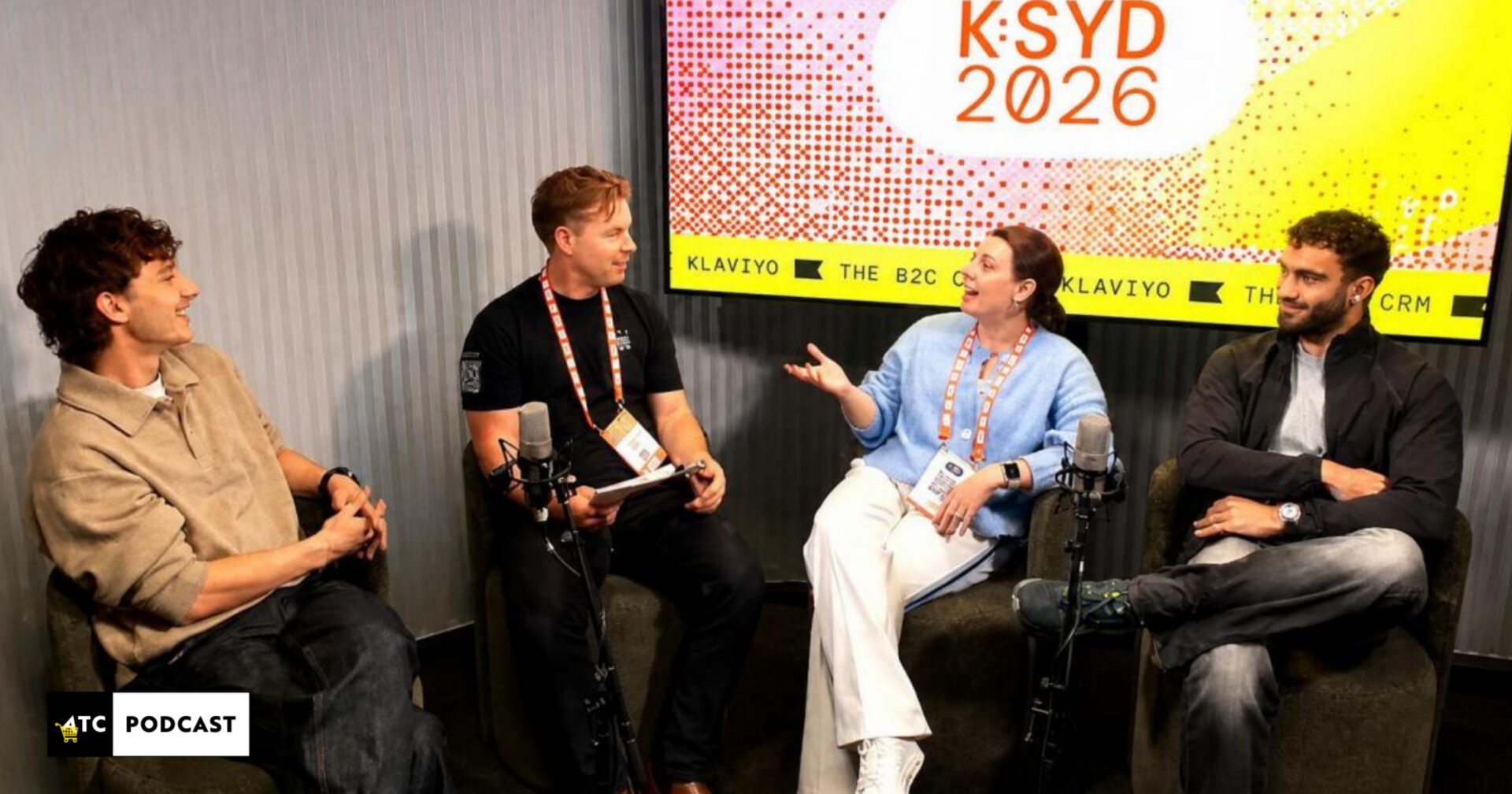
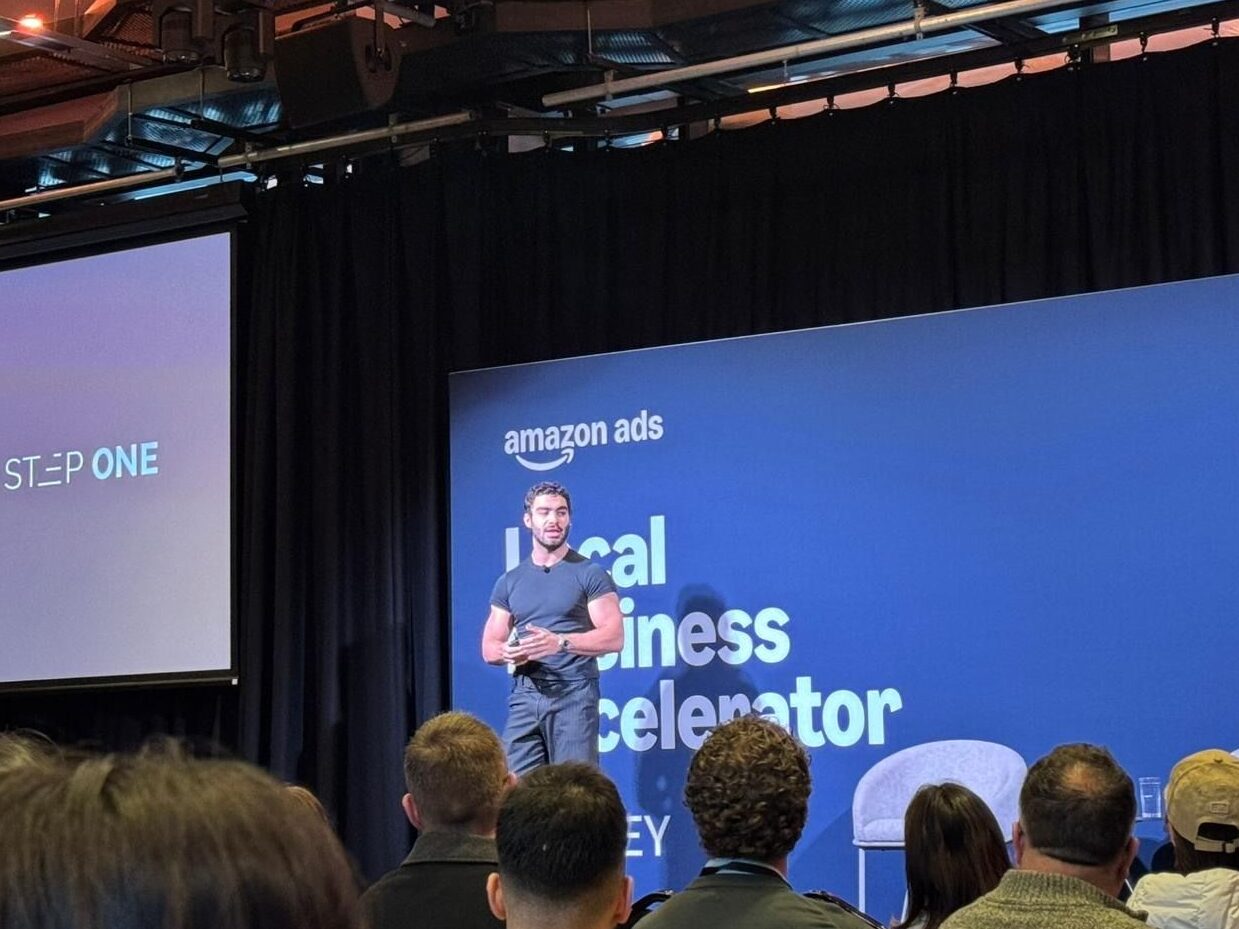
Nathan Bush: All right, here we go. Here's our second of three interviews live from KCID this year in May 2026. Welcome back to Add to Cart. My name is Nathan Bush, otherwise known as Bushy. And just quickly, just before we get into today's episode, I know you're pumped for it, but if you like having a cheat sheet to go with your listening, we put one out for every every episode of Add to Cart. And we put in the Add to Cart newsletter which drops sometime on Monday whenever I get my stuff together and it goes out on Monday. So that you can either use it as you're listening to the episode or maybe you don't have time to listen to today's episode, but you want all the goodness out of the episode. That cheat sheet is your guide, so never miss one. Sign up to the Add to Cart newsletter at add to cart.com au Now a big thank you to our sponsors Klaviyo and Shopify for making Add to Cart possible. More from both of them a little bit later, but as I said we are coming to you live today. Well, not live. It was recorded but it was live at the time from K Sid and this is the second of three special episodes that we recorded there. You heard from Ed Helen, the co founder of Klaviyo last week and today we do talk about Klaviyo, but this is a really a CRM and email conversation that applies to anyone who wants to get more from their retained audience no matter what platform you are on. Although Klaviyo's pretty good. But when I knew that we had three recording slots available to us at ksid, I got a little bit cheeky. Yes, we've had Ed and we've got a special guest next week, but instead of three separate interviews, I cheekily put forward a panel as this middle session. So I wanted to get full value out of having the best Klaviyo people together for the day. And you may remember that previously we've had Greg Taylor, the founder of Step One on the show and we've had Ethan Didiscaloo who is the Founder of July, join us for a very special live show in Brisbane. But today we're going a level down. We're talking to the people who actually do the work, not the founders who are just out there being the face of it. We're talking to the people actually running the platforms day to day. Don't come for me. Greg and Nathan, I know where you are. Today we have three very special guests. We have Locky Agnew, who is the head of technology at July seven years in building most of the stack himself. Then we have Hani Rifai who is the Chief Digital officer at step one. They're an ASX listed bamboo underwear brand chasing $100 million with a team of 50. And lastly, but not leastly by any means, we have Alice Michael who is the head of E Commerce and operations at APG and Co. She's running digital across Sportscraft, Sabah and Jag simultaneously. So we're going to get nerdy. We're going to get nerdy on email, we're going to get nerdy on retention. Here it is. Here's Lachie Harney and Alice. Alice Harney and Locky. Welcome to ADD to cart. What a special treat to have you all in the room together. Pleasure.
Hani Rifai: Thank you.
Nathan Bush: I have to say we're in the hottest podcast room in the history of
Locky Agnew: Earth, the life of Clarence.
Nathan Bush: We have a strict one hour timeframe here and I know that we've got a lot of opinions, a lot of expertise in the room and I want to draw it all out. Firstly, I'm going to go around the room. Tell me, why are you a Klaviyo champion?
Hani Rifai: So hi, I'm Alice Michael. I'm head of E Commerce Operations at APG and Co. I am a Klaviyo champion because I have put in place some really great customer engagement strategies and really utilizing the platform to its fullest.
Nathan Bush: Great. We'll dig into that.
Hani Rifai: Awesome. Hany Rafai, Chief Digital Officer at Step one. I like being a Klaviyo champion mainly because it really is a powerful feedback loop and there's probably two things. One is like, you directly get to tell Klaviyo what's good and what's bad about the platform and you probably get to see it actually get fixed in real time. And the second thing is just connecting with other brands that are solving different problems in the same problems in different ways to be able to actually be like, hey, you solve this thing, I solve this thing. Like, how do we solve it differently? Could we solve it better? Like, what's working, what's not?
Nathan Bush: So that happened yesterday, Maybe over a few Breweries as well.
Hani Rifai: Yeah, definitely. Definitely.
Nathan Bush: Great. Lucky.
Locky Agnew: I'm Lockie. I'm a head of tech here at July. I've been here seven years, so I've kind of touched kind of all the pies I can put my fingers in over the. Over the years. But nowadays I'm more on like the integration and like the high level planning side. So I mean like the data where it needs to be, the integrations where they need to be. Klaviyo champions is exactly what Honey was saying is I have a lot of opinions on the way tech should be built and getting my voice heard is always nice, especially for a platform that we're so invested.
Hani Rifai: That's great.
Locky Agnew: Yeah.
Nathan Bush: Well, we've had Ethan on the podcast years and years ago and we've had Greg on the podcast. We haven't had anyone from, but it's actually nice to meet the people who are doing the real work.
Locky Agnew: He's a funny guy.
Nathan Bush: He's a funny guy. All right, let's start. So, Alice, I want to start with you. I know that you. One of the first projects you did was moving off Salesforce Marketing cloud for a very simple reason. Yes.
Hani Rifai: So it actually was exact Target when we were on marketing cloud. Yeah. So when marketing cloud acquired exact target, that's the version we were on. So. So pretty old. So just to clarify that. That it's not the new.
Nathan Bush: The new Martin cloud, Not the new shiny cloud.
Hani Rifai: No, but we
Nathan Bush: had a huge bottleneck
Hani Rifai: and that was that we needed a developer to build a campaign to. Now I don't even think flows existed. We used a third party for abandoned carts. We decided that we needed to be able to scale and remove that risk. So we moved to Klaviyo so that we could do that. And things did change pretty quickly.
Nathan Bush: Did you do all three brands at once?
Hani Rifai: All three brands at once. Usually it's a staggered approach. So we get one right and then we roll out. It's usually the smallest brand, which is Jag in our. In our fleet. How long did that take? It took about eight months for all three brands.
Nathan Bush: Yeah.
Hani Rifai: So. And then just after that, we rebound onto common stores.
Locky Agnew: It was a bit of a love of retouch.
Hani Rifai: Oh my gosh.
Nathan Bush: It's gotta be. We've done three in six years. Are you happy with your platforms at the moment? We are about to build.
Locky Agnew: We were cut that out.
Hani Rifai: No, we're not. We're unhappy.
Locky Agnew: Pl an evolution.
Hani Rifai: Yeah, We. We get stuck where we're traditional retail and really in store focused a lot. And that's a big portion of our sales. So for us what we would like is tools that enable our team to
Nathan Bush: be able to make changes and people quickly.
Hani Rifai: We don't have huge development budget so that sort of comes into that change as well. Where we've kind of got. We can utilize the email to its fullest with just one person.
Nathan Bush: So we move so that we can scale. I guess you having visibility over your end customer isn't probably as clear as these guys.
Hani Rifai: Not from the in store. I mean we've got a lot of customer data but not from that in store relationship point of view. It's sometimes hard to tag the customer.
Locky Agnew: Yeah.
Hani Rifai: Is that part of the decision and replatforming is like to bring in your POS data and stuff into a unified source of truth. So we do have a unified source of truth which we use on the own. So that's how sort of cdp.
Locky Agnew: Greg. Guys.
Hani Rifai: Yeah, yeah, yeah, yeah. Great platform as well. And that sort of powers the data into Klaviyo and then into the in store experience and on site as well. So we do have that.
Nathan Bush: Yeah, that's kind of what I've got
Hani Rifai: to say on that.
Nathan Bush: That makes sense. Well, I think while we're on the topic of cdp, I now know that you have strong opinions about CDP and we literally have the B2C CRM ticker going behind our head at the moment.
Hani Rifai: Classic.
Nathan Bush: Tell me about your approach because you were one of the first brands to be on Klaviyo's B2C CRM which launched last year. Where do you describe your level of integration and use of Klaviyo right now?
Hani Rifai: Yeah, so I mean I think it's a no brainer. Like, like all of our processes are deeply embedded with Klaviyo and with like data driven marketing thinking just throughout the entire business. Like everything from what data we collecting, how we're using it, how we segmenting on it. But then also now what we're doing is looking at things like customer age and customer hub and like how do those active surfaces that, that power the other parts of our business? Like you know, how do we personalize those services? But then also how do we pull data from those services? How do we understand what customers want, what they don't want to be able to kind of inform our total view of customer through. Through the cdp. Like the CDP is the tech really, but what you're getting is a view of customer. And so it's just like okay, how do we find the perfect stitching of all these different things Together, from our own tech to Shopify to Klaviyo to APIs to blah, blah, blah. To get the most accurate view of who our customer is and how we service them.
Nathan Bush: Where does that sit?
Hani Rifai: Klaviyo? Yeah, yeah, Klaviyo is a pretty good one. Really. The lean stack is like, Klaviyo, Shopify. And then we build a bunch of custom stuff on. On top of that. But I mean, like, you know, it's always been man with tools versus man with tools, right? And so, you know, all women with tools, man in the. In the quotes, mankind, including women. But like, you know, it's always been person with tools versus person with tools.
Nathan Bush: I didn't mean to trip you up.
Hani Rifai: I'm not sure he had a rehearsal, but it is even more like that now for a number of reasons, like the cost of technology, the cost of developing technology, the cost of buying technology is fundamentally lower. And so now everyone has access to the same stuff. Now you have to be smarter, right? And you have to know how to use it better. And you have to know where the value is and you have to know how to grab it from. From the customer and really, like, be like, okay, tell me what you want, right?
Nathan Bush: And it's half that battle knowing how far you can actually push the tool reliably. Ver. What you then have to build yourself using all those connectors?
Hani Rifai: Yeah, I think so, right. And I think it's like something I've literally said before is that, like, I'm in an arms race with all my providers, right? I'm in an arms race with Klaviyo. I'm an arms race with Shopify because I'm not going to wait for them to build it, right? I'm going to build it when I need it and when I think that there's real value in developing a solution. But then Klaviyo will come out and be like, hey, we actually built a better one. I'll be like, oh, okay, interesting. You guys built a better one. I'll come in and try and improve it, or I'll use your APIs or we'll build it into our ecosystem some other ways.
Locky Agnew: I've been in the same battle for the last like. Like five years with Shocked by Enclave is like, I'll be like, hey, I really need this feature. Like, blah, blah, blah, blah. And they were like, oh, it's in the roadmap. And I'm like, never happened. I'm going to build myself. And we've been doing that with like, because we were headless pretty early. Like, there's so many things. I was kind of like, hey, we need this now. And I was just like, I'm just going to build it anyway. And now all the past two years have done is just accelerate that where you're building around your core platforms. But when you need something, you're going to, you're going to do it anyway because that's what you want to do.
Nathan Bush: Does that mean you minimize plugins and extensions in favor of doing it yourself?
Locky Agnew: Correct. I mean, you add overhead of managing your own version of it. And then when Shopify, I do roll these things out, I usually backtrack and be like, we're just gonna do it the normal way.
Hani Rifai: I think, like, for me, it's like you have to constantly experiment and constantly see, like, where the buck stops and to know, like, when that build versus buy decision is a good one. Like, you know, sometimes just getting a plugin and paying 80 bucks a month is like, okay, cool. Saves everyone's time.
Nathan Bush: Yeah, right.
Hani Rifai: But there's other times where you're like, I just don't think that, like, what other people have built is, is right. Like, we're not really going to extract the value that we think that we need to extract. And so that's when we go, okay, I think we should build this and there's an actual case for it. But like, to, to lock his point, right? Like, if Shopify comes out and they build out the platform, or Klaviyo comes out and they build out the platform, I'll always default to them because I know that they're building an ecosystem that works together. I'm building extensively on top of it. But I know that they're always going to try and build robust, extensible platforms. Like, that's, that's why you invest in them.
Nathan Bush: Right. How does that sit with you, Alice, from large omnichannel organization where things might not move as fast, that build versus Buy, can you be as agile as you want in adding new features and functionality? No, not as quick as what these guys are saying. Really?
Hani Rifai: We tend to, we still input into the roadmap, but we tend to sit back and wait for it to be released.
Nathan Bush: You've got a lot of moving parts.
Hani Rifai: Yeah, a lot of moving parts. Each brand has their own initiatives as well. So, you know, if we can slot it in, it might not be a priority is what I'm saying. So it's, it's when it comes out and when it's at the, when it's ready, that's when we'll adopt it. Do you feel the heat from, like, competition that can move faster in your category?
Locky Agnew: Yes, yeah, we do, yeah.
Hani Rifai: How do you think you're going to fix that long term? Well, hopefully our move to Shopify is just one piece of that puzzle in the digital space, I would say. Yeah, that's quite a big part of it. We're also looking at launching new customer loyalty programs. So at the moment, we've got very old legacy loyalty programs, which is you sign in, you get 10% off your full price purchase. We've got a very high tag rate on that. But we're hoping with new loyalty and Shopify that we'll start moving in the right direction.
Locky Agnew: Sorry, you ran that through on your own new loyalty?
Nathan Bush: Yes.
Locky Agnew: Yeah, yeah, yeah.
Hani Rifai: Because the one thing we do have almost got too much of is customer data. It's just. So that's not our challenge. We've got that.
Nathan Bush: That's your competitive advantage, isn't it? How many people you've got coming into your store every day?
Hani Rifai: We know, you know, birthdays, we know what they like. You know, we've kind of got that part down. It's just the. Okay, how do we use these tools to accelerate and you have to prioritize your data.
Nathan Bush: Right.
Hani Rifai: Like, you have so much data. I think people just get trapped in, like, I have all these different data points. It's like, what's mission critical? What should you be focusing on? What does that say about customers? Yeah, you know, I could analyze things till the cows come home.
Nathan Bush: Right.
Hani Rifai: And I have. And then you just end up zooming out and be like, whoa, whoa, whoa, whoa. Yeah, okay, let's just do this much simpler. And normally the result is better.
Nathan Bush: Normally.
Locky Agnew: But also you can't focus on everything once. You've got to pick and choose battles a little bit. Yeah.
Nathan Bush: Picking and choosing battles. I'd like to talk about email. Let's start email. Because I feel like there's a natural progression before we get into AI And I'm really hesitant to unlock the AI really early in the conversation.
Hani Rifai: Never getting out an hour.
Nathan Bush: We will get into it, but I want to understand first. Lock. You've talked a lot around mastering automated flows.
Locky Agnew: Yeah.
Nathan Bush: Tell me about that journey at July, because you've actually been on a journey yourself, from a D2C re to having our own stores to having stockists.
Locky Agnew: Yeah.
Nathan Bush: How have you thought about flows?
Locky Agnew: It's really interesting. In July flows, they're a big rev driver for us for a couple of reasons. The biggest one being there's A there's a long purchase period between wanting and buying for premium luggage. It's at a pretty high price point, especially if you're buying like a set. So it's almost like a grand and a half. It's expensive and it's like this commitment because it's lifetime. Like you're really thinking about it. It's a thought about decision that you're making.
Nathan Bush: I have One of the OGs that Ethan brought with me with him when he did the live podcast and it's got add to cart monogram. Hang on to that forever. I was like, we'll get you some new ones. No, no, no, I don't need any ones. I know. Gee, it's great.
Locky Agnew: Yeah, that's a relic of that point.
Nathan Bush: Yeah, it's great.
Locky Agnew: So there's a long purchasing decision. Right. So we spend like majority of our marketing time. A lot of our creative time is building campaigns because we want, we want these beautiful campaigns. We want to sell the dream of, of travel. Like there's, there's so much that gets put into it, so much time and effort. But because people are going on the website so much, they're not purchasing off the campaign, they're purchasing off the flows. Because they're going on multiple times. We have their email, they're coming on, but the flows is what actually gets them to convert because they're thinking about it for so long and we in back. So like no matter what, our main rev driver always be our flows.
Nathan Bush: Gotcha. And how long are you setting up those flows for? How long is a customer in in flow state?
Locky Agnew: Hopefully the dream is within a week or two. That's we spot it can be months. Yeah, it can be months. And they usually end up going through same place. We're actually doing a big body of work of reimagining because we have such beautiful retail stores, we have such beautiful experiences. We go in there and we've kind of felt recently that because we've elevated so much in the physical retail space that our emails are kind of like bread and butter.
Nathan Bush: Okay.
Locky Agnew: Emails. It's like we'll be like, we're not elevating here. We're not doing things. So we're actually hopefully by July rolling out brand new flows. But there's also a lot of stuff that we want to do around first party data with them. So if you know someone's traveling.
Nathan Bush: Right.
Locky Agnew: How nice would it be if like a week before your trip you're like, we're so excited for your trip. In xyz, your Suitcase to your board. This is kind of. Or this would be a perfect trip. Or add on packing sales around your actual trip because usually like it's almost like 70, 80% of customers are buying for a trip.
Nathan Bush: Yeah.
Locky Agnew: Like you're not casually buying luggage for maybe one off to store for a
Nathan Bush: few months before you go somewhere.
Locky Agnew: But to have that data and to do all that and really elevate our flows to be much more personal first party data rich is kind of the direction to go. We want them to be gorgeous, look like the retail stores so that that elevated experience that you're getting when you go and touch the physical product in store, you kind of get on the digital side as well.
Nathan Bush: Any fashionista knows that if you want to make smart wardrobe choices, everything needs to live in the same wardrobe. Not half your clothes. Clothes in the spare room, shoes in the garage, accessories in the car. Princess Polly realized the same thing was true for their marketing as they scaled globally and opened physical stores. Their email, SMS app and in store data were all living in different platforms, which makes it pretty hard to scale a great customer experience at scale. So they pulled everything into one place. Klaviyo. By consolidating their channels and customer data, Princess Polly unlocked a clearer view of the customer journey. Smarter automations and faster global scale. In Q3 last year alone, they drove 2.8 times year on year global revenue growth. With over 60% of that Klaviyo revenue coming from automated flows. Even better, flow revenue grew more than four times year on year. Turns out when everything's in one wardrobe picking the winning outfit gets a lot clearer. If you want your marketing to scale with style, head to klaviyo.com au and see how brands like Princess Polly are doing it. Because you're not heavily promotional, are you? You do the odd spend and save. Yeah, but it's not ever like 20% off site wide kind of stuff.
Locky Agnew: No, I mean we have, for a few times we have a warehouse sale which does really well. But discounting is really in our warehouse.
Nathan Bush: Unless it's like luxury baby.
Locky Agnew: Yeah, but also like when we do big discounts, it's not like 20% off flat. It's like buy some stuff, pair up what suitcase you want.
Nathan Bush: Double drape still.
Locky Agnew: Yeah, but also it is premium luggage. It's, it is lifetime. It's great value for what you're getting. But it's so easy to fall in this. We had a funny word for it but it's like this discounting hell is just kind of like you to race to the bottom to who can do the biggest discount. And all you're doing is killing profits for people that are probably going to purchase anyway.
Nathan Bush: That's right.
Hani Rifai: I think the other thing for your category. Right. Same thing with us is like if you do discount, they buy the luggage, they're not going to come back for a very long time.
Nathan Bush: Right.
Hani Rifai: It's not like. Yeah, like, well, but I mean, even for luggage. Right. Even if there's a discount, you. You just bought your bags.
Nathan Bush: Yeah.
Hani Rifai: So it's different with something that's like a perishable or it's like a supplement brand. Like you go on sale.
Nathan Bush: Yep.
Hani Rifai: You got great order volume. They chew through it and then they have to come back.
Locky Agnew: Yeah.
Hani Rifai: And maybe that's a test and try strategy. But like you're essentially cannibalizing future sales.
Nathan Bush: Right.
Hani Rifai: And so you kind of need to build that into fact. It's. It's bad money. It's not good revenue.
Locky Agnew: Most of our marketing is acquisition is like, because we've got lifetime, we've got lifetime warranty. It's very good. We stand on the shoulder of our products. Like we stand by them. People don't purchase more than once very often. A lot of the time it's just one single purchase. And then second was maybe some packing sales or some stuff that they like. Bags are a little bit of a dream game. We've gone to that the past two years. But acquisitions are such a big part of it.
Nathan Bush: And what do you do with your customers then after they bought the. The ideal kit? They bought their bag, they bought their packing kits. Do you just go, well, it's been
Locky Agnew: nice knowing, you know, this is what we're trying to get really good at in the next four months is if you really look after customers. It's like we're trying to acquisition into more acquisition. Right. If we've got a customer and they're going to purchase again, you can win a word of mouth. It's like if you are the best customer service, you've got good posts purchase flows around. Like we want to be sending you emails around. Like how to best look after your suitcase. What if it comes back from the airport scratch? How do you do all these things for that particular luggage board? If you do all this post purchase really premium stuff, you can get word of mouth. Because I was like, hey, July, it's not just when you purchase. They're looking after you for the next five years. And then that's acquisition again. There's like, you can get more customers just by Looking after your customers.
Nathan Bush: And there's probably a bit of gifting in there. I'm thinking back to my situation and that we're a July family. My wife's got everything, I've got everything. It's fantastic. And it was my sister in law's 40th birthday. What are we going to get? My wife was the first to say the brand new July luggage set, blah, blah, blah, blah. So she was still buying, but it just wasn't for her.
Locky Agnew: Yeah, yeah, yeah, we said a lot. But that's, that's really hard to optimize for.
Nathan Bush: Yes.
Locky Agnew: So it isn't something that we actively do. Like we do stuff like we're working with like wedding registries and places where people traditionally buy gifts. But the biggest thing is if you look after your customer, they're going to be number one fan.
Nathan Bush: Yeah.
Locky Agnew: And you see in the airport, like if you go see someone July and like you have like really earnest conversations, the airport, just because you're part of
Nathan Bush: the same little club, how does it compare to undies? Obviously you can't do that in the airport with undies. Comparing undies. And also a little bit more, I'd say the replenishment might be a little
Hani Rifai: bit more often potentially. I mean like we have a lot of customers that are huge advocates, right. And like people that have been around like OGs forever, you know. And we actually saw there was someone left like a Facebook comment the other day to a link of like a blog that they have about all their step one and he's a guy in the UK and he's literally collected like every single limited edition print like since the beginning of time, like catalog them. He's like, please, I'm looking for this one print. You guys haven't re released it? Like I would do anything for this print. Right. So we have a lot of brand advocacy and still word of mouth is, is really strong for us. Like we, we do have a great product, right. We have an excellent product. Like you won't get the type of 0CAC acquisition and refer a friend stuff if we didn. So it's, it's really strong. Like in terms of like showing it off. People, people love it. Like people love to have the waistband and like all the different cool colors and people love to talk about it. But yeah, I mean it's, it's really interesting to think about repeat purchases and what that looks like. Like, you know, I was just saying before to someone that like, you know, you might come in and men will come and buy a 7 pack or 15 pack of undies or something. And then it's like, okay, cool, what next? Right? So your exact question, Nathan, is like, what next? And the answer is like, we have a lot of things that now we're working on to really bring them back into that ecosystem. Like, we've started doing complementary products. We do socks, sleepwear. We just released our new launch of like athletic compression stuff, which is, which is looking really cool. But even our limited edition prints, right? Like, that's a huge source of incrementality for us. And the way I think about it is literally like, this is like, you can come in, you buy your 15 pairs of black and navy and gray that you're going to wear every day and you're like, okay, cool, I don't need to look at step one ever again. Oh, cool. To have like some cool new print. St Patrick's Day, Valentine's Day. That's a sick print. I really want that.
Locky Agnew: Yeah, right.
Hani Rifai: And so, you know, that's true incrementality.
Nathan Bush: So it's giving them what they need, but then a little bit of what they want.
Hani Rifai: 100%, like something fun and cool and like, we have a really, like, we pride ourselves on being a funny company. Like, we all have a sense of humor. We love a bit of a gag and a joke and like, you know, we'll, we'll do some really funny, cool stuff and do some naughty campaigns and things like that. Like, we're, we're a big fan of cut through marketing and people resonate with that. Like they want like an authentic brand that speaks with humor and gets them them and it's like, can say a swear word and it all be fine. So it really is something. Question about the flows. Yeah. How many flows do you have running?
Locky Agnew: We have the basics. It's like browser abandonment, card abandonment, checkout abandonment, welcome flows. But we're starting to edge into now RFM segments. So like, if someone is like a loyal customer and they're moving to at risk, we want to send very direct emails about that. So that's kind of what we're building out at the moment is like RFM switches. So the second that they're switching from different categories of buyers, we're kind of targeting them a little bit.
Nathan Bush: Again, it's for those who might not know rfm. Can you give us a brief explanation?
Locky Agnew: Yeah, rfm. I mean, I forget what it stands for. It's something brief, frequency and monetary, but it kind of is just like an x, y axis and depending on how customers are purchasing the amount of money they're spending, how frequently they're buying. I kind of places them into different keyword groups. So it's kind of like you've got like loyals and champions which is like your repeat purchases. They're there all the time purchasing from you. You kind of have your pre purchase customers. So like people that I forget the names of them but they're kind of like anyone that is like browsing the site, you know about them but they, they have a high propensity to buy and then you've got things that are like at risk churned and like in. And a customer will always live in one of these groups. But the really interesting thing is when they switch so like depending on the events that they're on site for, they're going to switch over the course of them being a customer for you no matter what they're going to move across these different categories. But the interesting thing is when, when they trigger across these different categories usually you can get very targeted messaging and that's kind of like where we're thinking about putting our discounts in is kind of like we don't need to do a blast 20% off the website but if we've got a customer that purchased one small bag and that particular type of customer has purchased before and they or package up something you can get very targeted message when they go from a loyal customer to an at risk customer and we want to really nail down that. So it's much more targeted on messages that you're sending at the time that they need to purchase or the time that. Sorry that they're likely to purchase or need to purchase.
Nathan Bush: You guys using rfm? We are so we use it's marketing
Hani Rifai: analytics within Klaviyo to, to power the RFM cohorts.
Nathan Bush: We've just enabled it so we haven't
Hani Rifai: quite built flows off it yet. But the idea would have would be that you'd have an abandoned cart but then you'd have one specific to your champions, you'd have one specific to your at risk group and you'd have one specific to I don't know the inactives for example.
Nathan Bush: And it all would have maybe we,
Hani Rifai: we are on the discount drug so we're happy to give a discount. So we would be able to use this discount or maybe another service that
Nathan Bush: we can try and get them over the line with.
Hani Rifai: But that would be the example of how we're using or planning to use it in future.
Nathan Bush: Okay, makes sense.
Hani Rifai: I think that for us like probably the RFM Modeling is not as mature from Klaviyo as I would like. So we've kind of built out our own kind of custom modeling of like, what those cohorts look like, like, who are our champions, who are our loyalists and things like that. Because the modeling's. But it's not malleable by category.
Nathan Bush: Right.
Hani Rifai: So like, what does a champion look like for someone else is probably not what a champion looks like for me.
Locky Agnew: That's what we're battling. Yeah, it's like a bag purchaser versus a luggage buyer.
Nathan Bush: Very different.
Hani Rifai: Yeah. So it's really difficult to kind of use that as a one size fits all. And so what we're finding is like, we're just layering and like we're basically doing the same thing but with different segments.
Nathan Bush: Right.
Hani Rifai: And now Klaviyo's added, like, you know, moves in or out of a segment. You can essentially create the exact same functionality as you would have done with an RFM microflow.
Nathan Bush: Right.
Locky Agnew: So are you running after like custom attributes?
Hani Rifai: Yes. Yeah, yeah, yeah, yeah. So we run the model, it gets piped back to the property that becomes a segment and then you're good. We used to do it with just like arbitrary, like, rules and stuff, but we've just become a little bit more advanced. Like we have all of our data stuff in bigquery now and we can really run some cool models and then pipe that back in. But yeah, I mean, to what Locky said before around like discounting inflows, like, I think that's the future. Like, I think everyone had this big discounting drug thing and, you know, we were certainly guilty of it as well. But the future really looks like discounting to solve a problem, not discounting to plug a revenue or profit gap. And those problems are like, you know, we need to move old stock or we want to incentivize people to try something new or we want to.
Nathan Bush: You're trying to drive a behavior. Yeah. Very specific. Not for every.
Hani Rifai: It's Pavlovian. Right. Like you want to do this thing, here's a discount. You're like, here you go, just keep following us.
Locky Agnew: Right. But some customers need that, like, not all. And by doing blankets here, like, you're giving discounts to people that don't need that. That broad 20 off. But some customers really do need that 20 to get their money.
Hani Rifai: And that's where like all the act personalization, CDP type tech really makes a huge difference because you might think like, oh, okay, well, what percent of people didn't need the pop up what percent of people didn't need this discount? Oh, we'll test it, whatever. But again that's a, that's like a big swing, right? Like you're, it's just a brute force. Like ultimately what you want to do is be bringing in things that are like machine learning tools that understand that specific consumer in that moment where they've browsed what they've done, who they are and saying, I think your propensity to convert is pretty high.
Nathan Bush: Right.
Hani Rifai: I'm not going to give you a pop up like we'll deploy something else to collect your email but it's not going to include a discount versus someone else where it's like, oh, I think this person's pretty close based on their buying behavior. But I don't think that their propensity convert is like over X. Therefore we just kind of nudge them these different ways, right. To try and get them there. And there's a bunch of tools out there that do that. But I think that the philosophy is there where we have so much data now, like let's use it, right?
Nathan Bush: Do you think that's part of the problem? Because the philosophy is there and you hear this all the time around dynamic segments and moving people in and out based where they are on the customer journey. I'm literally putting in a personalization tool at the moment, a well known personalization tool. It's not dynamic at all. It's very manual of moving customers in and out of segments. Are we waiting for the tech to catch up with the theory?
Locky Agnew: I think you can do it with any platform.
Nathan Bush: Are you saying it's operator error? Yeah, maybe I can just build it. It's all good.
Locky Agnew: Yeah, it's kind of the thing is like these platforms we've implemented too didn't like either of them because of the same thing. Because I could do it like honey could do it your day to days couldn't like the people in the business that are actually using these tools. It was just too complicated. They didn't want to spend time to do something that was increment, like small incremental gains because they're doing a thousand other things. They're doing a thousand other things that maybe will have easier ROI to measure but you can do it with anything. It's just sometimes you have to like go into the back end and check the actual event and pipe things to different places a little bit.
Hani Rifai: I think the other thing is like yes, there's all this personalization, yes, there's all this data, yes, there's all these tools, like people overcook it, right? Like it really, it's so easy to overcomplicate things. Like for the most part you can really just test and validate a bunch of assumptions and then be able to action it, right? So like if you just make a guess, you're like, okay, what would a customer do on this page that would signal to me that they're either not confident or they can't find the right information or they do that, okay, their dwell time is going to be a bit higher. They probably click the size and fit thing a few times. They probably scroll up and down.
Nathan Bush: Cool.
Hani Rifai: Why don't you guys just run a really simple test? You can go and generate the code in chord or whatever you want to do, right? Go and generate a simple test. If these conditions are met, deploy, pop up and just a B test it. So easy, you don't need to go spend $20,000 on a personalization tool from, from whoever.
Locky Agnew: But also you can figure out what those.
Hani Rifai: Next time you want to spend $20,000, you just give it to me. Don't worry about it.
Locky Agnew: You can figure out what that type of purchase behavior is or particular site as well. Just like install like your hot jars, your clarity. So you can just watch a few sessions and be like, this person I don't think is going to purchase just from what they're doing. Like, you don't have to be a CRO genius to go watch like 10 videos and be like, these are the, the purchase behaviors that I see that aren't turning into a conversion.
Nathan Bush: Makes sense. And so obviously the ideal scenario is that we have these dynamic segmentations where we can trigger the right flows at the right time based on behavior, based on what they're spending, based on recency. Is there, I'm going to direct this to you, Alice. Is there a place still for demographic segmentation in email and sms?
Hani Rifai: Yeah, I think so, definitely for us.
Nathan Bush: Because you've got the men's and women's
Hani Rifai: splits of both clothing and, and yeah,
Nathan Bush: I do think there is that. We do see within our business a
Hani Rifai: higher portion of women buying for men. So a lot of our content is direct, direct to women and to buy for men.
Nathan Bush: But yes, I do think there is still a place in it.
Hani Rifai: I would challenge the question and like the, the presupposition of the question is that like you have these segments, right, and you're building out segments and then are you going to build these behavioral demographics into these segments? Like I think the North Star here is you don't have segments.
Nathan Bush: Right.
Hani Rifai: The North Star is, it's true one to one personalization. Right. Like I shouldn't have to know the behavioral demographic segments and traits of this person. Like the Ecosys and the tooling and the tech and your CDP and all this other stuff should know all of that. It should eat it. And then it should be like, I know what's best for Jess, for David, for whoever. Because like even to the men's and women's thing, right? Like we, we have our women's category as well and you know, we, we do that kind of segmenting now. I want to get better at it, but in a North Star world, it's like if Jess has like a husband and kids, like I don't want to be sending her an email with just women's stuff.
Locky Agnew: Yeah, right.
Hani Rifai: I've lost an opportunity there to sell her some men's stuff.
Locky Agnew: Yeah, yeah.
Hani Rifai: And so how are we generating this on a one to one basis where stop thinking about like segments. Maybe you can think about segments, post that.
Nathan Bush: Right.
Hani Rifai: And use that as a diagnostic tool. But the way you want to be talking to people is really one to one and that's, that's the goal.
Locky Agnew: Like segments and like the crazy flows that you see in some KPO accounts are just so that we can get really pointy into the messaging that we're doing for a particular customer, depending on what they looked at, what they're purchasing, all the things. Right. There's mental models that we've built around to do that. But like with AI coming into marketing, these things are mental models that are going to be a thing of the past, like 100%. They're just a way for us to knuckle down and then do set messaging depending on different groups and different events and all the things. The second that we can get like one to one communication by AI branded how you want it to look, doing all the things, that's, that's the future of email marketing.
Nathan Bush: I agree and I think it's really exciting. We've been talking about one to one communication for a long time and we've been stuck with these things now you can do. But if you look at what's happening in social, that's why I think it's exciting for email and CRM because we'll be able to do it. Social was like, oh yeah, we'll be able to do one on one. And then they were like, like actually we're going to hide the algorithm and you can't target anyone anymore. Just give us your Creative and we'll do the one on one and it's like they've taken that away. That was the promise. So we've got power now back through our CRM to be able to do that.
Locky Agnew: Yeah.
Nathan Bush: I want to talk about AI. We've uncovered it, we've talked, we've lifted the lid. Each of you. We talked about running experimentations with AI before. You said that you're playing around a lot. What I'm going to start with you, Alice.
Hani Rifai: We're not really. So. Very short answer from me. We're very mature in space. Yeah. Even with the Kavia AI features. I mean, we're doing.
Nathan Bush: We're using a little bit of it.
Hani Rifai: Not much. The brands, they've got very strict brand guidelines and how they like content to be displayed. So we're not able to fully utilize the AI content feature. So. Yeah, and we're just getting into building flows with AI and not even so much in Klaviyo, but we've just got an enterprise account with Claude to try and use that. So it's just. We're very, very early, early days, so not much going on.
Nathan Bush: I think that's. That's a normal story that I'm seeing and hearing in corporate retail. Yeah, it's a journey.
Hani Rifai: We do want to get there, we're encouraging it, but it's.
Nathan Bush: Yeah, it's not as balanced as what
Hani Rifai: some of the other brands are going through.
Nathan Bush: You know, connect it all up to
Hani Rifai: emails and you've got bots sending emails for them and all sorts of stuff. Building the content, writing the sm, you know, all of that sort of stuff.
Locky Agnew: Where. Yep.
Hani Rifai: Not quite there yet.
Nathan Bush: Do you find that there is an opportunity for the digital and the E Comm team to be leading the way, at least from an operational perspective, even it's not creating the content.
Hani Rifai: Yeah, I think there are, there are definitely efficiencies. I can see the opportunity with it and building efficiencies within the team. I think if there's a little bit of an education piece and even a
Locky Agnew: little bit of a.
Hani Rifai: The brand sort of need to let go of their image so strictly and kind of accept that if we want to move really quickly that we have to let things.
Nathan Bush: Is there also a piece there around actually, if we get this right, if we set this up in the right way, we can actually have a stronger brand.
Hani Rifai: Yeah, absolutely. Yeah, absolutely, yeah. I think the other thing is like, I think that there are lots of ways where you really can short circuit like the brand piece and. Cause I think that Like a lot of the conversations I'm hearing as well is like, well it's not reaching our brand. It's not the premium feel, it's not doing this. But even, even when Lucky was talking before around like, you know, we provide luxury travel experiences, right? Like we're creating this luxury piece of luggage for you to go and explore the world. And that's a premium thing that we want you to feel good about. Like even something that we've implemented is like one to one email personalization based on first party data. So like if you go to our search and you type in like what are the best ideas for basketball?
Locky Agnew: Right?
Hani Rifai: Like we'll personalize the product page but then if you abandon, you'll get a one to one email from like customer support that'll be like, hey, we saw you looking at why these were great for basketball. Like, here's the exact reason why. These are amazing.
Nathan Bush: Talk me through this again.
Hani Rifai: So you go to our AI search. Can you go to our search, like natural language search. What are the best undies for basketball? Like this problem really came from a place where we have a lot of undies that are relatively similar and people need to be able to do product discovery, right? And so okay, what are the best for X? What's the best for tennis? What's the best for paddle?
Nathan Bush: And have you got one search that's just natural AI language. You haven't kind of got the separate, you know how you think it's all together and Amazon's just brought it together.
Hani Rifai: It's all together because then you're also able to run analytics over it all goes to the same database, all this other stuff, stuff. So you go and search that, we'll personalize the page. We pipe that context back into klaviyo, right into our cdp. So now we know you like basketball. We know you're looking for stuff. This is your question. And then when you go and abandon, we literally generate a one to one email for you that's like, hey, this is why it's great for basketball. Reach out if you need anything, right?
Locky Agnew: I'm building the exact same thing.
Hani Rifai: Yeah, so, so, so literally what, what I was thinking about for, for you, right, was you know, ahead of time, capture the data around, like where are you going on vacation? When are you traveling? When are you doing this? Then after their vacation or even before, send them a one to one personalized email. Hey, I know your trips tomorrow. Just hoping your luggage is all good. Reach out if you need anything. Here's some personalized tips for XYZ locations.
Nathan Bush: Right.
Hani Rifai: And go pull an API. Like these are the top things to do in Italy.
Locky Agnew: We're taking this off as a test in physical retail because it's much easier to capture those things and put it on a customer profile in store because like part of the retail handbook and how they talk to customers is usually to lead with what went to travel date, like where you're going. And if they're already talking about this, like it takes two seconds for a retail staff member to just be like this person's leaving this day, this one. Leave a little message for them to send maybe a couple days before their date. Be like hey, hope you have a great trip. Blah blah, blah blah blah. So that's gonna be our first rollout of like that very one to one.
Nathan Bush: Is it easy for your retail team to put that information in? Because that's usually the break point.
Locky Agnew: Yeah. So Shopify pause. So I'm just building like a small. You just do a little widget to output in the things just filling out on a customer and just saves it and then that parks back to Klaviyo.
Nathan Bush: Okay. Yeah, cool, great. I love that basketball example.
Locky Agnew: That's great. I'm. I can't believe I'm literally working on that anymore.
Nathan Bush: What's the last experiment you've nerded out on with AI?
Locky Agnew: So we made a decision in like December last year that we want to get serious about AI. So first half of this year was me just building a lot of cool tools. It finally rolled out last month. So it's pretty much the core of it is the only way that AI is good is if your dive is good and your AI can get real accurate, up to date data fast. So we've kind of built like a data lake essentially that pretty much is sourcing all of our main sources. So like you got like Shopify, Klaviyo Deputy for retail Meta, Google, all the things that people ask about a lot. And it's built on small tools so I can talk and go and fetch like the one on one individual things from each fund. So if you go and ask, ask for now because it's all plugged in via MCP connectors. Anyone in the business can go ask like what are the top performing ads and should we be running these as any of the email flows or is there any like cross system things that are commonalities? Because that's where it's really powerful. Right. Because if you're just looking at your Meta dashboard, you're just looking at Klaviyo Dashboard. You're just looking at your Shopify numbers. You're not going to see all the interconnected parts.
Nathan Bush: Yeah.
Locky Agnew: Like, sure, Rev was down this day, but also spam was down. No one was opening emails. Maybe there was something else going on. Maybe no one was excited to go travel because weather was shared and like region by region. So like Melbourne might be popping off, but Sydney's not. And these are the things AI is really good at because. And go fetch all these like really raw data points and do great insights. As long as your data's there.
Nathan Bush: Yeah. And I think as long as you've got a point of view as well, you go, I think this is happening.
Locky Agnew: Yeah.
Nathan Bush: Test me on it, give me other ideas. But you've got to co win that opinion because if you just open up, go tell me what this might mean
Hani Rifai: 100%, you'll get it. If you were an idiot before, you're just an idiot with AI.
Locky Agnew: Yeah.
Hani Rifai: So my biggest have conviction the way
Locky Agnew: that founders think is, is really interesting because they usually have very pointy questions that require very pointy things and different data points. They usually have to go Talk to like 6 people to get everything they want to have an insight. And I've kind of built everything around Ethan in the way that he, he, he talks, he talks to the business. It's like he will usually have this one idea that's like so dumb, but it might make sense if all these data points line up and he's now able to like, at the speed of his own thoughts, like run through ideas, figure out whether this is a good idea, whether this would work depending on like whether old things work or whether ads work.
Nathan Bush: And so you enterprise Claude throughout the organization.
Locky Agnew: Yeah, yeah. So that there's no data.
Nathan Bush: Yeah, yeah.
Locky Agnew: So they don't translate data.
Nathan Bush: Yeah, yeah. Okay, great. And everyone's got access to the same data. So even if you're a merchandiser, you can go in and go, hey, how's this performing in email this week?
Locky Agnew: Correct. Because we ran so siloed for so long. Different things. Claw's now the source of truth. That's called pulse is the system that goes. Keeping your finger on the pulse, but that's not the source of truth. And like we never had traditional BI dashboarding.
Nathan Bush: Right.
Locky Agnew: It was just one of the things that lagged behind. And my job last year was to build bi, but I built this instead. Cause I'm like it. I skipped entirely. Because what you have to do is right. You have to have a pretty senior person to be Able to read a graph, interpret that as insights and then take insights into actions. Claude, you skip that, you just be like, what are the actions I need to do for ads today? And it will go grab the data, interpret all the things. Something that would have taken a mid to senior person a day, two days to go figure out what they should be doing. And it does all instantly straight into action.
Nathan Bush: We've all been there, right? Slipping on a great looking pair of shoes, only to regret it a couple of hours later. Who knew that blisters could get blisters? Well, the founders of Frankie Ford did. And that's why they've created a line of stylish podiatrist designed footwear that don't just look good, they actually feel good too. But what began as an online success story quickly stepped into the real world with retail stores opening across the country. And when they moved to the Shopify plus plan and rolled out Shopify in store, Franke 4 really hit their stride. Now everything works together from online browsing to in store buying. It's one smooth, unified commerce experience for both customers and the Franke 4 team. And with the Shopify app store, they're able to test new features quickly to see what works. It's paying off too, with 170% increase in site visits, a 25% drop in return rate and more happy feet than ever. Streamlined, stable, seriously stylish. That's Frankie 4 on Shopify. To read more success stories like this search Shopify Case Studies Online. How do you reckon this would go?
Hani Rifai: I was going to say it's a worry, isn't it? Because you got to go.
Nathan Bush: Yeah, it really does.
Hani Rifai: Like, it kind of takes thinking away as these new, you know, juniors start and juniors have a tough having through university. I kind of wonder, but surely they're the hungriest, right? Like they can absorb information so fast, right? Like that's where hiring is so important, right? Like you, you have to hire for attitude. Yeah. Like I have to hire for coachability and for attitude. And like you can see A plus players when they're juniors, right? You see them, you're like, you are a rock star.
Locky Agnew: You do anything to figure it out.
Hani Rifai: You are a killer.
Nathan Bush: Yeah.
Hani Rifai: Like you'll go and do it at home, you'll figure out the tools, you'll work it out. And it's never been easier for them to learn and absorb so much. Right? And so there's this rate of learning that's like hyper exponential now. And actually something I was saying to someone here at Caseid was like, he was talking about, we're an 80 year old business and it's hyper enterprise and we have all these things and there's all these roadblocks, but we're just going to take it day by day and kind of grow it slowly. And I said, well that's great, but there's a difference between growing and falling really slowly.
Locky Agnew: Right?
Hani Rifai: And there's also such a thing in my brain as AI inflation, which is if you're adopting AI like 5% week on week, year on year, whatever it is, everyone else is adopting it at 20%. Like that's AI inflation.
Nathan Bush: Right.
Hani Rifai: And so you actually are not growing. You're fundamentally net negative. And in an ecosystem where the barrier for entry is so low, you just can't compete.
Locky Agnew: Right.
Hani Rifai: And so that's why I was asking about your competitors before because sure, they might not have the legacy stuff and the retail footprint, all this other stuff, but could they spin up a digital presence faster than ever? Could they spin up all the assets faster than ever? Do they have the preciousness of the brand that you guys have have no.
Nathan Bush: Right.
Hani Rifai: But could that almost make their brand an even better brand? Build it, create a moat faster, better attack the right audiences potentially? Yeah.
Locky Agnew: Right.
Hani Rifai: And so those are the things that like I think and, and you know, I, I used to run digital at like a $300 million FMCG business with heaps of enterprise stuff. So I know that it can be really slow. But I think to all the executives, right, you have to really take a look in the mirror and just think like, do I want to win?
Nathan Bush: Yeah, right.
Hani Rifai: And you just have to be honest with yourself because if 5% year on year is enough, okay, cool, then go and go and say it's going to take three years of steering committee to get caught. But if you want to be the best and deliver the best outcomes and be the best for your customers, right, then you need to be serious about ripping some red tape away.
Locky Agnew: Some of the conversations having today as well is a lot of people are like really scared or they don't know where to start. But it literally feels like 15 years ago when Google decided be like just Google it. Claude knows so much about AI. Like when someone goes and asks me like a really pointy AI question, I just go and ask Claude anyway. So I'm just like, just talk to AI about AI. You figure it out.
Nathan Bush: I just use Whisper and as my function key and talk into it and go, hey, I'm thinking, I'm not a developer by any means I'm a shit developer, but I've learned how to be a bad developer. I go, I'm thinking about building this. This is what I needed to do. This is the outcome. How would you build it? And it'll go, I do this, this and this. Drew a spec doc and goes do you want me to build it? Yeah, let's start, let's chunk it down.
Locky Agnew: But even at a non technical level, right we're talking about at the moment, it's like just setting really in depth brand guidelines so that we can have for tone of voice copy docs that AI can just exactly replicate. We'll on point and the marketing team came to me and they asked how to write an AI ready copy doc. And I was like ask Claude. Claude will write you the guidelines to write a copy doc. We'll write the copy because we know what we want but the guidelines for it. Claude can do that.
Nathan Bush: I think to your point, Harney is really interesting especially around enterprise organizations where we're saying actually we need to move slow because we need to take the team on the journey and we need to upskill them. I'm like for the last 50 years we've been asking teams who aren't technology native to learn how to use enterprise systems. Like you think of BI tools. Yeah, they're not intuitive at all.
Hani Rifai: And also money takes quite intuitive.
Nathan Bush: Here's a text box, tell us what you want to find out about. Like the actual on ramping for teams is nowhere near as scary as what people think. Data security, absolutely. You gotta be careful. Yeah. But there are certifications, there's you know, all the information.
Hani Rifai: I think in a lot of ways like the enterprise market has even more value, right. Because is in all these giant businesses. And I've seen it, right. Like if you think like oh you have an old ERP and you have another thing and another system, another thing like oh what do we do? We're either going to hire people to fill those gaps, right? Take things and do exports and da da da da expensive, time consuming, slow mistakes or we're going to go build this really complicated middleware and hire engineering teams and do all it together. Like I think that there's going to be a whole new market where it's like okay, I'll just build agents to replace the headcount thing. They don't need even API access, right. The agents will just control browsers and go and do it it and they'll just go and do all the manual work that enterprise businesses have been throwing people at. Now Once you remove the people from that equation, like things get faster because every person brings in a communication tax, a bureaucracy tax, a process tax. And so the more streamlined your business is with people that are making critical decisions about the way the business can move, the faster you'll move, right? Like executives and even like senior leaders in a business, like, like they have one job and it's to make very few high quality decisions. Everything else obfuscates that and it's about signal to noise.
Nathan Bush: Is there a big risk there? Because if I'm putting myself in Greg's shoes or Aythan's shoes and I've got, I've got Hani here, I've got Lo here, who are just training up their bots and letting them run riot. They're streamlining the workforce, they're creating amazing content, they're doing all this great stuff. You guys disappear. Who's looking after the agents?
Locky Agnew: We were actually talking about this yesterday. Tech's going to be an accelerant over the next couple of years. You need to, you need to buckle up and just like cop on the chin that you need some really good tech hires in your business. Because if you want to start doing cool stuff, especially the enterprise level or a little bit bigger, if you want to be on the bandwagon of this and you want to get everything out of it, get some tech hires. But if you've got one and you're worried that they're going to up and go for sure this person is managing your infrastructure, get to them if that's, if that's your then concern. It's so important though that if you do want to do all this cool stuff and you do want to bridge gaps, you want to build cool platforms, you want to do all the cool stuff that comes with AI, there's no out of the box solution that's good. Yet you need good, but you need
Nathan Bush: to know what's in place and you need to know how things are working.
Hani Rifai: I think that there's, there's probably a few things, right? Like for me it's, it's simpler than ever to set things up and it's way more simple than people think, like to set up an mcp. Like tech guys love to throw these acronyms around, mcp, API, LLM, da da da, whatever, right? But at the end of the day you're just like sending some data to a thing. The thing comes back with data, right? And even from like a UI perspective or like on a computer, like it's actually very easy to set up, like, just go and watch a YouTube video. But I think we.
Locky Agnew: We have to do it in like 20 minutes and deploy it.
Hani Rifai: Yeah, exactly. Right. But there's all this mysticism around AI and I think, like, if you really bring it back to, like, I'm not saying everyone needs to understand how the models work, but understand, like, as we move into the next generation, like, what is mission critical for anyone in the business to understand?
Nathan Bush: Right.
Hani Rifai: When do I use an mcp? When do I connect one? What is it?
Locky Agnew: Right?
Hani Rifai: Those are, like, questions that are going to be durable truths from now on and things that you should know. So in terms of de risking, like, you know, well, you know, you have these tech guys and all this other stuff. Well, everyone should know about it. Everyone should know what it is. Everyone should know how to set up an mvp. Everyone should know how to do it.
Nathan Bush: Writing about it. Get Claude to write your video.
Locky Agnew: Yeah.
Hani Rifai: Listen to a podcast about it. But, like, there's.
Nathan Bush: There's a million.
Hani Rifai: Right. Like, I've learned a bajillion skills on YouTube. That's just my way of doing it.
Locky Agnew: Right.
Hani Rifai: I learned how to program on YouTube. I learned how to do Photoshop on YouTube. I learned how to Do Everything on YouTube.
Nathan Bush: Right.
Hani Rifai: My entire life is YouTube. And now you have AI, right? And AI is even better to learn on. And so, yeah, I mean, it's. It's all out there for the taking, right? Like, like I said, the barrier for entry is so low.
Locky Agnew: Not learning is a choice at this point.
Nathan Bush: Yeah, yeah.
Locky Agnew: Like, if you're not learning how to do this stuff. Yeah, like, sure.
Hani Rifai: You don't.
Locky Agnew: You don't have to be a coder. You don't have to be all these things. You don't have to be cracking out, deploying out websites for your marketing. You don't even do it all that. But if you don't know the basics, you're choosing not to learn on purpose.
Nathan Bush: Yeah, yeah, yeah, I agree.
Locky Agnew: It's so available and it's so easy. Like, none of. None. Like, MCP sounds like a scary thing. It's not. Like, it's not. It literally takes 30 seconds to go reboot this and you'll. You'll know the acronym for the rest of your life.
Nathan Bush: And I saw Alice before when we were talking about talent coming through. You're like, oh, I don't think we're quite there yet. I'll get your opinion if you were coming through in E commerce and maybe even CRM, because there's a lot of CRM jobs out there. At the moment, especially at entry level, I don't think there's a talent to meet the demand. What would you upskill in? Like, where would you put your attention if you're coming through? I think I would put my.
Hani Rifai: Well, I think it's more about the grit, like the attitude of yourself than it is about skill set. I agree with Honey when, when, when he says that, gosh, I don't even know, like, I'm trying to take myself back to like one specific skill.
Nathan Bush: Like to learn.
Hani Rifai: Like learn data. Learn. Yeah, learn. Learn how everything works, how everything's connected. Especially in E commerce. It's like the basics. I always say if you're going to work in E comm, my, my biggest piece of advice is to set up your own website and actually like, just. Even if it's like a Shopify basic, you know, like just so you can understand how things work and see things
Nathan Bush: in motion and there's plenty of small business owners out there that if you put your hand up and you said, I'm really interested in Shopify and Klaviyo, I'm happy to spend eight hours a day.
Hani Rifai: Yeah, yeah, I would love that. I would think that's a really strong candidate. And then, yeah, just the great natitude really for me it's like the passion, like if they've gone and that university built a website and then come through
Nathan Bush: and they're, you know, showcasing that and
Hani Rifai: they've got that attitude that I would take them on. Yeah.
Locky Agnew: The individual tools are going to change so much over the next couple years. But the ability to learn how to learn is crazy.
Hani Rifai: Yeah.
Locky Agnew: Like being able to want to learn. Yeah, that's something that like you literally can't teach. Like if you try and teach someone how to go look something up, like that's already too late in my opinion. Genuinely, it's like you should be hungry to learn how to do things and like, because it's going to change so much the next two years. If you're not willing to change mindsets, change workflows, change skills. Yeah, you're fine.
Hani Rifai: I think you need to find like I always think of this thing which is like, I want strategic practitioners. And what I mean by that is I want people that can think big picture but do it every day.
Locky Agnew: Right.
Hani Rifai: Like they understand the brand and creative strategy, but they're in the meta account. They understand like CRM and retention, but they're looking at email flows.
Locky Agnew: Right.
Hani Rifai: Like they get the whole breadth and depth of it and you need people that like, you know, I Think that we can talk about, like, they have to love learning. For me, it's like learning in service of something. So be problem led. Have a problem you want to solve. Like, find people that are problem oriented and be like, I love this problem.
Nathan Bush: Right.
Hani Rifai: How am I going to solve that? And you'll find, at least in my experience, that when you find those people, they will not stop until that problem is solved. And if that means learning 500 different tools and learning how to be a graphic designer and learning how to write code and learning how to do this and learning how to build an mcp, like, they'll figure it out because it's in service to their purpose, which is the problem. And you just have to, like, want it, you know? Yeah.
Nathan Bush: Have a genuine passion for it. Yeah. Do you guys all go to university?
Locky Agnew: No, I'm a job out. I did six months.
Nathan Bush: Six months?
Locky Agnew: Yeah.
Nathan Bush: Yeah, yeah. Would you do it again?
Hani Rifai: Oh, I mean, they paid me to go to uni, so I'll. I'll take the money. I would probably say yes because of the.
Nathan Bush: The vibes. Yeah, Yeah.
Locky Agnew: I think.
Hani Rifai: I think it's actually entirely different now. I think that the ecosystem's entirely changed. Like, when I hire, I don't care if people have a university degree. Like, I assess on output and outcomes. Outcome. But I think, like, even I was actually speaking to someone who. Who's moved from the U.S. like, come here to study, and they just said, like, the ecosystem here is awful. Just, like, there's no engagement in classes anymore. Like, people don't rock up. Everything is remote. Like, people, you know, just not engaging, not making friends. And like, for me, like, don't get me wrong, I have a lot of problems with standard tertiary education, and I was already building stuff before, during, after uni and had side projects and things. So, like, it wasn't really for me, but, like, the structure that's around tertiary education cannot mirror real life and the rate that we're changing in real life. And so I'm just like, guys, I don't care how you learned it, but, like, can you do it?
Nathan Bush: Yeah.
Locky Agnew: I don't know if you guys seen someone write a uni paper recently, but one of my friends is a nurse at the moment. I saw her writing, like, a paper for a degree, and it was literally a chatgpt doc that she was working through. And then she went through and just reworded it so that it didn't get done by the AI And I was like, what's the point of any of this?
Nathan Bush: Yeah, please, please, Keep me healthy.
Locky Agnew: She's a very smart woman. She's a very smart woman.
Hani Rifai: That's exactly because we're where we're assessing to a standard criteria and not assessing based on outcome.
Locky Agnew: Right.
Hani Rifai: Like, did you talk about this? Did you do this? Did you do that Right. For me, like, we should totally be assessing based on what would happen in the workforce.
Nathan Bush: Right.
Hani Rifai: Like, could you actually solve this problem? Could you actually do it? Like the best university assessment is like, hey, go build a business, like for a business degree. Go build a business for a software engineering course. Like, you have a year. Build a piece of software. That's really cool.
Nathan Bush: I think it's really important because those entry level jobs are going to get less and less as people like you guys strip out and automate some of the. He's.
Locky Agnew: No, no one's losing jobs.
Nathan Bush: They are. They literally are. And I don't think it's a bad thing because we'll redeploy in other areas. Yeah, yeah. Well. And coming from an advertising background, I cut my teeth doing menial tasks for years, which taught me a lot of the foundations of why, how to think about things. Right. Because are you kind of doing things? But now we're saying actually go in and just do like build and create. If you don't have those foundations, that strategic thinking, the philosophies of why we're doing things, how customers behave, we're going to miss a lot. So think as we're thinking about learning, it's really important we go, you get in the tools and do. But also take the time to learn from others who are more senior because that connection between junior and senior is going to become a lot more tenuous.
Hani Rifai: I think we've actually harmed a lot of the younger generation by not giving them the ability to execute and really live and breed the problem. Right. Like for me, I got that kind of ownership relatively early and I loved it because I could just dive into the problem and do it. Like what you get now with a lot of these things, like you have a grad program and there's a rigid structure and you only learn this and there's hierarchy and da, da, da, da, da. Okay, if that's what you want to do, great. But is it going to expose you to the stuff you need to get exposed to? The information, the data, the way that it really moves? Like how the world and businesses move and shift? Like, I don't think so. Right. And so I'd almost encourage like most people to go and start a business and fail. Right. Like Go and try a million different things and that will teach you more. Like, if you're worried about like all my skills gap on a resume, resume is not that good. Go create your own role. Try and do that. And then when you do go for a role that you really want, be like, hey, I started this thing, I did meta, I built the website, I did this, I did all that. I did it with all day. I like, this is my cv. Like, I can do it for you too. And I'm happy to learn with you on this, on this journey. But everything is really down to pragmatism and the ability to actually create value. And like, especially with employees, like, I want to create value for them as much as they create value for us, right? And it's like I want to enable you and empower you, you such that you never want to leave, right? That you feel purpose driven and fulfilled and that you're learning new stuff and that you want, you want to stay here, right? So if someone comes in, if like my top ASAR player comes in with like a giant mega offer from our competitor, he's like, actually no, I'm good. Like, I feel good here, I feel fulfilled here. I'm seeing here, I'll stay, right? Like, that should be the motive.
Nathan Bush: I think that's a huge thing, is you got to learn how to create your own value rather than waiting for a job to come up and go, so 60 grand, I'll go take that and that'll be. That'll be it. I know. How do you create value and how do you get paid for the value that you create? Creating a lot more limitless. We've gone in all sorts of areas that I never intended to go, but I'm so glad we did. I'm going to ask each of you with one final closing thought, which is a lot more aligned to CRM. I mean, it's all aligned to CRM. But I'm going to ask you for one thing that you think all retail and E Com operators should be making sure that they're doing in their email or CRM platform. Like, what's one thing that you often see is basically missed and one thing that you're most excited about in this emerging space. If we take ourselves forward 24 months, what do you think the future of this is going to be?
Locky Agnew: You do have a lot of data, you have a lot of analytics, but there's a lot of times you don't look at it. Like there's so many numbers that you just like, you build flows off them. You do all these things but you're actually looking at the numbers of like how many people are actually in your at risk thing and is that going up, is that going down? Like actually keeping track of your analytics within CRM is like one of the things that is so important but so easy to, to let go by the wayside.
Nathan Bush: I'll say automations and flows and testing
Hani Rifai: your emails as well and also testing them, keeping on top of your inbox providers, rules and regulations. We've been stung by sending unengaged or not relevant content to people so I would say stay on top of that so you know what's going on with your providers. Test your emails, make sure the, you know, make sure the format, the layouts, you know, by device. It all works. You know that's probably basic and then automations.
Locky Agnew: So flows. Yeah.
Hani Rifai: And it just, that just builds efficiencies.
Nathan Bush: Not overcomplicate them.
Hani Rifai: Not. Yeah, yeah, not overcomplicate them. You want to get to a place where you're getting a majority of your revenue from flows and also your sessions really. And we're still very much focused on a lot of campaigns so we've got some way to go but that would be what we'd focus on. Yeah. Good target next 12 months. I think it's so I mean one to one for a customer for sure.
Nathan Bush: Sure.
Hani Rifai: For operators I would say just the ease of getting all of that set up within the platform. So at the moment there's those like three separate AI bots which I think about just klaviyo. It would be like merging them and then even slapping something on top that could pull out reporting and provide customer sentiment and CSAT and themes and just more of that.
Locky Agnew: Yeah, yeah.
Hani Rifai: Is what I'm going to say. Months and I hope it goes that way so it'll make my life a lot easier.
Nathan Bush: It's going to be interesting to see if it all comes together neatly or if it gets more dispersed. Yeah, I mean bring us home.
Hani Rifai: Okay. I think my answer's gonna be pretty, pretty straightforward. I think the first one is just data. Right. Like strategic data collection at the end of the day. Like all the cool stuff we're talking about in terms of one to one personalization and knowing your customer. Like it all comes down to what data you have about them and being really strategic about what data you're collecting, when you're collecting it, when's the right time to collect it and then how you use it.
Nathan Bush: Right.
Hani Rifai: And like for me it's always that data is A value exchange. You don't want to be asking people for 500 different things. You want to be asking them for the thing that you need it for right in that moment and be collecting it strategically. So that's from first principles, like, shit in, shit out. Get good data, know your customer well in your CDP and you'll be able to do awesome things. And the second thing most excited about is like, leverage, right? Like, even if headcount stays the same, each person can do more and they can do more in multiple directions. So, like, you know, my, my paid advertising guys are generating creative, right? And the creative's winning. And then, you know, the graphics guys can pull insights and they can be like, okay, what, how should we build the next thing? I'm able to look after all of it and generate some really cool automations, like where we're just now starting to build some agents to do full market research. Angle generation, creative generation, like at scale, right? So you just give it a brief and it goes. So all those things are examples of leverage where we're just going to get more bang for our buck in terms of impact. And I don't think that's going to go anywhere anytime soon. I think the ability to, to generate leverage and to access leverage is going to get even better, even faster. So it's super exciting. Like, I'm personally super pumped for the year ahead. Like, I think we've got heaps of exciting stuff. I love the team I have. I love the tech that we're working on. I love the. Like, we're ready to go.
Nathan Bush: I'm pumped up.
Hani Rifai: I'm ready to go.
Nathan Bush: But guys, thank you so much. It was so nice to have three different perspectives, all from Klaviyo Champions. You're all using the platform in the best way possible. So it's a real testament to you and your teams, but three very different businesses in different stages with different goals. But it's nice to hear some common themes around that. We need to progress with AI. We don't need perfection. We need to be curious and we can't wait for people to give us permission. If you need something something, don't wait on Shopify or Klaviyo to give it to you. There are ways to do things. You've got to be genuinely curious and be willing to tinker. That's the world we're in. So thank you so much. Beautiful.
Locky Agnew: Thank you so much.
Hani Rifai: Cheers.
Nathan Bush: That was Locky Agnew from July, Hani Ruffai from Step one, and Alice Michael from apg. And co. What a crew. I could sit all day in that room with them to talk any email and CRM, even if it was 30 degrees with no aircon, which to be fair it was slightly uncomfortable towards the end, but it was worth it. I hope you agree. Three things that I want you to take from this one. Firstly, discount to solve a problem, not to fill a revenue gap. All three panelists had different versions of this, but the framing that I kept coming back to is Pavlovian discount. I just like saying it. Pavlovian discounting. So a discount should be designed to drive a specific behavior, whether that's to move old stock, get someone to try something new, nudge a buyer who is so close but might just need that extra push to get over the line. They're all legitimate reasons for discounting. But the second that you start reaching for a discount to hit a revenue number, you're trying to training your best customers to wait and you're giving away margin to people who would have bought anyway. So before the next discount email goes out, ask what problem is this actually solving? How can we do this in a smart way where we can encourage a new Pavlovian response from our consumers so that we're growing in the long term, we're not just feeding the beast in the short term. Alright. Secondly, use your discounts when customers switch RFM categories, not when you need to hit a number. I loved all that conversation around rfm. We started to nerd out. We could have gone even deeper. Both Harney and Alice talked about this in depth. The moment a customer moves from loyal to at risk is the moment a targeted message needs to land. That is when. When they need the nudge. It's when it feels relevant and when it's most likely to work. If you just do a blanket 20% off the whole list. It's noise, as we talked about just before, but a well timed message to a customer who has quietly started drifting. That is a conversion that you almost missed out on. Set up the triggers. It's easy enough to do. Now watch where a customer is almost leaving a group or has just entered a new group and deployment your incentives at the moment when that customer is at risk. Lastly, stop thinking about segmentation as the final result. Segments, I think they're all right. They're still a bit of a workaround. They're our best current approximation of what we think can deliver a personalized message. They're basically demographics going to the next level. But we know that's not the end point that we really want to get to. We really want to get to that one on one communication and we're actually not that far off it now. AI is closing that gap really quickly. So the question is not how to build a better segment tree, it's how to get your data right so that when true one to one is available, you are ready to use it. All right, a big thank you to our partners at Klaviyo and to Shopify for most making Add to Cart possible. These conversations happen and this access to this amazing talent that we had today, they happen because of our partners and we really do appreciate their continued support for our podcast and to be able to bring all this to you now. Like I said at the start of the episode, if you're not getting the Add to Cart newsletter, why not sign up via the link in the show notes or Visit add to cart.com and click on newsletter in the head header and you'll be able to sign up for free every episode. You'll get the cheat sheet, you'll get the links, you'll get everything that you need to make the most out of what you just listened to. That's it for this week. That is part two of three series at Klaviyo's Casey. We'll be back with our special, our big, our massive finale next week.