Dave Bauer: It doesn't matter. All of the work that's gone into the point of delivering that product, it's just thrown out the window.
Rob Hangozada: Only about 7% of retailers actually offer an accurate delivery estimate at checkout.
Dave Bauer: Every week in our leadership meeting, we have a graph with how we're doing on Broken Promises. I'm Dave Bauer from A Mark.
Rob Hangozada: And I'm Rob from Shipit. And today on Add to Cart, we're going to be unpacking the latest 2026 data shipping report with Nathan Bush.
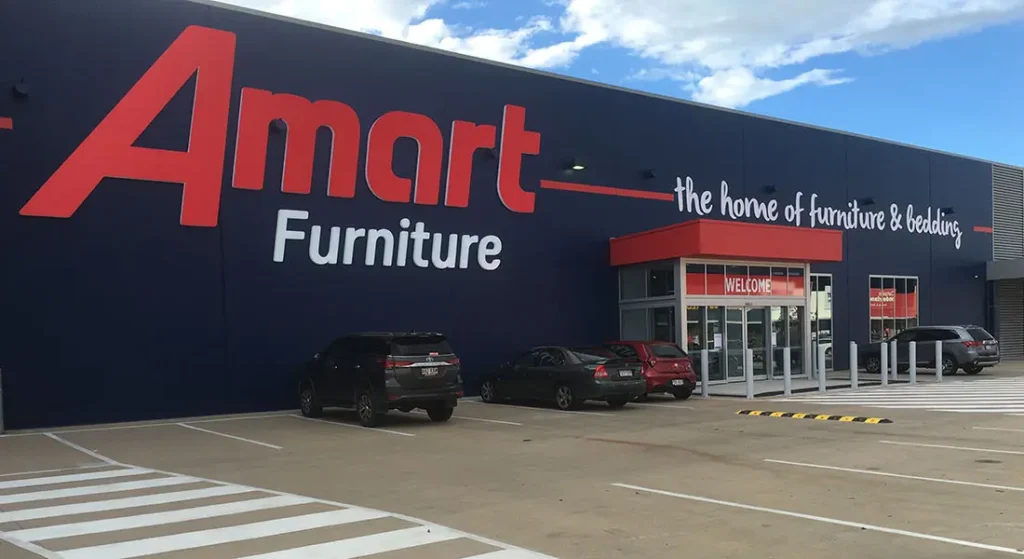
Nathan Bush: Rob Hango Zada has been on this show more times than I can count and he is welcome back anytime he comes on. There's not many people with that card. Joining him today is Dave Bauer, who is a first timer, but I've known Dave even longer than I've known Rob. We worked together at Super Retail Group years ago, back when I was getting kicked out of offices and into a shed with no windows. As Dave tells us about today, glamorous time in my life. Dave is now general manager for customer at Amart Furniture and that means he's responsible for brand marketing, e commerce and the full customer experience across one of Australia's biggest furniture retailers. Every year, Rob and the Shibit team put out the State of Shipping report. And every year there's something in it that changes how I think about delivery. The 2026 version, which has just dropped, has a finding that they call the Promise Gap. Australian retailers are on average promising 5.2 days at checkout. Actual delivery takes 2.2 days. That's a three day buffer that is sitting there quietly killing conversion. And most retailers probably don't even know it's happening. What makes this episode different is getting to hear the report's findings through Dave's eyes. His background is in CRM and customer loyalty, not necessarily in operations. So when he's talking about delivery, he's not talking about dyfot, he's talking about broken promises. His team actually uses that term. Just quickly, before we get into today's very special exclusive episode, I want to thank Shipit for partnering with Add to Cart throughout all of 2026. It's really great to have them as a source for all the shipping and fulfillment information that we bring to you. If you want to download the Shibit State of shipping report for 2026 as we were going through the episode, the link is in the show notes so you can follow along while we're having this conversation. And if you want the cheat sheet from this episode, head on over to add to cart.comau and sign up for the newsletter. We send a cheat sheet out on the day every episode is released. Now here's general manager for customer David Bauer from Amart Furniture and co founder and CEO of Shipit Rob Hangozada to talk us through the 2026 Shipit State of shipping report. Dave and Rob, welcome to add to cart.
Dave Bauer: Thanks, Bushy.
Rob Hangozada: Thank you for having us.
Nathan Bush: Rob, I'm going to stamp your loyalty stamp. Is this your third time now?
Rob Hangozada: Oh, look, I don't know, you tend to lose count of these things, Bushy.
Nathan Bush: I'm not that special, am I?
Rob Hangozada: No.
Nathan Bush: Fair. Fair.
Rob Hangozada: Chuck it on the pile. Really? Yeah. Now these are my favourite ones though. These are my real favourite times of the year where we get to catch up and chew the fat.
Nathan Bush: Yeah, it is good. It's my favourite shipping and fulfillment report that we're going to dive into. So I'm excited about that. But Dave, I am stoked to have you on the show because we worked together for years.
Dave Bauer: We did indeed.
Nathan Bush: Super retail group. So here we are having a chat in the pod.
Rob Hangozada: Yeah.
Dave Bauer: What do they say? Like the cliche about longtime listener, first time caller. That's. That's me today. Right. So. Well, she. I think we were working together since before Salesforce were doing the hoodies thing.
Nathan Bush: That's true, that's true. Before we got on the trail and
Dave Bauer: it's actually I was reflecting on it on this, this conversation and this topic as we were, you know, preparing and logistics and shipping and you know, movement of stock and E comm. I recall back at the, the old super retail days, we're outgrowing our office space. Right. And your team, we actually based you guys in a shed in the car park. Right. I don't know if you remember this.
Nathan Bush: I believe the term is. You kicked us into the shed.
Dave Bauer: But that was it. Right. And there was no windows because you were, you were talking about ceremonies and scrums and you know, all sorts of language that we didn't understand back in the.
Nathan Bush: And we were just the digital nerds on the computer. They don't need windows 100%.
Dave Bauer: Right. Yeah. You'd come out and have a ceremony and we'd be like, what's going on in the shed? But the thing that was really interesting about that is the shed, you remember it was called the Lindy Shed.
Nathan Bush: That's right.
Dave Bauer: And it was called the Lindy Shed because that's previously where we used to store the forklifts and the picking equipment that we used to use to get our orders. Out. So, mate, here we are. Come the full circle.
Nathan Bush: That's a great link. I like that, Dave. Well done on bringing that all together. I was like, where the hell are you going with this story?
Dave Bauer: But you pulled it in, mate. We've known each other for a long time. That's the summary there.
Nathan Bush: I know both of you individuals very well, but how do you guys know each other? Because there is a reason you're on this podcast, Dave. What's the connection?
Dave Bauer: So look, Shipbird actually are a great partner of ours here at Amart and basically what they do is help us with fulfillment of our online exclusive range. So we've got quite a tight curated range of product and the Shipit team are basically responsible for getting that to the customers.
Nathan Bush: Awesome. Do you do that well, Rob?
Rob Hangozada: Oh, look, we hear about it when we don't put it that way, but the fact that Dave's willing to join us on a call means we're doing an okay job.
Nathan Bush: Yeah, absolutely. And Dave, big changes for Amart recently in terms of the scope and the size of your operation. What impacts is that having on you and the team?
Dave Bauer: Well, I guess, you know, the thing that's happened in recent times is that Freedom has become a part of the broader family. And in fact, last week we launched the Home Furniture Group, which is the holding company for both Amart and Freedom. And they're a great brand. They, you know, genuinely great quality products, style led. We love what they do and they're a really great business to kind of have on our team now. So, yeah, look, you know, and in the future there's likely to be some, some back end changes that are going to make efficiencies and effectiveness improvements for both of us.
Nathan Bush: We just had Paula on the show from Freedom and I think bringing her brains together with you and your team's brains, I'm like, oh, this is going to be a force to be reckoned with. It's very exciting, Paula.
Dave Bauer: And also Jason Piggott in Freedom as well. Great team. They do some really great stuff and you know, in fact we've for a long time looked at the work that they do and think, gee, there's some, some good stuff going on there. And you know, it's going to be good that we can start to share some of that. But ultimately when it comes to facing a customer, we want our own unique identities. We need to be. So that will always remain. There will still be two brands. But yeah, like, it's a really exciting time for us.
Nathan Bush: And as GM of customer, you've got a pretty complex operation. You've got huge amount of stores, you've got bulky goods, you've got click and collect. How do you think about that? Customer promise or meeting customer expectations? When it comes to shipping and fulfillment, how much of a role does it play in that journey?
Dave Bauer: So, yeah, we do have 65 stores. We've obviously got an E commerce operation and we've also got our online exclusive range. And I guess the way that I think about it is that if we've got a store team or, you know, a website experience that is best in class and independently, we've been assessed as having, you know, great service. In fact, we're in 2025, we won the Canstar, you know, best customer service award. We've got trustpilot reviews that are really strong, so we've got that part of it right. Our voice of customer says that our experience in store and our pricing is all in line with what you would expect. So that's all really good. But just picture it where you've waited for a lounge to turn up because you've ordered a particular color or something that was maybe bespoke to you, and a dirty old truck reverses down the driveway and runs over your mailbox and then the, you know, didn't know what
Nathan Bush: you were going to say. Run over your something.
Dave Bauer: Yeah, well, let's go mailbox. That's a bit more family friendly. And so, you know, then the guys jump out and put their muddy boots in your nice new carpet and, you know, they damage the product. You can just imagine that it doesn't matter. All of the work that's gone into the point of delivering that product, it's just thrown out the window because that last 10 metres has been the part that can either make or break the experience. And for what it's worth, that's absolutely not what a Mart do. We're very much focused on the last mile, the last 10 metres, last 30 meters. However you term it absolutely critical to the customer experience. So that's why it's super important to us at A mart.
Nathan Bush: That's awesome. My goodness. Sounds like we've just got it sorted. We should end it there. No one will find any cracks, any faults.
Dave Bauer: I wish, I wish, mate. There's always opportunities and there's plenty of work that we're doing and, you know, it's great partners like Shipr that help us to be even better.
Nathan Bush: Brilliant. So, Rob, state of shipping report. What year are we up to now?
Rob Hangozada: I think this is the third year of the current incarnation of the report. This is something that we, we invented in 2018. We ran it for a couple of years and then a little thing called Covid happened in between. And I think everybody lost their shit and we're like looking at different things. And now we've had a chance to really, you know, deeply reflect on what is it about the report that sort of adds value to the lives of operators like Dave, who kind of need to be equipped with the level of insight that I guess the market has lacked for, for a little bit of time. And I think this is probably our biggest report yet. I think it's had the most consumers surveyed, the most deliveries, looked into most carriers, you name it, it's bigger and better than ever. And now with a free set of steak knives as well.
Nathan Bush: Nate, it's really good because you're starting to get those benchmarks year on year. So how much things are changing every year and they're changing quickly in your world. What was the number one thing that surprised you out of this year's report?
Rob Hangozada: To be honest, I think, you know, the amount of doom and gloom that we hear about in retail and everyone in retail is kind of scrambling to really rethink, transform. You gotta deal with a more discerning consumer. You got consumer confidence levels that are lowest they've ever been. You got record high interest rates. You've got all these uncertainty in the world. Yet four in five retailers are anticipating growth in 26. And that for us was a bit of an eye opener, which is absolutely amazing.
Nathan Bush: Retailers are diluted.
Rob Hangozada: Well, no, they're. They're glass half full. Right? Like, it's great, but it's, I think to all the things that Dave talked about in terms of obsessing about the last 10 meters of a delivery and that purchase experience. It didn't even talk about a delivery. It's the last mile of the purchase experience. I think that's where everyone's going to fixate. So we're pretty excited about that and the fact that retailers are switched onto that.
Nathan Bush: And Dave, does that ring true for you? All those economic headwinds and macro factors, does it change your outlook on the opportunity that you were talking about before?
Dave Bauer: No, not at all. I mean, the reality is that there's always going to be a market. I mean, in our category, there's always going to be people that need replacement furniture. Our opportunity is to do it better than others that are out there trying to share the same market. So I don't think as retailers we're deluded. I think this is where we do our best work. You know, this is, this is now like a challenge to be better. And for us that's awesome. We love that.
Nathan Bush: I love it. And in terms of there has been a huge change in Amart's positioning in market over the last few years. How do you differentiate yourself from all the other furniture retailers out there right now?
Dave Bauer: Yeah, that's a great question. So I mean, I guess we've been around since the early 70s and back then we were the home of furniture and bedding and we had these massive superstores and, and it was cheap product. You know, the old ad stack em high, watch em fly. That was what we were all about. And at the same time we were low margin moving volumes of this massive stock right around the country. And so that was, that was never gonna be a path to success. It was fit for the time and we did really successfully for a very long time. But in recent times it's been more about how do we position ourselves as the brand that has style, quality and affordable furniture. And we still position ourselves as for everyday Australians, that's absolutely where we, we see our core target. And for us it is about appreciating that style is important that people do want to recreate the look that they've seen on the block or you know, in a social feed or whatever it might be. So for us, yes, stylish, good quality, affordable furniture for everyday Australians. That's how we position ourselves at Amart.
Nathan Bush: I think that's really interesting, isn't it? And that you're excelling so, so much in that area. Because so often we're told that the middle ground in retail is a dangerous place to be. You've either gotta be premium or you've gotta be the cheapest. And you're proving out there that there is a place to service everyday Australians.
Dave Bauer: Yeah, look, it can be a race to the bottom and moving big items of furniture costs a lot. I mean you've got to warehouse these things. You've got to move trucks around. You've got to, you know, have stores that are massive. So for us, yeah, we know that customers now want something that's a better quality item. And of course style led. That's always the thing that's front of mind for me, that consumers make an emotional decision based on completing a look that they've seen. Rather than, you know, show me where the cheap lounges are. They want to create a, you know, something that they've seen and they really feel great in their home with it. So for Us? Yeah, it's style, quality and affordability. I mean we've always been known for that. But yeah, conquesting on those other two has been the most important thing for us in recent times.
Nathan Bush: Yeah, cool. When you said stack em high, see em fly, you just gave me a mental image. I used to work at Big W when I was like going through school and the coolest job was at the end of the day. They used to have behind the register this huge wall of, do you remember those kids couches that were like fold out and they were like little tiny ones you could put in any lounge room and they'd fold out and 2 year olds can sleep on them. There used to be a huge wall and the job was to replenish that at the end of the night. So you had to get the big ladder out and just have this huge wall of couches. I don't know what was so fun, but you just gave me a flashback to that.
Dave Bauer: Mate. It's literally what we used to do in our stores as well. We used to sell these, these $99 futons and you could have any color you chose and we literally stacked them from the floor to the ceiling. And mate, these things were terrible as a bed and terrible as a lounge, but they were 99 bucks. We sold a shitload of them.
Rob Hangozada: Can't beat it. Can't beat it, Dave.
Nathan Bush: Doesn't matter when you're a university student getting home at 4:00am with a kebab, does it?
Dave Bauer: Exactly. First home, moving out. That's exactly right.
Nathan Bush: That's great. All right, let's get into the report. So Dave, with that view of what was it? Style, quality and affordable. Affordable with that lens. When you got your special pre release of the ship it report, was there any stat in there that jumped out at you that you needed to take notice of straight away?
Dave Bauer: There's two actually. There's two that really stood out and resonated for me. So. So my team are charged with basically driving customers into store but also then ensuring that we've got the full journey mapped out with the CRM side of it. So we want to drive loyalty. And so the one that really stood out first for me was that you know the impact on loyalty that a bad delivery can have on a customer. And that's the equivalent of what I talked about there with the mailbox being run over in the muddy boots on your new carpet. For us, loyalty absolutely comes from that last part of the journey that a customer has with your brand. And it doesn't matter whether it's, you know, a contractor or an external. It has to be, the customer sees that as Amart. We have to make sure that part of the experience is every bit as good as everywhere that's gone before it. So that's the one that stood out for me. Most importantly, the second one then is about the accuracy. So in our space, if you're waiting for a lounge, you know, you might have to move things out of the way. You gotta take the morning off work, you gotta make sure that your dog doesn't escape and all of those really fun things that you have to do. And so it's just not good enough to not be able to tell the customer when that's going to be landing in their home. An eight hour window is not good enough. It needs to be really specific. You need to be able to tell the customer, here's where we're going to be at your house, here's what you need to do before we get there. And be ready to go. So they're the two that stood out for me.
Nathan Bush: Nice. Good picks. Rob, I know you're very passionate around the accuracy. Is it getting better?
Rob Hangozada: Look, the data is, but I think that the number of retailers that implement it. One of the surprising findings of the report was only about 7% of retailers actually offer an accurate delivery estimate at checkout. So unfortunately it's, you know what, fortunately it's a great opportunity for retailers looking to grow this year. I think, you know, it's a very difficult problem. You've got this concept of business days and consumers don't think in business days anymore because they've been Amazon trained not to think about business days. Unfortunately, the rest of the industry hasn't caught up. Award wages, unionized workers, you know, these types of things. There's, there's a few things to think about to bring it to life, but if we kind of strip it right back, the big one is that delivery gap, which I'm sure we'll, we'll sort of unpack or the delivery expectation setting gap. That's still an issue.
Nathan Bush: It was really interesting in the report to see, what was it, 52% of customers saying that Amazon's changed their expectations when it comes to delivery.
Rob Hangozada: Yeah, absolutely. I mean, look, my yardstick is just speaking to, you know, family and friends and you know, when your auntie, you know, is in her late 60s, is kind of, you know, comparing every retailer to her last experience and you know, she's, she's now using doordash, she's using Amazon, you know, all These newer technologies. And I always say it, I think, I say every year, your last best experience is your new expectation. And I think, you know, it's. People are spoiled for that instant gratification now and they don't care, you know, what your back end looks like or how complicated your logistics, processes are. They expect to get whatever they order tomorrow. And there used to be a time, I think, where, you know, if it were jocks and socks or something that you didn't need tomorrow, you didn't really care. But what we're finding now is people care about no matter what they buy, if they can't get it by tomorrow, they're silently slipping away and going and buying it from where they can get it tomorrow. And I think ensuring that retailers know that they're competing against the Amazon trained mindset of the consumer is very important for this new financial year that's about to encroach upon us in a month from now.
Nathan Bush: Yeah, that's so true. Last night, my daughter Grace is, She's obsessed with Michael Jackson at the moment, which throws up a whole bunch of conflicted feelings to start with.
Rob Hangozada: But she's gone down the.
Dave Bauer: There's some documentaries she shouldn't watch.
Nathan Bush: Exactly, exactly. We've got to be very careful about the information she accesses. But she's convinced that she wanted the Michael Jackson best of record. And so we're on the couch last night, Sunday night, and she's like, can you. I've finally saved up enough money to buy the record. Can you buy it for me? And I was like, yeah, I can. So we went through the, the websites and we looked at Bondi Records and I was trying to steer it towards Bondi Records because local business retailer, blah, blah, blah, blah, blah. And I said, look, we can do it here, it's a good price. It's going to take between five and 10 days. I think their delivery promise was. And she's like, I don't want to wait that long. And I'm like, well, that's kind of what it is. And she's like, when will it be here? I'm like, I don't know, like, but sometime in there. And I shouldn't have said this. I said we can have a look on Amazon. And had a look on Amazon, it was on prime and it could be guaranteed to be here the next day, so it'll arrive today. And I was like, that's like five bucks more. And she's like, no, I want that, that one for tomorrow. But then she had the nerve to Say, will it be here before I go to school tomorrow? And I was like, I don't know. She's like, well, why don't you know that? Like, they should tell you when it arrives tomorrow. So it's like, yes, our Amazon expectations are changing, but just as the generations come through, this will just be normal, right?
Rob Hangozada: Oh, totally. I think, you know, I have the same thing with my son. He's eight. And, you know, he'll pester me to buy something and then I'll click buy. And literally an hour later he says, so, like, is it, is it coming now? Like, well, you gotta wait, mate. He goes, because we just did Uber Eats and that came like, in half an hour. So, you know it's coming now, right? I'm like, well, it might be next week is. But why? Yeah, so I think, you know, it's a good thing they don't have spending power because we'd all be in trouble and hopefully we can catch up by the time they save up enough pocket money to keep buying.
Nathan Bush: Yeah, exactly. Dave. Talking about having that accurate delivery, obviously it's so important for furniture because you need to be home. You can't just leave it by the letterbox. How close have you got to being really accurate with your promises?
Dave Bauer: I think once the goods are in the truck, we're pretty good where, you know, we've got various technologies that tell a customer that they're next in line and I think we're reasonably good there. Where I don't think we're good. We are absolutely fixated with making sure that we commit to what we've told the customer we were going to do. And the language we use is a broken promise and I guess to sort of share how serious we are about that. Every week in our leadership meeting, we have a graph with how we're doing on broken promises. So the end to end experience from when a customer clicks to. To when they landed in their living room, you know, that part of it. We're very much focused on ensuring that can be as good as a customer would reasonably expect it to be. I think we're okay in that last, the last bit when the couch is in the truck and it's on the way to you and you're going to be next in line. I don't think we're too bad there, but I think we could be better in the steps prior to that. And I think there's some, some awesome technology that we're working through at the moment to, to enable it to be better again.
Nathan Bush: What's the hardest part of getting a couch, from that time when customer presses order to getting it onto the truck, where are the biggest pain points?
Dave Bauer: So we've got distribution centres around the country and the challenge might be if you're in Sydney and you want a red one and we've got the red one in Brisbane. Well, it's got to get from Brisbane to Sydney and then from there to, you know, a distribution hub to get out to the customer. So it's actually a little bit further back in the pipeline in getting the stock to the hub, where it's going to then make the journey to the customer. And that's the part that becomes really challenging for us to communicate on a. You know, on a website, for example, you know, that's where we start building in buffers around delivery times and it's not optimal, but it's unfortunately the way that we. We have to play that because there will be a variation that you just happen to want that isn't available at your local. Your local distribution center.
Nathan Bush: That makes a lot of sense. I'm really interested on that broken promises metric. From a leadership perspective, is it across the business, not just fulfillment, that you're measuring? Broken promises?
Dave Bauer: A broken promise is based on, from a customer's date of purchase, be it online or be it in store, to when we're actually putting that on the truck to go and deliver that to their home. That's the window that we're talking about there. So that's basically the experience that happens after the sale, because we've said to a customer, either online or in a store, you will have this in, I don't know, two weeks, whatever it might be. So there's a risk of losing a sale in that. So that's why it's super important for us. So, yeah, broken promises, absolutely. We avoid those as much as we can.
Nathan Bush: I love that it's a really good term because it's not just another metric. It's like not orders unfulfilled or orders outstanding, because it actually has some emotion and some meaning behind it. So it's a nice way of putting it.
Dave Bauer: We've made a commitment and we, you know, as a business, we have to honor that and as a customer, you expect a business to honour that. And so it's not good enough when you don't love it.
Nathan Bush: Rob, I was fascinated to see in this report our window between our promises and our actual fulfilment times. We've still got a nice big gap there. 2.2 days is the average time for fulfilment but we are still promising on average 5.2 days. Does that point towards that? We are still being too conservative with their promises as retailers.
Rob Hangozada: Look, I think, you know, Dave positioned it in a way that's so eloquent around, you know, how a business really upholds the promise and how important that is for the loyalty of a consumer. I think it's no mean feat, you know, and we've been really digging into this cause we first saw the promise gap two years ago. And good news is that expectation has kind of come down. I think it was at 5, 6 days. It's now at 5.2 days is kind of what the average promise looks like. But the 2.2 days is how long it takes for a career. So once it's in the network, it's how long it takes the career to deliver it to a doorstep. So, you know, if you were to tell me 10 years ago that the average delivery only takes two business days to get to your doorstep, I would've said you're dreaming. But that's an amazing reality of the world we operate in right now. The problem is, and it's not a small problem either, like the challenge for a retailer in thinking about, okay, do I have a live view of where my inventory is today? AM I running 24 by 7 shifts in a warehouse? Or if I'm fulfilling from store, do I have capacity in every store location to ship from those locations? You know, and then trying to meld all of that together with some type of semblance of SLA adherence. When you really think about the store based environment, you're going to prioritize the customer that walks through the store versus fulfilling an order from a store location. All those things go into this big melting pot called the fulfillment promise. And that fulfillment promise often gets breached. It's easier to hold a courier to account because you know, when it went into the network and when it got to the customer's home. But it's a lot harder to hold store staff to account. And I think what we're kind of seeing is this two big levers which retailers need to pull. And some of them are doing it very, very well and others are kind of falling a little bit behind because there's this big old chestnut of investments that needs to be cracked. And there aren't many operators in this climate that are willing to put their heads out there to really put the right investments in. So what I mean by that is a lot of retailers that we work with, many of them know exactly where the Inventory is ahead of a purchase being made, but there's a whole cohort of retailers that only know where an item is going to be fulfilled from after a purchase is made. And if you think about that challenge, that kind of speaks volumes as to why there is such a gap in terms of what you can promise at a checkout. You can reliably say, well, the moment it enters the network, I know it's going to get to you by this day, but I don't know where in my network the item's going to come from. And I don't know if I can invest in those big system transformations in order to get you that clarity. So I'm just going to close my eyes to it and try to give you a 5 to 6 business day range rather than a 5 to 10.
Nathan Bush: So are you talking from a big system perspective? Are you talking inventory management systems there or warehouse management systems? What are we talking about here? ERP is the whole lot.
Rob Hangozada: The answer is always, it depends. But frankly, it is the orchestration technology. So whether it's an order management system, whether it's the erp, whether it's just orchestration, sequencing and kind of being able to look at that. But sometimes it's not even the system, sometimes it's the culture of the business and how able the store staff are to serve the mission of the online team. I think that's been a really big disconnect we've kind of observed over the last 10 years.
Nathan Bush: Yeah, I love that. Dave, from your perspective, where have you seen the biggest breakthroughs in being able to make sure that the amount of times you're talking about broken promises is declining? Where are you getting your biggest wins? Is it from the systems? Is it from the culture? Is it from changing expectations?
Dave Bauer: I think it's a little bit of each, actually. If you're talking about the culture, much like I think Paula spoke about the stores, their P and L includes basically online transactions as well. So there's an incentive there for them to fulfil that. Cause we appreciate that a customer might have been in the store and they might just be using the. The website is a, you know, point of sale. So there's firstly trying to break down that part of the. The barrier that you might have. The other thing is technology. I mean, we've been able to ensure that we do have good stocks. Like our inventory feed is genuinely good for us. It's going to be a little bit different to someone that's selling thousands of units per hour. You know, we're not Selling small widgets, we're selling large furniture items which are, you know, potentially thousands and thousands of dollars. So making sure that, you know, we've got the stock in the right places is very important for us. You know, the inventory management systems that we use, the way that we provide the feeds to our website and all of the moving parts that happen there. So there's, yeah, there's a cultural piece, but also there's technology that we've got to support that as well. Just so we, we do make sure that we can do that. First part of the journey that Rob spoke about. As quick as customer would expect it to be.
Nathan Bush: How's this for a stat? Most retailers deliver three days faster than they advertise at checkout. However, 38% of shoppers are saying an accurate delivery estimate makes them more likely to buy. So that promise gap could be costing you conversions, but it is fixable. And it is just one finding in ShipIt's State of Shipping report from AI and Amazon to fuel prices and delivery costs. This report is your blueprint for retail growth in 2026. It is my go to report and every year for delivery and fulfillment. You can download your copy with the link in our show notes. And obviously the technology is important, but the technology is only as good as the data that's behind it or stored in it. One of the surprising findings that I found in there was that two thirds of retailers were still rarely or never using their delivery data. That blows my mind, Rob. I found this one hard to believe. Have you got any more context on it? Because I feel that would be a treasure trove that might most retailers would be doing purely from a profit perspective, let alone a customer management perspective.
Rob Hangozada: Yeah, look, it is interesting. It's been largely the same and through a lot of anecdotal conversations with retailers, I think when you think about delivery data, it really comes in the form of the invoice you get from a carrier and the meetings you have with a carrier about your die fot adherence. Right. And it's the carrier market.
Nathan Bush: For those wondering what that acronym that you just threw out there, Delivery in full on time.
Rob Hangozada: Perfect, perfect. There you go. Still got it. Pushy. Still got it.
Nathan Bush: Tell me whenever you need someone on the team, Rob, I'm here, I'm waiting.
Rob Hangozada: I think you can use ChatGPT these days, man. I don't know, it's, it's tough. But the funny thing is, you know, I think like, I don't know, we've kind of, if you've been in the industry a good 20 years, you kind of resign yourself to the fact that carriers are the carriers and you can kind of manage them on a quarterly or a monthly basis. If there's a spotfire that comes up, you just give them a call and you say, hey Joe, what's going on over here? Can you work with the reps in that area? Can you sort that out? But I think what we're finding is the new generation of operators are really hungry for real time data and insight. And it's not just the data and insight because as we know, like in a world where you can plug a data feed into your LLM, you can get that to start making decisions for you and starting to orchestrate for you. So I think we'll actually see a bit of a leapfrog moment here. So it's probably a good thing. There have been laggards, you know, in sort of looking at delivery data, but part of it has largely been because it's hard to access. I mean, who's giving you a live data feed as to where your deliveries are at any point in time? Dave talked about having great technology at his disposal. Not a lot of businesses do. So I think that there's big investments required in order to get visibility of the data and insight. Then there's even bigger investments to be able to do something with that. But yeah, it's a big one.
Nathan Bush: I mean, you framed it very nicely here and I like that you're keeping us upbeat and you're keeping us optimistic. But in the report you called it the Kodak moment for many retailers.
Rob Hangozada: Yeah, well that's the thing. I talk about that sort of two speed. So you've got the new generation of operators that don't know any different. I mean, I'm not sure how many boardrooms are sitting there obsessing over the promise gap, you know, and broken promises to a customer. We've got some retailers looking at the difference between a first time delivery rating versus the average cost to lifetime value where you factor delivery as a cost to lifetime value of the customer instead of a cost per transaction. And you're looking at a margin per order. I think, you know, that's the Kodak moment is there in sort of proof with how delivery is treated. And Amazon has proven, and I think people get sick and tired of hearing about it, but Amazon has proven time and again that investment in the last mile drives repeat visitation and purchase from consumers because they've fallen into a habit. They're Amazon trained and they know what they're going to get when they're going to get it. And I think that's the only remaining lever for loyalty that we have apart from range curation. You know, I think that's, that's it. And if range and price become the commodity, then what becomes the differentiator? Mm.
Nathan Bush: Dave, how does that conversation pair up with what you're hearing or seeing within the walls of Amart? I'm interested to know if you're using that delivery and fulfillment data to be able to find those direct correlations between customer loyalty and next purchase.
Dave Bauer: We're not that sophisticated yet. We're absolutely on a journey. I mean we're currently going through a total transformation of our IT stack and using Salesforce Core, then you know, the plugins that sit on top of that, including Headless Commerce and you know, our in store paws and all of those pieces that are going to make that far more visible for us and actually then able to be weaponized and turned into some sort of a loyalty creation piece. But we're not there now. I mean the closest we get is that we get voice of customer feedback and we say gee, we're doing a poor job in this particular area so let's go and have a conversation with the courier or you know, understand a little bit more about what might be going wrong. But I mean that's the new frontier and one that's really exciting. But we're not there yet.
Nathan Bush: And we've done our fair share of transformations, including some together at Super Retail Group. One of the pieces in this report was talking about AI has jumped from 15 to 35% as retailers top investment priority in the next 12 months, which I don't think is a surprise to anyone. Nice to have some numbers behind it as you're doing your transformation today in terms of that IT tech stack. Is AI leading that or is it kind of an add on and something you've got to consider in the process?
Dave Bauer: I think almost every tech provider has some form of AI, whether it's machine learning or true sort of LLM stuff. So it is a consideration. I mean the way that we're considering it in our business is that we've got all of this data. How do you make meaningful sense of it and then how do you predict what that might become and then what you do with it? So you know, all of our divisions across the organization have been challenged. How do we actually harness that? How do we use our data more effectively? We've got this adage about being better, simpler and cheaper and so all of our strategic initiatives that we pursue have to fit into to one of those buckets. And for us, I mean, that's really where some of this tech can help us to be better. Simpler and cheaper.
Nathan Bush: You really like three word mottos, don't you, mate?
Dave Bauer: I'm all about it. I'm a marketer at heart, so, you know, simple things.
Nathan Bush: I love it. I love it. Even though I can understand it. Well done.
Dave Bauer: When you go, I've got these four points, you always forget the fourth. So three is easy to talk. Easy to talk to. That's right.
Nathan Bush: I agree. There's a lesson for everyone. All right, I want to talk about cheaper because obviously one of the things that has changed, we've got this thing called a fuel surcharge that's hit us this year. Thank you, Mr. Donald Trump. So that's changed the game or the outlook and the calculations for many people on both the retailer side and the carrier side, I think both are grappling with it and trying to find a nice way of doing it. Rob, the report said that standard Delivery now costs $11.30 on average, which is up a dollar on last year. Is it the obvious that's driving that increase? And do you think that there's any sign of that easing? Like, how are we going to predict what delivery will cost in another 12 months?
Rob Hangozada: Like your crystal ball, Bushy. I don't know, it's anybody's guess. I think I was speaking to an operator the other day and he's like, can we just have a normal year? Felt like there's been like a bunch of shit to deal with every single year since 2020 and we just want a smooth year just to smooth out your comparable sales. You can just figure stuff out, you've got a stable cost base and we can just operate like normal. I actually think this is the normal. It's, you know, in the old days we used to call it the VUCA World Volatile uncertain four letter acronym. But you know, it's that uncertainty, you know, you think about what's in a delivery cost. You got fuel, you've got labor, and then you've got the cluster that is the natural environment, which is getting a lot worse before it gets any better. Unfortunately, we see a lot more natural disasters, a lot more, you know, kind of also when you think about it, the Strait of Hormuz, you know, largely didn't impact Australia as much as it could impact some other economies.
Nathan Bush: Didn't even know what it was exactly.
Rob Hangozada: And then we found out, right, there's this thing that, like, stuff Passes through. And when stuff stops passing through there, fuel goes up. So there's this interconnectivity of systems. And although we saw this happen when China got shut down through Covid and what that did to the nature of moving product around the world and the cost of product and raw goods, raw materials, yet all these systems are quite interconnected. And any bit of uncertainty that happens, particularly as organizations become a lot more lean in terms of how they operate, they're not immune to this disruption. And disruption equals cost, cost equals inflation, and inflation equals bad things. So we're just seeing that come to light in delivery. Fuel surcharge was part of it, but the increasing cost of labor, real estate, all those sorts of things are really compounding this. And then I think there are some carriers that are being very creative with how they pass certain costs on. I mean, you know, there's surcharges which go into the mix as well. And you know, there are certain surcharges for things that are glass and things that have liquid in the glass. And then if the glass tends to rattle in the box, then there's a rattle surcharge.
Nathan Bush: And is there seriously a rattle surcharge?
Rob Hangozada: There is a rattle surcharge.
Nathan Bush: Do they have to shake the box to sense the rattle? Because that will then break the product
Rob Hangozada: if she be rattling. There is a surcharge. So this is what happens in an industry which is running on razor thin margins. And there's a look for cost recovery. We call it shaping freight. So if you don't want certain freight in your network that is costly for you to move through your network, you'll still do it, but you'll charge for the privilege. And for us, I think we're getting to this point of unsustainability because the customer doesn't want to pay for it. And I think I've said this probably a few too many times on this podcast. Pushy. But it's delivery is the one thing that everybody needs to go really. Right. But nobody wants to pay for.
Nathan Bush: Yeah.
Rob Hangozada: And that's the conundrum we find ourselves in, particularly when the cost of delivery starts ratcheting up 10% a year.
Nathan Bush: Yeah. For the first time I saw on a retail's website last week, I think it was Seed and Sprout's website, they had the surcharge, a $2 surcharge on their product pages. So they literally had the price, the delivery cost. And then they said, we've now got a temporary $2 surcharge on all orders because of the fuel Surcharge, So being really transparent, which I give them a lot of credit for, that's hard to swallow for a consumer. I can imagine what that's doing for their conversion rate because like you said, no one likes paying for shipping. And then to put that up front, do you feel that the couriers, you said that they're being very creative and I get that you've got to be Switzerland in your business model, but do you feel like they're being creative to help protect their own margins or to help retailers be more efficient?
Rob Hangozada: Look, I think it is all about margin preservation. No matter what business you're running is all about extracting greater margin from your operations. That's the mandate, that's the current age of efficiency that we live in. And I think it's the same reason why a lot of different providers have increased the price of goods. Groceries are going up, just everybody is trying to cover their margin. I think the interesting part is when you start looking at breaking down the different types of delivery speeds, you actually find that the gap between different methods of delivery is starting to diminish. So actually express and same day delivery, what we saw in the report this year is same day because it's had so much volume saying to go through that as a channel or as a delivery method, the cost of same day delivery has come down to almost the same level of express delivery. And in time the cost of standard delivery will be almost on par with the cost of express delivery. So really this is a density driven game. As we look at e commerce penetration continuing to go up, we should see the speed of delivery compress and the cost of delivery start to become sort of one in the same. So the future of delivery in my mind is not, you know, three different methods at three different price points. It's one delivery method at one price point. And then potentially there's an economy method, which is the TEMU style of delivery, which is you'll get it whenever we bloody well think we should. And that is something that just waits in the background until a truck picks up enough mess to drop it on your doorstep. But really we're seeing this compression of delivery services and cost kind of meeting in a center point.
Nathan Bush: How does that fit for you, Dave, as you're planning forward? Because obviously you don't have the luxury of being able to choose from a massive pool of couriers or delivery partners given the type of product. How do you keep everyone competitive on rate to make sure you're giving customer a great experience?
Dave Bauer: Yeah, look, I mean we've of course, got pressures on our costs as well, so we need to recover those. And. And that means that in recent times, some of our delivery fees have gone up. They have to. In terms of. Then how do we mitigate that moving forward? You know, the solutions might be around different price points for different types of products. Right. It today costs you the same as, you know, to get a coffee table to your home as it does maybe a whole household of furniture. So do you do some sort of a tiering based on the cubes, the weights? You know, that's kind of one, one area for exploration, but also for us. We're now looking at things like our premium range of product, our signature range, for example, doing white glove services whereby we bring it into your home, put it in the room, set it up, take all the garbage away, and then, you know, leave you with a really great experience. So that's the sort of thing that we're starting to consider. Is there a more premium tier rather than just going with the maybe the, you know, the basic kind of economy level, Maybe there's an option for a second tier for us.
Nathan Bush: And is that kind of tying into what Rob was saying around? No one likes paying for fulfillment, but if you can actually turn it into a service to be useful and helpful, people will actually pay for it.
Dave Bauer: Absolutely. Look, the reality is, I mean, we wouldn't make any money on the cost of it. The experience that we get to deliver to a customer is going to foster loyalty for the future. The opportunity is to actually create a better experience which is going to result in a. Hopefully a customer for life.
Nathan Bush: All right, well, we've unpacked a lot. If there any report findings that I've missed that you think we should have been talking about that we want to bring to the people.
Rob Hangozada: Oh, look, there's probably one bushy, which. Is that the dirty R word? I don't know if we want to talk about it. Returns.
Nathan Bush: Oh, thought of a few other R words, but not that one.
Rob Hangozada: I'm glad your mind went there. But look, you know, I think it's kind of like, I don't know, it's the poor cousin of the delivery experience, but it's the one thing that retailers, you know, we talk about margin preservation. Returns is the one thing that can completely undo unit economics. Right. Because the item that's been purchased now out of circulation, you can't sell it. You got to sort of bring in the inventory again moment somebody does choose to return it. You've got to think about, okay, is this in merchantable Quality that I can put back on show, or do I have to now scrap it and then wear the cost of it? All this sort of stuff and the rigmarole around it. I think when we first did the report In 2018, one in two retailers had free returns. Now it was 19% last year, it's 11% this year.
Nathan Bush: So it's just not a thing anymore, is it?
Rob Hangozada: Not a thing. Which is probably a good thing because it's buyer beware. You got to make sure you're making the right purchase decision for you. But we've seen a massive increase in the number of retailers offering easy returns. So reducing the friction to generate a return is important, but recovering cost on that return is also crucially important for a retailer. And that balancing act is interesting. So we've seen more practices of retailers kind of offering, you know, 10% increase in store credits to kind of incentivize rather than a refund, get an instant credit or run an instant exchange. But the ease of being able to submit a return is something that we're seeing a lot of retailers lean into, but definitely a withdrawal of free returns. So if you're still offering free returns, turn that off right now.
Nathan Bush: What does easy returns look like? Like, what's the typical easy return?
Rob Hangozada: Do you remember the days where you would jump onto the website, you'd look for their return policy at the footer, you'd click on that, you'd go down and say, email customer service to return your product. You punch in an email, two days later, somebody sends you back a PDF that you've got to print out and you don't have a printer and you're going to fill that in and then you've got to go down to the post office and pay for shipping. Yeah, that is not easy.
Nathan Bush: Oh, I thought you were about to say, that is easy. I'm like, jesus, Rob, come on, mate,
Rob Hangozada: you know, anything worth its weight, you know, is worth the work. But it's, yeah, easy returns is, hey, here's a thing. I need to return it. So long as it meets the criteria that the retailer has agreed upon. Away you go. A return label spits out. You can either drop it off at a post office and they can print the label out for you, you can take it back to a store. It doesn't matter where you bought it. There's no channel conflict. You know, all those sorts of things play into an easy return.
Nathan Bush: That makes sense. Dave, do you have many people taking their couch into the post office to return it?
Dave Bauer: Mate, we do not want people to return our products. The reality is if we've got to go out to a customer's home, pick it up, bring it back to a warehouse, then we've got something that we've got to do something with. Absolutely. No, we try to avoid that one of course. So we try and get it right the first time.
Nathan Bush: And so obviously there's a big difference between returns, which are change of mind returns and faulty goods or damaged goods. Under accc, you've obviously got to do that for free and do that. Do you offer any change of mind returns at all?
Dave Bauer: Oh, look, I mean absolutely compliant with the acl, but typically when you've bought an item of furniture, you pay a deposit on the spot and then we call you and say, look, it's here, it's ready to go. You know, we've got a few steps that will hopefully get you to a point of making a decision before it's in your home. But there's, there's always going to be, you know, exceptions to that.
Nathan Bush: So that makes sense.
Dave Bauer: Not, it's the worst part of, you know, in our, in our industry moving things back to our warehouse, it's incredibly difficult.
Nathan Bush: It's a one way door. Get out of here.
Dave Bauer: Yeah, we do with the best we can to make sure our customers get the right things the first time around because we avoid that second part.
Rob Hangozada: Sell great products.
Nathan Bush: Exactly, exactly. All right, we're going to wrap up there because the report is available today download for free and we're going to put the link in the show notes here for anyone to go in and download that. Rob, I'm not going to ask you to memorise the URL for the download
Rob Hangozada: link better than ask me to describe the QR code. So that's all right. Yeah.
Dave Bauer: But I want to leave it with
Nathan Bush: both of you after reading this report. What is one thing that you're thinking about, Dave, moving forward into the next 12 months when it comes to how fulfillment and delivery and that the broken promises which I love how you describe there, how can you use that to enhance the customer experience? What do you think the biggest win is for you in the next 12 months?
Dave Bauer: I think the data piece and obviously understanding the areas where we can be better, that's absolutely a big focus for us. But secondly, I think it's the communication to the customer making sure that they know when something's going to arrive, they know to be prepared. They've got a really sort of close window about when that will be at their doorstep. That for me, the customer communication piece we can always do that better and I think the data will help us to do that better too.
Nathan Bush: Yeah, love it. Rob, apart from turn off free free returns, what advice are you giving retailers here based on the data?
Rob Hangozada: Look, we were fortunate enough this year to have Sarah Mullen from Adore Beauty pen our forward. I think she put it so well. It's the retailers that will make any ground this year are the ones doing unglamorous work. It's the unsexy ops stuff, right? Cleaner data, better returns, fulfillment that holds at peak. I think the retailers that get that right, we'll see a bump up in those that are offering accurate delivery estimates at checkout and they're the ones that are ultimately going to win the loyalty of a customer. So it's the unsexy stuff. No more glamorous digital transformations, just important ones that change the fundamentals.
Nathan Bush: Boring.
Rob Hangozada: Hey, logistics is sexy. Bushy.
Nathan Bush: It is so true though. And I think that even, you know, we talked a lot about how the data has changed and the expectations of the consumer has changed a lot. But that message has pretty much been the same over the last three years is like get that backend system and the operations and the culture right, because it is the unsexy stuff that actually flows onto the customer in the end. So, Dave, Rob, thank you so much for joining me. Pleasure to have both of you on with me at the one time. That was great fun. If you haven't got it already, go download the report. There's lots of great stuff in there and like you said, Rob, some great stories and commentary in there from other retailers as well. We'll do it again next year.
Rob Hangozada: Absolutely. Let's do it same time, same place.
Dave Bauer: Sounds great. Thanks Bushy.
Rob Hangozada: Thanks Bushy.
Nathan Bush: Thanks Dave. Thanks Rob. That was fascinating because we've often talked about the state of shipping report for normal consumer goods. But to have Dave's lens over the top of it from an Amar perspective that isn't just doing standard shipping, that has a pretty complicated set up in terms of multiple stores, bulky items, multiple warehouses. Was fascinating to see how complicated it can get, but how he still has a really simple view of the link between getting it right and having a brilliant customer experience and having loyal customers and think about it from a long term perspective. So I love that perspective. There are three things that I want to leave you with from this episode to think about for your business. Number one, that promise Gap. This is a free conversion lever that most retailers aren't pulling on on average. Australian retailers tell customers at checkout to expect delivery in 5.2 days. It actually takes 2.2 days by the time it gets into a courier's truck. Now, that gap isn't there because performance is poor. It's there because retailers are buffering their promise to avoid letting their customers down or looking bad. But 68% of consumers say an accurate delivery date is essential or very important before they buy. Closing that gap doesn't cost money, it just means using the data that's already sitting in your carrier network. Using that beta. Only 7% of retailers are using that data, which means that opportunity is wide open for those who want to attack it. Number two Broken promises. I love when Dave brought this up. It's a better delivery metric than anything that I've come across for a while. Especially that DYFOT acronym keeps getting thrown around. Dave Bowers team at Amart tracks every time they commit to a delivery date and miss it. Not as a logistics statistic, but as a promise they made to a customer and they didn't keep. They review it in their leadership meetings every single week. The reframe is what I love about the whole thing. When you call it a broken promise instead of an unfulfilled order, everyone in the room understands why it matters. Lastly, the retailers who will win this year are doing the unglamorous work. That was the line that stuck with me from the end of the conversation. Cleaner data returns that are easy even if they're no longer free. Fulfillment that holds a peak. No big transformation announcements, just the boring backend work that actually flows through to the customer experience. Rob, to be fair to him, has been saying the same version of this for three years on the show and the data just keeps on backing him up. A big thank you to ship it for bringing us this very special episode and for bringing us this data every year, which is always my go to when it comes to comes to the state of shipping and fulfillment in Australia. You can download your copy of that in the show links below. If you've got something from this one, please do subscribe or leave us a review. And if you want to continue the discussion on all things fulfillment, head on over to the community at add to cart.com and nerd out. Get deep into shipping. Ask about others. Fulfillment times. Get nerdy on it all over in the Add to Cart community. There's over 700 e commerce operators in there. Until next time, see you on Add to Cart.