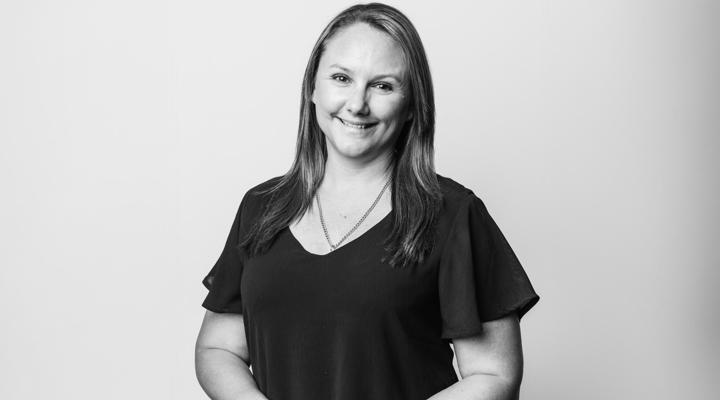
Paula Mitchell: You needed to bring people on a journey because everyone was going, it's digital. No one's going to buy a sofa online. The huge difference is purely around the last mile, making sure you get your lead times right and then doing what you say you're going to do. You've got products that are made to sell versus made to order which can be 12 to 16 week lead time compared to one to two day shipping. It takes a bit to get your head around. Hi, I'm Paula Mitchell, the digital general manager at Freedom Furniture and today on ADD to Cart, I'm talking about our, our amazing technology journey at Freedom and how we are striving every day to try and deliver the best customer experience.
Nathan Bush: Welcome to ADD to Cart. My name is Nathan Bush or Bushy, joining you from the land of the terrible people here in Brisbane, Australia, joined once again by the lovely Rosa Willis. Welcome, Rosa.
Speaker C: Thanks Bushy.
Nathan Bush: Lovely to have you back as our special co host. Rosa, who do we have on the show today?
Speaker C: Yeah, so today we interview Paula Mitchell who is the digital GM of Freedom. And you know, we were really excited about this episode because Paula has a huge 20 year history in digital across multiple fashion brands that a lot of us have shopped with. And she spent the last five years at Freedom which has, as we all know, had a huge journey of like digital transformation, enormous flips in how they manage fulfillment. Their SKUs in that time even went from 10,000 to 70,000. So it's an incredible conversation where we really get to apply what she's seen and what she's built and what, where it's going.
Nathan Bush: And I know there's lots of people listening who will be very familiar with Paula and her journey. She's, I think I mentioned it in the episode, is that she's won pretty much every E commerce award there is. But this is so relevant for anyone in E commerce because what she lets us in on is that yes, there are big complex systems which she has to navigate, but she's really driving that innovation and speed at the front end as well. So she's really running a two speed system here, which I think everyone can take a lot of lessons out of.
Speaker C: Exactly. And I think, you know, the three main things I suppose we're going to cover today is what it looks like to build digital today. So everything from teams tech stack, we cover attribution is a big one. So looking at the modeling of all of these different channels, if we are of course online and we are also in store, what does that look like? What does the customer need. How do you have 70,000 SKUs endless aisles when you also have these physical stores where people shop? And of course, diving into, okay, what is the future of digital? And do we stop saying digital?
Nathan Bush: Do we, do we stop saying E commerce? Do we stop calling ourselves an E commerce podcast? The whole world is falling down, Rosa. It's all coming apart. But I love that conversation right at the end where we challenge the whole notion of whether you actually need a digital team. Like I said, there's so much, so much in this episode. And we even drop a few AI bombs in there as well.
Speaker C: Exactly. We're going to nerd out. People are going to come away with real tools that they can start to look at and apply to their business. So this conversation wouldn't be possible without our incredible sponsors. Thank you so much, Shopify and Klaviyo for making this conversation happen and enabling us to continue to bring this free, valuable insights and takeaways to our incredible E. Com audience.
Nathan Bush: What an absolute treat. Let's get into it. We have an amazing conversation with Paula Mitchell, the GM of digital at Freedom. Let's go, Paula. Welcome to ADD to cart.
Paula Mitchell: Thank you, Nathan. Very excited to be here.
Speaker C: Yeah. Welcome, Paula.
Nathan Bush: So good to have you here. I can't believe it's taken this long. And I can't believe that you said this is your first solo podcast. What the hell? Why have people been sleeping on you? Paula, what's going on?
Paula Mitchell: I don't know. Probably it's all about probably me just, you know, building the confidence to have valuable things to share with the community. I've been a longtime listener of your podcast, so making sure that I can step up to the mark from your other guests that you've had on board over the years.
Speaker C: I feel like you've just been doing the work. I feel like if you're heads down, if you're not building your profile, you're doing the real work, I think. So we're actually lucky to pause and get some polar inspo out of here.
Paula Mitchell: It's unreal. I mean, I've been blessed working in retail and digital for so long and working for some really cool brands. So, you know, I've definitely had my head down for a number of years, just, you know, ever changing landscape of things that we do every day to keep us all entertained and busy. So I am lucky.
Nathan Bush: I would love to explore that with you because anyone who's been in retail and E Comm for a while now will know you and mainly just from the awards that you and the team get like, you seem to be on stage every year collecting awards, which is a great credit to you. Tell me about your role at Freedom and what you're responsible for and what a kind of a typical day looks like for you.
Paula Mitchell: Well, I don't think a typical day exists, so we'll put that opinion, that one. I am the digital GM at Freedom. I've been there for five years now, but you know, whilst it may feel like a lifetime, it still seems like it's gone really quickly. I've been really lucky to start at the business at a time where they were just starting on their digital journey. So it was like this bit of a blank canvas that I was able to work with and build a team and, and I've always been passionate about digital retailing for as long as I can remember. So being able to come into Freedom with a super engaged leadership team who was keen to kind of change the customer experience and provide more value to customers was great. So, you know, having the buy in made it really easy to break down big walls, get projects signed off, you know, bring different types of technology into the stack to improve the customer experience. So I've really been lucky being able to kind of run that race for the last five years.
Speaker C: Can you give us an idea of like, what did Freedom look like five years ago when you stepped into it in terms of like the digital landscape and ecosystem?
Paula Mitchell: Prior to me they had kind of built a, you know, a bespoke in house built e commerce platform off the back of the point of sale. It wasn't endless aisle, it wasn't fully integrated, you know, fulfillment was even manual. So I was a little bit lucky in that the project was halfway along its journey or three quarters of the way along its journey before I joined. So we launched in December 2020 with a pretty vanilla SAP commerce environment, partnering with Fluid and Shipit at that time to be able to bring that endless aisle to life. But then since then it's just been this evolution of, you know, adding value along the way to drive the customer experience and that whole omnichannel multi channel shopping journey in a, you know, a bulky furniture, large volume purchase. So it's very different from where I'd come from in fashion, you know, T shirts and jeans and you know, one three five kilo satchels, moving to anything from a candle to a, you know, $10,000 sofa and what that looks like from an end to end experience. So it's, it's been a ride and
Nathan Bush: for those who don't know you what was the biggest thing that you had to get your head around as you entered into the Freedom space and the furniture category?
Paula Mitchell: I mean my career is, I said before, blessed, working with awesome retailers. So, you know, a really solid retail grounding across Rebel Sport. I was there for, you know, 15 years and then moved across to, to Dan Murphy's, launched their first website, moved into lingerie, launched their first website and then a number of years in fashion at General Pants.
Nathan Bush: So your fingerprints are on the foundations of E commerce all over Australia.
Paula Mitchell: I was very lucky and good timing. It was a time where I think a lot of businesses realized the value that online shopping can add as, you know, incremental of or complimentary channels to their basic business. And you know, how you allow customers to shop anywhere anyhow, anytime used to be that motto 10, 15 years ago, way back, way back. So I was just lucky in being able to play a role in a lot of those things and then coming to Freedom, I think I was really naive at the time. I knew I wanted to try something different other than fashion. And you know, definitely how hard can it be? It's, you know, it's a set of sheets or it's a coffee table or it's a sofa, it'll be fine. And I joke sometimes saying for the first three, three, four, five months I drive home crying going, what have you done? This is insane. But it has been absolutely amazing to learn a different part of retail. You know, when you have a model where you know, you've got products that are made to sell versus made to order, which can be 12 to 16 week lead time compared to one to two day shipping, that takes a bit to get your head around and, and how you have the tools in the background to be able to communicate correctly and effectively to customers to then do what you say you're going to do from a delivery perspective was a huge learning curve. And when anyone joins the business now, I always from an induction process say to them, give yourself six months. It takes six months to wrap your, wrap your head around what a furniture retailer looks, acts and behaves like. But once you get there, it's really cool and interesting.
Speaker C: What are those biggest differences between a, you know, a consumer of fashion and a consumer of furniture? Like what would you say are like the two biggest differences in their purchase behavior?
Paula Mitchell: I think from an on site perspective, it's not a lot. You know, it's got to be inspirational, it's got to be motivational. When you look at, you know, the old days where you'd Buy fashion and it'd be this clear cut dress, which was a halter neck and it was long, but you didn't really feel motivated or inspired. But you put it on a model, she's walking down, you know, through the screen, you picture that dress on you and that's a whole different experience. And furniture's no different. So when you see something on screen, if it's a, you know, a deep etched image, you go, oh, can I imagine that in my space? Maybe, maybe not. Put it in an environment. When you know it's a lifestyle image and it's beautifully styled and it's got a great background, you then have more of an emotive purchase. So I think from, you know, content in the delivery, like the front end delivery mechanism, it's not that different. The huge difference is purely around the last mile. So, you know, making sure you get your lead times right, you're communicating that you're going to be able to Dispatch this in two days, in a week, in 12 weeks, and keeping that conversation alive along the way to set expectations and then doing what you say you're going to do. You know, when you buy a $70 T shirt and it might be a couple of days late, unless you wanted it for an event, you probably don't care. But if you've waited 10 weeks for a sofa and it's going to be late and you've got, you know, grandma coming and she, you know, she's coming to visit, Grandma can sleep on the floor. Well, no, never. But that's such a more of emotive purchase because you've spent a lot of time seeing it in your space, imagining, you know, how it's going to fit and you've got this hyper when it's coming and if someone lets you down, it's really tough. You know, we don't always get it right. We try, we try really hard and for the most part we do. But I think then it's how you behave to solve that problem if you ever get in that situation. But I do think the major difference is just the last mile. Everything else is, is buying and selling retail.
Nathan Bush: I really want to go back to that inspiration piece and so we'll park that. But while we've got the last mile conversation, I think that's really interesting. Has that become harder over the last five years as you've had more D2C competition such as your koalas, and we had Ringo from Acosa here the other day who can basically have a warehouse full of a very limited range of SKUs ready to ship instantly to be at the doorstep, same day even. And that's a very different experience to what I would imagine the freedom customer is getting. Has it been harder to manage those customer expectations with that competition?
Paula Mitchell: I don't think it's been harder from a competitor set perspective. I think it's harder from a service offering in the Australian landscape and the ability to do what you say you're going to do. And you know, I'm sure we're going to unpack, you know, dropship, our dropship program through this call. But you know, owning the last mile and making sure I said before you do what you say you're going to do is really, I think all that matters. So it comes down, I guess to the strength of your integration, the real time nature of your integration to make sure that if you do sell out, whether it be in a vendor, warehouse or within your store, that the customer is seeing that real time kind of stock availability, number one, to know they can purchase with confidence, but then secondly, that, you know, whatever timeframe you say you're going to deliver it in, you know, you actually do that. There's a lot of, there's been a lot of hype in the industry over the years around faster is better and I think that does resonate in some, some kind of verticals, primarily fashion. But I'm not really sure that I know of, you know, anyone that has to have their, you know, dinner set today or their coffee table today. So, you know, again, it's around providing choice and options that make commercial sense for your business to provide a good customer experience. And that just, you know, depends on what your appetite is within your business and the kind of journey you want your customers to have.
Speaker C: I was just chatting to Bushy about this before as well. We've just moved into our house. We went from an apartment to a house. So it's like the first time ever I have that overwhelming thought of like actually thinking about the furniture that goes in. It's not just like a small kind of simple space that can be open plan. Like I've got, you know, kids rooms and you know, all that sort of stuff.
Nathan Bush: It's a huge mansion on Sydney Harbour.
Speaker C: It's massive on vault cliffs.
Paula Mitchell: Definitely not.
Speaker C: But basically I'm such an impulse purchaser and everything I do I will ultimately like. I never thought I'd be an Amazon buyer. I am now. I think I've just changed, right, Everything I need now. And I made a terrible move of buying clearance stock because I was impulse I was at King Living and I was like, oh, amazing. It was like over 50% off. Like, great. That looks great. Couldn't go wrong. King Living furniture, it'll be wonderful. Have it in the space. And it looks so bad. And I have this like an enormous couch that Andrew is hates. And I'm like, I feel like, what do you impulse. I know I went in yesterday, I'm like, can I return it? The customer service was like so terrible. And they're like, no, it's clearance, you idiot. That's the point. Surprise you pay. But I'm interested to know like especially more about this, like third party returns. Because in my most recent experience it was you go back in and they've got to contact a different customer service anyway. So it was like there was no, it was totally full of friction. So I'm really interested to hear about this, like third party returns returning in store. Like, what is that? And like, has that made a big difference or is that just a USP on the website?
Paula Mitchell: Well, first, I'm sorry about your experience. Like that's never fun for anyone. We've all done that, right? Whether it be with furniture or fashion or anything where you're buying a. You know, I think I bought a beautiful dress online. Was, you know, I could never afford full price clearance bought it. I look like a toilet roll holder in it. So that's just going to go in the bin somewhere.
Nathan Bush: At least it's not in your lounge room for the rest of your life.
Paula Mitchell: No, it's hanging on the door in the spare room. I've got to walk past and I got you to get rid of that. It's terrible. But I'm like, you impulse purchase. I love it, I want it. It's on sale and you know, you're not probably reading all the fine print or understanding how it goes. And you know, unfortunately there are always those types of stories you're navigating. For us, when it came to the third party products and the proposition that we wanted to offer, it was really important to, I think firstly protect the brand but maintain, you know, the brand trust that we have within our store environment. How do we maintain that across our kind of third party offering? We debated heavily whether we wanted to do a marketplace model or a dropship model. And for us, because it is such a strong, well known, loved Australian brand, it was really important for us to own it end to end. We didn't want to hand off to someone else to either solve a customer problem or deal with a return or even deal with the last mile. So we build our model purely around the brand protection piece and making sure the customer didn't know any different.
Nathan Bush: Any fashionista knows that if you want to make smart wardrobe choices, everything needs to live in the same wardrobe. Not half your clothes. Clothes in the spare room, shoes in the garage, accessories in the car. Princess Polly realized the same thing was true for their marketing. As they scaled globally and opened physical stores. Their email, SMS app and in store data were all living in different platforms, which makes it pretty hard to scale a great customer experience at scale. So they pulled everything into one place. Klaviyo. By consolidating their channels and customer data, Princess Polly unlocked a clearer view of the customer journey, smarter automations and faster global scale. In Q3 last year alone, they drove 2.8 times year on year global revenue growth. With over 60% of that Klaviyo revenue coming from automated flows. Even better, flow revenue grew more than four times in year on year. Turns out when everything's in one wardrobe, picking the winning outfit gets a lot clearer. If you want your marketing to scale with style, head to klaviyo.com au and see how brands like Princess Polly are doing it.
Paula Mitchell: The piece of friction we get now is even though we we identified as strongly as we can on the website that it's an online exclusive product, there is still a lot of foot traffic that comes into the store and says can you show me this on their phone? So we're actually trialing some kiosks in our bricks and mortar stores in about seven stores at the moment. We'll run that trial for months, for a couple of months. And I think we've all been in this industry long enough to know that we've seen kiosks come in and go in certain retail environments and some work and some not work. So it is heavily debated.
Speaker C: Can you explain what a kiosk is for people who don't know?
Paula Mitchell: So it's a kind of in store big screen. You'll be able to shop the collection. It's got two use cases at the moment. The first use case is around our extended aisle of third party products and having them available for the sales assistant to, you know, show them, walk through, show variations, you know, how it kind of sit with other products. So there's that first, that kind of experience. And the second one is, you know, we have number of sofa models in our business that have 40, 50, 60 fabrics. So the ability to swap the fabric on screen, show it in, you know, a big 32 inch screen to you Know, as I said before, create that emotion and that connection to the purchase is what we're kind of, we want to see how the customer interacts. I don't think it'll be a self serve kiosk, I think it'll be more like a salesperson assisted kind of journey. But well, you know, we'll learn a little bit in the next few months around how it's being utilized and whether we continue that rollout. But it's definitely something we're just dabbling in to see how we can build the trust and the confidence in the product set. First of all, within the store environment.
Nathan Bush: I think it's interesting what you said there around kiosks have come and gone. Like I remember when I was at Super Cheap, we were so excited to launch the Endless Isle product catalog because you can imagine with spare parts, there's thousands upon millions of spare parts you could get for your Tirana. And we were so excited to have this thing at the end of an aisle where people could look up their car, find their part, order it on the spot, away you go. But you know what they wanted? They wanted those little flip books within the battery section, within the wiper section to actually go through the flipbook and find it because that's what they were used to. And the kiosk became useless because I like, why would I do like I don't want to do it. It seems like a lot of work. What have you found around what makes a useful in store interactive experience and
Paula Mitchell: what doesn't work personally as a shopper, not necessarily freedom related, you know, there's always the big department stores that have the tell me my price scanner thing. You see them quite used a lot. But I've definitely walked into a number of kind of fashion businesses who've attempted to do this and you see them, they're broken, they don't work, no one uses them, they die a slow death. You go into Ikea on the weekend and oh my goodness, they've got 40 of these kiosks and you can't as a cue to use them. So in an environment or you know, a retail footprint like that where something could be anywhere in that juggernaut, I think it's really valuable to help customers find things quickly and self serve so you're not having to wait for a salesperson to help you with that. I think for freedom yet to be proven what value it's going to add. I think we've just started with a basic version of the website to see start with we've Got a whole different user experience in the pipeline. A bit more Pinterest esque and a bit more AI driven. Let us inspire you. So, yes, there'll be two journeys, we're hoping. First journey is I know what I want. So I'm going to come in, I'm going to use the navigation, I'm going to use the search because I've been on the website, I understand what I want and I'm going to go down this path. Or I've just bought my vaucluse mansion. I have this big, huge room, I need to fill it with all this furniture. Inspire me. So it'll take you down a little bit of a description, discovery path about, you know, Rosa and what her space is like and what she likes. And is she a Hamptons vibe? Is she a dark and moody city, urban kind of vibe? And as we find out a little bit more about you, the AI engine is going to start surfacing products within the right kind of image setting that will make you fall in love with it. Because there's a little bit of a. A theory, I guess, which we'll prove out is you could look at this tan leather sofa and you could see it in a dark, moody urban environment. And you go, but I live in La Cluze. I look at the beach every day. I'm not, you know, in the inner west and in, you know, a tall terrace that's, you know, got dark staircase. So I hate that sofa. But you put it in front of a pool setting or a beach and the beautiful sunshine outside and you love that sofa. So part of our AI journey is around taking that sofa and putting it in, you know, hundreds of different settings to find the right one that's going to inspire you so that stage two of our UI will come and then I think I'll be able to answer your question, Nathan, around how customers are using it. Are we inspiring them to buy more things or think outside the box? Or is it purely a functional tool where they come in? Because we know from all the statistics and the data, research online, buy in store, research in store, buy online. It's all a big spider web now of everything. There's no one path. So. And we'll see what journey this kiosk is going to play in that path, whether it's the start or the end or the middle. So maybe I'll come back in a year and tell you the answer to that.
Nathan Bush: Maybe we'll get the answer to where Rose's couch is at that point.
Paula Mitchell: Maybe, Maybe. But I guess to Go back to Rose's question around returns in store, which is where we started is, you know, the decision to go down a third party product catalog. We had a couple of, I guess, reasons why we thought it would be successful for Freedom. So one, we're a retail environment. We pay rent. Stores don't have rubble walls. You can't fit everything inside a retail footprint. So this gives us the endless aisle capability to expand on, you know, a catalog in umpteen ways of where we wanted to go. Two, we had brand trust, so we knew we wouldn't have, you know, a huge customer acquisition cost to tell people about this kind of channel and what we were selling and what we were doing. And the third thing was we have snort so we have this environment where a customer can come in and have a face to face conversation which was around building trust. So we wanted to make sure, because we take our homewares for our 1P collection, like our first Party Freedom products back into store, we didn't want it to be any different. So if a customer wanted to bring that, you know, third party product back into the store, nothing pisses anyone off more than turning up into a store and the store saying, sorry, you've got to post that back to your online warehouse. Like, I think I've wanted to murder any anyone who said that to me over the last 20 years. And we weren't going to do that. So we wanted to offer the customer with the trust factor in the experience. So it's not just a usp, we actually do it. Is it perfect? Look, the process works. We get stock in store and then we need to kind of just move it through our channels, whether it be through our clearance section or sometimes it's brand new and we can just put it to stock and move it through. So, you know, as the business scales and gets bigger, it's definitely something we'll have to keep an eye on just to make sure it doesn't get out of control. But right now it's just giving some, I guess a little bit of an extra area in the clearance section where they're just kind of moving it through. And to my point earlier about making sure things make commercial sense is making sure we can not end up in any type of problem state by offering
Nathan Bush: that service you mentioned before around real time data. And I'm keen to understand how that works because I could imagine that all of this is tied together by real time data. By the time the customer places an order to the manufacturing process, if it needs manufacturing, or whether it's got stock in the warehouse locally or needs to be delivered. There's a lot of complexity here around different types of products and where they're stored and how they get to the end destination. How real time does real time data have to be when we're talking about inventory and location and how do you make sure you do that?
Paula Mitchell: I think it's gotta be as real time as you can get it or you know, you find yourself building buffers into things because you know that comment before around customer frustration or friction, we've all had it happen to us. Where you bought something online, you get the email two days later saying sorry, we've bounced it around stores, can't find someone to fulfill it for you, here's your refund and you go, well that's just a pain in the butt. And now I've got to go and find somewhere else to buy it from. So, you know, the goal is definitely to make sure that never happens. It'll never be never. Because we're fulfilling some of our homewares products out of our store environment, that stock moves. So you've got to be careful. So you know, having that connected environment to make sure that it's as close to real time as possible is, you know, it's nothing new to anybody. It's key.
Nathan Bush: It's not easy, is it?
Paula Mitchell: No.
Nathan Bush: Like it sounds easy on the, on the background when you've just been working in a Shopify environment and everything's in one spot, it's great. But as soon as you start going multi warehouse, multi store, it gets complicated and data lags because it's going through multiple systems and multiple checks, right?
Paula Mitchell: Yeah. Well, we have now, you know, 50 stores, six DCs, which are Freedom DCs and 160 third party vendors. So you're 100% right is how you bring all that together. And you know, luckily for us we've partnered with people who have kind of nailed this space in regards to miracle from a third party perspective and fluent from an OMS perspective. So you can bring your kind of full catalog in once a day and then those systems are maintaining the real time accuracy as you go and even taking deltas if you need to. Because the flip side of that is having it all to be real time API driven, which, you know, some parts of it are. You can then get a bit of a drag on your processes and your systems and your site speed because then how do you balance making sure you're loading the PDP super quick with all that right information that's accurate without waiting for everything to kind of connect and talk to each other. So huge balance, ongoing challenge. And all we do is monitor and just, you know, do the best that we can.
Speaker C: When it comes to advertising, is Freedom advertising, like, digitally, like, inspiration? Like, look at our incredible range of furniture. Does Freedom advertise on specific things that it thinks that user or that person is looking for? Like, for example, I'm in the market for furniture. Am I getting like, come and be inspired by Freedom ads or am I getting like, direct to catalog items ads? And what works better in your experience?
Paula Mitchell: I think you have to have both because you don't know where that customer is, you know, sitting in the funnel. So by the sounds of it, you know, you've moved into a new home, you're probably lower in the funnel, you're kind of ready to buy, you know, what pieces you want. Whereas, you know, Nathan might not know that he wants something yet, but we want to make sure that when that time comes, he's got Freedom top of mind.
Nathan Bush: So actually, this couch is a freedom couch. You've been in all our episodes.
Paula Mitchell: There you go. Get a little logo in the back for you on there. That's right.
Nathan Bush: Sponsorship. I need a second couch sometimes. I have friends.
Paula Mitchell: Family and friends. Is coming up. It's coming up. I'll send you the link. You can be a part of that. So I think the answer to your question, Rosa, is everything. We're doing all of those things and complementing that is we buy certain products for certain times of the year that we think the consumer's gonna respond to. So we wanna make sure we've got those in market as well so we don't end up with the stock and we can sell what we've kind of purchased. So our funnel is multi layered and, you know, I guess multi audience driven. There's always the brand piece that we're trying to keep top of mind, which is that inspirational imagery or this new product that's dropped and, you know, look how cool it is. You know, through summer we were doing a whole bunch of outdoor advertising that was kind of AI driven that we were able to pump out at scale versus you get a little bit lower down the funnel when, you know, a lot of the social platforms now and Google are all AI driven and they've got all the intense signals you need. So again, the only restriction we have is having the creative to make sure that whatever it is that you're showing intent for at that point in time, we're giving you that creative. If that's you know, gonna get you even further down the funnel to buy. So it's all of those things and making sure you've got all the content to support it.
Nathan Bush: In our conversations, you mentioned AI in there. In our conversations, I'm not sure if this is still true or if it's even bigger. You mentioned that you do 30 ad variations per campaign using AI. Can you talk us through that process of how you're using AI to create the different variations and how big those variations are?
Paula Mitchell: Yeah, well, I think that was a absolute game changer for us when we built the confidence to have a real crack of what that could look like. So it just basically turned everything. It turned the platforms into scalable growth levers, I guess is the best to describe it. It gave us all this capability to test so many ideas without needing more budget to produce content or more resources to be able to do it. Like, the team size is the same, but what it's given us the capability to do is just to explore this broader creative set. Different hooks, different formats, you know, all for different audiences. To kind of Rose's point earlier, depending on where they're sitting in the funnel, without this huge drag on production. Like, you go back 12 months ago and you're writing a brief and you're giving it to your creative agency and you want five formats and you're all debating what it should say and where this should be now in this world and the speed of which you can put things up and take things down, it's throw all 30 out there, you know, see what shit sticks, and then double down on that and keep going. So the bit I like about it the most is it's not replaced any of the strategic thinking across the team. They have more data now than they have had ever before. They're spending less time on the sausage factory stuff like the building and the optimizing, and more time interpreting the signals to then double down on that to make even smarter decisions. So it's been unreal. I think we probably even have some campaigns where there's more than 30 now, and depending on what the product set is, maybe less. But our ability to churn that out at scale and cost efficiently, I think not only has it been good for business, the team are pumped. Like, they love it, they love being able. Before, it was, oh, I want to test these four variants, but I've got no resources to do it. Now I'm testing 30, 40, 50 variants and I'm going, wow, it's giving me so much information of what to do next. So it's super cool.
Nathan Bush: We've all been there, right? Slipping on a great looking pair of shoes, only to regret it a couple of hours later. Who knew that blisters could get blisters? Well, the founders of Frankie Ford did. And that's why they've created a line of stylish podiatrist design footwear that don't just look good, they actually look good feel good too. But what began as an online success story quickly stepped into the real world with retail stores opening across the country. And when they moved to the Shopify plus plan and rolled out Shopify POS in store, Franke 4 really hit their stride. Now everything works together, from online browsing to in store buying. It's one smooth, unified commerce experience for both customers and the Frankie 2014. And with the Shopify app store, they're able to test new features quickly to see what works. It's paying off too, with 170% increase in site visits, a 25% drop in return rates, and more happy feet than ever. Streamlined, stable, seriously stylish. That's Franky4 on Shopify. To read more success stories like this search Shopify case studies online.
Speaker C: This might be getting too specific here, but with this 30 AD creative, because we try to do the same, but something we find. So just looking at Meta is that a particular ad will take all the budget and then it's like, oh, okay, that creative's working, let's add more budget over here. And then what ends up happening is that we're like, hang on, is that a false flag of success? Because we can see these other angles that we had haven't actually gotten any like, like traffic or impressions from meta. Like, do you know what your team is doing to make sure that they can properly test and scale these angles that you're talking about on creative?
Paula Mitchell: Yeah, I'm definitely not in the detail of that. What we talk about a lot is making sure that everything kind of gets fair game at a starting point because your test isn't an accurate test if it hasn't had kind of the same exposure. So, yeah, I think sometimes you've got to be careful not having too many options to not dilute the end result. And it probably depends on, you know, what your objectives are. I think that if you're trying to see what creative resonates, you could probably be a little bit more relaxed on those types of rules in the segmentation. But if you've got specific goals or specific, you know, sales objectives to hit, you might need to Be a little bit more structured where you have fixed budgets against each of them to make sure that they're getting the airplay first. You know, kind of similar to that. We're doing some testing now and working closely with a lot of the performance marketing platforms around Measuring Omni. So, you know, as I said before, what a nightmare.
Nathan Bush: That sounds like a horrible project.
Paula Mitchell: Look, I think it's, again, you gotta get your data right and then you've gotta believe and trust in what you're being told. I think we're at a point now for a lot of years they haven't had the authenticity to firmly validate that. That's actually what happens, you know, when you add up all your channels. Your assisted revenue is two times the dollars that you took through the week on the platform. So you lose a little bit of credibility on who's taking credit, what sale. But as these platforms become more connected and more intertwined, the data becomes more accurate. Even though cookies probably slow this, the removal of cookie slows down a little bit. It's interesting to see what's coming up. But again, having the right creative ready for those platforms and how you do those Omni tests versus the, you know, specific sales driving tests has been easier to implement, I think with the AI side of things, and they're kind of
Nathan Bush: creating scale, it would be remiss of me not to ask. And I can imagine people in their cars going, you've got to ask the question around the tools that you're using for both the AI variations for ads and also any tools that you're using for attribution for sales, especially across omnichannel. Are there any tools that you want to call out that are helping you accelerate that movement?
Paula Mitchell: I mean, we're not doing, I don't think anything that anyone else is doing. So your standard, we're using, you know, chatgpt a lot for content and written content. We've got Nano Banana and a couple of other tools that we're using for, you know, kind of video and motion. And I guess then that's kind of feeding into the platforms from a attribution. You know, everyone's been struggling with GA4. I think that's not news to anyone. That's giving you one kind of component of your data and then, you know, from a CRM perspective and we're giving, you know, the platforms the data they need to be able to measure. They're giving us back their results. And the next phase for us is that how do we bring that data internally to be able to Self validate rather than believing kind of what they're saying. We partnered with Impact about a year ago because a part of their tool allows you to see the multiple touch points. So you know the old days around affiliates to just steals the last click of all the sales. So you know, where should you kind of form your budget? And if we're, you know, the old school methodology, if you base it on last click, you'd never spend a cent in social. Like we all know that's not true, right? But this tool now giving us a little bit of visibility around where the publishers or the creators, what role they're playing in that journey and then what other channels are kind of feeding into it. So you know, something that that's a one touch affiliate, then we should be commissioning that sale a little bit higher than something that might have had three or four touches across performance marketing channels. Then they come through the affiliate program at the last, or did the affiliate drive the first click and maybe the last click, but there was all stuff that happened in the middle. So you know, side note is we're playing a whole bunch around dynamic commissioning and how we structure and validate that per publisher and the actual weight they had on their role of that transaction. So again, all learning, all understanding, like still understanding the data and discovery. We definitely haven't nailed it, but it's really interesting because it's not kind of what you expect it to be. No, affiliates isn't always the last. They do have some really great publisher sites that we've got to also be mindful of and how we build that into the attribution piece as well. We've also recently implemented. Mmm. So mixed media modeling across the business from a brand marketing and a performance marketing perspective.
Speaker C: What does that mean? Paula, what's mixed media modeling?
Paula Mitchell: So we're able to, every month we refresh the data and we're putting in all of our channel data across our above the line channels, outdoor radio, tv as well as all our digital performance channels, all the social channels, plus Google and affiliates. And then you know, its algorithms and LLMs behind the scene give you a view of, you know, when you increase or decrease certain channels, what impact it's going to have on revenue at certain periods of time. So if you want to be blown away and be drowned in data, but really cool data, it's been an eye opener for the business to see what we think is working might not be working. You know, there's been chatter forever about TV being dead and you know, no one's watching TV anymore. But the screens model has changed now. You know, it's not just tv, it's all your B bot and your SVOD and everything that goes with it. It's just different kind of platforms, I guess people are consuming TV on than what they're used to. But you know, the data that which is independent data, it's not done by nine or seven. It's an independent mmm platform. It definitely tells us that TV is not dead. And I'm the digital girl, right? So I'm going, give me all the money for Google, don't worry about tv. And it's been a learning, right? We've got to find the balance. They all have a role to play and it's where that part is in the funnel you want them to play and how you dial them up and dial them down at certain moments. So that's been an awesome project between the digital and the marketing teams we've been working on together just to help us settle the debate around budget split and how we just, we can play nice in the sandpit now with data rather than opinions, which has been cool.
Speaker C: What is your gut feeling then? Like, if you had to like, gung ho, go to your team and be like, if everyone was like, you can only pick one channel, what would you be putting all your eggs into? Like, like, which channel is it? Are you on the meta drug? Are you Google? Like, where are you?
Paula Mitchell: Like, I think that's. That's a suicidal question. I reckon anyone who has the balls to do that.
Nathan Bush: Rosa, I've been doing this for six years and I've never had someone call my question suicidal. This is your third episode. You've already got a suicidal question.
Speaker C: This is a dramatic podcast.
Paula Mitchell: I would never have the confidence to do that unless I was 50% up on budget and everything was flying and I had all the money under the sun and I could afford to not have any sales for a week, then I would, because I am the data girl and like to have facts rather than opinions is I'd run one for a week and then another one for a week and another one for a week with all the same promotion and all the same to make sure it's a level playing field.
Speaker C: What's your ratio like? Do you feel like with freedom you've got to have like, like 60, 40 Google or meta? Like, where do you think it's more important in digital for your budget to be like, what channel? Because we talked a lot about attribution and how much insights you're getting from all this mixed media modeling. But what does that mean in terms of like, budget ratio? Like, where are you focused?
Paula Mitchell: So you probably hate my answer, but I think it depends on the campaign and I'll give you some examples. So coming into Christmas, we run entertaining. It's a Christmas campaign. It's entertaining, it's a table setting, it's inspirational. That belongs on Pinterest and that belongs in a reel on whether it be Instagram or TikTok for, you know, a younger audience. So I think that's 100% where we would double down on those channels and we would take spotlight positions and we would up our budget. And we're going to play in the upper funnel because we want to inspire people. But then when we're in flash sale mode or Black Friday mode, it's a majority in Google, when we're at the 11th hour and we're running a close and it closes in 12 hours, I'm double downing on, you know, Google, where people's intense signals are high or even from a meta platform perspective, where we've seen that intense signal and we know they're already in the funnel, then we're doubling down there. So I think it depends always on your objectives and what you're trying to do.
Speaker C: I love that because that definitely means, like, I'm like, I want the quick fix. And I think the answer is like, the true players are like, like looking at it campaign by campaign. They're not looking at, like it as an overall brand digital strategy, which I think is the answer. And that's why I am where I am and you are where you are.
Paula Mitchell: You get to play in all the data and have all the fun.
Speaker C: Exactly.
Nathan Bush: Paula, I know you are really passionate around building capability in your team, and you've already mentioned your team so many times in our conversation. Tell me around in an environment like freedom, where it's a big business and you're doing some really cool things in digital, but as we've heard, a lot of it is behind the scenes in getting the foundations and the customer experience right. It's not always the flashy stuff. Even though you've got a beautiful website, it's not always the flashy stuff. How do you keep your team motivated and inspired?
Paula Mitchell: Well, I think that the first step in that is building the right team and hiring the right people. You know, I think recruitment is probably one of my least favorite tasks that I do in my role, but the most rewarding when you find the right people. And I think if I've learned anything over my time is if you find the right people, you can teach them anything. So I do naturally lean towards hiring for culture and people, I guess, who, you know, a they've got to love online shopping or retail in general. So that's number one that you've got a passion for it because. Because I know one of my other crazy sayings is people who work in retail are crazy or a little bit different to everybody else.
Speaker C: It's our new tagline for the show, Easy Retail.
Paula Mitchell: Yeah, absolutely. So finding that person who can run, who can say yes, who can build relationships, I think is key because it's all about that, it's all about communication, creating relationships and empowering people. So if you find the right people who are hungry to learn and they take their six months to settle into the freedom psychotic environment and you work out the landscape, then how you build relationships within your team and cross functionally to deliver these objectives becomes the next most important thing.
Nathan Bush: How do you balance finding someone who is hungry and that really loves what they do and really want to make a difference versus also needing the patience? Like you mentioned at the start, you kind of need six months to settle in, understand the business model, understand the levers. How do you balance someone having both the hunger and the patience?
Paula Mitchell: Oh, I think it's, you know, when you've got 1, 2, 3 hours worth of interviewing, you don't have a big window to try and assess that capability. So asking the questions or being open, I don't sit in an interview and say to people, you're going to come into a new realm. There's unicorns and rainbows and you're going to love it. It's unpacking the friction points, the challenges, the opportunity, the, you know, what the inspiring parts are. And yes, for an old school retailer, we've got some systems that have been in our business for 15 years that we have to navigate. So you've got to come in, seek to understand, work out why we do things the way we do them. Put that in your little black book and as you come up with an idea, write it down because you might learn something. The week after is why we do it that way is because of a complexity we've got that we haven't unpacked yet. So I think it's, you know, having those open conversations inside an interview process and seeing how they react to it. It. So if they go, oh yeah, cool, I've done that before, I understand, I'm good at listening, you know, we'll unpack it, we'll do a 30, 60, 90 day kind of check in, I'm all for that. That's kind of when you know you're on the money shot or if they go, oh, no, but I need structure and you need to write me my to do list every week. And I go, well, thanks for coming, see you later. You're not gonna, you're not gonna write
Nathan Bush: my own to do list, let alone yours?
Speaker C: Correct.
Paula Mitchell: So probably that'll be my most proudest achievement, I think at Freedom is the team that we've built and the collaboration they don't just have within each other, but what they've got cross functionally across the business. How we dovetail deep into projects with marketing. We dovetail deep into projects with it. We have to work closely with merchandise, on product content and, you know, our Solindo kind of rendered images. So we are a little bit in and we're a bit unique. I think a lot of other retailers now have moved those functions into those departments. And the digital team in a lot of places, Places isn't necessarily standalone anymore because it's bau. Because we've been on this huge growth trajectory, we still kind of sit a little bit siloed, but we talk a lot about having two teams and they all work in, you know, and across and build those relationships and. And I think when someone can come into the business and take ownership over a function and they own it from incubation to delivery and they see the results, the rest just flows. So I'm super lucky that they just go. My day to day involvement now is more around question and answer rather than doing because they just get it and they just go for it. So congratulations, you've made it.
Speaker C: You've made it. That is the dream.
Paula Mitchell: I'm taking them with me everywhere I go. I'm wrapping my arms around them and they're coming with me.
Nathan Bush: By Paula, you get a team.
Paula Mitchell: I love that.
Speaker C: How good is that?
Paula Mitchell: I come equipped.
Speaker C: What is the team like? Just for people listening who are looking at Freedom as like the pinnacle of, you know, digital and digital innovation and leadership. Who's in that team? Like, not personal names, but what roles are there like and how big is your team? Because I'm listening, thinking, oh, you could either have a gun team of like five or maybe this is like a team of 30. Like, who's in that team? How big is the team and what are they doing?
Paula Mitchell: So when we were incubating this platform five years ago, it was at a time where the business was working on a connected omni project for our maid to order product so the IT team were off limits. They were deep in the hole of solving problems and getting that up and running. So we, we built our own kind of siloed stack and the team became a little bit internally functional where we did lots of elements that, you know, might not necessarily sit inside this environment. For example, I have three technical people who in a lot of businesses would sit in an IT environment. So I've got a product manager, a BA and a, you know, a solutions, a system architect where, you know, I'm, I'm lucky to have those guys. And we work with offshore kind of developers to help us. You know, even five years down the track, our Sprint plan is still huge and full and lots of optimizations just to continually improve that customer experience. So that's kind of. But. But it allows us to move soon super fast and get things out the door quickly. So that's a little bit of a luxury. I'll say. We've got two to three in the digital marketing space. So digital marketing and brand marketing, which sits in the marketing team, work super closely and connected together. And it was a little bit of a legacy, I think, as to why kind of performance marketing sat in digital. We acknowledged that as a business and the brand marketers and the performance marketers spend more time together than anybody else. So whilst they're structurally sitting in a digital team, they really are kind of a marketing resource. But they're the three people who are managing all of these channels and all of the content around what we're doing for the whole funnel, pretty much everything from the brand all the way down to the conversion stuff. And then we have our content team where when we had 10,000 SKUs, we had two people and now we have probably 70,000 SKUs with the addition of Dropship, and we have four and a couple of offshore resources. But AI has enabled us to deliver a lot of that content at scale and not have to add on, you know, two heads per 10,000 SKUs because it is a big catalog. So not only, I guess, will AI from a content production perspective, but also Caveo from a platform AI integration onto the website, taking manual merchandising away, all of those little things have helped us to be able to scale at pace. And then we have one for fulfillment who looks after the stores. So again, that's more like a retail resource, just helping make sure that the stores are getting things out the door, supporting them with couriers and managing the last mile. And there's a dropship fulfillment resource as well that deals with carriers and vendors So I think we're about 12 people, some offshore.
Speaker C: So you only need a team of 12 in digital to manage 70,000 views. Like that's pretty inspiring for anyone listening, thinking like, oh, you know, you need to have this like massive team of like 30 people. Like it's just not the case. 70,000 products and a team of 12, that's like, what are we doing up everyone?
Paula Mitchell: Well I think too it does. Every business is kind of structured a little bit differently. Like we're lucky that our role as a digital team is to make things customer facing and customer friendly. So there are people behind the scenes, you know, very important people from our merchandise team and our dropship team that work with our vendors and our factories to give us all the information and then we just make it look pretty really and customer friendly. So you know, there is sometimes we get feedback that we're, we're a big team. Other times we get feedback that we're a small team based on what we're doing. But I do think it depends on how you're interacting with your, you know, your wider office and your partners along the way.
Nathan Bush: I've got a controversial, well, maybe it's not opinion when it comes to digital teams. And your structure is absolutely like, makes sense. I'm working with another business at the moment which is exactly the same structure. A mixture of marketing, tech, content and merch all together under one digital team. I just wish we could get rid of the word digital team. Like, cause if I listen to what you're saying, I'm like, you're doing marketing. But our marketing teams, once you get into enterprise and large businesses, there are marketing teams that call themselves brand teams. I'm like, it's all fucking marketing. Like if you're a marketer and you're not good at digital, you're not a marketer.
Speaker C: So true.
Nathan Bush: And in it, if you can't understand the front end experience as well as the backend, you're not truly in it. And data and delivery. And then I think content in most retailers need their own team now because there is such a beast from both a product perspective and inspiration, like you said. But also just generating UGC and everything else, like content is its own asset category within retail now and I think it's going to take a long time for that to develop. But do you feel like just the word digital is a bit of a legacy item?
Paula Mitchell: Oh, I couldn't agree more. And I've had multiple conversations this week about it. So not controversial at all. I think you go back 20 years ago, and I'm showing my age is you needed to have that specialized function. You needed to bring a war room of people together, to bring people on a journey to show them the value of what you were going to deliver. Because everyone was going, you know, this digital, it's not going to. No one's going to buy. So for online, it's ridiculous. Like, they're going to come into store because that's what we want. It's not true. They're going to sit at night, watch maths, check the website, research things, and then on the weekend they're going to go into store. So, you know, to bring retail people on this journey of what it can be and how it can be integrated. You needed that way back, but now it's not a thing anymore. Like you need to have it. It's part of being a retailer is having this presence and giving the customer the flexibility and the autonomy to engage wherever they want. So it's just gotta be bau. So it doesn't need to be separate. It's not digital, it's just retail. We're just buying shit and we're selling shit on multiple channels. And, you know, you can see those that are way more mature. And even some people, like some of the big retailers internationally, they've already made that shift. They've integrated into their bau and that's when you get the full buy in, where people are looking at sales on all channels. So freedom. One reason why I loved coming in and I knew Omnichannel will always be successful, is there's no sales on the digital P and L, I love it. They all go to the stores. So if a customer who lives the next suburb across to a store, if they go online and buy a sofa or a bedside table, whatever it might be, we attribute that sale to that store because no doubt at some point in time they've driven past the store and seen the branding or they'd been in store and had an engagement. So we should attribute that sale to that store. So we've got a whole postcode mapping matrix that does all that magic for us. And then when we ask them to fulfill a homewares item from their store, they're motivated to do that quickly because their customer and their sale, we don't get pushback and we don't get situations where I'm not fulfilling that order because I want to sell it to my customer in store. These are your customers, so you want to make sure their experience is just as good. So I do think, but probably you know, a 7 or an 8 out of 10, there's still a little bit to go, but it's definitely becoming more integrated as the years go on.
Nathan Bush: Well, you said the whole way through that your team dovetails into other departments, so it sounds like that collaboration is in place regardless of titles or department names.
Paula Mitchell: Absolutely. Makes it the most successful and the easiest way to get shit done.
Nathan Bush: Paula, next 12 months, what's on your radar as you move forward? I can imagine you're not going to sit still at all.
Paula Mitchell: Well, I said before about retail people being crazy and I think that's why I love it, because no two days are ever the same, no two projects are ever the same and there's always something cool kind of bubbling away in the background. People think that once you deliver your 12 month roadmap, you're done and you're going to sit there and have cheese and bickies all day. But there's the next roadmap coming down the line with all the new cool tech that's coming in or the new ideas for customer experience as to how we bring that to Life. So next 12 months, I think that we feel pretty comfy now that we've got a really solid world class technology stack at our fingertips. So we've spent the last five years putting all those jigsaw pieces together and make sure that whatever we want to deliver, we can. So putting Adyen and Coveyo in, in the last 12 months was probably the icing on the cake there. Just to be able to make sure that we can move out at scale and provide options and smooth out the bit of the customer service process. So now we're into the 1 percenters. So we've got Content Square, which is lucky. So using that to analyze the customer interaction by page, by element, what we should keep, what we should move, what we should enhance, what we should change is one of the things at the top of my list. I'm really keen to see where this kiosk trial goes. I think it will either focus, fall flat or it's something we want to scale quickly at pace because we'll get a lot of interaction and we'll see, you know, the two metrics are one, engagement and two, revenue. So we'll keep an eye on those and I'd like to see them do well so we can kind of continue that rollout and enhance that experience. I'm really keen to see how we can take our immersive website experience and integrate it more heavily into our retail checkout environment. So we haven't got there yet. Where we don't have iPads in stores. You've got to still come to a till in our environment to check out. So how do we take the web with a little bit of a different UI and allow a teary decorator or a salesperson to sit on the sofa with you and browse and create that like, stronger, more trusted connection? So I really want to get moving on what that could look like to improve the customer experience. And then we have 10 stores in New Zealand. We don't have dropship, our third party program available in New Zealand yet. So how we can open that up a little bit? Is there Internet in New Zealand?
Nathan Bush: No, Rosa, we're trying to grow our audience. You're killing me.
Speaker C: I'm half Kiwi, I promise.
Paula Mitchell: So am I. So it's okay. If you're from New Zealand, you're allowed to pick on them. So we've got 10 really amazing stores over there that do the brand justice. We haven't launched Dropship over there. They don't have as many local vendors over there. So there's a bit of a discussion around that. But the international fulfillment model that we've been working on might allow us to get into that market from a different angle. And also, what could we ship from Australia across to New Zealand that makes commercial sense just to, you know, widen the product set that's available over there. So they're the big ones, but, you know, the roadmap's got thousands of things on it we pick and choose from.
Speaker C: Paula, thank you so much for just like, your wisdom and just letting this conversation flow in so many different directions. I feel like, you know, a really big takeaway for myself and our listeners is just like, okay, if you have that pillar of trust and then know how you can lean into that with this omnichannel experience. Think about using AI from an inspirational perspective and a personalization perspective, not just AI for AI's sake. And as well just like rounding that all out with just like having fun and thinking about, like, just the customer experience and what brings delight to them. I think it's been like a really beneficial conversation. And yeah, for me, I'm just going to be thinking about Last Mile in my sleep tonight. Just like, am I even looking at that?
Paula Mitchell: And couch regret, impulse shopping.
Nathan Bush: Paul, I've got to ask you one question. That was a beautiful wrap up. Rosa, as you're talking about inspiration, I could just imagine, like, you must get pitched every day. I've got this great augmented reality thing that'll Allow people to see how their couch looks in their living room. You must get like that every second day.
Paula Mitchell: I mean, we do get hit up a lot. And I mean, it's funny that you picked augmented reality to use that as your example, because we actually just decommissioned that feature off our website because it doesn't resonate. So we were able to see from the data that that particular function would get a little bit of. It didn't get any interaction to start with, so we were able to move it around on the page to get it to get more interaction, but it wasn't converting. So we've made the decision to sacrifice that bit of functionality but move into more of a configurator option to lay, to drag and drop bits to build your own so far. So it comes back to, yes, retailers, yes, buying and selling, being commercially sensible and picking the right tools and technology that are either better for custom or better for business or smarter options. So, I mean, I think that's, again, the difference from so many years ago is there are thousands of technology platforms out there and options and opportunities, and picking the right ones for your business is not easy. So, you know, that's why I love a lot of the events that we have in our industry, because you get to go and see what's happening and what's new and what's. What's cool. At least being across them, they might not be fit for your business right now, but they might be fit for your business next month, next year, or if you move businesses, then you could look at it. So I always love hearing about them. They don't always make sense for a furniture retailer or kind of in our roadmap at this point in time, but definitely love having the conversations to learn about them.
Nathan Bush: Paula, thank you so much for joining us on Add to cart.
Paula Mitchell: No, it's been great. Thanks for making me feel comfortable. It's been a good conversation.
Speaker C: We loved it. Thanks, Paula.
Paula Mitchell: You're the best.
Nathan Bush: Thank you. There we go. The great Paula Mitchell. We're very privileged to have her join us on the podcast. I still can't believe it's her first podcast. Rosa, out of that conversation, apart from admitting to the world that you're the world's worst couch buyer, what did you get out of the conversation with Paula?
Speaker C: I think really, genuinely what I took away from it was just thinking about AI and, and personalization. So really they are thinking about, okay, let's not just style our product pages with a beautiful imagery because we might put off where someone else is in their life or their area. So like they're really thinking about using AI to personalize the shopper's experience to not disqualify them. I also took away from how you approach your digital campaigns. So not just having this as a standard brush of how we treat our digital marketing or our campaigns as a brand, like looking at it campaign by campaign, which I think a lot of us don't do. We don't look at it campaign and end goal. So I think, yeah, obviously she's a gun at segmenting not just her audience, but also just their objectives as a business.
Nathan Bush: I was really pressing her on that. When she was talking about AI and all the different variations of 30 plus plus variations, I was like, oh, she has discovered, you know, when you get served up on Instagram, all these new software where it's like, we'll take your one variation, we'll turn into 50 winning pieces. I was like, she's discovered the one. But then she was like, actually we're using GPT, we're using a bit of nano banana. We're piecing it together at the moment. So for me it was like, well, if freedom is still piecing it together, you don't have to wait for the perfect piece of software to automatically create these 30 to 50 variations. Just get in there and create them quickly.
Speaker C: Yeah, Paula's just feeding the beast. She's just like, there's the meta beast and she's just feeding it all this content and letting it decide, which I think is the right strategy. It's what you need to do. I also think it's the test learn scale which comes off of that bushy is really interesting even not just in digital. Far out. Why am I saying digital so much?
Nathan Bush: But also kicked you out of our team if you keep calling yourself digital but analog.
Speaker C: What's happening in the analog stores?
Nathan Bush: Yeah, well, analog tv, we talked about that.
Speaker C: Oh my God. Yeah. Well, even having these kiosks as well in store, and I think I know we'll touch on this too with her leadership, but it sounds like genuinely how Paula gets things done is that she goes in with approach of I don't know, let's find out, let's let the data tell us. And that's exactly what she's saying. With the chaos. She's like, we're not bringing bringing anything groundbreaking into in person stores, but what we're doing is we're going at it with a new perspective. Will it work? Maybe. So let's find out. Which is exactly what she does with her digital campaigns as well, yeah, I agree.
Nathan Bush: How nice was it when she was like, oh, the kiosks, we hope they work and if they don't, we'll take them away. We'll make the decision quickly. And for that, coming from an enterprise business is really refreshing because usually it's like, I'm building a business case and I'm going to convince you that they work and we're going to be so strong about this that they will definitely work. It's like, actually, we think they will. We've done the research and we think they will, but they might not. And that's okay. We'll make a quick decision.
Speaker C: Yeah, I love that.
Nathan Bush: My biggest takeaway, I had a little bit of PTSD around this when Paula started talking around the complexity of all the different stores, all the different warehouses, all the different locations for product. It's a really complex structure and, and for a lot of our listeners, your setup might not be as complex as freedom. I dare say it won't be. But what Paula has done really well is not let that get in the way of being customer focused and still doing innovation. Sometimes you see the big businesses and I don't think I need to name names, say that, oh, we would love to be out there playing and doing more innovation, but gosh, we've got a really complex retail environment that's holding us back. Paula acknowledges how important that is and it's important to get that real time data right and to make sure that customer experience and the communication is spot on, those fundamentals, but not let that absorb everything that she and the team are doing at the expense of doing the forward thinking and the innovation. So I found that really refreshing.
Speaker C: Totally agree. It feels like a no excuses sort of approach. Yeah, I think the last thing that I really, really took away from this was her approach to her campaigns. Her strategy feels exactly the same with her approach to culture and the way she leads her team. So it sounds like she hires people based on curiosity, hunger to learn, and then she's essentially like, if we've got the right tech stack to tell us the data and if I'm asking the right questions, as a leader, all I need are people who are keen to learn, keen to apply, keen to learn fast. And I think that's a huge thing that we all need to take away from because there's no point trying to hire people who know everything right now because it's changing at a rapid pace. So hire and train up the folks who are like, just keen to know and also know what they don't know. And if you're not asking the right questions as a leader, then you're not going to get the right results. So that was awesome.
Nathan Bush: And you can tell she just genuinely cares for her people. And I loved when she said that, you know, she'll take her team wherever she goes. They're the thing that powers all of what she's doing as a leader. But I also love that she admitted that she hates recruitment and the recruitment process. And I think so many of us can feel that because no matter how much you love people, the recruitment process is rarely fun. So don't feel guilty if you're not enjoying that process. Process.
Speaker C: There's a lot of bait and switch out there.
Nathan Bush: Yes. Rosa, thank you again for joining us as our co host on Add to cart. It is absolutely amazing to have you with us. Big shout out if you enjoyed this episode and you would love to discuss anything that we discussed today in today's episode. Whether that be personalization through AI, real time data, team leadership. All those topics are up for grab in the Add to CART community. We've got over 600 e commerce most professionals in there who are trading tips, asking questions, giving advice on different pieces of tech every day. It's free to join. Come and join us over on Add to cart.com we would love to continue the conversation with you in there.
Speaker C: No gatekeeping.
Nathan Bush: Join us until next week. We'll see you again on Add to cart.
Speaker C: Ciao.