Nathan Bush: Marketplaces in Australia aren't just emerging or a nice side piece to DTC anymore. They're established, they're complex and they are moving fast. Amazon continues to accelerate. TikTok shop is looming and for most brands, managing a marketplace properly has become a full time job. Forecasting, content, ads, logistics, compliance. It's a lot and it requires specialist knowledge. That's where Pattern can help. Pattern don't just advise on marketplaces Marketplaces, they actually buy your product and then sell it on global marketplaces as your partner. That means they have real skin in the game. They only win if you win. Simple as that. Through their marketplace accelerator model, Patton handles everything from inventory forecasting and listing creation through to advertising, fulfillment and international expansion. So if marketplaces feel overwhelming or you know you should be doing more, but you just don't have the time, the team or the energy, contact Pattern to help you make the most of the marketplace opportunity. Learn more@au.pattern.com Most E commerce brands can
Nathan Bush: tell you their best converting product. However, fewer can tell you whether that product is bringing in the right customer. And there is a difference.
Nathan Bush: A product can have eight excellent front end economics and still be filling your
Nathan Bush: database with people who buy once and never come back. The ROAS looks good, the CAC looks manageable. But six months later the repeat purchase rate is telling a very different story. The brands that are getting this right are thinking about the entry product differently. Not just what product converts best, but what does this product say about our brand, who does it attract and what's the obvious next thing for that customer to buy? Sam Moore has been rebuilding Pyra since
Nathan Bush: he bought the brand back from AKA
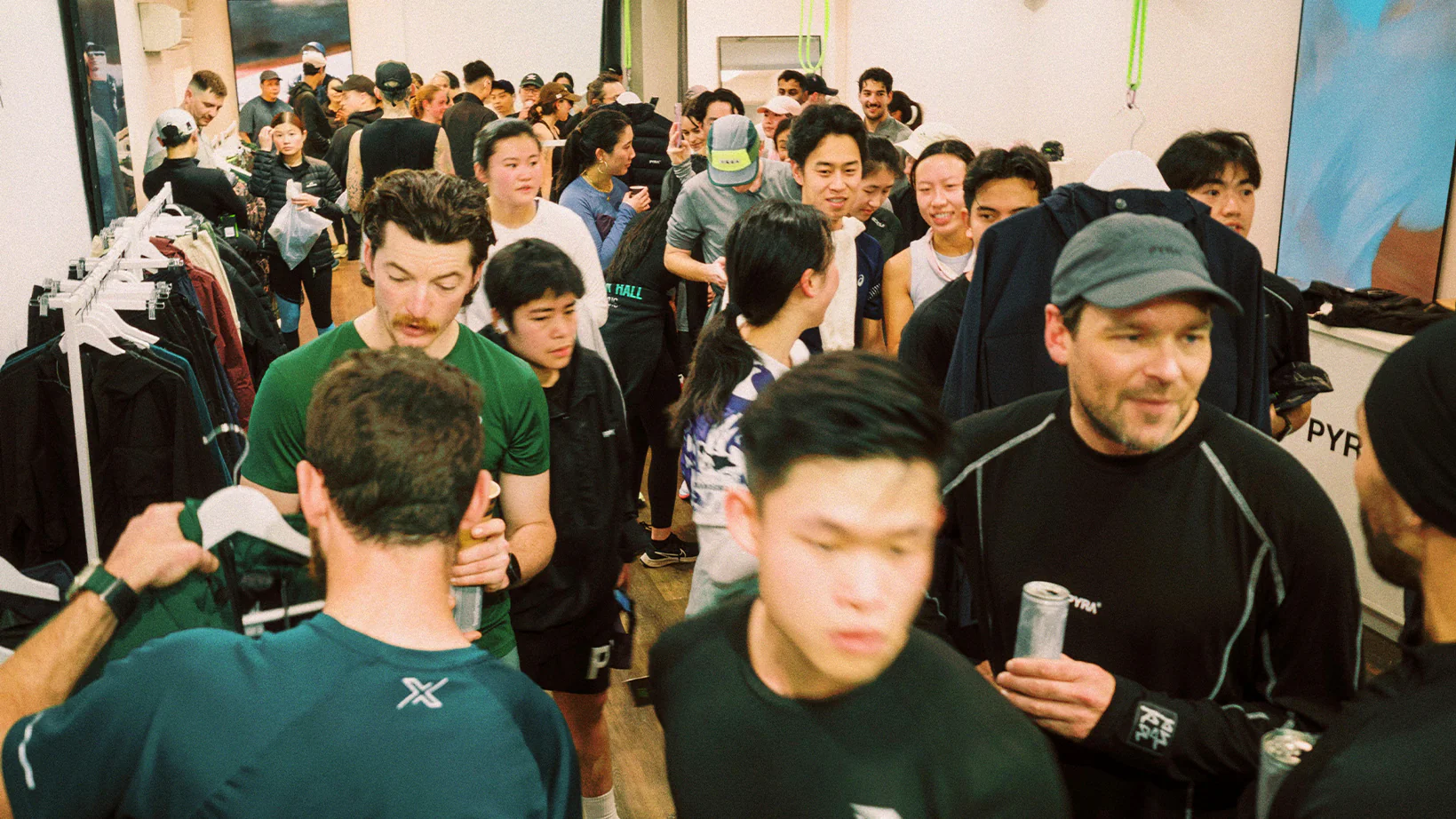
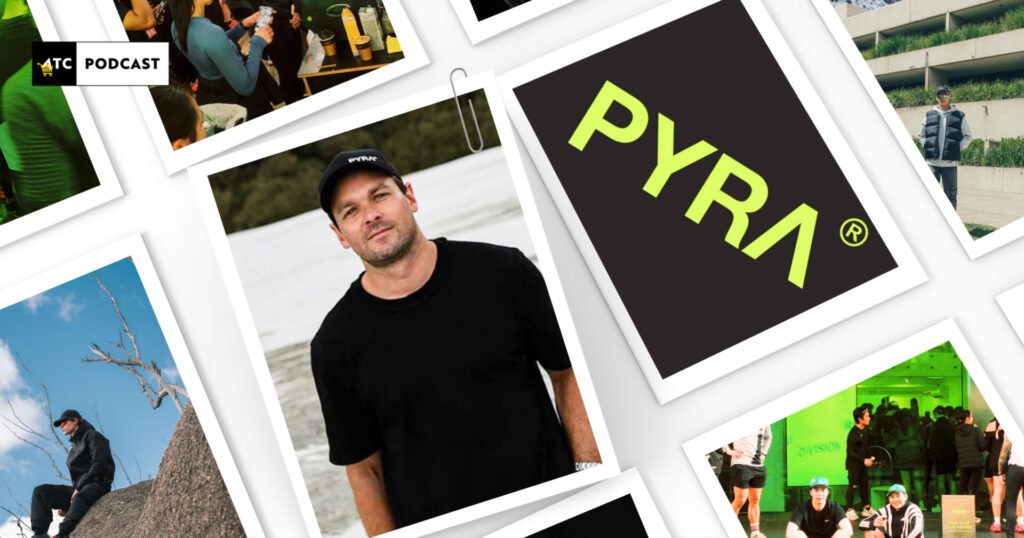
Nathan Bush: Brands and Culture Kings. Pyra sits between technical outdoor performance and modern streetwear. Think shell jackets, trail running gear and premium headwear. And all built with the design sensibility of someone who has spent years inside of feature fashion rather than a sporting goods catalog. When Pyra went fully direct to customer, Sam needed something to drive acquisition. What emerged was headwear. Hats now make up about 25% of Pyra's revenue. They're high margin, they're easy to buy, no size risk and the 2 for 100 bundle keeps AOV healthy. But what Sam has noticed about hat customers is is the thing that is most worth paying attention to. There's a huge lesson in it. Let's hear it from Sam. And then once you got through that point, what was the first big decision you made? When you go, actually I'm in control now, like I've got this baby, we're Ready to go. What did you change immediately?
Sam Moore: It was a hundred percent like D2C. Our E commerce strategy had to be front and foremost. You know, we went from 80% wholesale to 20% wholesale and that's kind of our flip now. And we're almost at 90% D2C sales, 10% wholesale, if that at the moment. So that was probably the biggest challenge. You know, we weren't able to inherit any of those customer sales or emails from Culture Kings that we had for those three years because all those sales went through the Culture Kings platform, not under Pyra. So it really was like starting fresh again. But yeah, I suppose that's kind of what I'm most proud about. In the last couple of years, you know, this brand has been strong, it's obviously got strong recognition, but building the E commerce from scratch is like, yeah, been one of the biggest wins and just controlling the customer experience, you know, through product drops and telling brand stories and you know, really dialing on who our exact customer is.
Nathan Bush: So it's about being very targeted towards the niece that you're after and knowing the entry point. Are your hats often the entry point for that first purchase because they're a little bit lower value, less, probably sensitive to size adjustments. And then do your customers build out from there?
Sam Moore: Yeah, exactly. And that's probably the last three months. We've really kind of noticed that like hats do about 25% of our revenue now. They are a high margin product, which is good, but people always bundle two for a hundred, which is key. So it doesn't really affect our AOV that much. I suppose that's the thing that I'm really kind of diving into at the moment is looking at our LTV curve and being like, okay, well if this person is buying for the first time, a hat is like an entry to the brand and that, you know, and I'm like, do this as well. When I'm shopping and I really like a brand, I'll quite often buy the hat first and then I'll be like, oh, I might buy the tea, I might buy the jacket. But that's kind of something that we are kind of like really learning at the moment is like, okay, well how do we get our LTV up of these customers to get them to come back and buy second and third time within six months? Because that's like going to be our big unlock in the next 12 months.
Nathan Bush: Where do you think those big unlocks are like, especially that second purchase? If you bought a hat, have you got any tips or thoughts on how you're going to get people. Because I know as you're sinking so much money into meta, you're like, that's great for the first purchase, but if they're just buying two hats and they're done is it's not really going to get us a return. What do you think's going to move the needle to getting that second purchase for us?
Sam Moore: I think it's either new product launches, so making sure that we've got a cadence of new drops that are interesting to that customer. So if they've likely bought a hat, they tend to be into running and or the outdoors. So dropping a shell jacket, new drop and a new color. I think like how I build out our range plans is we kind of base, if you think of it like a pyramid. We have 40% core, 40% core variation, and then 20% brand movers. And those 20% brand movers are new styles, completely new, that will order low units. And just to kind of keep the brand moving forward, the core styles, black shell jackets, black hats, camo hats, et cetera. Core variations might be that core shell jacket, but in new colorway that season, like an arctic color or a seamist or something like that. So making sure that we're kind of always got these new things to talk about, but then also like nurturing them through Klaviyo flows, making sure that they go through our flows really efficiently. And if they're not, if they have converted by about the fifth flow, then there's an email that comes and plain text emails from me as the founder always works super well. And whether that's it feels personalized because it might say, hey, Nathan, just wanted to touch base. I'm the founder of Pyra. This is the reason why I created the brand. Just launched a new all terrain active campaign. We'd love for you to check it out. Here's a $50 off voucher for you to make your next purchase. Minimum purchase 150. So they still feel like they're getting a good buy. But if that doesn't convert them, then, I mean that usually does is the last point. So.
Nathan Bush: Yeah, yeah, yeah.
Sam Moore: But there's kind of summing up. We've just got to get better this year as well. Is like you're building out those flows more robustly, I think.
Nathan Bush: Yeah. Don't think there's anyone who's like, we've nailed our flows. We never have to touch them again.
Sam Moore: Yeah.
Nathan Bush: When you get that first purchase, whether it's a hat or something else, are you trying to Segment them straight away so that they they're getting a different flow or are they all going into the same flow?
Sam Moore: They kind of go into the same welcome flow but if they haven't purchased yet, they go into a different flow. And it's talking about our best sellers were able to start at the brand, all of that sort of stuff. But then yeah, if they've only purchased once, then it through into a bestsellers flow, then kind of a founder story flow and then the best sellers and then trying to get a win back one eventually.
Nathan Bush: Yeah, okay. I really like that you brought up the reliance on constant product drops because I could imagine when you are talking about something very technical like yours, high quality, long lasting, that you're not necessarily asking people to buy a black jacket every year and you don't want them to. You've got to continually surprise them and expand, expand the range. What Sam is describing here isn't a solved problem. It'll probably change for him over time.
Nathan Bush: But it's a problem that I think's worth focusing on.
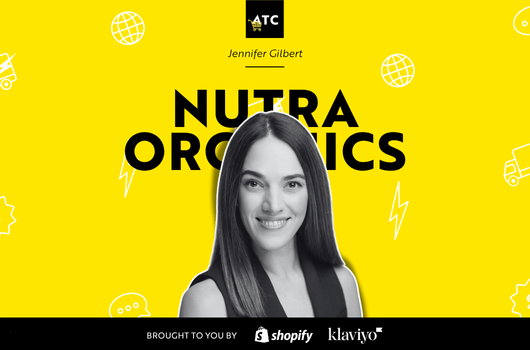
Nathan Bush: What are your hero products and how can you use them as real entry points to open up the rest of your range? So a few lessons here. Number one, choose the hero product on purpose. Most brands stumble into it by accident. The standard approach is to run paid media across the whole range and then put budget behind whatever sticks. And that's fine as a discovery mechanism. The problem is treating the accident as the strategy because the product driving your acquisition volume is not necessarily the product that will drive your business forward. The who is Elijah Discovery set was designed as the obvious entry point. It was a low cost bundle of best selling fragrances that lowered the barrier for new customers who wanted to try some new perfume. Logical in theory, but when Adam Boris mapped lifetime value back to the first product purchase Discovery set buyers actually had the lowest LTV of any segment in the customer base. Not just lower, but they were structurally worse. They were more price sensitive, less brand loyal and far less likely to become meaningful repeat buyers. So he pulled back on discounting that sample pack and he shifted acquisition towards the full size products that did require more commitment but attracted better customers long term. This is different to Sam's approach. Lauren French spent years running brand level acquisition for Motto Fashions and she just wasn't moving the needle. However, after committing to a single product which happened to be a body sculpting pant, she'd make it impossible to ignore. The business grew 127% in 12 months. With that strategy, the miracle pant was chosen On a specific criteria. An accessible price point, broad demographic appeal, a neutral colorway that's easy to restock and a product that points naturally toward the rest of the range it's easy to pair with. Right? That last criteria is the test worth running on your own. Best converting product does the customer it brings in have an obvious next step? It shouldn't solve all the problems at once. Number two, the gap between purchase one and purchase two is where most brands lose the customer. Getting someone to buy the first time it is hard. However, getting them to buy again is where the real economics of D2C come to life. Jennifer Gilbert at Nutra Organics puts a number on it. Most brands customer databases are around 70% first time buyers. Because the jump from one purchase to two is so hard. Her approach is to treat the delivery of that first order as the most important marketing moment in the relationship. Get the final mile right, create a memory that's worth keeping and then spend the next few weeks after that delivery happens giving value before you ask for anything. How to content being genuinely useful. Don't just give a discount code dressed up as care after that first purchase. Most brands don't have anything specifically designed to get to that second purchase moment. It's usually just a generic repurchase sequence that treats every customer the same regardless of what they first bought. So if you've chosen the right entry product, you've already got a signal you know something about that customer. Sam's approach at Pyra is to time product drops to what the hat buyer is likely into a shell jacket in a new color, a trail running capsule. Something that extends the world the customer entered through that first purchase. His range architecture makes this very deliberate. 40% of Pyra's range is core product. 40% is core variations that gives existing customers a new reason to buy. And 20% is brand movers. New styles in low units that really push the brand forward. But they're not going to be around forever. The hat buyer who comes back six weeks later should find something worth returning for. He's designing a product calendar designed to give every customer a logical next step further and further into the range. So that's the question you've got to ask yourself. What does the customer who bought the entry product, the hero product, see next and when do they see it? And lastly, if the hero product only gets bought once, build the ecosystem around it. Not every entry product creates a natural repeat purchase. Some hero products are so good that they last for years. That's a problem if the business model depends on a repurchase and there are two ways to solve it. The first is consumables. Laura Klein built snotty noses around the Snotty Boss Nasal Aspirator. It's a device parents buy once and use for a couple of years while their child is young and very snotty. Rather than accepting that as the ceiling, she surrounded the HERO product with essential oils, balms and wellness add ons that kept the same customer coming back. The device gave customers confidence in the brand, but the ecosystem earned lifetime value and repeat purchase. The second avenue here is lock in. Rob Ward built quad lock around a single mount system and rather than pushing customers towards replacing that system, he built a product ecosystem where each addition makes the whole thing more valuable. 50% of his customers acquired in 2017 were still customers years later. That retention wasn't driven by discounts or loyalty points. It was driven by the fact that leaving the ecosystem meant starting all over again. Two very different cases, but the principle is the same. In both cases, the Hero product's job is to earn trust and get the right customer through the door. What surrounds it is what builds the business, so I hope this helps reframe it. A Hero product is more than your best acquisition tool. It's a statement about who your brand is for and it should be the start of a relationship that either continues or doesn't. Most brands know what's converting fewer know whether that's building anything that's long lasting. The questions worth asking this week have you chosen your entry product deliberately or have you defaulted to what's giving you the best performance metrics? Does the customer that it brings in have a clear next step? And if your Hero product only gets bought once, what's the plan for keeping that customer? If you're working through any part of this, whether that's figuring out the right entry product, mapping what should happen after the first purchase, or building your ecosystem around those one time product purchases? These are the conversations that are happening in the Add to Cart community every week. You can join for free over on add to Cart. Com au. We would love to see you in there. That's the playbook for this week. I'll see you next Friday.