Opening a physical store is the move more ecommerce brands are considering right now. But most approach it with the wrong metrics, the wrong mindset, and no playbook to scale beyond the first location.
How Oz Hair & Beauty Went From Zero Stores to Thirty in Three Years
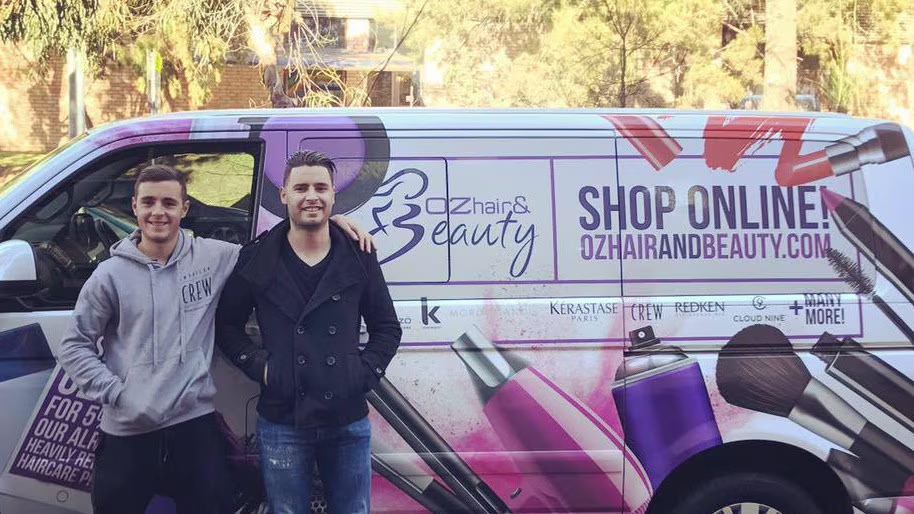
Oz Hair & Beauty spent its first decade as a pure ecommerce business. Good at customer service, fast at dispatch, and highly reviewed. No stores.
The move into physical retail didn’t come from an internal strategic plan. During COVID, a group of investors that included Daniel Agostinelli from the Accent Group and Brett Blundy came to the Nappa brothers with a clear position: stores are going to come back, and ecommerce is only going to get more expensive.
“Post COVID stores are going to be back and e-comm is only going to get more expensive. Our only regret is we didn’t do stores earlier.”
That conviction, backed by people who had spent their careers running physical retail at scale, changed the direction of the business. Three years later, Oz Hair & Beauty had opened thirty stores. The e-commerce foundation they’d spent a decade building turned out to be an advantage, not a liability.
Know What the Store Is For Before You Sign the Lease
The most common mistake e-commerce operators make when moving into physical retail is opening a store to “build the brand” without defining what that means in measurable terms. Every decision that follows, from location to fit-out to staffing, flows from what the store is trying to achieve. Without that clarity upfront, you’ll make different calls at every fork.
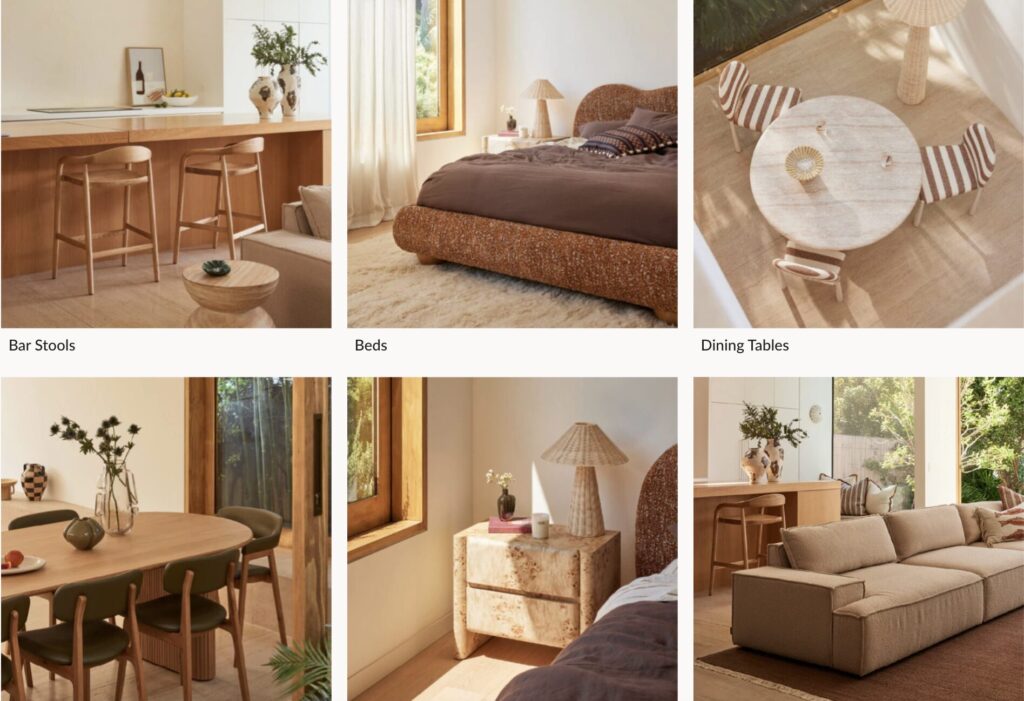
Life Interiors Official Website
Two businesses show what it looks like when that’s done right. When Life Interiors opened their first store, a 60-square-metre space in Pyrmont that Basil Karam describes as the size of two car parks, he wasn’t measuring it by what it sold in-store. He was measuring it by what it did to the online business. Sales went from $10,000 to $40,000 a month after it opened. The store’s job was online revenue, and that’s what it delivered. It seeded a strategy the business has run ever since: a physical presence in each state, designed specifically to drive the online channel.
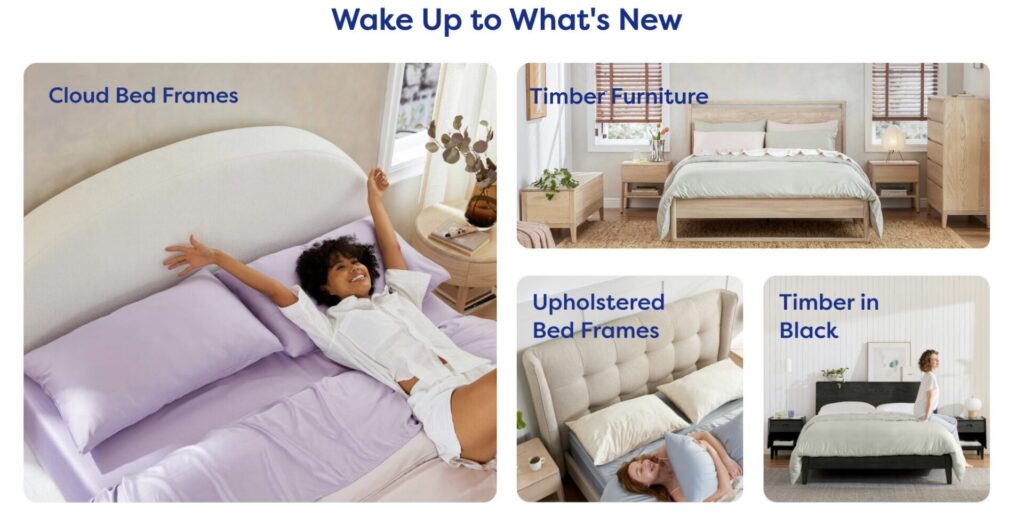
Ecosa Official Website
Ecosa did it differently. They resisted opening stores for a decade despite consistent customer demand. When they finally opened, they knew exactly what the store needed to do: let people lie on a mattress before committing. For a considered purchase where the buyer’s primary uncertainty is about feel, the physical experience removes the biggest barrier to buying. In-store conversion was immediately and directly higher.
Two completely different strategies. Both worked because the job was defined before the lease was signed.
Model Rent as an Acquisition Cost, Not an Occupancy Expense
The e-commerce operator’s instinct for unit economics is a genuine advantage in physical retail. Most founders leave it at the door when they start evaluating stores. The businesses that unlock the real value of physical retail apply it.
July ran the numbers. Customer acquisition costs through their physical stores ran at roughly half what they were paying through paid social. Retail represented twenty percent of Australian revenue from a handful of locations against the entire online market.
“Our CACs halved for physical retail… it’s quite a powerful tool.”
The harder part of this is measuring what the store does for the online business, not just what it sells in-store. The frame that works is dollars per square mile, not dollars per square metre. The store’s KPI should explicitly include the sales it drives online. Without a unified view across channels, you’ll systematically undervalue your physical footprint. Customers who shop across both channels spend around eighty percent more with a brand, and hard-line channel attribution actively hides that relationship.
The attribution model doesn’t need to be perfect before you open your first store. But it needs to exist.
Build the Store-Opening Playbook Before You Need to Run It Fast
The brands that struggle in physical retail expansion treat every new store as a fresh project. The brands that scale well treat each new store as version n+1 of a tested system. The gap between those two comes down to one discipline: after-action reviews.
Not after the campaign. After each store. What went wrong in the fit-out? What would you do differently in the lease negotiation? Where did you lose two weeks you could have back?
“We have a template in place… we’re so used to stopping, doing an after-action review, looking at every single point. It got to a point where we were doing so many we didn’t get to stop and take stock on what can we do better.”
Oz Hair & Beauty opened fifteen stores in twelve months at one point and found they’d moved too fast to capture their own learnings. The stores that followed after they paused and updated the template were better.
The consistent advice from practitioners who’ve helped e-commerce brands make this transition is to talk to founders who did it recently, not the ones who did it years ago. The retail environment changes fast enough that advice on costs, technology, and customer expectations from five years ago may not reflect what you’re about to encounter. Low-commitment physical retail experiments that simply weren’t possible a few years ago (pop-up stores, event retail, short-term leases) are now a legitimate way to test the format before committing to a lease.
The playbook isn’t finished before you open. It’s built by opening stores, capturing what you learn, and making the next one a version better.
The Takeaway
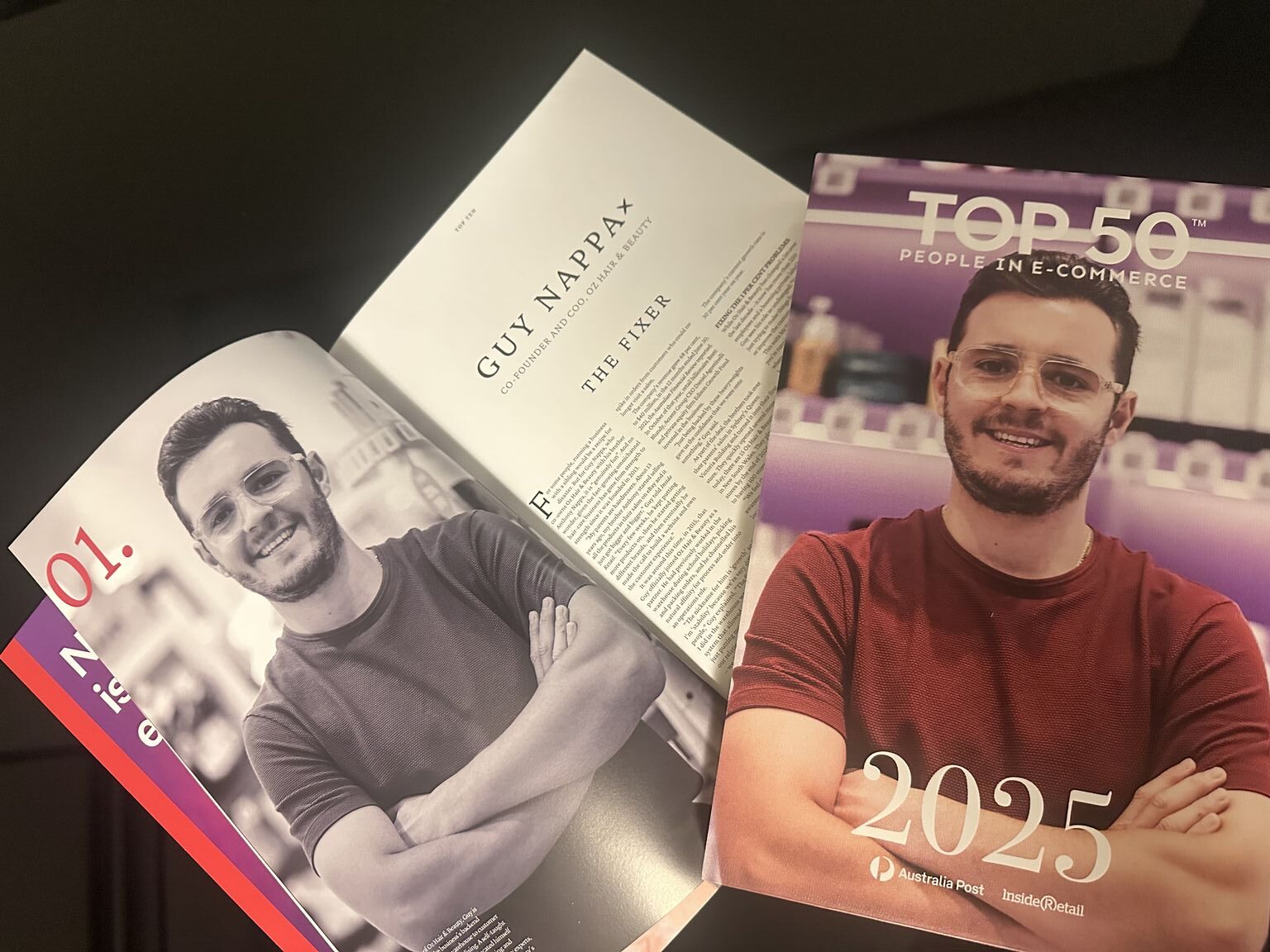
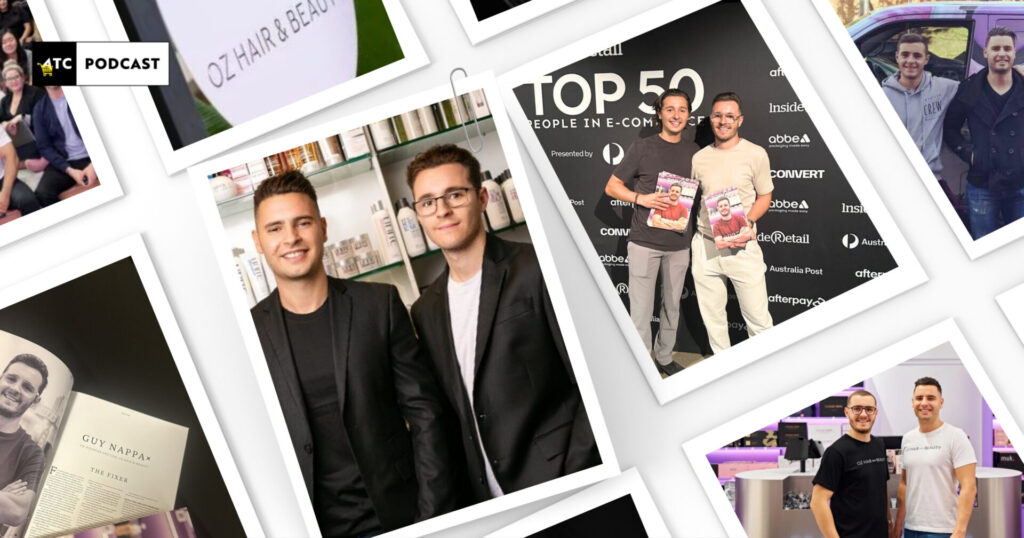
Oz Hair & Beauty started online. The data discipline, the service obsession, the ability to read customer behaviour and iterate fast. Those skills didn’t stop being useful when they opened stores. They became an advantage. Guy Nappa now holds two consecutive Inside Retail number one rankings while running thirty locations.
The e-commerce foundation most pure-play operators think of as their core business is actually the best preparation for physical retail. The question isn’t whether you’ve earned the right to open stores. It’s whether you’ve defined what the store is for before you sign anything.
Frequently Asked Questions
How do e-commerce brands successfully expand into physical retail? The brands that make the move well do three things before opening: they define what the store is for (brand building, customer acquisition, or conversion of high-intent buyers), they model rent as a customer acquisition cost rather than an occupancy expense, and they build a repeatable store-opening system from the start rather than treating each location as a new project.
What is the best way to measure the ROI of a physical retail store for an e-commerce brand? Model rent as a customer acquisition cost and compare it to what you’re paying for digital channels. Also measure what the store does for online revenue, not just what it sells in-store. Brands like July have found their in-store customer acquisition cost was roughly half their paid social CAC. Without attribution that includes online sales driven by the physical presence, you’ll systematically undervalue the store’s contribution.
How many stores should an e-commerce brand open first when entering physical retail? There’s no universal answer, but starting with one or two stores and treating each as a learning exercise is more important than the number. After each store opening, run an after-action review that captures what to improve in the next one. Oz Hair & Beauty found that opening fifteen stores in twelve months meant they were moving too fast to properly capture their learnings, and the stores they opened after pausing to update their template performed better.
Why do physical stores help e-commerce sales? Physical stores build the emotional memory that makes subsequent digital touchpoints more effective. When Life Interiors opened a 60-square-metre first store, online revenue quadrupled because customers who visited in person gained the confidence to buy online. Customers who shop across both physical and digital channels also tend to spend significantly more with a brand than those who shop through a single channel only.
In this Playbook:
Build the system before you scale the stores
Treat operations like your competitive edge
Don’t hide problems surface them early
Read the full transcriptAuto-generated
Nathan Bush: Did you know that retailers who are offering fast delivery outperform their competitors by 4% during Black Friday? And that's not just a stat, that's a signal for where growth is going to come from. Shipit's Commerce Delivery report breaks down why speed equals success as well as the other forces shaping delivery in 2026. From automation and AI to fulfillment and inventory. This report offers a really practical roadmap for the next phase of retail growth. If you want all the stats and the directions for what is coming in fulfillment, make sure you download this report@shipit.com CDR2026 that's shipit.com CDR2026
Speaker B: There's a tendency
Nathan Bush: in E commerce to think about physical retail as the mature version, maybe the future version, the grown up version of your business. You prove the model online first, you build the brand, grow the customer base and then when you've earned it, you open stores. It's a reasonable sequence and we've seen that playbook before. But it's increasingly one that can be challenged. As we all know, customer acquisition costs on paid social have been rising for years and some of the channels that have worked five years ago are really hard to justify today. Physical retail is starting to look really interesting to founders who are who would never have considered it before Ozhair and Beauty made this move. But not for any of those reasons. For the first decade they were purely online, good at customer service, fast at dispatch, highly reviewed all the tick tick ticks of E commerce and they had no stores. Then during COVID a group of investors came to them with a clear position. Their thoughts were that stores are going to come back and E commerce is only going to get more expensive. They thought that Aus Hair and Beauty should be in physical retail. That wasn't common thinking during COVID but it was the moment that everything changed. Not because it was their idea, but it came from two people who had spent their careers running retail at scale. And they said it with enough conviction that Azhair they had to listen. Three years later they've gone from zero stores to 30. And the thing Guy Napper now says about that expansion is really simple. Their only regret is that they didn't start sooner. So let's hear it from Guy.
Guy Napper: Yeah, look, we are very fortunate with our investment group that we've got so much experience around the board table that helps us not make as many mistakes. And I think that's the real key. We weren't actively looking for investors. It was a time during COVID where you Know, the market was very crazy and Anthony saw what was happening with our competitors and we had the discussion, you know, we don't want to be left behind. And it really came about quite naturally. Then we met Edison and they had the group with Daniel and Brett.
Nathan Bush: So this is Daniel Agostinelli from Accent Group and Brett Blundy.
Guy Napper: Yep. And they kind of came to us and said, we believe this can be a retail concept. And they explained why. And it was a completely change of pace, complete change of thinking for us. We always had the idea of having like a mega salon at every state which would allow us to do click and collect and ship from store all the egg, all the omnichannel stuff. But their point of view was, you know, and they did call it, they said, post Covid, you know, stores are going to be back and Ecom's only going to get more expensive. And like they were on the money with both those two things. And like, our only regret is we didn't do stores earlier because up to date it's been a real positive thing for the business and from the group, like I said, it's just that ability was that it's that guidance and mentorship to not make mistakes. Because in our first year if we signed a bad lease deal, like we wouldn't be here today and we needed like, well, yes, we did have a relatively big brand, but it was E Comm only. And to have Daniel and Brett specifically, you know, put their names on, on our company and back us, it helped open a lot of doors, especially when we were early on and you know, those retailers who gave us a chance, like a lot of that is down to having people like our board back us, which is something that is not lost on us at all. The last 12 months, definitely we have a template in place and that's something we've really tried to roll out, especially doing 15 and 12 months, it's very hard to make changes. But the problem there is you don't really get a chance to stop and reflect on, you know, what went wrong, what can we do better? And like for us, we're so used to stopping, doing an after action review, looking at every single point. I think for us it got to a point last year where we were just doing so many. We didn't get to stop and take stock on, you know, what can we do better? And we've started the year now we're in March, we're opening up our first store. It's given us a bit of a time to sit down, take A breath, relax and you know, make some key changes that that will allow us to open up more stores.
Nathan Bush: What Guy describes in the back part of that clip is the operating discipline and it separates the brands that can scale physical retail from the ones who just stall after the first store or the first popup. Here are three things worth taking back into your business if you are considering opening up a physical presence. Number one, know what the store is for before you sign the lease. The most common version of this mistake is opening a store to build the brand without defining what that means in really measurable terms. Every decision that follows from location to fit out to staffing, flows from what the store is trying to achieve. If that's not clear up front front, you'll make different calls at every fork in the road. Two businesses illustrate the difference really clearly. When Life Interiors opened their first store, which was a 60 square meter space in Piermont, Basil Karam wasn't measuring it by what it sold in store. He was measuring it by what it did to the online business. Sales went from $10,000 to $40,000 online a month after it opened. The store's job was actually online revenue and that's what it delivered. It seeded a strategy the business has run ever since. A physical presence in every state designed specifically to drive the online channel. Ecosa has held off on stores for a decade despite consistent customer demand. When they finally opened, they knew exactly what the store needed to do. Let people lie on a mattress before committing for a committed purchase where the buyer's primary uncertainty is about.4 feel the physical experience removes their biggest barrier in store conversion was immediately and directly higher than online. Two completely different strategies, but both worked because the job was defined before the lease was signed. Number two model rent as an acquisition cost, not an occupancy expense. The E Commerce operator's instinct for unit economics is really an advantage in physical retail. Most founders leave it at the door when they start evaluating stores. The businesses that unlock the real value of physical retail keep applying it. July Luggage ran the numbers. Customer acquisition costs through their physical stores ran at roughly half what they were paying through paid social retail represented 20% of Australian revenue from a handful of locations against the entire online market. The framing that their founder Athan uses is precise. Treat rent as a cac, not an occupancy expense. When you do that, the maths on stores really changes. The harder part, of course, of all of this is measuring what the store does for the online business, not just what it sells in store. The frame that works here is dollars per square mile, not dollars per square meter. It's a big shift. Simon Molnar at Flagship talks about this. Specifically, the store's KPI should explicitly include sales it drives online. Without a unified view across channels, you'll systematically undervalue your physical footprint. Jordi at Shopify put data behind the same point. Customers who shop across Both channels spend 80% more with a brand hardline channel Attribution it tends to actively hide that the attribution model doesn't need to be perfect before you open your first store, but it needs to exist and it needs to be considered. That leads us into point number three. Build the store opening playbook before you need to run it fast. The brands that scale well treat each new store as version N1 of a tested system. The gap between those two is one thing after action reviews, not after the campaign. After each store. What went wrong in the fit out? What would you do differently in the lease negotiation? Where did you lose two weeks that you would love to have back? The new store template only compounds if someone is accountable for capturing what it's teaching you. Auss hair opened 15 stores in 12 months at one point. It's absolutely huge, but they found they were moving too fast to do this properly. The stores that followed after they paused and updated the template were were much better. The consistent advice from practitioners who've helped E Commerce brands make this transition is specific. Talk to founders who did it recently, not the ones who did it years ago. Danny Latouf from the General Store makes this point really clearly. The retail environment changes fast enough that advice on costs, technology and customer expectations from five years ago might not map to to what you're about to encounter. Quadlock ran a pop up from a shipping container at a Formula One event with Oscar Piastri. That's what a low commitment physical retail test looks like now, even if the sponsorship definitely isn't low commitment, but the physical retail version of it that is really low cost. And with tools like Shopify checkout, you can get them up and running faster than ever before. I think the physical retail playbook is one of the most interesting ones going around. It is moving at such a pace and it is being commoditized so much. Much so that anyone with a big idea and a proven model and a great customer base with a brilliant product can get up and running in no time. It's never been easier to test, to iterate, and to improve on what your physical version of your online store looks like. You don't need to wait until you're a big brand to get started. Anyone with an e commerce presence can get going. You just need to be able to choose the right model for you and know the reasons why you're doing it. Guy and the team at Oz Hair and Beauty are a great example of a team who have taken an online concept and scaled it really fast. You don't necessarily need to open 30 stores or even have a vision to open 30 stores straight away, but know that that avenue is open to you and is a great way to bring your brand alive to connect with new customers and to open up new sales channels that you would never have before. That's it for the Playbook this week. I'll see you next Friday.