Shania Superseratad: You've already got the secondary economy. Now you're basically just going to take back that ownership and also elevate the customer experience. I was at the crossroads, I was like, do I continue to do what I do and hoping that someone else will fix the problem or can I be part of the solution? For me to have the privilege to be able to groom myself well, have access to incredible clothes, for me to be able to express myself every day differently was so important to me growing up because I'm constantly being told that I'm not good enough. Welcome to ADD to cart, Australia's leading e commerce podcast that Express delivers all you need to know in the fast moving world of online retail. Here's your host, Bushy.
Nathan Bush: Welcome to another episode of Add to Cart. I'm Bushie and I'm joining you from the land of the terrible people otherwise known as Brisbane, Australia on Add to Cart. We welcome everyone to share and listen
Nathan Bush: to e commerce stories.
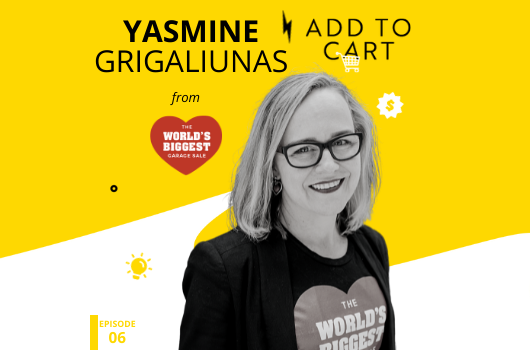
Nathan Bush: The more diverse the better. I want to especially welcome the traditional owners and the original storytellers of the land that we are on, our indigenous and Torres Strait Islander listeners to join us in our e commerce conversations and our community. For my guest today, fashion was a lifeline while growing up. It's no surprise then that she turned it into a career later becoming a stylist. And that would have been the end of the story were it not for a bottle of wine and an inspiring documentary which had a big impact. Shania Superserratad is the founder of Renta RNTR and Renta is a full service rental rental, resale and repair plugin which gives brands the opportunity to step into and profit from the circular economy while owning the recommerce experience for their brand. In our chat, Shania shares her incredible startup journey which started in Narnia. She shares the details of the epic circularity case study test she performed. How many times do you think a single Oryton dress can be sold? And she tells us about the haircut
Nathan Bush: that led to a very special CEO appointment.
Nathan Bush: So thanks to our partners, Shopify. Plus here's our conversation with Shania Superseratad, founder of Renta.
Nathan Bush: Shania, welcome to ADD to cart.
Shania Superseratad: Thank you for having me. Excited to be here.
Nathan Bush: Oh, I'm excited. We've had a couple of goes at this but we won't tell anyone because you're a tech founder so we won't tell anyone about the issues that you had about getting your microphone right.
Shania Superseratad: What issue? What issue? I don't know what you're talking About?
Nathan Bush: Well, you aren't a tech founder in
Nathan Bush: the audio industry, you're a tech founder in E commerce and the sustainable retail space. To kick us off, can you share what Renter is and how Renter works for a customer?
Shania Superseratad: Yes, of course. So Renter is a recommerce plugin platform. It's both tech and logistics platform that enabling any premium fashion brands or retailers to be able to offer rental, resale and repair directly on their own website. And while brands provide that end to end customer experience, the logistic behind the scene of rental, resale and repair are handled by rental team through networks of our partners.
Nathan Bush: Gotcha.
Nathan Bush: Who have you got on board at the moment?
Shania Superseratad: Quite a lot. Our pipeline is very exciting. Some of them we probably can't say yet, but a couple of them I'm super excited about and I love to talk about the case study that we like we've launched with them. We can talk about how successful they are doing and all of that. One of our biggest brand, I say oraton we kick it off with them three months ago and it's just almost like for me it was kind of like this brand has been around for 85 years. It's Australian top premium, true brands. They're moving into a modern way of doing things.
Nathan Bush: Yeah, they've had that reinvention, haven't they?
Shania Superseratad: Yeah. And it's just not afraid to be part of the forefront of the innovation and just kind of dive in and let's start and really passionate, truly actually passionate about sustainability and be part of the circularity. So I'm super excited to be able to like enabling them to move into that area.
Nathan Bush: This is your third startup. What were the two that came before?
Shania Superseratad: I mean it's a third iteration of the first one. So my background is in the fashion industry. I used to be a stylist and then 2015, I came home one night on Friday with a bottle of wine. Of course after like taking people shopping and I was like, you know what? I'm gonna watch a documentary, the fashion documentary. Because I'm fancy and feeling smart at the time. Yeah, I'm like, oh, you know, I'm feeling like I'm part of the industry. So this documentary called True Cause came out. Have you seen it?
Nathan Bush: I haven't seen it.
Shania Superseratad: Yeah, but you heard about it. I've heard of it, yeah. So it came out and I know nothing about it. If you think about it, watching the name, you probably could know what it was about, but I had no idea. So literally sat down.
Nathan Bush: So you were ready For a rom com documentary.
Shania Superseratad: Yeah. I was like, yay, more clothes. Loving my life. Two hours in, I was in tears, and I was just like, oh, my God, what am I doing with my life? It's literally to the point where I'm like, you are making women on this side of the world feel really good about themselves while exploring women on the other side of the world who often don't have a say. My job was to get people to buy more and buy more. Right. Because I was a personal stylist. But the reason was to make someone feel really good about themselves, build up their confidence. There was a lot of positive things from that. So for me, I was at the crossroads. I was like, do I continue to do what I do and hoping that someone else will fix the problem, or can I be part of the solution? And then it just didn't sit well with me. That I call my clothing, usually I call it my second skin. It's like a second skin. I can take it off. I can just be whoever I need to be. And I just don't feel comfortable in that anymore because it's actually. That was shocking, right? Because I had no idea that that was happening behind the scene. And how can someone who work in the industry day in, day out just had no idea. So I started my first startup a year after that, because my whole thing was about, I still want people to have access. I want people to be able to experiment. I'm not about buying less. I'm not about being less and less. I'm like, more is more.
Nathan Bush: You still want people to experience fashion.
Shania Superseratad: Yeah, because it's fun. And then I was like, how do I create something that allow that, but can I supply it in a better way? So the first startup that I launched was called Tumnus. Like Mr. Tumnus from Narnia. Do you know?
Nathan Bush: No.
Nathan Bush: I read Narnia when I was a
Nathan Bush: kid, but I don't remember it at all. Except for the weird wardrobe.
Shania Superseratad: Yeah. So that's the thing. The whole thing was about to get into that magical world of Narnia. You got to go through this magical wardrobe, and the first person that you met was that Fawn called Mr. Tumnus. So I. I just thought that, like, he's like, an ambassador to that world. Tumnus was meant to be an app, like a Tinder app, where it match you with Style Sister in your local area, and then you can borrow each other clothes for three to five weeks.
Nathan Bush: Okay, That's a cool idea.
Shania Superseratad: It was pretty cool. Yeah. So then I naively, this is like straight from being a stylist move into creating an app. Know nothing about.
Nathan Bush: Yeah, but you got a bottle of wine.
Nathan Bush: Everyone can create an app over a bottle of wine.
Shania Superseratad: Oh my God. Right? So. Oh my God. So yeah, I was like, yeah, this is amazing idea. I think I'm going to be a millionaire. I went into a digital agency, I wanted to create this app and they're like, love the idea. I think this is going to be awesome. It's going to be $300,000. And I was like, okay, I'll be back. Let me go sell my liver or something. Wouldn't even get that much. I drink a lot. So I was like, oh, okay, this thing's expensive. And then I started talking to one of my friends mentor and he was like, look, the best thing for you to do is validate your idea first to see whether if there's a demand would people actually use it. I'm like, good idea. So basically try and use all the software that already exists. The first version of it was actually Facebook group.
Nathan Bush: Ah, yeah. Okay.
Shania Superseratad: Yeah. And you kind of grow it into like 80 people. And it was just like, it was really quite clunky. And I was just like, oh, the experience is not how I want it to be. Right. It's behavior change. So you have to make it really easy. So I didn't know what else to do. So I basically just learned and I just built an MVP myself and just hack all the software available to make it work for what I need it to be. And we roll it out in 2017 and within probably about three months we had 500 active user.
Nathan Bush: Great.
Shania Superseratad: It was kind of happening. And then I started to see behavior slightly imbalance of people that letting out clothes and people that borrowing. They're just not equal. So it's just like people that have lots of good clothes and happy to for people to come and borrow, they don't borrow as much. So then it's become a hassle for them to actually constantly having to ship it or someone has to come to their house to like pick it up and all of these things. So they started to go, hey, can I send this to you? And you just manage it for me. And I was like, all right, cool. And then that started to happen more and more and more. Then I was like, okay, I need to monetize this. And then that was in 2019. It was a second iteration, second startup called Cold Closet, which basically I collect all the item, I use the styling skill, put them into a capsule collection of five items and it can be made up to like 20 outfits and you can rent it for five weeks. At the time, okay, I was like, this is kind of cool.
Nathan Bush: So you're taking different wardrobes from different people and curating them into one package.
Shania Superseratad: Yeah, exactly, exactly. So it was kind of like a natural progress because people were already sending me stuff. So let's see if. Would people actually rent the people clothes? Let's just see. So again, I built the MVP and I create like 24 collection. Roll it out. Just as a concept, just to see. Roll the campaign out. And within, I think three to four weeks, we had like 4,000 people sign up. It was pretty insane. People already. Yeah, Sign me up. And then we've got over 1,000 items sent into the warehouse. The warehouse, which is like my one bedroom apartment warehouse.
Nathan Bush: Sounds great.
Shania Superseratad: Send it into our warehouse. My partner was like, what is going on here?
Nathan Bush: And you're like, shut up and drive the forklift.
Shania Superseratad: Yeah, we don't even have forklift as one bedroom.
Nathan Bush: That's what I mean.
Shania Superseratad: Just open the door. Yeah. So, okay, well, this is happening. People are actually interested. But then I found that out of all these thousands items that were sent in, they were all coming in one size. So for me, I already kind of started to know that my first issue was going to be sizing because every single collection would only fit a very particular group. Right. So I need a lot of inventory to be able to scale this model up. So I was kind of like, oh, a little bit unsure. But then I'm like, but that's the demand. Let's just roll it out kind of thing. It was growing really fast. And at this time, I was talking to investor, talking to lots of mentors just to see which way we could go. But then one of my mentor actually stepped, hey, let's just step back a little bit, take a breather and just go, you're doing really well, you're growing and you pivoting. That's how startup works. But is this still answering your why? Is it still why you wanted to do this in the first place? And I was like, good question. So I kind of step back and think about why do I actually want to put my life through this? It's not an easy journey, you would notice. It's like we laugh a lot about
Nathan Bush: it, but it's to hide the tears.
Shania Superseratad: Yeah, it's a happy tears. So I then realized that, like, what I really want to do is I wanted to make an impact on a larger scale in the industry. I want to be able to walk away and go, I actually have changed in industry in some shape or form. And that's when I realized that this secondary market is happening on its own. I can grow it to become a unicorn billion dollars company, but as long as the brands are not participating, it's not going to make any difference. So for me, that's when Coldclo actually never went live. I scrape it, apologize to 4,000 people, send back the thousand item and start building rental.
Nathan Bush: Wow. That would have been a big call to scrap it when you had 4,000 people there.
Shania Superseratad: So in about around 2019, like October, November, that I had a mini breakdown. I know I had many. Since
Nathan Bush: it's the first breakdown. That's the hardest.
Shania Superseratad: Yeah, it's the hardest one because you were like, you didn't know what it was. Yeah. So it was when I think distressing anxiety come when you couldn't make a decision. And I think that was when it was kind of like, are you gonna call it or are you gonna push through? Because either way. Right. If I didn't call it, I keep pushing through. I think cold cloth would have been successful in some shape or form.
Nathan Bush: Yeah. Okay.
Shania Superseratad: It's a grow become its own thing. Right. And it would just be a different journey. So I think, yeah, I mean, I'm not. I don't regret it. I think we're on the right track. Yeah.
Nathan Bush: It's the calm before the storm. And unlike George Clooney in the Perfect Storm, spoiler alert. Shopify wants retailers to come out not just alive, but thriving because it's a big deal, especially here in Australia. Last year, Australian merchants ranked third globally in Black Friday Cyber Monday sales volume. What an opportunity. So if you want to maximize your share of the peak sales this year, use this time before the storm to download and read Shopify's peak season playbook. They've got 10 experts, including me, to share their tips on how to maximize sales at this time. So put on your life jacket and get your hands on Shopify's free peak season playbook. Download it@shopify.com Peak Sales Season 2023 or
Nathan Bush: just follow the links in the episode
Nathan Bush: show notes from the device you are on.
Nathan Bush: Land ahoy. That three prong attack of rental, repair and resale. Do your clients, they typically take all three at once or do they start on one and then move into another area?
Shania Superseratad: A lot of bigger brands would like to own all three, but I think realistically, every single model that we launch is going to need it on space to actually Improve almost like you roll it out and you optimize and you make sure that it works for your brand and make sure that it works for your community. So to roll it out all three at once, it probably going to require quite a bit of resource from them in term of communication, digital team. And not to say that we can't do it, but I think it's just a little bit harder. And for some brand, rental makes sense, not so much resale. Well, actually most of the brand that rental makes sense would also make sense in resale. But some of the brand makes so much sense in the resale space, but not so much rental.
Nathan Bush: Yes.
Shania Superseratad: So you kind of see all the brands will need to pick and choose what works for them. And repair is 100% value add is literally if your customer purchased something from you and they can come back on the website and actually order repair directly just to make their life easier.
Nathan Bush: Yeah, yeah.
Shania Superseratad: Some brand actually offer free repair, so it's a bit of a guarantee the first six to 12 months.
Nathan Bush: Yeah.
Nathan Bush: I buy my jeans from a retailer who offers the free repairs and I don't think I've ever got the free repairs done. But for me, knowing that I could if I needed to because the jeans just haven't broken, like they're fine, they're great. But knowing that it's available as an option is a great marketing tactic as well, right?
Shania Superseratad: Yeah, absolutely. And it's just like you're standing behind your product. We know our product so well that any issue that come with it, we want to know and let us help.
Nathan Bush: So of those three prongs, rental, repair and resale, which is your most popular?
Shania Superseratad: We kick it off with rental.
Nathan Bush: Okay.
Shania Superseratad: We kick it off in 20, 21 with just one platform, which was rental. Roll it out with six brands and then it grew to about 20 and then just about July last year, that's when we roll out resales because we kind of talk to a lot of brands and I think resale is just a little bit easier for brand to sort of like. Because it's kind of similar to E Comm. Yeah. But it's just a secondhand item. So we have a lot of requests. We want a white label solution for resale and that's when we kind of like, oh, it's already in our pipeline, let's bring it early. And the first brand that we launched was bridal brand Karen Willis Homes. And I was like, I'm unsure which way it was going to go. And then within the first 20 hours launch, we had over 100 listing gone up straight away.
Nathan Bush: Wow.
Shania Superseratad: It was amazing. Yeah.
Nathan Bush: And does that generally work best with retailers who might have say Facebook community groups of the buy swap sell and then they just convert it into their own store online?
Shania Superseratad: Yeah, it's just easier. You've already got like all the hard work's already done. Your consumers already building the community, you've already got the secondary economy. Now you're basically just going to take back that ownership and also elevate the customer experience, make sure that they are doing it in a safe platform and then you get to interact with them, you get to engage, you get to keep all the customer database because at the moment you don't know who's purchasing your item secondhand. And it's in the environment that you can't control. So what it means is someone will be buying your $700 jacket and receive it in a really bad experience plastic bag and they would never fully understand why Your jacket costs 700 because they weren't part of that experience. Right. And I just feel like that's such a massive missed opportunity for brands to be able to just grab it and then learn about them. Even though they are your second hand customer, they're interacting with your brand because they love your brands already. So why not bring them on that journey much sooner?
Nathan Bush: Yeah, almost premium secondhand.
Shania Superseratad: Yeah, yeah, exactly. Whether they're full price customer, discount customer, your rental or they are pre loved customer, they are all your customer. You might as well just keep them all in one place.
Nathan Bush: Yeah. And I suppose from a product perspective too, you can then keep an eye on quality in terms of bringing items out of circulation that aren't up to the quality that you expect.
Shania Superseratad: Yeah. You have a full control. And the best part about it is most brand doing really well would have sold out stock that was sold out really quickly. And then your next step would be like, how do we reorder? And then it would take another four weeks for it to be back again. But then there's no guarantee that that was sold out again. And most of those sold out item, I guarantee you 50% if you put a call out to your customer and go have you wanted, do you want to bring it back? Then you literally can just like get those 50% of those sold out item to re list it back and sell it again.
Nathan Bush: Fantastic.
Shania Superseratad: Without actually having to produce anything new, without taking any new resource, it can just make more return for you.
Nathan Bush: Yes. And then the rental side of it, how do businesses normally set that up from a logistics perspective? Do they have A separate range that they kind of siphon off and then have that available for rental.
Shania Superseratad: It can be. Sometimes brands will look at a different color way just to make it a little bit more exciting. Because one thing about rental as well, people can experiment a little bit more because it's a lower commitment. When you purchase something, you often go for a safer choice because you're like, I want to be able to wear it again and again and again. But yeah, with rental you're like, now I'm going to wear it once, I want to look amazing, I'm going to be out there. So, you know, sometimes it's allow brands to actually be a bit more experimental with their design. But most of the brands that we work with actually just roll out what they have and essentially just go. We're just going to give our customer an option. They can either buy brand new or they can just have it for short term rental, whichever one. And I think because we are quite early in the market, we're like 18 months old kind of thing. A lot of brands are still learning as well of what works, what doesn't. And even though we know that the economy is growing, so I think every single brand is still kind of finding their own way of what's work and what doesn't. And we are learning that along the way as well.
Nathan Bush: And what kind of processes do you find your retailers have to put in place for quality assurance for rental? Because I assume that would be a whole new process that many aren't ready for.
Shania Superseratad: Well, we handle all the logistics behind the scene.
Nathan Bush: Okay.
Shania Superseratad: So they don't actually have to do anything. All they do is basically give us like a light sheet of what you want to rent out and we activate the rental button onto those products and then they move a section of the rental collection into our warehouse and then once we get the order, then we pick, pack and ship and it come back to our warehouse. We manage the dry clean and then send it back out again. So brands is just completely hands off.
Nathan Bush: Wow, I didn't realize that. I thought it was more the front end that you were supplying, but you're supplying the end to end.
Shania Superseratad: The end to end. Yeah, absolutely. Including the buyback. If you want to buy back for resale, we can manage all of that buyback. Taking a photo, relisting it, same as repair your customer order it online from your site. But all of the repair requests and the actual operation of repairing come through to our team.
Nathan Bush: Wow. And where are your team based?
Shania Superseratad: Alexandria.
Nathan Bush: Okay, great. Taking orders from all over Australia?
Shania Superseratad: Yes. Yeah, yeah, yeah. I mean at some point look to lower the carbon footprint even further. We probably wanted to have a hub in different city, but at this point it just makes more sense to just have one where we can actually fully control the quality.
Nathan Bush: Yeah, that makes a lot of sense. Oh, that makes it a lot easier for retailers. I was trying to think of all the logistics behind both rental and repair and resale, but I didn't realize that you were taking care of that as well.
Shania Superseratad: Yeah.
Nathan Bush: The thing that stood out for me is obviously in the circular economy. We've got a lot of players there at the moment. Rent the Runway, glam corner, all doing fantastic work is your big differentiator. Obviously that you're supplying those services in the back end, but the retailers can take control and that it's integrated in their existing E commerce offering.
Shania Superseratad: Yeah. And when I start building rental, I think it was coming from the point of I don't want to be another marketplace, I don't want to be a B2C businesses because I've experimented the B2C market and I know that the consumers are ready, I know that the demands are there. But what I realize is this economy, the secondary market is growing exponentially, but it's growing very separately from the industry itself. So unless there's a bridge that build that gap and brand can participate directly, I don't believe it would ever truly become a real sustainable solution because it doesn't influence brand behavior. It's kind of growing on its own, doing its own thing. And then brands are going to continue doing its own thing, producing at the rate that they are doing. So what we're trying to do is to make sure that brand can achieve that commercial growth with less product get maximized like maximum return on every single garment that you can possibly get, whether through first time selling, second time, third time, fourth time. And I think that's probably the key important part before I started building something almost like the objective is slightly different.
Nathan Bush: When you are talking to brands like Oriton for the first time, what are some of the commercial outcomes that you can talk to that gets them excited?
Shania Superseratad: So yeah, and I often tell people that, look, the reason why we close Oraton is not because I'm charming. I mean, you are. I am charming, but not just because of that. You have to be charming. Yeah. Delusional and charming at the same time.
Nathan Bush: Love it.
Shania Superseratad: So what we did before we went and pitched to them was because when we first roll it out, we didn't really know either that how many times can we Rent the product out. What type of fabric is good for rental or all of this thing. We just, it's just an unknown to us. So we went and got two items. There's one dress, size 8 and size 12. It was sold out on Oraton website December 21st and we were able to get it from a Facebook marketplace. It's already a secondary market. Right. So someone wore it once and sold it back to us full price. Because it's sold out. So it's literally $550. We paid full price for two of them and then we rented out, I think for about eight months. We were able to rent it out like 24 times each. It's something like ridiculous that we were like, oh my God. And it was this like beautiful like bright pink silk dress that I was like, this can only be dry clean like 10 times max.
Nathan Bush: Yeah.
Shania Superseratad: But it wasn't, it was amazing. It was, you know, that's just to go to show that when you have good quality item and you have a team that can look after it, well, it will last a long time.
Nathan Bush: Yeah.
Shania Superseratad: So we rented out 24 time and then we resell it at 50% of the price. And then I pushed the case study even further. So I basically say, you know what, it's been about a month, let's contact the person that bought it. And then basically say, hey, do you want to sell it back to us? And they did. And then we resold it again. So all up, I think we resold that exact same dress but for like four times. Wow. Yeah, it's pretty impressive. And look, not every single item is going to turn out like that. And we know that, but it's just so unknown to us because don't forget that like all of this rental and all this thing, this is before we even partner with them. Right. So it was just our own community small database. Rental was like live in the market in less than six months. So it was really small target. And then we were kind of like, well if it was actually happening on the brand level, like this could be amplified so much more. So we were able to go to them and be like, hey, we've done this. Do you want to try? And I think yeah. The Jenny Chow, the CEO of Oraton, she's just one of those that like super forward thinking, super open minded and she's like, that's really interesting that people are opening. They actually like open up to this idea of accessibility rather than ownership.
Nathan Bush: Has she shared or are you able to share percentage of rental versus buy for customers? Now.
Shania Superseratad: Oh, I don't have that information. Not that I don't want to share. I mean look, to be honest, it's like it's three months old. Right. I think we're probably going to be like a fraction of what they doing. But what we can share is within the first three months, 60% of the rental customer is actually new to the brand.
Nathan Bush: Wow.
Shania Superseratad: So the brand has never had interaction with this customer before. They're not in the database, which is incredible. Right. That means it's just a different type of customer. So 30% is the customer that have only purchased discount or on sales. So now you're actually getting more money out of them through rental. And the 10% that was buying full price, they were only renting sold out item because they can't purchase anymore. Technically zero cannibalization.
Nathan Bush: Yeah. Is that something you come up against often when you're talking to brands around, will this cannibalize our overall sales if we start offering rental?
Shania Superseratad: Yeah, absolutely. And I think, I mean that's the thing, right. Every single brand has KPI. They need to achieve the level of growth. And even though they do know that that is a secondary market and secondary economy that's happening, they're not sure how or will it affect the current growth and it's bad for them to be mindful about it. But the fact that we were able to actually roll things out and be able to prove that actually it doesn't affect it, it's actually adding to your growth. This is the same case as well. I was talking to assembly label founder Lee, they one of our investors as well. So when they first roll out rewarn program, exact same result, majority of the secondhand purchaser, like the buyer, they were all new to the brand.
Nathan Bush: Right. That's amazing. So is it an aspirational customer?
Shania Superseratad: Yes, it's those customer that can never really afford the price point and at
Nathan Bush: this point in their life because I could assume that they get a taste and then as their incomes go up as they get older, then they couldn't transition into a loyal customer.
Shania Superseratad: Absolutely. And also, and people ask me a lot about the age range, like the age group of like the rental and resale customer. And I often say that I think it's less about the age group, it's probably more about the behavior of a person. I look incredibly young, but I am in my 40s.
Nathan Bush: Oh, incredibly young.
Shania Superseratad: I'm also super immature. And someone, me and another person who's in their 40 that's not running a startup will have Completely different behavior. I mean, I'm a startup founder. I can never afford anything.
Nathan Bush: Yeah.
Nathan Bush: And how do you look young as a startup founder? That doesn't make any sense.
Shania Superseratad: We just don't eat. We just drink a lot. So, yeah, I think like when I have to explain to people when I said, well, I am in my 40, but I don't have the same capability of someone who's been a CEO for the past 10 years or we just have different journey. So I think these days actually less about the age, but I think probably more about the lifestyle and what you believe in. A lot of people actually just make that conscious choice of, well, I don't want to buy any more because I have kids and I'm now feeling there's a lot of pressure on the environment and a lot of thing that, you know, I have to set example for my kids. And I think that's influence behavior.
Nathan Bush: Yeah, Makes sense.
Shania Superseratad: Yeah.
Nathan Bush: What's the commercial model for you? Is it by item? Is it by contract? Is it. Yeah. How do you work?
Shania Superseratad: It's all free. No, I'm kidding. That's why I never have any money.
Nathan Bush: The business model can't buy clothes because everything's free.
Shania Superseratad: Yeah. But I'm saving the world. I think that's okay.
Nathan Bush: Thank you.
Shania Superseratad: Yeah. My investor is listening and is having a heart attack right now. Just be like, what are you doing? No. So we're like a SaaS product. So we actually. Yeah. You know, just like any enterprise sales, we have customization, onboarding fee, which has subscription fee to use our service and then we take commission fee for every transaction.
Nathan Bush: Gotcha. That makes sense. And from a tech perspective, integrating into websites, is that custom? Is it within app stores like Shopify?
Shania Superseratad: We'd love to be in the app Store and Shopify at some point. That is definitely in our pipeline. Just not right now at the moment, because I'm about to kill my cto. I think
Nathan Bush: maybe he's not listening.
Shania Superseratad: Yeah, no, he's not. He's working. So definitely we wanted to make it as easy for people to onboard themselves. And that means we can lower the cost of onboarding because, you know, of all this opening up more door for like a different tier of brand. But at the moment, the way that it works is we have a building block of how do we get from A to B on all of the software and then for each brand they can pay customization of like, what part do you want to customize and what part do you want to. If you just want a simple integration, just changing the font and the color to match your branding, then that's like a basic startup, like a basic. Just a starting price.
Nathan Bush: Yeah, gotcha.
Shania Superseratad: Yeah.
Nathan Bush: What do the best brands who are doing rental or resale from an operational perspective, what do they get? Right.
Shania Superseratad: I think look at it beyond just commercial return for the moment. I think it's about like really pushing it out and making sure that you talk about it as part of your brand story. Karen Willis Home, for example, the bridal brand. I mean, the resale market for wedding dress, it just makes sense, right? Yeah. It's such a good quality. Amazing that people spend weeks and weeks and weeks making this dress to only be used once. That just doesn't make sense. So for them having like this ecosystem within their own brand, it's just like encouraging your customer to think beyond just buying it the first time and what else do you want to do with it? And also it's really successful for them because, like, we had a quick chat and then turn out that they're also using the platform as a conversion tool. So basically you get a bride that things will go a bit over budget. You know, with all the things that add extra, it's a couple of grand extra and they hesitate because it's expensive. Right. Weddings expensive. But then as soon as the brand mentioned that. But after this, you actually can just resell it back on our website. Then it's 100% conversion. Like, literally, people just put deposit down. So I guess if you. The question was like, what do they do that they get it right? It's like they optimize it and they use it just exactly how you optimize your E Com platform.
Nathan Bush: Yeah, that makes a lot of sense. Obviously, we've talked a lot about fashion, especially premium fashion at the moment. Do you have ambitions to go beyond fashion?
Shania Superseratad: Yeah, yeah, absolutely. I think the software can go across to a different vertical. We have a lot of people inquiring about baby, baby industry because it kind of makes sense. Some of the really expensive item. I mean, I don't have kids, so I don't really know what they need, but I kind of.
Nathan Bush: Let's do some research. You'll be all right.
Shania Superseratad: I know. So apparently those like snooze things.
Nathan Bush: Yeah.
Shania Superseratad: That really expensive, but they can only use it for maybe three to six months or something and then they have to move on. So, yeah, babies make sense. And I think what I really want it to be is it's a software that if you own a product business, have a thing, whether. Does it make sense for you to have a secondary market. I love to move into watches. I mean we get asked so much and I know, I think we might even be a bit behind. Some of the brand like Rolex is already launching their own secondary market I think.
Nathan Bush: Ah.
Shania Superseratad: Which is like why wouldn't you, you
Nathan Bush: know it's happening especially if you can certify them.
Shania Superseratad: Yeah, absolutely. And you have the full control. Right. And then you know who purchases the second time and then you can target them. Eventually they'll become your first time buyer.
Nathan Bush: Might be able to repair or even resale on like Stanley cups, croc shoes, all these things that are hard to come across.
Shania Superseratad: I would love to, I would love to. If the brand's interested, let's have a chat.
Nathan Bush: Who's on your radar? Who would you love to have on
Shania Superseratad: the rent a platform in Australia market? And I mean our like next immediate go would probably like. I love to land Zimmerman. I think that just, it just makes sense for the brand and I think it will benefit the brand in so many way. And also I think it's just about them encouraging customer to participate in the economy as well. One of the start that I was quite proud of was 50% of our end user which is the one that buys secondhand or rented have never participated in the economy before. Not because they don't believe in it but they just feel like they just don't trust the current system which is marketplaces. And as soon as the brands open up that door for them they feel like they have that permission to go actually I can rent it, I can trade it. It doesn't feel like oh, I'm doing something wrong by the brand that I love.
Nathan Bush: Yes.
Shania Superseratad: So yeah, the more brands can support it. Absolutely, yeah, yeah.
Nathan Bush: I remember seeing my wife one night and this is probably goodness, five years ago now, packing up dresses and you know, getting them all ready and it was Spell and the gypsy and you know they've got a huge Facebook community of the buy, swap, sell because they're limited release patterns. They sell out straight away made to be long lasting premium price point. And I said what are you doing? She's like oh well I'm just part of this group and I've sold these and we've got to send them away. And I'm like oh, that's cool. She's like yeah, but I hate this part of the process. I hate the actual transaction, the C2C because I don't know the other person and I don't always trust that the post will get there and then they'll blame me and that I'll be liable even though I've got nothing to do with it. So to have a middle person there who can verify it and manage that is pretty valuable for trust.
Shania Superseratad: Yeah. I mean, we've been talking to spell for quite some time as well, so if they are listening, let's do it.
Nathan Bush: I love it. Now, you mentioned that it's an incredible journey coming from the stylist background to really taking on that startup mentality. Like, to me, you strike me as someone who has an idea but is willing to move and shape it as you go and not kind of stick steadfast. There's a lot of founders or people with ideas who go, this is the idea and no one's moving it. You seem to have been pretty flexible to be able to follow your why, but also where the customer's going.
Shania Superseratad: Yeah.
Nathan Bush: What kind of help have you had along the way?
Nathan Bush: You talked about mentors. What has been most valuable for you through that startup journey to help you make those decisions and obviously some tough times in there. What's helped you the most?
Shania Superseratad: I think, well, one of the very, very first advice that I got from who's like, not even really mentor mentor per se, but like someone who has experience and because I get excited, I have ideas and like, you're entrepreneurial. Like, so you just, like, you have idea and you just go, oh, we could do this, we can do this, we can do this. And the first advice is really like, stuck to me was focused and I was like, oh, that makes sense. Because if you don't see it true, you just don't know what next. So with mentor, I think you really need to know yourself of what you're good at and what you're not good at. And I think it's okay to not know straight away, but then you start surrounding yourself with people that you know that when you need support in particular area, you can go to them. You always, always going to need emotional support. It's so hard. This journey is insane. People ask me to go and talk and one of the questions that they often ask is like, oh, if you talk about female founder, and also, like, if you want to encourage someone to, like, wanted to start their own thing, what would you say? And I often say, don't.
Nathan Bush: The most encouraging words we've heard today.
Shania Superseratad: Yeah, live your life.
Nathan Bush: Yeah. Go get a paycheck, Enjoy your weekends.
Shania Superseratad: Yeah. No, but then I also just, look, I was joking, right? Like, I don't want to sugarcoat it to someone that is all fun. It Isn't. But the advice that I would give would probably be, if you want to do something, jump in, do it as soon as you possibly can because you'll learn really quickly whether it's for you or not. And then when you learn that, then move. And then it just makes it easier because some people would just be like, oh, one day I'll do it, one day I'll do it. And you'll never really understand whether can you actually do it or do you even wanted to actually do it? It's just not always fun. So, yeah, I have incredible advisors and I mean, look, I can't literally disregard my partner either. Like the emotional toll on the relationship is insane. Like we're not married yet. And people often joke that he's divorced me like three times a week.
Nathan Bush: Good thing you've got a rental wedding dress because you can just take it back.
Shania Superseratad: Yeah, exactly. Be like, well, weddings not happening anymore.
Nathan Bush: Thank you for being so vulnerable and honest about your journey. I think a lot of people will get a lot of support from that then see it as a positive rather than a negative for their journey. One of the things that I really loved when I was researching was your work with the Feel Good Project. Can you tell us about that?
Shania Superseratad: Yes, yes. Feel Good is. It's just making people feel good. Yeah. On top of everything we just talked about, I'm also just recently become a CEO of a foundation called Feel Good Project. And the reason why I took it on was because you know how I talk about how I have really close personal relationship with clothing and it stemmed from when I was growing up in Thailand. I didn't fit the beauty mole of what the beauty standard should look like in Thailand. So I'm constantly being told I'm not a good looking person, I need a plastic surgery. And these are the thing that in Thailand you can't be offended because they want you to look your best, whatever your best that is. And I think it can do a lot of damage to someone. Self esteem. Right. I somehow have insane self confidence that those things didn't really. I mean it did. But what I wanted to do is like instead of go get plastic surgery, I want to change the conversation. So I start dressing really well, start dressing really loud, take care of myself really well. And the conversation change. People start talking about my clothes rather than my face and my skin color and all of this thing. So for me to have the privilege to be able to groom myself well, have access to incredible clothes for me to be able to express myself every day differently was so important to me growing up because I'm constantly being told that I'm not good enough. So then when I moved to Sydney, I was looking for a hairdresser and my friend recommended a studio gallery in Chippendale. And they're like, oh, Alex and Jack, the two founder was like awesome people. And then I was like, yeah, cool, as long as they cut my hair. So I sat down, the chair, met Alex for the first time and he is the character. He's like amazing. Then he was cutting my hair and I was like, oh, this is awesome. And then he told me about the project that he was building, which is the feel good project. And I was like, oh my God, how can I help? I want to be part of it. And this was back in 2019. And then he talks about how he wants to create this space. Alex is also a celebrity hairdresser.
Nathan Bush: Yeah.
Shania Superseratad: So when he goes to like film shoots and all of that, he'll see that the trailer and people feel really good about themselves. Getting hair done, makeup done, all this celebrity and it's just a good vibe. And he wants to create that environment for people that don't have access to it. So he's got this trailer that was donated through Judith. Can't remember her last name. Wait, it will come to me. Nelson.
Nathan Bush: Okay.
Shania Superseratad: The Nelson Foundation. She's the founder of White Rabbit Gallery, right?
Nathan Bush: Yep.
Shania Superseratad: So she's also go to the same salon. I go to the same salon as celebrity, obviously. Yeah. Anyway, so he's got that there and I'm like, okay, how can I help you? And at the time in 2019, I was like, I can't commit full time. I've got a full time job. I'm running a startup. So I built that digital journey. So I built a website, all of this thing that I know how to. So I built it for them. And we were rolling it out and then Covid hit and then once the COVID kind of eased off, just in the past 18 months, Alex has been taking care of people. You know, we partner with charity like Too Good Orange sky and Addie Road. All of these charities partner that send through their clients to the studio after hour and then we look after them. And then about August last year, I said to Alex, we need to amplify our impact. Because I can see the minute that people get taken care of, they change. It was so incredible. I don't even know how to describe it to someone. Like, I want people to actually be able to participate and actually see it. Someone walk into the studio and wouldn't even have eye contact with you because of the lives that they've been through. And then as soon as I sat down to share, no one has ever handled or touched their hair before. So the guard was like up. And then through the whole process, there was laughing, there was like crying. Then by the time they walk out, it's just like a completely new person. And I just feel like everyone deserves to have that because, like, we talk about how, like, I feel good today, my hair look good, but then we all have access to it. You can just go get a haircut whenever. It was never a hard thing for you, right?
Nathan Bush: Yeah.
Shania Superseratad: So in August we sat down and I said, we need to amplify our impact. What is this going to take for the mobile salon to be on the road? And he's like, well, we need to do the fit out. It need to be completed, you know, with all the salon stuff. Clearly I'm not a hairdresser. I'm like all the salon stuff.
Nathan Bush: Just a few scissors and stuff.
Shania Superseratad: Yeah, yeah, yeah. So I was like, all right, I'm gonna jump in and let's fundraise and literally get these are on the road by December. And he's like, oh, by December. It was really ambitious and we did it. We did our first activation in December. Orton became one of our sponsors as well.
Nathan Bush: So good.
Shania Superseratad: Yeah. So for me, we're now actually at. We have scheduled 63 activations aiming to impact over 1000 people this year.
Nathan Bush: Amazing.
Shania Superseratad: Yeah. And our crowdfunding campaign is live at the moment. If anyone want to go and donate and like, and share.
Nathan Bush: Where can you get it? Where can you donate?
Shania Superseratad: If you go onto feelgoodproject.org you can donate through there or if you go to Feel Good Project social media, Instagram, it's right there as well.
Nathan Bush: So yeah, I love the point there because it's the same as what thread together do. And Anthony always talks about sharing the dignity and around how a new wardrobe can actually change a person's life in their outlook and the way that they approach people. So it can have a massive impact.
Shania Superseratad: Absolutely. And Anthony is a really good friend of mine as well. So we actually will be taking both van out to the community together. So yeah, it would be pretty amazing to actually deliver that like makeover, like the makeover scene that you've seen in all rom com.
Nathan Bush: As long as it's not the bridal scene from Bridesmaids.
Shania Superseratad: No.
Nathan Bush: All right, what is next for yourself and the renter team?
Shania Superseratad: Oh, this year is pretty insane. We've got incredible pipeline, so it's been a long, hard work for us, but we finally have all these top brand in our pipeline. So this year is launching and launching, launching. So you started to see all of the brand that you love and you would know to be able to like offering all of this. And I think it's going to be really interesting to see whether how the consumer will participate. Like, hopefully it's more and yeah, but for us, it's literally having a strong foothold in Australia and hopefully in the next 24 months we'll be able to go global. We'll take our Australia brand and go global.
Nathan Bush: Brilliant. All right, so if we've got retailers listening to this, especially you, Zimmerman, and especially you, Spell and the gypsy, what's the best way for them to get in touch?
Shania Superseratad: You can reach out to me through my email. So shanyaetrenter.com or Instagram, LinkedIn, Facebook, Bumble, Tinder,
Nathan Bush: anything, anything, whatever gets the attention.
Shania Superseratad: Yeah, I'll be there, I'll be there. Yeah. If you go on our website side, you know how to get in touch with me, you literally book a phone call, a meeting and what I'm offering at the moment is essentially, I don't even need you to know, like to use our product yet, but I want you to have your circular strategy. So what I'll do is I'll sit with you for half an hour and I'll help you build out how you're going to move into the secondary market. And if you wanted to go use other solution or, or do it yourself in house, whatever you want to do, that's totally fine. But if you wanted to use our solution, then we're there for you as well.
Nathan Bush: It's an amazing offer.
Shania Superseratad: Yeah, just have the strategy. Yeah.
Nathan Bush: Shania, thank you so much for joining us on Add to Cart. Loved our conversation and love what you're building with Renta.
Shania Superseratad: Thank you. Thanks so much for having me.
Nathan Bush: Really love that conversation with Shaniya. Now, I was expecting to talk a lot about circular economy and sustainability, but I didn't think it would be so raw and vulnerable about the founder's journey. And I think anyone who is starting their own business will get so much out of Shania's experience and vulnerability. All right, three lessons from this chat. Number one, you can take control of resale. As we heard from Shania, she thought premium fashion dresses, it could be worn maybe 10 times before it starts looking worn. But in fact she got up to 24 uses of a product. If you are a premium brand, there is a very good chance that your customers are already reselling or renting your products. You can take control of this experience and deliver your brand experience not just to first time buyers but to second, third, fourth, fifth, sixth time buyers so that brand lives on. Number two, Fake it till you make it. If you are in the services or tech business and looking to get initial clients under the belt, you could use what Shania did to lure in Oryton. Shania set up her own store selling used Oriton products and Oriton saw how that worked and came on board. Nothing like seeing a working model. And number three, Follow your heart but trust your gut. Sharnia spoke about her decision to change direction away from her startup table Tumnus in favor of Renta and this is after she had already pivoted to Tumnus. Obviously these aren't easy decisions, especially when you've got a 4,000 strong customer base. But you've really got to keep evolving rather than staying stuck on one idea until it works. Thanks for joining us today on Add to Cart to listen to all our e commerce conversations. Now in the hundreds of you can head on over to addtocart.com there you can also join up to our free private Slack community to share e commerce ideas, tips and questions with other listeners. You can also subscribe to the Add to Cart weekly newsletter and browse some of the video highlights from our chats. There is a lot there that's add to cart.com au and if I can ask you one thing before you go. If if you enjoyed today's episode, make sure you share it with a friend or a colleague who could benefit or
Nathan Bush: leave us a review.
Nathan Bush: It really makes a difference. Thanks again for listening and until next time, keep those customers adding to cartoon.