
What Is Pavlovian Discounting in Ecommerce?
Pavlovian discounting is the practice of using a discount to drive a specific, deliberate customer behaviour rather than reaching for one to shore up a revenue number. The term came up in a panel at K:SYD, and it captures the gap between brands that discount well and brands that have ended up in what Lachi Agnew calls “discounting hell.” Move old stock, nudge a buyer who is close but needs one more reason, get someone to try something new: those are Pavlovian. Sending 20% off because the week is quiet is not.
How July, Step One and APG & Co Are Running Their CRM Programs
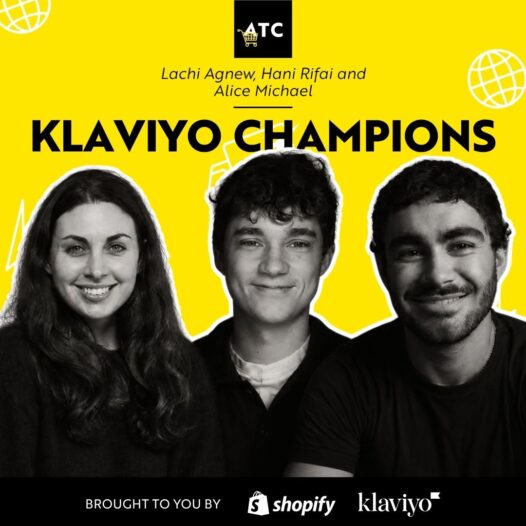
July is a Melbourne luggage brand that Lachi Agnew has spent seven years building from scratch, including most of the tech stack. Flows now drive close to half of all Klaviyo-attributed revenue, while campaigns get the bulk of the creative effort. Hani Rifai is Chief Digital Officer at Step One, the ASX-listed bamboo underwear brand chasing $100 million in revenue with a team of 50. He was among the first in Australia to deploy Klaviyo’s B2C CRM and runs one of the country’s most data-intensive retention programs. Alice Michael is Head of Ecommerce and Operations at APG & Co, managing Klaviyo across Sportscraft, SABA and JAG simultaneously with a lean team and three distinct customer bases.
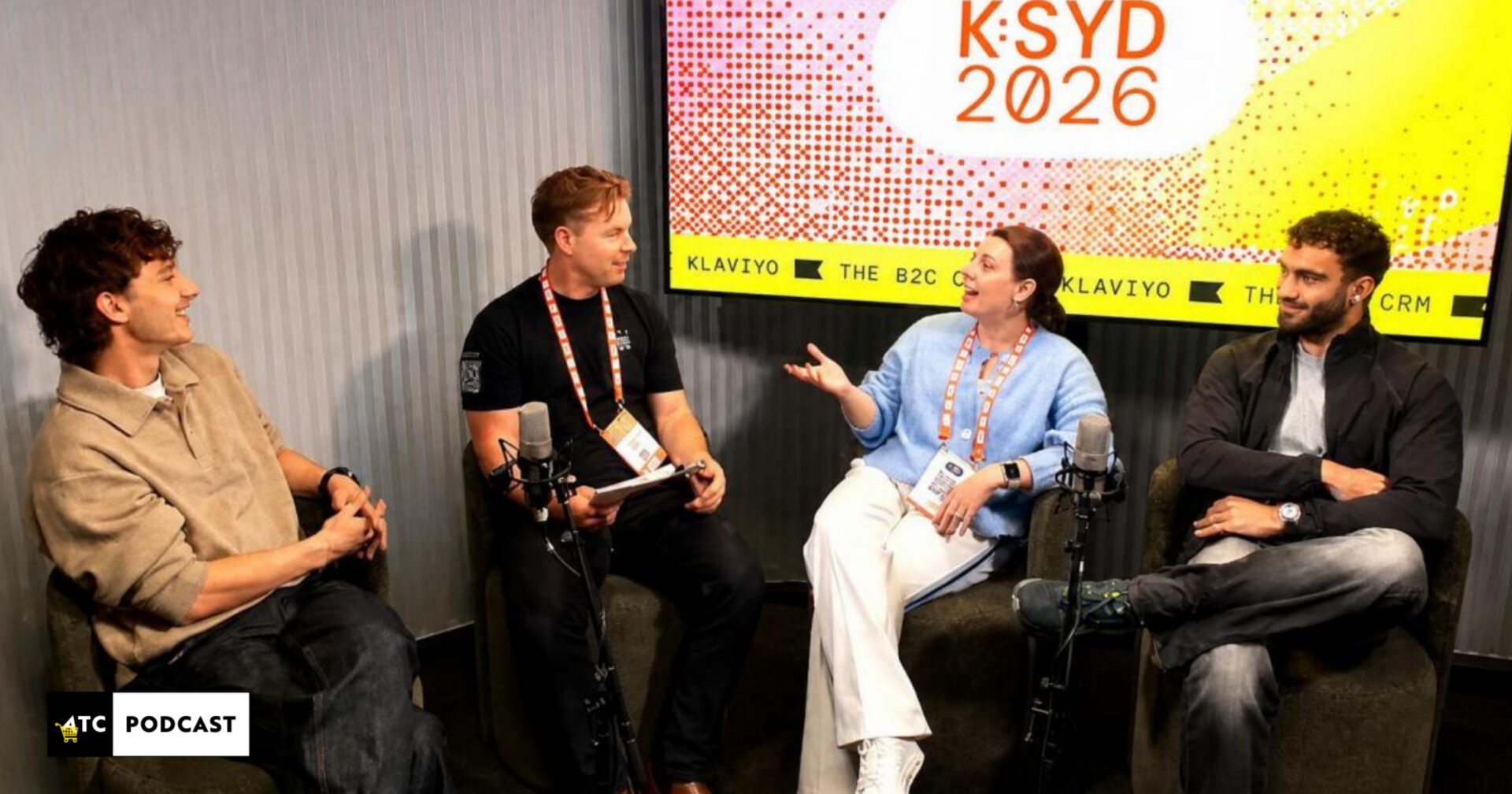
Nathan gathered all three at K:SYD for a panel, and the room ran hot (literally, no aircon) for an hour on the things most retention marketing conversations skip.
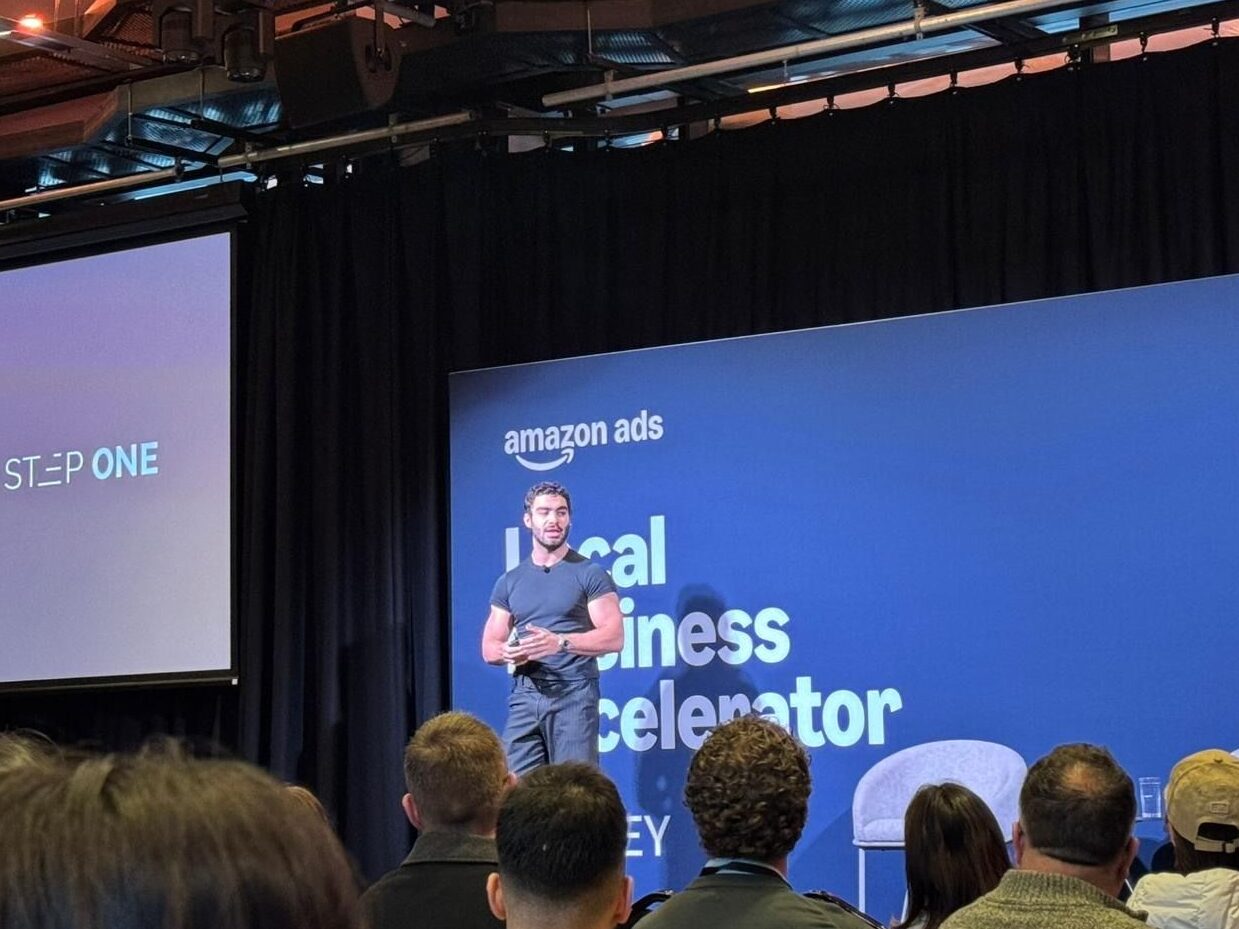
“The future really looks like discounting to solve a problem, not discounting to plug a revenue or profit gap.”
Hani Rifai, Chief Digital Officer, Step One
In this episode, with Lachi Agnew, Hani Rifai and Alice Michael, we cover three things worth taking into your own business:
Why segmentation is a workaround for one-to-one communication, and what getting your data right now actually means. Why your flows are probably driving more revenue than your campaigns, even though your campaigns are getting all the love. How to use RFM category switches to deploy discounts at the right moment, not the convenient one.
Your Flows Are Running the Business. Your Campaigns Are Getting the Credit.
July puts enormous creative energy into campaigns. Beautiful travel imagery, dream-of-the-destination storytelling, the kind of email that earns its place in someone’s inbox. And yet, as Lachi puts it, the flows are what actually get customers to convert. People come back to the site multiple times before buying premium luggage. They’re in the consideration window for weeks or months. The campaigns bring them in. The flows close them.
The same split shows up at Step One for different reasons. When someone buys a multi-pack of bamboo underwear, the next purchase isn’t guaranteed soon. Hani’s team watches RFM signals closely, looking for the moment a customer moves from champion to at-risk. That’s when a targeted message lands. Not a blanket 20% off. A pointed nudge at the exact moment the data says the customer is starting to drift.

Alice’s challenge is a layer more complex. Three fashion brands, three distinct aesthetics, three customer bases, one lean team building all of them. Her starting point was blunter: Salesforce Marketing Cloud required one person who knew HTML for every campaign. When that person left, so did the program. Moving to Klaviyo removed the bottleneck entirely. Within one quarter, SABA recorded 26% growth in email marketing revenue.
The honest audit for your own program: where is your creative effort going right now, and is that where your revenue is actually coming from?
Discount to Solve a Problem, Not to Fill a Gap
Hani’s framing is the one worth writing somewhere visible in the office. A discount should drive a specific behaviour. Moving old stock, getting someone to try a new product range, nudging a buyer who is genuinely close but needs one more reason to commit: all legitimate. The moment a discount goes out because revenue needs to hit a number, you’re training your best customers to wait and giving margin away to people who would have bought anyway.
Lachi backs this from July’s lived experience. Premium luggage is a lifetime purchase. Deep discounting doesn’t just compress margin, it cannibalises future revenue from customers who were coming back regardless. The brands that fell into “discounting hell” started doing it reactively, and then couldn’t stop because they’d trained their database to expect it.
The precise version of this is what Step One is building with BigQuery-powered RFM modeling that feeds custom cohort attributes back into Klaviyo. When a champion customer’s behaviour starts to shift, the incentive deploys. At the moment the data says it matters. Not before, not as part of a seasonal blast, and not to customers who don’t need it.

“Majority of our marketing time, a lot of our creative time is building campaigns. But the flows is what actually gets them to convert.”
Lachi Agnew, Head of Technology, July
Segmentation Is a Workaround. One-to-One Is the Destination.
All three panellists landed in the same place from different directions. Segments are the best current approximation of what everyone actually wants: a genuinely personalised message for every individual, based on who they are, what they just did, and what they’re likely to do next.
Hani’s team is already building towards it. A customer types “best undies for basketball” into Step One’s search bar. The product page personalises to that query. That search context gets piped back into Klaviyo. If they abandon, they get a one-to-one email referencing exactly what they searched for and why those products suit that use case. Not a segment trigger. A conversation.
Lachi’s version uses travel date data captured in-store. Retail staff note where a customer is travelling and when. A small widget saves it to the customer profile. Before the trip, Klaviyo sends a personalised pre-travel email. The data collection happened face to face. The follow-up feels one-to-one because it is.
Alice’s version is still in earlier stages, which she names clearly. Brand guidelines across three fashion brands mean AI-generated content needs more governance before it scales. Her point on the bigger picture lands well though: the onramp for AI tools is far simpler than the onramp for the enterprise systems teams have been navigating for the past 50 years. A text box is easier than three months of HTML training.
The question all three kept returning to: do you have the data that would make one-to-one possible when the tooling gets there? If not, that’s the thing to fix now.
The Takeaway
Most ecommerce programs put their best energy into campaigns. The flows run in the background, underfunded and under-designed, doing most of the revenue work anyway. Getting that right, building flows that match the actual purchase behaviour of your category, deploying discounts at the moment they change a decision rather than the moment you need a number to move, and collecting first-party data clean enough to eventually personalise at the individual level: that’s the work. Not glamorous. Very compounding.
So when did you last audit where your flows were actually sending people, and whether your discounts were solving a problem or just filling one?
Frequently Asked Questions
What is RFM segmentation in email marketing? RFM stands for Recency, Frequency and Monetary value. It places customers into groups based on how recently they bought, how often they buy, and how much they spend. The most useful application is not the segments themselves but the transitions between them. When a loyal customer starts moving toward at-risk, that moment is when a targeted message or incentive is most likely to change their behaviour.
Why do flows outperform campaigns on revenue for many ecommerce brands? Campaigns reach customers at a single moment in time. Flows reach customers at the right moment based on their behaviour, whether that’s browsing a product, abandoning a checkout, or going quiet for 90 days. For high-consideration categories like luggage, where the purchase decision can take weeks, flows are what close the sale that a campaign started.
What does Pavlovian discounting mean in ecommerce? Pavlovian discounting means using a discount to drive a specific, deliberate customer behaviour rather than sending one to hit a revenue target. Legitimate uses include moving old stock, encouraging a first trial of a new product range, or nudging a customer who is close to converting. Sending discounts to customers who would have bought anyway, or as a default response to a quiet week, trains the database to wait and erodes margin without changing behaviour.
How do you build a one-to-one email personalisation program? The foundation is first-party data: capturing what customers tell you directly, at the right moment, in exchange for something genuinely useful. Natural language search data, in-store conversations, wishlist behaviour and post-purchase surveys are all examples. That data needs to land in a CDP or CRM where it can trigger personalised flows. The technology to act on it at scale is becoming more accessible, but the data collection infrastructure has to come first.
Based on a live panel episode of the Add To Cart podcast with Lachi Agnew from July, Hani Rifai from Step One and Alice Michael from APG & Co, recorded live at K:SYD. Join the Add To Cart community for free.
Join us!
Come behind the scenes with Add To Cart Community: Join our crew of ecommerce operators chasing growth, sharing wins, and staying sharp with deep dives, live events and no-BS inspiration.