Athan Didaskalou: That's what we like to do. Whenever we try and make product, we're like, well, who can we annoy the most? Whose feathers can we ruffle in this category that's been around for hundreds of years, it was weird to have such a fast rise and then to drop to almost zero. Again, a side note, warm feet actually help you orgasm. That's just, you know, put that on the podcast.
[Voiceover]: Welcome to Add to Cart, Australia's leading e commerce podcast that express delivers all you need to do know in the fast moving world of online retail. Every week Nathan Bush from E Suite and an e commerce industry expert will share the news, research and insights that you need to know to keep you at the top of your game and of course, keep your customers Adding to Cart.
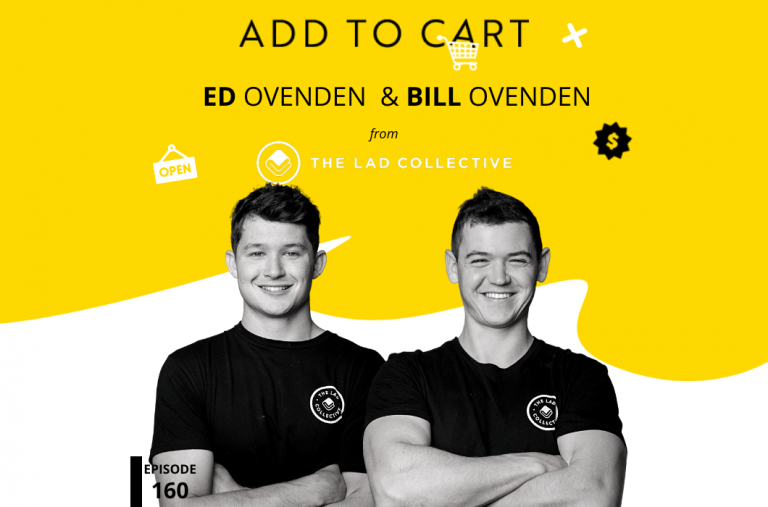
Nathan Bush: Hello and welcome to Add to Cart. My name is Nathan Bush, host of Add to Cart and director at e commerce talent agency E Suite. Now let's talk about last Thursday night. Think I'm still coming down a little bit from it. Of course. It was our very first Add to Cart live event. It was brought to you by Convert Digital and we were lucky enough to be joined by over 150 of the best retailers and minds in e commerce and held it at the amazing Howard Smith Wharves in Brisbane, overlooking the Story Bridge, beautiful canopies, a few little drinks along the way. Now sorry, that doesn't help you if you didn't make it, but hopefully what does help you is that we actually recorded it so you can hear it today. And this is a chat that you do not want to have missed. I was lucky enough to be joined by Ethan Didiskaloo, the co founder of July. Now, July is a Luggage brand reinventing the wheel quite literally as you'll hear, to create lightweight, beautiful and practical cases that are really shaking up the industry leaders like Samsonite. They launched in 2019 but as we know, Covid totally disrupted them and they lost 90% of revenue pretty quickly. But now they've bounced back 10 times higher than pre Covid figures. They are regularly seen on the arms of personalities like Chrissy Teigen, Celeste Barber and Apple Martin and are the official Luggage partner of the Olympics and Commonwealth Games. So some amazing stories here during our live chat. Athan shares his unique organic PR tips, his predictions around experiential retail and a portable way to stay connected that the team at July are working on. It was a very, very special sneak preview. Plus Athan answers questions from our live audience so you don't just get stuck with my questions. Now before we get into today's episode. I just want to give a massive, massive thanks to all of our event partners who brought Add to Cart to Life. Firstly, Convert Digital, they not only supported but actually organized the event. You don't want to leave something like that up to me. And they're absolutely amazing. So a big thank you shout out to Andrew, Charlotte and the team at Convert Digital who took my idea for a live show and really brought it to life. And this was supported by E commerce partners, Anzen, Gorgis, Klaviyo reviews IO and Shipstation. I mean, if you're going to have E commerce partners, we've gone straight to the top here. Thank you so much to everyone who contributed and helped bring this to life. And one last but very special thanks to Gil and his team at the Podcast Boss. You guys mastered the live recording. I'd never done it before and as you hear here, podcast team have just nailed it. And for you, if you get excited by Ethan's July story, and I have absolutely no doubt that you will, I am still excited about it one week later. He has generously supplied a discount code for Add to Cart listeners. Whether you're at the event or you're listening at home. Stay with us until the end for that. So let's get into it. Thanks to our partners, Convert Digital, Anzen, gorgeous, Clavio reviews IO and Shipstation. Kind of feel like I'm doing an Oscar speech here. Here's our conversation with Athan Didiskaloo, Founder and Chief Strategy Officer at July.
Athan Didaskalou: Hi.
Speaker D: All righty. Thank you so much, guys. No, I'm Ali. I am a head of Project Management at Convert Digital here in Brisbane and I will be your MC for this evening. Firstly, I would like to acknowledge the traditional owners of Nianjin, the land where we gather today and pay my respects to elders past, present and future. Welcome, everybody. What a turnout. Wow. I think we've not got enough seats for everybody, but make yourselves comfortable. Welcome to the very, very first Add to Cart live event presented by Convert Digital. We're so proud to be here and to share this with you. Lovely faces. For those who don't know, Add to Cart is Australia's leading E commerce podcast, but I'm sure you're all familiar. It is hosted by the fabulous Nathan Bush, who has disappeared.
Speaker E: Sorry.
Nathan Bush: Coming.
Speaker D: I'm sure that wasn't intentional. Here comes. Hey, Fabulous on cue. Fabulous. Cool. So, from startups to specialists, the Add to Cart podcast really delves into the minds of the E commerce professionals and the smartest people out there to Help E commerce professionals like yourselves get better in business. So, yes, we would like to now introduce our special guest.
Athan Didaskalou: He's over there, just been hanging around the bar.
Speaker D: Aiden Dadascaloo, please come onto the stage.
Athan Didaskalou: Thanks for having me and congrats on the first event, man. This is special, you know, Give him a round of applause.
Nathan Bush: Oh, no, thanks.
Speaker E: It's a big deal.
Athan Didaskalou: This is a big deal, man. It's a special night.
Nathan Bush: It is. Thank you for everyone turning up and thank you for agreeing. I. When Charlotte said, let's do this event, I'm like, cool. And she's like, have you got a guess? I'm like, no, I thought you'd have the guest. And she's like, no, no, no, you got to find the guest.
Athan Didaskalou: Okay.
Nathan Bush: So I was like, we met an online retailer really briefly and I said, I'd love to have you on the pod. And you're like, yeah, yeah, just hit me up and I LinkedIn you and I heard nothing back. LinkedIn, nothing back. Shit, he's ghosted me. And then we caught in touch and I was like, maybe you'd like to do this event. And I'm so stoked you did.
Athan Didaskalou: I just don't reply to any messages unless it's a direct sms. It's one of those, you know, so many messages and you'll be giving out
Nathan Bush: channels, giving out your phone number later. Right?
Athan Didaskalou: That's it exactly. Yeah, yeah.
Nathan Bush: So tell us about this thing.
Athan Didaskalou: Tell us.
Nathan Bush: I had a great surprise today to have this turn up on my doorstep literally at about 2 o' clock this afternoon opening it up and I went, perfect timing. How good. We, we've got a prop and we can speak to it. So tell us about July and what we see in front of us and your favorite features on it, like a dental direct salon.
Athan Didaskalou: We're straight sales pitch, you know, I work the retail floor a lot, so I've got the cadence, I've got the good sales cadence. So I mean, I founded July. You know, July makes good travel gear, luggage, accessories and things like that. How do we start? We started with an idea. We started with a dream to make these things. I mean, you know, at the end of the day, you know, physical product, making physical products. And most of you would either be in, either in E commerce or in the enablement of E commerce. So you get to see a lot of physical product stuff. There's something magical about making physical things, you know, it's super nice because, you know, I was talking earlier with somebody else, it was you spend a Lot of time. In theory, you spend a lot of time doing theoretical digital work that maybe. Or maybe not. Maybe 5% execution rate. Whereas when you're doing physical products, you know that you've got a long lead time, but you're getting to the 100%, 100% execution point. And it's a fun thing to have a physical product at the end of the day. So for us, I feel very privileged to be. To have done both. A lot of. A lot of digital experience in the past and then sort of move towards physical goods now, and it feels pretty special. That's not what you asked me anyway. But no luggage, you know. Yeah, there's a lot of. There's a lot of things that we love.
Nathan Bush: There's a lot of, like, little.
Athan Didaskalou: Are we actually going to demo?
Nathan Bush: Yeah.
Athan Didaskalou: So, you know, the wheels are beautiful. We've got some really lovely wheels, you know, 360 spinners.
Nathan Bush: I heard they're more than lovely wheels. I heard you spend a significant amount of your startup budget on those wheels.
Athan Didaskalou: How'd you know that? Yeah, you got some sources. Yeah.
Nathan Bush: And I'll do a little bit of research.
Athan Didaskalou: I'll tell you that story. So. Yeah, you can sit down. Don't you.
Nathan Bush: Oh, I'm happy to be.
Athan Didaskalou: You want to demo? Yeah, yeah, sure. Okay. All right.
Nathan Bush: Yeah, you can. You can use your hands.
Athan Didaskalou: So. All right, I'll give you guys. I'll give you guys the unvarnished story. Right. So obviously, suitcases have been around for a long time. How do you. How do you change something, change anything when. Suitcases is quite a generic category, so we didn't have much money back then, but we did the most free research that we could do. And just reading free reviews online, it was like the best research we could find. Right. So. And the issues that we found were all the edges would get pressed in, so corners and sides would always get pressed in. From luggage handlers just treating things poorly?
Nathan Bush: No, you know, just.
Athan Didaskalou: Just bad, bad, bad people to handle these things. So we're like, okay, cool. Well, why don't we. Why don't we make it rounder? You know, it's not that revolutionary. Like, why don't we just change the radius on the case so that you get better bounce back on the edges. In order to do that, you have to get this bit. This little thing that holds the wheel is the thing that dictates 80% of the shape of the case.
Nathan Bush: I just realized this is gonna make a horrible audio podcast, but
Speaker F: the black
Athan Didaskalou: corner thing at the bottom left hand of the thing, you know, it's video, you know.
Speaker F: Exactly.
Athan Didaskalou: We're videoing. It's fine. It's fine. Jump on YouTube. So, yeah, so that little black hole, that little wheel housing was the thing that dictates the shape of the case. Now most people end up getting these things off the shelf because it's not worth the investment to change that. It's like it's a crazy expensive thing to change for something that nobody would care about. So we had to make the judgment call. That's the insight that you would have found out secretly from somebody, was that we had to spend around 75 grand. That was the first investment. We just started the business. We had to spend about 75 grand remolding these. And we were like, is anybody going to care? Would anybody really give a shit whether we change these wheel housings or not to get the curvier case that we wanted? And so that was the. I think that set the tone for. We did it. Obviously that was.
Nathan Bush: Yeah. What made you say yes to that?
Athan Didaskalou: I mean, we're like, well, why are we doing this? Right? Like, we wanted to make something different and the curvature was a big part of what we were doing. So we pulled the trigger. And I think that set the tone for the type of business that July was going to be, that we were going to commit to doing things a little bit differently, that we were going to, you know, just be sort of, you know, put the money where our mouths were in terms of trying to create custom product. You know, creating luggage is very difficult in the sense that it's. It's mostly hand done. So once this is vacuum formed, the rest of it's all sort of hand screwed, hand stitched. It's not as, you know, as automated as you may think. And there's no like car manufacturing, robot hands, like making your suitcase, right. It's literally people stitching in things. So in this thing, luggage is actually quite a difficult category to. Luggage is quite a difficult category to sort of to replicate and to just make things custom. You can get a lot of things off the shelf, but you know what those things look like, right? Like you can see sort of a cheap suitcase a mile away and they're okay. You know, the category has lent itself to sort of like cheap single or double use accessories or. Or this like ultra premium, ultra luxury stuff that we all love as well. Like, I love the luxury stuff too. But you can't spend two, three grand on luggage every day and expect it to not get beaten up.
Nathan Bush: Especially in Greece.
Athan Didaskalou: Especially in Greece. So the idea is that we wanted the D2C model provided a great framework to be able to make that luxury luggage, but sell it at a price that everybody could use it at, so they didn't have to buy the $50 Kmart bags. They could. They could jump over to ours.
Nathan Bush: And I love this little thing. Tell us about this.
Athan Didaskalou: Yeah, so we. I mean, we try and. We try and make products that change the game a little bit. There's a. It's a little bit hard because you're standing up like that.
Nathan Bush: It's really easy, normally super easy.
Speaker G: So the thing.
Athan Didaskalou: The thing comes off, right? So there's a lot of luggage with pockets in the front. We decided we wanted ours to come off. So we found these beautiful German magnets from Fidlock that hold around 15 kilos each. And so the idea is that it sort of just clips on like that, but then also doesn't come off. It's gotta come up. So, you know, the idea is that, you know, you're sort of traveling around, and then you can just take your laptop and stuff and then put this in the overhead and then get back to work in your seat as well. You like that little demo, right? That was smooth. I've done that before. So that's what we like to do whenever we try and make product. We're like, well, who can we annoy the most? Whose feathers can we ruffle in this category that's been around for hundreds of years? You know, the idea that we could do a suitcase with a pocket that came off would annoy the establishment. It would annoy mainly Samsonite. Right. Samsonite owns. You know, I say, you know, they might buy us one day, which is great. So Samsonite, if you're listening, everything for a price.
Nathan Bush: But we'll tag them on socials as well.
Athan Didaskalou: Exactly. No, we know the Samsonite CEO in Australia very well, and he does get annoyed when I say things like this, but it's quite funny. So for us, we know Samsonite trades on light and strong. So we go, well, why don't we try and beat them on that? And so we made the world's lightest double wheel. Carry on. It's 1.8 kilos, ultra light. And it feels like a real suitcase. Cause usually when you go light, you lose the two handles. You get a single T bar, which is a pain in the ass. It's so annoying. Nobody likes that. And you, out of the double wheels, you remove one of the wheels, you get the single wheels. And so it's a little bit Less stable. It's a little bit less nice. We managed to do it and get it super light with all those features, you know. Then the other side was like the rimoise. Right. Beautiful. Two grand luggage. Everyone loves them. I had a couple prior to July, which I've thrown out now, which we're not allowed to use recycled into cans. But we were like, well, can we do luxury? Can we tackle luxury? So we did that, and they're 500 bucks as opposed to 2 grand. So for us, we like to see who's the incumbents and who's dominating and then try and go, how would we do it better? How can we use the design ethos that we believe in the DTC model framework to. Sorry, you're just back here. The DTC model that gives us sort of a good opportunity to. To create a product at the right price point for people.
Nathan Bush: Yeah. And obviously your range, and this is just one of the range. They go big, they go a bit smaller. There's drink bottles. There's.
Athan Didaskalou: Yeah, the drink bottles is a Covid release.
Nathan Bush: Okay.
Athan Didaskalou: You know, because the theme of the night tonight has been like, oh, you know, despite what's happened, not bad.
Nathan Bush: Hey, you look pretty good.
Athan Didaskalou: Well, you know, it was. Yeah, it was a great business in 2019 when we first kicked off and then, you know, 2019, we were laughing, we were like, this is fantastic. Like, first six months, we'd raised money. We'd raised around 10 mil from some really great investors, and we opened our first retail store. And so we're like six months in. Great product, retail store money, great time
Nathan Bush: for retail and travel.
Athan Didaskalou: Unstoppable. We were on great time. We were like, this is a rocket ship. This is going to be fantastic. And, you know, we'd heard whispers about the lockdowns happening in China in January. We're like, oh, okay, well, you know, let's see what happens. And then obviously we know what's happened from there on in. So we had like a 95 to 97% drop in revenue and a lot of free time. A lot of free time. You know, so we renovated our own warehouse during that time, which is now our office. So it's a little bit symbolic, but so I guess the. You know, was there a time during
Nathan Bush: that where you thought you wouldn't make it through the other side?
Athan Didaskalou: Yeah, I mean, nobody knew what was going to happen. So it was weird to have such a fast rise and then to drop to almost zero again. You never knew what was going to happen. You always thought it was going to Be temporary. But then it was like temporary for a year and then it just kept going and like Victorian based. So we weren't even allowed out of the house. Like, it was ridiculous. So, you know, we did a few things during that period. I'm getting to the point, I promise.
Nathan Bush: Drink bottles. I'm enjoying it.
Athan Didaskalou: So, you know, we sort of like, we tried new things. You know, we were like, all right, well, we're not doing anything. We're sort of like painting and rendering a warehouse. We've obviously got. We've got to start making some money somehow. And so we'd worked with a lot of photographers back then and we were like, great, why don't we sell their travel photos in beautiful frames and prints so that you can get travel inspired at home? We're like, this is. This is it. Genius. This is what we're going to do now. July's a homeware, a homewares brand. Going to be fantastic. And I think we sold like five and I bought two of them. We sold none of these things, right? Okay, well, that's not good. So we had spent. Prior to Covid, we had spent quite a bit of time and money investing in personalization and being able to create the machine that helps us personalize things. So this is sort of. This is our. Sort of our iPad. And so we had this beautiful personalization software and hardware that would help us do these things. On luggage. We weren't selling any luggage. What do we do? So we'd noticed a lot of people were drinking drink bottles. This drink bottle phenomenon. How many drink bottles do you have at home? It's crazy. About four or five myself. So we're like, let's do drink bottles. Let's do personalization on the drink bottles
Nathan Bush: and let's put hand sanitizer in the drink bottles.
Athan Didaskalou: Yeah, that's right. It was a funny thing, you know, and that took off. It took off and we sold tens, 20,000 bottles. Like crazy amount of bottles, because our specialty was you could do individual names on the printing. So it was, you know, and we were very lucky. I guess we didn't really know it when we'd done this part, but there were a lot of corporates who were buying gifts for their staff who are now working from home. So they wanted that, you know, they wanted a little welcome packs and things like that. So that actually helped us just, you know, was it going to save the business? No. You know, it doesn't matter how many drink bottles you sell, it's never going to be the game changer. But it provided momentum. It gave us some confidence again to get back to it, and it just allowed us the framework to start thinking about product development and making new things during.
Nathan Bush: During COVID And how were your investors at that time? I could imagine that there'd be some difficult conversations.
Athan Didaskalou: You know, they were pretty supportive. Yeah, they were good people about it. They were really good. They were really, really good. Awesome.
Nathan Bush: And tell me if you've told this story a thousand times, but why the name July?
Athan Didaskalou: I do tell this story a thousand
Nathan Bush: times, but I love it.
Athan Didaskalou: I do love it. No, it's a really simple one. You know, who went to Europe this year? How many? I think Brisbane people don't go to Europe that much because the weather's so nice here, you know, because if this is Melbourne, everyone's like, yeah, July usually is the time that you go overseas because it's winter here and you just want to get to a warmer climate. So, you know, Melbournians particularly go to Europe, and if you're not there, your entire Instagram feed is filled with people traveling. And so it's just a special time. It's a really special time for travel. And we were very lucky that nobody had really owned the brand.
Nathan Bush: And do you see July as always a travel company?
Athan Didaskalou: I think there's always a travel DNA in there. I mean, apart from being a homewares bottle brand, apart from our legacy there.
Nathan Bush: There's still money on the table.
Athan Didaskalou: There's still money. Exactly. You know, Frank Green does a pretty good job with that bottle. Have you seen that bottle that Frank Green does? It's like, what, 20 liters? It's like, it's a huge bottle. It's the biggest bottle you've ever seen.
Nathan Bush: This thing, it's one of those things you used to put on, like, the kitchen.
Athan Didaskalou: It's ridiculous. It is absolutely ridiculous. And women love it. I don't know if you see him lug this thing around. It's so funny.
Nathan Bush: Anyway, backwards as a species. Drag your water.
Athan Didaskalou: Let's not talk luggage. Let's just talk drink bottles for a second. Yeah. So, you know, look, there's always travel DNA in what we do. You know, people talk about their brands being lifestyle brands and all these sorts of things. For sure. Everybody wants to elevate to the next step of what their brand can be. I definitely feel like there needs to be purpose, though, and sometimes you can. You can overgeneralize what the brand could be. I like it. I like seeing July and knowing that we are specifically travel focused. And what is Travel anyway, travel can be anything at the end of the day, but there's always, there's always features and components and narrative around the travel makes sense.
Nathan Bush: Now let's talk about the massive growth that you have had. It's fantastic to see the mark that you're making in the, in the US and the growth here. From a marketing perspective, are there any particular moments or hacks that you did to get that growth that you think is unusual for July?
Athan Didaskalou: Unusual for July?
Nathan Bush: Well, unusual compared to other brands in E commerce that you did a bit differently.
Athan Didaskalou: Yeah. So I know you sent me questions to like pre read but I didn't
Nathan Bush: really actually most of these haven't been.
Athan Didaskalou: So I'm just going to ad hoc it. Right. Because I mean anything different, I'll tell you what we do do differently where and it's, I wouldn't call it necessarily a strategic play but we get a lot of pr, organic pr which is fantastic. Right. You get the listicles, you get the traffic that comes from these things. How do we get that pr? Well, it is a mix of art and science. So you definitely want the, you know, you definitely put all your best foot forward like the website works and all those sorts of things. You're making sure that you're, your retargeting is working and all the things that as people in digital and E commerce you definitely get. Right. But then what is that extra element that gets you the pr? You know, we sort of like look to fashion brands and bigger brands than us that are not in E commerce for inspiration. And so you know, as an example, like I love what Oriton are doing at the moment. Beautiful work. Like really, they got a creative director in their bags are great. Are they E Commerce? Yeah, sure. But you wouldn't see them as an E commerce brand. You see them as a fashion brand who are telling stories, making some great product. So for us we sort of look to other worlds and go what can we take from that? You know, can we steal some, some SaaS strategies that will help us with our IDMs and automations? Yeah, let's take a little bit of that. When we're talking about creative and campaigns, can we look to the people who do it best and steal a little bit of that? And so while I don't really know what the secrets were, there's one campaign in particular when we talk about that carry on light bag that I'd referenced. We did a campaign where we went and rented out the world's slowest or fastest frame. But slowest, slow mo Camera and just filmed people jumping up in the air with a suitcase at the slowest frame rate. And that campaign, that cost us maybe five grand. Five or six grand total.
Nathan Bush: Right.
Athan Didaskalou: That campaign, when Vogue featured us as like top 20 luggage companies you should buy from, they used our creative as opposed to Rimmel as LeBron James Away's Serena Williams collabs. And like everybody else would spend hundreds of thousands of dollars in the campaigns. So we got the press, we got the feature, we got top spot, and we got the creative for the article. And it cost us five grand. Right. Because we wanted to try and do something that was not just based around performance marketing, but actually help tell some of that story as well. I don't know if that answers the question.
Nathan Bush: And creative is done in house.
Athan Didaskalou: Everything. Yeah, most things are done in house.
Nathan Bush: Yeah.
Athan Didaskalou: And not for any reason other than there's a lot of. There's a lot of control that we want to have.
Nathan Bush: Yeah. Especially if it's a core thing that you're using for your PR and your awareness.
Athan Didaskalou: Yeah.
Nathan Bush: Let's get nerdy. You're on Shopify. We've got a lot. That's right. Right.
Athan Didaskalou: Yeah.
Nathan Bush: You gave me a weird look. I'm like, oh, our GM gave you half the answers.
Athan Didaskalou: That's great. You know, that's great. Could have been so awkward.
Nathan Bush: And we've got Shopify in the room.
Athan Didaskalou: Would you love Shopify? Wherever you are. They're everywhere.
Nathan Bush: Look at them. It's nice to see you guys, you know, out in the real world for once. It's good to have you here. Tell me, from a on site performance and conversion aspect, is there any apps, any tricks that you really rely on? And obviously don't mention any of our sponsors, competitors that really help.
Athan Didaskalou: We use most of the stack for the sponsorship, which is quite lucky. But I guess maybe the awkward or not so awkward thing was we use a headless acom with Shopify running it. And why did we do that? You know, I don't know. Because the dev wanted to do it, you know, Good old Locky. No, he's brilliant. No, but at the end of the day, it helps us get really custom with the front end. And while there are some challenges with Headless, the opportunities for a lot of personalization stuff really start to come through. And I think there's pros and cons with.
Speaker E: With both.
Athan Didaskalou: I think it's hard for marketers to be able to control front end activities with Headless. I think it helps being native a lot more. But you know, for us, we Went headless. And there are, you know, there are lots of bits and pieces. Yeah.
Nathan Bush: Is it as simple as Wadey said it was? Like Andrew before just said, headless is easy.
Athan Didaskalou: You know, it's easy with the right dev. Yeah, you gotta have the right dev. We got devs in house, so.
Nathan Bush: Yeah, brilliant. And now I understand that you are on a bit of a spree to open up new retail stores at the moment, which, again we heard from Andrew, is a big trend in E commerce. Tell me what triggered that decision and you know, how do you measure success of stores compared to E commerce?
Athan Didaskalou: Yeah, I mean, like if, if I was up here now saying, okay, where I'm about to start a business, let's say I'm going to start a socks business, right? I'm going to start selling socks. Does anyone sell socks here, by the way?
Speaker E: No.
Athan Didaskalou: Did I pick the one category?
Nathan Bush: Socks?
Athan Didaskalou: Yeah. Well, you know, you sell other things than socks, mate. We know what you sell, mate. We know yourself. Do you want to come up here and do a demo for us and
Nathan Bush: for anyone listening, he's wearing a lot of honey shirt, I think.
Athan Didaskalou: Sorry, I lost my train of thought.
Nathan Bush: Are you trying to think about what?
Athan Didaskalou: Well, no, no, no, I'm not.
Nathan Bush: I don't know.
Athan Didaskalou: No. But side note, warm feet actually help your orgasm. That's a, that's a, that's a. Just, you know, put that on the podcast.
Nathan Bush: We always do three takeaway tips at the end of it, like, so that could be one.
Athan Didaskalou: So if I was starting a socks business and then I said, we're going to open up physical retail first and eventually get to an E commerce store, you'd think it's the most traditional old school way of doing business in the world. But if you start with a website first and go, you know what? I'm actually thinking physical retail, that's the future. It sounds progressive, which is super crazy, right? So for us now, it's a bit of a flex, right? So, you know, version one of the store, it's always a bit of a flex because doing physical retail takes a lot of capex, takes a lot of money up front. So, you know, you do it as a way to. It's a profitable billboard, it's fun to do. It's great to be able to have a physical presence somewhere to show people things. And it's a great flex for any business to be able to do. And we did it early days, you know, honest speaking. We did it for that reason. We got a great spot. We wanted people to touch and Feel the product. But importantly for our category, there are a lot of people who might be very organized when it comes to travel, but there are a lot of people who are leaving the next day and just need a suitcase. And so for our category in particular, physical retail makes a lot of sense in that customer journey because if you need one tomorrow and you want a July, we actually can't give it to you. Maybe Covid gave that E commerce confidence the boost that it needed to be able to input credit card details online for that boomer generation. But from a delivery standpoint, we don't really have that confidence just yet. Thank God Australia Post is not one of the sponsors tonight. They do a brilliant job. You know, it's a hard job, but you just don't get that expectation. And I've seen a lot of Amazon ads at the moment saying like next day delivery, now one day delivery. But that's the first time in a long time that we've seen that. I don't think people's expectations are there just yet. So back to the point of physical retail. Why you starting to see more and more physical retail happening in E commerce is because the customer acquisition costs are fantastic. If you do rent as a CAC number, it is just a phenomenal number. It just takes a lot more. So when you're doing it through, when you're doing it through paid social, as most of us are doing it, it's a variable cost. You can kind of get away with increasing the budget a bit more, learning your way through it. You go from five grand to ten grand to twenty grand but you sort of like you baby steps it. If you're doing it through physical retail, you need fit out costs. You're looking at like 250, 300k upfront, sunk wages, staff training, things like that. So it's a bit of a different strategy play, but you'll find if you do it properly and I mean I won't say that but for us in particular, our CAC's halved for physical retail. It's not for everybody, it's not for all things, but I think the number is something like for our Australian e commerce store versus our Australian retail stores, retail represents 20% of the revenue and we're talking like a couple, like a few locations versus Australia, you know, Australia, New Zealand. So it's just like, it's quite a powerful tool.
Nathan Bush: Any advice for the retailers in the room who might be looking to open their first store or reinvent their stores? That's the end of my question. I Just left on the wrong.
Athan Didaskalou: I mean, I'm a believer. I'm a believer in it. I think it's a great experiential thing. I think rent is the only thing that stops more brands from doing this experiential stuff. I foresee that as rents normalize, rents come down because there's so many people doing E Commerce that you're going to start seeing a lot more experiential retail come into play. What that means is like, you know, you can go to. You can go to Tokyo and go to Port. I don't know if you've heard of porter bags. They make these beautiful bags. All my references are very bag related, by the way, just in case you haven't noticed.
Nathan Bush: Makes sense.
Athan Didaskalou: Yeah, makes sense. So. So Porta do some beautiful bags made in Japan. If you go to their Tokyo store, you can only buy certain things in that Tokyo store you can't get anywhere else. And so they make it a full experience where you come into the back room, they show you these bags. It's is absolutely special. But it doesn't matter how much money you have, doesn't matter where you are in the world. You can't get them unless you go to the Tokyo store. So it makes you want to go. It makes it part of the. You might have 10 of their other bags and you kind of want to dip in and go, show me that stuff. Show me the stuff that I can't see anywhere else. So I think as when rents normalize, you're going to see a lot more experiential stuff. You know, we're a global brand, but if you come to the Melbourne Collingwood office, you know, maybe we're going to look after you. Maybe there's something you can't get anywhere else. That's true for now. What we do now, I wouldn't call it a hard strategy, but because the office has a retail store, I put a retail store baked into the office. You'll actually probably get one of us serving you. And I sell the samples that we get, like the experimental samples. So a lot of people come to the Melbourne store, actually leave with stuff that doesn't exist and will never exist, you know, they can't return it either, you know, so. But it's a lot of fun, you know, and I believe in that. I believe in that experiential stuff. And I think when rent's cheap enough, we'll see a lot more of it.
Nathan Bush: Now this might be an awkward question if you haven't read the questions, but
Athan Didaskalou: just want to Be honest.
Nathan Bush: You know, I've listened to a few podcasts and I've seen you speak before. Is this a question that you wish someone would ask you that you've never been asked before? No, just trying to get someone else to do my job.
Athan Didaskalou: It's. Yeah, yeah, yeah. You know, a question that I've never been asked that I want somebody to ask.
Nathan Bush: Yeah, like a story that you're just like, why isn't anyone talking about this?
Athan Didaskalou: I mean, it's not particularly, not particularly, but I mean, at the end of the day, like, you know, I think a lot of the people see the business now and go, oh great, you guys have done so well. But there's a lot of back work, there's a lot of grit that gets. That's that most people would know anyway, right? When you're a founder, you know, you're spending a lot of time in a room together and you're just trying to get stuff done. There's just a lot of gut made decisions that, that people think are very strategic and that are very much not. And so, you know, they come looking for advice, right? They're like, what are these things? What should we do? And you're like, I don't know. You know, we just sat in the room and kind of cracked it and printed out some, some things and printed out all those bad reviews and just like, just make it curvier, you know, and so there's a lot of that.
Nathan Bush: Right.
Athan Didaskalou: So I guess, you know, I don't know what the question would be, but the answer is definitely like the answers.
Nathan Bush: Just make it curvier.
Athan Didaskalou: Just make it curvier. How do you sort of understand more gut based decisions that founders that anybody, Anybody who's sort of trying to create something where that, where that inspiration and that sort of gray area of what to do comes from.
Nathan Bush: It's good advice, great advice. A non question. There you go. What's next for July? What's on the radar?
Athan Didaskalou: What's next? You guys want to hear a cool thing that we're doing? But it's not live yet though. Like, we're way off. We're way off. But I'll give you, I'll give you the big thing. So there's a power bank underneath here. You got it in here. Very nice. So you can charge your phone or your laptop USB C, you know, gets you around 4 or 5 iPhone cycle charges or 50% of your laptop. Just going straight to the pitch. But has anyone got a pen on them?
Nathan Bush: Yeah, I do actually.
Athan Didaskalou: What we did from day one was actually make this whole thing come out. So the idea behind this is that you can future proof any stuff that you sold in the past. So what we're developing now is a global roaming 5G unit, so you can get WiFi anywhere where you are in the world, which is pretty cool.
Speaker E: That's awesome.
Athan Didaskalou: And I mean, like, it's. There's a fun thing to it where you're like, that's sick. And then the other part to it is it helps us like not just sell your suitcase, but now we're selling services. We sort of gone from, from hardware to, to software. You're increasing lifetime value. I don't know all the acronyms that you want to, you know, LTV, AOVs, you know, CACs, all the things. Right? We're trying to do all the things, but, but that one there, we're like, well, well, we're solving a real problem. WI fi is an issue when you're traveling. You know, look, if you're rich enough, you put telstra on roaming and you get the job done. But for a majority of people in the world, access to WI fi is important. You end up spending most of your time at Starbucks or maccas. This is a great way to. A cheap way, but an effective way to get global roaming 5G. And yeah, we're like, we're halfway through that development process, so that's kind of cool. That's so cool. But we want to do some new things. We want to do a luggage rental service as well, which I think would be pretty cool because not everyone wants to buy luggage. And so if you're going overseas and you know, you've got your suitcase, but your suitcase is sitting in your wardrobe unused for 95% of the year, why not give it to somebody else and make 100 bucks off it?
Nathan Bush: They might have different thoughts about that,
Athan Didaskalou: but maybe, yeah, maybe they beat it up as well. Who knows? We haven't cracked that one fully yet, but that's. So I guess for us, like, making beautiful hardware is already in the pathway. And we want to obviously fill out the funnel with as many new products as possible, being able to get customers to come back and buy more things from us and at the same time help grow the brand, grow the business into something that's not just suitcases.
Nathan Bush: I'm coming to questions, so get ready because we've got one of these up for grabs that went a totally different way than what I thought that question was going to go.
Athan Didaskalou: See, Better not reading the questions, man. I'm telling You. This is the future. I'd never sent anyone the questions.
Nathan Bush: Well, yeah, well, I don't use them anyway, so what's the point? I thought you're going to talk about cats.
Athan Didaskalou: Oh, the pets.
Nathan Bush: The thing you launched today.
Athan Didaskalou: We launched it today. Well, that's not the future. That's right now. That's right now.
Nathan Bush: Technically, you're right. Yeah.
Athan Didaskalou: You can't really see, but we did something cool. We launched it. Yeah. Today. Yesterday. Basically, if you've got. Who's got pets here? Most of us. Right. Most of us got pets.
Nathan Bush: Right.
Athan Didaskalou: You can't take them with you when you travel, which is, you know, a bit sad. So the idea we had was, well, the personalization again, right? You sent us a photo of your pet or your pets. We'll get it illustrated and then we'll personalize your suitcase with your pet on it. And so that way, that way they're like, you know, they're always traveling with you, right? Like, that's the, that's the angle there. It's gone wild, right? Because your pet is so cute and it looks great. It looks great on the thing. So like on a drink bottle, on a suitcase, whatever we can print, we'll. We'll get it done. And it's been wild. It's been really good.
Nathan Bush: I just love how you went for pets over kids. Makes so much sense. Yeah.
Athan Didaskalou: Kids are a pain in the ass for pets. Pets are amazing.
Nathan Bush: You miss your pets when you're away.
Athan Didaskalou: And the photo shoot for that was great. You know, just, you know, people say, don't work with pets and kids with animals and kids, like, they are a massive pain in the ass. Like they just don't do what you want to do, what you want them to do. But it was, It's a fun. It was a fun photo shoot. You can see it on the grammar.
Nathan Bush: Beautiful. Thank you.
Athan Didaskalou: Who's got a question?
Nathan Bush: Yaz, do we have a microphone? Yes, we've got microphone coming around.
[Voiceover]: I generally need a microphone. Hi, I'm Yaz. Cross economy. I love your bags and I really want to win it. So.
Athan Didaskalou: Done.
Speaker D: Thank you.
[Voiceover]: With the circular economy being worth $4.5 trillion globally by 2030, what's your strategy for July? To design for disassembly with advanced manufacturing to ensure longevity through repair, repurpose and recommerce beyond the single lifecycle of your bags, which are very difficult to recycle. In particular, use of non virgin materials, including metals, plastics, fabrics, handles, wheels and zippers. And now e waste through your very cool Power banks.
Nathan Bush: Way to make me look really sharp.
Speaker F: Sorry.
Athan Didaskalou: Sorry doesn't win the suitcase. I mean, your question is, how are you going to focus on recycling in the circular economy? Despite the complexities in luggage manufacturing, repair more than recycle.
[Voiceover]: Like recycling is the end of life. It's where you throw it out to, to be disassembled. But like your wheels for example. Can I purchase wheels through a recommerce platform to be able to ensure the longevity of your life cycle, of your products so that it's not take, make waste and it's more circular?
Athan Didaskalou: Yeah. That's an interesting one. You don't need to purchase it if they break, we'll just fix it for you. So all the suitcases come with a lifetime warranty, so if anything breaks or anything happens, we take it back and we repair it. So thanks for that. I didn't realize that was prompting me to do that. No, but at the end of the day, like, I mean, shit happens. And so when it does happen, we try our best to repair where possible. And so, you know, even if worst case scenario, something cracks, the polycarbonate itself is recyclable and what we'll end up doing is then just strip it for parts and use it for other things. So there's a lot that goes into it that we do try and salvage. You know, we are a lean business generally in a lot of ways and we don't like the idea of just replacing things for the sake of doing it, which I know is common practice in a lot of ecom businesses. There's a lot of cost that goes into these things, a lot of work that goes into it. So we, we do try and save it as much as possible, but yeah, lifetime warranties for the stuff we do ourselves.
Nathan Bush: Great question.
Athan Didaskalou: Thanks for sharing.
Nathan Bush: Yeah, well done.
Speaker E: Hi.
Nathan Bush: It's a hot side of the room over there.
Athan Didaskalou: Whilst, whilst I appreciate Yaz's question, this
Nathan Bush: is a question of love.
Speaker F: Okay.
Athan Didaskalou: And honey, it's about socks and sex toys and luggage. So not bribing you, but this is top question so I can get that bag.
Nathan Bush: How do you be consistent in the love that you're showing, the passion you're showing between your online and your retail stores?
Athan Didaskalou: Yeah, it's a tough one, man. It's a super tough one. Right, because you're talking about how do you scale culture and how do you really like get that message across when the team grows bigger or when you're not there physically present yourself? There's a couple of things, there's a couple of things there. One of the early, you know, one of the early strategies that we sort of wanted to do, and I wouldn't even call it a strategy, right. Like the founders still answer. Customer service tickets is one sort of real easy sound bite to sort of go, well, the bigger you get, typically the more that the founders or the CEO, whoever it is at the top, gets further away from the customer, from the revenue for whatever reason, right? As big as you. As you get, they're the revenue. And, you know, the boss is always the furthest away from dealing at the coal phase. So we try and stop that by actually doing some of the ground level stuff and not because we don't want to hire anybody to do it. We like doing it. We like getting in there. The other thing that I think it's the Ritz Carlton, there's a great example of it where they empower teams to be able to embrace those values. So you sort of go, well, the value is like, we go above and beyond. We try and do whatever it takes. And when you're dealing with me, I might just uber that case to you. From Homebush to Bondi, it cost me 150 bucks for a $300 suitcase. But I know that if you live in Bondi, you're probably rich, so you've got rich friends, and I'll do that for you. Right? That's kind of the, you know, I'm like, I can make that instant judgment call and get that job done. How does a customer service person figure that out and get empowered to do it? So for us, you know, we have, like, there's a Ritz Carlton example where they gave their staff members cash to be able to. To spend on clientele because they knew that the LTV was through the roof to make them happy. So 100 bucks for a happiness execution meant $12,000 in return revenue. So for us, we empower our customer service team to do what they can to go above and beyond. It's probably the only way I've seen to be able to accurately scale that culture from a staff to customer level. I don't know if that answered going
Nathan Bush: to go from this side of the room.
Speaker G: I guess it's really hard to get feedback from founders on their journeys because we're always busy doing things. So I'm really keen to know whether you've had a mistake or a decision you've had to make. Covid aside, that's really defined kind of the business or you as a person and kind of a follow on to that is how do you as a founder, I don't know what your background is, but if this is your first kind of voyage in that how do you cope with the stress and kind of the decision making fatigue and that kind of thing. And you could do whatever you want, you know, like your future is yours. But with that comes a whole lot of people trying to get things off you or you know, you're trying to create your own destiny. So I'm interested to hear from you.
Athan Didaskalou: You're asking about like a learning, a time that I learned something from screwing up.
Nathan Bush: Right.
Athan Didaskalou: I guess for me, and this is probably less about July, but I've taken that learning for July. You know, I used to work in strategy for a large at agency and that was a great, that was a great career and I really loved it. And during that, that time I had gone on to start something else as well. I was doing a coffee subscription business. She was a fantastic business at the time. And what I, it was a side hustle more than anything else. It was this like, you know, back then everyone had to have a side hustle. You know, I do this, but I also do this and I do, you know, it's part of this, this weird, this weird culture. And so I guess what most people in particularly myself didn't realize is that if, if you're doing side hustles, you eventually and you want it to be successful, you don't want to be doing a, a very average side hustle forever. When that grows, your something has to lose and it's typically the other thing that you're doing for a job. So what I found is that as my coffee subscription business was growing, I was getting really shit at my job. I was just like. And not so much shit at the job, but I was burning the relationships that I'd spent long building. You know, my teammates that I'd been working with for so long, I was starting to piss them off. So I'd make a judgment call then and go, well, I'm just, I'm going to, I'm going to stop that burning and focus on this and cut that off. And I guess my learning from that is like don't like know the end goal and don't try and over commit to things just to be part of that game, just to sort of understand what you're getting yourself involved into. And so that's the sort of lesson with July in the sense like it's a really one track mind of like, I know the majority of things, I don't need to say like oh, yeah, I'm an investor here, and I also do lawn bowls and all these other things that I can come up with. It's irrelevant. You know, there really is a one focus thing, and that's what we try and that's what we try and do. And I guess that's the. That's the lesson that I learned. I did burn a few bridges along the way to get to that lesson. How I manage the stress, I don't know. You know, I've started running at the moment. That helps, you know, catch the 5K app. Great way to start.
Speaker D: Probably.
Athan Didaskalou: One more.
Nathan Bush: Yeah, great. We'll take the table up the back there.
Athan Didaskalou: So I specialize in retail design. What was your name? Sorry, Barb. Sorry. Barb. Barb from Alcott Studio. When you came up with the idea, what was unique about your pitch that made your investors really fall in love with your idea? Because that's always the question. Great question. That works or doesn't work?
Nathan Bush: I saw those eyebrows. That might mean something.
Athan Didaskalou: What. What is the thing that got these guys over the line? You know, it is like 70% the energy that you have in the room, right? And it's like you've got to believe in it, you know? You know, when you're interviewing somebody or somebody telling you something, they're just not there, you know, and you're like, well, if you don't. If you don't care, why should I care? You know, you need the. You need the founders, you need the people who are pitching who are just emotionally there and ready and. And know the numbers and have done the pre work and clearly care enough to. To have done that. I feel like that's. That's a good chunk of it. We, you know, and the other thing is, like, we don't. I don't know, like, we don't pretend to be all things. Like, we don't pretend that we're a sass business. We don't go into it trying to overkill. You know, we're very honest with who we are. And. But, I mean, that's bullshit. Like, maybe it is, maybe it isn't, you know, but at the end of the day, I think a lot of it comes down to the people in the room. And so you. We probably did maybe 30 or 40 pitches. It's the classic story of, like, you know. Yeah, well, yeah, it's. You know, you sort of. You pitch once and then, oh, yeah, that didn't go too well. Then you do it again, and you. You do it again. And you know what? I Found in particular is that doing presentations like this and showing them slides, just not our vibe. It just does not work. Right. So we pre send them a really light deck and then it's all demo. It's like exactly what we did at the beginning. It's like, let me show you this, let's talk about this, let's talk about that and just like bamboozle them with product stuff. And because we physically designed this product ourselves and we continue to, we're so involved that we can't pretend it really does come out. So you've got to find what that passion point is. I'll end it with a quote right. That I haven't used in a long time. So the founder of Honda, Sashiro Honda, used to say something, pull the sail with your strongest arm. So the idea for us is that our strongest arm is about the passion of the product. And so we'd always just. We'll pull on that sale whenever we're trying to talk about the business. Yeah.
Speaker D: Awesome.
Nathan Bush: I think that's a brilliant way to wrap up tonight with a Honda quote. I was trying to get in there before I say something to stuff it up. Everyone give it up for Ethan.
Athan Didaskalou: Thank you very much.
Nathan Bush: Seems so lonely. My studio now after hearing all of that played back, but what an absolutely amazing night. Make sure you sign up to our email list on addtocart.com or follow our socials because I am pretty sure that there is going to be more add to cart live events coming up all around Australia and I'd love to see you there. And yes, we mentioned a July coupon right at the start of the episode. Just in time for your summer travel adventures. I mean, listen to AAN speak. I know you couldn't see the product, but it is beautiful. If you want to get your hands on your own potentially pet personalized July luggage, Simply head to july.com and use the code add to cart or one word add to cart to get 10% off your order. Limited time only. Now, this is normally the part where I try and pull three lessons from the chat that I have with my guest. But to be honest, my head still hurts from the night. So I have turned to our partner for them to share their biggest lessons from Nathan. So stay tuned right now for some great insights from the best in the business. All right, I have my panel of experts with me to share their takeaways from the night because my mind's still not in the right place to be able to do this. So each of you, I've asked you for one takeaway from the chat with Aethan and I'm going to go around the table introducing you as we go rather than introduce you all at once so listeners can understand your voices. First, I'm going to go to you, Andrew, at Convert Digital. What was your biggest takeaway from the night, mate? It was fantastic to hear Ethan echo a few of the room's comments around the return to physical retail and how Ethan and the team are approaching that. Certainly coming from a pure play online retailer back in as its challenges. But again, it's an incredibly exciting opportunity that the July team have and I'm looking forward to see how they execute it. Beautiful. And I loved our little chat that we had beforehand. Obviously not recorded and broadcast to our listeners. You have to be there on the night for those kind of insights from you, Andrew, but thank you, that was fantastic and appreciate you putting the event on. Josh, I'm going to go to you because we talked about those challenges during COVID Obviously shipping is a huge challenge and you see that every day with shipstation. What was your biggest takeaway? I think definitely one of my biggest takeaways was when Ethan was mentioned mentioning about building and expanding the brand, but doing it with purpose and so, you know, not diluting that branding. My takeaway from that is, you know, not going and doing absolutely everything and being on task with what you're there and staying within the luggage realm and what they want to do with that or the travel industry. So I think it's really, yeah, good to see a merchant that is sticking to what their purpose is as a company and growing and expanding with that, which I think is a great takeaway. Passion and purpose, I felt is like you, it was infective, that. I don't know if that's the right word. Infectious. Ethan's passion for July. Contagious. It was contagious.
Athan Didaskalou: Yeah, Contagious.
Nathan Bush: They're not all good words. None of those are good. Now when we're talking brand, obviously emails are front and center of that and conversations with our customers. Rhiannon, you are dealing with those kind of conversations every day at Anzen. What was your takeaway?
Speaker F: Yeah, so I'm just echoing Andrew a little bit here is one of the inspiring takeaways was Ethan's take on customer customer service because we're a customer journey agency. So it's all about the user experience. What happens after they purchase or once they land on site. How are we enriching that experience? However, when Ethan was talking about doing customer service in store and now he's got his own staff members being able to empower them to be able to make maybe out of the box decisions. Seeing if is kind of maybe a top dollar customer and being able to let his customer service agents or staff members be able to make those out of the box decisions and make it a little bit more exciting and enriching the customer experience in store.
Nathan Bush: Yeah, I love that example. So that was in Question Time, if I recall correctly. It was around how do you kind of take that step out and allow customers to be the new Athen in taking that brand purpose forward? James, obviously at Klaviyo you guys are in that customer journey as well. What was your takeaway from the.
Speaker H: Yeah, thank you very much. Amazing evening. Klaviyo were delighted to be involved. Like I look around this room and see so many of our amazing partners and so we were delighted to be there. Mine's slightly different to the normal customer journey and digital strategy I talk about. I actually caught with Aan afterwards and asked him about his investment rounds. I know there was a question on this. It was more the ball in his court. How did he choose the investor that was right for him? And he said that they don't, you know, over 30 different VC pitches. And he said to me that what you could tell straight away with how interested they were in learning about their products and their business and their goals. And as Josh mentioned, they're a purpose driven business and they wanted someone to believe in their purpose and that was going to be the right investor for them. And it's not something we talk about too much on our side of the marketing strategy. But taking investment and taking it from the right person or the right group is really important. So he's clearly chosen a sustainable business partner to get involved with and it was driven by the right reasons.
Nathan Bush: Did you get any real investor tips in those late night drinks? The late late night drinks.
Speaker H: My shares aren't doing too well so I don't get involved anymore.
Nathan Bush: This is not investment advice. Joe, going back to customer, obviously you are dealing with a different stage of the customer journey, usually@reviews.IO what did you get out of the night?
Speaker E: Yeah, I think for me and I guess it's a continued theme that everyone's kind of touched on in a way was. But it was just I think Ethan's overall passion for the brand and the product and I think like hearing the story about the wheels and the way that things were molded and going that extra mile to really make sure that it's a quality product for the customer was probably the biggest insight for me and it's probably a little bit different than talking about tech stacks and all of those sort of things, but I think, you know, it doesn't matter whether a brand's doing online offline omnichannel, a combination of the both. I think what really stood out to me is especially as I'm about to be traveling so I'm going to be purchasing some luggage. It's just the quality of product and really delivering the best product to the customers. So that was my insight.
Nathan Bush: Beautiful going to use a discount code when you buy that luggage.
Speaker E: No, no no, no. I'll support and do the right thing but I will leave a review.
Nathan Bush: Fantastic. And obviously Jasper from Gorgeous was going to join us on the call but he couldn't be here today. I'm not going to put words in his mouth, but I really appreciate all your support. We've got Con Clavio, Anzanreviews IO Shipstation and Gorgeous supporting us. So thank you very much. The things that come to mind from all those conversations bring us together is passion and customer coming together and I think that really summed up aan's approach on the night. So thank you all so much for sharing your thoughts from last Thursday night and hopefully we get to do it all again soon.
Speaker E: Definitely. Thank you so much.
Nathan Bush: Thanks again to all our partners from the Add to Cart Live night. If you want to get in touch with any of those partners that you heard, their details will be in the show notes. Feel free to reach out directly to them or just get in Touch on LinkedIn to get the highlights of today's episode. Head on over to add to cart.com and sign up for our free newsletter each Tuesday. We will send Monday's episode summary links and discount codes for you to go next level on. And if you're looking to explore your next e commerce opportunity, come and visit us at E Suite. We're a dedicated e commerce talent agency connecting the best e commerce talent with the fastest growing brands in Australia. Head on over to esweettalent.com where you can download download the free E Commerce Salary Guide and sign up to our weekly e Commerce job emails. Thanks for listening and until next time, keep those customers adding to card.