Aaron Langer: I don't think I've ever seen Karen's forearms. She had bangles from wrist to elbow.
Karen Langer: It's also like influencers and having like great celebrities wear our product. Does it have a great spike? I'm going to say no. But what does it do? It validates the brand.
Aaron Langer: We were there and witnessed the boom of E Comm in the States. We were like wow, this is incredible. This is the future.
[Voiceover]: Welcome to Add to Cart, Australia's leading
Nathan Bush: e commerce podcast that express delivers all
Karen Langer: you need to know in the fast moving world of honor retail. Here's your host, Bushy.
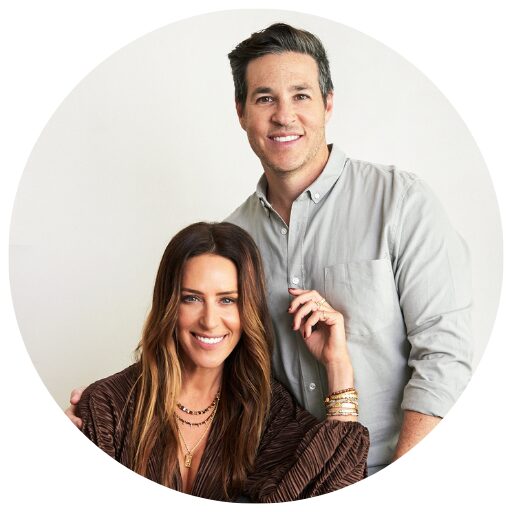
[Voiceover]: Welcome to another episode of Add to Cart. I'm Bushie and I'm joining you from the land of the Terrible people, otherwise known as Brisbane, Australia on Add to Cart. We welcome everyone to share and listen to e commerce stories. The more diverse the better. I want to especially welcome the traditional owners and the original storytellers who of the land that we are on, our indigenous and Torres Strait Islander listeners to join us in our E commerce conversations and our community. I have always been aware of the many amazing things that Japan has given us. Ramen, Kirin, Mario Kart. But my recent family holiday over there gave me a few more to add to the list and in particular a business philosophy that I was delighted to discover that my guest today have always embraced. Now, I promise I'll stop talking about Japan soon, but it just keeps coming up and I think it's my signal to go back. Today I am lucky enough to be chatting with Karen and Aaron Langer, Founder and CEO of Arms of Eve, a jewelry and accessories brand that channels self expression. Starting life at the Sydney markets. Arms of Eve now boasts celebrity customers such as Margot Robbie and and Hailey Bieber and is soon to open its fourth and fifth stores in quick succession. In this chat, Karen and Aaron share why they love the Japanese concept of Kaizen and how they apply it in their business to make continual little changes even when it isn't always perfect. We discuss their multi generational customers and what they need to do to cater with customers who range all the way from Gen Z through to Baby Boomers. Plus we get nerdy talking about some of the most recent changes that they've made to their online presence to simplify the user journey and increase conversion. So let's get into it. Thanks to our partners Shopify plus and Deliver in person. Here's our conversation with Karen and Aaron Langer, Founder and CEO of Arms of Eve.
Nathan Bush: Aaron and Karen, welcome to Add to cart. Thanks for joining us guys.
Aaron Langer: Great to be here.
Nathan Bush: It's brilliant to have you here. We've been talking about this conversation for a little while now. In my research, I picked up on something that was really interesting to me in your about page. I just got back from Japan on family holiday, which was amazing. First time in Japan. And I noticed that in your About Us section on your website, you mentioned Kaizen and why that, you know, resonates with you and how that's central to your philosophy at Arms of Eve. Tell me more about that. Because I'm. I'm still in that world. I'm still in holiday mode.
Aaron Langer: Yeah, well, Kaizen's been there since the beginning.
Karen Langer: Yeah. I think it's our very. That is our culture that encompasses actually who we are or what I strive to be more like. I mean, I think the very definition. Aaron, do you want to say how.
Aaron Langer: Really how well, what it translates to is small, continuous improvements all the time. And it's not like you have to make these big sweeping. We're going to do X, Y and Z. It's. It's like we're constantly making these adjustments all the time. And all those tiny adjustments lead up to big changes.
Karen Langer: Yeah. And that's like the teamwork, the culture, the people, my factories. Small improvements in my product, small improvements in the production line, in my customer service, in every aspect. I mean, literally, my team will laugh. They're like, I'm like, small improvements all the time. And I always say, done is better than perfect because just get it done. And then we just keep improving and tweaking and changing all the time. I say it to Commie, literally, Mantra daily.
Aaron Langer: And Carrie designed this, like, thick cuff, which our jewelry box was like, couldn't really close on top of it. So we're like, okay, we're gonna make that box a few mils. You know, it's like every little thing along the way. What can we fix to make. Make us better?
Nathan Bush: How do you mix that attention to detail with done is better than perfect?
Karen Langer: Yeah, they contradict, but in the best way. I mean, if you don't do it, you've got to just get it done. Otherwise you just are crippled with perfectionism and fear. And it's. The hardest thing is just to start. So for me, when you just say done is better than perfect, it's just like, just do it and you'll perfect along the way. And that perfecting along the way is a Kaizen. It's just small improvement as we go. And from the beginning of time, from the markets to where we are now, you really see the bigger improvement of all the tiny ones along the way. Where it's quality of product and material or our systems and how our tech all works together through to our packaging, our. I mean they. So, so they do. I mean, I hope that they're, they're
Aaron Langer: symbiotic actually because you have to get things done in order to make improvements. So for us we're just like, let's get it live. Let's get it to a point where we think it's good, let's put it in motion, it's good enough and then we'll tweak along the way. So if you don't get things live, then there's no kaizen, you know, like you've got to have something that's always
Karen Langer: slightly broken, which is wabi sabi, which is another thing, which is also very Japanese. And that's like, also the imperfections and the improvements. Like there is no perfectionism. There is nothing perfect. It's always a little bit off, you know.
Aaron Langer: And I think that's just life, you know, like we teach that to our children. I mean it's, it's always like, you know, finding the mistakes, find them quickly and make them better.
Nathan Bush: Well, it's funny you bring those together because I always talk about websites in particular, but you can extend it to product and team is like the website is the, is the baby that you never stop feeding. So yes, you can build a new website, but it's not done. Like you've got that stage done and then you'll move into the next iteration and the next iteration. It's never done.
Karen Langer: Never done. And it is this whole business is the baby that, you know, you really, you nurture the most. No, not really. I mean they need the most support, I guess you constantly, I mean all
Aaron Langer: the different facets of our business are like that, but the web in particular because technology is changing and there are updates and there's always integrations, better ways to kind of just have things work more seamlessly. So it's, it's constant.
Nathan Bush: My goodness. We've unpacked a whole bunch of, you know, avenues to go down here already, which is fantastic. And we'll dive into each in our conversation. But I want to take us back to the start. So Arms of Eve now really well established, beautiful jewelry brand, three stores coming up to your fourth store openings. Incredible success so far. But take us back to the start. I understand that you guys started in Sydney market stalls, which is really interesting because it's been a bit of a common theme over the 400 plus episodes that we've had is that it's a common starting place for brands such as CO and others to go. Let's test markets first, which is probably the oldest form of retail you could think of before expanding out. What did you learn from starting in a market environment?
Karen Langer: I would say how to hustle. I mean I always knew how to hustle, but I hustled. I learned weather and like how to read knots of wind. I mean the weirdest things I was learning like, okay, this is like 25 plus. We cannot put like a canopy up or you know. But I think you really learn who my market is and who they are, what they're looking for. And also like the joy of what I was doing and how to an adorning woman and making them feel so like unique and beautiful and the connection, I mean I love people. So it was such a great way for me to connect and learn who and also be discovered in a way. Like I think it was iconic who discovered us at the markets. So it's such a. I'm so grateful for that space to allow us to be seen.
Nathan Bush: How did that happen? How did the iconic discovery were the markets?
Karen Langer: I think it was one of their buyers was obviously shopping the markets and saw a hat or a visor. One of the. So then they reached out and. Which was amazing because from the hats, the bags, it went into the jewelry and it went into all our categories. So it was such an. And yeah, it was such an incredible opportunity to really put us on the
Aaron Langer: map in this and you know, like we, we set up our business to be a direct to consumer business, but the markets was a way to really connect in and build our brands like, like, you know, on the ground, guerrilla style. The iconic though, like for us that was such a key move because that elevated the awareness and almost legitimized us in, in the Australian marketplace. So that's kind of where we started our online journey. Even though our tech stack was kind of pre built but no one knew us, you know, at that point Australia wasn't even shopping online. So it was early days.
Nathan Bush: What year are we talking here?
Aaron Langer: It was like 2016.
Karen Langer: It was 2018 I would say, but I don't know.
Nathan Bush: Okay, we're in that mess with startup times.
Karen Langer: Yeah, yeah, the hustle, very real morning pack I packed down.
Aaron Langer: I'd be packing her car. Every single resilience and unpacking her car and she'd come home shameless, exhausted. And I was exhausted with the, with the babies at home. And she was exhausted with the markets all, all weekend. And isn't it funny?
Nathan Bush: There's something about when you first have kids, young kids, so many people start businesses and it's like, why do you pack all this together? Like, I did the same. You know, it's another common theme is like, we've got young kids, we'll start a business. You're like, oh my God. Those years were just crazy strange.
Aaron Langer: I wonder, I think you're hustling, you know how to like really extend yourself
Karen Langer: or you're desperate for something different. Like, I mean the kids are amazing, but the routine is also like a routine. It's like, okay, here we go, bedtime.
Aaron Langer: I think young parents are an optimal training. You know, like, they're just like, I don't need much sleep, I don't need much food, I can do it all. But we actually started Arms of Eve when the kids were like, you know, like bigger than toddlers. We started our first business as we were having babies in la. That was crazy. You know, like the infants newborn stage. And running a business in Los Angeles was insane.
[Voiceover]: You know that nervous feeling you get when you place your checked in luggage on that airport baggage machine. You're kind of just hoping that your luggage arrives at your destination on time and in perfect condition. It's the same in E commerce. You place a lot of trust in your last mile partners to deliver the final crucial action element of the customer experience. Now imagine you are a premium product with over 100 years of customer experience expectations. That nervousness increases a lot. That's why Samsonite has chosen deliver in person for their reliable on time delivery to drive outstanding shopping experiences, enhance brand reputation and significantly improve key delivery metrics. I mean, you can never be too careful when it comes to making sure luggage arrives on time and undamaged. Don't settle for less. Make your last mile experience the first thing that customers remember. Learn more about the incredible performance uplifts Samsonite has experienced since working with Deliver in person@deliverinperson.com cases.
Nathan Bush: What was that business?
Karen Langer: That was merino wool. It was called Karen Lee and it was all cut and sew merino wool. Like knitwear, like basic, kind of like high end basic, but a little bit edgy. Knitwear.
Nathan Bush: Okay. And what inspired the transition from knitwear to jewelry?
Karen Langer: It's a good question. I mean I was in a very traditional wholesale business. It had done very well for us in Australia. Used to design for a label called Bracewell and this knitwear was very successful. So I did it in Australia in America. But I was winding down because I'm having these kids and I'm like exhausted. I'm wholesale and waiting for. It's a cash flow nightmare. So I didn't want to sell these expensive, beautiful rolls of merino wool that were air freighted in for $50. So I was like, okay, I'm going to use the maximum amount of material. Like, how can I use this material in the best way without getting into sizing and clothing? And that's when I started scarves and ponchos. And I cut up like one roll into like 60 scarves or 60 ponchos. And I don't know, with like tassels or pom poms, I started accessorizing the scarves or the pieces. And that was amazing because then I got out of each roll, whatever, 60 pieces, and I brought that to Australia when we emigrated back. And I did an Etsy market and my first Etsy market, I think I sold like $10,000 worth of this merino. And because Australians really understand merino wall and their properties and how. And it also was that whole one size fits all. That's what really got. I mean, I've always loved accessories and adorning and one size. But that was really how we were like, all right, that's it. One size. It's easy, it's shippable.
Aaron Langer: Anyway, so that started the accessories journey. We like living in LA and being so busy and having babies. We were there and witnessed the boom of E Comm in the States. So our Amazon UPS delivery guy was at our door like every morning.
Karen Langer: Good friend.
Aaron Langer: And we were like, wow, this is, this is incredible. This is, this is the future. And when we decided to move back and restart the business, we knew it had to be D2C. We knew that that was the future of retail. We just didn't quite know how. And the accessories thing was just, you know, like, it was. We were, we wanted to get out of sizing. We wanted one size fits all.
Karen Langer: And then it proved itself. Like, it was like, oh my God, this is amazing.
Aaron Langer: And then the scarves turn into bags and the bags turn into jewelry and we just kind of like, it all was this coastal lifestyle that Carrie was just so, you know, she grew up here and she just wanted to, you know, epitomize that, that, that essence and that flavor.
Karen Langer: So it was very me. Like, the brand, this brand, not the one I did before, was like an extension of myself. So it was like such a fun journey. It was like everything I want to wear, everything I Do you know? So it's personal without my name, but. And it's easy because it has the essence. So it's everything. I like. It's been. It still is. I love it.
Nathan Bush: And, Carrie, are you designing all the jewelry yourself?
Karen Langer: Yeah.
[Voiceover]: Wow.
Karen Langer: So, I mean, it is an element of curating, too. Like, my factories will be like, we've got this and this. What? And I'll be like, yeah, I love that. Love that. Now, can we do this or can we change this or can. You know, so there's an element of both as it's evolved, like in the. You know, So I think, yeah, it's a mix of curating and designing and traveling and. And working with these incredible artisans and factories, and they become friends and family. I mean, we are on WhatsApp all night.
Aaron Langer: But the jewelry was, like, also very strategic in that, you know, it was a beautiful small product. It was easy to ship. Like, we were kind of thinking, you know, like, I'm kind of more the operational kind of thinker, but I'm like, this is like, you can get a nice price point and you can ship it. It's quite small. You can warehouse it. We warehouse it ourselves. So it was kind of a nice product to move into.
Nathan Bush: And you can be totally unique. Right. You can compete on design, not necessarily price.
Aaron Langer: Exactly.
Karen Langer: Absolutely. That. That. Exactly. That's really kind of making people feel like the individual unique themselves. A way of expression. So that was. And it's also. Who. What. I. I mean, I think when Aaron met me and we've been together a long time, I've always been adorned. I've always been.
Aaron Langer: I don't think I've ever seen Karen's forearms. Like, she had. She had bangles from wrist to elbow. When she walked, you can hear her coming. A model. Everything was jingling and jangling.
Karen Langer: Yeah. So she was, like, natural for her.
Aaron Langer: The jewelry. Yeah, the jewelry was, you know, this is you.
Karen Langer: Yeah.
Nathan Bush: As a husband, that must be intimidating if you need to go and, you know, buy jewelry or, you know, some sort of surprise.
Aaron Langer: I used to be good at it. Not anymore. And, you know, now I just, like, I wake up in bed and there's, like, a bangle stuck in my back, you know, like, it's. It's like she never takes her pieces off. Like, swims, showers, sleeps, and it's everywhere.
Karen Langer: I'm testing the quality. Exactly.
Aaron Langer: Yeah.
Nathan Bush: I hope the bangle in the back isn't from, like, some sort of hangover from the, you know, a business decision earlier that day or something.
Karen Langer: That was Intentional. I'm just going to put that earring spike on this pillow.
Nathan Bush: So tell us about your target market, Kerry, because before you said about a core part of what you're doing is about empowering women. Who do you have in mind as your target market? When you're designing jewelry, when you're talking to your customers, who's front and center for you?
Karen Langer: I mean our target market is. It's an interesting. Actually it's always been multi generational. I was saying like even in our retail stores, I'm really visually watching it like where you have your 14, I don't know, 12, 13, 14 year old coming in with their mother, the 14 year old shopping, the mother shopping and even the grandmother shopping. I mean even within my family, my niece, myself, my mother from 70 down. So it really is because it's such a wide variety of products that like, I mean you're not going to get like the certain personalities in there, the dainty, the chunky, the subtle, the you know, the person pearl. So it really does cross a lot of market, like a lot of ages and stages. I do think our core is probably 25 to 40. But I mean, I know I hate to say weird for everyone but there is something for everyone.
Aaron Langer: But you know, like the younger girls want to look older. Yeah, the older girls want to look younger. I mean it kind of exactly, you know, it does, you know, like, like as Carrie said, like we, we have statement pieces that are a little bit maybe more mature. But then we've got like really cool friendship bracelets young that are great for like the younger girls who are shopping our stores.
Karen Langer: And it's also a great gift. We really fall into a good gifting category which I've really kind of understood over time. So then again, you can gift the. We do we have a wide market.
Nathan Bush: I think that's really interesting because there's so much talk and research at the moment around how different generations are shopping and how to market to different generations because it feels like this. Well, people are trying to create a divide between generations. How are you seeing that? Because you have shoppers across all ages. Are you seeing that there are distinct differences between how different generations shop and how you should be marketing to them?
Karen Langer: I think so. I love to mesh our generations. But you're right, I do think there is a way. I think having the brick and mortar stores is an older generation, like is a more mature, more trust and loyalty and that comes there a little bit more. I mean I think Facebook is an older demographic than your Instagram TikTok is a younger demographic than your Instagram. So there's different ways that you're targeting audiences there. Your customer, mature customer, you're going to definitely hear from them. A customer service waiting for that parcel. They're a little bit less trusting and legitimacy of whether this is a real business if it's a first time like buyer. Whereas your younger generation, I mean they're just so used to, you know, it's, they don't question nothing.
Aaron Langer: I think when it comes to online shopping though, like we always try to like simplify the process and I think that's important from all ages. So you know, like the older generation, they're newer to online shopping but we just always try to make that process really seamless and simple to check out. Like it's not overly complicated. We have a lot of SKUs, but we try to really guide people and we're in the process of like you said, the website's never done. We're like redoing our entire navigation because it's all about at the end of the day search. So we're trying to keep it simple so that, that helps everyone. But like as Karen said, like in the stores, the stores are a great way of like really understanding the different ages and how they shop. But we definitely see like an older in older generation shopping stores, which is awesome. We love that.
Karen Langer: I love it.
Nathan Bush: And are you finding that with the current economic climate that we're in, are you finding that your older customers are more resilient or less fickle than younger customers? Are you noticing anything around spending power changing as wallets get a bit tighter? Because there's a lot of commentary out there at the moment about you know, older, older people having more money to spend. So if you're, you know, before this time chasing the younger customer all the time, you might be more susceptible to fluctuations in the economy.
Aaron Langer: Yeah, and, and we've been kind of hearing that with everyone. Like we wholesale quite a bit across Australia and we're, we're seeing that more so across our wholesale business in terms of how stores are buying and it's sad to hear when stores have to shut doors. You know, it's interesting to understand it from a wholesale perspective. It's harder from an online perspective. We do see it more from a retail, from our own stores. As Carrie just alluded to just earlier our price point, like we've always wanted to price things in a way where it was accessible luxury and it was a high quality, really like unique design. So we wanted to hit this zone which is often hard to hit, which is not your cheap stuff and it's not your expensive stuff. But it was somewhere in that middle zone where it's. Even when times are tough and people are being conservative, you can still make that really great purchase, still feel great, and it doesn't break the bank.
[Voiceover]: I love that.
Nathan Bush: I just listened to the acquired episode on lvmh. So three and a half hours on lvmh and I'm like, I was listening to the podcast from a podcast perspective going, holy moly. Imagine, like editing three and a half hours for a podcast.
Karen Langer: Yeah, yeah.
Nathan Bush: But it's an incredible story and they talk a lot in there around luxury versus premium, where premium is a brand like Apple, which might have products that are still functional but are seen on a pedestal, but they're still very functional. Right. You need to talk about the product benefits, you know, what it does functionally, different to others, but at a better level. Whereas luxury is often unexplainable. It's, you know, at that next level where it doesn't necessarily. You don't need to talk about function. It needs to rely on brand beauty.
Aaron Langer: It's emotional.
Nathan Bush: Emotional, yes, exactly. Is that where you play?
Aaron Langer: You know, it's interesting. Like, we have to play in that product premium space because there is a lot of product information in terms of like, you know, we've worked really hard to get our products to such a way where you can swim in the ocean, you can shower, you never take it off high quality. So for us, that's a real educational process. But when it comes to jewelry and accessories, you know, it is about feeling good. So there is that emotional side of it as well. I don't think we sit in the luxury, that luxury mindset.
Karen Langer: I think it needs to feel like luxury needs to feel like, you know what I mean, they're beautiful. But at that price point where it's just like, I'm not even gonna think about, I'm gonna get it. And what I just was thinking about one of the customers in our store the other day, like, I think she was so surprised at or even the reviews at how high end and how elegant it felt and looked and the wearability and how the quality of the product was. And I kind of love that because sometimes you can, you could just make it $100 more. And that's a decision of a brand, you know what I mean? At a certain point. But like, I want it to be attainable and affordable and like maintain that beauty and quality.
Aaron Langer: That was always like, you can start A brand. And you can start in a low price and always go up. Right? But we wanted to stay in the zone. We wanted to play in the zone. I mean, Carrie's like, I call her the frugal. The frugal gourmet. I mean, she wants value. And I think I'm like a market shop.
Karen Langer: I want to find that fun. I want it to be quality. I want a good deal.
Aaron Langer: So, like, when you say Apple and LV and like, you know, in some ways, like, wow, we wish, but we don't really wish. We, like staying below the apple. Like, we want to be that premium feel good thing, but it even feels even better when you look at the price. So for us, it's.
Karen Langer: And it's still cool and it's got on trend and it's.
Aaron Langer: Yeah, it's. And it's fun, you know, like.
Karen Langer: Like, it's how I want to shop with everything.
Aaron Langer: And even the way we set up our retail stores, like, nothing's under glass. Nothing feels like, ooh, what, can I see that? No, everything's, like, laid out on a table. Like, it's all to be engaged with. That's kind of who we are as a brand.
Karen Langer: I mean, even me as a person, I don't think I've ever bought a brand. Like a brand brand. Yeah, I'm just not, you know, so
Nathan Bush: it really is about uniqueness and identity.
Aaron Langer: Yeah, yeah, yeah.
Nathan Bush: Okay. And tell us about setting up those retail stores. So you're in a bit of a retail tear at the moment. We've talked a little bit about that. About to open the fourth store in Noosa. What are your key considerations? When you said at the start that, you know, you set this up as a D2C business. Coming back from the States, seeing the potential there, obviously the iconic came along, which takes you into marketplaces and wholesaling and now into retail. So we're a fair way away from D2C. Now, even though online is really important to you, what are your key considerations when you are setting up that retail environment so that people can have the experience that you want them to have?
Aaron Langer: It's interesting. Like, we. We set up dtc, and I was like, hell bent. We are definitely not going into brick and mortar.
Nathan Bush: And.
Aaron Langer: And then especially with COVID I was like, yeah, we're not going into brick and mortar. And then I think Carrie always kind of felt like this. This, the actual physical store is a place that manifests the brand. And she quite cleverly, really understood that. And we tested out, we opened Bondi beach first, during the end of lockdown, it was like we did it ourselves. We didn't know what we were doing. And this is, again, done is better than perfect. We're still improving that shop today. Like, it still so, like, needs help. It's a mom and pop.
Karen Langer: That was like genuinely repainting. Our kids are sandpapering the bottom.
Aaron Langer: I mean, that was like.
Karen Langer: I always feel like I was testing. I like to test. I like to be flexible. I'm not stuck in one way. I'm not the most tech savvy either. So you want to talk all those tech questions to Aaron. I like people. I like engaging. I like connecting. I like feeling my customers seeing what they're buying. My store goals are the representation of who I am. I want to know from them how things are moving. So a brick and mortar space was like upscale market. It was like another opportunity to engage with my customer, learn from them, see what they want and need, adorn them. And, yeah, so when that worked like, that really was quite successful. Little Bonda store gave people a place to go. And it was a very intentional shopper because that store is not on the main drag. It's like a little bit away from everyone and everything. So that was also a bit of a risk, but a calculated one, too, because it was the many reasons on price. And I did feel like it was still a good.
Aaron Langer: And then it became like a hit and people were like, it was a destination. It surprised me. Like, it really did.
Karen Langer: And he was.
Aaron Langer: And then I kind of, like, my mind just shifted into the world of Omni Channel, which that was like, you know, emblazoned across my face. It was like, ah. So the stores really are another way to market our brand and to, like, manifest our brand in a physical sense. It drives people back to D2C and D2C drive people to store. So it was like another facet that I didn't anticipate. But now we're kind of like, yeah, we're on store four. We're actually going to do store five.
Karen Langer: This is okay, but slowly, slowly, hot off the press. I am like, handbrake, handbrake. I like retail, but I'm not like, okay, yeah, we're looking at west, at
Aaron Langer: Westfield in the city, in the. In Sydney in cbd. So we're. We're about to look at a very small place there where that's moving forward.
Karen Langer: I think a great thing about retail is we have a very small footprint. Like, we don't need a big space. And so, again, I just, like, calculated Risk, you know, like, I'm like, we don't need a big space. The essence of the brand is, it's in its. The feel of the store is who we are. It's clean, it's coastal, minimal. But it's got a beautiful warmth about it, I hope.
Aaron Langer: And it's taken us, it's taken us three stories to figure out what that formula is because that's a whole other learning. Like, you know, so.
Karen Langer: So for us, it does feel like the market's in a way, like it's not dissimilar to how you used to set up with all clumps of bracelets and stuff. Because people, I realize, want to access product and try and feel and then once they tried on, they can obviously visualize it and see it and connect with it. And that's an opportunity to talk about it. So there is that feeling in all the stores. Roundtable touching and feeling the store.
Nathan Bush: When you open a new store. So say whether that's Bondi Noosa. Sydney, do you immediately see the impact on the online traffic conversion sales?
Aaron Langer: I don't know if we immediately see it like when the doors open, we're like spike. I mean like spark in the store
Karen Langer: spike on my little tyro machine.
Aaron Langer: Yes. Like, like it's great as like we, you know, it's an additional revenue channel. Like we've got. We've really sort of built out the business into like several different ways we, we sell Arms of Eve. But like for us, I think it's just about greater awareness.
Karen Langer: Yeah.
Aaron Langer: Like that's Sydney CBD store. When people are walking to the train, like, you know, it's another place to see Arms of Eve. Yeah, it's another place. Even if they don't, they see it. Oh, I'm going to go. I'm going to go online. You know, like, I think there is a cross pollination for sure. But do we. Can we measure it? I don't know. Like, we love our data but tries to measure.
Karen Langer: He measures everything, but I don't think so. I do not think this is. It's also like influencers and gift having like great celebrities wear our product. Does it have a great spike? I'm going to say no. You know what I mean? But what does it do? It validates the brand.
Nathan Bush: Okay. You've had some amazing influences and celebrities wearing you.
Karen Langer: Yeah. Amazing. So grateful. Lucky, lucky, lucky. We're not paying them. It was gifted by amazing PR team. It was great time and place. It was a beautiful combination. And then it resonated. It was Genuinely worn. It was great for me that I could able to post that with joy. But does that mean you get like a spike in sales? A little bit.
Aaron Langer: I mean you've heard, you've heard of these things. Like Kim Kardashian does this and then the business is worth $20 million.
Karen Langer: Like, yeah, that happened.
Aaron Langer: Like it's happening.
Karen Langer: Kim Kardashian, God knows how many, I don't know that will happen. But this is more organic and just,
Aaron Langer: it's validated and we've always grown organically. I remember when we had like a thousand, you know, followers on Instagram at one point we were like high fiving like it was all like one brick at a time, one person at a time, one like at a time. So for us, like, does it move the dial? Not really. I think like real combination, like, like non celebrities, influencers actually move the dial more than big celebrities.
[Voiceover]: Really.
Nathan Bush: And are they hand picked, your non celebrity influences?
Karen Langer: Generally, combination people reach out to us, we reach out to them.
Aaron Langer: But I think there needs to be,
Karen Langer: it's got an authenticity as well. Like does it resonate? Because I feel like when you authentic and you like the brand and you're going to genuinely wear, you're, you know, community can feel that like your custom, you know, so it's like word of mouth, it's like your best friend, you love something. Your best friend, you, you've validated, she likes you, best friend, you like what she likes, you're now going to go get it.
Aaron Langer: Yeah, I think the best authenticity is the right way because I think, you know, like consumers are savvy, like much savvier than they used to be.
Karen Langer: But we are savvy. We get it. Like you can know when it's someone's being real or not, you know, even in a store. I'm always telling my store girls, if you don't push a sale, it's not what I want. I don't want to force anyone into anything. It's like supporting them and helping them with what they need or what they're looking for. Like, I don't want something to bother to go, what did I buy that for? That was weird. You know, I want them to really like it.
Aaron Langer: We, you know, like with online, you want them to buy it, have a great experience. Yes. It's delivered, it looks exactly like what they imagined it to be. They make some feel great and then
Karen Langer: they come back crystal, an extra bonus love, you know?
Aaron Langer: Yeah, we do. And that's one of the reasons why we like pack everything and we Warehouse everything ourselves. Like we wanted to control the process from beginning to end,
[Voiceover]: From winning the block to establishing a leading personal care brand during COVID It's fair to say that the Alive Body team can do anything that they put their mind to. But as the business grew rapidly, third party applications didn't speak to each other. Managing two separate sites for D2C and wholesale got costly and budgets were blowing out. Sounds like the typical Renault really. But as we know, the Alive Body team don't settle for standard renos. That's why they upgraded to Shopify plus, combining D2C and wholesale stores with a unified backend. Creating country specific stores and optimizing the customer experience with Shopify. Shopify function. They've now got an award winning online home and it's paying off. With three times more customer acquisitions and a 47% increase in conversion rate, it's enough to put a smile on any skeptical judge's face. Check out shopify.com auplus and get in touch with the Aussie Shopify plus team to see how Shopify plus can help you get your technical foundations in order.
Nathan Bush: I'm going to change track a little bit.
[Voiceover]: I want to go back to what
Nathan Bush: you said earlier, Aaron, around your online optimizations, especially around navigation. We're getting real nerdy here. I thought we might. Have you made any changes recently around simplifying the site that you're like oh shit, I should have done this a lot earlier. Like is there anything that you go, we've done this for so long. I've just made some simple changes based on customer feedback or customer behavior that I wish I did earlier.
Aaron Langer: You know, there's this thing CRO, right, like conversion rate optimization, like this very broad term of essentially it's making your website better and easier so people can go from top of funnel all the way through, right? And then to making that purchase to converting. So like for us it's about like how easily and quickly can someone, if they're searching for a bracelet, let's say, or you know, how quickly and easily can they find that? They can look at its properties, its qualities, its visuals and get to check out really easily, you know. So I think search is really important.
Karen Langer: And what have we done that we're
Aaron Langer: doing to make it better? I get it.
Karen Langer: But we're doing something now. I'm very excited about it because I hate our Nepal.
Aaron Langer: We have this like, we have a lot of products, we have a lot of categories. We have resort wear, sunglasses, hats. We wanted to make a very like, I, I think it in, in some ways it's about design. So it's about like designing systems so that when you see one system, it's repeated for all the other different categories. So it's not like people have to look at something again and going, how do I make sense of this before I need to choose? So it's like there's a blueprint and that blueprint is duplicated across the site. So for us, it's a lot about design. So our creative team and our E Comm team have been working really hard at like mapping this out on figma redesigning.
Karen Langer: This is our nav. That's our most important. And I've been learning this myself.
Aaron Langer: So like, we're literally like, okay, well how do we do this? How do we implement this? And that's something that's going to be very measurable in terms of like, once we fix this, you know, like we, like. I think Carrie goes every day going, hate our website. I hate our website.
Karen Langer: I'm constantly wanting improvements like the add to cart, the checkup quick that like, you know, okay, search. Why doesn't you just need a good developer all the time? I mean, I would say that's your greatest.
Aaron Langer: It's working, but can it be better again? Kaizen. Right?
Karen Langer: See, that calms me.
Nathan Bush: It.
Aaron Langer: It goes back to like, okay, we're gonna fix this. We're gonna fix this one at a time. And like, we're both the most impatient people in the world. We want it fixed like five days ago. And you know, like, things do take time. Like, we need to build out, we need to test, we need to. We need to understand. Like, it's, it's. It's. It's a process. What can I say? It really is.
Nathan Bush: One thing I noticed on your website, which I thought was really cool because I've met the founders and I think it's an interesting product, is that you've integrated clean on the website. For anyone who doesn't know clean, it's essentially the ability to give back to organizations, whether it be offsetting carbon or whether it's donating to other organizations that are close to your heart based on every sale and communicating that to customers. How has that been for you so far? Because it's still a relatively new function.
Karen Langer: It is new, but we've always done it.
Aaron Langer: It was always something that was. From the very beginning, we believed as a brand to give back because that's just who we are. For us, it's always been for every transaction we donate $1.
Karen Langer: That was I equals change when we're
Aaron Langer: using that and we've always wanted to put it in the hands of the customer going, where would you like to donate that now? We've always had our social justice initiatives which is always, you know, as a female founded business, it was always about supporting female initiatives. So we've always been involved in that. With Clean, we kind of went into more of the environmental side of things and we wanted to like impact our oceans. So for us it's always been an integral part of who we are in terms of giving back. We love the fact that it does. I mean, I mean what we see is that people love supporting businesses that support real initiatives. We're not doing that as a marketing tool. We're doing that because we need to feel good as founders, as owners of a business. So for us it's, I think it's who we are.
Karen Langer: And what's amazing with Kleenex, some of like our biggest maybe thread together, we work with them locally in Sydney and that's like, it's great to be able to not only give back that dollar through our website, but also to volunteer our time. And we often go in and do styling in different hubs to support those in need or in whatever capacity that can be. So it's kind of amazing these platforms that now you can enable anyone to give back. But we do that in a, in a team.
Aaron Langer: What's great about accessories is that like most people who need things, need basic things, right? They need like clothes so they can go out and find a job or whatever. The accessories, it's what makes people feel good, you know, like shirt and pants, great. But when you wear that bracelet or you wear the earrings, you feel adorned and you feel it's a luxury, it's
Karen Langer: not a necessity, it's a luxury, you know, so especially when you're doing that charitable or you really supporting those in need, it's like you really see the impact and we do it a lot in person in these hubs and you just like that they've to be able to be wearing new earrings or a new necklace. It's like such a gift.
Aaron Langer: Carrie's actually styling these women and she's doing it, she's doing with I equals change. And for her to be able to thread together, thread together for her to be able to see that impact directly, it's. It makes everything worth it.
Nathan Bush: I agree with you because I love that's what thread together do. You know, working with Anthony there around creating wardrobes for people, not just giving clothes. It's like how do we create, curate a wardrobe for you that you want to wear, that's brand new, that suits your style and your function and what you're doing, not just throwing some clothes that no one else wants at you.
Aaron Langer: Absolutely.
Karen Langer: They are brilliant. Andy and Anthony. They are. Honestly, what they're doing is incredible. I love being part of it and agreed. It's like the full package, you know, and often our team will go in and pick for certain orders, you know, so glasses, you know, it's amazing. It's so personal when you know, sometimes you're packing for hubs and sometimes you pack it for personal.
Aaron Langer: Like the whole business, we spend a whole day there, we go several times a year and it's, it's an incredible, it's incredible. And we want our people initiative. We want, it's important for all of us to do that. Good on you as a business.
Nathan Bush: Like, I know, you know, it's easy to say all that but to actually do it when you're, you've got a family, you're running this business together, like you've already got a lot on your plate. But to carve out time to do that work as well is.
Karen Langer: Except I feel like when you do that you just like, it just makes everything seem, well, like all the other stuff you're doing more worthwhile. Like even though at the time it's like, oh dude, we're trying four hours, a whole pick and pack team. Like what, what, why can't we do two hours? Like, you know, you really have that like nightmare debate. And then when you're there you're like, dude, I could spend all day, you know, you just, it's that service work. It's like just, you know, this is what's so important about community and giving back on any level and service particularly guys, amazing stuff.
Nathan Bush: There were so many avenues there that we didn't get to go down. But we are at time. I can imagine that there is no end to the small KZN improvements that you have on your plate. You've already mentioned opening up the fifth store, let alone the fourth store that's soon to be open. What else is on your radar for the next 12 months? Where are you going to be putting your energy?
Aaron Langer: Well, I, you know, it's that website that navigation needs attention, right? So I, you know, like that's the end, that's the never ending story.
Karen Langer: But navigation, we are starting a loyalty program which is going to be really amazing because that's another way of giving back to my loyal customers.
Aaron Langer: But it's like true loyalty. Like, we really want to like reward like our best customers. So it's really giving them things.
Karen Langer: Our website's in a good place and our developers have the capacity. That's next. And then engraving, we're doing engraving that's launching next week, so that's cool. Our developers just finished that part and
Aaron Langer: we've been training ourselves in house on how to use this amazing engraving machine. And so like, for us it's just, you know, it's. No, it's never ending.
Karen Langer: Barcoding our warehouse is a huge priority before Black Friday. So we can.
Aaron Langer: Yeah, we're digitizing our warehouse. We're headed out tomorrow overseas with the, with the kids to visit our factories. We always visit our suppliers.
Nathan Bush: Where are they?
Aaron Langer: They're all over. They're in India, in China, but we're headed to China. So we're, we're, we're going on an adventure with the kids. It'll be amazing.
Nathan Bush: That's so good. I love how we started out talking about Kazen and you know, really calm, really Zen, small improvements, continual change. And then I go, what else is coming up the next 12 months? And you're like, all this stuff and you're like, there is nothing calm about
Karen Langer: us as people either. It's like, but I. That's why we have to say a lot.
Aaron Langer: But like, it's the most fun thing to do. Like, we just have the best time doing this and like, we just never want it to end. Like, it's just great.
Nathan Bush: I love it and I can't wait to see the journey continue. Aaron and Kerry, thank you so much for joining us on Add to Cart. If you want to direct people anywhere to check out Arms of Eve and keep up with what you are doing, what's the best way for people to do so?
Aaron Langer: Instagram, I think that's where we show a lot of behind the scenes of
Karen Langer: what's happening and how can we answer the messages. Personally, I mean, I think Instagram is really good info at email.
Aaron Langer: Like, to be honest, not me, I'm. We like, we read every single, like customer service email review as owners. Like, we're very hands on. So like we're. If you reach out, we're there.
Karen Langer: Yeah, you'll reach us.
Nathan Bush: Amazing. Aaron and Kerry, thank you so much for joining us on Add to Card. It's been brilliant chatting to you and getting to know the Arms of Eve story. Incredible so far. Can't wait to see what's coming up. Thanks for taking the time.
Aaron Langer: Thank you, Nate. That was awesome.
Karen Langer: Thank you for having us.
Aaron Langer: We loved it.
Karen Langer: That was really fun. Thank you.
[Voiceover]: That was a fun chat with an incredible couple. Apart from constantly being in awe of couples who can run a business together, what shone through for me was the genuine passion and the authenticity that flowed from the arms of Eve brand, especially with Carey. This is such an amazing foundation for any brand where it is anchored to a founder and you can see it shines through in everything from product to marketing to design. Here are the three main takeaways that I took from this episode. Number one Kaizen, the Japanese term meaning change for the better or continuous improvement. It's something that I came across in my recent trip to Japan and have done a lot of reading on and it resonated strongly with Aaron and Kerry since they started their business. You will see that there is a lot to this concept, but at its core it's fairly simple. Famously implemented by Toyota, it is said to humanize the workplace and focus on progress over perfection. I think it's worth a quick look and a quick reflection whether that can be applied in your operations or your projects. Especially if they're feeling a bit stale or they're stalling. Think about those small improvements. Number two the Frugal Gourmet I loved Aaron's description of Karen the Frugal Gourmet. It sounds like the cafe that just opened up down the road, but it's a concept that is very relevant currently when brands are competing for everyone's ever more precious dollars. How can you deliver the very best quality a product that touches an emotional cord but keep it affordable with tight wallets that are expected to continue for another 12 months, the customers still wanting that taste of luxury. The Frugal Gourmet may be the strategy that unlocks a new revenue stream for your business. And number three, Authenticity beats selling. We heard about the in store experience that Kerry and Aaron were establishing. While they admit it's not perfect, they are aiming for authentic rather than flashy. They want customers to connect, not to be pushed upon. For them it's about support, supporting a customer to find what they need, not convincing them to buy something that they don't want that will turn them into long term customers. If you feel like you're selling in your marketing or your communications, you probably are. Bring it back to authenticity and you'll get true connection with your customers. Before you go, we'd love to invite you to join our free e commerce ecommerce learning platform Add to CART Campus, meet other professionals and learn from e commerce experts to take your business and your e commerce career to the next level. Register to join campus@addtocart.com now. If you enjoyed today's episode, make sure you share it with a friend or a colleague. Or even better, leave us a review on Spotify or Apple. It really makes a difference.