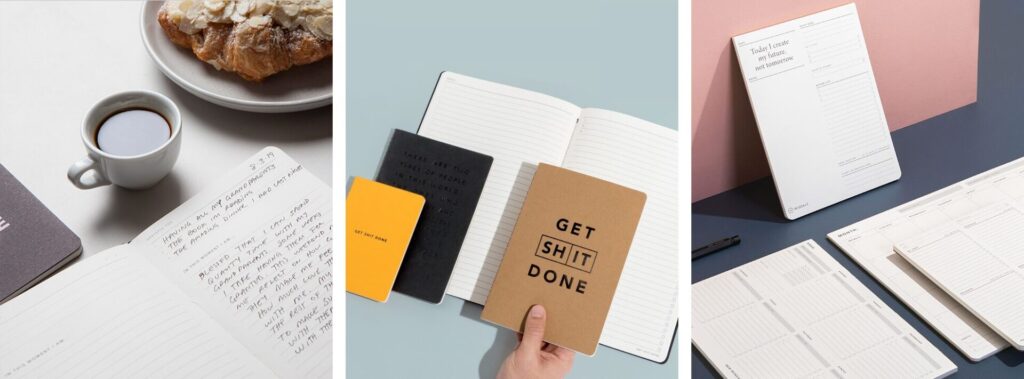
Adam Jelic: You know, for 25, 26 years, it was just like, what if it goes wrong? So there's that sacrifice. It's like, what is my definition of success? I'll go back to. It's like, do I want to do that? Do I want to do sleepless nights? Do I want to put my family, you know, what am I willing to sacrifice again? That's one of the things when I'm struck. It's like, okay, effort is never wasted. Like, you know, give it a crack if it doesn't work, at least you tried. It's a battle between the two, the comfort zone and the atom that wants to do this amazing thing in life.
Nathan Bush: Hey, it's Nathan Bush or Bushy joining you from the land of the terrible people here in Brisbane, Australia.
Nathan Bush: Hello and welcome back to ADD to cart for 2026. I hope that you've had a chance to switch off to reset and maybe
Nathan Bush: even start thinking about the year that you want to have this year, personally, professionally and everything else in between. And today I've got the perfect guest to help you do exactly that. Adam Yelich is the founder and the managing director of my Goals. It's the goal setting brand that's been helping hundreds of thousands of people get their shit together for the last 15 years. What started as a homemade diary in a Melbourne office has turned into a globally recognized self development brand sold through officeworks and Amazon and some of the biggest retailers in the world. But behind the beautiful product is a very powerful story. It's one of anxiety, action and long game thinking. In this episode, Adam gets really real about what it takes to build a business, especially when you're not wired for risk taking. He tells us why analog tools still matter in a tech obsessed world and and teaches us how to reset our focus when we're surrounded by noise. And in E commerce, I don't expect the noise to get any softer in 2026. We also talk about US expansion, Amazon learnings, TikTok affiliates, working with brands like Canva and Lululemon, and how to make goal setting actually stick. I couldn't think of a better episode to kick us off in 2026. Now before we do, I want to say a special special thank you to our partners Shopify and Klaviyo in 2026 as our gold partners. And you'll be hearing a lot more from them this year. I couldn't think of two better partners in E commerce to continue the journey with us on ADD to cart. So I'm extremely grateful for their continued support and to help bring you the best information in E commerce. All right with that, let's get into it. Here's my conversation with Adam Yelich from my goals. Adam, welcome to ADD to cart.
Adam Jelic: Thank you, Nathan, thanks for having us.
Nathan Bush: Thank you for being here at what is a crazy time of year for you. I could imagine that we're in peak season so I appreciate you joining us. Right now, I've got to ask you, have you set your 2026 goals?
Adam Jelic: I'm going to be honest here, I'm going to say no, I haven't. I actually, I've got an idea where I'm heading towards in 2026 because I've got, I've actually got quite clear in terms of from a business perspective, it's us is 2026. That's the key word. So getting into details, we. I haven't got into the, the quite, you know, the fickle details but it's there. But to be honest, it's not there.
Nathan Bush: It's pretty hard when you run a goal setting business and your peak season is when everyone's setting goals.
Adam Jelic: Yeah, look, we're heading off to New Zealand. We're going to be New Zealand. I'm saving it for when I'm actually on that two week break.
Nathan Bush: Yes.
Adam Jelic: So that's when I'm going to sort of sit back with the wife and just go through personal business based goals, family based goals and just sort of give it that time that it needs. Whereas right now it is that peak period and it's hectic and it's chaotic. So I just need that good. That mindset just to sort of get it done properly.
Nathan Bush: There's something ironic in that you set this business up and I'm sure you'll tell, tell the story to help you set goals and get clarity and it's turned into this beast that now you're helping others set their goals and you don't have time to set yours.
Adam Jelic: No. And that's a funny thing, right. You know, I've had people say you must be, you know, the best goal setter. I'm like, you know what, I created this business because I struggled in certain parts of my life, you know, anxiety, fear. So, you know, setting a business up like this, you know, with these kind of tools really helped me in my own personal endeavors. So, you know, I'm not perfect at goal setting. I struggle at certain elements. But this product and this whole thing that I created has actually helped me. So, yeah, you know, if anyone goes, oh, you're the goal setting Guy. I'm not, I'm not the goal setting guy. I'm just the guy that created a product to help myself.
Nathan Bush: You're the enabler.
Adam Jelic: Yeah.
Nathan Bush: So I want to hear that story because I've been following your journey for a while now and we were talking about before we got on here, around your 15 year journey, that this isn't an overnight success, that you've been gradually building and improving this business over 15 years.
Adam Jelic: Long time.
Nathan Bush: Take us back to day one. When was the moment that you said that you were struggling with anxiety, you wanted to get that clarity. What was the moment where you said, actually, I can build a product for this?
Adam Jelic: You know what I go back to when I was 16 years old. That's where, you know, when Steve Jobs talks about connecting the dots, that's literally where I connected my dots. Growing up, I wanted to be professional athlete, professional soccer player. So that was my key to being successful in life, doing something different. So at the age of 16, I'm on this journey to become a professional soccer player. I start reading biographies about athletes, about business people, and there was this common denominator where people were saying, my goal was, my goal is. And that got me into goal setting. So it got me thinking, you know, what is this in goal setting? And it was just all about sort of, you know, having vision, clarity and direction in your life. And it stuck with me. It was a really simple process. It was just like, you know what? I need this to help me become a professional soccer player. So that's when I really started to set goals. I started to get into that whole personal development space. And, you know, there was a book at the time that really changed my whole thinking and really understood what I was feeling. And it was called the Hero's Journey by the late Jim Steins. So that was a book. When I read, I was just like this. This is the first time I'm reading something that just gets what I'm feeling. You know, I wanted to do something extraordinary for my life. I wanted to do something different. But I'd been brought up in this whole, you know, I was brought up in a European background family, they came from overseas, you know, worked as a forklift driver. My dad, my mum worked in the council. There was no really in business or doing something extraordinary. So it was always a little bit of a struggle growing up in terms of thinking outside the box. So anyway, I get to 16, I start setting goals and it sort of sticks with me. And, you know, go to university, I don't make it as A soccer player. So I go to university and then I'm sort of stuck. I'm sort of in this place where I don't know where I want to go, but I've got these ideas, I've got these plans. I want to do something.
Nathan Bush: How old were you when you gave up on soccer?
Adam Jelic: I'd probably say 19, to be honest with you. It's sort of, if you don't make it by then, it's sort of, it's. You're not really going to make it. There's, there's stories of, yeah, the 1 percenters, but general, really, you're not going to make it after that.
Nathan Bush: That would have been a tough realization.
Adam Jelic: Oh yeah, 100%. I put all my eggs in that basket thinking, because we had people around us that had become professional soccer players. They played for Australia, they played in the National League. So that was the, that was the escape route. That was the journey, right? And it doesn't happen. And then it's like, what am I going to do? And then I sort of, you know, became dabbled in, in certain things. I became a personal trainer, got into sales. But deep down I always had these things that I wanted to do. And I started to get angry, not at the world, but with myself because it's like I've got so much more potential, but I'm not doing anything about it. And then it got to a point I was just sort of like, you know what I need? I need a product to help me set my goals, get clarity, direction. Before that, I was writing on scrap pieces of paper, lose the paper. See the one word line? It was just, wasn't, it wasn't appealing enough as, you know, it didn't, didn't move me. So then I remember in a PD session at a, at a sales job I had, and the coach there for the day said, I want everyone to take out a scrap piece of paper and write their goals. And that was that light bulb moment. I'm like, I already do this and it doesn't seem to work for me in terms of I lose the paper. It's not as personal. And then literally after that session, I went to the, my, my boss at the time and I said, you know what, I've got this idea. I'm going to create my own goal setting diary for myself to use. And he sort of laughed it off. I didn't do anything about it, but it kept sticking with me and I was just like, you know what? I need to create the product so I can actually set my Goals and achieve the things that I want to achieve. And so, yeah, so, you know, sat on it for a while and then basically got to a point where one day I just sort of had enough. And, you know, the anxiety, the anger grew. And I'm like, I'm going to do something about this. I got to my computer when I got a word doc, typed it all out and then gave it to one of my best friends at the time and said, can you put this together? And he did. I got it bound at a local bindery in Melbourne and started using it. And then thought at the time, it's like, you know what? Let's just see if anyone's interested. I rang up a bookstore called Carlton Readings Bookstore in Carlton. And within 30 seconds, they're like, yeah, you know, come past, show us that, show us the product, and we'll see if we like it. And I was just like, shit, really Gotta do this. Well, it was. It was more of a fear case. Cause I've always been one of those, what if they hate it? What if they don't like it? It was from a negative. You know what I mean? It's always a what if goes wrong, not from a positive aspect. So it was all like, oh, they're gonna hate it. And this negative self talk. And then within that 30 seconds, I realized, damn, like, it was that easy. And that sort of got me started.
Nathan Bush: Yes. And what was it around goal setting? So obviously you had your soccer dream that you were then trying to find your feet after that. And you've mentioned anger a couple of times, but was it about writing down goals? Is it about clarity? Is it about accountability? What is it about writing down goals that helps you step forward?
Adam Jelic: I think it's just exciting to see what's possible. Like when you put pen to paper and you sort of reverse engineer this vision that you've got, and it's like, all right, if I do this, then do that, then this is possible. So it becomes a reality all of a sudden, as opposed to just saying, wouldn't it be cool to one day do this? And then it's just like, there's too many. It's just overwhelming. Everything's overwhelming. Whereas this was a case of, like, if I want to do this now, let's reverse engineer. I need to do this, then from there do this, do that. And I had this whole belief of, you know, self belief is the most critical thing when it comes to business. I believe. Or in sports, in business, anything, really. If you don't believe in yourself, then Then it won't happen. And the only way you can believe in yourself is to start taking action, start building that momentum. And from that momentum comes belief. Because all of a sudden I get a. I get a yes from a ratings bookstore and it's like, oh, okay, what's next? And then I go to the next one and then it builds from there. Then I go to the next one and then it's just sort of like, oh, this is actually possible. Whereas growing up, I thought it wasn't possible. I was taught that old school mentality of go to school, get good grades, get a good job, pay off a mortgage. And it was always a case of don't go, step out aside because you won't make it. You don't have money to back you up. You don't know anyone to back you up. You know, what if you go bankrupt? What if you fail? All these negative things I got brought up on, not in a bad way, but just from a safety perspective.
Nathan Bush: Yes. You had to break that barrier.
Adam Jelic: And I still have to break it to this day because it was wide into me, you know, for 25, 26 years. It was just like, what if it goes wrong? And it's like, ah. So I've had to deal with that constantly. Just like constantly reframe it, constantly step back and go, no, it's possible.
Nathan Bush: Yeah. Okay. When you first got your first diary, do you call them diaries?
Adam Jelic: I call it a diary. Yeah. Yeah, it was called the Mygo's Diary. Yeah. In Australia we call it More Diaries.
Nathan Bush: Okay.
Nathan Bush: When you got your first diary into
Nathan Bush: the first bookstore in Melbourne, did that open up a whole community of people who were really passionate around goal setting and putting things to paper at the
Adam Jelic: time, look, there was Kiki K at the time that were, you know, starting that process. I remember walking into a Kiki K August 2010 and seeing a Goals journal be launched. And I was about to launch the my first My Goals diary around September, October. So we're just at the final stages of putting it together. And I was just like. My heart sank. I was just like, oh, damn, someone's doing it. But you know, it was, I think at that time it just sort of things start to change. Right. Prior to that, you know, growing up, I'm 41 now, but we got brought up if you're self help, you remember Tony Robbins?
Nathan Bush: Yep.
Adam Jelic: So he was our guru. Right. And either you're into him or you're not. And I was into it. So, like there was that thing and it was very cheesy. People would say, it's cheesy. I don't, don't like that thing. Whereas I was into it. And I think what we did was we opened it up to more the masses, where my whole thing in my back of my head throughout the journey was, you know, make goal setting cool. Just make it accessible. Like, why shouldn't it be? Like, you know, you're planning your life, you're. You're dreaming. That's. That's exciting.
Nathan Bush: How did you develop the product then? With that in mind, how did you turn goal setting into something that was cool, that people actually enjoyed opening up these diaries and found it enjoyable, not overwhelming.
Adam Jelic: I created a product for myself, like, that's, that's as simple as this. And then through that, I've realized whatever most of us think as an idea, you can be rest assured that there's millions and millions of other people around the world that are probably thinking the same thing. So we're not wired differently. I believe, you know, most of humanity is wired basically the same, you know, in terms of our feelings, what we want, what we're chasing. We all got the same wants in life, I guess. You know, there's obviously your percentages on both ends, like a 1 or 2% that are just different, but generally 90, 90 something percent of us have the same things. And I realize whatever idea you have, you can be rest assured that there's a lot of other people out there and you just got to connect with them some way. So that was it. I created a product because I wanted that product. I was like, okay, I love Tony Robbins, but I had to use one of his journals and it was just too full on. So I'm like, all right, let's break it down. Let's make it a little bit more user friendly. You know, what are the important things to ask when you're setting your goals? And I sort of came up with, you know, what, why, when, how.
Nathan Bush: Okay.
Adam Jelic: You know, getting to more detail, as opposed to. A lot of people are in the habit of just like when I grow up on a. Be this. It was one line, and there was no how to essentially with it. There was no, there was no why associated with it. So it was just sort of like a yeah, comment, like, wouldn't it be good to be this one day? Whereas, yes, our product was break it down, think about it a little bit more, have some steps, and then, you know, you're giving yourself a better chance of success doing it that way.
Nathan Bush: Yes. Okay. And when there is, you know, goals, just like everything Goes through trends. Right. There's different ways of looking at goals. And you can start with smart goals and okrs and all like this. Everyone's got a philosophy on how to write goals, whether it's for personal use or for business use. Have you tried to evolve the goal setting process or have you stayed true to what works for you?
Adam Jelic: You know, I think our approach evolves, like how we, how we tackle goals. The fundamentals don't change for me, you know, the fundamentals of why you're doing what you're doing, what is the feeling you're chasing. Like just having that clarity of that direction doesn't change. You can word it differently, you can come up with a new method. It's like the fact that you're writing something and working out a way to achieve that won't change. And for me, I've always had the saying of, you know, goal setting doesn't guarantee success, but it improves your odds of success because you have now a direction in your life. You have something that you're aiming for. You have focus. Now the biggest thing that we're struggling with this day and age is focus. You know, our dopamine levels are, you know, through the roof. Thoughts? It's such a weird time because it's never been easier to start a business, but in terms of, you know, we're so scattered in terms of, that's a good idea, that's a good idea. We sort of lack that, stick to this, run with that. And yeah, whereas before it was just like, you know, this is what I want to do, this is what I'm going to focus on. Whereas now there's too many opportunities.
Nathan Bush: Yeah, that's interesting. So it's a way of narrowing in on the right opportunity.
Adam Jelic: Filter. It's the filter. It's like you've got to filter through that noise in your head. And that's where goal setting, writing things down helps you. Like, otherwise you're just, it's just too much. Right. It's like shiny object theory. It's like, oh, that's cool. Oh, that's good, that's good. And for me, I've realized over time and I've heard other entrepreneurs talk about, I go, drive down the road and I go, that's a cool business idea. I see something, I've see a problem, I get old cafe. I'm like, oh, okay, I saw something that could be better. Wouldn't that be a cool idea? So it's why the ideas that I generate just keep coming. So I need a filter, process to help me just sort of say, that's the one that I'm passionate about, that's the real one. Focus on that.
Nathan Bush: Now, I could imagine in your business where you've got different formats, you've got calendars, and I saw that you're expanding into digital products, that even within your own business there wouldn't be a shortage of ideas that you've got. How do you filter what is a good idea for my goals versus something that you can leave on the table for a while?
Adam Jelic: I mean, you look at a broader perspective, you look at the broader the market and you think, okay, what could help someone in this specific thing? You look at trends, you know, like, gratitude is a big thing. Wellness is a big thing. Sleep's a big thing. So it's like, what can we create that might help someone get better sleep, practice, bread of gratitude and so forth. And then we just break it down from there. I mean, in truth, I mean, there's, you know, you can come up with any product. I mean, the fundamentals, the ones that you're really passionate about, are the ones that sell the best. I find, you know, still, that that diary is still our key seller. It's like the one that was. That's the OG and that's the one that came from, like, the true space of, like, this is what I need, this is what I'm going to create. And it's. It's, you know, 15 years down the track. It's still, you know, still changing people's lives. I'm still getting emails about, you know, this product has helped me do this. Thank you. Which is, yeah, when you put your heart as well.
Nathan Bush: What's the craziest story you've heard from a customer around? How your diary has helped them, you know, lock onto their dream?
Adam Jelic: A crazy story. I mean, there's been two that come out. There was one a few years back, ex AFL player that played in the AFL back in the day, had a business doing really well and then got divorced, lost everything, suicidal on the couch, drinking, alcohol, drugs, everything. And then he picked up our book and then helped change his life. We literally just went back to basics, you know, writing things down, ticking things off, writing his goals. Yeah. Sent us this email, just sort of like, your. Your product basically saved me. And then just recently, another similar story. A guy from the uk, Sam, and basically his stories, you know, was overweight, depressed after Covid, had no direction, drinking a lot, suicidal thoughts. And then, same thing, he went, saw our product. I think his mum told him, you know, bought him that product and started ticking things off. He's running Iron Mans now.
Nathan Bush: Wow.
Adam Jelic: Yeah. Like you should see the before and after, like huge change.
Nathan Bush: How do you get people to take that initial step? Have you found that there's a particular marketing message or content message that you can put out there to get people who are in those situations or who might feel a bit lost, even if it's not as dire as that, but just feel a bit lost and a little bit listless. Is there any particular message you put out in market to go, this will help you?
Adam Jelic: We're trying things. I mean it's not as easy as what I think in my head and what I think should work doesn't ultimately work all the time.
Nathan Bush: Yeah, okay.
Adam Jelic: Otherwise, you know, problem solutions, like if you're struggling, then this product will help. You know, general messaging like that is something that gets people's attentions because everyone wants to improve something in their life. Like it works for me. So I always take it on board from, from a marketing perspective, it's like what attracts me. It's like this product will help you live longer. It's like, oh, curious, you know, I always click. It's, you know what I mean? It's like, yeah, tell me more. So stuff like that, the general consensus of like if you're feeling overwhelmed, anxious, this product will help. I think we have to get better at doing it because sometimes you go too broad. It doesn't. Yeah, sure, doesn't hit. So I think, you know, again, one of our goals is to sort of get more narrow minded and say, what's the specific problem that people are facing? How can our product help that as opposed to just like if you need help, then we're here.
Nathan Bush: That's a really good pickup because obviously you've got a product that anyone can use really. When you look at your total addressable market, it is anyone. How are you going to decide who you focus in on?
Adam Jelic: Well, I mean looking at data, obviously, you know, predominantly 80% female audience, generally 25 to 35. So that age group, whether it be a professional, mom, wife, you know, there's that specific group. And look, we're still in that stage where we're not considered a personal development brand, which I would like it to be. So I think that sort of has to change from. It's still stationary. Right. So when you look at stationary market, the men aren't so receptive to it. It's like, I don't need that. You know, I don't write in a diary.
Nathan Bush: I've got ChatGPT to share my feelings with.
Adam Jelic: I've got it, I've got it in my head. Right. That's the main one. And I always go and I remember reading a fact that said, you know, the average human being has 50,000 thoughts per day and it's 50,000. So it's like if you think you've got all your things in your head, that's why you feel overwhelmed. Right? Because it's all up here. There's no direction. It's just like survival mode. But yeah, I think, you know, starting at what the data says and then expanding from that and then going into like, I think going back to the real principle of how can we help people like that genuine, like we want to help. So like what, what does that look like? I think that's what, you know, a lot of brands now just about sales and growing and getting bigger where it's like losing that fundamental, like what are we here for? What's the real purpose? Like we want to help change people's lives. And that's sort of, well, it's been a realization the last few months. It's like, you know what I mean, you get caught up in that whole like grow bigger, better, you know, it's all about money and it's like not go back to fundamentals. It's like what am I doing it for? Like, you know, what do you want? What, what makes you feel most alive? It's like those emails, your product changed my life and it's like, oh jam. Yeah, that feels good.
Nathan Bush: Do you feel that's always been in the back of your head? Being that you're a 15 year old business feels like you haven't gone after growth at all costs in those 15 years. You've gone steady from the outside. And it was interesting that you talked at the start around having not being wired this way. Like you actually like the security, like that's your background is secure, stable.
Adam Jelic: That is my default.
Nathan Bush: So how have you approached an E commerce business and you know, or a retail wholesale business business as well. But how have you approached business with that mindset that you're making enough money to be stable?
Adam Jelic: Yeah.
Nathan Bush: But still growing at the same time.
Adam Jelic: It's been tricky. Right? Like my default mode is like the comfy bank. I don't want to do anything. It's like my comfort zone is really my default. So it's always been hard to sort of get out of that. But at the same time I've got this thought process of like I wanted. It's a battle between the two, the comfort zone and the atom that wants to do this amazing thing in life. Like, I've got these ideas and it's like I see other. And here's the thing, right? 15 years I've come across people that have gone onto their second, third thing right now, and their second and third thing is blown up. And it's like, you look at it and it's like, oh, like, okay. You know, it's. You're doing something that's growing, but it's like these guys are like blown up and it's just like, damn. It's like far out. So there's that shiny object thing. But then my brain goes to, am I willing to sacrifice everything to start again and do that again and go through all the. You know what I mean? So there's that sacrifice. It's like, what is my definition of success? I'll go back to. It's like, do I want to do that? Do I want to do sleepless nights? Do I want to put my family, you know, yeah. What am I willing to sacrifice?
Nathan Bush: Yeah.
Adam Jelic: And that's been the key question. But at the same time, I'm pulled by the idea of like, wouldn't it be nice to sort of go on these other journeys and you know, go through that excitement of building something different and, you know, text an exciting thing. Right? You know, you see brands that just have an idea and they're, you know, valued at a hundred million dollars and this and that and it's like, that'll be cool.
Speaker D: When was the last time that your email strategy was as smooth as your morning coffee? That was the question for Pablo. And Rusty's a purpose led Sydney roaster with a booming subscription base. But with mailchimp they couldn't connect opens with actual, actual purchases that were sending blind. Enter Klaviyo with segmentation cohort analysis and Shopify with recharge integrations. Pablo and Rusty's gained real visibility into customer journeys. 2024 Avio delivered them a 61 times ROI, drove 30% of E commerce revenue and lifted loyal and recent customer segments by 11% quarter on quarter. Now their emails don't just sound good, they build real value with every cent. That's a real smooth cup of joe. See how Klaviyo turned data into dollars? Visit klaviyo.com au
Nathan Bush: I could imagine that everything you're seeing at the moment around AI and if your goal is to help people live better lives and get the most out of themselves, obviously what you've done over all this Time around the diaries and the calendars and some of the digital. Yeah. Are huge enablers of that. But what's your thoughts on going down the AI path to be more interactive with people, to help them get those out in other ways? Are you purely sticking to a more analog version?
Adam Jelic: Look, I think analog has its place. I see a lot of trends now talking about, you know, 20, 26 people going back to analog, a lot of more immersion, people to people, community based. You know, the obvious signs are that there's a big group that are sort of the AI, the tech, the constant feed, the social feed, it's getting too much. And so we want to go back to basics. I see that happening, which is great for us. But at the same time, I've always had that theory of, like, in a perfect world, in a perfect scenario, everyone would have a coach, right? To get the best. You look at AFL players, you look at sports players, they got, you know, their days mapped out. They got someone watching what they eat. They've got someone watching how they train, like how they think, essentially. It's like that's, I think, where we're heading to, where we're going to have a position where we've got some ChatGPT is already doing that at some extent, where they're saying, all right, best thing for today based off this, to get the most out of you is let's do this, tick this off. So once I can bring that human element of, like, making you feel like it's real, it's like it'll make us more productive, it will make us achieve more. So I can see it heading down that way. Always looked at our products as that first iteration of a coach. So you can't afford to have that personal coach. This is like your own personal coach, where you have to fill in, you have to work on yourself. Whereas down the track, down the track, there will be stuff where it's like, it was like, you know, you see every trend you see. You know, back in the day, personal training was only for the wealthy. Private chefs was only for the wealthy. All these things are now, you know, you got Ubers, you got your. The meal plans and stuff like that. It sort of comes out to the mainstream some way. So people had coaches, the high end, you know, now that's got to come out some way to the, to the general public.
Nathan Bush: And I've heard you talk about community before, because I think that is a thing that goes alongside coaching is if you feel part of a community, then you become more accountable to that as Someone who sells a product. I could imagine that. I don't know, maybe this is just me in personal experience, that you can get a journal or a diary such as yours, and you get all excited. It's the same as gym memberships at the start of the year. And you get into it and then life gets busy and it falls away. Do you see yourself as having a role in being that coach, in kind of reminding people and coaxing people along to continue using your products even after they've purchased?
Adam Jelic: Somewhat, yeah. And I think it's something that we have to do a lot better. I put my hand up, I can see where things are heading. You look at, even from any entrepreneur talking about, you know, community is. Is the key to the future. Right. I can't take that away. So in terms of developing that community, definitely that's something that I should be doing more. The brand should be doing more of. So it's something that I'm aware of. It just again, is, you know, running a business is so many. Yeah. It's just. It's a lot. Right. There's a lot of things to do. So you focus where you can. And you know, in a perfect world, you would have a huge community of people. You'd have events, you would have. It'll be totally different, right?
Nathan Bush: Yeah.
Adam Jelic: Endless amounts of money backing, funding, team. That's why we're still a small business. Right. So in a perfect world, I mean, that's why you look at, you know. You know, when you see brands and they got, you know, we got 10, $20 million raised, it's like, of course you can put anything to play. You know what I mean? That's exciting. Can do anything with that kind of, you know, you can build anything, what you have in your head. I've always seen my goals as like, it's. I'm proud of it, but at the same time, I know it's only like 40, 30, 40% of what it could be.
Nathan Bush: The potential.
Adam Jelic: The potential is so much more.
Nathan Bush: Okay. And what I find fascinating is your model because obviously E Commerce, but you're also stocked in officeworks.
Adam Jelic: Yeah. So wholesale office works for officeworks. First time this year, actually. So. Yeah.
Nathan Bush: That's very cool. You know, even to have this product. My goals or any type of product, that's to do with mindfulness and focus in that business environment, just being part of what we do is a good sign, right?
Adam Jelic: It's a good sign. I mean, officeworks is never. It's an odd one. It's like Australia. We're Limited in terms of, let's say from a stationary perspective. Before we had Borders, which had, you know, you 20, 30 big stores, right, Big volume. Whereas we've gone through this, you know, any small business in the gifting, in the lifestyle product range, it's getting harder. There's not many stores out there that you can sort of, in Australia especially, you release a product and get out to hundreds and hundreds of stores. Whereas, you know, fmcg, you got a food product, you get stocked in Coles woolies, you got 1500 stores right there.
Nathan Bush: And do you find that your product is something people have to touch, feel, see, to get excited about?
Adam Jelic: I think it's important. Yeah, it's, it's definitely important to sort of scroll, you know, have a look what's in it, feel the paper, feel the texture, see if it's something that might suit you, feel the weight. It's definitely important. It's not the be all and end all, but it's, it makes it easier for people to decide whether it's the right product or not.
Nathan Bush: So do you see yourself doing more wholesale or if you're only at 30 to 40% of your potential, where do you see the rest of your potential coming from?
Adam Jelic: I think international markets, especially the us. So we, we were in the, we've been in the US, you know, selling to the US for the last 10 years, you know, just through our online store. But that comes with a little bit of an issue because, you know, people are placing an order through our store and we're fulfilling it from Australia. So not only is postage expensive time, you know, it's not. I sometimes questions like, why are they ordering? It's like taking two weeks, it's costing them nearly as much as the product to, you know, pay for the freight. So I think from an operational perspective, if we can set up in the US properly, which we're starting to look at through Amazon, you know, maxing out Amazon. So Amazon can do not only Amazon us, but they can also do our online shopify orders, fulfill those and do our wholesale. That's the approach that I see where we can, you know, the American side should be a much bigger market than the Australian side, whereas Australia is the big market now for my goals.
Nathan Bush: I'm assuming if you're looking at that model with Amazon, there must be enough margin in the product. From a gross margin perspective.
Adam Jelic: Yes. Yeah, there's enough margin. But then it's just, it's a testing market, as opposed to me going up there setting up factories, setting up three PLs Amazon's, you know, they take your margin a little bit more, but it's more seamless. So if I can set up that as an entry point, as a central point to start with and test all these markets that we do here in Australia really well, you know, there's three verticals, three or four verticals, verticals, then, you know, that should be where the growth comes.
Nathan Bush: When you are looking at a market like the us, do you do in depth competitor analysis or is it a case of actually, the barrier to actually to launching over there is fairly small. Let's just get it in there and see what happens.
Adam Jelic: I think we understand who the competitors are, but then the barrier, it's not, it's again, it's like looking at, you know, activewear. Everything's very similar these days, so there's no real differentiators. It's just storytelling in the end. So I think for us at our level, at our size, it's just like, just get in there and just sort of build it. And Amazon, you know, we've been two seasons now, we started last December, it's starting to pick up, you know what I mean? It's doing its own little thing, which is great. So you sort of start to see like, okay, if we can get America going better. And before COVID we actually had sales agents there. We've always had Barnes and Noble that have bought from us from the last five, six years, which is great. But it's always been tricky because of, from an operational perspective. Like, even if when we started getting like wholesale orders after Covid, it was just too expensive to send it from Australia to the U.S. yeah, like we'll get a 5, $600 order and the, and the shipping was 300, $400. Yeah. So I just paused and just like, until we set that up properly and we have the headspace to go in there and focus on it, it's just, you know, do what we can. If someone comes online, buys it, great. And they still have, which is good
Nathan Bush: having that local presence on Amazon. What have you learned from being on Amazon so far? Is there anything that you've done or you've changed that you're like, oh, that was a great, really great unlock.
Adam Jelic: What I learned about Amazon is it's a beast. Like, it's a beast to set up. Like, I've had a guy that we've used locally, young bloke, super helpful. Like, if it was up to me to set it up, or it's just Amazon, like, it's hard to set up like to get it right. So you really need the right person that understands Amazon. You know, the listings have to be different. There's parts that most people would start the process and go, this is too hard.
Nathan Bush: Yes. Or there's parts too, that people don't think about in terms of, yes, you're creating PDPs on Amazon, but the customer journey is totally different. So when you're creating PDP here on a D2C site, you do have to do that storytelling. You can take people on a journey because there's a multiple touch point. Whereas at Amazon, people are ready to make a decision. Right?
Adam Jelic: Yeah. And the worse it looks, the better it is somehow.
Nathan Bush: Yeah.
Adam Jelic: You know, that whole design element, the whole branding, like you said, the storytelling, it's like, it's important, but it's not the be all and end all. It's like the listings have to look a certain way that reflect an Amazon listing. So it has to match that, that consumer there, that they know what to expect at an Amazon and you sort of have to come there and match it.
Nathan Bush: Are you doing much Amazon traffic driving through their ad network or are you relying on more organic?
Adam Jelic: I think a little bit of both. So definitely the ads we're starting to pump out, that I'm aware of, that I've seen, so it's definitely helping. Yeah. So if you can get the beast right going on Amazon, then it can open up the other stuff, I believe. Yeah. And I'm starting to see like, we had October, we launched again with the new 2026 stuff was a little bit slower. And November I thought would be a little bit more obviously with Black Friday. But what we came across was that, you know, people are delaying their purchases till December. From a diary perspective there, it feels like now December's come, now the orders are starting to, you know, come through, you know, quite a bit, which is great. Whereas I expected it to start early. But again, consumer behavior, it just seems they're waiting. It's like. And especially knowing they got one or two day delivery.
Nathan Bush: That's right.
Adam Jelic: That's the difference. Whereas when they're buying from us, it was like you'd see September, October when we launched, people from the US would buy. And factoring the two, three week shipping. Yeah, it was just a little bit of a different expectation. Whereas Amazon's like, yep, get it next day.
Nathan Bush: Yes. I recently spent some time in the US working on content there and one
Nathan Bush: of the things that I realized in
Nathan Bush: the US is when you talk content there, most of the time people immediately think Influencers and content creators. So external to your own business where I think we've definitely got a huge element of that in Australia but we often think too around what content can we create internally to put out there over there to scale in that market. It's, we need to amplify this using content creators and influencers. Is that a big part of your strategy?
Adam Jelic: I think so. I mean like TikTok shop and affiliates and all that. You see if, if you're in Australia you don't have that whereas you know in the US you got that open. You see all the brands that are doing well, you see how they compare to each other. Some have got like 30,000 affiliates working from on TikTok shop. Like that's just driving so much views and it's a noise game at the end of the day. So in terms of adapting to each market and finding out okay, so if UGC like I've tried to go more founder led and I hate social media, may not not hate it but I mean I'm, I'm at an age where it's like I've never been on social media, I was never, you know, I go on it to look at stuff but from my own personal profile it hasn't been a thing that I've done. I don't think I've posted on my personal profile for the last five, six years but I understand the importance of it. So it's like a, again fighting it but just realizing that this is the game we play. So I'm gonna have to sort of come in and join. But yeah, understanding like getting people out there in the U.S. you know, already looking at, you know, how do we seed the product to influencers there. So you know, signed up to this mum event, you know, seed our products out there just to sort of start the process. Whereas we can go a little bit harder in 2026, especially second half of 2026 when we're launching the 2027 range and just sort of hit the ground running, get connections with people that are in the, in the market there. So I've got a couple of people that buy a product or know about us. Yeah and sort of developing those relationships now and they've got a good decent following up there as well, which is good.
Nathan Bush: How strongly do you hang on to your brand? Because I could imagine that your product is really great for social media both in terms of a topic.
Adam Jelic: Right.
Nathan Bush: People love talking around goal setting but also mental health and clarity and self help like so that's a really rich area. Plus it's visually beautiful what you've created. So it is right for that area. As you are handing over control to other people to create content for you. Are you precious around how they represent it or do you want to. To be more authentic?
Adam Jelic: You know what I'd have to say, I sit in between. Right. We started when social media was the pretty feed.
Nathan Bush: Yeah.
Adam Jelic: Right. And that's hard to let go of because I still don't understand, you know, some of the things that get traction, some of the things that blow up and like really, like, it's just, it doesn't make sense. Right.
Nathan Bush: You haven't done a founder apology letter this season.
Adam Jelic: Everyone's, everyone's like, it's like I say it's a different game. It's like before it was just like, you know, the brand represent. I mean, you look at like a brand like Bellroy, you know what I mean? Beautifully executed, nice feed. Everything on point. You know what I mean? From a marketing. But that stuff doesn't seem to be, you know, it can work to a certain level, but it's changing. Right. They want, like you said, they just want everything that's on trend to get the algorithm going, get people's, you know, attention. And then the more sillier you are, the better. Yeah.
Nathan Bush: And I guess for a brand like you, you're about cutting out the noise, not adding to the noise. So it's a hard one. Right. When you're chasing sales figures and expansion, how do you play to your brand without looking like you're trying to take everyone's mental headspace?
Adam Jelic: I. I don't know.
Nathan Bush: No, I don't. I don't have. For you either.
Adam Jelic: I don't. Yeah, because I'm trying to work that out. It's like, yeah, maybe we should do that. Maybe we should jump on this trend. Maybe. You know what I mean? It's all about, I'll do that, do this, do that, you know, throwing stuff against the wall and seeing what sticks.
Nathan Bush: Yeah.
Adam Jelic: Ideally in a personal, like I've said, you know, I run this brand that's predominantly female based, you know, 80% is female. It's like I've got different mindset in terms of what my goals and motivation and all that represent for me. So if I went down and done what I want to do.
Nathan Bush: Yeah.
Adam Jelic: I don't know if it'll work. Maybe it would.
Nathan Bush: Big difference, isn't there, between creating a product that works for you, but then also marketing, because even though you've got a product that works for you, you've got to allow other people to see people like them.
Adam Jelic: Yes.
Nathan Bush: In the communication.
Adam Jelic: Yeah. 100%. Like, the music, everything. Like, what I like is totally different. Like, I'm 80s rock and, you know, Bon Jovi and, you know, power ballads and I'm like, you know, 80s movies,
Nathan Bush: there'll be some pretty epic content.
Adam Jelic: I mean, in a perfect world, right? I want to do, like, representations of, you know, 80s movies that we grew up. Van Damme and all these characters and do, like, silly stuff. But I know, you know, I tell my kids and they're like, dad, you don't do that. So cringe.
Nathan Bush: How old are your kids now?
Adam Jelic: 14 and 11.
Nathan Bush: Oh, yeah. You're at the good, judgmental stage.
Adam Jelic: Oh, judgmental. They see me on the. You know what I mean? Like, I've done a couple of Instagram things and they're like, oh, they're telling their friends and their friends are coming out. We saw your Instagram thing. It's like. And they're like, mocking me. And I'm like, sitting there. I'm like, what do I do here?
Nathan Bush: Just go back to your diary and journal it.
Adam Jelic: Yeah. I literally, am I. To one of those moments, I'm like, I'm trying. Like, I'm just trying to be cool. Right. It's like those dad jokes. I mean, that sort of dad phase. Yeah.
Nathan Bush: Embrace it. Embrace it.
Speaker D: Expanding into new markets isn't just about selling more. It's about selling smarter. Every region has its own rules, currencies, and customer preferences. But with Shopify, global expansion is simple. Localize storefronts, tailor experiences, and build trust all from one unified platform. Shopify removes complexity so that you can focus on growth and deliver tailored shopping experiences for every market in store and online. Accept over 100 currencies with Shopify payments for fast, familiar checkouts, and use built in analytics to identify your most profitable markets. One platform built for global adaptability so you can scale without growing pains. Visit Shopify for enterprise to learn more and start selling worldwide.
Nathan Bush: What I loved, and I didn't realize you were doing this, is that you're also working with some pretty incredible corporate brands like Canva, Lululemon, and Koala. I mean, that's pretty cool to be in with those brands. Tell us, how did that come about and how are you helping those teams?
Adam Jelic: Corporate's been 80% organic. Like, it's just reaching out. I mean, we've had Apple reach out. We've. We've worked with Snapchat, we've worked with, you know, Facebook, Fairfoot, like, all These brands have just sort of, you know, from time to time it's like, hey, we've got this event coming up, can we get product branded? Hey, we've got a team. Can we? And the ones that keep coming back, I mean, Lululemon and Canva are great examples. Every year we're doing stuff with them. So Canva ordered gratitude journals for their starter packs. I believe that's what they do. They go through a third party. But, you know, every few months is an order from Canva. It's like a gratitude journal with Canva on it, which is fantastic. Right. So they're, you know, obviously that's for new starters and they're, they're big on gratitude and journaling and sort of, you know, mental health, which is fantastic. Lululemon as well. I was an ambassador here in Melbourne for one of their stores for two years. But again, same like you look at their, what they represent, what they want to do, what they want to achieve. It's very. My goals aligned. So, you know, all ambassadors, every year, you know, they order for the ambassadors, they order for their teams, they order for events. So I think it's just, you know, the product relates. I've just got, you know, Ticketmaster, I'm dropping off tomorrow. Like, you know, there's all these cool brands that just pop up and saying, hey, you know, Marshall real estate agencies and I think it's been organic and we, and we haven't done enough in that space. But what we're again for 20, 26, it's, it's finding the right people who can help execute. We're looking to do more workshops. So introduced I found a really good facilitator, close friend of mine, you know, super good facilitator. So just sort of bringing in that my goal is methodology. You know, I've got this belief of like, you know, my goals. It's for, it's about, you know, four parts is self awareness. You know, products go through that self awareness phase where it's about understanding yourself better strategy, like your vision and your goals and then it's action, you know, how do I show up every day, what do I need to do? And then that fulfillment piece, which is like enjoying the journey. So these are those four things. If you get right, you're doing pretty well, you know what I mean? In terms of you've got, you've nailed the life in some respects, you know what I mean? You know, where you're heading, you're doing the right things, you're enjoying the journey.
Nathan Bush: Tick, which of the four, are you best at?
Adam Jelic: Well, I need to work on the fulfillment aspect.
Nathan Bush: Okay.
Adam Jelic: Action, I mean planning. I'm the planner. The idea, right. So in terms of that second part, that vision and strategy. And the strategy, the ideas, I put my hand up. I need help with the execution. Like because when you're constantly wanting to change between things, it's like, oh, I like that. Or should do that, should do that. It's. I got to go back to my goals, right. I got to go back to the pen and paper and go. That's where I need to go back and focus on.
Nathan Bush: Do you have any tips for people who struggle to get their head around it? Because I remember, I actually remember in the peak of COVID and there was some stuff going on in business and I was like, what am I doing? I think everyone kind of had one of those moments in Covid and I did, I did the Ben Crow course around self awareness. So he's Ash Barty's mindfulness coach.
Adam Jelic: Okay.
Nathan Bush: I really got into his stuff and I really like. And I did an online course around, you know, trying to find your inner child and who it is and where you want to be, what you get passionate about. And it was really good, but it was really hard, hard work doing it by myself. You know what I mean? When you're kind of stuck with your own thoughts and you're like, am I just mirroring what I want to hear rather than actually interrogating my own thoughts? Do you have any tips for people when they're sitting with these 50,000 thoughts a day? How to keep yourself honest and motivated.
Adam Jelic: I mean, I'll go, I mean there's, there's sayings, There's a saying from Tony Robbins, progress equals happiness. So make some form of progress towards something. Your health, your relationship. They. One of the ideas that you have to pick something and take some action towards it. And that's like, if you implement that on a day to day perspective, it's like a very simple. Like I think life is simple. Like we sometimes overcomplicate things and you know, like I said, you know, goal setting struck to me. It was, it made sense, right? It was just simple. It was just like, this is what I want to do and this is how I need to get there. And it just gave me that direction. Whereas people over complicated, they're like, I tried goal setting, it doesn't work. I'm like, it's not supposed to work every single time. It's just, just there to, you know, it's your male Ways, it's your map. Like, you're going to get off direction, you're going to go one way, you're going to go back Things, obstacles are going to come up, but it's just like. But get back on track and make progress the next day, build that momentum and go again, you know, show up.
Nathan Bush: And I think we hear a lot of stories, especially around athletes of, you know, and people in business who are like, I always had this purpose to do this. But sometimes it's only after you've done those things and the stories kind of form that you look back and go, oh, yeah, that was my purpose.
Adam Jelic: Yeah, I mean, looking back, right? So looking back. So the clues are if you're looking for your purpose, purpose, or you're looking for what lights you up, look backwards, you know, go back to the time when you felt most alive, when you felt happy, like, what were you doing, who you were with. And just sort of, you know, we've got multiple personalities, I think. You know what I mean? There's days when, you know, we're just totally different people, but generally we want the same things. And always say, goal setting, you got to work out, what is the feeling you're chasing. Yeah, you know what I mean? A lot of people set goals around money and it's like, understand, what is that feeling? Are you chasing, chasing respect? Is it ego? Is it, you know, purpose? Is it for someone else? Like, really understand what you're doing and then you can sort of make better decisions based on it and you can go, okay, well, shit, that's not good. Yeah, everything's all about ego, right? It's all about being the best, and that's not going to serve me well.
Nathan Bush: I remember that was one thing I had. I had a coach at, in a corporate job once, and it was a leadership coach, and we're in a special group. And I really struggled because he was like, everyone has one purpose. And I was like, well, I'm kind of a different person at home than I am at work, than I am around my mate, than I am when it's just me and my wife, I'm a different person. I show up a bit differently, and my purpose changes slightly depending on that. And I really struggled with that concept. And I was explaining it to a group in a workshop the other day, and I was like, we're trying to create content and we're working out what brand we are. And I was like, don't try and be one brand because think about yourself, that you've got a personal DNA at the core, you've got your values and you know, what you respect and what lights you are. But hey, when you go to dinner at your grandma's house, you are going to be a different person than when you are in a meeting room as you are when you're one on one with your wife. Like, at the core, you need to know who you are, but you don't need to show up in the same way Every.
Adam Jelic: I mean, Daniel, exact same purpose that everyone has is we want to be happy. You know what I mean? If you use that as one context, it's like, all right, how do I make myself happy? Like, it's a question you can ask yourself, what makes me happy? And I give myself all these little acronyms like lft, Right? Look forward to.
Nathan Bush: To.
Adam Jelic: Like, so when I'm struggling, it's like, LFT for tomorrow. It's like, get a coffee, read the paper. Like, that's, that's cool. Play, Go. You know what I mean? There's another one. RAM R A M. Reflect, acknowledge, move. So every month, like, check in, right? Reflect on the month that was, acknowledge what worked, what didn't, and make plans to move forward. So this is. I've created these little triggers in my mind through the books, through my own thing, because I struggle a lot, like, you know what I mean? Like, I go through moments like everyone else does, and it helps. And you sort of work out what helps you. And then it's like, okay, so I'm from a purpose. Like, I want to create something that has impact. And I go back to a saying, to love what you do, feel that it matters, and then make a good living from it. Those are like, if you can match those three, the quote is just to. To love what you do and feel that it matters. But I added, make a good living because if you're struggling financially, everything else falls apart. Yep, it does. In reality. You know what I mean? It's like you can train and feel good about your body and your. And your mentor, but you're still struggling on that other aspect where you. Yeah, it shouldn't be, but it, it, it is a big thing.
Nathan Bush: I love it.
Adam Jelic: Yeah, you got to create your own little rules, your own little triggers in your mind. Don't over complicate it, but find out what works best for you. Keep it as simple, like, how do I want to be happier? How do I want to make progress?
Nathan Bush: Okay, then, you know, and go from there. I love it. And I love your tip around. Just make these goals, set an action, do the Action, reflect, go again. It doesn't all have to make sense into a big picture.
Adam Jelic: Well, it's all, remember, compound interest. Like if you go to financial, it's just like everyone's kicking themselves and I'm doing the same thing that my parents and I didn't set up a fund and just put, you know, 100 bucks in there since I was, you know, one every month and then bang.
Nathan Bush: Yeah.
Adam Jelic: You know what I mean? We over complicated. I can't be that easy. Gambit just like show up every day, do. Do some things every day. You know, get good habits, you know, train the body, train the mind, make progress towards a project that you're passionate about. And over time, compounding effect is like, you'll get somewhere. You might not get to the right to the top where you thought you would. I thought my goals would be like, you know, 5x6x what it is, but we've got somewhere. Do you know what I mean?
Nathan Bush: Yeah, yeah, yeah, I do. Absolutely.
Adam Jelic: And no one can take that away from you.
Nathan Bush: No. And it's better than an idea. One of those ideas of 50,000 ideas that are stuck in the back of your head and never goes anywhere.
Adam Jelic: That kills people like that. That kills me. Like I'm going through that. Like there's other ideas and I know if I go through life not executing on some other things, it'll haunt me. And then there was a teacher from my daughter when she graduated grade six, and she was a lovely teacher, you know, one of her coaches. Effort is never wasted. Wasted. So when you're going back to what you said, like, again, that's one of the things when I'm struck, it's like, okay, effort is never wasted. Like, you know, give it a crack if it doesn't work. At least you tried. And then you go, yeah. Effort is not what it's like, man. In the arena, that quote, you know what I mean? It's like, yeah, yeah, people can have a go at you and go, you know, but the fact the people that are trying and are going out there and doing the things, those are the ones that to me, they're the winners.
Nathan Bush: Awesome. So this is a big call, but you are our first episode of 2026. And I couldn't think of a better episode, especially as people are out of holiday mode. Maybe thinking about setting goals for 2026, apart from going to pick up a My Goals diary and documenting it and getting some clarity. What tips would you have for people as they're approaching goals in 2026? Keeping in mind the environment that we're living in is, it's crazy. You know, we've got, we've got a lot of noise.
Adam Jelic: Yeah.
Nathan Bush: We've got a lot of uncertainty. We've got a lot of just, it feels like there's a little bit of anger and angst and it's, it's, it's un, Sounds settled. What advice would you give to people to kind of come in and focus on themselves and set themselves up for a good year?
Adam Jelic: I think it's just like, don't waste the opportunity. And this is, this is really, I mean, I shouldn't say this, but like, AI, I've gone down the rabbit hole of AI and it's like there's scary elements of it, right. You've got the top leaders in the world saying, we don't know what this thing might do. It's not the old YouTuber fear mongering stuff. It's like legitimate people that are running these things, they're like saying, this could wipe out human civil. And I, I, I look at that, I sometimes read that and go, life is short. Like, don't waste it. Like, do the best you can. And I have to constantly remind myself, because we're getting to these modes of feeling like, oh, it's, you know, it's hard, it's this, it's that, all these small problems and we're like, oh, you know, it's just like, go out there, have fun, enjoy it responsibly, obviously, but just go out and make the most of it. Don't waste another year. Like take 20, 26 as a year to get excited about your life. And that's what goal setting was, right? The ability to sit there, take a pen, pen, paper and go, what is it that it's going to light me up? What can I, what am I excited about doing?
Nathan Bush: Yes.
Adam Jelic: And then going out, then just sort of working, chipping away at it.
Nathan Bush: But isn't that even a nice turn? Because I might be again, speaking from personal experience, sometimes when you set goals, you think about what problems of mine do I need to solve. But instead of thinking about it from that perspective, go, what can I get excited about?
Adam Jelic: Yeah, get excited. Like again, they always say, think about when you're a kid, right? You get excited about things.
Nathan Bush: Yeah.
Adam Jelic: Like, like the clues are already there. It's just about us having the, the conviction and the courage to go out. Then just like, nah, that's it. Like, this is what I'm going to do and I'm going to reframe a few Things in my head, which we all have to do. Like I put my hand up. There's days I'm just a negative prick. You know what I mean? I'm just a negative person. And it's just like I need to constantly remind myself, we've got this great opportunity where, you know, we're fortunate, where we live and what we do and take that gratitude aspect and make the most of it. Lft right. Every single day, have something.
Nathan Bush: Oh, good, you've got me pumped for 2026 now, mate.
Adam Jelic: Thank you, thank you.
Nathan Bush: Now, Adam, give us a little bit of a plug. So if people want to learn more about my goals and some of the amazing products that you've got to help people document this and get some clarity and direction, what's the best place for them to go? Check all that out.
Adam Jelic: Website. So www.mygoals so M I G O A L S dot com. That's the best place. We'll probably also organize like a. Even a coupon voucher for you guys for the community if they want. So put that in the notes or we can set that up after. But yeah, jump online. Instagram as well. My go. So M I G O A L S. Those are the two main ones. And yeah, check us out. And again, it's like there's no right or wrong. I always say, like whether you might use an app, you might have a coach, you might have a friend. Like, just have something that helps you. That's. That's literally it. It's like just have something that gives you better guidance, helps you remember the thing that you want to be doing as opposed to going into your default. Because defaults for general human. It's not good. Like I said, you know, you always got a small percentage as just have this optimistic, happy go work ethic, get things done. There's people like that, but generally there's a reason why there's only select few that ever go to those certain areas.
Nathan Bush: Yeah.
Adam Jelic: So you gotta find things to help you and this might help.
Nathan Bush: I love it. You've helped me a lot today. You've got me excited about 2026. Thank you so much for joining us on Add to Cart.
Adam Jelic: Thank you, Nathan.
Nathan Bush: First episode.
Adam Jelic: Nah. Pleasure, man. Thank you so much. Love the chat and yeah, looking forward to 2026. Right, let's get this thing going.
Nathan Bush: Let's do it.
Nathan Bush: Now, if you haven't already. I hope that conversation got you in
Nathan Bush: the mood and got you motivated to
Nathan Bush: be scratching out some 2026 goals. And ideally not the ones based out of fear or fixing things but the ones out of excitement because I think
Nathan Bush: that was a really good call out
Nathan Bush: by Adam at the end is that yes, while there is so much happening
Nathan Bush: around us and it will keep continue
Nathan Bush: to happen through 2026, we've got to take personal responsibility on finding our own excitement and pushing ourselves forward. So that was a key lesson for me. Now here are three other things that I took out of that conversation with
Nathan Bush: Adam from My Goals Number one when
Nathan Bush: looking to expand internationally, you need to understand the operational reality of that Adam told the story of Barnes and Noble who had been ordering with them for years.
Nathan Bush: Years.
Nathan Bush: But the shipping from Australia made wholesale margins impossible. It was costing up to $400 to ship a $600 order as you heard from him. Now he's still focused on expanding into the US but doing it in a way that is much more sustainable for the My Goals business. And a lot of that came down to stress testing the logistics. Margin erosion from shipping fulfillment delays, return turns and complexity can kill even the most promising channel. By using local 3PL or marketplace fulfillment like Adam is doing with Amazon US, that makes that operational reality much smoother. It also gives a great customer experience and sets you up for success. So when you're thinking international, and hopefully some of you are this year, don't just think about creating new websites. It's what is the operational reality of that number. Number two, and I want to continue on that theme is that you need to design for marketplace context, not necessarily brand ego. In Australia we are very strong in D2C and I would say that we have some of the most attractive and well designed product pages in the world. However, as we heard From Adam, your D2C design might not necessarily work on marketplaces like Amazon where the focus is
Nathan Bush: on conversion, not necessarily awareness or consideration.
Nathan Bush: Sometimes the worse it looks, the better it is. Design and storytelling do matter, but it has to feel like an Amazon product page. So when you are expanding into new marketplaces, don't just copy what you've got on your D2C site. You're going to have to design for that marketplace and it will probably take a lot of testing before you figure out what works in each marketplace. Don't just copy and paste.
Nathan Bush: And the third thing that I will
Nathan Bush: leave you with, and it would be remiss of me if we didn't touch on this, is how to set goals for 2026. Adam gave that great framework, the four part framework around setting goals that stick. It's about clarity, strategy, execution and reflection. Sometimes we get caught up with our goals on creating the perfect wording for that goal goal. What is that one sentence? But as you see, that's just one part of the goal setting framework that Adam lays out. So you need clarity, you need to know what you want, otherwise you're just reacting along the way. So what do you want to achieve in 2026 and what are the metrics that support that? Could be growth, profitability, stability, doing less, whatever it is for you. What is it that you want at the end of 2026? Then you've got to set the strategy. What is the plan and the roadmap to making that happen? What are those little milestones that you need in quarter one, quarter two, quarter three, quarter four to get there? Tie that back to your strategy and understand how each quarter will move the needle for you. Some people might even break it down into months or weeks. Then there's the execution. A lot of the time when we're thinking about goal setting, we don't actually put execution into the mix. Taking action is the most important part, and not only in terms of achievement, but as you heard from Adam, it's also about building belief in that you're doing the thing and you're getting momentum. So assigning clear ownership to the goals and the strategy that you set out, setting weekly targets, celebrating small wins, action is the bridge between strategy and results. And lastly, making sure that we take time for reflection. You can't grow without stepping back and looking at what worked and what didn't. And then we adjust from there. So build retros into your processes. Do monthly or quarterly check ins not just for your dev teams, but for anyone who is involved in achieving your goals. By breaking this down into clarity, strategy, execution, reflection, you're going to set yourself and your team up for a brilliant 2020. It is so good to have you back. If you are joining us for the first time, make sure you hit that subscribe button wherever you're listening. We're going to bring you weekly episodes all through the year to keep you up to date in everything E commerce. And if you haven't already, come and
Nathan Bush: join our Add to CART community. There are hundreds of e commerce professionals
Nathan Bush: in there discussing e commerce opportunities, problems, asking questions every day. It's free to join. Come and join a over on add to cart.com all right. It is lovely to be back with you. Thank you again for joining us. Whether you're back at work or not, I hope that you are enjoying the rest of this festive season and I look forward to bringing you even more amazing guests in 2026.
Nathan Bush: See ya.