[Voiceover]: How is the beverage industry just so broken that we pre fill beverages and cart them around the world and people pay for that? This kind of funny pinch me of being 12 months into it and we're at the Australian Open. It was consistency and it was painful and it was not very many people. We just didn't give up. Welcome to Add to Cart, Australia's leading e commerce podcast that express delivers all you need to know in the fast moving world of online retail. Here's your host, Bushy
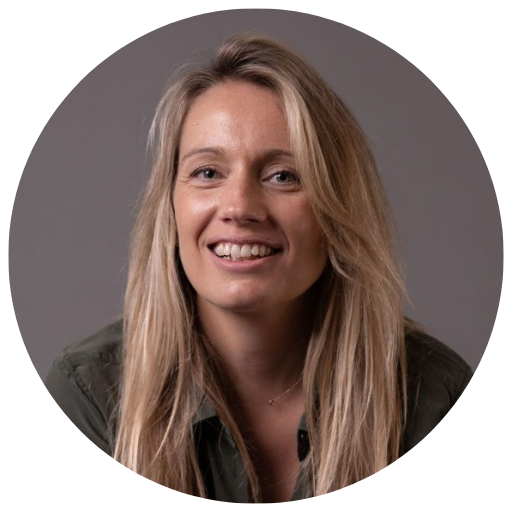
Nathan Bush: Foreign. Welcome to another episode of Add to Cart. I'm Bushi and I'm joining you from the land of the terrible people otherwise known as Brisbane, Australia on Add to Cart. We welcome everyone to share and listen to e commerce stories. The more diverse the better. I want to especially welcome the traditional owners and the original storytellers of the land that we are on, our indigenous and Torres Strait Islander listeners to join us in our e commerce conversations and our community. Did you carry a water bottle around with you when you were a kid? Of course you didn't. I actually don't even remember my parents drinking water at all. It just wasn't a thing. And now My daughter turned eight last weekend and all she wanted was a $60 water bottle. I couldn't imagine asking for a water bottle when I'm eight. But I'm not going to mention the brand of the water bottle that she asked for because it becomes very clear in today's chat that today's guest doesn't get along too well with them. My guest today has taken on the hydration trend, adding flavor and nutrients to the mix. It's not just water. Catherine Dix is the director of Waterdrop Australia, a brand originally started in Europe that came via the US To Aussie shores just last year, selling water bottles plus a range of micro drops to encourage everyone to drink more water, even my parents. Maybe if you're in the e commerce industry, you may also know Katherine as the COO of web profits and the story of how they pitched for the business of Waterdrop and ended up bringing the brand to Australia is fascinating and one that I hadn't heard before. So also in this chat she shares the story of Waterdrop at the Australian Open this year, which also included her being a bit of a dealer. We'll go into that and also how Australia Day saved the company from a warehouse catastrophe. All right, let's get straight into it. Thanks to our partners, Shopify plus and Deliver in person. Here's our conversation with Catherine Dix, Director of Waterdrop in Australia. Kat, welcome to ADD to cart.
[Voiceover]: Thank you. Lovely to be here. Bushy.
Nathan Bush: Great to be here with you. Now, I was saying to you before this, I was having a look at your story so far and I didn't know where to start because you've got such a fantastic career, including a good tenure at Web Profits Agency, but also launching this amazing brand, Water Drops, in the Australian market. I might start at kind of the crossover point and I'm not sure if it is a crossover or kind of a dissolution point or something. How did you come to be leading the launch of Waterdrop in Australia?
[Voiceover]: It's a great place to start because it's something that if you talk to me, I mean, two years ago, if you took. Yeah, if you talk to me two years ago, I wouldn't. If you just said you'd be running Water Drop as a business, I would have said, what? Like, I don't know how that's going to happen. The inflection point was my husband and I were in Europe, we were traveling and it was post Covid and we, through some different networking, got introduced to the guys at Waterdrop and the conversation was kind of around the opportunity for Waterdrop in Australia, but it wasn't fully on their radar just yet. The time zone, the logistics, all of those pieces. But so we were really talking around kind of the opportunity for web Profits as a digital agency to work with Waterdrop. And we did a small pitch but just ultimately connected. And the two founders, Henry and Martin, are just fantastic operators. And we just really enjoyed meeting them and connecting with them. And then a couple months later, they reached out and we kind of said, they said, what about doing Australia?
Nathan Bush: So you were pitching for the digital marketing business and then ended up running the business.
[Voiceover]: Yeah. Not quite sure how that happened. We'll call it fate. And also a very. My husband, Paul Sprockrief, is the founder of Web Profits and he's an entrepreneur kind of through and through. And I think he has no fear. I don't know if I would have said, sure, we can take the leap and do this. And he kind of was like, cat, I think we can do this. Okay, let's do it.
Nathan Bush: So what was the Water Drop story up until the point where you said, yes, let's launch this in Australia.
[Voiceover]: Up until that point, they've been focusing on kind of their, like, they're huge in Europe and they'd also been launching in the US and that was a really, really big focus for them. So they Primarily, they'd started D2C they'd been around, I think it's since 2016. And Martin just has this fantastic. You know, one of the things that I really love around Waterdrop is just its vision and its values. And it's about a world where there's less plastic and it's about where sustainable hydration should just be easy for everybody. And how is the beverage industry just so broken that we pre fill beverages and cart them around the world and people pay for that and all the CO2 emissions and how is that the way that we live? And so Martin's got this incredible clear vision around sustainable hydration and then that's just really resonated with us. And Australia is a perfect market for them. So that kind of. They've always known that. And then the clincher for them, which maybe I'm kind of the story, but ultimately our first job for Water Drop in Australia was getting the Water Drop logo printed on Djokovic's sleeve.
Nathan Bush: All right, we're going to come back to that interesting territory. But for those who haven't seen Water Drop, essentially this is where I started. Little drops for flavored water. But it is so much more than that. Can you share more about what the product is and how it works?
[Voiceover]: Yeah, absolutely. Is these little fruit and plant extract cubes. And so they come in kind of packs of 12, lots of different flavors, that they're natural and they're ultimately a replacement for a sugary drink. Or when you just want something else in your water and you want some flavor. From a logistics perspective, you know, it's so much more better for the environment that they're not in a plastic bottle. The shipping, like they're lightweight. You can put them into your handbag, your bag, your glove box. And it's just about sustainable hydration. That's healthier for you, basically.
Nathan Bush: Yeah. And we were discussing before the podcast, you've got ones with caffeine, you've got sport ones. There's all sorts of different varieties now that have a functional benefit, not just a flavor benefit.
[Voiceover]: Yeah. And I think we're really lucky to be entering Australia in a time when there is this huge hydration trend and hydration growing market out there. Because we do have the electrolyte ones, which are just fantastic for sports. And you know, we then are kind of. We're taking on all sorts of different categories. You know, we're taking on just kind of Coca Cola, we're taking on iced tea, we're taking on Monster and the caffeine ones. You know, like people we've Anecdotally been told by like paramedics at the Australian Open, security guards just how much they loved them, that they could have something, you know, for an all night shift that actually just isn't full of sugar and unnecessary chemicals. And so that's a really nice market fit. But we started when we launched Bushy because that can be confusing. Yeah, we launched just with the like the standard flavors which have nothing added to them to kind of make it clear that you can just add a drop and it doesn't have caffeine and it doesn't have electrolytes and it's fine for people who are pregnant and it just keep it simple.
Nathan Bush: So that's where we started from a competitor set. There's some big names that you put out there, I mean Coca Cola, just putting them out there as a competitor. How do you position yourself in market compared to them? I mean obviously you're not going to convert or are you the most die hard Coke fan?
[Voiceover]: We are taking on the beverage industry and I think that's the way to look at it. But it's lots of these different niches and it is, it's drinks and it's providing function. So you've got people who care around kind of who care more about the environment. You've got people who just really struggle to drink water and that is just a reality. Like we've had lots of people who are autistic or ADHD reaching out kind of saying they really struggle to do that. And there's people who have had weight loss surgery who need to drink a certain amount of water every day. And so there's lots of like there is a lot of demand for people to trying to find ways to hit their hydration goals. So you are ultimately, you know, like what category to put you on on a supermarket shelf. Being just online at the moment, it's quite straightforward. You can just find your audience and say do you struggle to drink water? Here we can help and here's an option without all the sugar. And that's kind of our like our key USP which is do you just want to drink more water every day and we can help you.
Nathan Bush: Yeah, that makes a lot of sense. And you were nice enough to send me my own had to cart yellow. I will say if I'm not too colorblind. Water bottle, which is very cool. And I got to taste the blueberry flavor yesterday which was really cool. What I loved about it and what you're saying there is that they do, they are essentially little packets that look Like a packet of aspirin essentially that you could keep in your desk drawer or keep in your backpack in your purse. And I could imagine that with the popularity of the Stanley cup and the Frank Green water bottles that this is a nice little add on to people's lifestyle that's already kind of happening.
[Voiceover]: And bushy two other excellent competitors of us. So we then also have the drinkware market as a competitor, you know, I absolutely would like to become the like would like water drop bottles to become the bottle of choice for all the school kids out there and move them away from Frank Green said it here first game on 2024.
Nathan Bush: That's a good hook to try and get them on the podcast. Now it is like cats talk some smack about you gotta come on.
[Voiceover]: Well, absolutely. And so we. The drinkware piece was just kind of like I've got mine here. And like the drinkware piece made sense to the guys. There's actually a third founder, Christoph, who's got this beautiful design background and the brand is just stunning like you. It's every kind of element of how it's designed from the cubes to the drinkware. We have these beautiful glass bottles as well where you can see the drops dissolving. That's all just done very, very well and the quality is very good. So you know, if you're going to take on sustainable hydration, you've got to have the good vessels to have the hydration in. And again, from Australia's perspective, you know, where people really do spend a lot of money on nice water bottles. Right?
Nathan Bush: Exactly, exactly.
[Voiceover]: Because that's not necessarily the same in the States and Europe in different areas. So like Australia is kind of quite far ahead I think in that and that you know brands like Pago as well, you know like and Yeti, that they have these fantastically, you know, like good drinkware.
Nathan Bush: We value it.
[Voiceover]: Yeah, we value it. And you like you have one for the car and you have one for the house and the office and you, you know like you have multiple. So yeah,
Nathan Bush: Shopify have put together their version of the Australian e commerce avengers. 10e commerce experts, including me. Unfortunately I think I'm the hawkeye of the group to give you tips on how to set yourself up for success this year. You'll even recognize some of the contributors from past add to CART episodes. Mark Bartzer, Kelly Slessor, Paul Watti, Lisa Jones and more will share tips from how to create create great discounts, how to boost conversion rates, optimize email and sms, even use AI to drive Sales. It's all in there. I share how to set up your team for success. I can guarantee you will take at least two to three tips that you can use to optimize your sales this peak season. So put on your spandex and join the E commerce Avengers with Shopify's free peak season playbook. Download it at shopify.com/guides peaksalesseason2023 or just follow the links in the episode show notes from the device you're on. It's bizarre. My 8 year old daughter is asking for a Frank Green water bottle. It'll be a water drop bottle now. Thank you. Frank green water bottle. That's like $65. And I was like saying to my wife the other day, I was like, I can't imagine being eight years old and asking for a water bottle for my birthday. It's like asking for pajamas.
[Voiceover]: Like when did that happen that it became a cult thing.
Nathan Bush: Exactly.
[Voiceover]: A fashion item. And it is a fashion item which is fantastic. And yeah, we're a similar price quality, you know, like be the judge.
Nathan Bush: Yep, yep.
[Voiceover]: We're absolutely better quality. But you know, like it's. Again, I'm not going to talk.
Nathan Bush: We'll get to the more smack talk later. You've had incredible growth in the first 12 months. Understand that you've done $2 million in online sales in Australia in that first 12 months, which is, which is really great. You mentioned that the Australian market is different to what you're seeing in other countries as you've been rolling out the water drop proposition. What are the main differences that you're seeing especially in terms of E commerce when it comes to taking an international brand into Australia?
[Voiceover]: We've obviously had the luxury of learnings from overseas. That's a huge luxury that you cannot underestimate, you know, to understand kind of how you can communicate with the audience and messages and what's important. And we've applied the key approach here which they built their brand on, which is just being completely customer centric and dealing with, you know, we called all of our first customers that purchased in Australia. We reached out to them. We have a VIP group on Facebook. It's got 2,000 people in which doesn't seem like much but they engage weekly and people post videos and messages and talk to each other and we have this community. So that's actually the same as the US and Europe and we followed that same principle and really brought it here. I think with Australia the opportunity in the market is, is just different because from a geography perspective and we are just the opportunity with what we can do. D2C is just huge because, you know, within the first two months I think we delivered, we'd sent water drop to every corner of Australia and you could just see that there's just a market for it everywhere and that people don't need to expect to see it in a supermarket or go to a water drop shop. People are willing to try something online that they haven't ever tasted before. And yeah, we've. We've got lots of people in, you know, far North Queensland, out in wa, I think, you know, like the mining community, the heat. And we have less seasons, bushy. We're basically hot all year round. So Europe also sees a bit of a lull perhaps in winter as well. And that product can feel quite summery for us. We're not seeing that at all. Right. It's like all the flavors just feel like you can have them at any time.
Nathan Bush: Yeah. Fair to get to 2,000 fans straight away in your community as well as the $2 million sales is quick movement. Where did you invest from a channel perspective? And you did mentioned Djokovic earlier. What's been most significant to you to get that initial traction in market because I can imagine that you didn't want to wait around too long that it had to make a bit of a bit of noise.
[Voiceover]: Look, that's a good question because we. So Djokovic we can come back to. That was kind of how we entered. But ultimately we entered with a logo on a sleeve. So people were kind of just googling waterdrop. But not huge numbers. And no one. It didn't necessarily immediately. That wasn't our launch point. The bit around the 2000 in the group and in the VIP group that we've created, I will share and kind of. It was consistency and it was painful and it was six months of not very many people. So there was an inflection point and it was. I was, you know, as a team, but we were determined and again working in digital marketing and consulting to lots of people and saying this is something to do. I doubted it at multiple points and thought is this going to work? And we've posted every day on a Monday for the last 12 months, every Monday, regardless of whether people have liked or commented or done things we've done comment competitions and just getting people to engage. I had a competition one week where two people entered it and I sent both of them a water bottle and we just didn't give up. And then there was an inflection point after Six months where people just started to post in the group themselves. But it was knowing to actually just kind of follow through on that. And I think that's really hard in digital when you're investing quite a lot of time and energy and you think it's going to get there, but like, is it? And it has. And now I think it's incredible. We just. People just post most days and we approve the comments and all those things. But that was like a leap of faith. But we again kind of had seen it, that it could work.
Nathan Bush: I know what you're saying that because it's a totally different industry, but even running a community for add to cart and sending newsletters and all that sort of stuff, sometimes you put it out there and. And you go, gosh, I hope that actually hit the mark. I hope someone read that. And you know, they do because you get comments on it down the line. But at the time it can feel really lonely until it gets to that momentum point.
[Voiceover]: It was cricket. It was kind of saying, we're doing community and we're creating this community and we're committed and we're being customer centric, you know, and I could tell you our top 50 customer names.
Nathan Bush: Ah.
[Voiceover]: You know, and kind of we've done that. Some of them are in the group, some just email and have engaged. And that customer loyalty piece is just a huge foundation piece of the brand. And that's what Waterdrop's done globally. They actually had a customer join the end of month meeting globally to give some feedback on their latest product.
Nathan Bush: Were they positive or negative?
[Voiceover]: Oh, she's a huge fan. We have super fans. Yeah.
Nathan Bush: And I could imagine that with your type of product that you would be judging success based on return customers and frequency of purchase, is that right?
[Voiceover]: Yeah, correct. And so from a scaling perspective and from a. How did we get to the 2 million, which I didn't fully answer. And that digs into how do we judge it. The majority of our customer acquisition has been done through meta and scaling meta ad budgets week to week. You know, we've been kind of scaling probably about 20% every month. We're big fans of Triple Whale, which we use in terms of just kind of checking the attribution as much as you can. We have an agreed ROAS model that we're scaling to against the Triple Whale data across different platforms. But we could not have got to this point without meta ad spend. And we're, you know, we're spending a lot, but we're making sure that we're acquiring new Customers and then at the same time building it with really strong nurture campaigns. Loyalty. We use loyalty line for club points and all of those different pieces. And we've also held tight to not discount repeatedly. So kind of not letting people get into this feeling that they're just waiting for another sale. And we've held really strong on that.
Nathan Bush: Smart. Very smart. You're in a very different position to a lot of other people who might be starting an E commerce business or even bringing one into market, given that you are a digital marketing agency. So I would assume that you've got a lot of benchmarks and even processes that you follow for brands or best practices for brands. With Waterdrop, did you follow what you do for other clients?
[Voiceover]: Absolutely. It's actually been the joy. So we've got. We have an agency team and so we're really lean as a business in terms of staff. And we've done it as ultimately. I mean, we did it as a side hustle. It's not a side hustle anymore. Right. But it was originally as that. And we've had the web profits agency team following and applying their best practices. The exciting bit is that we have got to make those decisions that we've often asked people to do for us. And having control to have your own brand and put your money where your mouth is and say, or does it work? Are we making money? And is this profitable? And can we scale and can we afford to do this? And if you have your numbers. Right. And I listen to Ian Calvert's interview with you, I think he's great, know him in the industry and it's all about what comes through your numbers on your bottom line. And not kind of like, meta looks good, it's completely overinflated. But that's a real challenge with businesses when you're working in the agency environment, that you don't have access to their P Ls and you are trying to make sure that they've got the right numbers, but if they don't, you really can go down a track of what's going wrong here because it should line up. So with Waterdrop, we've, as an agency, Web profits, it's been fantastic because we've been able to have that full control to then apply the scaling frameworks. And that's a joy. Right. When you can kind of do it and win on it.
Nathan Bush: Absolutely. You can see how it's working and helping both sides rather than detracting from one or being a distraction. Yeah. In terms of Meta, I'd be really Interested in your targeting approach then given that it is a wide category. But to your point is like we're just targeting people who are after flavored water who want to drink more water. How do you target those people on meta?
[Voiceover]: It's been pretty broad and it's lots and lots of creative, lots of creative testing, lots of, lots of testing, different hooks, videos, lots of UGC content. And you know, we've got ads that have like a thousand comments.
Nathan Bush: Okay, wow.
[Voiceover]: And we reply to every single comment on an ad and we engage with every negative comment, every positive comment. And yeah, it's. We've really just kind of taken that whole piece on because I think that's the other side of people thinking it might not feel legitimate. But then there's like water drop right there. Replying and engaging. But yeah, it has been broad and it has been just certain hooks that have really worked and it has been around the taster packs. We launched in the market without the taster packs and we had kind of four months of people just continually saying, I will not buy a non taster pack. Like I need a taster pack. And that's when you know ads guy Jay, he's amazing. He's like, cat, you have to get me taster packs. Like I cannot scale this account without taster packs. And then we got taster packs and then that improved and we were able to scale from there.
Nathan Bush: Gotcha. And in terms of those hooks, were there any hooks that turned up in your testing from meta ads that you were really surprised by in terms of engagement and conversion?
[Voiceover]: Oh, surprised by maybe not, but the one that will make you smile because I think everyone will see this, but is the. My bestie told me about this brand like that kind of, you know, like they're using. This person told me to do this. That hook works really well for us. And we find lots and lots of people tag one another and husbands and wives tagging another. People are trying to find it for their mum, for their friend, you know, lots of recommending. And so that real kind of, we've really seen that happen. We've really seen that growth in the last few months of just absolute like people gifted it, they recommended it, now they're buying it, they've tried it and those different things. So that kind of, that messaging and ads has been really strong.
Nathan Bush: It is one of those products I feel that really lends itself to it's almost social credit, like a discovery kind of product because it's so it's still new in market, it's still A bit novel. And I know when I showed Sarah, my wife, and she tried it for the first time, she was like, this is actually. This is really good. And she was like, I'm going to take it to work. And I bet all the girls at work will want it after they see it.
[Voiceover]: And that was what we found at the Australian Open. We were doing sampling there and we basically made friends with all of. I mean, there's 15,000 staff, but we made friends with a lot of the staff on site who would come by each morning and be like, kat, hit me up. I need a drop. And they're like, ready to go in their water bottle, you know, like, and they would then tell people, and people would be like, I heard you can give me drops again.
Nathan Bush: Were you wearing a hoodie?
[Voiceover]: I mean, I was wearing my Water drop hat.
Nathan Bush: The drop dealer.
[Voiceover]: Yeah, seriously. But people, you know, and I think they realized that suddenly, actually we had all of these samples which we. We had on site, and that they were like, I can get this for free for the next 20 days.
Nathan Bush: Yeah, that's cool. So while we're on Australian Open, let's. Let's go to the Novak Djokovic partnership, because that's how I came across Waterdrop for the first time. It was really, you know, like you said, had on Novak's sleeve, you had the logo, but also had a water bottle on Court. So it was really out there. Novak can be a divisive figure, I think fair to say absolutely is, yeah. How did you land on Novak as one of your major influences?
[Voiceover]: Well, a couple of things. So he is an investor in Water Drop, so he's an investor and an ambassador. He is divisive. He also cares very much about what goes into his body and he cares very much about sustainability. And he's been a big proponent across Grand Slam tournaments and very, like, noisily angry about being asked to use plastic bottles. Bottles on court. And he's been fighting that for quite a long time. And so he also is now, you know, he's wanting to. Created our own hydration product with him, which is Sila X Water Drop, which is an electrolyte drink that he has. So he's now got his own line with us as well. So that's kind of that journey comes back to. He loves the bottles. He wants his own nice bottles on court that keeps his water cold that he wants to drink from. And he also wanted his own hydration product. So, you know, incredible partnership of how it's come about and something that we absolutely As a brand, to have that leverage point in Australia has been huge for us. You know, this kind of funny pinch me of being 12 months into it and we're at the Australian Open. But obviously, you know, we get to piggyback off the incredible brand that's been being built since 2016. But I don't take that lightly in terms of how good strategically that's been for us.
Nathan Bush: And what an amazing global ambassador. Like a name that most people, wherever you travel around the world will know.
[Voiceover]: Will know. Absolutely. And the beauty in terms of the synergy with the brand and actually just with tennis is. So this year we supplied, we were a partner with the Australian Open and we provided all the players with on court AO bottle. So it was the official encore player bottle and bushy that got rid of 97,000 plastic bottles. That's how much plastic is used on court over Grand Slam tournaments. And so that's a huge coup for Tennis Australia. Incredible partner. They're doing really big things in terms of sustainability and their initiatives on site for sustainability are incredible. So they just align so well with us as well a brand and then the players love the bottles and that is why I'm confident that we will take on Frank Green.
Nathan Bush: That's so cool. There it is again. We're really calling that we're going to pull now on this podcast. I love it. Did you get to meet Novak?
[Voiceover]: I did. He's very humble. He's lovely. Yeah, he was very sweet. He asked me what flavor of his electrolyte drink everyone liked the most and he was really keen to get feedback about it, which I had because we've been doing all this sampling. So, yeah, he was great.
Nathan Bush: Awesome. Any who's your next ambassador that you got lined up? Surely you've got your eye on someone.
[Voiceover]: Look, I think Australia, you know, there's. There's some interesting opportunities for Australia for us to kind of find our own piece. But in the tennis world, I think by the end of the year we'll have seven across the top 20.
Nathan Bush: Wow.
[Voiceover]: Yeah. So that's pretty big. But yeah, Australia. Rishi, if anyone's interested and wants to have conversations about where water drop should be, what they should be doing or who should they be talking to. Reach out. I like it.
Nathan Bush: I like it. You mentioned some of the tools that you use before, such as Triple Whale and Loyalty Lion. I noticed on the website that even though it is a repeat purchase product, you don't have subscription enabled yet. Is there a reason for that?
[Voiceover]: It is an interesting one because that's again, probably as a digital agency, it's like the first recommendation we'd give a client. So that's probably where I've not been the best client because I've kind of. We've not done that genuinely from a business perspective. We wanted to have more data in market to understand the buying behaviors before trying to immediately get subscription. I think we're at a place where you'll probably see it go live within the next eight weeks. And we're at a place now where we've got audiences really wanting it and understanding it, but we also kind of finding the right balance of how many would people want to buy, how regularly. What does that discounting look like? Where are our margins on it? Those pieces just suddenly kind of had, like, lots more questions than answers. And, you know, people don't know how often they want to buy it until they have bought it a few times.
Nathan Bush: Yeah.
[Voiceover]: And that's the other side of, like, sometimes you almost. So the answer is, yes, we will definitely do it. And I think it is a missed opportunity. But it's been interesting because we've just trying to be like, learn our margins and learn our numbers and find a happy balance with freight and engaging with customers and new product launches and all of those things as well. You know, we've kind of every month there's been a new flavor, a new product.
Nathan Bush: There's a bit on.
[Voiceover]: Yeah.
Nathan Bush: And you know when you hear that from clients, like, yeah, yeah, yeah, we hear you, but we got so much on you. Like, yeah, yeah, just do it.
[Voiceover]: I know. I literally. The team asked me about it this morning.
Nathan Bush: Do the international markets have subscription?
[Voiceover]: They do, and we've learned from them and they've. They have found challenges and kind of optimized to where it should be. So. Yes. But they have now fully moved to it. So we. We are just behind, actually. Yeah, let's go with that.
Nathan Bush: It's an amazing story because there's a big difference to going in and pitching for the digital marketing account of a brand coming to Australia, to running the brand, especially in the logistics space. How are you handling that side of it? Are you three pl ing it? Are you doing it yourself? Where's that going?
[Voiceover]: Yeah, we have found and our approach has been to surround ourselves with incredible partners. And that has been the approach and I think that's been strategically the best thing that we could do and that's what we'll continue to do. To kind of just say, you know, know where your strengths are. We actually had the most outrageous start to launch in Australia. So what year is it? 2020. Yeah. So January 2023. Bushy. We had chosen a 3PL provider and our stock was arriving in Australia and it was Australia Day. And so we were like, oh, will it arrive on the Thursday? And I think Australia Day was the Friday and maybe it won't get there in time. And either way it was like it was just kind of a bit hit and miss. And then I'm we're in Melbourne for the open and I saw on my Instagram all these pictures of a like a warehouse fire and I was like, wait a second, isn't that. And where our goods were meant to be sent to the three plus they. It was that crazy e commerce warehouse fire that burnt down on the Friday and our goods hadn't made it there. They didn't make it on the Thursday. And we just had this hugely lucky escape that our goods were still sat at the airport because of Australia Day and didn't get burnt in this fire that ruined a number of businesses and poor e commerce businesses that had all their stock in there.
Nathan Bush: Oh, how lucky for you.
[Voiceover]: For us. Yeah. And what a wild start to like our first ever logistics. And then we called in some favors, we did more research, we talked to a number of different people, and we've now got the most incredible 3 PL partner in a brand called Scootopia.
Nathan Bush: Yep.
[Voiceover]: And they do robotic 3PL. I absolutely will plug them as a recommendation on this podcast. Unashamedly. They're awesome. Like, they've grown with us. They took a risk. They said, you know, like, you guys haven't got any orders. We wouldn't ever take on a brand that isn't even just getting say 500 orders a month. And they took a risk. And we said, nope, we're like, we're doing it. We'll have 500 orders in no time. And you know, now we're doing 300, 350 orders a day and they're smashing it. And they just scaling. It's really excellent to see. But their efficiency rates are fantastic. So kind of we made a good choice there.
Nathan Bush: That's really brilliant to hear because in the last month I've been asked at least six times for recommendations on 3 PL because people are changing, moving, not happy.
[Voiceover]: Have you been to see them?
Nathan Bush: Yes.
[Voiceover]: Watch. Yeah. Okay. I mean, it has to be the right product, I think as well in terms of size and those different things. And for us, like these little tiny boxes, like they just, it's perfect of how they fit in there, how they fit in There what do you call them anyway? Their machines, their system of the robots running around picking it all.
Nathan Bush: It's actually not a funny story, but a funny story. Talia, the founder, we had an add to cart interview recorded about two and a half years ago but the audio didn't work properly so I found out
[Voiceover]: all about oh, it's time. It's time to do it again.
Nathan Bush: It is time. Because I think there is something going on at the moment in the market with 3 PL either they've come off the high of COVID and aren't resourced enough and the volumes aren't sustaining them enough. So it's actually a really tricky space I think for a lot of retailers to find three PLs that they can
[Voiceover]: trust and it's a huge investment. Like it's, it's our biggest cost outside of the product cost, you know, like it's a big piece but it also when we're a customer centric brand, the ability to deliver on that excellent customer service from start to finish in terms of delivery and all of those pieces, the support, support that we get of making sure that our product goes out correctly, that's a huge part of it and it needs to be good, it needs to look good. And they're committed to the same sustainability pieces that Waterdrop is. So there's values and alignment and they're also on a growth journey as well and they, you know, that's exciting to be part of that.
Nathan Bush: They've got a cool little co working space too, don't they?
[Voiceover]: Yeah, yeah they do. All of just anyone kind of I think in the E commerce space to like get into that network and Alexandria I think is fantastic and for people because you can start out there doing your own fulfillment and then kind of graduate to be part of the robotics.
Nathan Bush: Was your last E commerce experience blase or beautiful? Online retailers have dozens of touch points with shoppers. But the delivery experience is the one touch point that stays with shoppers far beyond the checkout. Picture this, you've purchased a product you love online. It's crickets until you come home to find a sad looking dented package left unattended at your door. Sometimes that's all it takes to turn anticipation into heartbreaking frustration. How can you tell if this is happening to your customers? NPS or Net promoter score is a critical indicator. The average NPS in e Commerce is just just 50 deliver in person. The delivery experts who create remarkable post purchase experiences consistently gets around 98. NPS deliver in person has already helped brands such as July Samsonite. The party people be even more adored by their customers. How can they help you turn the last mile into the first smile that shoppers have when they think about your brand? Find out@delete deliverinperson.com what's been the biggest learning for you so far? Obviously, coming from digital marketing background and helping lots of e commerce and retail brands. What's been the biggest lesson for you? Because I know a lot of people go, yeah, I can run Facebook ads and I can do marketing, I can do all this. I'm sure I can run a brand. What's been the biggest realization for you? Stepping in and actually owning it end to end?
[Voiceover]: I think the customer piece I'll keep coming back to is you only as, like, the numbers are only good, as your customers are happy and engaging. And I think people. I've been quite amazed at people being so surprised at getting replies to emails or getting replacement parcels or things going wrong and kind of having someone help them out or support them. And that investment of just kind of saying, it's not about the numbers only, it's are you getting good customers and are you delivering a good product that people genuinely want to use and are genuinely enjoying? And I think that kind of feedback loop you can't just underestimate. And that's been really. Yeah, that's a big passion point for me. I've really enjoyed that and it's probably the reason I've also enjoyed working in agencies for years. I love the people part of it. So seeing that with an actual brand that you're delivering a product that people genuinely are helping them be healthier, that's exciting. You know, we have people commenting in the group saying that they haven't had a Coke, like a can of Coca Cola for three days and they're so excited that they can now start to drink more water.
Nathan Bush: Now they've got a drop dealer, they don't need their Coke.
[Voiceover]: Worst analogy ever.
Nathan Bush: Is there a part of it that you're not enjoying?
[Voiceover]: No, actually, no. I'll call someone else out. Australia Post and Aramex and Couriers, please. My goodness, that part is like, how is the world of E commerce going to. Like, how can we take on Amazon and the big guys if we can't sort out good shipping?
Nathan Bush: Yeah. Should speak to our friends that deliver in person.
[Voiceover]: Okay. Because they sponsor the podcast, right? They do, yeah. Well, you need to talk to Talia.
Nathan Bush: We'll get this happening. Don't worry.
[Voiceover]: We'll get this whole loop. But no, I can't believe how bad the shipping network is.
Nathan Bush: Yeah, yeah, yeah. And it has been for a long time.
[Voiceover]: Yes, it's shocking. November, it went. It started going bad. It started going badly in October. And November was just crazy. I just could not believe how painful it was. And people obviously being really upset because they also. If they've just bought from you through a Facebook ad and then they don't get their package, you do look like a scam. But, yes, you're not a scam. But the trust is like they just. Suddenly, you just become a Facebook ad. So, again, that's been really important to us, you know, to keep focus on the brand. Reply to every comment, talk to people continually to make sure they have that confidence. Reply within 24 hours, all of those things. And we've not really used AI tools yet to do customer service because we've just tried to keep it. We need to learn and we need to grow and we need to be agile. And you can. I think people go too fast trying to automate everything, and then maybe that isn't the best way. Again, I don't know that I tell clients to do that. I would be like, automate it. What are you doing?
Nathan Bush: Why are you responding to every post yourself? Automate that.
[Voiceover]: Yeah, that's ridiculous.
Nathan Bush: That's so true. And is the problem in terms of just timeliness, is it your partners picking up the parcels in time from a dispatch perspective, is it just getting lost in the network?
[Voiceover]: Just lost?
Nathan Bush: Yeah.
[Voiceover]: Okay, lost, like packages. Just two weeks later, where did it go? So much stock we'd have lost. I actually haven't got the exact number for November, but we lost a lot of stock. That's just disappeared into the ether of Australia. Quite incredible. And so for us, as a product, our average order values roughly $70. $70 on a good day. And so it's not crazy to replace a parcel, but it adds up very fast. And it's not fair on the customer to just say, well, that's it. But we'd have had hundreds of parcels lost in November.
Nathan Bush: Wow. You know what I reckon it is? It's that you've made friends with all the security guards around the Australian Open, and they're the ones getting the parcels in offices, and they're like, I'm taking this. My drop dealer is in. I'm taking this.
[Voiceover]: Well, I do think we've got, you know, the packaging and I'm like, have we just become this product that people like, all right, I see this pack. I'm taking it.
Nathan Bush: Yeah, I love it.
[Voiceover]: Well, all the poor posties Maybe we just need to sort all the poor posties out with water drop to the. Keep them hydrated. Exactly.
Nathan Bush: There you go. Get them on your side.
[Voiceover]: Yeah.
Nathan Bush: So how do you balance your day now? Obviously, COO at web profits.
[Voiceover]: Yeah.
Nathan Bush: Rolling out water drop in Australia. What does it all look like?
[Voiceover]: And trying to have a life look, the benefit in hindsight, which I hadn't fully appreciated until doing it, is that headquarters is on European time zone. So I've done a lot of days or Australia and evenings Europe, which has helped in terms of being able to kind of really do that juggle. Because your calendar is. I've got two time zone calendars, which works. And then I think the other part is just passion. Bushy. I've worked, you know, I've been an agency leader for over 10 years, and to have a business that you can impact and grow yourself, and it's really enriched conversations. It's enriched conversations across the team and across our clients, and that's really special. And, you know, we want to. What businesses want to be surrounded by people doing things that are exciting and we're all focused on growth. And that's the same ethos with web Profits. But lots of the team at web Profits have their own side hustles or businesses, and that's something that we encourage and we kind of hire people who are entrepreneurial and we actually, we think it just makes them better marketers and so that works. But it's a little tiring.
Nathan Bush: I could imagine lots of caffeine drops to keep you awake for two work days.
[Voiceover]: Yeah.
Nathan Bush: I love that point, though, about the side hustles, because I was going to ask you, because I think I've worked in agencies before where some are like, no side hustles because it will distract you. Some are like, yep, go side hustles because we think it'll energize you. How do you keep a nice balance for your team? Like, because side hustles, they can get pretty exciting, especially once they're getting a bit of rocket fuel under them. And going back to a normal day job can seem a bit boring when you're trying to work on someone else's business. How do you maintain that, that level?
[Voiceover]: I think the reality is we've got a pretty good tenure with our team across web profits. Like, for an agency, our kind of average tenure is four or five years.
Nathan Bush: It's a long time in agency.
[Voiceover]: That is a long time in agency. And so we do that balance well. But we also, I think, you know, fantastic for people to Go and grow and do something incredible. We've got amazing alumni who have worked at web profits over the last decade and doing incredible things and that just inspires the next gen, the next people to do it. But I kind of applaud that success and I think they're the people we want and they're the people our clients want to deal with. And I just kind of ask clients to like, you know, people move on and like, you just applaud them if they're going to go launch their own business and do their next thing. And that's good, but again, not easy.
Nathan Bush: Of course. Of course. All right, so what is next? What's on your radar for Waterdrop next, Kat?
[Voiceover]: So we're. I'm learning a lot in a whole other new space which is dealing with distribution partners. So we'll be choosing a distribution partner for New Zealand and one for Australia, likely in the next month. So getting into retail, super excited for Nathan and like, that will be big for us.
Nathan Bush: And I could imagine you'd have so many options there, from supermarkets to service stations to gyms to all sorts of places that could be viable water drop outlets.
[Voiceover]: Absolutely. So we need that. We need a really good partner. We've got some going to Melbourne this week to meet with a couple of potentials and we've been having lots of different conversations, but we certainly need a partner who also wants to be innovative and find those opportunities. Because the worst thing that you could do with any product is let it sit on a shelf and not find its audience. And we have multiple different products that can be put in different places and all these things. And I was talking to someone yesterday, Bushy, from like a big picture perspective. I would love to see Waterdrop help transform, like really transform the beverage industry of, you know, walking into a service station, being surrounded by plastic bottles and energy drinks and like sugar, just like eye level, you know, like a. It's like a walkway into them. I'd love to see us help transform, like retails and airports to just have hydration stations everywhere. I want to see like tap water stations with, you know, yes. Water drop flavor packs that you can buy. But there should just be taps everywhere and we should walk into the airport kiosk and just have a huge, like there should be 10 taps and then things to go in the water that you want. Obviously it would be water drop, but
Nathan Bush: I love that idea. But that's a hard sell, right? When they're selling water bottles for $6 and making margins of 80%.
[Voiceover]: Absolutely. But it's part of what we did at AO in 2024. And so we're talking to the team about the AO 2025 and they're on this huge sustainability piece. They had over like 150 or 350 taps on site at the AO. So, you know, we really want to be a part of that and saying that, you know, there's no reason we have, like, Melbourne Tap is beautiful water. Why are we selling plastic bottles? So that's my big call out. I'd love to help transform that as a market in Australia.
Nathan Bush: I love that you've got my brain ticking. It reminds me of the conversation we had with Sean from Booty and their distribution strategy originally, because they had obviously the underwear in the nice boxes, so it's not traditionally how underwear was sold, but they had it all packaged up so they could put it in chemists, they could put it in unusual places where you weren't expecting, but it was absolutely their audience because the product needed context, not just to be put on shelves.
[Voiceover]: No, absolutely. That you can kind of be. You can push the boundaries. And I think that's it of just saying, like, when will it get. When will it stop being normal to just fly water around the world? Like, why are we shipping water when we have tap water right there? Like, you just can't find it. So that really is the key ethos of the business and it's an exciting one that I'm just super passionate about to be able to say, let's change something. Like, let's just give people access to the tap water that is there and stop having a beverage industry selling it to us.
Nathan Bush: Love it. Kat. If people have listened to this and want to reach out, whether they want to go and explore water drop for themselves or they might have some distribution partners or potential influencer partners, what's the best way to get in touch?
[Voiceover]: LinkedIn is great. Lots happening on there. Send me a DM. Reach out, connect. Having lots of interesting conversations at the moment with partners and different people and yeah, just really open to just having conversations and ideas because I think there's so many different ways you can do synergies and creations with people if the values align.
Nathan Bush: Love it.
[Voiceover]: I mean, maybe there's a water brand. Maybe, you know, Cool Ridge should be like, let's create something. Let's create Taps. How can we do that?
Nathan Bush: What if Frank Green approach you and want a partnership? Really a good point to leave our conversation right here. Thank you for joining us on Add to cart.
[Voiceover]: Thanks so much for having me bushy.
Nathan Bush: It never ceases to amaze me how people end up in e commerce businesses in Australia. Again, that is one path that I hadn't heard before. Pitching for a business and then ending up bringing the business into Australia. Here are the three things that I got from that conversation with Katherine Number one, Community is about consistency. As you heard from Catherine, some of those early posts within the community groups for Waterdrop were just falling on deaf ears. But then over time, by being consistent and continually showing up for people in the community and and doing the little things for them, the community did its work. They were able to tell others and they felt like they were cared for. So if you're in community building, consistency is key. Keep showing up. Number two, Meta is not dead for customer acquisition. As you heard from Catherine, they're getting a lot of customer acquisition through meta, still scaling 20% monthly. Obviously they are still a very new brand, so customer acquisition at their stage is a bit easier. But take note of some of her targeting approaches and her advice on how to use tools such as Triple Whale to get better insights on what channels are really delivering you true new customers. And number three, the power of partnerships. There was a lot of conversation around the Australian Open and what that has done for the brand not only here in Australia, but also globally. I was very, very, very happily surprised to hear some of her insights around Djokovic and the partnership and the way that that partnership has evolved, including him being an investor and the tips that Catherine had around getting the most out of those partnerships. While it's obviously been a big investment, it has created a huge amount of impact for them in a short amount of time. Thanks for joining us today on Add to Cart to listen to all our e commerce conversations now in the hundreds. You can head over to addtocart.com au there you can also join up to our free private Slack community to share e commerce ideas, tips and questions with other listeners. You can also subscribe to the Add to Cart weekly newsletter and browse some of the video highlights from our chats. There is a lot there. That's addtocart.com and if I can ask you one thing before you go. If you enjoyed today's episode, make sure you share it with a friend or a colleague who could benefit or leave us a review. It really makes a difference. Thanks again for listening. And until next time, keep those customers adding to cartoon.