Sabri Suby: The game is won in the creative right. It's not won by just pushing buttons around in the ads manager. My chatgpt is more seasoned than a Thanksgiving turkey cooked by Gordon Ramsay. That's like a really sneaky tactic that doesn't work and it bites people in the ass. Then you look at like what the abandonment cart rate is of those and it's through the roof welcome to Add
[Voiceover]: to Cart, Australia's leading e commerce podcast that Express delivers all you need to know in the fast moving world of online retail. Here's your host, Bushy. Welcome to another episode of Add to Cart. I'm Bushi and I'm joining you from the land of the Terrible People, otherwise known as Brisbane, Australia on Add to Cart. We welcome everyone to share and listen to e commerce stories. The more diverse the better. I want to especially welcome the traditional owners and the original storytellers of the land that we are on, our indigenous and Torres Strait Islander listeners to join us in our e commerce conversations and our community. Welcome to 2024. Now, if your New Year's resolution is to get more customers, don't go anywhere because my chat today is with someone who's built a business on that very thing. In fact, if you're in digital marketing, you might feel that you already know today's guest given how much he and his agency have followed you around the Internet. And that's a good thing. Sabri Suby is the founder and the head of growth at digital marketing agency King Kong. He's the author of Sell Like Crazy and an investor on TV show Shark Tank Australia. Sabri launched King Kong in 2014 as a $50 venture from his bedroom in Byron Bay. The now global business is one of Australia's fastest growing companies and was valued at $72 million last year. In this chat, Sabri shares the metrics that matter most and how to use them. He gives us tips on when and when not to use an agency like his. He shares his minimum GP and AOVs for E commerce businesses he's involved in and tells us the story about the brand that gave him the best unboxing experience of his life. We even get to go behind the scenes in a Shark Tank deal he did with one of our previous Add to Cart guests. So lots to cover in episode one of 2024. We are not starting easy. Let's get into it. Thanks to our partners, Shopify plus here's our conversation with Sabri Suby, Founder and Head of Growth at King Kong. Sabri, welcome to Add to Cart.
Sabri Suby: Thank you thanks for having me on, mate.
[Voiceover]: I feel like I know you because
Nathan Bush: you're all over my social feeds now. You're on our televisions. You are everywhere. Well, thank you, firstly for fitting us into your day. How do you fit everything in? What is going on?
Sabri Suby: It must feel like that. I know. Probably it feels like I've embedded the pixel under your skin. I'm following you all over the Internet. Yeah. Like, in terms of how important it is to stay front of mine. I run a lot of ads. I ate my own medicine. I'm not one of those people that out here, like, hey, like, this is how you build a business and then don't do this. The thing that I'm telling my clients to do, I don't do for myself. So I tried to be the guinea pig for my clients. And we run ads all over the world. We've got clients in 136 different countries. And it's just, you've got to walk the walk in this game. You know what I mean? You don't want to go to somebody that doesn't know what they're talking about and they don't market their own business with the same way that they're telling you to grow your.
Nathan Bush: Yeah, I was just having a flick through your TikTok before we jumped on and I loved some of the videos in there around business development and you training up some of your team in there. Are you still hitting the phones at all or are you totally out of the game?
Sabri Suby: No, I'm totally out of the game. I still, like, jump in with my sales team like, once a month or so just to stay close to the front lines, the tip of the spear. So I know what's going on. But no, I haven't jumped on a sales call in a long time.
Nathan Bush: That's an expensive sales call.
[Voiceover]: We are going to talk about King
Nathan Bush: Kong Agency and everything. E Commerce. But before we get into it, I want to talk about Shark Tank. You are one of the sharks in Shark Tank. We've had Davey from the Ooty on ADD to Cart before one of the fellow judges. Most people will know. Jane, from E commerce circles. What's the experience been like for you so far?
Sabri Suby: Yeah, it was completely horrible. No, it was good. It was a great experience. I didn't know what to expect going into this. And even leading up to the show, it's like nothing's confirmed until, like, they kind of keep everything so secretive and so under wraps and they don't want to announce anything until the very last minute. And so it was, we were all going to Sydney for like the press photo shoot to announce like there's a whole new panel of sharks and we still didn't know who the other sharks were. And I was like the producers, like, yeah, we're going to film you guys all meeting and it's going to be like this big, like it's almost like a big gender reveal, kind of like love at first sight. I don't think it's a great idea. I think that we need to know. And then I jumped on a call and I was actually just landing in an aeroplane and I jumped on a call and Davey and Jane and Robert and Kat and all of the other crew were, were on the call. And that was only when I found out who was going to be in it. So I think it's a very interesting lineup and it's been an incredible experience. It was two weeks of full on 14 hour days filming back to back. And the questions that I always get is like, do you really not know anything about these businesses? Do you have to sign an NDA just to say that that's the way that it is? No, that is the way that it is exactly what you see on television. The only difference is it's a lot shorter what you see on TV to what happens in real life. Like it's like some of those pictures go for two hours and then they cut them down to six minutes. So we got into a lot more specifics roas like full on understanding their whole funnels and everything. But they cut all of that out because I guess it's just not super interested for other people that aren't hardcore like ecom business people.
Nathan Bush: And do you go in with a mindset of this is how much I'm willing to invest or is it kind of like I'll just see what's out there?
Sabri Suby: Yeah, it's really. I'll go in and see what's out there. It's ultimately like what the ask is of the entrepreneur. I went in there ready with dry powder, ready to roll and you just. I was actually impressed by the, the businesses that came in. I didn't think that there was going to be that host of like really good kind of ecom businesses in Australia because we're obviously five years behind America and whatnot. But there was some incredible brands and some incredible businesses on there, so it was good.
Nathan Bush: Well, one of the ones that stood out to me was Get Down. So Kat, the founder of get down has been on ADD to CART before. We've heard The get down story, which I thought was a cool story back then, it's obviously going to get a lot cooler from now. Yourself and Jane went halves in that deal. What attracted you to Kat and Get Down?
Sabri Suby: Yeah, I think they had a very good pitch, very good storytelling. The whole Tinderella story angle was excellent on her part. And even though they didn't have any sales, it goes to like, you know, my whole thing is I'm going to invest in businesses that have proven product market fit, that are out there that are scaling and they need more gasoline. This goes against everything that I stand by. And it shows the power of, like, what a good story can do. And having somebody that is able to articulate that vision and even the visuals and the presentation of this is an underserved part of the market. Right. 70% of all condom purchases are purchased by women, yet none of the products are marketed towards them. Here's what the experience is like for a woman buying condoms. This horrendous experience. And there's no one really disrupting that space from a D2C standpoint. And that's what got me excited about it. I'm also the poster child for condoms. I've got three children, so Jane's got two kids as well. We often laugh about that. But yeah, I think that they're two incredible entrepreneurs and I think it's going to be an interesting ride to see what comes of it.
Nathan Bush: Well, I messaged Kat before our chat and I was like, what do I have to ask Sabri what's going on at the moment? And she said to ask you about your conference calls. She said they're a bit wild.
Sabri Suby: They are very wild. I am the only guy on these conference calls, the two founders, Jane, and then there will be like my assistant in there taking meetings. And I was raised by women, so it's not nothing new for me. I come from a family with seven aunties, so it's. It's not foreign, but some of the stuff that we talk about is very foreign to me. There's always some wild, wacky stories and just this whole category that they operate in. Yeah, I had no idea. Some of these products, I'm not talking about like sex toys or anything. I'm talking about the most wild, outlandish stuff that I cannot even mention on this podcast because you will be de platformed from every podcast platform that exists. I even talk about this stuff. So, yeah, I often find myself saying, what am I doing on this call? Like, what am I doing here? Is this a Tuesday? Like Why. Why are we discussing this stuff?
Nathan Bush: Keeps it fun, right?
Sabri Suby: Yeah.
Nathan Bush: What I loved about that deal is you and Jane went halves in it.
[Voiceover]: You came back, you counted.
Nathan Bush: I think it was 20% for 160 grand that Kat put up. You said 20% each for yourself and Jane plus $2 royalty for the first hundred thousand sales.
Sabri Suby: Yep.
Nathan Bush: What kind of maths was going through your head to counter with that offer? I'd love to understand your thought process to go. This makes it worthwhile for me to get involved.
Sabri Suby: Yeah. So if you look at it from the early stage VC standpoint, right, where it's like you're always counting on a very small percentage of the winners in your portfolio to pay for all of the losses. The difficult with investing in a lot of these deals is that the reality of it is that small percentage of deals that ever actually go to market and have a liquidity event. Right. Where the investor gets back any money, they're few and far between. And so we need some kind of mechanism involved in order to de risk it for us. Especially when the company doesn't have product market fit and there's no sales or track record to point to is like, I'm not afraid of taking risks, but it's still a risk. The way that we've structured it, but it just allows us to de risk it once we sell a certain number of units and get that initial capital back to us. And then everything else is just based on trying to get a very, very good upside for everybody that's involved. And I feel that's a way that their business model can support a royalty. And it's a way for Jane and I to kind of get, you know, our initial investment back. We're obviously not in the business of just getting our initial investment back. We want to make a return on that. And that's ultimately the game here. But it de risks it for us a little bit.
Nathan Bush: I was surprised when you went in because obviously condoms, adult industry, your background, King Kong agency, Very good at digital performance advertising. That's where you hang your hat. Sex products performance advertising don't generally go hand in hand. There's a lot of restrictions to get over. Did that go through your head as well?
Sabri Suby: Definitely. I know the ins and outs of how that is navigated with kids, creative emojis, and all types of things that you can do. But yeah, it is. It's. That's also one of the reasons that attracted me is that I know that like, that creates a lot of complexity for a lot of people that don't know their way completely around compliance and they don't know where their way around the ad platforms and it creates a moat because it's very difficult to do. Ad accounts can go down all the time. You know, if you don't have agency whitelisted accounts it becomes a problem as well. But if you do know how to get around it, then the fishing is best where the fewest go, right? And there's not a lot of people fishing in that pond because it's difficult to fish in.
[Voiceover]: Shopify have put together their version of the Australian e commerce avengers. 10 e commerce experts, including me. Unfortunately I think I'm the hawkeye of the group to give you tips on how to set yourself up for success this year. You'll even recognize some of the contributors from past Add to Cart episodes. Mark Bartzer, Kelly Slessor, Paul Waddy, Lisa Jones and more will share tips from how to create great discounts, how to boost conversion rates, optimize email and sms, even use AI to drive sales. It's all in there. I share how to set up your your team for success. I can guarantee you will take at least two to three tips that you can use to optimize your sales this peak season. So put on your Spandex and join the E Commerce Avengers with Shopify's free Peak Season Playbook. Download it at shopify.com/guides peaksaleseason2023 or just follow the links in the episode show notes from the device you're on.
Nathan Bush: So let's talk about the phishing in E commerce at the moment. For those who may not have come across King Kong, may not have had your ads in the feed. Tell us about King Kong, what you guys do.
Sabri Suby: Sure. We're really like an end to end digital agency. We focus on solving the number one problem that businesses face, which is how to get more customers. And we started off I started the business just as like literally a very local digital agency just selling SEO to people that were running Google Ads. And we've expanded from there and we used to be like channel agnostic where we didn't matter what the channel is. We're now product and service agnostic. I've got books, courses, programs done for you agency as well. I'm really just obsessed about solving that problem of like how do I get more customers And I can see what a transformative exercise it can be for an individual who runs a business when they finally crack the code of customer acquisition at scale.
Nathan Bush: I think that's one of the things we're Seeing more and more at the moment is founders who are like, when is the right time to bring an agency on and should I just be upskilling myself? Performance especially, what are your recommendations? Do you put any kind of barriers or recommendations around? This is when I would train myself up and do it versus when I would use an agency to manage it for me.
Sabri Suby: Yeah, it's a great question. I think it comes down to also like, where your competitive advantage lies and where your skill set lies. Because in the beginning, if you're passionate about sales and marketing and that's the thing that you really want to do, and it's not a hugely overly complex business to run other than getting the sales and the marketing dialed in. I think that like educating yourself and getting a knowledge base is really important for everybody in the beginning. Because if you're bringing an employee in and you're building an internal team or you're hiring an agency, you need to know enough to be dangerous, right? You need to know enough to know if somebody's bullshitting or they don't know their stuff and to understand these platforms, the limitations and their metrics. Because if you really look at it, there's nothing more important than you can be doing as a business owner than attaching you yourself to that kind of sales function. And even when it comes to building teams and building businesses or agencies, you still need to know enough to be able to speak to those people, right? So I think that as a very bare understanding, you want to look at yourself as like a T shaped individual and understand a little bit about email, a little bit about paid traffic, a little bit about SEO, a little bit about conversion rate optimization and then go deep in one. And because even like these massive brands have some of the best marketers in the world and they have so much money, they have endless money to build internal teams. These people still hire agencies because they understand that it's not either or, it's both. The game is won by getting the most talented people. And the reality of it is that most of the really talented people do not want to work client side because. Because they get bored quickly, right? Or they hop around really quickly. So like some of the best talent in the world still lives in agencies. That's why the model is thrived for so many years and will continue to thrive is because people that are typically very switched on, sharp marketers, they want to be doing lots of things, they want to be working in lots of industries for lots of clients and putting lots of little feathers in their cap, I think so in the beginning, to come back to your question, you want to learn one channel yourself and get like good at it and run it. And then it's going to come to a point where there's like a medium ground where you're like, I can't afford a full time salary for someone internal and I need someone that can run like maybe two traffic channels for me. And then it's like trying to find somebody that knows Facebook ads and Google Ads really well and copywriting, conversion rate optimization and all of these different things. It's like you're looking for a unicorn and you're, you're not going to get them at the salary that you can afford in the beginning. So then working with an agency makes a lot of sense.
Nathan Bush: And even if you get them at the salary you want, they won't last long because they'll be offered more by someone else.
Sabri Suby: Exactly. And that's the problem that everybody faces. That's not unique to just one type of business either. And then you get to a point where an agency makes a hell of a lot of sense until you get to, I'd probably say like 3 million in revenue. And then around the $3 million mark, you kind of get to these crossroads where you're like, do I build an internal team or do I keep paying my agency? And then any agency that's good is going to have a performance fee. And then that performance fee gets bigger and bigger as you start to scale up, as it should, because there's a lot more work that's required. But then a lot of people make the trade off of they're like, hang on, I'm spending 20 grand a month with this agency. I could hire somebody for maybe like 10 grand a month. And then I would make an extra $10,000 in profit and then I would be all good, right? And it's easy to look at the first order consequences of that and going, yeah, I'm going to net 120 grand a year. Like, that's an amazing exercise. And then in theory, it can work both ways. Then you can hire somebody internally and it can do incredible, right? And it can. Maybe you even get a bump in performance. Maybe you go down in performance. It can go both ways. But then you realize, oh, but then people leave and then I have to train everyone again and then all of the intellectual property runs out the door. Or what happens when that person then goes away on annual leave? Who looks after the ad accounts? What happens then? Like, and so like anything, there's the pros and cons of any situation that you look at. And that's why I think that it's like everyone's so quick to jump to like, oh, you want to just hire agencies or you just want to build internally. It's like just look at what the biggest brands in the world doing. What do they do? They all have internal teams and then they hire multiple agencies because they just want to get the best amount of talent looking at their stuff.
Nathan Bush: Yeah, makes sense.
[Voiceover]: If you were starting a business today
Nathan Bush: and you were subscribing to the T
[Voiceover]: vertical and you went, well, I've got
Nathan Bush: to double down and I've got to get deep in one thing.
Sabri Suby: Where would you get deep in copywriting and storytelling? Unquestionably, it's not even a close race. It is completely one sided. So the reason that I would only double down on that is, is because if I was starting from zero, you took all my money, you took all of my contacts, you said you have to start here as the product go, right? Basically what I would do is I would start immediately, I jump onto TikTok and I would start making five to ten reels a day and uploading them and I'd be testing different hooks and whatnot to get organic traffic. You know, you can go from zero to hero on these platforms. TikTok is just leveled the playing field. Once upon a time in the day that I started with digital marketing, you had organic and you had paid, right? Organic was this slow burn. You plant the seed, you eat the fruit. In a year's time you're optimizing product pages, category pages, spamming it with SEO content, doing link building, link exchanges and just praying that you get some results in the next six to 12 months. And then there's the paid game where it's like immediately start but you need lots of money, right? And it's expensive. Now TikTok has come about and you can do the organic and you can get paid results very quickly if you're good, right? And it just comes down to your ability to come up with really good hooks, good storytelling, lure people in. And there's countless stories. I just saw one recently where there was a Gen Z chick that her mother owns a lighting store in Singapore and the business was multi generational old. They've got all these old lights. The mum was on the verge of going bankrupt because you've had all these upstart lighting companies with really nice fit outs, modern lighting. And here her mom was with these old style things and she's like, okay, I'm going To help you, I'm going to go on TikTok and I'm going to start making videos about your lighting shop. And the first video she uploaded got 1.6 million views. And now there is like, there's like a line around the block. It's going absolutely nuts. And that's the power of story, that is the power of telling story and using that. So then I would use my storytelling skills on TikTok to get organic reach, get organic sales coming in. And there's people doing multiple millions per month. Purely organic, right?
Nathan Bush: Yeah.
Sabri Suby: Tabs, chocolate, there's a bunch of peanut butter companies that are doing it as well. There's an Excel chick who sells Excel courses. It's doing like 3 million a month all through organic TikTok. It's Luna to see. And so then I would take that money that I got from organic, I would take my best performing ad creatives and I would start running it as paid ads. Right. And the reason that I would double down on this more than Facebook ads or conversion rate optimization or all of those things, the game is one in the creative. It's not one by just pushing buttons around in the ads manager. It's won by coming up with great stories, great hawks looking at like the scroll stop ratios and all of those kind of things within the ads. And that all comes down to storytelling. So if you look at that, even if you look at conversion rate optimization, what's the biggest needle mover that you can do outside of price? Right. And all of the kind of optimizing checkout pages, it's in the copy. So it's something that spreads across all the different channels. There's nothing that it doesn't touch. And it's a superpower that's very hard to outsource. And it's something that you can do, you can make millions with cheat words.
Nathan Bush: What's the difference between a story and a campaign?
Sabri Suby: It's a great question. Story is the underlying skill and that can be constantly used in multiple different campaigns. Right. And really a campaign is realistically just a good story with multiple different hooks in it. So typically the way that I structure them, like if you've seen my ads that run all around the Internet, is that there's one under arc story that you're telling in whatever that ad is. And then I test multiple different hooks into that one story. So when I was just getting started, I didn't really know that strategy and I would just basically create a campaign, put all of my eggs in that basket and then just Pray to the Internet gods that that thing pulled its head off and it was a success. Now I know better. And my model now is I shoot the one campaign and then I might shoot 20 different hooks and I will run that ad with multiple different hooks and vary it and then do different edits of the best ones to find out what works and what doesn't.
Nathan Bush: Yeah. And in terms of storytelling and video being so prevalent at the moment, do you have to be good at video to be a good storyteller? I know you talked a lot about copy there before, but for it to actually cut through this story, is video essential?
Sabri Suby: No. And video is definitely superior, but it's not essential. Okay, so I've got like a long form sales page for my book, right. I sell my book for free. It's $2.99 shipping. And even though that it is such a small fee, you have to put in an enormous amount of effort to still convert complete cold traffic. And that page is 6,800 words of written copy. And even though that I have a video at the top. If you look at play rates on videos on landing pages, it's so small. Right. The majority of what's being consumed on that actual page is still the text. Even though I've got the videos, there's video testimonials, there's all that kind of stuff. If you just look at the numbers and you look at time on site and you look at how many people are watching the video, and the thing that does the majority of the heavy lifting is still the copy. So there is a world that you can do very, very well with just copy alone. I think that it just depends on who you're marketing it at. If you're marketing it towards an older demographic, you can get away with just having a lot of copy on there. If you're going to Gen Z and people who have had their attention Spans destroyed through TikTok, it needs to be fast cuts, it needs to be video. You need to be able to grab people with that. Video is definitely superior and it's definitely a superpower because you can use it in that organic engine to start getting traffic. Like, you can't really do that. You could have an argument, say, oh, you could do it on LinkedIn and do it. That's not really a huge discovery platform. But the caveat would be to that is that you get a bunch of these people now that are running these faceless YouTube channels where they're just writing really good copy, uploading it onto something like 11Labs or some AI platform to convert it into a human voice and then partnering that with AI generated video and it doing very, very well. Like, that's even like a really good form of creative is just using these AI voices over B roll.
Nathan Bush: AI killed the video star. So what you've done. I'll tell you what you've done really well browsing through your TikTok is. I have. I heard the term the other day, the Gen. Yeah. Pause, which is like when Gen Ys get on to create TikTok, it's like there's the pause and it's like, hi, guys, Nathan here from add to cart. But people who are native to TikTok just straight in, boom, there's the Millennial
Sabri Suby: pause, as they call it. The Millennial pause.
Nathan Bush: That was what I was going for.
[Voiceover]: What's the secret to a good hook
Nathan Bush: straight up the front of TikTok.
Sabri Suby: Yeah, I wouldn't say that. Like, I'm a complete expert at that, to be honest. It's still something that I'm working on, but I think there's a lot more people out there that are a lot better at organic H than potentially I am. But I think the biggest thing with it is like, you've got the Millennial pause and then like the Gen Z shuffle, where it's like the camera starts and it's already immediately going. But it realistically, the thing that it does come down to is having, first of all, being unusual and weird. You had this whole trend where you've got women putting on their lip gloss as they're delivering it. And because you've got visual stimulus and then you've got obviously like the audio stimulus. Right. Of what's going on. And so you need to come in and make like a weird, bold statement. And then there needs to be a lot of intrigue to build in too. You can't value front it too heavily because then people will just scroll after that. They get the good part. So you need to do something weird to get their attention in the beginning. And then you need to have some kind of underlying like story or intrigue or something. Curiosity that's kind of tickling their curiosity, so to speak.
Nathan Bush: One more question on storytelling before we move on. I'd love to explore e commerce metrics and how you're helping businesses that way. If you're a business that you're like, there's actually not that much interesting about me. I'm a freelance consultant or I'm selling lamps or I'm a dev agency, I'm not that interesting. Do you have any advice on where to go for inspiration to uncover what those interesting stories might be?
Sabri Suby: I think you have to be on these platforms and just to have a look at like how people make things that are very boring. Interesting. And there's countless examples of that. I was looking at the other day that there's a lot of these service based businesses that are becoming creative businesses and they're making more money from their content than they are from the services that they provide. So I'm sure you would have seen like this content of like where people go to people's front yards and they're all overgrown and there's like moss over the tiles and they come in and it's like very therapeutic to watch them like pressure clean the driveway and like mow everything down. And then I found out like these people are knocking on people's doors and saying, I will mow your front yard. I'll clean the driveway for free.
[Voiceover]: Yeah.
Sabri Suby: To get the content and then they upload it and they make more money from the views of that. I was watching this other guy who. Have you seen this guy who sells jets? This jet salesman? No, there's this guy who is a jet salesman. I think it's called the jet broker. And it's like that's a pretty corporate boring. Yeah, you could say it's sexy, but it's more or less pretty boring. Right. He does a great job. He tells incredible stories. He's like, you know, the first Jedi ever sold, I was held at gunpoint. It's like immediately he got my attention. I'm sold. Right. I'm ready. So I think that that's like a great use case of just picking anything. And what seems boring to people on the outside or to you on the inside can be entertaining for people on the outside. And there's always ways to make it interesting. Like even if you think about like what would be the most boring business in the world, it might be like a mortgage broker, right. And you might do well is like setting up a phone and being like, okay, I'm going to show you how I'm about to save my client nine years off their mortgage and save them $170,000 in what I call the mortgage loyalty tax. I'm going to call up Commbank, I'm going to call up this bank and I'm going to get them a discount, I'm going to get them the best rate and just film that. And it's like, oh, that's pretty interesting how he does that. Everyone's Got a mortgage, everyone wants to save money on that. And then if you did that enough, I'm sure you'd have so much inbound leads you wouldn't know what to do with them.
Nathan Bush: And I think sometimes if you're in the business all the time, say you've been in mortgage broking for 15 years, you go, what I do isn't that interesting, but someone external coming in might go, actually that's fascinating what you're doing right there. I know from our content when we're uploading to TikTok, we do little snippets of our conversations. We don't upload the whole lot. Obviously the ones that get the most engagement are the ones that have really practical and in depth tips. If we upload things that are nice stories, it doesn't get the cut through on TikTok. And granted I'm not the editor that's great at doing this. We're pretty meat and potatoes. But the practical tips are what goes down. What value can you give me in 45 seconds?
[Voiceover]: Tell me about when you're looking at
Nathan Bush: E commerce businesses so obviously through King Kong. When you are looking at three metrics on whether you think an E commerce business is on track or not, what are the most important metrics in E commerce?
Sabri Suby: I would probably say that you're looking at. There's a lot that goes into it, but I would definitely say like what the CPA is, what the AOV is and what the LTV are. They're like the three metrics that are going to really tell you what the health are of the business.
Nathan Bush: All right, let's break them down. Have you got benchmarks for those that you look at?
Sabri Suby: Obviously it's all dependent on what the product is that you're selling. Like LTV is going to dramatically vary, right? If you're selling protein powder versus you're selling anti aging cream or acne cream or you're selling massage chairs or mattresses in a box. So typically like the golden rules that we look for is that you need to be selling something that has got a gross margin of more than 70%. You need that enough margin on there to cover those cat costs, right? And you ultimately want to be like profitable, if not break even on day one. You don't want to have to rely on LTV to make your money back. The average order value needs to be $70 or more so that the net dollar amount on that 70% margin is enough to cover that CAC. Cause the CAC is depending on what you're Selling is going to hover anywhere between like 20, 30, 40 bucks. Right. Just it all depends again on what it is that you're selling. Or they also go out the window. Right. In terms of needing to have those two prerequisites. If you're selling something that has an AOV of over 500 bucks, if you're making an AOV of 500 or more, obviously even if that, that it's not 70 gross margin, even if it's lower, there's still going to be enough to basically cover the cac.
Nathan Bush: What's your advice when you come up especially to direct to consumer retailers who aren't anywhere near that 70%. They may have been established for a few years, they've got into the game, they've done fairly well, but they're sitting at like that 30 to 40% ticking along. But cash flow is kind of just churning, you know, they're just kind of doing enough to stay afloat.
Sabri Suby: Yep.
Nathan Bush: Do you usually say strip the product, start again or do you go look, let's just adjust our, our product range over time.
Sabri Suby: Yeah. Like you obviously, first of all, first easy win is quantity breaks. Like how can we influence that AOV and get it up higher? And a way of doing that is like most people just don't even have quantity breaks on their site. They just got like one product, there's no quantity breaks. And then the next is like pre purchased cross sells and upsells. And then having a look at like what happens on the back end. Do you have one click up sells? How many of them are there? Is there continuity baked into it? Is a subscription? Like what are the other things that it is that you're doing? And all of those things are secondary to like how much ads are you running? Like how is your cold traffic performing right now? How profitable are things? Where is it that's the bottleneck? What's the constraint right now that's stopping you? Is it that you can't get above ten grand a month in ad spend and as soon as you do your ROAS goes through the floor and you can't get to the scale, like what exactly is the issue? And then looking at, well, what's the conversion rate on the front end? Like if we had a high conversion rate, would it make all of those numbers back out on the back end? So there's not typically just one. We want to look at the things that are the easiest to change in the beginning. Asking someone to find new suppliers, strip out all their products and stuff, that's a bit of a tall order.
[Voiceover]: What do you get when you combine the spirit of Christian Dior, Coco Chanel and Ian? From the warehouse you get Signet's brand new capsule collection. They've said non to boring packaging and released a brand new range for their inaugural capsule collection. It's packaging but classy and as always it comes with Signet's usual quality, competitive pricing and the only non French edition, amazing customer service. Coming to a warehouse Runway near you, visit signet.net au to browse the range and contact the team to find out how their packaging solutions can help your e commerce business.
Nathan Bush: When you are looking for that low hanging fruit. So if we've got retailers at home listening to this going, oh God, I wonder where those easy wins are. Where do you normally find the little pockets of gold?
Sabri Suby: First up, most people's sites are horrible, right? To be honest, they're like running a basic ball shopify site that they got on some theme website and it's like they literally have got like chat GPT to write the product descriptions and it's like this thing is not designed to convert cold traffic. Yeah, you just like all the worst is when you see a product page and there's like one, one line of copy on the product description and it's like, bro, what are you trying to do here? Like copy is, is an easy win. Looking at if there's any navigation on the checkout page, obviously removing any of those conversion bleeds that are on there. If they're charging for shipping, removing that immediately and baking that into the cost of the product.
Nathan Bush: So you never charge shipping?
Sabri Suby: Yeah, like typically not like all the tests that we've run internally, if you can package it correctly and especially if you're in that 100 DOL AOV range. No, like I know a lot of people say that they've tested otherwise and blah, blah, blah, blah, blah. It's like, bro, Amazon is the biggest retailer in the world, right? 51% of Americans have an Amazon prime account and they don't pay shipping. Most of the purchase searches are starting on Amazon, they're not starting on Google.
Nathan Bush: Do you think we'll get that way in Australia?
Sabri Suby: Without a doubt. It's coming 100%. There's not even a question to it. They have the superior product. Right. It's like even I do that now.
[Voiceover]: Yeah.
Sabri Suby: Like I used to always go to Google, go to Google Shopping and then pick. That's an inconvenience to me when I can go to Amazon and I can just click on prime and I can See all the people that I'm going to get it to, and they deliver on Saturday and Sunday, they're going to control it all. It's like, it's inevitable. So if you're thinking that your little brand that doesn't ship as quick is going to be able to, like you're going to be able to charge shipping when I can just go somewhere else and not pay shipping, that I know that I trust, that my credit card is on there, that my profile is on there, all my tracking receipts, everything is on there. And I'm going to get it within a day or three days and I'm going to get it on the weekend then you're delusional. It's going to be a problem for you. You're going to have a hard time in the long run.
Nathan Bush: So how do you encourage customers then? To the point you made around average order value before we were trying to raise that up usually as a starting point. How do you encourage customers if you've got shipping built in, not to do the piddly amounts and drip feed in orders over time, which is going to erode into your margin? How do you encourage them to kind of hit those thresholds that you might have been hitting $100, $150 to unlock free shipping? How do you do that if shipping is free for everything?
Sabri Suby: Yeah, it's a great question. And I'm not talking about having free shipping for everything. I am definitely a propone of using it as a carrot stick to increase the aova, right? But a lot of people, they're stupid when they do that because they do it in a way where it's like they're selling a product that they only need one and they don't need to, but they put the free shipping threshold is that they have to buy two of these and it's like, like they're not going to buy two of those. They don't, they don't need two electric toothbrushes. They just have one set of teeth that they need these things for. So like, that's like a really sneaky tactic that doesn't work and it bites people in the ass because like, then you look at like what the abandonment cart rate is of those and it's through the roof. And it's because they're doing that right? But it's like, it's still like, maybe you won't offer free shipping on one toothbrush, but if they buy a bundle and they buy toothpaste and a whitening strip into this and that, and it Might not be. It will go from like $50 to $100. It might go to 75. That's a more realistic way to kind of attack it and get those free shipping. But I'm not saying give free shipping on like a $7 toothpaste on the Amazon piece.
Nathan Bush: Are you a supporter of integrating with Amazon to the point of fulfillment and warehousing? Do we have to be careful of how much access Amazon has to our data and our supply chain?
Sabri Suby: There's realistically like two types of business models, right? Like I think that when it comes to E commerce, like you can go down the dtc, build a brand, create like a really good support, customer support and create like that raving culture within your business. Or you can go down like the commodity route where it's like you're completely reliant on Amazon and you have a competitive advantage on price. I'm definitely big on the former and not on the latter. But you need to make significant investments in the brand to go down that route. You don't have any unboxing experience with Amazon, right? People don't take advantage of that, right? They just like still send it out in a plain mailer. No welcome, no ride along offers, no nothing. Well, if you're going to go down that route, then yeah, just go fba like because you're not providing a very good experience for your customers. But if you are going to provide a good experience for your customers, then going D2C is 100% the play because you build the brand equity and you need to make it an event when people buy off you, right? Because you can't compete on Amazon's price shipping, seven days, all of that. That's a game that you can't win. They've invested billions of dollars in that infrastructure. You're not in that game, right? So instead think about the game that you are in, right? I had like a, you know, a business mentor and a friend in the beginning of my career, Mark Laurie, who founded quids in 1, 800 diapers and that that sold to Amazon, he basically forged his area of the market. It didn't end well, but he forged his category of that market in like serving moms, right? And they had like incredible boxes, raving support and did all of those things. And that was the way that they were able to build like a $550 million business and then eventually go on and sell that. It wasn't by trying to do what Amazon does and compete where they don't have advantages.
[Voiceover]: Who do you think is creating A
Nathan Bush: great e commerce event at the moment. Does anyone stand out for you?
Sabri Suby: Yes. I just got back from LA last Saturday, and I had one of the best unboxing experiences of my life. And I bought $140 US box of cookies.
Nathan Bush: What?
Sabri Suby: From a company called Last Crumb. And it arrives in this massive black and white mailing box. And all of the whole experience, like, it comes with a magazine. Each cookie is individually wrapped and they have it on like an angle. So as soon as you, like, tear the box and you open it up, all the cookies are perfectly facing you like you're in a store. And each cookie is like $12, and it's like a mini cake, and there's amazing copy on it. And it's like one's called, like, the better than sex cookie. And there's all these crazy names to them, and you get to open them out and then it comes with a catalog with incredible food photography. And it gives you really excited about it, and it inbuilts the mechanism of you telling stories to people and the shareability about it. I got it sent to our US office, and everyone's like, what the hell is that? I'm like, it's $140 box of cookies. You've never seen one of these. Let me show you one of these. And so that was an incredible experience. And everything from the emails from when you buy it to after you place that order, the confirmation email is fire all of the email leading up to it. Chef's kiss.
Nathan Bush: Awesome. I originally thought you'd bought them for the kids while you're away and got them delivered to home. And then when you told me about
Sabri Suby: it, I am a sane man. I do not do those.
Nathan Bush: Now, you mentioned ChatGPT there before. Around what you see with some dodgy websites, you can very obviously tell when it has been lazily created. Do you use ChatGPT? Firstly, I do. What are your tips for creating great commands that actually give you results that are useful?
Sabri Suby: First of all, I'd like to say that my chatgpt is more seasoned than a Thanksgiving turkey cooked by Gordon Ramsay. Seriously, this thing is very, very seasoned. And that is key to getting it to do what it is that you want to do. Right. There's a people online that talk about, hey, like, the half life of what it remembers in between sessions. All I know is that me and my chat GPT, we have an incredible relationship. And how'd you get there? Yeah, well, the way that I got there is being very specific with the outcomes that I want this is what most people do when they use chat gbt, they fire it up and they're like, you are a world class Facebook ads copywriter. I want you to create me a high converting Facebook ad selling these cotton socks that is coming from the Peruvian mountains, right? And then that's the command that they give them. And it's like you're setting that thing up to fail. My commands are 1400 words long, right? They are monsters. And that is because I give it very specific inputs, so I get very specific outputs and there's a lot that goes into it. But you first of all want to show it. Nothing is going to basically get you a better output from a command than showing it the output that would be classed as a success. And because there's character limits on chat GPT that will probably go away soon. You can API in and there is no character limits. But on the character limits you need to break it up and you need to be like, you are a world class direct response copywriter. You have spent over $100 million in writing Facebook ads. I don't want you to do anything. I'm just going to show you three of the highest converting Facebook ads. I just want you to read them and acknowledge that you've read them and wait for my next command. Then you paste the ads and they're like, okay. Then you're like, alrighty now. And then you go on, you give it very long briefs to get to the outcome and then it takes a long time to get there and then you just ask it at the end of it. Now I want you to take this conversation, I want you to write me a command that will have us arrive at this destination with one command. And then you get that. And then you can always go in and basically go back into that thread in ChatGPT and get the party popping quickly.
Nathan Bush: Love it. So it's essentially, rather than training it to think of, you're trying to generate an output straight away. Treat it like you're training up a team member. Correct team member that will never go on holidays or leave, you never forgets,
Sabri Suby: never has sick leave and retains absolutely everything that you tell it down to the word.
Nathan Bush: Great advice. Thank you.
[Voiceover]: Are there any other apps, tools that
Nathan Bush: you're using at the moment, especially in the e commerce world, whether it's a Shopify app, AI app that's blowing you away at the moment?
Sabri Suby: I typically don't look at like the shiny objects, to be honest with you. I look at the things that aren't going to change, obviously. So Much is changing in E commerce, in ad platforms with all of these different things. I like to try to think about like, you know, looking at it through those lens of like what's not going to change in the next five years and really doubling down on those things. And that just comes down to like the fundamentals in like you know, human psychology, good copy, good storytelling and all of those kind of things. But I think that there's, you know, people look at like whether it's like quiz funnels and giveaways and these pop ups and double confirmation, opt in pop ups with phone numbers and all of these like little tools or AI chatbots for customer service and blah blah, blah, blah blah. They're all 1 percenters, they move the needle 1%. I'm looking for big swings, right? I want to have swings at bat that are going to deliver a geometric outcome for me and my clients. And the biggest things that we've found is just optimizing the cart flows and the upsells and the down sells and the take rates and all of those things in the funnels, they're the things where you can add 20 to 30% to your AOV, not 1 to 2% or a little wish.
Nathan Bush: That's what we love. All right, so given that approach in thinking about what's not going to change, doubling down on the fundamentals, when you're setting up your strategy for King Kong next year, what's on the cards? What are the big things that you want to achieve?
Sabri Suby: Realistically where we're at, it's like I want to be doing more of what we're doing, but just way better. And I try to be living proof to this all the time. Like I've got thousands of students that are in my programs and they're obviously always have got so many hair braids ideas that they share in the community. And I just tried to be a testament to like keeping the main thing, the main thing for me in my business it will be like video sales letters and putting out ads and offers that really resonate with my market and doing it in entertaining ways that keep them enthused and entertained by everything that I'm doing. And they're the things that I want to continue focusing on. How do I get my clients incredible results and then how do I reach more people that I can provide that transformation to? And what are going to be the big building blocks that you're going to have to nail in order to get them really good results? Are you going to be able to completely win the game? Just in the ads manager. Is it about the new CBO structure or is it ABOs vs CBOs? All these different media buying methods, is that the thing that gives you the edge or is it not the thing that gives you the edge? Like what's the real thing that gives you the edge and then just focusing on doing that. So I'm not about like, hey, I'm going to launch this whole brand new channel to my business. We just opened up like an E commerce offering. We've been heavily kind of skewed more towards Legion in our past and E comms really been by invite only. Like we've worked with some of the biggest brands in Australia but it was kind of, we never advertised to get them, they just came about that way. But now we've opened up that E commerce offering. So I'd say now that we've got that, we've got a very comprehensive offering from Legion to E Commerce funnels and media buying. And the only thing that we really need to do is making sure that we combined all of those things, the best in the world, so the best media buying with the best funnels and optimization processes because they're the things that are not going to change. All the other things are going to change and we're going to constantly need to be innovating on that. But that's realistically. It's the hard and boring work, Nathan, but that's the stuff that pays the most dividend.
Nathan Bush: Makes sense. And I can imagine you're not the kind of person who'll sit still very long. Personally. Three kids will do that to you as well, as well as running a business. What are your personal goals for 2024? Have you got any big mountains in there that you want to climb?
Sabri Suby: I think that like I'm big on like optimizing myself and my health and like, yeah, it is busy. We're 100 team members. I've got three kids under the age of six and an incredible wife that supports all of that and makes all of that happen. But I can only push out into the marketplace what I have myself. And no way near enough emphasis is placed on like, entrepreneurship is a long distance game. There's so many, many years that go into it and you can get caught up with working the 16, 17, 18 hour days like I did in the beginning of my career. But then as soon as you get to a place where you've got more money than you do time, you need to be smart about how you spend that energy and how you renew your energy, understanding that, yeah, you can't give out to the marketplace, to your team, to your clients or anything, something that you don't have in yourself. So for me, that's like saunas, cold plunges, lots of long walks in nature, lots of being as making sure that I go for a walk for like an hour a day outside in nature and get sun on me. And I'm not just, you know, behind the computer looking at stats all day and ads and all of that kind of jazz. And I'll just continuously make that investment because it's, you know, we talk about ROAs and ROI of AD accounts. There's no greater roas than like investing in yourself and making sure that you're the best version of yourself to have the most energy. Because we've all got the same 24 hours in the day. And if you've worked an hour on Friday at 4pm and you've also worked an hour at 10am on Tuesday, you'll know that like those hours of work are not equal. It's all about managing your energy and not your time. So I try to do everything that I can to optimize my energy.
Nathan Bush: I love it. Energy over time.
[Voiceover]: Sabri, if people want to go check
Nathan Bush: out King Kong, stay in touch with what you're doing. What's the best way for them to do it?
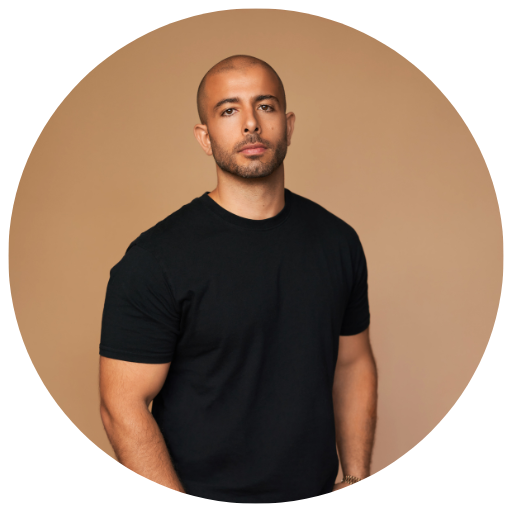
Sabri Suby: You don't need to find me. I will find you. No, you can pretty much, pretty much search for Sabrisubi, which is a interesting name and unusual name on any platform and you will see my bald head and black T shirt somewhere online.
[Voiceover]: It's a great identity.
Nathan Bush: Yeah, mate, thank you so much for joining us on Add to Cart.
Sabri Suby: No problems. Thanks for having me on.
[Voiceover]: There we go. I hope you enjoyed that episode with Sabri. Now I know Sabri is a well known figure in digital and e commerce circles and many people, people will have a preconceived notion of what Sabri and the team do. I think that was a great chat in being able to dive into some really great areas and Sabri gave so much value in those topics that he was passionate about. Here are the top three things that I took away from that chat. Number one, a combination of house and agency experience is the way to go and I think that was great advice from Sabri to get on the two tools yourself as a business owner in the early stages, understand the ad tools and the messaging that works for your customer. Once you get to around that $3 million mark, you can start exploring additional team members or agencies. But by that point, you'll know exactly what you are doing and how to get value out of those big investments. Number two, copywriting and storytelling are priority even in the TikTok generation. Sabri is a sucker for a good story. As we heard with get down and Last Crumb. This is a great time of year to look at what you are doing as a brand through the lens of a new customer and ask am I telling a story or am I just going in for the quick sell? Crafting a story and the copy behind it will pay dividends as you extend and develop that story to all content, forms and channels. And lastly, ChatGPT lessons. Unfortunately, ChatGPT can't read our mind yet. Or maybe fortunately. Sabri says that the biggest mistake people make is treating it like a search engine. He treats it like an employee. Take the time to have a conversation and train it with examples and real copy. Make sure it registers that learning. Then then ask it to perform Some of Sabri's queries are more briefings than queries, up to 1400 words long, but like he said, it's an investment that never leaves or goes on holiday. Thanks for joining us today on Add to Cart to listen to all our e commerce conversations now in the hundreds. You can head on over to addtocart.com
Sabri Suby: there you can also join up to
[Voiceover]: our free private Slack community to share e commerce ideas, tips and questions with other listeners. You can also subscribe to the Add to Cart weekly newsletter and browse some of the video highlights from our chats. There is a lot there that's add to cart.com and if I can ask you one thing before you go. If you enjoyed today's episode, make sure you share it with a friend or or a colleague who could benefit or
Nathan Bush: leave us a review. It really makes a difference.
[Voiceover]: Thanks again for listening. And until next time, keep those customers adding descartes.