Ed Hellen: There was a gap between the way we said the pricing worked and the way the pricing actually worked. We had a handful of Australian brands and at the time we thought of it largely as a pain. No brand who said, oh, I'm leaving Klaviyo because I've built Klaviyo. It's like no brand has actually done that. Right.
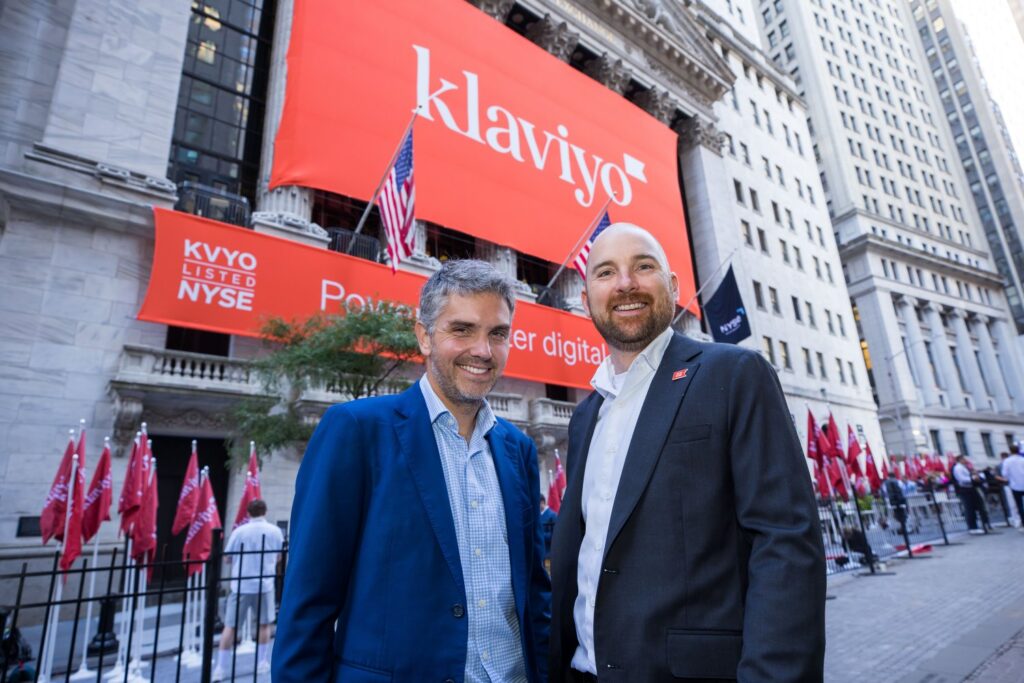
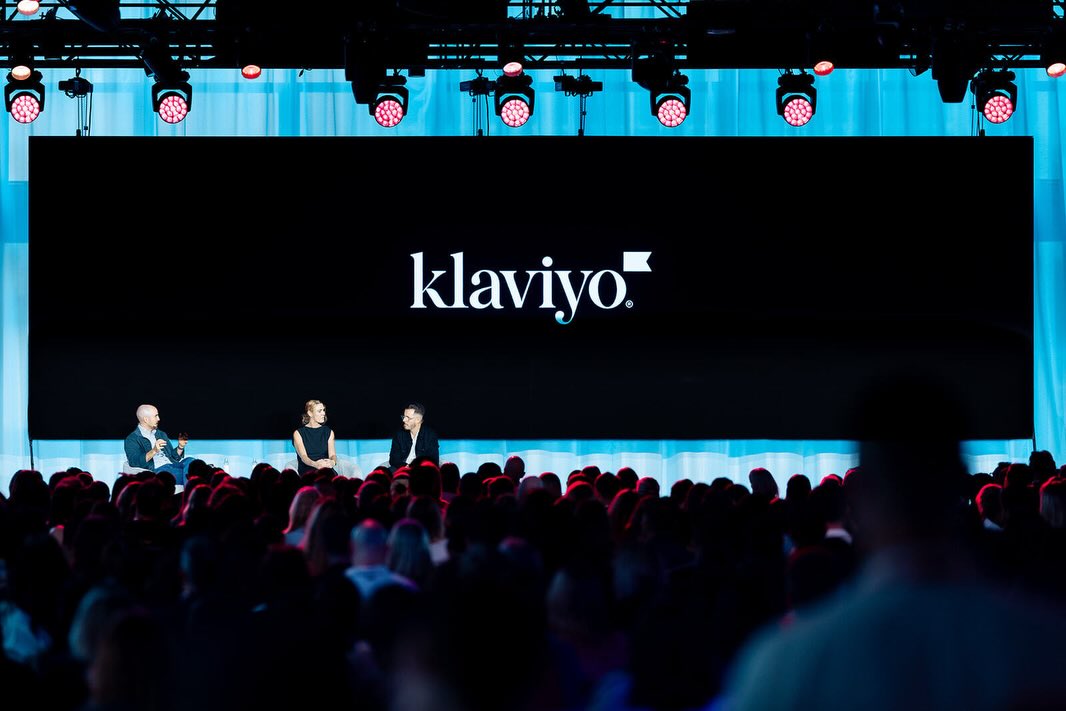
Nathan Bush: All right. I am back from a very special day at K Sid Sydney, which was Klaviyo's big day. Big presentations, big celebrities, big everything. And I was lucky enough to sit down for three in person interviews, which I'm going to bring to you. Three episodes coming up where we get to deep dive into everything. Klaviyo CRM email. Even if you're not a Klaviyo customer, there is so much that you can get out of the next three weeks when it comes to retaining your existing audience. Now, today I am sitting across from one of the two people who founded Klaviyo. Ed Helen co founded Klaviyo in 2012 with Andrew Bielecki. He has served as the CPO through the IPO and is now the Chief
Speaker C: Strategy Officer, which means that he is
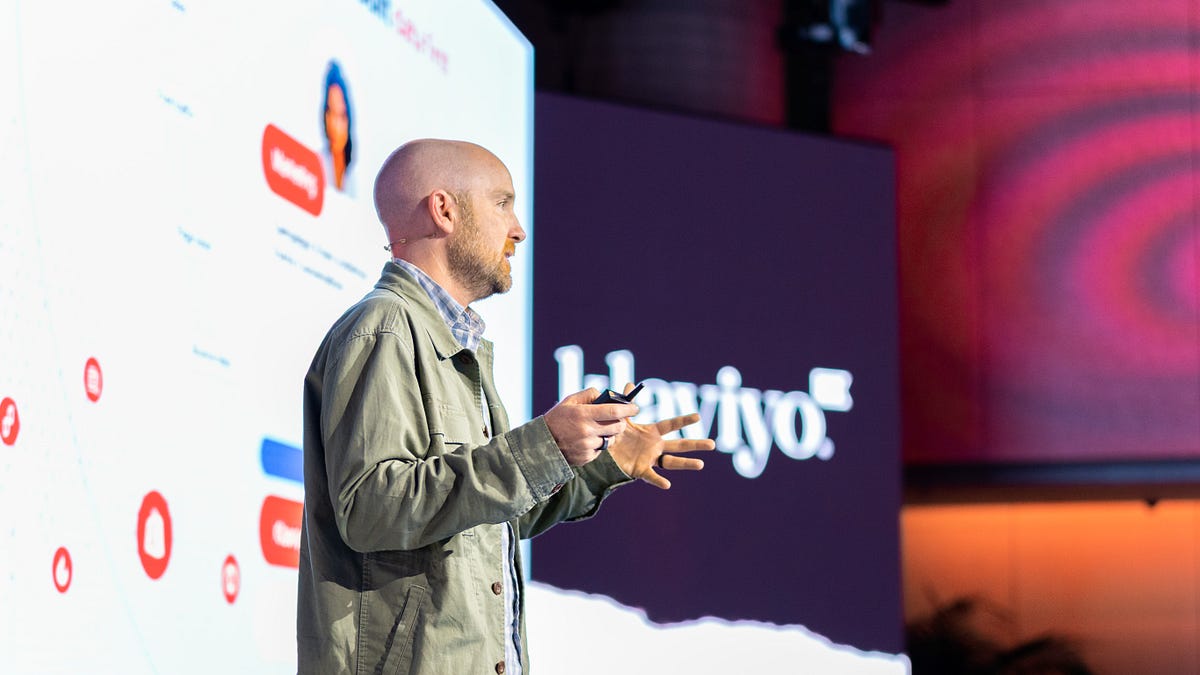
Nathan Bush: the person thinking hardest about where Klaviyo goes from here. The company is now sitting at $1.2 billion in revenue. They have almost 200,000 brands on the platform and and Ed still says publicly they're only 1% done. Now, as I said, we recorded this live at KSID in May 2026. Ed had just come off stage fresh from a keynote where he had been delivering new Klaviyo features to over 600
Speaker C: retailers in the room.
Nathan Bush: And he was still really happy to
Speaker C: sit down with this. And I wasn't going to say no to that.
Nathan Bush: Now, full disclosure, Klaviyo is one of our two major sponsors and has been a big part of ADD to CART
Speaker C: over the last few years.
Nathan Bush: Big thank you as always to Klaviyo and to Shopify for making this episode possible. But I wanted to be upfront about the sponsorship because I also wanted to be clear around what it means for this conversation. Absolutely nothing. We went everywhere that I thought you
Speaker C: wanted me to go.
Nathan Bush: Pricing, attribution, loyalty, where Klaviyo is actually heading in the next five years and what you are probably leaving on the table inside the platform right now from the person who knows the platform the best. If you have a question about Klaviyo, I tried to have it in my
Speaker C: head when I was talking to Ed.
Nathan Bush: And just quickly, before we get into today's episode if you are not already subscribed to the Add to Cart newsletter, head over to add to cart.com every episode that we release comes with a cheat sheet and it goes straight to your inbox which summarizes the main lessons, the main learning, the things you need to know. So even if you don't have time to listen to the whole episode, you get the good bits. Sign up over on Add to cart.com all right, here is my conversation with Ed Hallen, co founder of Klaviyo. Ed, welcome to Add to cart.
Ed Hellen: Thanks for having me. Super excited.
Speaker C: What an honour to have you here. This is a career highlight for me and to do it at KSID. Fantastic. You were here 12 months ago when it was KSID 2025.
Nathan Bush: What do you feel energy wise in the room? Is it any different?
Ed Hellen: Look, last year was our first ksid. Super exciting to get to do it. I mean from, from like our first 20 customers. Back in 2012 we had a handful of Australian brands and at the time we thought of it, you know, largely as a pain because like they would need help in the middle of the night.
Speaker C: They're like bloody Aussies.
Ed Hellen: They're just like so cool. So it's so cool then to see it. I think now this year, like it's even larger. People are pumped. It's just a great energy. So it's just exciting.
Speaker C: It feels like there's just so much possibility out there. It's like people aren't looking for playbooks anymore, they're looking for ideas. And I think that's a big difference that AI and I'm sure we'll talk a lot about AI is opening up. People are like, actually I don't have to be like, the roadmap's great but I don't have to be stuck to a roadmap. I can build on the roadmap to what's right for my business. So everyone's swapping ideas on the floor. That's what I've noticed. That's different from last year.
Ed Hellen: Yeah, it's really great. I mean I think there's right, there's AI helps. I think we've always seen that there's connections between brands between like the people building and doing these day to day are incredibly valuable because people like throw ideas off each other and I think, well, we're seeing this with K Sydney too. It's like now like more and more people know each other, right? They like built the connections before, which is really powerful.
Speaker C: That's awesome. So take me back 2012. You co founded Klaviyo with AB and literally the Q1 results came out the other week on track for $1.5 billion. Like you said, starting at that modest base of 20 Aussies. To see this today was your original vision for Klaviyo. What we're seeing today, I think the
Ed Hellen: product and the value kind of. So we, when we started, we said, hey, we knew we would start a company and we said the way we're going to do that is we're going to find a problem that exists in the world, we're going to solve it. And so we had a bunch of different ideas. We tried each idea for about a month and then if we hadn't yet figured that out, that kind of equation of like, fine problem, get someone to pay us, we'd move on to the next thing. But the third or fourth thing we built was this like data layer where we said, okay, in our past life we're building this database layer for really large brands for the Starbucks and boots and targets of the world. Let's build that and we'll, you know, build it for businesses of all sizes. And we're going to sell that to customer success teams. So we built that and what we found is, you know, two people boost driving company, very tough to sell to a huge enterprise. That idea failed. But we said, hey, what if you take that same technology and now if we stuck email atop it or like some form of communication, but email was the one at the time we could, could do, hey, you could use that to drive way better marketing and said, okay, like talk to a bunch of different folks, try to sell that. And finally the equation worked. We actually were sitting at a dinner in Boston. We met this Australian suit entrepreneur who had an online store selling suits. And we were kind of explaining like we have this customer database that can like, you know, combine email and you know, started to talk about his use case said, okay, would you buy this? And he said like a hundred percent. Like currently I'm going one night a week. I spend three hours going through my customer list figuring out when people bought last and then I manually write them emails and that is a huge pain in the butt. And we said we could just automate that whole thing and make away. And he said, great, like I will pay you tomorrow if you can build this.
Speaker C: Right. Because in 2012 is email automation was not a thing.
Ed Hellen: Yeah, there was like there were a couple people, you know, you could do it with engineers, but for the most part there wasn't. You couldn't really use a Platform.
Speaker C: Yeah, it was all the shell plug.
Ed Hellen: Yeah, yeah. And so that was kind of the starting point. And so in some ways, like, you know, if we look back to the vision now, it's like the exact same thing is true, which is like, build this database platform, let people take action atop it. Now it's not just email now it's not just like humans atop it. It can be like agents too, and then measure the impact of what you're doing. And so I don't think we would have predicted how that's all played out. But like we're still doing the fundamentally same thing. We certainly couldn't have imagined. Like we're pretty like standard folks. You can't see it on the camera like my shoe is falling apart. Like we would never have imagined like the scale and the size and those things. But I don't think we would have been maybe surprised because we thought the idea, we were so convinced that like this idea of customer understanding was really, really important.
Speaker C: Yeah, yeah, yeah. And was the idea back then a one on one communication with the customer? Because this was a conversation we were having before with your klaviyo champions. We're talking about segmentation, but the future, we're not too far off from, from truly being one on one.
Nathan Bush: Is that the vision?
Ed Hellen: Yeah, I mean, I was just talking about this with somebody else right before this, which is like Andrew and I had this debate for about a year, which was like we knew one on one was a thing and actually the first thing we built was kind of this like one on one triggered flows. And it wasn't deeply personalized, but it was like you could build the flow and personalize it somewhat in a way that just didn't exist at the time. And the question we debated a bunch was, well, how quickly will campaigns go away? And at the time we ultimately included, like, we weren't actually that close. Like you still fundamentally had to have campaigns. Like technology wasn't there. Like one to one would be part of the story, but it wouldn't be the full story now. I think that's, you know, we're headed towards a world where like we might, we'll start to see more and more, more and more things that are one to one. And it's not just the content of a specific message. It might be interesting. It's more and more the number of messages someone gets. It's more and more the types of messages that get. It's the channels they get. Like the whole thing is going to become a lot more one to one. It was super exciting.
Speaker C: So exciting. Like, and even I saw, and I'm not across the detail, but I saw that one of the newer features is individual send times.
Ed Hellen: Yep.
Speaker C: I think people are like. That makes a lot of sense.
Ed Hellen: Yeah.
Speaker C: How does it work?
Ed Hellen: Yeah, I mean, I think it's like step one. Like it's not send times. Great. We've got to get more and more. Like there's so many things that we can do to extend that. But, you know, I think ultimately we realized that like people, you know, we have, we have all the data. We have all the data across customers. We can understand when really is somebody most likely to interact with it and then bake that into the same time. And we know. I think the good thing about Klaviyo we've always appreciated is this like K V stat where we can measure to see are people actually driving more value by doing this and is this thing actually working? And with symptoms, it's like you could obviously just, you know, what matters is not just personalized sometimes it's that you're like personalizing them in the right way. And so we can use that KV to keep optimizing the algorithms to say, okay, we're better and better at optimizing that send time to get it to make sure it's right.
Speaker C: Yeah. I was downstairs when you announced K social as the next frontier to conquer. And Obviously we had B2C CRM last year and we've got customer service in there as well. So it's much more than just an email platform.
Ed Hellen: Yeah.
Speaker C: Do you see that vision of customer data, the corporate. Because you now almost 200,000 customers. I still get 4 billion touch points or data point. Is that the core competitive moat for you? And it doesn't matter how that surfaces in what channel or what service, but as long as you keep that customer information and behavior accessible to your customers. Is that the moat?
Ed Hellen: Somewhat. I think so. There's. When we think about the. The moat or what makes, you know, klaviyo valuable, you know, so first is certainly the. The infrastructure that collects those customer attributes, those 4 billion attributes. The piece of data that actually is like incredibly valuable is in conjunction with that is actually customer outcomes. So it's knowing that look, this type of flow worked for this person and didn't work for this person or these types of people didn't respond to campaigns in this way where I did X, Y and Z and customers converted. So like all that, like outcome data is data that we generate atop that but is incredibly valuable as well as having all that data about exactly who people are, you know, their website activity, their purchases, their return activity, all that stuff. I think more and more the piece, you know, that we've realized is just something that's gotta be a continual focus is we've always talked about Klaviyo being channel agnostic and what we mean by that is have an amazing data layer, but then you've gotta be best in class with every channel, but you need to support all the channels. So that could be email, it could be SMS, it could be WhatsApp, it could be RCS over time, it could be things like, you know, plugging into other platforms using direct mail, it could be the website. Right. But we've gotta make that work seamlessly and we have to make it completely scalable as brand scale to also work and provide amazing, amazing deliverability. So when we think about what that kind of like mode is, it's like taking those two, adding more intelligence top providing kind of a platform for both humans and AI and agents to operate atop that. That is incredibly powerful. But it's gotta be all those pieces in conjunction. Doesn't mean that like, you know, we'll more and more like people might be using Klaviyo to, or like the Klaviyo UI to access it. They might be using like a, you know, Claude to plug the MCP in and do things that way. But the infrastructure is what drives a ton of that value.
Speaker C: Yeah, I'm interested in how you think about this. As Chief Strategy Officer, I had a lot of questions around what what does a Chief Strategy Officer do? But maybe that's part of the answer here. When you think about AI and how you help your customers in whatever way they want to use AI, obviously there's two schools of thought. You've got Klaviyo as the platform where you can streamline operations within platform and add tools and add features within platforms to make that easier to use, give better insights. And then there's the actually here's the MCP or here's the connector to however you want to use it and integrate with all your other tools. You obviously have a good resource bucket, but you don't have infinite resources. How do you decide where to put your efforts when it comes to AI in platform or opening it up for people to connect however they want?
Ed Hellen: I think fundamentally. Well, first what we've seen is, is that brands who adopt, who are users of the mcp, they end up driving more kv. So what we see is it actually it doesn't decrease the amount of time they spend in Klaviyo, but it tends to be supplemental and that their overall KV generation gets higher. So we have a deep belief in when we build features, build them open in a way that we expose them via the MCP that we expose. We make them available to other platforms too. And that's just like if you're a PM at Klaviyo, that's just like something you have to, you have to build. So there's some amount of catch up. But you'll start to see a lot of progress in the next coming months. Morals get faster and faster with making this possible. And I think we kind of don't think if built correctly there shouldn't be a big trade off there. But ultimately we are providing that toolkit. But we've got to make that work for in the ui, we've got to make it work outside the ui. That's just how tools are going to get used more and more.
Speaker C: Yeah. When you are thinking about building those connectors, obviously MCP is a huge step. Obviously Claude is flavor of the month at the moment. There's no saying that it will be in six months time. How do you work out who to partner with and where to put your efforts?
Ed Hellen: Yeah, we've always thought about this as just be, be open. So be open, make the platform open and then let the best product win. And so that's early on. This manifested when you know, we right out the gate built E Commerce connectors for deep integrations with Shopify, with BigCommerce, with Salesforce. And you know, at the time like Shopify got massive amounts of more usage. Even if we had customers start another platform, they ultimately many of them switched to Shopify. So it's less of a try to pick a winner than make the platform open, integrate with everybody, you know, work with everyone and then ultimately the market will kind of and like great products will rise to the top and work all together.
Speaker C: How do you respond to the bros who are like, I built Klaviyo in my bedroom last night with cold code. That must drive you nuts.
Ed Hellen: I mean it's like totally fine because we've never actually heard that from a customer. Right. Like there's no brand who said, oh, I'm leaving Klaviyo because I built Klaviyo. It's like no brand has actually done that.
Speaker C: Right.
Ed Hellen: What I appreciate about it is like this new world of like people can go and like build stuff in an evening is amazing. Like we've all experienced this. You can build great stuff. It's super fun to like get to use these tools and like, yes, like people will start to. Every software company is going to see that people are building things to get more competitive with them and people are building in new and fast ways. So it pushes you to have to build things in new and fast ways. So that part's a lot of fun. But yeah, they're like overnight like, oh, I just like five coded this thing. It's like, it's just not. Again, we do not see people moving from Klaviyo at all to their own home built solutions.
Speaker C: You're a much better than anime.
Ed Hellen: If I do what I've been since 2012, I'd be like, we've had a very thick skin. You gotta have a thick skin. For a long time it was like, you know, we like, we were early. Right. It was just two of us for a very long time. And so, you know, rightfully we try to sell stuff to customers and they say like, wow, do you have feature A? You'd be like, nope. To feature B? Nope. Like it was, it took a long time. We just, you know, we had to build a very thick skin to kind of like bootstrap it.
Speaker C: What have you had to change in your development team? Because when you do have customers. We literally had a customer panel in here before with Harney from step one and Locky from July.
Ed Hellen: Great.
Speaker C: And like those guys are just sitting on the edge, like and their philosophy was we'll use what's in the tool. Shopify and Klaviyo. But if it's not there, we'll build on top of it until it's in the tool and then we'll take the tool because we want the integrated approach. But we're happy to build on top of it. How you work with your development team to make sure that they have time to experiment and play on those edges where your customers might be. Have you had to change the way of working?
Ed Hellen: Yeah, I mean most of it goes back to make the platform open. That way either your team or like all the parts of the Klaviyo team could be an engineer, could be a product person, could be anybody can build stuff atop it. Or like we just see amazing examples from agencies and customers. So keeping the platform open, providing the endpoints, making it possible. And the flip side, Yeah, I think through the life of Klaviyo we've tried to balance like how do we give our own team? There's, there's like focused goals of and big features you want to build in any one time and Then there's a ton of little things that are just like great quality of life improvements for, for everyone but also just like more experimental things. And so it's like a, it's a constant balance. We've never nailed it but I think that we're deep believers in single threaded ownership. So kind of like if the scenario of the product or something or bigger product initiative, somebody has to kind of get to make the choices and that person has to then therefore has the chance to like prioritize and choose these like smaller things that get done as well.
Speaker C: Gotcha. How often are you releasing new features?
Ed Hellen: The stats today was you know over 475 in the past year. So I mean like you do the math. It's like basically constantly and I'm sure there's, there's a bunch of stuff that falls below the line that's like not a feature but it's like a little improvement should only get faster. I think it's on us to you know, you've got to make them great. They have to clear the quality bar. The number of features matters a lot less than like releasing great things that people use and so on us to make sure we're focused, make sure, releasing things that are very high quality, make sure we're educating people on what those things are, teaching them how to use them and that ultimately those things are the things that actually drive customer value.
Speaker C: Is that the hardest part of making the big bets? The big releases like CRM's a big one, right? And customer service is a big one because there's some very embedded technology within organizations. When you say hey, we've got something for you now, come and try. And they're like oh, this is a big move.
Ed Hellen: How do you get that trust from
Nathan Bush: like obviously they trust you for email
Speaker C: and SMS customer database how getting to trust the next phase.
Ed Hellen: Yeah, I mean we just got to earn it, you know, like good products, you've got to get them in people's hands. Good products have to typically you want them to be delightful to use. Like we've all experienced this so like people enjoy the process using them, it solves some real pain point. And then ideally you know, when they're working. Right. So with K with marketing we had KV to say like hey, you know this is working because like these people bought these products. You know, we, we can show you exactly what happened when you send, when you turn on this blow with service, get to the same thing. It's like hey, these are the responses the customer agent had. You can see which, you know, which one's resolved. You can dive in and actually look at them and see which ones are very high quality. It's ultimately gotta be the same thing, but it's on us. Like, we have to prove that, you know, And I think more and more it's like it's not just marketing the room, it's like for service. Like there's other people in brands who are involved in the same way.
Speaker C: Yeah, it's involving a much wider team, isn't it?
Ed Hellen: Totally.
Speaker C: Yeah, totally. Can you talk us through? I know we skipped over it just briefly before K Social.
Ed Hellen: Oh, yes.
Speaker C: I saw it flatten it up on screen and we got, I think we got the 32nd elevator version of. What is it?
Ed Hellen: Yes. Okay. So I mean, first, if you just start at the highest level, the typical brand has an audience that is currently uncaptured. This like, audience on social, it might be on Instagram, it might be somewhere else that lives in that walled garden, but. And typically can only be communicated to in like, in that way. So it's like you can only talk to them via TikTok post or via your Instagram post. But it's, it's a real part of your audience. It's a real person who's engaged with the brand. Some of them overlap with your email and SMS subscribers, but a bunch of them don't. Right. Ksocial is really the first way to say, hey, that audience. How do we bring that audience into Klaviyo and let you grow and expand to that audience and turn them into loyal customers? And so it started with the ability to message customers on Instagram, DM them and get them to join your. Your list. And over time has expanded into, you know, other ways to, to communicate with them automatically, more ways to pull in ugc, more ways to use that content throughout all of Klaviyo, more ways to figure out kind of exactly who people are and work with them. And so we'll continue to invest a ton, but really it's this idea of like, hey, the customer relationships start earlier and in different ways than they we've historically captured in Klaviyo. And there are members of your audience who you currently never had this ability to reach out and market to. We're pulling all of that into Klaviyo and Ksocial is kind of the way to manage that.
Nathan Bush: Chic has always believed that style is how you show who you are without even saying a word, which is why it's a problem when your email and SMS are saying different things. On different platforms with different results. I mean, we've all got that friend who's a bit chaotic. We don't want it to be us. For Chic, email lived in Klaviyo, SMS lived somewhere else. And when it came to attribution, nothing lined up. One platform said one thing, Google Analytics said another, and, and making confident decisions just became guesswork. So they brought email and SMS together in Klaviyo's B2C CRM. Once everything lived in one place, the picture became much clearer. Attribution finally made sense. Investment decisions became obvious and SMS quickly proved its value, especially during key sales moments. The results are 100, 113 times ROI on the Klaviyo platform, 20 times ROI from SMS alone, and an 81% year on year increase in SMS subscribers. Turns out when your messaging and your data are dressed for the same occasion, performance looks a whole lot better. If you want clearer attribution and more confident growth, head to klaviyo.com au and see how brands like Ship Chic are doing it.
Speaker C: Well, surely Mr. Zuckerberg's gonna shut that down and not allow you to bring his audience over to an own audience.
Ed Hellen: I mean, look, it's like the, those are real relationships, you know, it's like we're not like, this platform's like a lot of good, a lot of bad, a lot of, you know, great things for brands though. So there's incredible things you can do there. But yes, it's like ultimately we think walled gardens. A world where they completely own your audience is not, not where anybody wants to be.
Speaker C: No, I, I can hear.
Ed Hellen: Except for Zuckerberg.
Speaker C: He's very happy. He's just, he's got an autop that ad revenue coming in now.
Ed Hellen: Totally. It's good.
Speaker C: So tell me about, while we're on ads. I'd love to dive into attribution because we've got some great case studies being shown here at caseid and there's always great case studies on the website and it talks a lot around the Klaviyo attributed value. And I think there's a general skepticism around any platform attributing any value to their platform. How have you approached attribution at Klaviyo, knowing that, you know, as you said before, we're part of an ecosystem of communication with customers. No one solved attribution as far as I know. How have you solved that attribution from your part of the world?
Ed Hellen: Yeah, I mean, I think it's something we'll continue to focus on for us like the. The more trust we can build in Klaviyo attributed value, like real meaningful trust of like, this is actually how much money you're making from Klaviyo. Even if that means like the number currently may go down, the better off we are.
Speaker C: Right.
Ed Hellen: Because for us, that is the optimization metric where we can say like, okay, you did X, Y and Z and you made this much. You did X, Y and Z and you made some amount that was less or more than that. And then we can know what's truly better. So getting the right answer matters to us. If we think of clay do writ large as kind of like data layer plus your ability to do stuff. But ultimately you care about that because it's a growth engine. Having the right scoreboard matters a lot. I think so far there's a bunch of ways we haven't supplemented our attribution or things we haven't done. But we're gonna have to keep focusing on it. So it'll just be an ongoing task to say, how do we make that more and more accurate? Because that'll make us, us Clego's brain, smarter and smarter.
Speaker C: So it's more important to use that as your own internal yardstick of are we getting better or worse than using
Ed Hellen: it as gospel and then using that. I mean, I think for some, it depends what you're doing. Like it's. For some brands, it can be gospel and you can, you know, always click and like dive in. Exactly. Who did X, Y and Z? But ultimately that should be the. The more that can be gospel for everyone, the better off it is. And the more we can do that, it lets us get smarter, which is more and more important as we think about things like the launch of Composer and more like AI driven tools, that intelligence matters a lot because it'll just let AI do more atop the platform.
Speaker C: Now, one of the common things that I hear constantly, we talk to a lot of Shopify brands. You know where I'm going, talk to a lot of Shopify brands. Love Shopify. Love Klaviyok, you know, in love with the platform. Works fine, does exactly what they want. Excited with the roadmap changes to pricing that sent a bit of a shockwave through the industry late last year. Can you talk us through one, what the change is and what people need to be aware of. And obviously I'd love to hear the reasons for it and how you would
Nathan Bush: encourage retailers to think about managing their
Speaker C: databases, to be able to optimise to get the best returns and platform.
Ed Hellen: Yeah, yeah. Just over A year ago is when we rolled out some of the changes which was largely, you know, the biggest change was around profile. So we'd always said if you went and read the website and read all the pricing work, it said like amount you'll pay will be based on profiles. The platform didn't actually do any checking there. And so kind of like, oh, there was a gap between the way we said the pricing worked and the way the pricing actually worked, which caused a lot of, you know, understandable friction of people. You know, just like we got a whole lot of support questions being like, hey, how does this work? And like even Klavius was like, it was hard to explain. And so we find said, okay, we're going to bring these in line and we're going to charge the way we've said we charged all along. But that ultimately meant that there was a set of, you know, for many brands like yes, there was a price increase. The way we think about this is like fundamentally we have to make, provide features and functionality that means that it's worth, you know, if a profile cost X, someone's making many, many, many times X of value to make that worthwhile. And that's the thing the price we have to deliver on and our goal is to that should be as much of the audience as possible. Where we truly that is true. And then I think we should also provide the tooling to say okay, but here are parts of that audience where like you should not be messaging these customers. You should not be paying us for these customers. This is a customer who like that this customer no longer wants a relationship with you that is in the past. So those are the, that's the side we have to deliver. And I think that's how I think the same mindset is how I'd say push brands to also think about it is just where is this valuable? Where are those relationships strong enough? Where you truly it's worth paying us for them, where are they not? And then push us to say, hey, how can we really deliver our side of that promise to help you understand exactly where that equation pays off.
Nathan Bush: Expanding into new markets isn't just about selling more. It's about selling smarter. Every region has its own rules, currencies and customers customer preferences. But with Shopify, global expansion is simple. Localize storefronts, tailor experiences and build trust all from one unified platform. Shopify removes complexity so that you can focus on growth and deliver tailored shopping experiences for every market in store and online. Accept over 100 currencies with Shopify payments for Fast familiar checkouts and use built in analytics to identify your most profitable markets. One platform built for global adaptability so you can scale without growing pains. Visit Shopify for enterprise to learn more and start selling worldwide.
Speaker C: So the big change is calculated based on how many customers in the Klaviyo database rather than how many you send to.
Ed Hellen: That's right.
Speaker C: Roughly.
Ed Hellen: Roughly. Though it's still possible to have customers that you're not actively using in that database. So previously you could not. You know, if a few message comes from once a year you could kind of like there's a lot of different pieces of that timing and like when you're marketing to that like the, the pricing could be highly variable. The big change being. Yes. Like the number of profiles in the platform. You can still mark profiles as ones that you're not actually using in the platform and not. And not pay for them.
Speaker C: Gotcha. So you're not removing them totally.
Ed Hellen: That's right. Yeah. Yeah. They're not like going away.
Speaker C: It's really interesting you say that because I get the thinking because even just before I asked Lachie for his biggest tip and his tip was and dom from Tiger Ms. She was saying there's so much more value in your disengaged customers. Just because you're not sending to them doesn't mean they're interested. Dom said her biggest. Her most engaged send is to a disengaged customers that she sends after. It looks like they've totally opted out saying hey, here's what you've missed. She said it's the bestseller for her. So there's something there around. Even if you're not sending to them regularly, they're still valuable. You just got to find the right ways to activate that value.
Ed Hellen: Yeah, I think more and more they. I will see the promise we have to deliver on is basically making. Making it easy to create and craft that journey because that journey is different. Like the, the. The marketing flow to that customer might be way more one to one to that customer who like hasn't been around. But we have to make that very easy versus like you, your. Your customer base who wants like all your brand drops and the you know, standard add to carts. The standard. All those things like that might be a different set of messages but to the point the disengaged flow is quite different. But we need to make that really easy and AI should, you know, I think as we think about things we can automate and do, it's like that's something that AI should be very good at with the Klaviyo platform to help build out those. Those sorts of flows.
Speaker C: And you've obviously released Composer, which is your way of helping create those flows and start creating those emails as well. Really rich in data. You are, like, we talked about how rich you are in data. How far do you want to go down? The creative side.
Ed Hellen: Yeah. Our overarching belief on AI is it's unlocking tremendous human potential. So there's like a. Just a huge number of tasks. I think we're. What we're seeing really happen is it's. It's supercharging humans, it's letting humans do more and more. And there's a line in there of the task that, like, humans are willing to hand over the AI and AI is obviously getting better. And there'll be things, you know, where like, AI completely takes them over. There'll be things where, like, humans still play, like, a very massive role in them. And so, like, all of that is, you know, still being developed. But I think what we've seen with things like the Composer beta, where we have that in some people's hands is like, regardless, like, there's many more things where it's humans and AI in conjunction. And so we're seeing people do pretty incredible things on the creative side. And yeah, humans might get in and tinker with some and do things on top. Sometimes those people just like, click send and you're like, good to go. Sometimes it's like humans still spend a ton of time, but it gives you a starting point. But I think we'll expect to continue to see a lot of that and, like, some of that will be, I built this content and then I'm using AI to rebuild all that content for WhatsApp. Because as we were there, like, retaking the content that was great for the email and I'm sticking it on the website on a customized landing page for like. So there's a lot of different things that will happen, but it's going to be a partnership question.
Speaker C: With that notice, we can take this one out if you're not comfortable with it.
Nathan Bush: Loyalty.
Speaker C: You're going to do a loyalty app? You're going to get into loyalty. That's right. Come on, you've got to do something.
Ed Hellen: You know, we've always believed, like, the best product should win. So it's why, like, you can run a different SMS provider on Kleveo, you can provide, run different reviews. Like, we always make it possible to plug things in. You know, loyalty is one that we've talked about a ton over the years there's a bunch of providers out there. The process of loyalty programs is, you know, there's a human element of how you design the program. You know, if we think about like small L loyalty, like how do you drive customer loyalty? That is like literally a big use of Klaviyo today. It's like you're trying to build more loyal customer relationships. Now we talk big L loyalty, like much more of that. Like Loyalty Pro, like loyalty software. More of that is about points programs and points management and like just a specific slice of loyalty. So will we work on small L loyalty? Yes. Will our platform be used for that? A ton. Yes. Are we likely to launch a loyalty product? I think at the moment we think there's a bunch of providers that do good jobs. We plug into them, they're building a top Klaviyo. It's not something that we spend a
Speaker C: lot of time on at the moment. Crushing my dreams here, Ed. I've got this vision for loyalty. Let me.
Ed Hellen: I mean, I think, look, we got a lot going on, like, I think, but like the service is incredibly excited about service. We're incredibly excited by Composer. You know, we're incredibly excited about all the new brands all over the world that are on Klaviyo. And so, you know, those really remain
Speaker C: big focus when you're doing one on one loyalty. Like, just think about this. No tears. We get rid of tears. Tears are gone. And we're talking about little milestones based on that customer profile. Like what are we trying to get them to do? Are they kind of value shoppers? Are they discount shoppers? What's the next little area that we want to push them into? What's the behavior we want to reward? And everyone's loyalty might look different. So it's true, not surprising, delight, but really rewarding you as a type of shopper.
Ed Hellen: But I mean, I think this is when you think about what we call yeah, like small loyalty. Like, yeah, that's what we think about with Composer. Right. It's like when you think about building a personalized journey, it's not like what's next for the average person. It's like, yeah, what's next for you? Like, what's the next thing we think you should do? And like exactly the content or the discount or how that manifests. Like those are all things that I think fit very well within the scope of how we think about where we think Klago should be delivering.
Nathan Bush: Deep in the product, what do you
Speaker C: think is a feature that most of your customers aren't using enough like what's the hidden gem in Klaviyo that you're like guys, have you just gone in and use this? It's gold.
Ed Hellen: Yeah. First, it's hard not to you know, obviously there's like a bunch of stuff like I could not be more excited than about Composer and like besides of like creation but also like analyze all the flows that are working, not working. I think we keep seeing that for the average brand there is still a big unlock in more. More flows, more personalized flows. Like just you know there's. There's more opportunity to reach out to customers in like closer to one to one ways. And so it's like not a super exciting one but like flows continue to be where there's like un. There's missed potential kab for a brand. So those are super excited about this new social stuff. I think we see people under optimizing. I think we're your brands will see going forward. You know, we've seen that once we've launched service like you know, industries in some ways thought of this as like there's marketing, there's service. Those things are the same relationship but they're somewhat distinct. I think we've seen more and more actually as you think of those as like one through line, through everything. You actually can drive a lot of new revenue too in those conversations as soon as you're talking to customers and what would have thought been thought of as the service relationship. And so I think that's another one where I think we're just expecting more consolidation over time and more people thinking about like oh yeah, I have an agent that's talking to consumers and that's very good at like saying or knows that you've bought X, Y and Z but you haven't bought Y and you're likely to like like that product a lot. So I think, I think we'll see an intersection there too of like people trying to use both those. So I think long way of saying more flows. I think well we need to make it easier. Composer will do that. More integration between just like the full customer journey. And we also need to make that easier.
Speaker C: And in terms of the flows is
Nathan Bush: your train of thought the less flows
Speaker C: and the simpler flows done well is better than a really complicated. Trying to get closer to that one on one version for a customer but can get very complicated and complex. Which direction would you go?
Ed Hellen: Probably more towards the latter. But I think there's a real caveat that the world we live in now complexity is hard to manage and you have to invest the time to create the flows. You have to make sure they're working, you have to make the content for them. It's our job to make those as easy as possible. I think, you know, one to one is complex. Like all of a sudden there's a lot more going on there and you need the brand control and you need to make sure people are getting what you want. But that is, I think we've all experienced it like that is actually how consumers ultimately want this to work is they want it to be treated like humans. They want that to feel very personal. That does mean complexity for the brand. But I think we're more able to get there with AI. But also just like I think talk about more flows. That complexity is typically valuable for the consumer. It's value ultimately as well as like generating KB as well.
Speaker C: Yeah, well, unfair question.
Ed Hellen: Yeah.
Speaker C: Considering that you're on our home turf. Who are the Australian brands using? Klaviyo?
Ed Hellen: Really?
Speaker C: Well, who do you put up there?
Ed Hellen: Oh, I mean I think there's a lot of great, great brands that we see, you know, throughout Australia. And so you know, like last night we spent a bunch of time at Incu is like a fun local brand where we got to spend time things. We're doing Budgies. Muggler has been a long time customer doing some very cool stuff.
Speaker C: I was just chatting to Doug at.
Ed Hellen: Oh, that's neat.
Speaker C: He had a great night.
Ed Hellen: Yeah, it's very cool. So Abby, I think the cool thing we see that, you know, Australian brands are willing. They like get this idea of building strong customer relationships. They're very willing to like try new things and do that. So there's a lot of customers just excited about, you know, just like kind of like willing to like embrace the challenge and stuff.
Speaker C: We're a great test market. We'll always put our hand up to all the crazy ideas. Great. We love it.
Ed Hellen: We can definitely run. That's how we are.
Speaker C: So last question for you, Ed. You famously said a fair few times where 1% done.
Ed Hellen: Yeah.
Speaker C: And I love that saying 1% done. If you think forward the next five years with your strategy hat on, where is Clay in five years time?
Ed Hellen: Yeah, I mean I think the boring thing is like in some ways we'll just be doing the exact same thing which is like in 2012 we built this data platform. We said if you let that platform do things and drive outcomes, that's really valuable. And we picked, we picked first marketing, then we picked E Commerce. And that was the initial use case of this platform. So in five years time there's a bunch of things that are going to be different. It's probably, you know, less and less just E commerce. It's less and less, just certain sizes of people. It's more and more big brands, it's more and more global in a bunch of ways. The users of the software are more and more going to be not just humans, but a ton of AI. So there's all these different things that will change, but the basic idea of like, look, it's very important to have customer understanding, take action on that customer understanding and then to understand if customers actually, if they're having a good experience, like to actually see if it's working, that is kind of very unlikely to change. And so I think we'll be talking about the same things. Like people want to be treated like humans. How can we treat them like humans? The tool set will be different, but the platform idea and that customer understanding will not be different.
Speaker C: Well, hopefully we still have humans on podcasts.
Ed Hellen: I'm confident, I'm not sure we'll still be in the same room, but it'd be great. But I look forward to KSED 2031.
Speaker C: Holy moly. Ed, thank you so much for joining us on EdTech.
Ed Hellen: Thanks a ton for having me. Super fun.
Nathan Bush: What an absolute pleasure to sit down with Ed. Never in my wildest dreams of when I started ADD to CART did I imagine that I'd be sitting down with the founders of the platforms that we use every day and that are leading the way in E commerce. I love getting this kind of access for you. All right, there were three key lessons that I wanted to pull out for you out of that conversation. Number one, your disengaged list is not a problem to delete. It's a segment to talk to differently. Ed's point about one to one flows is that the journey for a disengaged customer is not dead. It's just different. We have a guest coming up in a couple of weeks who runs one of Australia's best known fashion brands and her best performing send goes to the customers who look like they've gone completely cold. It blew me my mind. So before you slash your database to save on those Klaviyo costs, figure out how to reactivate those people, not how to remove them. That's not a sales pitch for Klaviyo. That's actually one of your best performing flows. Secondly, if you are not pulling your platforms together through AI integrations, you are not getting full value out of the tools that you're already paying for. The world has changed. We're no longer paying just for the tool, we're paying for the integration. Ed talked about mcp, but the broader point stands. Regardless of how you connect things, the data that you have spread across your whole stack is worth a lot more when it talks to each other. Klaviyo is one of those tech companies that is making that easier. Shopify do the same. The brands already doing it are dropping, driving more attributed value, not less. They're getting great insights, they're getting great interactions between their platforms. If you have been putting off the integration work, and let's be honest, most of the time it's a 30 second connection. This is the nudge to go do it now. Go get that value. Thirdly, go build more flows. I know it's not a thrilling tip and we've all heard this before, but Ed said it very plainly. The biggest untapped opportunity for most brands on Klaviyo right now is flows. More of them. More personalized. Closer to one on one composer is one of those features that makes it easier, but you do not have to wait for it to start. There's so much money in those flows. So a big thank you to our partners at Klaviyo and to Shopify for making Add to Cart possible. These conversations happen because of them and we really, really appreciate their support to
Ed Hellen: bring it to you.
Nathan Bush: If you enjoyed today's episode, please leave a review wherever you listen. Tell me the good, the bad. Actually, try not to do the bad. We want people tuning in. It really does help us more than you know. And if you want to be part of a community where you can discuss episodes like this, come and join us in the Add to Cart community over on add to cart.com au all right, I'll see you next time where I bring you the second of our three live episodes that we recorded at K Sid. See you then.