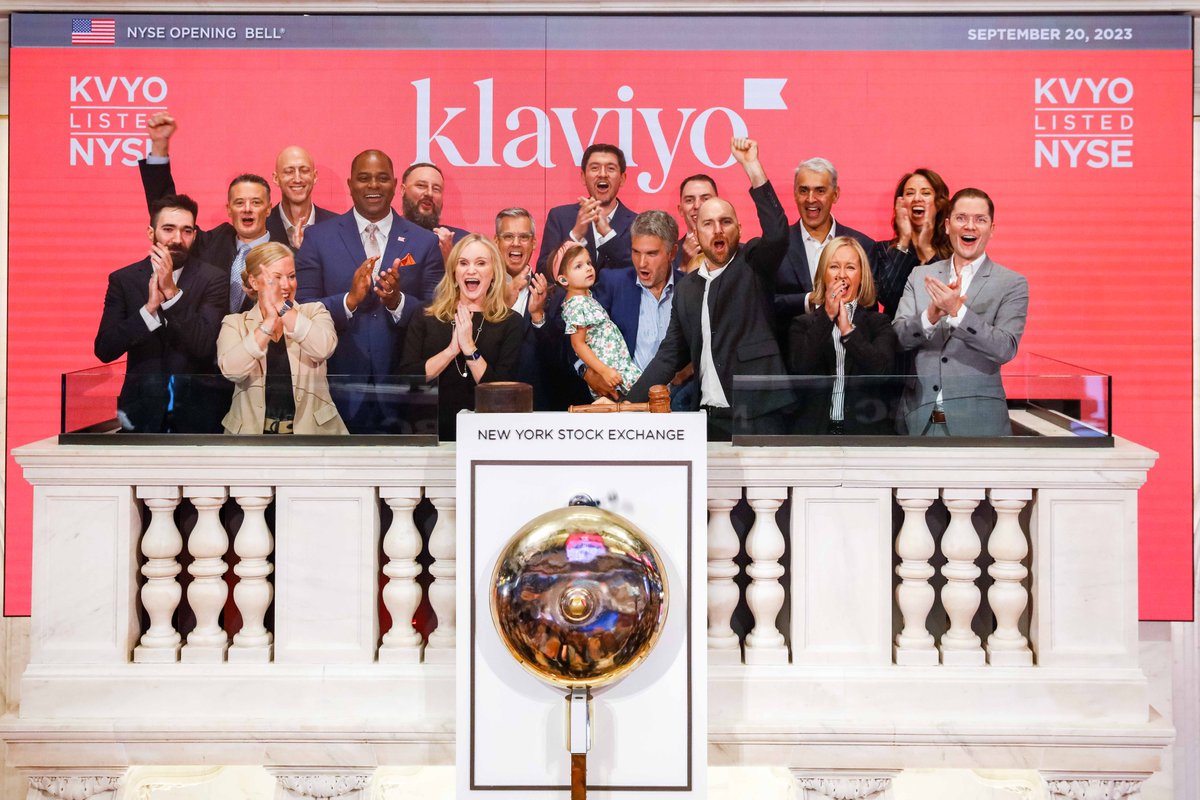
Nathan Bush: Furniture and shipping as a competitive advantage. They rarely go together bulky, costly, fragile, but it can be done. Just ask Freedom furniture. Partnering with Shipit, they've saved a massive 20% on freight costs across Australia. And that's just the start. With ShipIt's API integration, freedom is easily managing multiple locations and saving big while doing it. They've automated fulfillment for over 50 stores and 100 dispatch points and streamlined their operations. Add expanded carrier options across Australia and New Zealand, essential during peak volumes, and it's no wonder that they've reduced cancellations and improved customer satisfaction. If you want to optimize your fulfillment and delivery operations, whether you're selling furniture or fashion canoes or coffee cups, visit Shipit to find out more and turn delivery into your competitive advantage during peak and beyond. Go on. Take a look at your software bill sometime. I know we should be doing it all the time, but it often gets away with us. But don't look at the total at the bottom, look at the line items. There is almost always a platform you signed up for two years ago and use maybe a third of, or an app that someone added for a campaign that's still quietly billing. Or a platform that is now doing the same thing as another platform's doing since the latest update. Because we love tech and e commerce, we're constantly looking for new tech and new ideas to be more efficient, to make more money, to make things run smoother. But here's the thing. It's about to get even more out of control. And that bill could skyrocket pretty quickly because we're all experimenting right now trying the AI tool that's the flavor of the month, with half of them getting surpassed or absorbed into another tool within a few months. I've never seen this much speed or crossover or replacement of e commerce tools in such a short time frame. What starts life as a single purpose tool expands out until it overlaps massively with maybe three others you're already running, and it's not always clear which tool is doing what. The more e commerce operators I talk to, the more I think the problem usually isn't in the tools themselves. It's that we're running a fraction of what we already pay for, and the tools we do have aren't talking to each other. We're going to explore that in this week's Playbook, and this one comes from my conversation with Ed Hallen, co founder of Klaviyo. I sat down with Ed at KSID right after he came off stage, and I wanted to make a point of pushing him on Klaviyo pricing changes because even though they are a sponsor of the show, I know through our community that this is the talking point right now. I wanted to talk about how do you manage and minimize the costs when it comes to any software and especially Klaviyo. I wanted to know from him as Chief Strategy Officer, what does all of this mean around where SaaS pricing is heading? Because it's making up a significant part of Our P&Ls right now in E Commerce. But the part that stuck with me was how he thinks about open platforms. His point was that the brands plugging Klaviyo into the rest of their stack, including things like the mcp, end up driving more value, not less and not having less dependency on Klaviyo, but more. So that's the thread I want to pull on today. Not Klaviyo specifically, but the bigger idea behind it. The value you're chasing is probably already on your invoice. We'll hear from Ed first. Then we'll hear from three operators who who've each shared how they drive more value out of their E Commerce technology stack.
Ed Hallen: Brands who adopt, who are users of the mcp. They end up driving more kv. So what we see is it actually it doesn't decrease the amount of time they spend in Klaviyo, but it tends to be supplemental and that their overall KV generation gets higher. So we have a deep belief in when we build features, build them open in a way that we expose them via the MCP that we expose, we make them available to other platforms too. And that's just like if you're a PM at Klaviyo, that's just like something you have to. You have to build. So there's some amount of catch up but you'll start to see a lot of progress in the next coming months. Worlds get faster and faster with making this possible and I think we kind of don't think it built correctly. There shouldn't be a big trade off there. But ultimately we are providing that toolkit. But we've got to make that work for in the ui. We've got to make it work outside the ui. That's just how tools are going to get used more and more.
Nathan Bush: Yeah, when you are thinking about building those connectors, obviously MCP is a huge step. Obviously Claude is flavor of the month at the moment. There's no saying that it will be in six months time. How do you work out who to partner with and where to put your efforts?
Ed Hallen: Yeah, we've Always thought about this as just be, be open. So be open, make the platform open and then let the best product win. And so that's early on. This manifested when you know, we right out the gate built E commerce connectors for deep integration with Shopify, with BigCommerce, with Salesforce. And you know, at the time like Shopify got massive amounts of more usage. Even if we had customers start another platform, they ultimately many of them switched to Shopify. So it's less of a try to pick a winner than make the platform open, integrate with everybody, you know, work with everyone and then ultimately the market will kind of and like great products will rise to the top and work well together.
Nathan Bush: How do you respond to the bros who are like, I built Klaviyo in
Ed Hallen: my bedroom last night with Cold co.
Nathan Bush: That must drive you nuts.
Ed Hallen: I mean it's like totally fine because we've never actually heard that from a customer, right? Like there's no brand who said, oh, I'm leaving Klaviyo because I built Klaviyo. It's like no brand has actually done that, right. So what I appreciate about it is like this new world of like people can go and like build stuff in an evening is amazing. Like we've all experienced this. You can build great stuff. It's super fun to like get to use these tools and like, yes, like people will start to. Every software company is going to see that people are building things to get more competitive with them and people are building in new and fast ways. So it pushes you to have to build things in new and fast ways. So that part's a lot of fun. But yeah, they're like overnight like, oh, I just like five coded this thing. It's like, it's just not. Again, we do not see people moving from Clango at all to their own home built solutions.
Nathan Bush: You're a much better man than me.
Ed Hallen: If I do what I mean since 2012 I'd be like, we've had a very thick skin. You gotta have a thick skin. For a long time. It was like, you know, we like, we were early, right? It was just two of us for a very long time. And so, you know, rightfully we try to sell stuff to customers and they said like, wow, do you have feature A? You'd be like, nope. Do you have feature B? Nope. Like it was, it took a long time. We had just, you know, we had to build a very thick skin to kind of like bootstrap it for a long time.
Nathan Bush: What Ed is describing isn't a pitch for one platform. It's. It's the reason some brands quietly get more out of the same monthly spend while others keep buying more and more tools to solve problems when they've already got tools that might be able to handle the job. So this is gonna lead us into our three lessons on getting the most value out of your tech stack. Number one, put your tech budget where the value is not on the fringes. When you go through that bill line by line, the the real question isn't just whether you use each tool, it's whether it's pointed at a part of the business that actually matters. It's easy to end up with spend spread thin across a dozen tools, each polishing a different corner of the business when the same money behind one area could move the whole number and the whole outcome of your business. So look at where your revenue and your margin actually come from and check your best tools are being aimed and focused there. If a big slice of your revenue comes from repeat customers, that's where a retention or client telling tool earns its keep far more than a widget that's tweaking a page that only a fraction of your traffic ever sees. The clearest example of backing the customers who matter. A great example of someone putting their tech investment where it matters came from Incoo, who recently joined us with the wish list on Add to Cart and told us around how they're putting more tech and investment straight into their VIP customers.
Unknown: What we find is the people who are using Wishlist the most usually have the highest portion of VIPs and it's,
Ed Hallen: it's less about the sale, but they
Unknown: understand that it's a connection with that customer. And often if you build up a really strong connection with that customer, majority of the time that customer will want to come back to you or your store. And I think the way that our incentives are done at the moment, it's done per team, not versus done per individual. It's just the way that we run things.
Ed Hallen: But what we found is that there's
Unknown: one store, our galleries women's store, that's been elite in the way that they're using Wishlist since they've been using it. The ratio of VIPs that have been coming in because they've been delivering really great service off the back of which list it's got TO I think 30 to 40%, which is really, really high for our business. And since that point, they've been smashing their targets as well.
Nathan Bush: So this week, line up where your tech spend goes against where the business actually makes its money and move budget away from the fringes and the weird stuff and into the areas that really drive performance. And if you don't have time to do that yourself, ask your team to walk you through how they use every item on that bill. The gaps will show up fast. Lesson 2 Chase the connections, not the next tool. More often than not, the value lives in your data, moving between your platforms in the right way, not in any single platform doing everything. No one tool does it all. And the brands that accept that early stop hunting for the magic all in one and start wiring up what they have. Here's an example. This could be connecting your customer service help desk to your email and SMS platform. It enables much richer conversations, much more ongoing conversations and automations that you would never get before. All of a sudden, service becomes a real revenue moment, because the two systems finally share what they know. This is exactly how the team at EliteSupps describes their stack, where each tool has a job and they all hand off to each other.
Unknown: I think with all tools you gotta make sure they don't interfere in the same session with that specific customer journey. They should support each other though. You know, with Coveo we had the search and discovery, so you guide the customer to the right product and then you have behmix with nudges that, you know, reduce that hesitation and build a trust. And then, you know, on top of that then you have Klaviyo, which is, you know, the life cycle and it keeps the relationship going. And then we have the pim, which is our source of truth. When it comes to product data, we don't really have. Yes, we have a lot of softwares, but it creates one experience and they are all supporting each other.
Nathan Bush: Of course, when it comes to e commerce tech architecture, there's not one way to do it all. And we had an interesting perspective from Gavin Ballard. His episode around composable commerce and his call out was really good. He said, watch the walled gardens. Some providers resist integration. So when you assess a tool, ask exactly how it connects to your stack and whether those walls are likely to get higher. Because if you start connecting with platforms that don't like sharing their data or like playing with others, you're setting yourselves up for a closed tech stack and that will not help you get value out of all your other systems. And the last lesson that I want to leave you with, and the last lesson I want to leave you with, is run your integrations at two speed. So integration isn't easy, especially getting the data right to make sure those integrations flow well. Think about it this way. Have two speeds. Switch on the easy connections today and resource. The hard ones like the project that they actually are. A lot of the value you're missing is one click away, especially today. Native connectors, app store integrations, MCP connections that are dropping weekly. These are often a 30 second job that's been on the list for six months because something more urgent keeps jumping the queue. But take a pause and go and turn them on. That's often where the value in your software is. Then the other speed is the deep work. And this is the one that often takes time and usually involves plugging in an ERP or a POS system because they're often not quick installs but you need to treat it. But you need to give them priority and treat them like a project where that integration enables and gets the most value out of the rest of your tech stack. A great example of what that deep work actually takes came from Kiyu, whose whole business is about connecting messy retail stacks. If their tech stack matches the pre built integrations that we have, if their tech stack doesn't match, it's about 10 or 15 days worth of work. We see ourselves as Switzerland. We're providing a service to any retailer that has any combination of systems.
Ed Hallen: Today I had a reach out from
Unknown: on Magento and we haven't built an integration from Magento.
Nathan Bush: So I pick up the phone, hey Tahir, how long is it going to take us to you? Look, click three goes ten days, you know.
Ed Hallen: Okay, great.
Nathan Bush: And this all connects straight back to Ed. Right at the start, the brands that are adopting the deeper integrations weren't getting less from their platform, they were getting more. So book 30 minutes in your calendar to switch on what you already have. Then put the bigger work on the roadmap with the time, the budget and the attention it deserves just to unlock the rest of your tech stack. So after my conversation with Ed, here's where I landed on getting the most value out of your tech stack. You're not really paying for tools anymore. You're paying for what they do once they're switched on and they're talking to each other. A platform you use half of sitting in a stack that doesn't share its data is the most expensive software you own because you're paying full price for a sliver of the return.
Unknown: And.
Nathan Bush: And as the AI tools keep multiplying and overlapping, the operators who win won't be the ones with the longest list or make the best decisions. They'll be the ones sweating the most out of the list that they already have. If you want to work out which integrations are actually worth your time, or compare notes with other operators on how they've wired their stack together and what it takes to unlock them. That's the kind of conversation we love having in the Add to Cart community. And every day you can join for free over on add to cart.com au that is the playbook for this week. I'll see you next Friday.