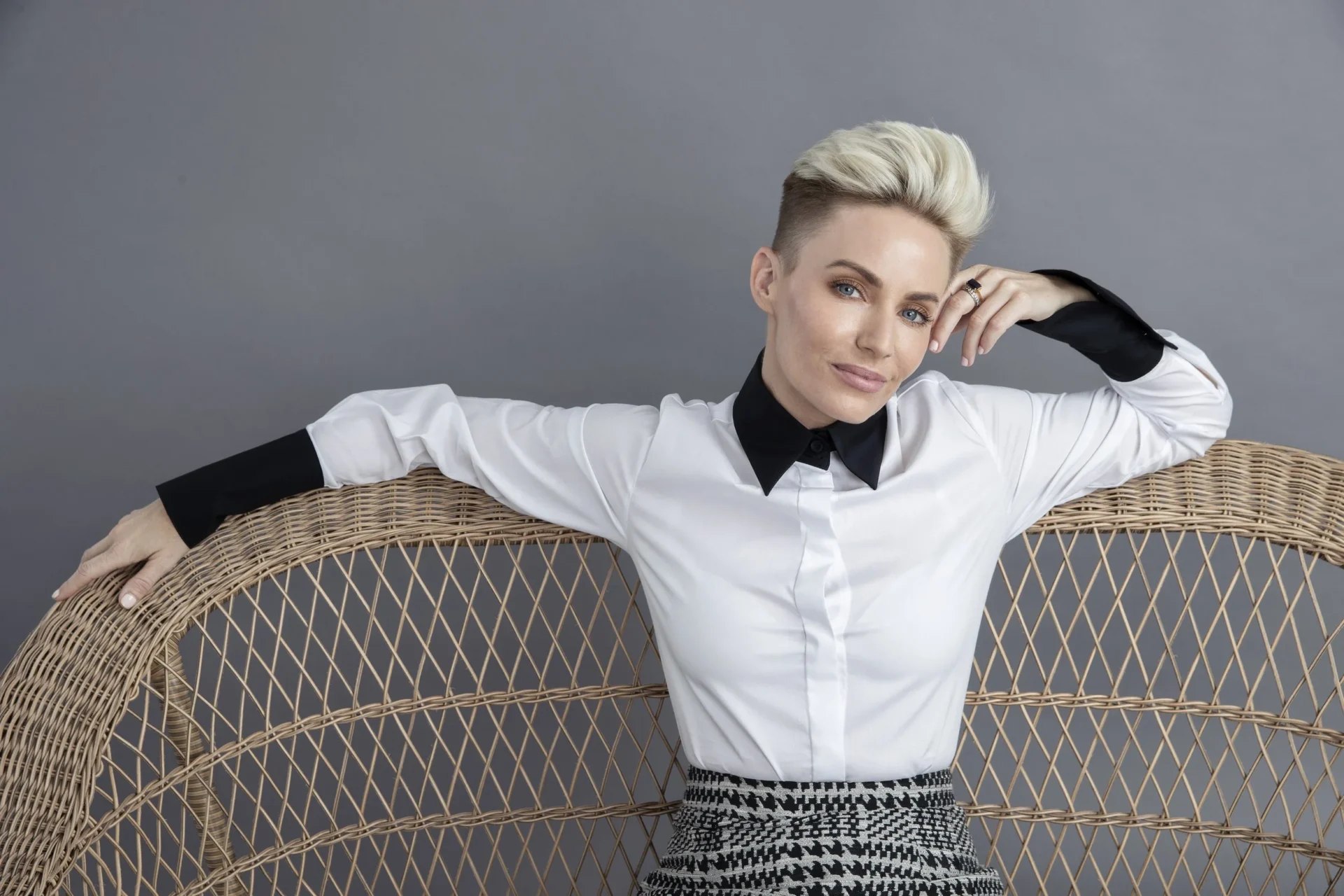
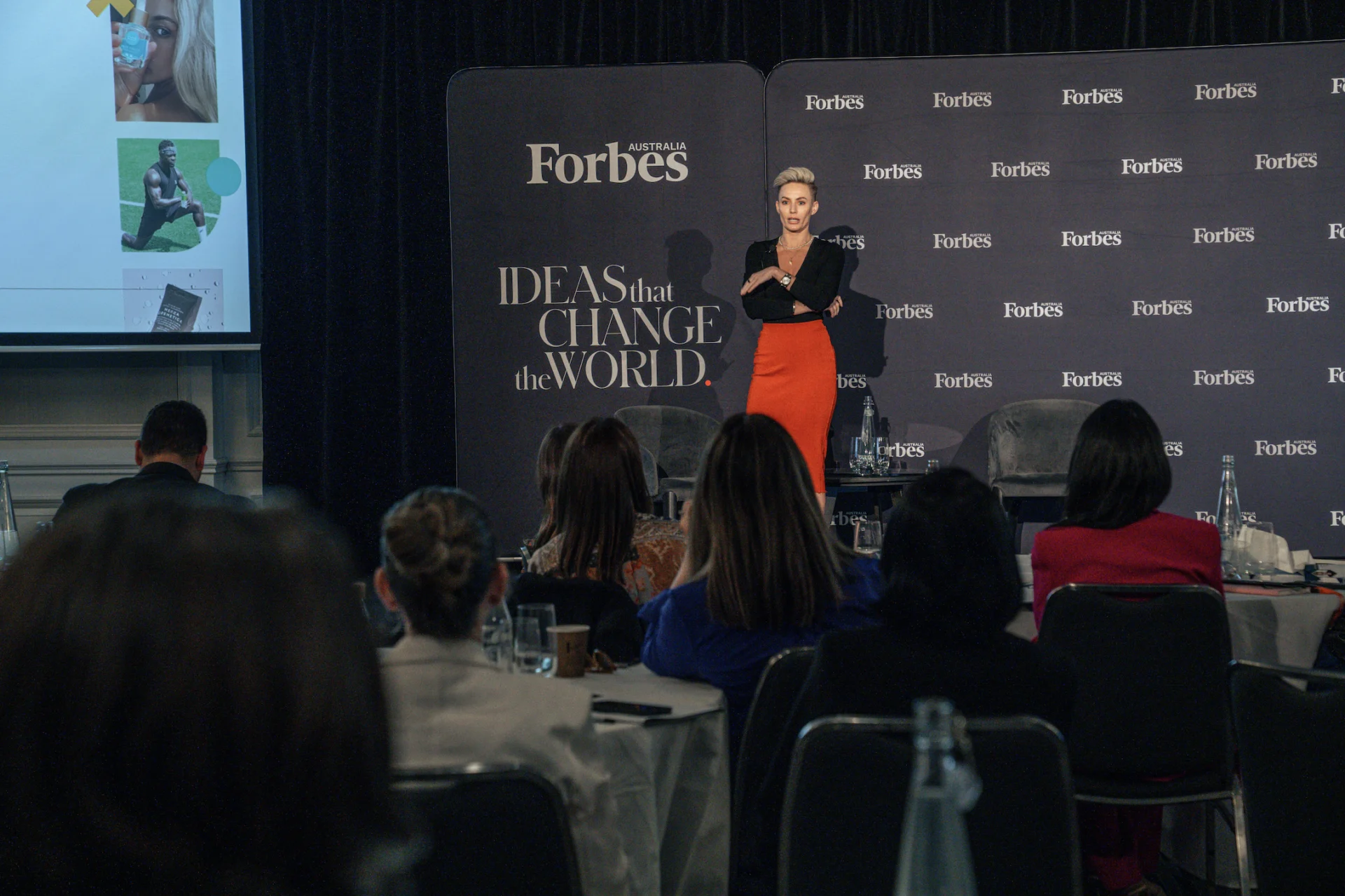
Taryn Williams: I don't think anything replaces founder energy of pushing big rocks uphill. LinkedIn is my public therapy. I think most people know that, and it's so brutal, like it really is. My name's Taryn Williams from Hash Gifted, and today on Add to cart, I'm here to talk about all of the ways we are removing friction in the influencer gifting and content gifting process for brands and creators, and making it a much more enjoyable experience for both sides.
Nathan Bush: Anyone who's ever a gifting campaign will know that gifting is one of those activities that is often a lot messier
Speaker C: than what it looks like on the outside.
Nathan Bush: Everyone wants creator content and nobody wants
Speaker C: to pay influencer rates.
Nathan Bush: So gifting is often thought of as the easy option.
Speaker C: It isn't.
Nathan Bush: You send the product out, you hope that it lands, and even when it does, connecting the results from one gifting
Speaker C: campaign to the other can swing widely.
Nathan Bush: Joining me today is someone who may have just solved this, and it is Taryn Williams, the founder of Gifted, and she's got quite a big story beyond that. Taryn was scouted as a model at 15, well before the influencer industry is
Speaker C: what it is today.
Nathan Bush: At 21, she founded Wink Models, which she still owns and now represents more than 650 models across six divisions. In 2015, she launched the Right Fit, a marketplace connecting brands directly with talent. She raised two and a half million dollars for it, grew it to 17,000
Speaker C: influencers on the platform and 11,000 clients
Nathan Bush: across the region, and then sold it three businesses, all of them created around models, influencers, creators and brands. Today, she joins us as the founder of Gifted, which is now being used by Koala and ghd, Bondi Sands and Grilled. When I first came across Gifted, I thought it was a fascinating way to put a system around gifting as a campaign. For example, they have a library of creators who have already put their hand
Speaker C: up to receive gifting. In return for creating content, they've got
Nathan Bush: orders placed and checked out through your existing Shopify process. They've got reviews running in both directions
Speaker C: for both creators and for brands, and
Nathan Bush: they've got content coming back in through the platform so you can actually see the results of your gifting campaign. So bringing that all together makes gifting
Speaker C: not only a lot easier to manage,
Nathan Bush: it also makes it a lot easier to measure. In this conversation, Taryn gives us the full rundown of how she came up with Gifted and how it works. Today we get into the strangest thing that anyone has ever listed on the platform as a gift, why she makes the brands and creators review each other and we go on a little bit of a tangent where we talk about how Taryn has been feeding her own WhatsApp messages into Claude and asking it to be her personal life coach or therapist at times. Now, just quickly, before we get into today's episode, I want to say a huge thank you and shout out to our partners Shopify and Klaviyo, who have supported us for many years. We always appreciate their support and and being at the top of the game in e commerce.
Speaker C: We couldn't have asked for better partners. So thank you to both of them for making all of this possible.
Nathan Bush: Now, if you haven't already, go on over and sign up for the Add to Cart newsletter. Every time we publish a episode like this, we put it all into one cheat sheet with the main points and the main takeaways that you can implement
Speaker C: in your e commerce business straight away and we send it to you.
Nathan Bush: So even if you haven't listened, you get the cheat sheet, head on over to add to cart.com to sign up
Speaker C: for that one for free.
Nathan Bush: All right, here's the conversation with Taryn Williams from Gifted.
Speaker C: Taryn, welcome to Add to cart.
Taryn Williams: Thank you so much for having me. I'm really glad to be here.
Nathan Bush: Awesome. So nice to have you here.
Speaker C: Like, we were talking just before this and we've been in the industry together for a long time and not to make us old, but we've never actually spoken.
Nathan Bush: So I'm really stoked to have this
Speaker C: opportunity to sit down because every time
Nathan Bush: that I see your content I'm like,
Speaker C: I really want to know what Taran thinks, especially when it comes to influencers and content.
Nathan Bush: And that world which you were well
Speaker C: and truly ahead of before is the thing that it is today.
Taryn Williams: Yes, not aging me either, but yes, I have been in this space for a very, very long time and I've sort of seen the evolution from traditional talent, obviously with my first business link models right through the right fit with being very, very early in the concept of sort of influencer and creator and then into hash gifted with UGC content creators, Nano and Micro influencers. So yeah, sort of. I feel like I've seen it from both sides as well, from sort of brand side in the companies that I advise and then talent agent side and platform side. So yes, it's been an interesting sort of 15 years I think.
Speaker C: Just a few things to cover.
Nathan Bush: I want to go back to when
Speaker C: you started Wink because you started Wink at 21 with 30k of your own savings. And obviously back then, influencers, content creators weren't anything like they are today. Did you ever see it turning into the industry that it is today?
Taryn Williams: No, absolutely not. You know, it was well before we had any of these platforms. The big change I was seeing at that time was really a shift towards ethnic diversity, real people in campaigns. The shift away from, I think, traditionally in Australia, we'd had a very traditional view of what Beautiful was or how you represented your brand in media of all kinds of. And Wink really started both to, you know, change how models were paid in the industry, but also because I could see this gap where there were brands like Qantas, who were one of our very first clients, Nokia. This is how businesses. I started business when I was 21, so it's 20, 21 years old, basically. So Nokia were one of our big clients and they wanted real people who, you know, are still attractive and aspirational, but weren't like white, Caucasian, tall, skinny models. They wanted people that really represented the brand. And so, you know, what if I sort of extrapolate that, it really does sort of reflect in where we've ended up now in marketing, where really the true representation of a customer is ugc. Right. Like, and. And having micro and nano influences portray and showcase a brand in a really, really authentic way. So. But did I see it at the time? Absolutely not. Like, I never could have predicted the changes that we've seen in the media landscape and how consumers engage with brands. Yeah, definitely did not see that coming.
Nathan Bush: I love that vision.
Speaker C: Do you think we've actually reached a point where we've got good diversity in Australia of representation of different cultures and different personalities?
Taryn Williams: Look, I think we're certainly doing a better job. What I hate to see is brands being persecuted online when they've had a go and they've really tried. And, you know, social media, unfortunately, is the worst place for this. A backlash of people saying, well, yes, you've showcased size diversity, but you don't have a size 22. And, you know, clear example was an activewear brand that we work with who had, I think, done an incredible campaign. Ethnic diversity, size diversity, age diversity. They're a small business, you know, probably sub $5 million revenue. And they had people sort of saying, well, but yes, you should be doing a size 22 or you should be doing a size 4 in every single SKU, every single product. And, you know, there's just not commercially viable for a brand. And so it was really disheartening to see what I thought was a really beautiful, diverse campaign, you know, and the brand still having a tough time of it online. So I think we're doing such a better job, obviously, than we were 15, 20 years ago in diversity. We actually have a couple of models at Wink, for example. We have two in wheelchairs. We have a deaf model. We have a model who works at the walks of the cane. So, you know, we're really sort of representing diversity in all its shapes and sizes. And I think that that's really nice and really positive. So I think brands are much more aware of it than they were before. I always like to think people are inherently good and they're trying to do the right thing. They don't want to be tokenistic. They really do want to accurately reflect their client base. So I think we've come leaps and bounds. You know, is there still a way to go? Of course. And I think, you know, brands are actively working on that. And, you know, I think consumers have held brands to account, and that's sort of helped in the progress that we've made.
Speaker C: Yeah, I love that you've taken that counter side there in that for those brands that are trying, because it still does stand out. Right. You see someone representing different ethnicities or potentially different levels of ablement, and it stands out to go, actually, they're trying something. They're doing something. And it's really, to your point, unfair that they get labeled out instead of the ones who don't try anything. They just go under the radar.
Taryn Williams: Yeah, exactly, exactly. Or they, you know, called out and told that they're tokenistic or like, let's try and celebrate the good here. And, you know, brands are trying, and they're, you know, making moves towards. Really? Yes. Trying to be more diverse and thinking more holistically about beauty and representation. So, yeah, yeah. Assume positive intent is always what I like to try and say.
Nathan Bush: I love that.
Speaker C: That's something we've been talking about, actually, in our family, is assuming positive intent. And I got pulled up on it the other day. I was in the car, and I was like, someone was being a dickhead on the road, and I was like, I was doing a little bit of raging.
Nathan Bush: And then my kids actually pulled up,
Speaker C: and they're like, dad, assume positive intent here. And I'm like, oh, my God, you
Taryn Williams: actually listened to me the one time.
Speaker C: But we could absolutely take that advice when it comes to diversity and the efforts being played there, when your clients have that situation, when you can see that they're really trying. Right. And making the effort, and they're still copying that social media backlash or criticism.
Nathan Bush: How do you encourage them to respond to that?
Speaker C: Do you actually say play into that or ignore it? Where do you go?
Taryn Williams: Always be honest. So I think that that is the, you know so many brands delete comments or defensive in how they respond. Just always be honest, have a very clear position and don't play into the online vitriol and hate like it's just, it's never going to get you anywhere. But I think you know, responding to criticism and it could be a whole range of things. I mean we've seen so many examples of this in, in the Australian sort of e commerce landscape over that, you know, whether it's you know, brands not being able to fulfill orders, brands going into administration. You know, there's been some, you know, ripe examples over the last six months. I think just being really, really honest with your customer base and people will I truly believe forgive you if you're clear and you're honest and you are, you know, hold yourself to account and that you provide them the information that they need. So I think that is my go to stance for any kind of online vitriol or challenging conversations. I think it comes across to customers, I think they can see that and sense that and feel that if it's true and honest.
Speaker C: I agree especially if you have gone out with good intent that can shine through if you come back with the honest version. I want to go into gifted because this is your latest venture and by latest I mean the last few years and it really stood out to me when your team came to me and said hey, have a look at at this. And I was like oh, I haven't seen anything like this before. So I love the idea of gifted. And you've already had some incredible success with brands like Grilled Koala, ghd, Bondi Sands using the platform. What is the idea behind Gifted for those who haven't seen it?
Taryn Williams: Yeah, so about 15 years ago I started a business called the Right Fit which was a two sided marketplace for creative talent where you post a job. Think of it like an air tasker and upwork post a job for any kind of creative talent, photographers, models, influencers, actors, creative directors, the whole nine yards. And we would match you with talent. You could chat back and forth online, select who you wanted, book them in. The transaction was all happened online, insurances, contracts, all of that stuff. And through building that business, it was right around the time, you know, sort of peak influencers really becoming a thing in Australia. Brands wanting to find and engage with them not really knowing how to do that. And this platform really served, I think, a really great purpose for brands being able to find and discover what they needed. But the big trick I realized we'd missed was gifting and contra. And so we have brands constantly coming to the right fit saying, great, you know, we've got this great holiday in Bali or we've got this amazing cosmetics range or we've got, you know, this new range of fashion items that we want to launch. And we're looking for Nano and micro creators or UGC creators. I'm going to give them, you know, $500 worth of product in exchange for social media posts. And I was like, oh, we charge a commission. We can't charge 15% of 500 worth of clothing. Like that doesn't work, we can't one pair of pants, you know, it doesn't work like that. And on the flip side, we had so many creators who were directly reaching out to brands saying, hey, I've got an upcoming engagement party, I'd love to have a dress from you in exchange. I can cover it on my socials and create UGC for you or you know, I'm coming to Singapore, can I have a nights free accommodation in exchange for X, Y and Z. And because I have a small social following myself and people have my address. And so I was constantly being sent unsolicited gifts to the office and I felt really bad because a lot of them were like, you know, small brands or for PR agencies that I have a great relationship with. And I was like, oh, I feel like I should do something here but it's unsolicited and I actually have a brand partnership with a cosmetics brand so I actually can't post this. And I thought, God, this is a really broken and fractured process and can be back to my blissful naivety of building my first tech product. I was like, I could solve this with technology. So I actually took my head of product from the right fit and I said, look, I'm going to build a little tiger team. This is going to be a really simple business. It's going to be a five page website. I've mapped this out. Here's the Figma files, here's how I'm seeing it work. You know, could you just spin this up on the side? It's going to solve contra gifting. I just really think that it's going to reduce waste, it's going to allow creators to actually opt in and receive things. It's going to help brands find people who genuinely want Their product. This is a no brainer. And so that started as a very small idea that was supposed to be something that is a little sort of side business and has grown into what it is today.
Speaker C: What's a tiger team.
Taryn Williams: So basically just a little spinoff team from the core product. So they had previously worked at the Right Fit. And I was like, look, you know, I'll give you six months to build this thing. It's a, you know, go in hard focus on this one particular problem. And to his credit, you know, my head of product was phenomenal and was like, you know what, I think we should make it like a dating app. You know, you should be able to swipe left and right on products that you want to be able to save. And I was like, that is a very cool idea. So it went from kind of being like a jobs listing board of basically like here's all the stuff you could be gifted to. So for people who haven't used hash gifted before, basically on a creator side, you sign up, you create an account, you add, you know, how old your children are, do you have pets, your hair type, so much information about yourself so that we can accurately match you with stuff that you might want. Because obviously if you don't have children, you probably don't want kids gifts. And then it is exactly like a dating app. Every single day you wake up and you can swipe through and swipe left and right on things that you might want to receive as a creator can obviously click in. Read more about the brand. You can search as well. You can go and search like, okay, I need a hotel partner or whatever. But the idea was to make it light and fun and low touch and easy for a creator to engage with brands that they genuinely want to receive products and services from. And from a brand side, reduce that friction of either having to go to a PR agency who's probably going to charge you 10 or 15 grand a month and they've got a set. And understandably from a PR agency perspective, they can't have a, you know, we have sort of 11,000 creators that hash gifted, like PR agency can't have a directory of 11,000 creators. That's, you know, would be impossible to maintain. So this gives them the ability, a brand, the ability to find people who do have curly hair or who do have suffer from acne or are plus size creators or whatever it might be and want to try their products and services. So that was the initial concept and yeah, it's now sort of 11,000 creators and like 5,000 brands and yes, turned into something a little bit bigger than Ben Hur than it was originally intended to be.
Speaker C: Not bad for a little spin off
Nathan Bush: team with a Figma file.
Taryn Williams: Yeah, guilty as charged with my thing as a founder.
Speaker C: Because we were talking before the show and you're like, look, it's my business, but I've got a great team there now who are operating it still across it. But I'm not in the detail is that your kind of mode of operation is getting in there with the detail, with the idea straight up and getting deep in it and then getting it to a point where it's proven and scalable and then go, all right, cool, you run it now, guys, go for it.
Taryn Williams: Yeah, look, I was straight off the back, so I sold the Right Fit and the Influencers agency to international hub acquirers about three, three and a bit years ago and it was pretty much within six months of the exit I had and I obviously had a 12 month handover. I'd started hash gifted six months into that. So I very much was clear from day one that I was like, I can't go again. I was, as you can imagine, growing and scaling a business that had 17,000 clients across APAC offices in Singapore and Hong Kong. You know, it was a, it was a big, big journey, venture capital backed, blah, blah, blah. So after that I was like, I need a sabbatical, I need some time out. But I had this burning idea for Hash Gifted and I really could see that it could solve a real problem. So I really was very clear from day one that I wanted to build this and bring in a team to execute once I had got it to sort of a comfortable position and, you know, enough of an indication of product market fit that I could comfortably let it go. It is really hard as a founder. I don't think anything replaces founder energy of pushing big rocks uphill. And inherently, you know, you're so close to the product and I had the benefit of being so close to both sides of the marketplace and really deeply understanding their needs and drivers. So I think that sort of zero to two years really does require brute founder force. And now I'm in a very fortunate situation that I get to work across a portfolio of both my own companies and I sit on a bunch of boards and do consulting work and get to kind of, I guess, yeah, have a true portfolio career and, and see gifted go on and thrive and succeed and grow without being in the weeds day in, day out.
Nathan Bush: What would you do if you had 80% of your time back Sleep, obviously. Well, that's roughly what Pillow Talks marketing team got back. The Aussie betting institution with 73 stores and nearly 50 years of history was burning hours every single week just building segments and reports. It was a job that took multiple people across. Disconnected tools, nightmare stuff. So they moved everything into Klaviyo. Suddenly, tasks that took an hour and three people takes a few minutes and a single person. That's an 80% cut in time spent on, on segmentation and reporting, freeing the team up to actually build relationships instead of wrestling spreadsheets. And the results are anything but dozy. With Klaviyo attributed revenue up 120% year on year last quarter. For a betting brand, those results, they'd give you a decent night's sleep. Head to klaviyo.com au and see how brands like Pillow Talk are doing.
Speaker C: Yeah, I love that you said, you know, I didn't want to go and establish something else. So now I've got a triple career portfolio.
Taryn Williams: Yeah, I was originally supposed to take a 12 month sabbatical and I was going to go and lay on a beach and, you know, do nothing and change my name and, and move to a tiny town in Italy and switch my phone off. But, you know, I think founders are wired a particular way.
Speaker C: Yeah, yeah, I like. It's a really great lesson for a lot of founders out there who, you know, that intention that you had from the start of this, knowing your role to go. Actually my role here is in the idea getting the team set up, getting the model proven and then stepping away and letting the team run it. Having that vision from the outset I think is probably the, the experience that you've had over your startups that has led you to that, I would assume.
Taryn Williams: Yeah, I think it's knowing what you're good at and where you thrive and where you derive satisfaction and you know, I was in a fortunate position that, you know, I could fund the business and bring in a team from day one and that I didn't have to, you know, I suppose do that solo and that I knew what was going to give me joy and satisfaction in sort of the next chapter of my life. And building a startup is really hard. Like, you know, and people maybe don't talk about that enough. And I know the journey that I went through with the right fit and that it was an all consuming journey for sort of nearly 10 years and I loved it and I absolutely enjoyed that process but it was absolutely all consuming and I was like, I need to breather from doing that again.
Speaker C: I can imagine, especially because a lot of your models are dual sided marketplaces. That to me feels like it takes double the effort of a standard business where you're building a product or building a brand. You're building a marketplace where you've got to have two very distinct audiences seeing value straight up.
Taryn Williams: Yeah. And I was very, very clear with Hash Gifted while it has marketplace elements. And you're absolutely right, you know, we require a good liquidity point. We need supply and demand on both sides, all of those things that it would be a SaaS business. I really made a decision even before starting Hash Gifted. I was like, whatever I do next will be a SaaS business because marketplaces are incredibly hard. So like no more marketplaces done with learned, you know, all of the intricacies of building. Especially because with the right fit, it was geographic supply and demand. Right. Like you needed to have the client and the talent in the same city sometimes down to, you know, postcodes. So yeah, it was very, very clear that whatever I did next was, was going to be a SaaS business.
Speaker C: I love it.
Nathan Bush: So the question that I think a
Speaker C: lot of our listeners will be asking is gifted sounds fantastic. But what's the size of the content creators or influencers who are happy just with gifts in order to create content versus those who actually want the cash?
Taryn Williams: Yeah, so I always say I think you need to be really realistic with yourself and realistic with your position in a market as a brand. So for example, a dear friend of mine owns lanolips, the lip gloss and lanolin brand. And that is a super cool brand that is, you know, people love. It's something that fits organically into your day to day life that people would authentically post about anyway, you know, their makeup routine or get ready with me. And they do a fantastic job of doing really cool collabs, you know, just did a collab with Alan's Lollies which I think is super cool.
Nathan Bush: What is it with makeup brands?
Speaker C: Engine fictionary at the moment like the MCO Beauty and Cadbury.
Taryn Williams: Yeah. And I think loads of people have collaborated with Messina. Like I think it's that. Yeah. Because it's sweet. So I think a brand like that, you go fantastic. You can do mail outs to influencers with, you know, it's not even about the value of the product. You know, it can be just done in a really chic, cute way, how you package it, you know, what it looks like. We always say things like, you know, include beautiful handwritten notes or something personalized to the creator and you will almost certainly get great social coverage because it is a brand that authentically plays to social media and that people would already be organically talking about their beauty products and routines. So I think it's about, as a brand, being really, really honest with yourself. Is this something that I would, you know, as the founder of the business or people in your team, would you authentically, organically post about it? Yes or no? So restaurants, hotels, like, all of those things, you know, really play really well into fashion, beauty, skincare, all of those things? Absolutely. It plays totally organically into that life. But if it's something that people maybe would not organically post about, then just be really realistic that you're going to have to make the offer far more engaging or, you know, either offer a higher product value or. We always say to brands, like, you know, the good example, we had a tea brand, like a drinking tea brand very early in the day at hash gifted, and we had a $150 minimum. We've reduced that now I think it's $50, I can't remember, but $150 minimum when we launched the business. And so they were like, well, we'll gift $150 worth of tea. And I was like, I don't think anyone needs, you know, whatever. It was 30 packets of tea. And I said, well, think about it in a different way. Why don't you package it up with two beautiful teacups, a teapot, a beautiful serving tray, and two packets of the tea one? You're controlling the content that's going to come out. You can choose packaging and teacups and pots that are in your brand colors that have, you know, esthetically aligned with the type of content you're trying to make. So you're kind of controlling what you're going to get back, but you're making it really easy for someone to go, oh, my God, I would love that. And I can already organically see how I could create content with that. Having a beautiful breakfast, serving it on this tray, having my tea. No brainer for a creator, right? Like, you've made that really easy. So simply by thinking outside the box a little bit and going, I don't just need to gift volume of my product. I just need to make it a really appealing gifting experience. So I think any brand in the world can do that. So I think it's just about stepping outside of thinking very linearly about, I only have my product to gift. Well, no, you just need to make engaging gifting experiences that also help you get Better content back.
Speaker C: I love that. That's a really great tip. Especially around building for the influencer and the situation that you want to or the scenario that you want to be represented in and how you want to be represented. There's almost like there's a tax for being a boring brand and that tax is paying influencers.
Taryn Williams: So. Well said. I'm going to steal that. I love that. Yes.
Speaker C: And tell me about the $150 gift value minimum, obviously down to $50. Now, where do you recommend in terms of where you. Where have you seen the best return on investment when you're gifting? At what level of gifting? Like, is there a point where you go, actually, you're giving them too much of a gift and it just doesn't pay off?
Taryn Williams: Yeah. I always sort of say, just be really realistic with yourself in what you're asking. Sometimes I see brands post things on Gifted and it's like, you know, we're gifting a, a set of seasoning, for example, some cooking products, sauces and seasoning. And they're like, you know, we want an in feed post, we want a recipe created, we want three stories, we want content approval before it goes out. And I'm like, you have just made the barrier so high for someone to want to engage with you. Whereas if you said, hey, look, you know, we're gifting this seasoning products, we want to see what you come up with. We want you to organically use them. However, you currently showcase cooking and, you know, feeding your family or making meals for yourself at home, that's what we want to see. And that's going to be authentic. It's going to feel really good for the creator. The more contrived you make it, I think the harder it is for someone to succeed. And I understand it's really scary for a brand, right, Handing over control of your messaging and your narrative and how your brand shows up online. But that's what's powerful about creators. They've built trust with their audience for years and years and years. They know what their audience want to say. It's going to look super jarring if all of a sudden they go out and start, you know, posting something that feels very contrived or clearly is an ad offering. So I think firstly think less about, okay, how much as a monetary value do I need to offer? But how can I feel comfortable as a brand relinquishing control and saying, this is our brand? Of course you can say, like, here's our brand guidelines or our colors, or here's A little bit about us. Here's some two or three key messages. You know, it's all organic or whatever, it might be made out of sustainable fibres, whatever. That's really great. That's really helpful to a creator. Obviously, the more appealing that you make, you're offering and whether that is the monetary value of it or whether that's making it a very cool experience. So, again, I always say to brands, like, you don't have to just do it. Like, we've had some amazing beauty brands where they've done. Instead of just, you know, gifting product, getting some unboxing, getting maybe people using the products on their skin, they've gone, we're going to do a nights hotel stay. We gift you and your bestie, we're going to get you super cool robes. We're going to get them, you know, they're going to be in our brown colors, they're going to have our logo on them, we're going to have them monogrammed with your name and we're going to get you and your bestie a night stay and we're going to kick you out. We're going to have decals on the mirrors. Like, what an amazing experience for a creator. The volume and type of content you're going to get out of that is so much more valuable and such higher quality than if you just send out, you know, So I think there's a place for all of it, I think, is potentially a better way of saying it is. There's times where you just go, we're launching a new hand cream. We're going to gift a thousand units and we're going to gift, you know, we're purely going to send them out. That's it. You know, we want to flood the market with brand awareness. We want to get some views on the website, we want just people posting it organically. Amazing. And then there's times where you go, we want to do a more structured and more involved campaign. We still only want to do gifting, we don't want to pay. But how can we make that a more, you know, integrative experience for both the creator and the brand, with the goal of driving sort of higher quality content, higher volume of content and accepting that it's going to be a heavier lift on the brand side?
Speaker C: Yeah, that makes sense.
Nathan Bush: What's the most unique, gifted offering that
Speaker C: you've seen being put on the platform so far?
Taryn Williams: God, that's a good question. Lots of things that. Like an automatic window cleaner robot, things that like that, that I didn't even know existed. I was like, that is so interesting.
Speaker C: I can see I would get excited about that.
Taryn Williams: Yeah, I was like, I can see how if you've got a house with lots of glass, that would be like amazing. Like I only knew the robot. Some amazing international holidays, like where I'm like, I want to go on a seven day cruise around the Pacific, take me to the Maldives, you know, things like that, where you go, that's really cool. And then of course, like everything sort of weird and wonderful in between. So, you know, like the things that you think, okay, this is going to be a hard sell, period underwear, you know, adult products. So vibrators, self pleasure tools. So you go, okay, well I don't know how that's going to go, but you know, let's see. The whole purpose of gifting is putting the control in the creator's hands to say yes or no if they want to receive it right.
Speaker C: And I can imagine too with some of those brands they are really hamstrung into how they advertise. Especially when you start getting into some of those categories that meta might not like as much. If you're able to use influencers or creators to tell your message in a more organic way, then you've got a better chance at reach.
Taryn Williams: Absolutely. Yeah. It's definitely one of the things we've seen with heavily regulated industries where, yeah, it's so hard for them to get ad sets approved. And this gives them, firstly, it's something that, yes, it's very hard for them to even get paid creators to engage with. So it gives them the opportunity to see, say, look, you know, this is the brand, this is the product. Please bring it to life in a way that feels authentic and natural for you. I always try and remind brands as well that part of gifting is social coverage. Right. Like, of course, in this day and age, everyone's like, I want social coverage. But you also get what I call dinner party conversation. And what you want is those people becoming little mini brand advocates for your brand. And they go, oh my God, like, you know, I tried this incredible protein powder the other day and it tastes so good. I've never had a pineapple flavor one before and I really love it and it didn't make me bloated. You know, they tell five people at the gym, they're telling their girlfriends over lunch, you know, that's really, really powerful. And obviously you can't measure or track that, but we all know how powerful word of mouth is. So seeding is such a powerful Opportunity purely for that. Even if you get zero social coverage.
Nathan Bush: Yes.
Speaker C: Selective sampling, isn't it? If you're, if you're on a street corner only picking the people that you know actually talk to, a lot of people, then it's a pretty good platform for that.
Taryn Williams: Exactly. And I always think, you know, think back 10 years ago, 15 years ago, 20 years ago, where you would see people out sampling in the streets, right. Like they would have at train stations or town hall. There would always be people handing out samples of whatever just launched a new deodorant or whatever. And you know, you just don't see that as much anymore because social is the new town square. So that's where people are discovering products and services and getting recommendations. And so I always sort of say to brands, don't forget that that was for decades. That was an incredible way to launch products and get that word of mouth virality. So think about how you can do that now at scale through product gifting and service.
Speaker C: It's actually really funny. I took my kids to the football, the NRL last weekend and it was down the Gold coast and they were most excited. They were like, oh, there's going to be so many people like giving out free stuff before the game and like they were just waiting to get there and like have chip vendors and all this sort of stuff. There was literally no one. And they were so disappointed, devastated. It is a lost art, I think. So it's great to see it coming through in these platforms.
Nathan Bush: I'm keen to go down the path
Speaker C: of the measurement there because I think it's a good nuance that's useful to unpack when you're doing this kind of activity. I saw that Koala have already stated that some of their highest converting ads came from reusing their gifting content and grilled turn $150 voucher into 2.1 million people reached.
Nathan Bush: Do you find that brands are measuring
Speaker C: their gifted campaigns in different ways and it has to be for the purpose of the campaign rather than one way of measuring gifting?
Taryn Williams: Yes. The short answer is because we see such a diversity of size and sophistication of brands from like a startup where this is the very limited sophistication in their digital marketing efforts or their broader marketing efforts. Part of the reason I built the platform is I wanted to democratize content, right. I didn't want it to be tightly held by brands who could only afford to you run $20,000 a month campaigns on meta like you can start building a brand and getting some, some reach Purely, you know, with our starter plan. So we really wanted to unlock that. So we do see all levels of sophistication through to, you know, obviously some of the brands you mentioned who have incredibly sophisticated measurement frameworks where they are looking at not just, you know, the likes, the comments, the reach, the engagements of the piece of content on a creator's own social platform, but they're then, you know, repackaging that and using it across, you know, all of their performance marketing. And they're measuring how each of those content creators that they've engaged with are performing across paid ad sets as well. Which I think is, you know, the absolute best case scenario when you've got a brand that is detailed enough to measure. Because I do think sometimes brands can go, oh, you know, I've written a ranty blog about this somewhere. I can't remember. It's on probably on my personal website. But, you know, I paid an influencer to do a post, one post, and I didn't sell out a product. And I thought I was, why, you know, influencer marketing doesn't work. And I'm like, that is not a cohesive campaign, right? Like, you need to think about the full funnel. How are you thinking about who are you using for top of funnel purely for brand awareness, you know, how are you thinking about the messaging through the rest of the funnel? Like, who are you choosing for, you know, really focusing on conversion and what are the messages that you're having that person use and are you incentivizing them with, you know, discount codes and all of those sort of things? Do you have tracking set up? How do you know how many people came from that one influencer post actually to your website if you didn't have UTM links or anything like that? So I think there's a big missing piece. And you know, sadly it is still the case where one, they think you absolutely just cannot measure the effectiveness of influence marketing. And of course there's going to be, there is the periphery that you can't measure, right? The brand sentiment of being associated with a particular person over time and how much that changes someone's perception of your brand or whatever. But there's absolutely things that you can measure. So I think for a brand, I always say, like, what is it that you're trying to achieve? Because that's usually the bit that funnily enough is kind of missed. Like, okay, well, are you. Obviously everyone wants to drive sales, right? Like, okay, but that can't always be. Is it about, you know, repositioning the brand and market? Is it trying to attract a younger demographic? Is it trying to drive sales of a particular new product? Is it trying to build your newsletter subscriber base? Because all of those things have different mechanisms that I would recommend. Like maybe it's running a competition with the influencer to, you know, if you sign up to the database you get X, you are obviously if it's driving sales of a particular new product, you're going to have a multi prong approach. You're going to need really great UGC on your checkout page that showcases, you know, the exact product, how to use it, multiple different being used on different people, different ages, different sizes, all of those things. So I think just really understanding and thinking about the why and what you're trying to achieve and then building a measurement framework around that so there's no sort of silver bullet solution and particular measurement framework that works. But in short, I think think about it and try and measure it and just accept that, you know, it's a process of iteration in figuring out what works and what doesn't for you as a brand and iterating on that over time.
Nathan Bush: Expanding into new markets isn't just about selling more, it's about selling smarter. Every region has its own rules, currencies and customer preferences. But with Shopify, global expansion is simple. Localize storefronts, tailor experiences and build trust all from one unified platform. Shopify removes complexity so that you can focus on growth and deliver tailored shopping experience experiences for every market in store and online. Accept over 100 currencies with Shopify payments for fast familiar checkouts and use built in analytics to identify your most profitable markets. One platform built for global adaptability so you can scale without growing pains. Visit Shopify for enterprise to learn more and start selling worldwide.
Speaker C: I really like that is be purposeful and have the right mechanics in place to get to that specific goal when it comes to driving sales. Because I like your point, everyone's like, oh, I just want to sell more stuff and it'd be great if we went from seeing an Instagram story to buying straight away. We know that doesn't happen. Do you find that many of your brands are also doing affiliates? So it's like, yeah, great, here's the product, but we're also going to incentivize you for driving sales.
Taryn Williams: It's much less popular in Australia than it is in the US and Europe and I think that's due to the size of the market. I think in the US creators can actually make significant revenue because the market's so much bigger there from affiliate commissions. And so obviously you've got businesses like LTK and Style Shop my that really, you know, almost exclusively pay affiliate revenue to creators of all sizes. So in Australia it's much less prevalent. My read on that is because it's predominantly the size of the market and the expectation here is that an influencer is paid and that's sort of how the industry has sort of evolved. I do think with the right mechanism it can really work. We've worked with brands across a multitude of my businesses where affiliate revenue has been incredible. And you know, we've seen influencers earning, you know, thousands of dollars a month through affiliates. That is very rare. Most businesses, okay, depending on the type of product, most consumers obviously have a, a checkout experience that is going to include, you know, going from the influencers page, the brand's page, looking at the brand's own social media feed, maybe thinking, oh yeah, quite like that. I'll come back to that. They're probably not going to save the post. They're probably not going to follow a direct path to check out. So affiliate revenue is not going to be accurately tracked. So I definitely think it's something worth including and thinking about. The campaigns and affiliate strategies that I've seen work really well is where both the discount to the consumer to convert quickly is very high and also the affiliate mission to the creator themselves is very high. So you need to be in a business that allows you the margin to do that to really AG one. Athletic greens is a fantastic example, you know, where they, they pay 30 or 40 commission to. And actually that's a. Sorry, long answer to short question.
Speaker C: No, it's a great answer.
Taryn Williams: A great example of a brand who has thought really well about influencers. Like you could have just said, okay, well we're just going to do health and wellness influencers or you know, naturopath dietitians or whatever. And they've actually gone, you know, they know podcasts are a high converting channel for them. So they've found fantastic podcasters who do long ad reads or intro reads and talk about the product. And they give them a very, very high percentage of the first transaction or the ongoing subscription. And so they've become really, you know, incentivized brand advocates. So I think thinking about who is the person that shifts the needle for your brand, it may not necessarily be the person that you are. You know, you've got this contrived idea of a gorgeous influencer who's, you know, really pretty and has a gorgeous contrived social media feed. It may actually be, you know, someone completely different to that. So just thinking more holistically about what move the needle for your brand and how you engage them and on what platforms.
Speaker C: I love that. That's AG1's a really great example, I think, because you've obviously. Well, I don't know, maybe I'm getting targeted is you've got Hugh Jackman up top, front and center as a brand ambassador, the celebrity influencer. But they've obviously got a pyramid or a layer of all different levels that they need to get into. And we talked a lot about this with Dave from Converse Around. Don't just put all your eggs in one basket. It's actually got to be layered.
Taryn Williams: Yeah, absolutely. And you do want a consumer feeling like, gosh, I'm seeing this and hearing about this everywhere, you know, and really the fantastic thing about direct to consumer brands or online brands is you can get so granular now, like in knowing who your customer is, what else they look at online, what they engage with, what podcasts they listen to, what influences they follow, what other pages they follow, what publications are going to be meaningful to them. So you can build, in a very targeted way a campaign that really does make them feel like, my God, this is AG1's an excellent example. Feel like I see it everywhere. No, I just see it everywhere because I'm probably their ideal target consumer. And so they've managed to, you know, saturate my channels.
Speaker C: Have you bought it yet?
Taryn Williams: I have. I actually used to buy it before you could get it in Australia. And you had to. I have a forwarding P.O. box from the U.S. so it really got me. I really was like, I need this grain powder is the same as every other bloody grain powder. But I specifically had to have this one anyway.
Speaker C: I love it. One of the most interesting things I think about the way you've set gifted up and it makes a lot of sense now that you set this up as a SaaS business rather than a marketplace, is the integration with Shopify, which I think will appeal to many DTC brands, especially of our listeners. What does the Shopify integration achieve for you and how does it make gifting easier?
Taryn Williams: Yeah, the platform was designed from day one to be able to do gifting at scale. So gifting is no fun if you're trying to do it scale manually. If you've got like an Excel spreadsheet, we populating addresses and you're going back and forth with influencers going, can I have the size 6 in this? No, that's out of stock. Okay, well, can I have the blue top? No, blue's out of, like, that is no fun. That is no fun for brand. And I think in many cases that's where gifting falls over is people go, it is just too hard, it's too time consuming. We just can't do it. We're not going to do it. We're just going to either pay an agency to send out 50 gift boxes or whatever to whoever, or we're going to do the very best we can with the internal resources we have, or we've seen this a lot, like have a full time intern, you know, on sort of minimum wage who is sliding into DMs all day. And like, again, not structured, not sustainable and super painful. So the point of being building the Shopify integration from day one was I really wanted to cut down that friction where you could as a brand go, this is what we want to gift. We want you to go and choose the skus that work for you. And we don't want to have to deal with, oh my God, that's out of stock. Sorry, we're going to have to go back to you. And can you pick this instead? It automatically decrements inventory and it means from a measurement perspective for a brand as well, you can actually say, okay, well, we gifted $5,000 worth of products last month. What was the ROI? How many pieces of content did we get? What sort of reach? How many pieces of content for ad sets? You know, so I just wanted it to be really, really streamlined from day one because otherwise the process sucks for both sides. Like it's super unfun. If you're an influencer and you're going, okay, yeah, like I'd love to try your, you know, gift me that summer outfit set. Can I have this and this and then going back, no, that's out of stock. What do you want said? You know, well, you know, up front for both sides becomes so high. So we really wanted that to be as easy as possible. And I think the Shopify integration really, really does that for both sides in just allowing you, you can do gift cards or give vouchers as well. So if, you know, if you want them to be able to shop just completely site wide, you can absolutely do that. Or if you want to make bundles, which is sort of how we've designed it, I mean, you can, you can say pick anything from this activewear set or this top in this pant in, and you can choose the skus and sizes and everything within that particular range. So we wanted to give it enough flexibility that brands can sort of gift in the way that they want, but without having to do the manual back and forth. And that was sort of the idea for the, the second part of the product. Because capturing the content automatically into the platform I think is the big sort of aha moment for brands in that what we were constantly seeing is because it's a contract gifting campaign, you don't know when someone's going to post and
Nathan Bush: are they obliged to post.
Speaker C: Is it like an influencer contract where they actually have to post if you send them something?
Taryn Williams: Yeah. So you get the opportunity to chat with the creator up to front before you book them in or before you confirm them. So you can say hey, like what we would really love is X, Y and Z thing. They can come back and say, hey, for contra gifting, I can do X, Y and Z thing. And you go, great, okay, that works for us, let's lock it in. Or you can say, hey, look, for this one we specifically need TikTok posts. The person can say, hey look, I actually only do Instagram or I can only do stories. I can't do an in feed post. Like you get to have that negotiation back and forth and then we have double sided reviews. So the brand reviews the creator and the creator reviews the brand. So there's that sort of trust piece there as well. So. But what we wanted to build with the content being automatically captured into the platform is of course like if you're a brand that is getting, you know, thousands of mentions online every single day, you may very well miss this. You might miss a story, you might miss a post. You may not know that that was from your creator campaign. In most cases, the person who's running your day to day social media account is not your marketing manager. Right. Like so that person is blind as to how effective was this campaign. If it's just the person in running the day to day social media account who's supposed to manually keep a list of who posted and who didn't. So in automatically capturing the content into the platform, it's really easy for a brand to see on a day to day basis. Okay, you know, six of 10 people have posted already in the first three days. We've got these four people, they can follow them up, they get automatic reminders and all of those things, but they just get a beautiful content library that they can see in real time. They don't have to go and download it from TikTok or Instagram or YouTube. It's just all there in the platform for them. So I just wanted them to have those easy. Thanks. It was really painful to build, so I'm glad you appreciate that.
Speaker C: I could imagine. Well, I haven't seen it done before when it comes to getting those content pieces. The part where I see influencer contracts get the most tricky is usage rights for paid performance. Is that a standard clause that you have with Gifted or is that negotiated contract to contract?
Taryn Williams: Yeah, standardized because again, it was such a friction point that I was seeing in the industry. So if you're on the starter plan or the intro plan, it doesn't include content licensing. So you cannot use the pieces of content through Gifted unless you then individually pay or negotiate with each influencer on our Pro Plus, I think it's called plans, it already automatically includes that. And so from a creator's perspective they can see which brands have content licensing included and which ones don't. So it's really transparent from their side. So if they don't want their content used for paid ads or amplification, then absolutely they can just swipe left and say no, I don't want to collab with that brand if the black brand needs it for paid amplification. And from a brand side it means you don't have to have that individual conversation over and over and over again with each creator of like, yeah, you know, can we pay you $50 for four weeks amplification or whatever. All of the painful friction stuff that we were seeing through influence campaign. So it's just all really streamlined. You can go through, see all your content, decide what you want to download and use in meta ads or in newsletters in, you know, on your e commerce platforms, just all automatically covered so you just don't have to think about it as a marketer.
Speaker C: Look at you solving it all just,
Taryn Williams: you know, was just that one small five page website really blew out of scope, didn't it?
Speaker C: You can see it did a lot of work. And then is it a monthly subscription model from a brand perspective, are there limits to how many gifts you can do or how many campaigns you can do?
Taryn Williams: Yeah, so there's I think three tiers at the moment. And so it's just a monthly subscription. You can obviously if you get an annual subscription, it's cheaper, you get a discount. I think it's about 20% cheaper if you do an annual plan. And yeah, the different tiers have both a different number of campaigns you can run per month. So when we talk about campaigns, it's like a gifting campaign. So you know, a gift bundle that you set up and a different number of creators that you can book per campaign. So we wanted to make it really flexible depending on the size and stage of business and also the number of SKUs and the number of products that you have to gift. You know, if you're a business that only has one product, well then you probably only need our entry level package and that will be enough for you. We also have a plan now where you can have multi brands because we had a, a number of larger organizations. Estee Lauder is a great example where they have, you know, they're a house of brands, they have multitudes of brands and so instead of them having to sign up and individual brand accounts, now they can manage that all under one infrastructure and link individual brand instances and change between them. So that was an unlock sort of probably maybe six or eight months ago.
Speaker C: Very cool. I'm going to ask you an awkward question. Who's the brands that are getting the 5 star reviews? Who are the brands that people just love working with?
Taryn Williams: You know what, it's the brands that give people really cool creative control where Wala has done incredibly well, Temple and Webster people, but they love the products themselves. Like Templinwebs have some, their gifting campaigns have really lent into, you know, some of their wavy mirrors and cool, very esthetic, very insta friendly armchairs like the tufty fluffy armchairs and things like that. And they're really great at giving full creative control to influencers. We've also seen like really, really beautiful campaigns run by beauty brands who again allow a lot of flexibility to the creators and who genuinely want genuine feedback. Like they are saying, we don't just want you to say this is the absolute best skincare product I've used of all time. They actually want to hear, you know, I really like the face wash. The moisturizer made me break out but I loved the serum. So you know, that's the kind of content that resonates online for consumer to go, I trust this person, I trust this piece of content. When I think you get too far into the contrived, this is starting to feel like an ad. Beauty and skincare and makeup I think is a great example. Find me an actual customer who uses absolutely everything just from one company. Like a girl's makeup kit is, you know, is a multitude of different brands. And so saying to a creator, well we want you to create a piece of content for us but we only want you to use exclusively products from our range feels super inauthentic. So I think the brands that are really leaning into going, we want to be a part of your universe. We trust that you know how to make us authentically part of your universe in a way that makes sense. I think they're the ones that are getting lots of social love, creators above and beyond and continue to feature the brand on an ongoing basis. You know, they don't just do the one post or the. The one, you know, story series or whatever, that they're actually talking about them in an ongoing basis.
Speaker C: That's a great tip. And I think we're seeing, once you mention that, you go, oh, yeah, we're seeing that a lot more and more in content around bad example. Get Ready with Me. And it's like all the little steps and you're like, oh, that product was in there for half a second. But that was enough because it seems genuinely part of your routine.
Taryn Williams: Yeah, totally.
Nathan Bush: I've got to ask you, because in our research, you seem like someone to
Speaker C: me who's really got their shit together. Like, you're just functioning at a really high level. You're everywhere, you're doing amazing things, build this amazing platform. You're doing board work, consulting. And I was reading through your. Is your substack that you mentioned earlier?
Taryn Williams: Yeah. I've got a blog and LinkedIn is my public therapy. I think most people know that.
Speaker C: Well, speaking of therapy, you've turned a Claude to be your life coach, as I understand, and you've fed it all your WhatsApp threads and all your information.
Nathan Bush: Information.
Speaker C: What'd you learn? Learn about yourself.
Taryn Williams: I just felt like I was using Claude for, like, things that were probably not, I mean, amazingly helpful for business. Right. Like, and it's transformed all of my companies and certainly made a lot of that. But from a personal perspective, firstly, I think the platforms, they really reinforce your own negative behavior. And, like, that's a great idea, Taryn. You should definitely do that. And so I was like, okay, I've had so much therapy over the years. I've had so many amazing mentors. I've had great life coaches, all of those things. I've read all of the books. You know, I know the theory, but actually, really, do I apply it in practice? And I was like, I'm going to. Obviously my Claude is already synced to my email, my calendar, all of those things. But what it didn't have access to is my WhatsApp, which is one of my core channels of communication. And so I was like, you know what? I'm going to feed it all of the sort of the methodology that I've learned over the years from different types of therapy, talk therapy, nlp, you know, a bunch of these and then various coaching methodologies and Gottman Framework for relationships. And so I sort of fed it all of that and trained it on some of the people that I think are really amazing. And then I gave it access to all of this information and I gave it historically all of my WhatsApp conversations with sort of key people in my life, both, you know, professionally and personally, and got it to really call me on my behavior and actually like, where am I succeeding in, you know, particular types of communication style? Where are there repeat patterns in how I show up personally and professionally that need work? And it's great because instead of seeing a, you know, a counselor once a fortnight or only seeing counselor when something's wrong, right? Like when you've gone through a big breakup or, you know, you've had a big disaster at work or you're really stressed and you're out raising capital or whatever, this is something that can iterate and be with me day in, day out, and that I can go to and go, okay, I've just had this interaction, or I'm about to have this interaction call me on, like, what am I missing here? What am I not seeing? And it's so brutal. Like, it really is. Like, yeah.
Speaker C: You've got to train it to be brutal, though, don't you?
Taryn Williams: Yeah, yeah. I would highly recommend it. It's confronting, and I think that's kind of good.
Nathan Bush: I love that I've got something running
Speaker C: in the background of mine. I love Ray Dalio's principles book.
Taryn Williams: Ah, yeah.
Speaker C: Not necessarily because of him, but just because I love the idea of, like, as you go through life, you build principles in how you make decisions based on past experiences. Wouldn't it be great if we documented our principles and whether they've been good or bad over time? And I've got that running in the back of my cloth at the moment as I'm making decisions and moving through things to go document my principles in how I make decisions. And then when I make new decisions, call me out if I'm going against my principles or I'm doing something that I've already proven that doesn't work.
Taryn Williams: I love such a similar concept. Yes. Like, I really like Ray Dalio's. Like, I know he's a bit canceled, you know, with some of the other areas of his life, but, like, the idea meritocracy, you know, that. And I always explain that to my teams, like this is not a democracy, but it is also not a totalitarian dictatorship. But we will have an idea meritocracy here. So I want to hear your ideas. Let's robustly kick them around and best idea wins. May come from anywhere.
Speaker C: Well, Taryn, it sounds like you've got an absolutely cracking idea with Gifted.
Nathan Bush: I love how you have just taken
Speaker C: an industry that was, to be fair, a pain in the ass to manage, especially from a brand and retail side. And you've gone well actually, how do people like to work from both sides and made it super simple and scalable for both.
Nathan Bush: So I think it's really exciting if people want to check it out and
Speaker C: have a look, where should they go?
Taryn Williams: So it's just hashgifted.com and I think we've also got a special offer. I'm pretty sure that there's a discount code for all of your listeners as well where you get. I'm pretty sure it's 50% off your first month. If it's not, then I've got that wrong. But email me, we'll put it in
Speaker C: the show notes and in the newsletter.
Taryn Williams: Yeah, Amazing. Yeah, so and please like feel free to reach out. Like I'm on LinkedIn, I'm Taryn Williams on all the channels, LinkedIn, Insta. So I'm very easy to find. If you've got feedback, ideas or you know, just want to have a chat, then by all means get in touch.
Speaker C: Amazing.
Nathan Bush: I don't know about you, but I had kind of sworn off ever doing gifting campaigns again and Taryn has now got me thinking that it might be easy this time. But I love that, I love that she's actually seen the problem. She has lived the problem, she knows the problem and has actually solved for the problem for other brands and the quality of the brands that she's got on there. You mentioned Templin, Webster, Koala. These are some of the best brands in Australia, which I think is a pretty good endorsement for the platform. I'm actually thinking of being to able a bit of a sicko going back into gifting campaigns again myself, by the way, Temple and Webster, if you want to outfit a studio for an E commerce podcaster, I'll put my hand up. I take gifts. I'm open to it. Hit me up. All right, what are the three lessons that we have from this episode? First, gift for the scenario, not the product. It's very tempting just to put your products up there and go, who wants some of this? Come and show what you can do with your product. But oftentimes when we're creating content, we
Speaker C: don't want to just do a product ad.
Nathan Bush: We want to show the product in the best light. Her example around the tea brand, who could have sent $150 worth of tea and hope that the influencer did something with it, was a great one. Because instead of doing that, she said actually just send two packets of tea. No one needs $150 worth of tea. And send a beautiful tea set and accompanying like pieces that they can create create beautiful content out of it to show what the product does in the right setting. So think about the moment that your product's in and when you're gifting, think about how do you gift that moment, not just the product itself. You'll likely get a lot better content out of it and you'll likely get more content creators who are open to receiving gifts because you've given them something beautiful to work with. Secondly, agree the deliverable, then get out of the of the way. Taran talked about the brands that have the highest ratings from creators being the ones that actually say, here's what you need, here's what we'd like. Now you go away and you do the thing that you're really good at. Don't tell them how to shoot it. Don't send a script, don't write the caption. You pick the creator because their audience trusts the way that they make things. The second that you give them something to say, say to make them sound like your brand, you've actually created an ad.
Speaker C: You haven't created content.
Nathan Bush: And third, your reputation with creators is actually a rating now, kind of like your Uber rating on Gifted. The reviews run both ways. So if you're slow, vague, precious about approvals, that actually turns up in how creators talk about you and what other creators see when they go to work with you. So you've spent years worrying about your rating with customers. Now you are getting reviewed by other creators. So work out how your creators want to work and then work with them to make sure that it's a win win for both. Reply quickly, be clear about what you want and send the things that you said that you would send. How you treat creators has stopped being private and is now very much public. And get those good reviews and you'll get more creators wanting to work with you. A big thank you to our partners at Shopify and Klaviyo for making add to cart possible. These conversations all happen because they fund
Speaker C: this whole thing and we really do
Nathan Bush: appreciate their support if you're not already getting the Add to Cart newsletter, sign up free via the link in the show Notes. That's it from Add to Cart. This week we have the hashtag gifted coupon code for you in the show Notes.
Speaker C: Notes.
Nathan Bush: We'll also put in the blog post. We'll also put in the newsletter. If you are excited about gifting, maybe go give it a try. Use our code Promise. There's no affiliate link in it for us and sadly, no gifts. I'll see you next time on Add to Cart.