Dominic Moretti: The RE engagement's doing really well in like one of our regions so that one definitely surprised me. 90% of our revenue comes from there. It's basically a free marketing channel.
Nathan Bush: Here we go, Episode number three of our three part series from K Sid and I am very excited to bring you today's guest, Dominic Moretti. She is the head of E Commerce and Digital and at A and S Labels, the Melbourne company behind Tiger Mist and img. She started there, get this, as a graphic design intern 12 years ago. She grew with the business which was founder led at the time and she left for a stint at Caliber before coming back in a bigger role looking
Nathan Bush: after both brands from a digital and e commerce perspective.
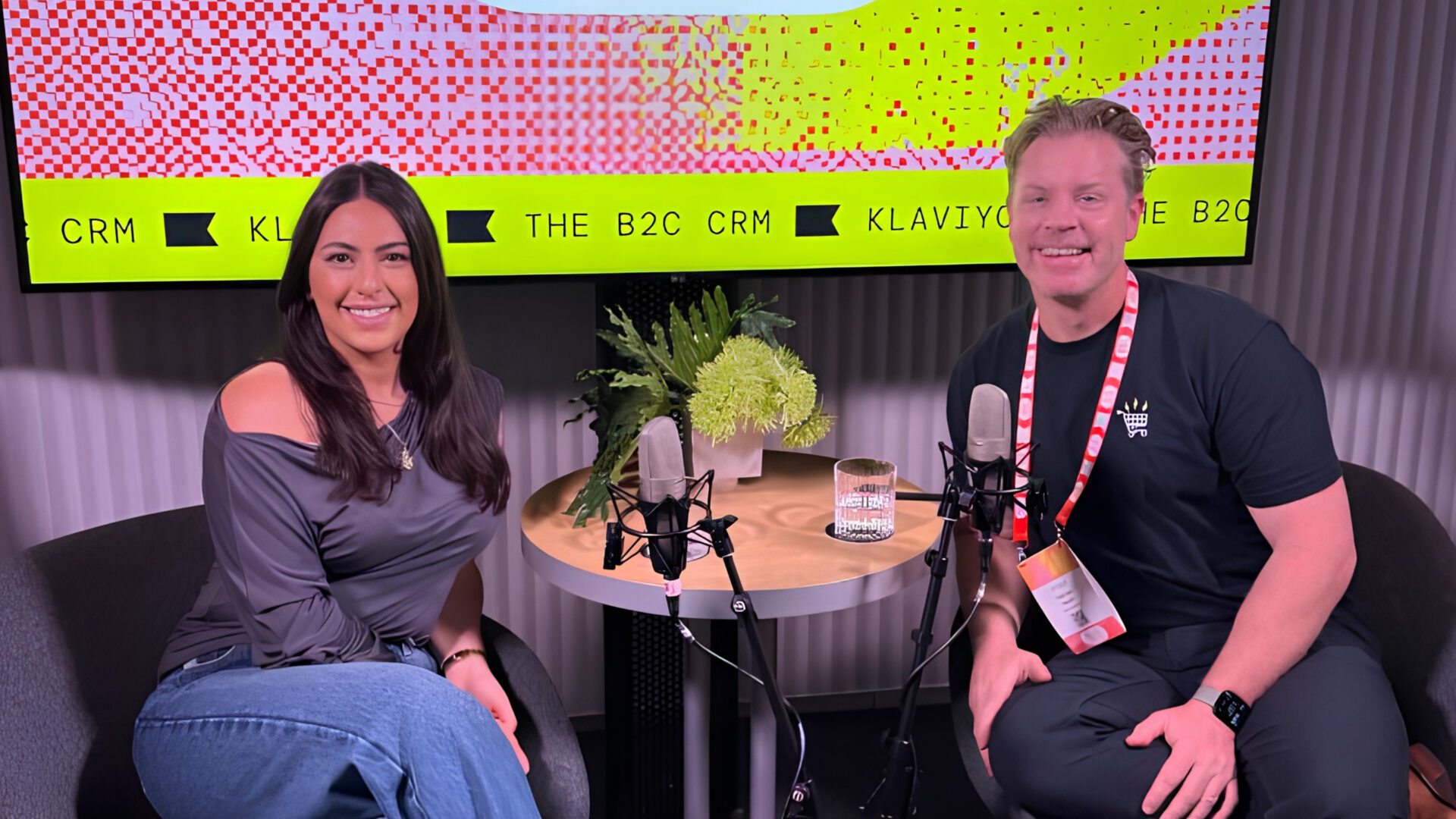
Nathan Bush: She is also a Klaviyo champion for 2026 which is how she ended up sitting across from me at 8am before the doors even opened at Klaviyo's Sydney summit. This is the third of the three conversations that we recorded there. You heard from our Klaviyo Champions panel last week and then from the Klaviyo co founder Ed the week before that. And then this one just brings it home with a little bit more depth around how Klaviyo fits into the whole E commerce ecosystem. Now a lot of you may already know Dom, she spoke at one of our E commerce socials in Melbourne a couple of years back and the room just fell in love with her. People were stopping her on Chapel street weeks after just recognizing her from the event and I get it because Dom cuts straight to what is and what's not working and is just genuinely trying to be helpful for others in E commerce. The one thing that stayed with me and that was really mind blowing going into this one is that I am.
Nathan Bush: Gia started in a lounge room in
Nathan Bush: Melbourne's northern suburbs and right now 90% of their revenue is coming from the US. We get into how that happened, how Dom rebuilt the IMG website From scratch in 12 weeks after making the massive call to scrap a project that had already moved into uat. And then she talks about why they moved from Headless to Shopify native, how she's running CRM with open rates sitting at 50 to 60, 60% and what it takes to perform on TikTok shop in the US. We're all watching that with bated breath. Now just quickly before we get into today's conversation, a massive, massive thank you to our partners at Klaviyo and at Shopify for making Add to Cart possible. And if you haven't joined the Add to Cart community yet, it's free and it's available at add to cart.comau go sign up and you get to be part of great conversations with everyone else who's listening. That's the fun of it. All right, let's get into this conversation with Dominic Moretti.
Nathan Bush: Dom, welcome to ADD to cart.
Dominic Moretti: Thanks for having me.
Nathan Bush: How fun is this?
Nathan Bush: We're in person.
Dominic Moretti: This is actually so cool.
Nathan Bush: At K Sid, you are the 8
Nathan Bush: o' clock session before the festivities have started. So we walked through the main foyer of K Sid and seen everyone setting up and I heard overheard someone just say this is like Klaviyo Christmas.
Dominic Moretti: It definitely does look like that. Like the lounge, the bars, the gifting there is so much. I was not expecting that.
Nathan Bush: Yeah, we're really lucky to have Klaviyo supporting us. And you support Klaviyo as a Klaviyo champion?
Dominic Moretti: Yes, my first year.
Nathan Bush: What does it mean?
Dominic Moretti: So I think there's a cohort of like 84 of us and it's just a really good community where we get to like network with each other. We have little pods, we get to work through problems with each other. It's just a really good cohort of people across a wide range of brands. There are some people agency side as well. But I believe this year within APAC is like the biggest cohort they've had. So I think there's about 18 of us in Australia. We're like in APAC and last year I believe there's only four people. So everyone's meant you're in the top
Nathan Bush: 18 of Klaviyo users in Australia.
Dominic Moretti: I guess so.
Nathan Bush: Is that a medal? I love it.
Dominic Moretti: I guess so.
Nathan Bush: We're going to get all your secrets.
Dominic Moretti: I love it. But yeah, very exciting. We had our first Champions day yesterday, so got to meet a lot of the APAC champions. We got to meet one of the co founders of Klaviyo, which was really exciting. Yes, Ed.
Nathan Bush: We've got Ed on the podcast.
Dominic Moretti: Yes, really good. Everyone was like firing away questions a lot about AI and like what the roadmap and tech, like the tech is looking like in the future and what like the next five to ten years of Klaviyo might look like, what the interface might look like.
Nathan Bush: So did he tell you anything he won't tell us?
Dominic Moretti: I feel like he would probably tell everyone.
Nathan Bush: Okay, all right, all right. We'll hear from him.
Nathan Bush: That group, that bigger group, I suppose
Nathan Bush: that's really important for you in your role and I'm going to be a real bogan. Here I am Gia or I am Gaya.
Dominic Moretti: Imgr. You get it all the time.
Nathan Bush: I could imagine so at IMG and Tiger Mist. Because 90% of your sales from what I understand is actually in the us so connecting with that global knowledge base must be really important as you're operating that market from here.
Dominic Moretti: Yeah. So the US for us is one of our fastest growing regions. IMG is now about 90% of our revenue from the US tigers is probably around 70%. But both the brands started here in Melbourne, like from a local little suburb in the northern suburbs. So it's wild to see how much the business has grown and especially over in the us so our main focus issue is like honing down on the us but yeah, expansion is growing really fast over there, which is really exciting. So, yeah, having a cohort of people that you can connect with all around the world and then speak to people from the US and whatnot, it's really handy to have those relationships.
Nathan Bush: How do you compare the US people, US users to Australians? Are we all right?
Dominic Moretti: I think we're good. I think we're good. There's just a lot bigger companies over there.
Nathan Bush: Yeah, the numbers are on a much bigger scale.
Dominic Moretti: Yeah.
Nathan Bush: Okay. Tell us a little bit about your journey before we jump into what you're doing at IMGA and tigermist. Because we've known each other for a long time.
Dominic Moretti: Yeah, we have.
Nathan Bush: And we were lucky enough to have you on an add to CART panel in Melbourne.
Dominic Moretti: Yes, Melbourne. That was like two years ago now. Yeah, it's gone so fast.
Nathan Bush: I had so much good feedback. I was on your panel.
Dominic Moretti: It was wild. After that event, I was like walking down Chapel street getting lunch, like on my lunch break. And I was having people stopping me being like, dom. And I'm like, hello. Like, didn't know who they were. And they're like, oh, I saw you speak, like last week. It was crazy. And people from work like, are you famous? I'm like, no, I'm just famous. Yeah, there was so many.
Nathan Bush: It doesn't make me rich.
Dominic Moretti: It looked like there was a lot of people there on the day, but then there was so many more that hadn't even gotten to, like, speak to, but then would say something like in weeks after or as I bumped into them in the streets or at other events.
Nathan Bush: So, yeah, I love it. Well, you were phenomenal on the panel. You gave away so much and it was really practical. And I think a lot of people turn up to events just expecting fluff and you're like, actually, no, we're going to cut the shit.
Dominic Moretti: We're just going to make the fluffy
Nathan Bush: dog and we're going to get into that. So tell me about your story because your career, from what I understand, started at Tiger Mist. You recently did a stint elsewhere and you've come back into the business in a bigger, better role. Tell us about your transition, how you've learned everything that you've come to know around digital and ecom.
Dominic Moretti: Yeah, so I actually started with Tigermist probably like 12 years ago now as a graphic design intern.
Nathan Bush: Wow.
Dominic Moretti: So it was kind of my second gig out of uni. The business was very much like startup vibes back then. Like it was very small, head office
Nathan Bush: founders still involved every day.
Dominic Moretti: Yeah, head office was. There was me and like two other people. So very small team like that was across everything to do with online, like the website, uploading products, like email marketing. Like there was just three of us. So very, very small. And I kind of grew as the company grew. So within that role went from like, yeah, graphic design intern to then like graphic design online coordinator. Then it was just like dabbling in email marketing. Picked up, that picked up like SMS marketing. So yeah, I kind of grew as a business school. Like if someone had asked me at uni, like, what do you want to do? I probably didn't even know what e commerce meant.
Nathan Bush: And was that just a case of you just putting your hand up going, I'll give it a crack?
Dominic Moretti: I think when you're at a company that is small and like at that startup phase, the opportunities to just like dabble your hands in everything and learn and just like take on more responsibility is very easy. So very thankful for like having that opportunity to be able to do that. Yes. I kind of like grew with the company. Then like e commerce managers did come in. So I had some good mentors over my time there. And I'd also say like networking and like the industry, like the e commerce industry is so big but so small at the same time. But attending a lot of of events and whatnot. It's like the conversations you have with people at the networking events, that's as well. Where I think you like learn a lot and even just building those relationships to then message someone on LinkedIn, being like, hey, we spoke about this. Can I like pick your brain for a bit?
Nathan Bush: You're really good at that because I think there is a trap that you can get in, especially when you've been at one place for a while. And I talk about for a while in E commerce being over two years yeah, it's very easy to get comfortable and go, well, this is what I do. I'm in this business, I need to know this business. But you've always, no matter whether you've been in the business for two years, five years, 10 years, like, I'm going to be out there, I'm going to be talking to people all the time.
Dominic Moretti: Yeah. Because you don't know what you don't know. And that's my thing with anything where it's like project management or like the industry. You don't know what you don't know. So, yeah, I was at the company for like nine years, then decided to leave. I thought it actually got to a point where I was like, I'd hired an E. Com trading manager. So I was kind of in a bit of a rut where it was like trying to deal with the BAU of the business, like the run and then the project and like the future state and trying to manage all of that becomes a lot on top of like your email marketing, your. Yeah. Like your marketing strategies, your income. Like, there's so many different elements happening. So I'd finally hired an E. Comm trade manager and I just remember having this moment. I was like sitting at my desk and like the teams all around me and I was like, if I was to go somewhere else and just try something else, I feel like I'm leaving the company in really good hands right now. And I kind of felt at peace in that moment.
Nathan Bush: So that was that moment that triggered that.
Dominic Moretti: I think I was just like, really confident, really proud of the team and like, they just knew how to do things. I didn't have to, like, pull them up on anything. They didn't really need training on anything. They were just like in a really good place. That whole run part of it, I was like, they've got this. Yeah. And I felt at peace. And I was like, if I'm going to try another business, like, now's the time. So from there I moved to Caliber for just under two years. Very different business. So I didn't realize how different it was going to be until I got there. Time is different. Well, so like tigers and IMG is very like digital first Pure Play company. Women's fashion going to Caliber, which is a business that's been around now for 35 years. Men's luxury wear, like the customer is different itself. How men shop and how women shop, very different. But their business as well is very like omnichannel, like bricks and mortar. First, Digital is kind of like a New channel for them. So the challenges I had in, like, a pure play business versus, like, a
Nathan Bush: really omnichannel, that would have been wild for you.
Dominic Moretti: So different. Yeah.
Nathan Bush: You've got me curious. What's the biggest difference between how men shop and how women shop?
Dominic Moretti: So I feel like women just see something and they love it and they will buy it. They don't need a reason to buy it. There might be, like, an event on the weekend, or it could just be a trend that's really hot and they've just gotten onto that. Whereas males, I feel like you would look outside the window and it would be raining, and it's like the first cold day of the season, and you see people checking out with, like, two tops, two pants, two shoes, two jackets, two jumpers, and you just know they don't have a winter wardrobe.
Nathan Bush: It's because when we find something, it's like, I'll have that in four different colors. Thanks.
Dominic Moretti: And that too. They then, like, you see them buy, like, a chinos or a polo that they loved, and then the second order might be buying the same thing, but in, like, five different colors. Men are a lot more predictable, I think, for their shopping behaviors, like just a general. Whereas Mirin is just like, trends. If something's hot, you don't need a reason to shop. And we also like the weather.
Nathan Bush: You own a fashion brand.
Dominic Moretti: Yeah, the weather doesn't influence us either. Like, if something's hot, like, we will go out without a jacket. Maybe more so in the younger years now I can't get away with that as much anymore. But, yeah, that was even just learning that consumer behavior was so different as well.
Nathan Bush: Yeah. Okay, so now you're back at Tiger, Ms. Angie, what brought you back? Because after nine years there, stepping away, even if that was a great learning environment and it wasn't the right environment for you, that's still a big call to come back to a company where you've done your formative years to go. There is still a challenge here. There's something really exciting about this business.
Dominic Moretti: Yeah. Just lots of projects and, like, knowing how digital first tech first focused they are. The company was always one to, like, adopt things really quickly. So I think in the time of, like, the gentic AI and like, we were rebuilding websites, launching apps, there were just so many projects that I wanted to be a part of. Yeah. So I was kind of excited when they called up and said, like, what was on the roadmap? And I kind of thrive in, like, environments where there's, like, projects, there's challenges, new tech, chaos. That's where I thrive.
Nathan Bush: So what was the first project you stepped into?
Dominic Moretti: There was a couple all going at the same time. So we were launching our two apps and launching our IMG website. So kind of jumped into the IMG website first. Had to kind of navigate that a little bit and change the plans there and then went into the apps, launched those and then relaunched the IMG website.
Nathan Bush: What do you mean about changing the plans?
Dominic Moretti: Well, so they had already started the project when I'd come into the business and I am a sucker for like UAT and like anyone that knows me, I've got an Excel spreadsheet. It has like 2030 tabs on the bottom, like 800 tests. I am never launching anything. If like that spreadsheet is not all in the green, like if there are yellows and reds, like we're not going live and being.
Nathan Bush: So there's no risk acceptance.
Dominic Moretti: No. I would rather like kill all the bugs beforehand to lay a project.
Nathan Bush: Wow.
Dominic Moretti: Then go live and have like a really bad customer experience.
Nathan Bush: Because that's not common in e commerce.
Dominic Moretti: No.
Nathan Bush: Why?
Dominic Moretti: I think it depends on the project. Like some you definitely can launch a bit earlier and finish things later. But when it comes to like this was meant to be a new website going live before Black Friday, with how much we were investing in stock with the targets that we had when I like after UAT was conducted, I was like, there is no way we are launching this website before Black Friday. We've got a website right now that works, it's not broken.
Nathan Bush: And were you going from something to Shopify?
Dominic Moretti: Yeah. So our current website was Headless.
Nathan Bush: Okay.
Dominic Moretti: So yeah, the reasoning was we wanted to move away from Headless, go back to Shopify just for more flexibility for the team. Headless made sense at the time, probably not so much anymore.
Nathan Bush: And I suppose Shopify has come so far with markets and everything like that to allow you to operate both.
Dominic Moretti: Back in the day when we like we'd moved to Headless, it was kind of like you did it for like site speed. That was kind of something that Shopify was a little bit behind in. We had four websites, we had an in house developer. So being on Headless and having the developer like write a scripted code and just deploy it across all four sites, it was a lot easier. But I think as time has like evolved, you've now got like your sidekick that can write your code and like so many changes you can make so quickly. Having a Headless tech sack, whilst it does still make sense for Some businesses. For us, it just didn't make sense anymore. So, yeah, coming back in, tested the website and I was like, this is a huge risk if this was to go live for Black Friday. So kind of held that project based.
Nathan Bush: Did Black Friday still go well?
Dominic Moretti: Really well. Like, our best year today. Really, really exciting. Yeah. Basically started the project from scratch. There were that many issues with it, it wasn't worth fixing. We did try to fix some, but.
Nathan Bush: So you're in uat.
Dominic Moretti: Yeah.
Nathan Bush: With an agency.
Dominic Moretti: Yes.
Nathan Bush: And you decide to scrap the website. Totally.
Dominic Moretti: Yeah. Yeah.
Nathan Bush: That's a big call.
Dominic Moretti: Yeah. Changed agencies, started the full project again. We scoped it out, like, scoped out the website, designed it, redid UAT and launched it in 12 weeks. It was probably the fastest project I've ever worked on, but there was honestly, no hiccups and it went so smooth.
Nathan Bush: I'm not going to ask you to name the agency.
Dominic Moretti: No, no, no.
Nathan Bush: Because that's not fair.
Nathan Bush: But what was the phone call like
Nathan Bush: when you call the agency and you go, hey, I'm Dom, I'm back, and we're scrapping this website that's in uat?
Dominic Moretti: Well, fortunately, I was kind of in Europe, so I didn't have to make the phone call.
Nathan Bush: That's what juniors are for, those phone calls.
Dominic Moretti: Yeah. So I feel like they probably weren't surprised.
Nathan Bush: Yeah.
Dominic Moretti: Yeah. I found out afterwards we've hired a lot of people on our accounts now at different businesses that were all a part of the project. So I've, like, filled in a lot of gaps of, like, things that happened at the time.
Nathan Bush: Yeah, that's hard from an agency perspective, too. When you've got staff turnover and people
Dominic Moretti: are in, it doesn't make it easier on either side of the project. So, yeah, we ended up just, like, resetting again. 12 weeks. My favorite saying is, like, fail to plan, plan to fail. So we had a very strict timeline. We had to stick to design meetings that, like, the attendees, if you're on that call, like, you could not miss it. We were signing off on, like, deadlines. There was one instance where, like, some of the development side took a little bit longer, but we'd added in buffer time for, like, the UAT and content population at the end. So.
Nathan Bush: And do you keep that buffer time hidden? Like, no one knows about that buffer time built into the plan?
Dominic Moretti: No, like, myself and the team would know about it, but I also trust the team. And, like, we know, like, that 800 tests, we knew from that first time we could get it done in three days. So I think we'd allowed like a week or in a week and a half for that, but we knew like we could do it in three days, so that was then time that we recouped back from like some of these dev delays. So we pretty much stuck to the timeline.
Nathan Bush: Awesome.
Dominic Moretti: Yeah. 12 weeks start to finish building a new website.
Nathan Bush: And this is after Black Friday.
Dominic Moretti: After Black Friday, yes. So we ended up going live mid Feb.
Nathan Bush: Okay. Mid February 2026.
Dominic Moretti: Yeah.
Nathan Bush: Okay, that's exciting.
Dominic Moretti: Yeah. So then whilst the developers were in the build phase of the website, so that's where I said we kind of like pivoted with those projects because we started like the scoping out, the designing and then while they were in the build, which we're basically hands off during that period, we were then building our Takcart phone apps. We launched those, I think first or second week of January, and then when they were launched, we then went back to like the content population, UAT of the new website and then launched that. So it was like three projects in a very short window of time. On top of Black Friday and sales. Yeah.
Nathan Bush: And what's the thinking behind the apps? What role do they play in the customer journey?
Dominic Moretti: Yeah, it's just another, you know what? Years ago when people were talking about apps in the business, I was not an app shopper. But over the years I've definitely become an app shopper. So the biggest thing for me is like the push notifications. It's basically like a free marketing channel to market to your customers. SMS is such an expensive channel, so the more customers you can get on your app to then leverage those push notifications, it's so much cheaper for the business. And only last week or the week before, we've launched all the, like, AI app notifications. So I think there's about eight, maybe 10 flows now within Tapcart.
Nathan Bush: And what are they allowing you to do?
Dominic Moretti: You basically train the agent with like, your tone of voice, what to say, what not to say, what emojis to use, how you want to discount or like write your CTAs. And basically within those customer journeys, it writes the subject lines, the messages, or for you. So a bit more hands off.
Nathan Bush: The market is shifting, costs are climbing and the pressure to do more with less is very real. But when resources are tight, you can rely on Shopify, the platform that's consistently first with new capabilities. Shopify invests significantly in R and D and drops more than 150 updates every year, evolving with you and absorbing complexity so that you can focus on what moves your business forward from AI powered insights to the world's best converting checkout. Shopify is designed for the next year of commerce, helping you sell more, scale faster and future proof your brand build for what is next with Shopify. Visit Shopify for Enterprise to learn more.
Nathan Bush: What does the apps allow you to do in the customer journey?
Dominic Moretti: So if you'd asked me a few years ago, was definitely not an app shopper, I was more of like a browser shopper. But now I'm definitely. I've got a whole folder of all different shopping apps. And the thing that I love about them is the push notifications. It's basically a free marketing channel that you can contact your customers. And SMS is such an expensive marketing channel too. So to be able to contact your customer on their phone with a very similar experience, but not cost a business anything, that's pretty much like my biggest aim is like get as many customers on the apps as possible to leverage those push notifications more. And only last week or the week before they'd kind of, we had launched all of our AI notifications. So you basically train up the AI agent with like your tone of voice, what emojis you use as a brand, like what CTAs, like, how to write them, how not to write them. And they basically just trigger so many different flows from like, you're welcome, your browse abandonment, low in stock, back in stock price drops. So it's only been, I think two or three weeks that we've gone live with them and the ROI is already insane. So I can only imagine as our database grows a lot more on the apps and we get more downloads, how effective this channel's gonna be for us.
Nathan Bush: Do you have to incentivize your customers to download the app or are they naturally going there because they're high Repeat purchase?
Dominic Moretti: Yeah, we do have like a discount on the app for their first purchase, which we've like 5% higher than what our email signup is on our website. But we're also doing like app exclusive promotions and products. So we're actually seeing we get like a spike of downloads when we do do like a promotion that's only on the app and the customers can't get that anywhere else.
Nathan Bush: And the idea being that that promotion then offsets the cost that you would normally be marketing to them with sms.
Dominic Moretti: Yeah, the end game is not to spend as much SMS and get them all on the app.
Nathan Bush: Good, good. And tell me about the website. And I'm keen to understand what was the biggest challenge for you when building the new website, Obviously you've got multiple markets, but did I read right that you've also got 15,000 SKUs or is that a bit of generous reporting somewhere?
Dominic Moretti: Maybe if you count variants in colors potentially. Like we've got for imgr, our Blair set, it's like a track set. It comes with like a hoodie and a pants and that alone comes in like 44 different colors. And that's like our biggest product at the moment.
Nathan Bush: Are you taking photography of all those colors?
Dominic Moretti: Yeah.
Nathan Bush: Wow. Yeah, that's a huge job.
Dominic Moretti: Yeah, it kind of blew up with TikTok and TikTok shop and yeah, we just keep rolling out new colors and they keep loving all of them. So we've got like snake prints, solid colors, polka dots, everything you can think of. We even do some collaborations. So we did a collaboration with Sexy Red at Coachella.
Nathan Bush: Yeah.
Dominic Moretti: And she was wearing like custom G and her backup dancers were wearing custom gr and now we have a Sexy Blair set on the website as well. So we kind of tidy into collaborations too.
Nathan Bush: You must have to move pretty fast with those kind of collaborations.
Dominic Moretti: Yes and no. Sexyy Red is like a big fan of img, so she's constantly like in the product and promoting us, which is really helpful.
Nathan Bush: That's cool. So then going back to the website, what was the biggest challenge? What was the thing you had to really get your head around?
Dominic Moretti: Do you know what probably the biggest challenge is? Just making sure like everyone was aligned and sticking to all the dates and just making everyone aware like if we're missing anything, like it will push out project. That was probably the biggest thing. And then I think just coordinating like all of our partners. But the way that I like to work with partners is like they're an extension of your team so like culture, fit wise, they need to be the same as like who you would hire internally. So that also wasn't really difficult on the day, but it was just coordinating things from like an SEO perspective or like the timing of the actual day. And especially going from headless to Shopify native, there's a few more things that you need to consider versus just launching a new Shopify site from a Shopify site. So it was just cool. Coordinating like our developers, our SEO agency, our developers from the headless site as well. Like what needs to be wound down from like aws, the redirects with the domains, like who's handling all of those steps.
Nathan Bush: But then the fun stuff.
Dominic Moretti: All the fun stuff. Some of those a bit too technical for my knowledge. But it's just about getting the right people in the room to have those discussions, have everyone working from the same doc. So we kind of asked everyone individually what they would own and what the order of things that they feel shouldn't have happened on the day. Then we ended up getting like our developer that was running the new project to put it all in one doc together, assigning it to everyone. And then we jumped on a call prior to just be like, is everyone comfortable with this? Is anything we've forgotten? Is there anything that needs to be changed or swapped around? Like I said before, what you don't know, you don't know, but just getting everyone in the room together and having like different brains from different departments as well. There was no gaps. And then the day of Go live, we had a kickoff call with everyone just to go over like, okay, this is the game plan. This is what we're doing. This is a sheet we're all referring to. This is a slack channel. If you have any questions. And everyone just basically worked through like step by step. And then in the slack channel be like, okay, step four is done, you're good to start. Step five, if they were then like assigning the next task.
Nathan Bush: So it's just that not waiting for tickets to log, it's like it's gotta be real time.
Dominic Moretti: It's just, yeah, real agile, real fluid and just making sure. Like you obviously need exceptions. You can't be like raising tickets on the day.
Nathan Bush: Yeah, cool.
Nathan Bush: And so obviously we're here at KCID
Nathan Bush: and you're the Klaviyo champion. I've said the Klaviyo champion.
Dominic Moretti: I'm the only one.
Nathan Bush: And you've just said that SMS is too expensive. When you're trying to avoid sms, they're team. No, tell me, how are you approaching CRM differently? What do you think makes what you're doing I'mg and Tigermist different to how others are using CRM?
Dominic Moretti: In terms of going back to the cost of sms, it's not so much we don't want to like use it at all. It's just being more strategic with how we use it when we use it and just making sure like year on year, those costs aren't like getting really out of control over time, which is
Nathan Bush: good from a cost perspective, but also from a customer perspective. Right. Because it's the communication that you can't avoid and it's the first thing that customers get pissed off about. So it's probably good on both sides.
Dominic Moretti: Yeah. So with the SMS as well, like Right now we are currently just testing, we're changing our thought process of how we handle like sms. So we're kind of looking at customers that are engaged versus non engaged. So. And engage for SMS is someone that's like received SMS within the last 12 months but have never purchased. And really looking at what is that ROI for each one we send and which ones have a positive ROI and which ones are negative. And then now we're currently building out a strategy like, well, based on that data we've seen for our unengaged customers with sms, unless you've got a really enticing message, it's kind of not profitable to message them with an SMS message every single time for every campaign. And again, it depends on regions too, because, like the US SMS is cheap.
Nathan Bush: Yeah.
Dominic Moretti: And for like IMG or 90 of our revenue comes from there. So SMS is a better channel.
Nathan Bush: 90 of your revenue comes from SMS. Sorry, from.
Dominic Moretti: From the US.
Nathan Bush: Sorry. I was like, what if it was
Dominic Moretti: 90 in one channel? I'd be.
Nathan Bush: Because when you said 90 in the US and then 90 from SMS, I was like, holy.
Dominic Moretti: No, no, no, no, no. As in because 90 is from the US. The US rates are a lot cheaper than Australia. Like cost 4 times the.
Nathan Bush: Yeah, yeah, yeah, yeah.
Dominic Moretti: So, yeah, it's a lot easier for like IMG vs Tiger Miss, which was a brand that started in Australia and was huge in Australia for so long. A lot of our customers are based in Australia or like APAC in regions that it costs a lot more. So, yeah, we're just kind of working out now, like, what are the messages and being more strategic with how we target them through sms.
Nathan Bush: Yeah.
Dominic Moretti: In terms of like CRM in total. So when I came back into the business, the team had done a migration to Klaviyo. I think it was around maybe like April, May. So coming back into the business, I had learned Klaviyo at Caliber because prior to that, Tiger Miss and IMG were with the masters. So coming back into the business already knew like the system, how it worked. But my number one thing, especially before Black Friday Cyber Monday, was we need to get flows in this system ASAP. So I think we ended up launching about 13 or 14 flows right before Black Friday. Because there was so much happening in the business, we're investing a lot in like paid marketing and sms. It was like, we need to make sure if we're getting these customers to site, we're then still constantly targeting them through other channels if they don't convert. So everything from like your welcome flows Your cart abandonments, your Browders abandonment, checkout abandonment. Like all the flows you can think of. Server side tracking flows, Klaviyo flows.
Nathan Bush: What's your most underrated flow?
Dominic Moretti: Do you know what? We recently launched a RE Engagement flow. And for I think it's our Tiger Mist rest of world region that's now our best performing flow. And all it is is we're looking at customers that haven't opened or clicked an email in the last 90 days and we just show them, hey, this is what you've missed. This is what's new, this is what's hot. And it's our best flow at the moment, really.
Nathan Bush: Directly converting to sales or engagement. That's pretty amazing when you might have just lost customers totally and there's no
Dominic Moretti: discount, but you're literally just showing them what's new and what's hot and that's all. I was shocked. I had to double check the numbers when I saw it. I was like, how has this been like our welcome flow? When people come to site, they're engaged, they sign up to your welcome FL user welcome discount. But yeah, the reengagement's doing really well in like one of our regions. So that one definitely surprised me.
Nathan Bush: Do you know what kind of subject line that's got? Because I could imagine that's got to have some sort of really strong hook.
Dominic Moretti: I honestly could say something like, this is what you've missed recently. Something along those lines. It's hard to remember them all from the top of my head. I wouldn't expect you to 200 or 300 emails across them all. But yeah, I think it's something like, this is what you've been missing. Or like, this is what you've missed.
Nathan Bush: Yeah. Okay. And how are you thinking about your customers? Obviously you got two very different brands that have two very different personalities, all in fashion. But how are you then taking that down a level and segmenting customers? You talked about engaged versus disengaged. Are there any other key segments for you?
Dominic Moretti: To be honest, not really. We're kind of still doing a bit
Nathan Bush: of like from a Klaviyo champion, everyone
Dominic Moretti: kind of still doing a bit of like a batching blast. You know what though? Our open rates are still really good. And like, even during Black Friday, we work with some agencies and they were kind of telling us how a lot of brands in the US are not just sending one email anymore a date, they're sending like six or seven. I was a bit nervous to do that, but some days we did do two or Three. And, like, in terms of unsubscribes, like, there wasn't really any changes there. Open rates were still high. So I know we do talk about segmentation a lot, but if your customer's that engaged to open your content anyway, I'm kind of okay with it.
Nathan Bush: And what do you consider a good
Nathan Bush: engagement rate in terms terms of open or.
Dominic Moretti: Yeah, we're like, 50, 60%. That's huge. Yeah. So, like, if I saw that dropping, I'd be like, all right, we need to do more segmentation. Sometimes we will have, like, there might be a promo on a product or something's back in stock, and we're like, okay. Very strategically, like, these are customers that have shown interest in that, or they've got that on their wish lists that they've saved. So, like, let's target them to be more direct. But for the most part, if you're talking about, like, new arrivals or a promotion, our customers are still eager to, like, open.
Nathan Bush: And obviously, I know you were provocative there, saying that we just batch and blast, but that's in amongst a whole bunch of flows as well. So you're getting personalized email.
Dominic Moretti: Yeah. And when I say batch and blast and, too, as well, I have, like, we've got engagement segments where we are looking at, like, people that are engaged or subscribed within, like, 0 to 30 days. 30 to 61 days. 61 to 91 days. So there's that kind of segmentation happening and with deliverability as well. Like, we do change that weekly if we're seeing, like, okay, this segment's not doing that well. Let's drop them out for a little bit and then re. Put them back in. So it's not completely batch and blast. Our whole entire database.
Nathan Bush: But don't get too pretty about it.
Dominic Moretti: Yeah.
Nathan Bush: Like, just some people overanalyze it. Keep it simple.
Dominic Moretti: It is a volume game at the end of the day. So the less people that are opening, the less people are clicking, the less people are converting.
Nathan Bush: Yeah, the less money you're making.
Dominic Moretti: Exactly.
Nathan Bush: Tell me about the audiences. Is the Tiger Mist audience slightly older than the IMG audience?
Dominic Moretti: I would say younger.
Nathan Bush: Really?
Dominic Moretti: Yeah. Yeah.
Nathan Bush: This just shows that I know nothing about fashion. I looked at both sides, and I was like, oh, yeah, this seems to be, like, more mature, but tell me more.
Dominic Moretti: Yeah, we actually, as of last week and this week, sent out, like, a customer survey to customers. I was also thinking the tiger Ms. Customer was a bit older, but just, like, scrolling through the data, we'll obviously put it and consolidate it or once the survey is over, we'll run it over a certain number of weeks. But I think the average age I was kind of seeing was like 23.
Nathan Bush: Okay.
Dominic Moretti: For tigermoors. So she's definitely younger than I thought. Yeah.
Nathan Bush: Is that a good thing?
Dominic Moretti: It's probably just the way you're thinking when it comes to marketing. Like, for myself, I've been with the brand for so long. Like, I was a customer then. Like, I still buy from us now. Like, my top is IMG today. So you kind of think that the customers is like grown older with the brands like myself. But I think because of acquisition and how much we are acquiring, I mean,
Nathan Bush: that's a estimate to you because you see a lot of brands either having to totally reposition as their customers transition with the brand or they just go become irrelevant because they've lost their audience because they've moved on to something else.
Dominic Moretti: Yeah. So I do see, like, the time is customers, like, a bit younger. IMG is a little bit older. But I think as well with img, it's very different because of, like the collabs we do, the celebs we work with, like the viral products. TikTok shop over in the US is huge. So, yeah, it's a very different playing field. And like back in the day as well, if you were to ask me, I would have said that they were probably like the same customer. And I think it was more so. Like when we first launched, like the suburb we were in and being in Melbourne, like, it was a bit more localized. Everyone kind of knew us here. But then IMG very quickly, within like the first three months had like stylists reaching out and got worn by some really big celebrities. So I think the audience changed very quickly.
Nathan Bush: Very cool. Well, my reason for asking that question was those engagement rates are phenomenal and there's a lot of talk around the younger generations, the younger generations not engaging with email anymore. And it's, you know, being lost to social and SMS and Snapchat, you're obviously getting huge engagement. Have you had to do anything different from an email perspective? Whether that be in the messaging, the design to really make sure that it's engaging in terms of the way that younger consumers want to work with email.
Dominic Moretti: Yeah. You know what, I feel like this has been said so many times, like, over the years that I've heard. And then there's like the opposite where it's like, email's not dead.
Nathan Bush: Yeah.
Dominic Moretti: And, like, I don't think it is. I think it's just giving Them the content that they know and love. Like we could send a campaign be like as seen on and it's got like an influencer's name and having that content that they've seen on Instagram is just making sure your content flows across all of your channels. Like if you're going to have only your E comm images in your campaigns, but then social is very social driven lifestyle images, that's probably not going to work. At the moment we're actually trialing putting like a TikTok feed within our emails and adding that into like our customer journeys as well. So they can kind of see some snippets of videos of like say they've abandoned a product or browser band as a product, like showing that product, then having like a TikTok feed of videos
Nathan Bush: of that product and you're linking that out to TikTok.
Dominic Moretti: So when they click into that, it goes into like a TikTok like kind of feed that they can then shop directly from there.
Nathan Bush: What do you mean a kind of TikTok feed?
Dominic Moretti: Well, we use Tolstoy.
Nathan Bush: Okay, cool.
Dominic Moretti: Yeah, so it's basically like the TikTok feed that flows into Tolstoy can then be like embedded into email. So it kind of emulates that TikTok experience but it doesn't direct them to the TikTok app.
Nathan Bush: That's smart.
Dominic Moretti: So we're currently working through that at the moment.
Nathan Bush: I love Tolstoy. I think it's such a cool.
Dominic Moretti: They're like deploying features every week. I'm like, I can't keep up.
Nathan Bush: Obviously we're at KCID and we're going to hear a lot of new features and developments.
Nathan Bush: Where are you kind of pushing the
Nathan Bush: boundaries as a Klaviyo Champion? Like where are you really pushing it when it comes to CRM, sms, even custom customer understanding? What are the things that you're really latching onto AI?
Dominic Moretti: Yeah, as much as we can. Currently trying to build like reports using Claude and this was a big discussion. Like yesterday at Champions Day was just like AI and where's AI going within the platform?
Nathan Bush: Did you solve it? Is it all done? You kind of know the future. Ten years out now Ben's working on things.
Dominic Moretti: I don't know. I'll let him talk to you about that if he wants to let you know on your podcast on his episode. But yeah, there was a lot around like AI, but a lot of people in the room as well. Just speaking to like a lot of the champions all trying to like get all the klaviyo data into CLAUDE to help like build strategies, learn where like the optimizations are really quickly.
Nathan Bush: Do you think that's a good thing? Is that you've got this platform, Klaviyo, friend of the show and they've got all this data. I think they've got 200,000 customers now. So this huge pool of data and obviously you can have AI in the platform or you can connect it to other platforms so that you can analyze it and use the data however you want. So if Claude's it, and that's great, are you spending most of your time now in CLAUDE analyzing that data using an AI perspective or are you using in platform tools?
Dominic Moretti: Probably both at the moment, until kind of get Claude exactly where we want it to be. But the aim would be kind of like every Monday it just like spits out a report, you don't even need to prompt it anymore. And it's saying like, these are your opportunities. But as well, if using CLAUDE and having like your whole ecosystem connected to that as well, it has more of your whole business perspective versus just what's happening in Klaviyo. Because attribution as well, like AI within Klaviyo is going to tell you what's just happening in Klaviyo. But we all know attribution, you've got like paid meta ads, you've got so many other channels. What things look like in one platform doesn't necessarily mean that's what's happening in the whole business. Using a system that is connected to everything else I think just gives you more of a holistic view. And then it might also see like, oh, this worked with this channel and this channel, so like maybe use that for this. So it might help drive decisions that you might not see holistically.
Nathan Bush: Looking at Klaviyo Alert, because I'm assuming you've got Shopify data coming in there as well.
Dominic Moretti: Shopify Data IMG just had like a pop up over the weekend. So POS is new for us as well. We've got TikTok Shop, which is quite a big channel for us as well. Then we've got like organic social channels, your paid channels. Yeah, there's a lot.
Nathan Bush: Yeah, that's very cool. And they're using the mcp.
Dominic Moretti: Yes.
Nathan Bush: Yeah. Okay. Has there been anything interesting or insightful come through what Claude has given you from connecting that data that you wouldn't have been able to get yourself?
Dominic Moretti: Probably not so much just yet. But I think that's the whole thing of like learning the process, tweaking it. It Saves a lot of time.
Nathan Bush: Yeah. So it's more focused on productivity and cutting out the boring stuff in the job.
Dominic Moretti: Yeah. Rather than spending like a whole day Monday, like trying to write your trade notes and find the insights, you can get them a lot quicker. And then the team's just focused on doing the actions versus is trying to fight the data to then understand what they need to do. So yeah, more action focus versus reporting focus. Yes. Yeah.
Nathan Bush: Boody prides itself on making some of the most comfortable underwear on the planet. Soft, breathable, no bothersome seams. But behind the scenes, their marketing stack, well, it was a lot less comfortable. As Booty scaled across Australia, the UK and the us, customer data was scattered across email tools, on site forms and paid platforms. Getting clear insights, let alone taking action, was slow, clunky and as pleasant as a wedgie on a hot summer's day. So they simplified everything and unified their channels In Klaviyo. With one view of the customer, Booty Cross could finally understand how people browse, abandon and buy and then trigger personalized messages across email, on site, paid and SMS without adding more tools or manual work.
Nathan Bush: The result?
Nathan Bush: An 87 times ROI from Klaviyo year to date, a 10% lift in retention year on year and a 34% increase in high intent customers in just 90 days. Turns out when your marketing platform is as comfortable as your product growth feels a whole lot better. If your stack is causing friction, head to klaviyo.com au and see how brands like Booty are scaling comfortably.
Nathan Bush: Klaviyo have come out with a whole bunch of tools including one that looks fairly interesting but I haven't used it myself called Composer. Being able to generate emails using those connections. Have you played around with that at all?
Dominic Moretti: No, that was a big talk yesterday though. Have not used it yet. Keen to see.
Nathan Bush: Keen to hear from you.
Dominic Moretti: Yeah, I was kind of saying yesterday like having all of your email flows and like I mentioned before, we've got like two to 300 different emails across. Like we've probably got like 16, 17 flows now per account. We launch campaigns really frequently so between like four to six weeks on average like a new campaign, so having to go into your flows to update the creative with new content every time, it's a lot of work. So potentially using something like Composer or potentially whatever the AI, wherever it takes it in the future, being able to just upload all the imagery and it change all your flows without having to go in each and individual one, how
Nathan Bush: are you going to manage that imagery? Because I've been working in businesses that have the opposite problem, that they're like, we've got all these tools that can generate all these images for us. We need base imagery to work from. They're like, our base imagery kind of sucks. Like, we need to actually go out and do a whole bunch of photography and stuff to get the base imagery right. I can imagine that's not a problem for you, all those products. Yeah. How will you point the AI to kind of use the right images?
Dominic Moretti: Yeah, I feel like we just. We would then probably have to manage like a folder of like, these are our selects and it just uses from the selects. But we kind of do that anyway. Yeah. Like when we go to a shoot, the social creative team will have like their favorite selects. So I guess. Yeah. Just if as long as it's got your brand guidelines, it knows your tone of voice and it's got your select
Nathan Bush: image, should be foolproof, should be fine. What could go wrong?
Dominic Moretti: Obviously you need to, like, review things all the time. Same with, like the AI notifications with TapCart, like with the agent, you might like, read a message and then you go back to the agent, be like, hey, I actually really don't like this or do less of this. So it's about training the agents as well to then perfect it. Like, you can't really set and forget.
Nathan Bush: No. How are you checking in on them? You mystery shopping your agents?
Dominic Moretti: It's just a matter of you're like spot checking and constantly jumping in and checking just to make sure it's still on the right track.
Nathan Bush: Yeah.
Dominic Moretti: And previewing. Like you can preview everything it sends out.
Nathan Bush: You mentioned TikTok shop. Obviously huge for you in the US.
Dominic Moretti: Yeah.
Nathan Bush: Australia. Is it ever going to happen?
Dominic Moretti: We've asked TikTok. The answer is one day they don't have a date.
Nathan Bush: I've been saying that since 2023.
Dominic Moretti: I know, I know.
Nathan Bush: But what have you Learned around using TikTok shop in the US that you think could be useful for Australian retailers? If they're starting from a standing start with TikTok shop, where would you just go? You've got to do these three things.
Dominic Moretti: Yeah. I think in terms of product enrichment, super important. And even like your image selects. TikTok Shop has a lot of rules around things. So if you've got a dress and you've like the image that's on the front, say you've got a dress and it's like a really sexy back, but it's a maxi dress but you want to highlight that it won't allow that to be published online because you need to see the full dress and all the product enrichment as well. It asks for a lot of details and that's the thing as well. When you work with marketplaces in different channels, product enrichment is so different across the board. So I think if you're not there yet or want to be prepared for when TikTok shop comes here, maybe just investigating like what are all those product attributes and start building that into your website now again with like Agentic AI, like ChatGPT and Copilot and all of that stuff anyway that is so important to show up in all of those places anyway. So yeah, I think having your product enrichment right is probably the biggest thing. The other things as well, SLAs in terms of like shipping, fulfillment, dispatch fulfillment, they've got very strict timelines there and like customer service. So making sure your teams and like all your SLAs are really tight and are like working to their standards.
Nathan Bush: Are you using TikTok fulfillment?
Dominic Moretti: No.
Nathan Bush: No.
Dominic Moretti: Okay. No. That was a scary email that they sent out.
Nathan Bush: Yeah, that was full on.
Dominic Moretti: Yeah.
Nathan Bush: So you're hanging on.
Dominic Moretti: Yeah. So they kind of sent out that email saying TikTok fulfillment was kind of happening across the board. I think a lot of big brands kind of didn't like that. There also wasn't a lot of notice. I think it was like a week or eight week notice, which if anyone was going to move to A3PL or open up a warehouse, like that's months to like a year project. No one's doing that in that amount of time. And then they kind of backpedaled a little bit and said it's only for the smaller brand. So I guess if you are a smaller brand that is something to consider. But it's not compulsory for all brands now.
Nathan Bush: Okay, cool.
Dominic Moretti: Thank God.
Nathan Bush: Thank God. So product enrichment, fulfillment, SLAs, anything else that you think people need to be on the front foot for TikTok shop being present?
Dominic Moretti: I think we see when we're like consistent with lives, it constantly improves.
Nathan Bush: As in weekly.
Dominic Moretti: Weekly. Weekly is good. I do know there are some brands that have at least like three a week or if they are doing one a week, like they're doing lives for three hours plus. So just being prepared for that.
Nathan Bush: And it's a skill, isn't it, to do a lot.
Dominic Moretti: Yeah. You need someone that's really confident in your phone and can talk. But even like if you are going for three hours, like no one's going to sit there for three hours. So run the same script three times and just do like an hour and
Nathan Bush: then pick up that time. Do you use all your lives just as content then that you can splice up and use elsewhere?
Dominic Moretti: I don't think we have at the moment. Yeah, it's been more so like if you've had a promotion, the girls will talk through the promotion. If there are new arrivals, they'll showcase the new arrivals. We often get people in the comments like, hey, can you put this on? Can you put that on? The girls kind of like, go away, come back. Like the fastest changes I've ever seen. Like, wow, she dressed that quick. So they'll kind of like model the products in a live environment and they're very interactive to like answering the questions that the customer. Customers are asking, trying things on of what they want to see.
Nathan Bush: I can imagine you, you've got a license to have a bit of fun there. Yeah, yeah, yeah, yeah. Don't take it too seriously.
Dominic Moretti: It's. It's a fun environment. You can't be too serious on TikTok shop.
Nathan Bush: Yeah, great. I've got a question and this is probably the most boring question I'm going to ask you around product enrichment because I was on your site before and obviously brand new sites and I was looking at them and your product descriptions are actually like, you don't have long text, you've kind of got like five bullet points on the products that I looked at and there's not a huge amount of detail on anything. It's really short, sharp. So from an SEO perspective. Oh, how does that work? And then I'm like, I'm interested in the thinking behind that because is it that your customers just want the visuals and they want enough text just to go, cool, ticked, show me what it looks like.
Dominic Moretti: Yeah, they are a very visual person. We always joke in the office that our customer doesn't read until she wants to.
Nathan Bush: Yeah.
Dominic Moretti: But yeah, we have like our dot points, I think on one of our websites we do have like a little paragraph but the dot points as well. With like agentic AI, it's actually preferred.
Nathan Bush: Yeah.
Dominic Moretti: That way versus like description. It just wants key details, really easy to read. We do also have a lot of like metadata and meta fields in the background as well. So there's a lot of tagging happening, there's a lot of metadata. So in terms of like SEO and agentic AI, there's a lot more information that it can read as well. Whereas the front website is just kind of like the key details they need to know about the product.
Nathan Bush: Yeah. Cool. I was looking at it.
Nathan Bush: It's interesting.
Nathan Bush: I want to know what they're thinking. Do the agent AI makes a lot of sense.
Dominic Moretti: Yeah. I feel like once you describe the product today, there's probably not too much to talk about. Like it. It doesn't really help having Fluffy be like wear it date and night. And that's what we used to do back in the day.
Nathan Bush: But would be the natural thing to do. Yeah. Is to create a whole bunch of fluff because consumers are used to seeing text. Paragraph, paragraph, dot points.
Dominic Moretti: Yeah.
Nathan Bush: Technical detail.
Dominic Moretti: Just get straight to the point.
Nathan Bush: Love it.
Dominic Moretti: You know, then we don't have a lot of attention span, time to attention. So just give them the key details.
Nathan Bush: Love it. Tell me about you. How do you keep a balance? Because I could imagine that you've got a team here and you've got a business that's running on US time. Australian time, constantly dropping new product key. Shopping times are probably late at night. How do you resemble some kind of balance in your life?
Dominic Moretti: I would say anyone in the E Com like marketing space. Like we're attached to our screens and our laptops constantly. It's a really hard one to balance. But I feel like if you've got a good team that supports you, it's easier to switch off at night. So I do try and I'm a bit more like aware now. I'm like, okay, work my work hours. Unless I'm like wanting to work after hours, I am kind of switching off. I will still monitor things if there's an emergency and my phone is always available for teams if anything goes wrong. But yeah, a bit more focus of like, okay, these are my work hours. I'm now going to go to the gym, go walk my dog, go to a bath house. Just having those things that you can switch off and also be away from technologies. We're so it's in our day to
Nathan Bush: day imagine that things must be constant for you. It's so easy to keep them on.
Dominic Moretti: Yeah. There's so many times like even in the US like you could be asleep and your phone's going off at 4am because something's happened. So yeah, always being available but not always having to be online and present I think is so important. And I'm always the one in the office as well. Like if someone is sitting at the desk eating their lunch, I will grab them. Be like, go to the lunchroom, like you need a break. Because the thing is as well like if you don't switch off, you don't, like, go for a little walk, get some fresh air. If you're stressed, you kind of like your mental state, it becomes harder to manage. Or like, you get home, you're like, I'm mentally exhausted, I don't want to work out today. But then you kind of get in a rut and feel like you just. You spiral a bit easier. Like things that might not be that stressful could then feel more stressful. And I also feel like when you do switch off, sometimes that's when your best ideas.
Nathan Bush: Yeah, yeah, yeah.
Dominic Moretti: I've seen like doing leg day, like pushing weights and then be like, oh, my God, I just solved that, I just solved that problem.
Nathan Bush: Oh, the weights are on top of me.
Dominic Moretti: So, yeah, sometimes just getting away from the. That space. I even find there's been a lot of, like a media and a lot of events these days and coming to these events, networking with people as well, whilst you are still working, it doesn't always feel like work. And then you go back to the office and just feel so much more inspired. You've got so many more ideas.
Nathan Bush: You know what I find? I find that with Claude especially, I have these moments I have, like, Saturday morning for me and I usually wake up at 5 o' clock and the house isn't up yet and I'll usually use that and I've got no clients or anything to do and I'm like, I usually use that as my Claude experimentation. Time, time. It's a fucking sad way to spend a Saturday morning, but it's like I
Dominic Moretti: get old school reading the paper in the morning.
Nathan Bush: Yeah, exactly. And then I go reading the paper. That's the time I'm building stuff and I'm like experimenting and setting, just creating, essentially. And you kind of got different projects and it's pinging you all the time and you go, yep, cool. Allow this, do this, do this. And I'll run it so hard until it expires and I'm on a pretty big plan, but I'll run it so hard till it expires and it kicks me off. And then I'll go have a shower or something and I'll step away or be with my family and I'll go, actually, you're an idiot. There's a better way of doing that. Like, think about it from a different perspective. But I think without those limits, if I wasn't stepping away, I'd just be charging ahead. Because it's always doing stuff. It's producing, it's producing, it's the fresh Eyes. Yeah, yeah.
Dominic Moretti: It's just the fresh eyes. Even, like the way that I work sometimes is like I will go to speak to someone and I'm just like vocalizing what I'm trying to think and I'm like, I know, I'm like, I haven't got the answer quite yet.
Nathan Bush: It.
Dominic Moretti: But then just me, like vocalizing it to someone. I was like, never mind. And I'll just like walk out again. I, like solved it myself just from speaking out loud.
Nathan Bush: You've been a great help.
Dominic Moretti: Yeah. I was like, sorry, I just needed you as a soundboard. I figured it out. But yeah, sometimes it's just getting out of that environment. Whether it's even then, like working in a new space or just being away from your laptop and thinking about even like a pen and paper. Honestly, I sometimes think some of my best work is like on a plane with no WI fi.
Nathan Bush: Yeah.
Dominic Moretti: You're just, just there with your thoughts, with your laptop. There are no distractions like you just mentioned.
Nathan Bush: Except now I've been reconditioned because I was on the flight. Because now if I don't have wi fi on a plane, now I've introduced it, I get frustrated.
Dominic Moretti: Yeah.
Nathan Bush: Like yesterday I was like flying here and I was like, qantas WI fi is not working. This is so inconvenient. This is horrible. But then I did remember back to that point where you're like, actually, it's great. Put music in and I can chill and do nothing. Yeah, it was delightful.
Dominic Moretti: There's something really nice about just being disconnected from going back to like old school thinking and, you know, trying to solve a problem versus using AI to like. It's great.
Nathan Bush: Yeah.
Dominic Moretti: But yeah.
Nathan Bush: Oh, it's overwhelming.
Dominic Moretti: Just disconnect.
Nathan Bush: Cool. Dom. Next 12 months, I can imagine you're not disconnecting in total. I can imagine there's a few things going on. What's your priorities at the moment?
Dominic Moretti: We're rebuilding the Tiger website all the way through.
Nathan Bush: Not stopping at UAT and starting again?
Dominic Moretti: No, we're just in the final stages of the design and then it'll go into build phase and then back into uat.
Nathan Bush: What triggers a total, a total rebuild of the Tiger miss Website? Because I was looking at it like it was a good website.
Dominic Moretti: Yeah. This one is maybe a little bit off brand to what we would have liked for a new website, just with like a previous team working on it, the way that it was built as well. There's a bit of tech debt in the background that we need to clean up. So Using that opportunity to kind of give it a bit of a rebrand. Tigers just launched like an MVENS collection recently and it blew up. So I think, think just with that and seeing like what responded really well to customers, we're doing like a customer survey now as well. It's just a good time for like a bit of a fresh, fresh start, fresh face. So that's in the works currently. From there probably like an IMG or loyalty program.
Nathan Bush: I did notice neither had loyalty programs.
Dominic Moretti: Have a loyalty program. We kind of do like unofficial loyalty things whilst we don't have a loyalty program. And then Tiger Miss would be next for a loyalty program. And then after that maybe like global expansion more so like UK Europe. So that's probably the next two years cut out for me.
Nathan Bush: And you probably have to launch everything in the European summer and be over there for it, right?
Dominic Moretti: I'd say so. Yeah, yeah. We do have like some wholesale over there. Like we've got ASOs over there now. So that's a good opportunity to see like what are they buying, how are they responding to the brands. Give us some learnings before, like going in there and dipping our feet in
Nathan Bush: just having to be over there for six months on a working holiday kind of thing. Dom, thank you so much for joining us today.
Dominic Moretti: Thanks for having me.
Nathan Bush: Thanks for being here bright and early on the morning of K Sid and I'm looking forward to what's coming up today. Great to hear your journey and thank you. What you're doing at Todd. I'm Tigermist. And I'm Gia. I just think it's phenomenal to have people like you in our backyard, in our community who have so much experience that you're willing to share. Firstly, that you actually turn up to events and you share and that you are taking on the world. So you're not content with what's happening just here in our local market. You are, like you said, part of those Klaviyo champions that are part of the global community and 90% of your sales in the US and I think having you here with us today is just phenomenal to share with our community. So thank you so much.
Dominic Moretti: Thanks for having me. It's been so nice.
Nathan Bush: There you go, Dom. What a way to bring home the third of our three episodes filmed and recorded at K Sid. Dom, thank you so much. I always appreciate you being so open with our community.
Nathan Bush: Here are three that I want to share with you.
Nathan Bush: Firstly, know when not to launch. This story actually gave me shivers. Dom walked into a project that was already Underway. And not just any project, a massive re platforming project. She ran UAT and she made a call that it wasn't going live before Black Friday. She scrapped it, changed agencies, rebuilt the whole thing in 12 weeks. That's a big call when you're coming back into a business. Most teams would have already shipped and dealt with the fallout later.
Nathan Bush: She didn't.
Nathan Bush: She held her standards.
Nathan Bush: She got a great result.
Nathan Bush: Secondly, build your reach re engagement flow. We talked about this in Ed's episode two episodes ago. You don't even need a discount, you don't even need urgency. Dom said that this is her biggest, best flow and just showing customers who hadn't opened in 90 days what they'd missed brought them back in and brought more revenue in for one of their regions. It's now outperforming the welcome flow. If that's sitting on your list. If you've got customers that are just disengaged and you think about deleting them, don't delete them, go send them. Go set up a flow to re engage them, Tell them what they've missed, bring them back in. Thirdly, Dom talked about apps. Still kicking around apps as the long game on owned channels. I'm not sure Klaviyo will be overly impressed with me sharing this, but push notifications, they're not free and that was the reason for Dom and the team really pushing into the app space. SMS in Australia costs about four times what it does in the US and Dom's strategy was really clear. Get customers into the app, use exclusive promotions to drive downloads and over time shift the balance towards channels that you control, similar to what you're doing when you're trying to bring your social audience into email. That's effectively what Dom was trying to do is bring your SMS customers into the app. When running the ROI math, you've got to think about what those promoters promotions cost you, but then what you can save on SMS if you get those push notifications enabled within your own app. A big thank you to our partners at Shopify and Klaviyo for making add to cart possible. We appreciate your support. Special shout out to Klaviyo for making me feel so welcome and for giving us access to some of those most amazing talent over the last three weeks. Think Ed, think Locky, think Alice thinks, Think Harney and Dom. Amazing, amazing and smart Clavio. People who are on the tools every day. You don't get access like that everywhere. Thank you to Klaviyo for supporting that. Until next time, we'll be back with regular programming on Add to cart.