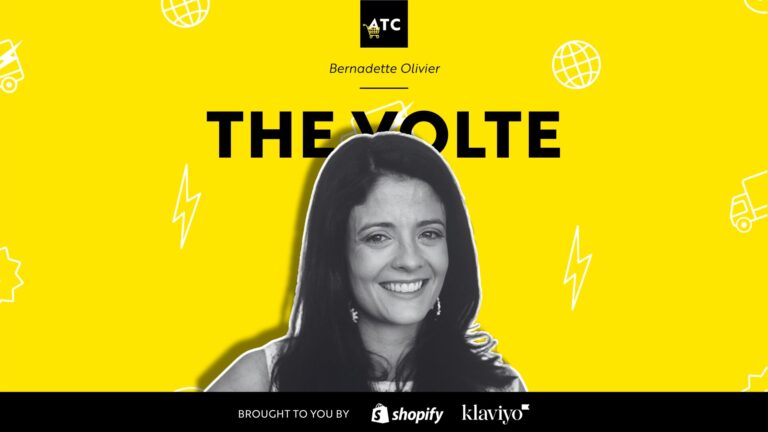
Nathan Bush: Look, you probably know this already, but customers aren't just googling products anymore, they're asking AI what to buy. And if AI can't understand your brand, it won't recommend it. That's why Studio Hawk, Australia's largest dedicated SEO and AI search agency, is offering Add to Cart listeners a free SEO and AI Search master plan. You'll get an in depth audit of how your brand appears across search and AI platforms, plus a custom roadmap to improve your visibility and to help you get started straight away. You can also download their free E Commerce AI Visibility toolkit. It's packed with prompts, checklists, wireframes and a step by step digital PR framework. Head to studiohawk.com add to cart that's studiohawk.com au add to cart to download your exclusive toolkit and request a personalized master plan. We'll put the link in the show notes as well Think about what secondhand shopping used to mean, especially in Australia. Saturday morning at the Salvos or Saint Vinnies, walking through the racks hoping to find something interesting, maybe even clean. Some people loved it, but most people did it occasionally. At best wasn't fashionable. It was practical. Now that version of secondhand still exists and and it's come a long way, but it's probably not the story anymore. These days, secondhand is cool. It's where a genuine and growing part of your customer base probably wants to shop. Depop vinted Facebook Marketplace the Vault Platforms that haven't just made secondhand more accessible, they've made it the preference for buyers who could easily afford to buy new. The global second hand apparel market is growing seven times faster than traditional apparel. In Australia, the second hand market is projected to grow from around $5 billion today to nearly $18 billion by 2031. But here is the problem for retailers. You probably have no idea how much of that activity involves your products. The moment someone sells your jacket on Marketplace or rents your dress through a peer to peer platform, or trade your shoes in a Facebook group, the transaction is invisible to you. The first sale is the last thing that you see from that customer. Everything after that happens without you. That invisibility is a commercial problem because some of those people buying your products secondhand are encountering your brand for the first time. They're forming an opinion of what you make. Some of them are becoming your best future customers and you're not in the room with them. Bernadette Olivier has spent the last six years building the Vault. It's Australia's leading peer to peer fashion rental Marketplace, she's building a community of more than 5,000 lenders running real businesses from their wardrobes. Alongside that, she's also building Seamless. This is the infrastructure that sits at the intersection of retail and resale. Retailers who integrate it can track their products all the way through the secondary market, earn royalties every time an item is rented or resold, and actually reach the customers discovering them for the first time. Let's hear it from Bernadette.
Bernadette Olivier: I don't think it's important to the customer. So the real value proposition for the customer is save your item and in one click you can list it on ebay shortly, other platforms, you'll be able to cross these to multiple resale platforms and when it's sold, it will automatically delist it on the other platforms. So for the customer, it's really about not having to create the listing, not having to create an account, not having to create get a photo and being able to really easily sell their item. A lot of the things in our roadmap this year is also about triggers, so letting you know, oh, you bought this Camilla dress. There's huge demand for that on ebay right now. So being able to really incentivise people to say, oh, actually, I don't really wear that. And what is actually amazing, a lot of our Australian brands fetch more in secondary markets than. Than they retail for. I always kind of laugh because the Hootigurus are really big in Australia and strangely, Brazil. And I was always confused because, you know, even now my uncle's, you know, 70 and he's like, I just played for a million people in Rio and,
Speaker C: like, a little quizzing.
Bernadette Olivier: I was like, I love your music, but why? And it turned out that in the 90s, the Brazilian population could get a few counterfeit CDs, and one of them was the Hootie Gurus. And if you think back to the 90s, getting a counterfeit CD was like, it's theft. It's terrible. There was, like, CD burnings, like, it was all. But now looking back, that was distribution. That was the way all these Brazilians now love the hoodie gurus. Bringing it back to retail is, I do think it's the biggest untapped opportunity because most people fall in love with a product through using it or buying it on the secondary market. And they may never, ever have bought, say, you know, a Vic and woods or Age dress, and then they buy it on the secondary market and they love it. And then you, all of a sudden, you start getting these ambassadors. And I think it has been an error to ignore the power of your product and not to see your product as a marketing channel.
Nathan Bush: And is that almost an experiential thing? So the audience or the consumers who are renting for, for an occasion, they're doing it often because they might not be able to afford the off the shelf price or see the value in it, especially if you've got a special occasion coming up. But the idea being that like your hoodoo gurus is that these brands will be able to cash in in 5, 10, 15 years as that consumer goes through their life and can afford the more designer brands and it becomes part of their staple. Is that kind of the mindset?
Bernadette Olivier: Yes, I mean it's even faster than that. We now target everybody who rents an item who's a brand partner. We target them with them with a voucher to turn them into a primary purchaser and the same on the secondary market. That's something we're rolling out this year. So this is the first time retailers have actually been able to reach these consumers who may need. That's their first interaction with your brand. That's turning your product into an acquisition channel.
Nathan Bush: Yeah. And how many rentals would you get out of a product?
Bernadette Olivier: I mean we're lucky. In Australia our designers make amazing products. Like they capable of lots of rentals. Like we've had dresses that have been rented 72 times. But then I think about it like it's kind of odd that we think that that's surprising because you know, vintage clothing, like how often was that worn? And you know these are beautifully made occasion wear pieces. They're not jeans. Like people aren't, you know, going to the shops in them. I think the other really strong commercial KPI that we've proven in the last six months that I'm so excited about is when our retail partners and we've done, we're about to do a third pilot when they push resale to their existing audience. Some of this isn't publicly so I'm just not going to name the names they say you're not wearing. Our brand, any items that you're not wearing, we encourage you to resell and we reward you with a voucher. And so what that does is it's pushing some a sustainable outcome because you're keeping more goods in circulation for longer. You're unlocking latent consumer spending rather than say afterpay, which is leveraging future earnings, you're actually leveraging latent assets that people sell and then you're incentivizing them to come back and spend that capital with you by purchasing something new. And we've done three pilots now, and the results are pretty phenomenal.
Nathan Bush: What Bernadette is describing There isn't nostalgia about her uncle's brand. Although that was a really cool story. It's the clearest framing I've heard for why the secondary market is an acquisition channel. Most retailers are leaving entirely to someone else and probably people that aren't qualified. Here are three things worth taking back into your business from this conversation. Number one, your secondary market is already running without you. The first thing to accept, and this one sits uncomfortably for most retailers, is that you don't know what happens to most of your products after the first sale. Post checkout is a black hole. You see a return. If it comes back, everything else is gone. But those products, they don't disappear. They go to Facebook, buy, swap, sell groups. They go on depop, ebay, vinted. They circulate. And there are people in that secondary market having their first real experience of your brand right now without you knowing. Dean Jones raised this when he was building Glam Corner. The brand spell had realized their own customers were already running a thriving secondary marketplace in Facebook groups. The secondary economy for their products was huge. The brand just wasn't in it. Go and search your brand name on depop or Facebook Marketplace right now. Those are your customers. You have no relationship with a single one of them, though. Something to address. Number two, secondary buyers aren't defectors. They're actually at the top of your funnel. The most common reason that retailers stay out of the secondary market is the fear that it cannibalizes primary sales. If your product is available secondhand for half the price, why would anyone buy it new? The data doesn't support that fear, though. When Assembly Label launched their rewarn resale program, the finding that settled the internal debate was this. The majority of secondhand buyers were new to the brand entirely. They're not existing customers who are trading down new people who weren't in the market for full price. Assembly Label, who found their way in through resale and who are over time, limited, likely to become primary buyers. Bernadette's pilots with Seamless shows the same pattern from the other direction. When retail partners push resale to their existing customers, encouraging them to sell items they're not wearing, and rewarding them with a voucher, the spending that gets unlocked is additive. It's turning dormant wardrobe assets into new transactions, not pulling revenue away from new sales. The secondary market isn't taking customers away from your brand. For most of them, it's how they find you in the first place. Number three, the brand experience of the secondary sale is yours to own or lose. This is the part that gets missed even by brands who accept the first two points that I talked about. Say someone buys your $700 jacket on Facebook Marketplace. It arrives in a padded bag with no note, no tag, nothing that ties it back to you, especially the original experience that that first customer had. They don't know the story behind it. They don't end up on your list. They don't hear from you. That customer bought your product, but you don't get the customer. The shift is simpler than most retailers imagine when Karen Willis Homes launched their resale platform, giving customers a proper brand channel to sell their pieces, 100 listings went live within the first 20 hours. The the pent up secondary market for their wedding dresses was already enormous. They just never given it a front door. And that's what building into this looks like. You make sure that when your product changes hands, there's a brand moment in that exchange. A voucher, a registration, an email. Something that turns a discovery into a relationship and a new customer into someone you actually know. Retailers are spending more every year trying to reach new customers through paid channels that are getting noisier and more expensive. Meanwhile, especially in fashion, there's a market growing faster than almost anything in retail, where your products are already being discovered by people who'd never have found you otherwise, and most brands have no presence in it at all. This isn't a sustainability argument, although there is one there. It's actually a commercial one. When your product changes hands for the second time, the fifth time, the 20th time, are you there? Or are you handing that acquisition to whoever runs the marketplace it ends up on if you're thinking through how resale fits into your acquisition strategy, or how other operators are making the call on when and how to get into the secondary market. Those conversations are happening right now in the Add to Cart community. You can join for free at add to cart.com comau that is the playbook for the week. I'll see you next Friday.