Most ecommerce conversion work targets the same moment: the customer who is already close to buying. But the most expensive conversion problems happen before anyone adds anything to cart. That customer doesn’t show up in your abandoned cart report. They just don’t show up.
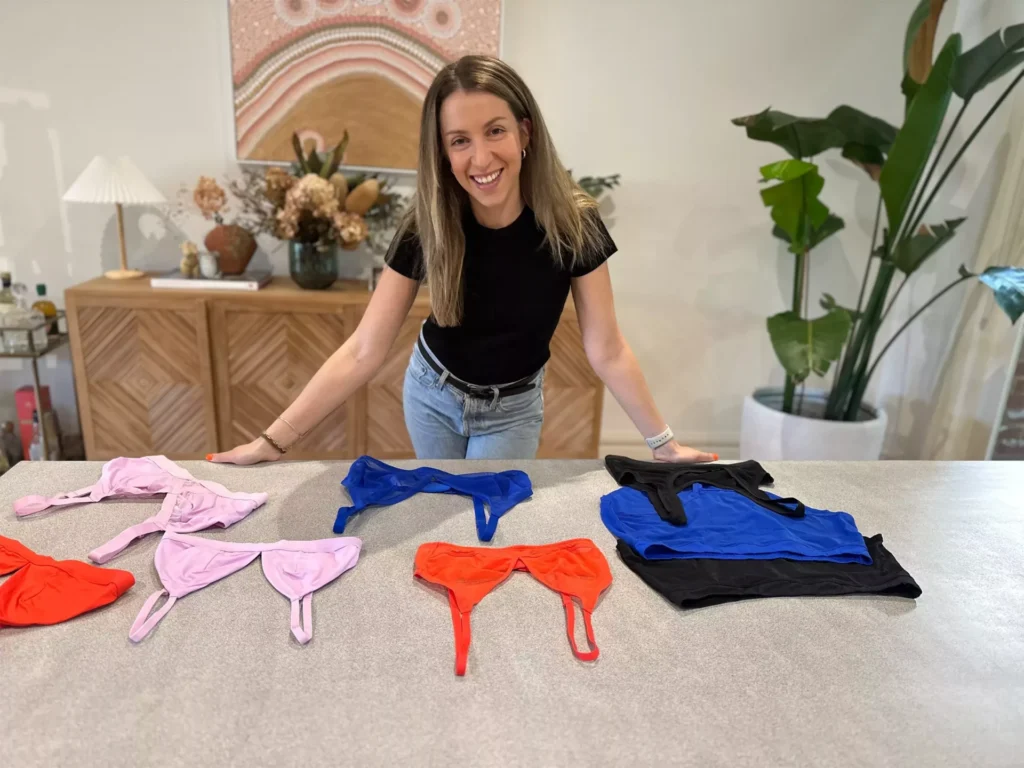
In this episode, based on a conversation with Chloe de Winter, co-founder of Nala, we cover three things ecommerce operators can take into their business:
- Your real conversion barrier is probably invisible to you
- The best experience investments solve a functional and emotional problem at the same time
- The data you collect through the experience is worth more than any third-party signal you’re buying
EPISODE CHAPTERS
| 0:34 | The In-Store Intent Black Hole |
| 3:40 | Why Wishlist Exists And Works |
| 7:45 | Incu’s Culture Of Curiosity |
| 11:50 | Scaling Great Service Across Stores |
| 14:55 | Making Integrations Simple For Retailers |
| 19:12 | Clienteling In Practice On The Floor |
| 25:10 | Attribution That Changes Staff Behavior |
| 31:05 | Measuring Engagement Not Just Sales |
| 35:25 | ROI Benchmarks And Rollout Strategy |
| 38:50 | What’s Next With AI Automation |
| 44:13 | Key Takeaways And Where To Learn More |
What Is an Invisible Conversion Barrier?
An invisible conversion barrier is friction that stops a customer from buying before they ever reach your cart or checkout. It doesn’t show up in your standard analytics.
humii, a mystery shopping platform for ecommerce, exists specifically to find these moments. Two examples: a US brand running paid acquisition in Australia had no idea half their shoppers were abandoning at a pop-up telling them the brand didn’t ship here. A second retailer’s site search returned zero results whenever a customer typed the apostrophe in “Levi’s.” Neither issue appeared in a dashboard. Both were silently destroying conversion.
Your analytics tell you where customers leave. They almost never tell you why.
How Nala Fixed the Biggest Barrier to Buying Underwear Online
Nala sells bras and underwear, one of the most technically complex categories in ecommerce, with dozens of sizes per style and a customer who has historically needed to try things on before buying.
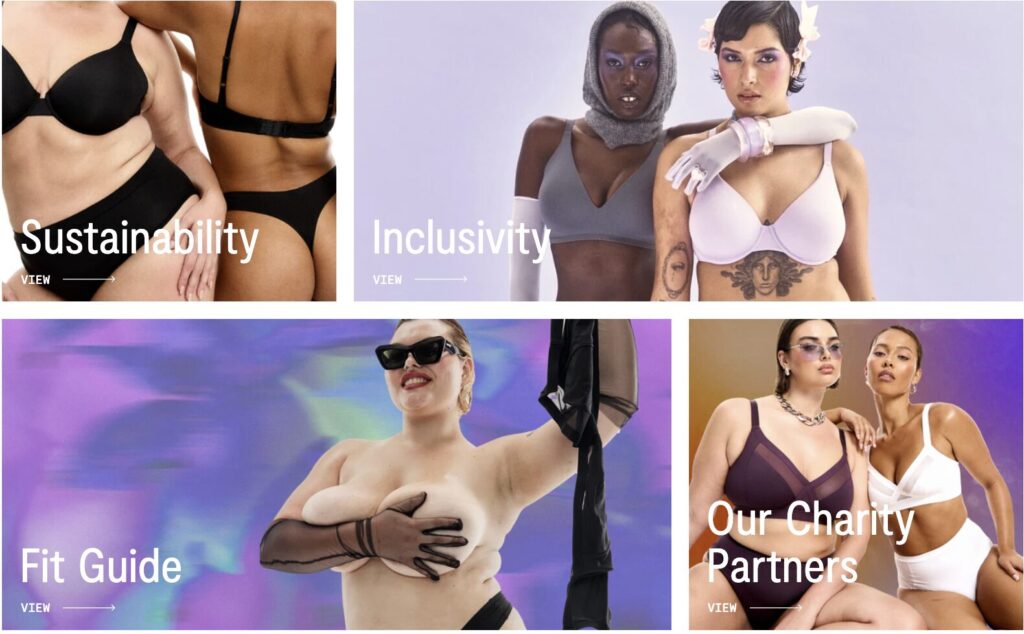
The conventional response is a size chart. Nala’s response was an online fit guide featuring 100 photographed bodies across every size, shape, and life stage. A customer finds a body like theirs, clicks on it, and sees that body in two Nala products. It answers the question stopping them from buying (what will actually fit me?) before they ever reach a product page.
“We knew [selling bras online] would be our biggest barrier. We wanted to try and come up with a creative way for people to understand what their size was to then convert them into sales.”
Chloe de Winter, co-founder, Nala
When Nala expanded the guide from 33 to 100 bodies to improve representation, the response was immediate. One customer who had a double mastectomy said she had never before seen a body like hers represented by a fashion brand.
Your Real Conversion Barrier Is Probably Invisible to You
Take the product in your range with the lowest conversion rate relative to traffic. Ask honestly: what does a first-time customer need to know before they can buy this with confidence?
Not at checkout. Before that. That unanswered question is your conversion barrier. And it almost certainly isn’t showing up in your data.
The Best Experience Investments Do Two Jobs at Once
Nala’s fit guide solves a practical problem (customers don’t know their size) and an emotional one (you belong here, whatever your body looks like) with the same investment.
Most brands treat functional and emotional as a trade-off. Nala’s approach is to make them the same thing.
JAM the Label built a clothing brand for people with disabilities. That’s around 15% of the global population and a customer excluded from almost every fashion retailer. Founder Molly Rogers’ argument: when you design for a customer your industry has never served, the community that forms advocates and returns not because they were incentivised to, but because the experience earned it.
Designing for the excluded customer is not a niche strategy. It is frequently the best available customer acquisition strategy.
The Data From the Experience You Build Is Worth More Than Any Third-Party Signal You’re Buying
Once a customer uses Nala’s fit guide, the brand knows their size, their life stage, and what they’re likely to need next. Someone browsing maternity bras enters a Klaviyo flow that tracks their journey and transitions them when the stage changes. The experience is the data collection.
Jane Cay at Birdsnest built the same logic into a style profile. Customers share their colours, body shape, and preferences and it becomes a first-party data foundation.
“We had all this great data and now we finally have the tools to do something with it.”
Jane Cay, founder, Birdsnest
First-party data collected through an experience customers actively chose is more durable and more accurate than anything inferred from browsing behaviour. The longer you run it, the harder it is to replicate.
The Takeaway
The starting point is simpler than a 100-body photoshoot. Pick your lowest-converting product. Ask what a real customer needs to know before they can buy it with confidence. Build the experience that answers that question.
The customer who never made it to your checkout didn’t abandon anything. They just never showed up.
Frequently Asked Questions
What is an invisible conversion barrier in ecommerce? An invisible conversion barrier is friction that prevents a customer from buying before they ever reach the cart or checkout. It’s typically a question they can’t answer, like sizing or fit. It doesn’t appear in abandoned cart reports because the customer never gets that far.
What is an ecommerce fit guide? An ecommerce fit guide is an on-site tool that helps customers identify the right size or product for their body or preferences before purchasing. Nala’s fit guide features 100 photographed bodies across different sizes, shapes, and life stages, allowing customers to find a body like theirs and see products on it.
What is first-party data in ecommerce? First-party data is information a brand collects directly from its own customers through owned channels like quiz responses, style profiles, or fit guide interactions, rather than purchasing data from third-party sources. It is more accurate, more durable, and not subject to third-party cookie deprecation.
How do you find invisible conversion barriers on your ecommerce site? Start by identifying the products with the lowest conversion rate relative to traffic. Then ask what a first-time customer would need to know before buying with confidence. Not at checkout, but before that. Tools like mystery shopping platforms (such as humii) can simulate real customer behaviour to surface friction that standard analytics miss.