There’s a link in ecommerce that mostly goes unsaid, and it’s a slightly awkward one. It’s the connection between giving and commercial benefit. When a brand partners with a charity, they’re almost always doing it for the right reason, because they want to do some good. But to get it off the ground, and to keep it alive when the budget tightens, they usually have to rationalise it in commercial terms.
That’s the part that feels a bit icky to say out loud, that generosity also carries a commercial upside. It does though, and being honest about that is often the very thing that lets the good happen at all. A lot of charities miss out right here, because they don’t like playing in this space, it feels grubby to them. The thing worth chasing is the win-win-win: a win for the retailer, a win for the charity, and a win for the community in need. Get all three and it’s powerful. Miss one and it falls over.
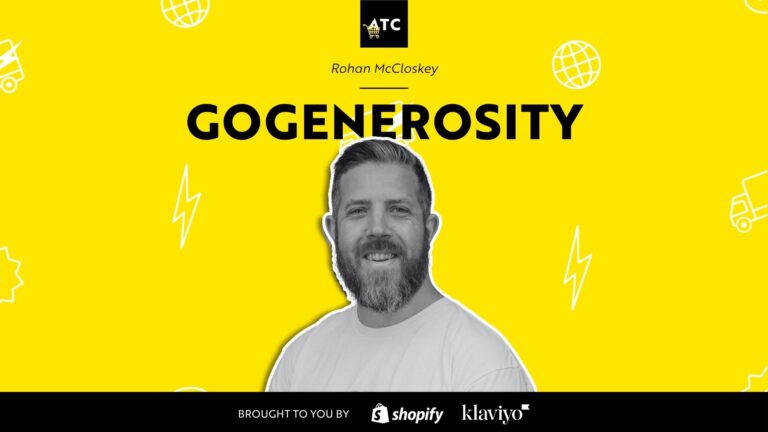
Rohan McCloskey, founder of GoGenerosity, a pay-it-forward platform that turns small customer donations at the checkout into full-value gift cards for people in need. Rohan has since sold the business, but the thing that always stuck out about what he built is that from day one, the front of his mind wasn’t just how to amplify giving. It was how to amplify the return for the retailer at the same time, without ever asking the retailer to give something away. This episode was co-hosted by Rosa Willis.
The Model That Doesn’t Touch Your Margin
The reason GoGenerosity works commercially is that it never asks the retailer to give anything away. Rohan is upfront that it’s a social-impact business, not a revenue play, but he’s just as clear about what it doesn’t do.
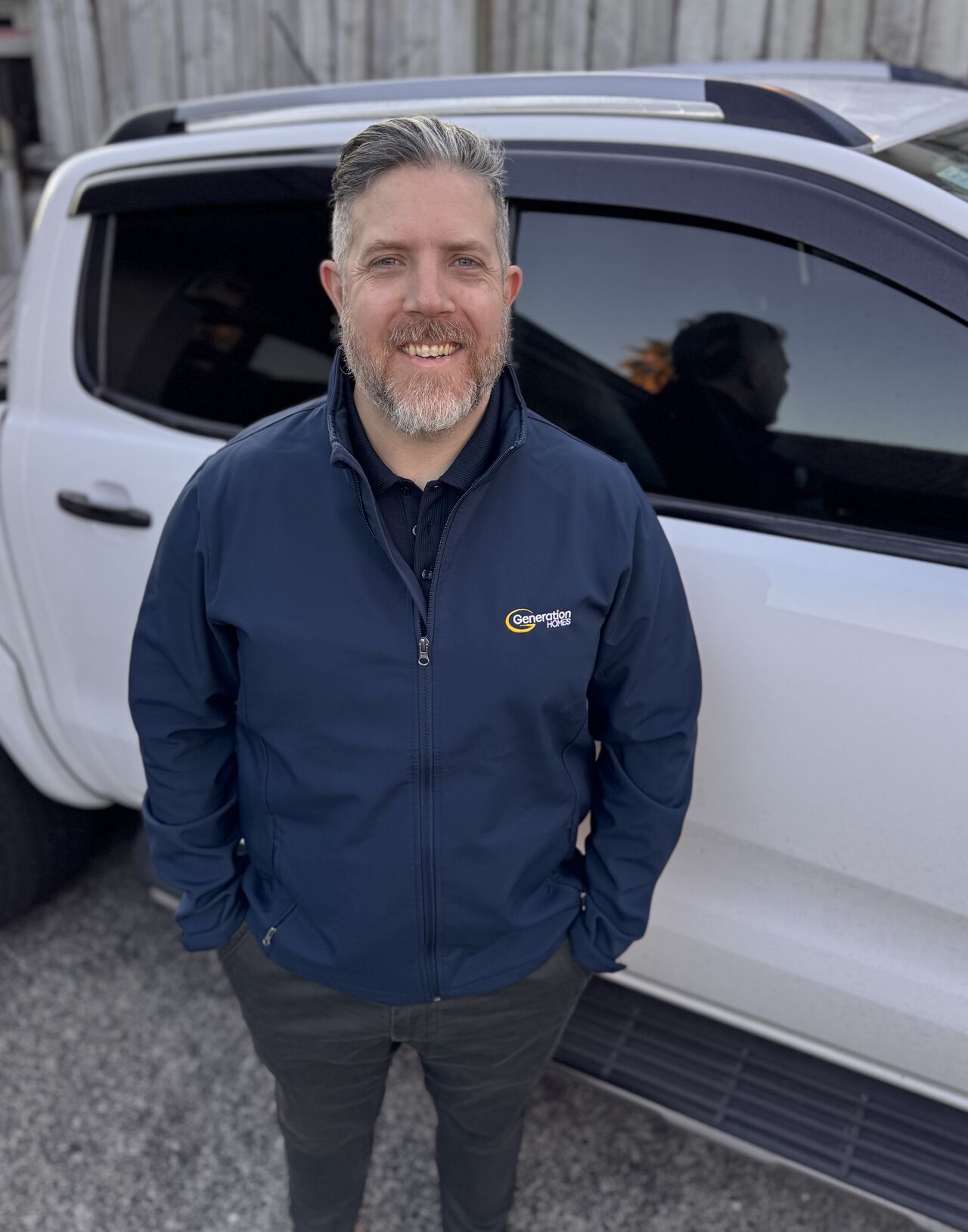
We’re not taking away from your margin. We’re not affecting or hurting your bottom line. If anything, we’re helping increase it. And everything we do is completely measurable for the merchant.”
- Rohan McCloskey, Founder, GoGenerosity
The mechanics are simple. Say five thousand dollars comes through in donations in a month. A hundred percent of that is turned into a full-value gift card, sent to the charity, and redeemed at full retail value. The customer is the one being generous, and the brand can choose to partner alongside them. That’s the balance most people never crack, and it’s what gives purpose a commercial backbone rather than a cost.
Lesson One: Let Purpose Lead, But Give It a Commercial Backbone
The order matters here. You don’t have to lead with the commercial case. For a lot of retailers, purpose is the actual reason they exist, and it’s one of the strongest ways to stand out in a crowded market and take a share of it. So purpose can absolutely lead. But it can’t survive on warm and fuzzy alone. Underneath it there has to be a commercial backbone, something that makes it durable, so it isn’t the first thing cut when the year gets tight.
Clothing the Gaps is one of the best examples of this. Laura Thompson and Sarah Sheridan built the whole brand on their values, and it shows up directly in the numbers.
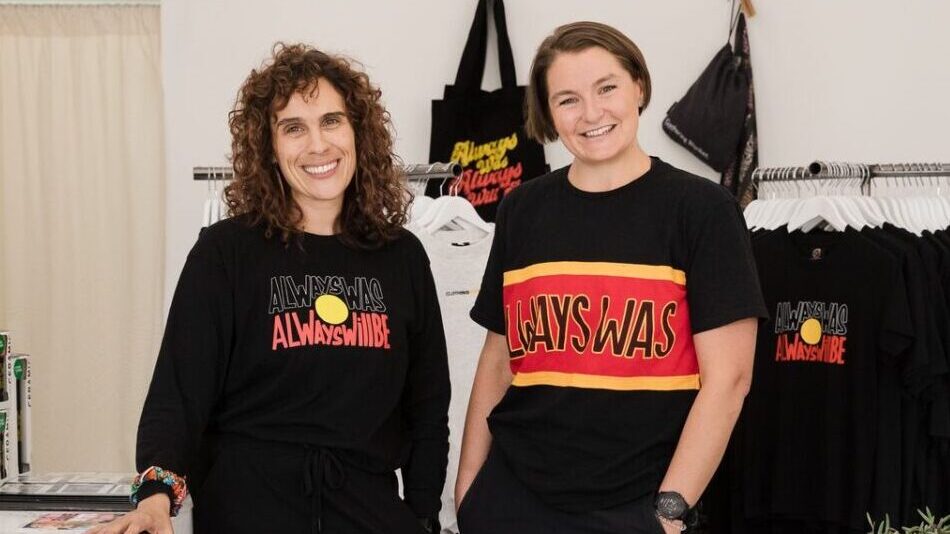
If you keep your values and your purpose at the core of every single decision, the outcomes follow. We’ve got a returning customer rate of almost forty-seven percent. We don’t call our customers customers, they’re our community of supporters.
- Sarah Sheridan, Co-founder, Clothing the Gaps
A forty-seven percent returning customer rate is the commercial backbone talking. Their purpose leads, but it pays them back in loyalty and repeat purchase. So don’t bury your purpose to sound commercial, and don’t run it on good feelings alone. Lead with the why, and make sure there’s a real commercial engine underneath.
Lesson Two: Weave It Into the Problem, Not a Guilt Trip
The second thing is where you place the giving. The trick is to weave it into the problem you’re already solving for the customer, not to make them feel guilty at the worst possible moment. A donation prompt that puts the ask on the customer at the checkout adds friction, most people say no, and then they feel bad about it right when you want them to convert. The version that works sits inside the value you’re already delivering, so the good rides along with the thing they came to buy.
That’s exactly what Rohan’s mystery shopping found. Working with the team at Hume, they saw that consumers seeing how tangible the impact was were statistically far more likely to shop with that brand over a competitor selling the same products, and that a hundred percent of mystery shoppers reported no friction at all, with many saying it made them want to buy more. James Bartle at Outland Denim worked this out early, leading with the product and letting the story come through it.
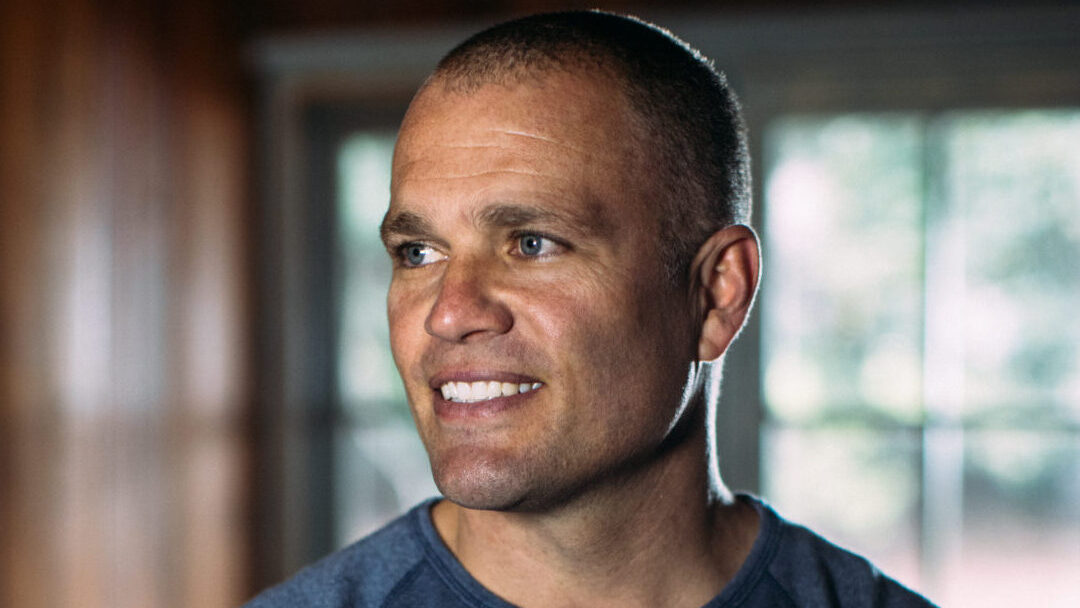
We don’t want people buying our product because it’s a charity. We want you to buy it if you love it, so the product has to speak for itself. Then they get it home, open it up, and see a thank you printed inside from one of the seamstresses.
- James Bartle, Founder and CEO, Outland Denim
So don’t lead with the cause and don’t guilt people at the till. Sell them the product, solve their problem, and let the good they’ve done be peppered through and land as a bonus, not the pitch.
Lesson Three: Make the Impact Visible and Pick a Cause That Fits
Once it’s running, two things drive how much your customers get behind it: whether they can see the impact, and whether the cause fits your brand. Rohan found the charity a merchant chooses can move donation rates by a few percent, and that a trusted brand like Harris Farm gets generosity month after month because customers trust their judgement. This is where the win-win-win gets real. The community in need has to actually benefit, and your customers have to see that they made it happen.
HoMie‘s co-founder Nick Pearce put the visibility side better than anyone.

The biggest thing is being accountable to our stakeholders, which is our customers. You have enabled this to transpire. When we post about our stories, it gets ten times the traction, which is so telling that people really value it.
- Nick Pearce, Co-founder, HoMie
So pick a cause that actually aligns with your brand and your customer, then show the impact back to them, because they’re the ones who made it happen. Alignment plus visibility is what turns a giving feature into a real relationship.
The Takeaway
The link between giving and commercial benefit is real, even if it’s a little uncomfortable to say out loud. Doing good isn’t why you do it, but done properly it strengthens your brand, sets you apart, and earns you a share of the market. It only works, though, if there’s a strong commercial case behind it, not warm and fuzzy on its own. Purpose out front, a commercial backbone underneath, and a real win for the retailer, the charity, and the community all at once. That’s the whole game.
Frequently Asked Questions
Can charitable giving actually be good for business? Yes, when it’s structured well. A purpose-led approach can drive measurable loyalty and repeat purchase, as seen with Clothing the Gaps’ 47% returning customer rate. The key is giving purpose a commercial backbone so it’s durable, rather than relying on goodwill alone, which is the first thing cut when budgets tighten.
How do you add donations without hurting your margin? Models like GoGenerosity turn customer donations into full-value gift cards redeemed by charities, so the giving comes from the customer rather than the retailer’s margin. The brand can choose to match donations, but isn’t required to. Because it’s fully measurable, merchants can see the impact and the commercial effect clearly.
Does asking for donations at checkout hurt conversion? It depends entirely on how it’s placed. A guilt-trip ask bolted onto the checkout adds friction and most people decline. When the giving is woven into the value the customer is already buying, it can do the opposite. GoGenerosity’s mystery shopping found no friction, with many shoppers saying it made them more likely to buy.
How do you get customers to care about your giving program? Two things drive it: visibility and fit. Show customers the tangible impact they enabled, because they’re the ones who made it happen, and choose a cause that genuinely aligns with your brand. HoMie found stories about their impact got ten times the traction of other content, showing how much customers value seeing the outcome.
This episode is brought to you by StudioHawk. Grab the Chosen, Not Clicked white paper, StudioHawk’s free eCommerce AI Visibility Toolkit and a personalised SEO & AI Search Masterplan for your brand at http://studiohawk.com.au/add-to-cart
In this Playbook we cover three things ecommerce operators can take into their business:
- Let purpose lead, but give it a commercial backbone so it survives a tight budget
- Weave the giving into the problem you’re solving, not a guilt trip at the till
- Make the impact visible and pick a cause that fits your brand