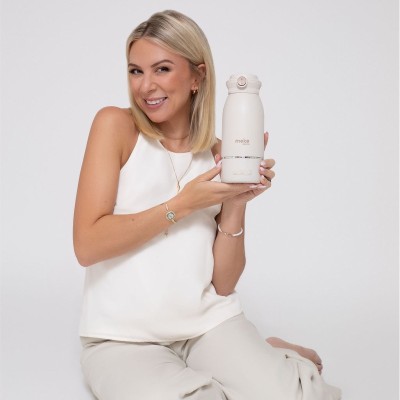
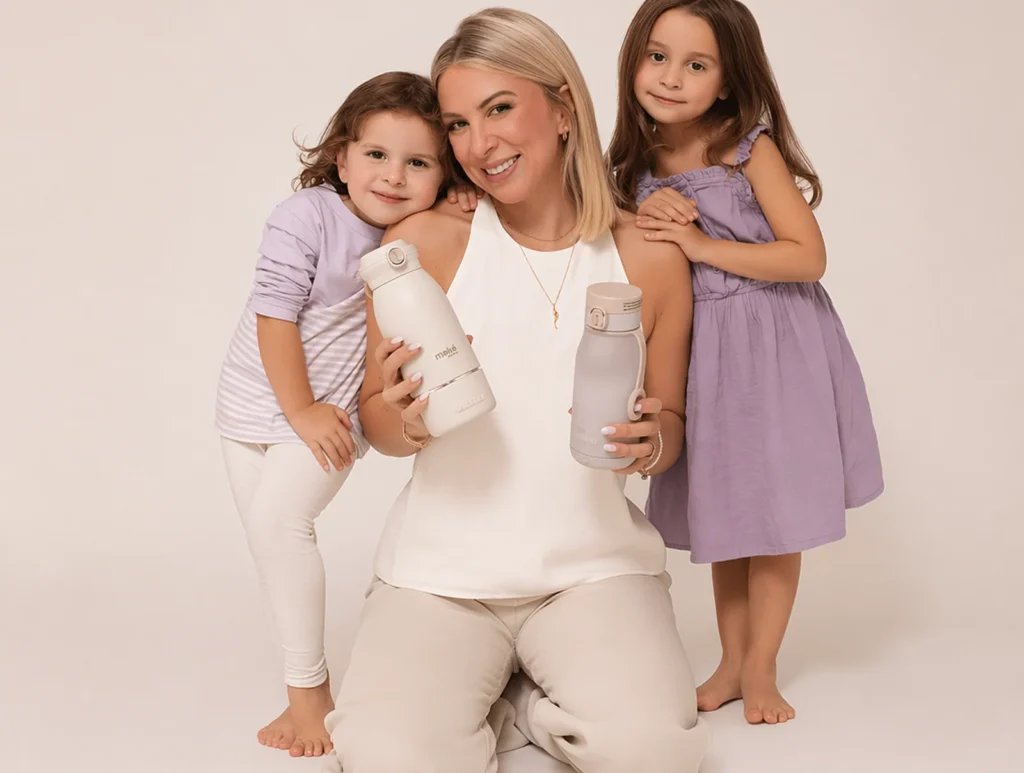
Alicia Krestevsky: How on earth in this day and age can you not go out and be able to heat your own breast milk without having to ask somebody? You can do whatever you'd like, but you can't copy my brain. At the end of the day, they're mums. I knew that this would help them. My name is Alicia Krestevsky and I'm the founder of Meccobaby. And on this episode of Add to Cart, I talk about how I'm scaling into retailer all within the time of Hub. Three young children and a child who is one years old.
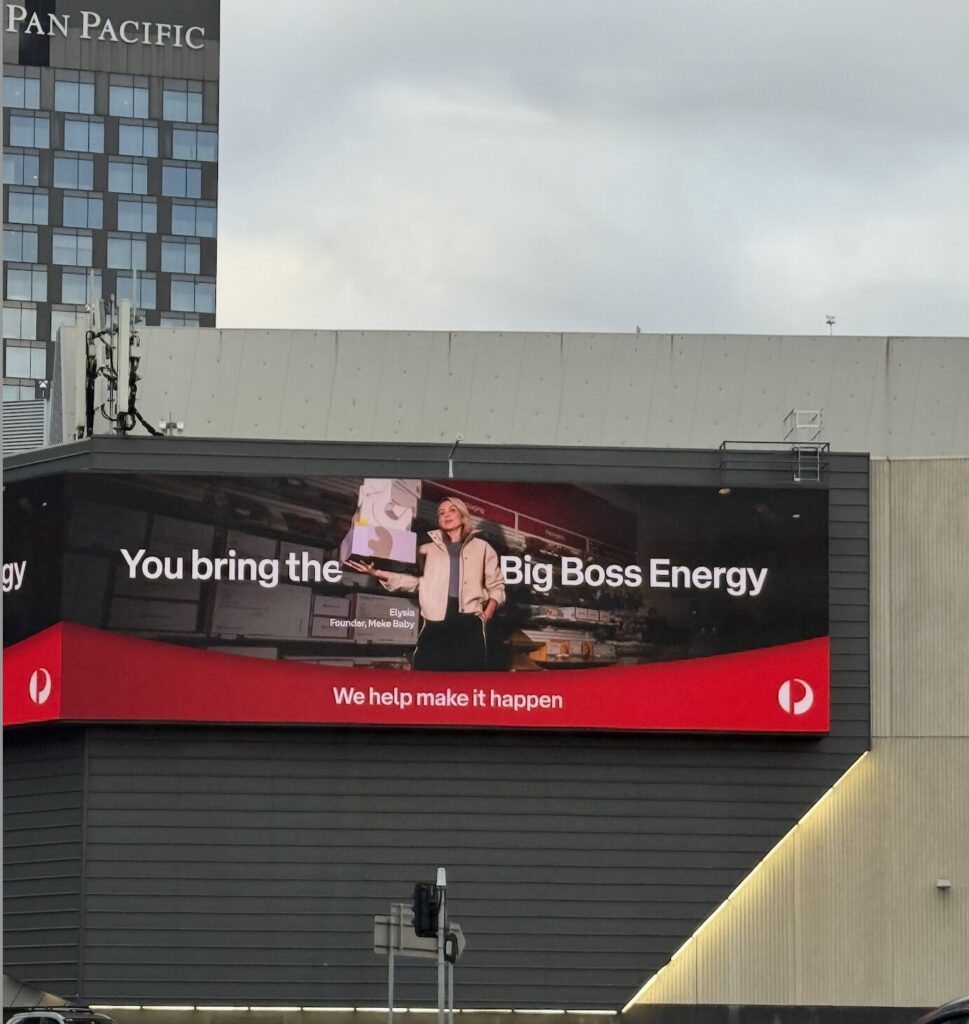
Nathan Bush: Four months after having her son, a competitor turned up and copied Mecca Baby. Not loosely. It was the product, the website, the ad copy, all word for word. Alicia Krestevsky sent the cease and desist, started down the legal path and then dropped the whole thing because it was slow and it was exhausting. Instead, what she did next was actually fascinating. She called a very famous bloke that she went to high school with to borrow his private jet and took a different approach and she tells us about that today. Alicia is the founder and CEO of Micah Baby, the Melbourne brand behind Australia's first portable milk warmer. Four years ago, she couldn't have told you what e commerce meant. She'd spent 15 years in musical theater, starting as a receptionist at 21 and working her way up to co CEO of a company with 15 years of putting on shows. And you can actually see all of this background in the way that she markets her brand. Mecca launched in April 2023, did around half a million dollars in its first year, sold some product in the uk, New Zealand and Singapore, and last month went into baby bunting stores nationally. She's in this year's top 50 people in E commerce. She's the face of Australia Post's Big Boss energy campaign, and she's a mom of three who put her latest product live while she was in labor. In this episode, Alicia talks about handing early prototypes to some of the biggest names in the country at the point where most founders would still be holding back on giving them out. And she talks about the baby bunting buyer who told her they had no data on her category at all because it didn't exist yet. She also admits she'd quite happily go back to the simpler world of the 70s, which is a pretty interesting position to hold when you sell a rechargeable, temperature controlled tech product to be sold online. Now, just quickly, before we get into today's episode, I want to say a big thank you to our partners at Shopify and At Klaviyo for making ADD to Cart possible. We really do appreciate their support of the show and helping us bring this to you. And if you want the cheat sheet from this episode and every episode that we release, head on over to add to cart.com and sign up for our newsletter. We send the cheat sheets out on the day that every episode is released, so you never miss a takeaway or a lesson from one of our E Commerce episodes. All right, let's get into today's show. Here is founder and CEO Alicia Krestevsky from Micah Baby. Alicia, welcome to Add to cart.
Alicia Krestevsky: Thank you, Nathan. I'm very happy to be here.
Nathan Bush: Stoked that you are here. I feel like I'm seeing you everywhere at the moment. The star of Australia Post new campaign. Look out.
Alicia Krestevsky: Oh, well, that's the plan, isn't it?
Nathan Bush: That's so good. How do you get involved with that?
Alicia Krestevsky: To be honest, I've had an ongoing relationship with Australia Post from the very early days at the local post office and then they've obviously supported the growth. So at the top 50. Ecom.
Speaker C: Congratulations, by the way.
Alicia Krestevsky: Chatty with a few people there. Thank you. And from that I think, yeah, I think I just built the right relationships and they've really supported the growth. So, yeah, they wanted me to champion them, I guess.
Nathan Bush: And do you get free posted for
Speaker C: a year or something?
Alicia Krestevsky: Oh, absolutely. God, I wish. That would be a great deal.
Speaker C: Wouldn't it be a fantastic deal?
Nathan Bush: I've never seen them do deals like that.
Speaker C: Anyway, I can say this. You can't. Let's get into the Mecca story because
Nathan Bush: I think it's just a fascinating story. Like you said, top 50 in E commerce last year. What number did you come in at?
Alicia Krestevsky: I think it was like 45.
Speaker C: Just say one. One is the answer there.
Alicia Krestevsky: Oh, well, top 10's the next goal. Right?
Speaker C: So good.
Nathan Bush: So tell me, was E Commerce always on the cards for you? Did you see yourself here today as, you know, top 50 in E commerce?
Alicia Krestevsky: No, absolutely not. I didn't even know what e comm was, I don't think four years ago. If you were to tell me what does that word mean, I wouldn't even know because I that far away from it. So I come from a musical theater background. I was a CEO for a musical theater company where I worked for over 15 years.
Speaker C: Wow, awesome.
Nathan Bush: And what were you doing there? CEO?
Alicia Krestevsky: So I started off as the receptionist. So I was there when I was 21 years old and then I was, yeah, pretty much there for the entire growth of the business so worked my way up to CEO. Co CEO. We had over 6,000 students.
Speaker C: Wow.
Nathan Bush: And you just saw that as your career. You just like, well, that's going to be me.
Speaker C: Yeah.
Alicia Krestevsky: It was quite unusual because it was my dream. Like I had worked in that role. Like, it was everything I ever wanted, basically. So for me to leave that position, to go and do this was sort of something that I never thought that I would do.
Nathan Bush: Can I just say this is the best thing ever because might have heard a bub crying in the background. I can just see over your shoulder someone picking up.
Speaker C: Sorry.
Alicia Krestevsky: It's probably coming through.
Speaker C: And I love it.
Nathan Bush: I love it because we were trying to get the sound right before you.
Speaker C: Like, I'm in the warehouse and your kids in the family. Perfect for your brand. This is awesome.
Nathan Bush: So what was the moment where there must have been some big idea that you were like, okay, look, I think
Alicia Krestevsky: it was never sort of to start a side business or anything like that. I think for me it was really realizing that there was a serious gap in the market that would solve problems for a lot of people. Like, how on earth in this day and age can you not go out and be able to heat your own breast milk without having to ask somebody?
Speaker C: Like, it's the worst thing asking people.
Alicia Krestevsky: Yeah, well, you would have to ask a cafe for boiling water or you'd need to look for a microwave, but you actually cannot heat your own express breast milk. What on earth is this?
Nathan Bush: So then did that trigger, like, obviously I think I feel like as a parent, and I'm not even breastfeeding, but as a parent who's been a dad trying to find somebody to heat up bottles and stuff like that, I think everyone may have had an idea of like, wouldn't this be great to have
Speaker C: heat up milk on the go? How do you transition from an idea into something?
Alicia Krestevsky: Oh, I just relentlessly researched. I cannot tell you the amount of hours that I spent. Like, I went looking for it. So we were at the grocery store during COVID so we weren't allowed to touch anything, sit on anything, do anything. And I remember my daughter Imani was screaming because I couldn't feed her in time. I had mastitis, so I was unable to physically breastfeed. I couldn't heat her bottle. And I was like, I never to be in this situation again. I never want to be so out of control. So that night I just went googling and I was like, there's nothing. There's nothing that actually does this. Like how? And so Then that I just went into a rabbit hole and that was the start of my whole new life.
Nathan Bush: And did you start with a design or did you start with understanding if the tech was available? Did you start with suppliers?
Alicia Krestevsky: Yeah, yeah, obviously I knew what I wanted it to do. I wanted it to have a tank and I wanted to be able to pour the liquid into the tank because there were sort of other similar products where you could twist your own bottle on, but everyone would say that they leaked, so they were very unreliable. I wanted it to be something that, yeah, you could put your own breast milk into it and it would be really fast, but it would also protect the milk because of how precious breast milk is.
Nathan Bush: Yeah, that makes a lot of sense. And so what does the design and the range look like today?
Alicia Krestevsky: So basically we don't have the original milk warmer that we launched with because we have just continuously upgrade and made improvements and catered for what the feedback was. So multiple babies, larger serves, faster heating, the ability to keep cold. So we have sort of stayed laser focused on the feeding category rather than being like, I'm going to bring out a steriliser and I'm going to bring out this and I'm going to bring out that. We've just really wanted to get this product right.
Nathan Bush: Okay. And how many products in the range?
Alicia Krestevsky: So we've got three hero products at the moment and then we have the accessories to support them.
Speaker C: Okay.
Nathan Bush: And in terms of having that idea and then going out and finding a manufacturer or even a designer for that initial prototype, where did you start?
Alicia Krestevsky: I just started looking at all the baby manufacturers in China because I originally did look into what we had available here and it's just not possible. They don't even have the options to do the testing here. But that was actually quite a long process because I learned all that as I was going along. Like, it's essentially like a kettle. So I went to the manufacturers in China that specialized in baby products, but then had kettle like products.
Nathan Bush: Okay, and I'm assuming you got your first prototype back?
Alicia Krestevsky: Yep.
Nathan Bush: Who did you test that with and how'd you get that initial feedback?
Alicia Krestevsky: My husband. And to be honest, originally, he didn't pay attention to this new idea that I had. Like, he was not interested. I don't think he took it seriously. And then I'll never forget, we were on a flight to Queensland to see my parents and I whipped this thing out and got him to make a bottle and he was like, this is fantastic. Like, this is really good. And I think getting his Validation gave me the confidence, like, well, if he likes it, then this actually must be quite good. So, yeah, he was the first person to give me that confidence to just go all in.
Nathan Bush: Who was the first person you gave it to that you didn't actually know or, like, wasn't a safe pair of hands.
Alicia Krestevsky: Honestly, it was Kayla at Seenis, Greta, Like, I went for some of the big dogs. They were new mums at the time, and I was giving it to anyone and everyone who had babies to get feedback. And that, I think, is actually what accelerated at launch, because there wasn't anything like it and all these people were willing to test it. So that was my strategy to begin with.
Nathan Bush: It's a big move, isn't it? Because a lot of founders would hold back to go, oh, I don't want to go out to big influencers or influential people until I'm really confident in this product. Or, like, I've got the version of
Speaker C: it that I love.
Alicia Krestevsky: Yeah, I don't look at it like that. At the end of the day, they're mums. I knew that this would help them, so I didn't go with that mentality.
Nathan Bush: That's awesome. And so I'm assuming then there was enough validation for you to invest, put more time into it. At what point did you go, actually,
Speaker C: this is the business or the career
Nathan Bush: rather than the theater?
Alicia Krestevsky: Probably when I couldn't handle doing both anymore. I think I sort of had it in my mind that I could do both. I could be a CEO, I could have another company, and I could do both really well. I don't think I realized how difficult having your own business is when you're a startup going through that growth phase. I don't think I prepared myself for that.
Nathan Bush: And then you add in being a parent to young children. At the same time, there's so many founders that seem to start when they've got young kids, which is crazy for us all. Like, when we look back on hindsight and you go, at the busiest time in my life, I took on the biggest project of my life. How did you handle that balance?
Alicia Krestevsky: Look, I think at the start, it wasn't too bad because, you know, you get a couple of orders, you're doing all the fun stuff, you create content, you know, it's all right. You kind of just do it. These past 12 months, though, has been a whole other challenge. Like, our biggest year of growth is the last 12 months. My son turned one the other day. Instead of doing a normal matley where you go out for coffee and Go for walks. I have literally been trying to keep my head above water.
Nathan Bush: What's been the biggest challenge over the last 12 months?
Alicia Krestevsky: Being able to manage the growth, but also being present and being able to be a good mum at the same time. You know, there are so many moving parts when we're sort of at our level of where we're at in terms of sales, retail, international interest. Like, it's insane how many things we're trying to, you know, juggle as well as just being at home and being a mum at the same time.
Speaker C: Yeah.
Nathan Bush: And when you talk about growth, are you talking about growth that has come to you essentially inbound growth as you've got the word out and more parents have talked about it? Or are you talking about, have you purposely gone out to grow internationally and into retail and like, with big targets in mind?
Alicia Krestevsky: I'm not sure, to be honest. I'm not sure. Like, obviously everybody wants to scale, right? It's the buzzword, it's what everyone says. And I actually think sometimes trying to scale too fast is where you make a lot of mistakes because it's when things get expensive. We're hearing it a lot at the moment. Everyone's going for that top line revenue, but does it actually matter? So I think what I have realized in the last 12 months is growth means something else. I'm trying to grow sustainably, profitably, which is why retail, and just now, recently, going into baby bunting feels like the right thing to do because you've got a retail partner that is specifically in the space that we want to be in, where our audience is going. So I'm no longer having to spend ridiculous amounts on Meta to constantly chase that three row as you know, where it's like, once you really factor in cost of goods, warehouse staffing, the ato, all of those things. Like, I think I've just realized that scaling on Meta is no longer what I'm looking for.
Nathan Bush: Would you still recommend scaling on Meta to start out a business?
Alicia Krestevsky: Yeah, I do. I think that a lot of our brand awareness has come from that. Like, I don't think we would be in the position that we're in if people didn't hear about us online. I think I would be more careful about how I spend on ads now that I understand what I know about Meta, because previously I would just let the agency go with it, whereas now I run everything. So I would definitely do things differently.
Nathan Bush: There's a lot of founders who are doing that, who have had ads with agencies and instead of even taking them back and putting a team in charge of them, they're getting under the hood and doing it themselves. At a founder level, when we're talking about the limitation of time, especially when you're trying to balance work, family, everything else, there must be a pretty big payoff for you as a founder, learning the meta operations.
Alicia Krestevsky: Yeah, I think you have to. I think if you're an E comm brand, I think you have to learn it. Like, I don't actually think there's any way around it anymore because you know your customer better than anyone else.
Speaker C: Yeah.
Alicia Krestevsky: You really see the numbers. You see what each ad is costing you. And I think once you start to understand those numbers, the month ahead makes so much more sense. You're not going in blindly.
Nathan Bush: So you're using that understanding of Meta to understand everything from demand planning to inventory, like, because it's almost the base of all the demand, so it flows onto everything else.
Speaker C: So if you get that right, you
Nathan Bush: can control the rest of your business.
Alicia Krestevsky: Yeah, yeah. Like, I'll just give you an example, but like, one of the most common questions we're getting at the moment in our DMS is can you heat flow frozen breast milk in the milk warmer? So if I had an agency, they probably wouldn't see that side of it.
Speaker C: Right.
Alicia Krestevsky: So I'm seeing that this is such a frequently asked question. So now I've just literally taken that question, turned it into an ad, launched it last night. It's already had sales.
Nathan Bush: That's smart.
Alicia Krestevsky: So you're really listening. You see the whole picture. I see it all as the founder, so I'm now using that as my engine.
Nathan Bush: Okay, that's really great. What else did you change when you first got that account back from the agency?
Alicia Krestevsky: I'm going to say I made some mistakes.
Speaker C: You can, like, that's the beauty of meta.
Nathan Bush: You can make the mistakes.
Alicia Krestevsky: Yeah, look, I think it's obviously very different and I had a great agency for about 12 months and I've also had terrible ones. But I think looking back at the agency that I had, they were great for the period of time. And I think also Meta changed quite a bit. Whereas now the algorithm is doing the hard work for, for you and it's all about the creative. And as I mentioned earlier, because I come from a creative background, I'm getting really creative with our campaigns and also with our ads. So that's probably what I've done differently is I've really focused on the creative and how I can be clever with it.
Nathan Bush: Here's a tricky One for you. How do you maintain six different drinks brands, each with its own personality, heritage and audience without blurring them into one big beige mega brand. Kind of sounds like a Bush family reunion. That was the puzzle for Casella Family Brands, the family behind Yellowtail and Australia's biggest family owned drinks company. Wine, Beer, spirits, ready to drink. They all needed to feel distinct. Their answer was Klaviyo. Instead of just email, they built what the team calls a customer relationship engine 60 lifecycle flows across six brands that respond to what each customer is actually doing. Browsing. Sparkling different experience to someone deep in the Shiraz. First timer, different again. And it works with automated flows now driving 43% of Yellowtail's Klaviyo revenue and a 35 times ROI across the portfolio. Six brands, one engine, zero fights. Head to klaviyo.com au and see how brands like Casella are doing it right. Your socials are really good and you can tell that you enjoy doing the creative process. How do you wire your brain to kind of do the creative side of it? And like you said, be really responsive when you see customer queries or opportunities come through to go and create content and turn into an ad, turn into sales verse all the boring parts of business.
Alicia Krestevsky: Yeah, look, I must admit, like, that is the shiny object thing for me and I'll tell you a wild story, but when I was four months postpartum. Now four months postpartum is a shocking stage and we had a competitor that killed me. Like, I was devastated by this competitor because when I say they replicated absolutely everything from the website to the product to our copy to the ads, like, everything was like for like. And obviously we had the legal team and we went down that, that process, but it was exhausting and it really got me. And so I went to high school with Adrian Portelli. He was in my year level. So I messaged him and was like, I need your jet. And literally in a week's time, because I knew we're about to launch a new product in a week. I had this custom designed, extravagant black dress made. I had a jet, I had a Lamborghini. I had this whole campaign that was like, it was ridiculous for a baby brand. We literally launched like a little mini film launching our black range for Black Friday. And that's what I say with my creative brain, that if something hits me, I will turn it around and I will go to the extremes to take it to that next level.
Nathan Bush: I am interested in that call or that, that message with Adrian. What was his response? When you're like, this is my idea, this is why I need your jet.
Alicia Krestevsky: I think he understands the competitive landscape and he understands the thing of like, no, I'm not going to let you win. I'm going to do something that you can't do. And I think that was my whole theory, was like, you can copy the website, you can try and copy the product, you can do whatever you like, but you can't copy my brain and the creativeness, you know, that I bring to the brand. So I think for me, it was like, I just felt better spending money on doing something like that rather than going down the whole legal process.
Speaker C: Yeah.
Nathan Bush: So you didn't go legal?
Alicia Krestevsky: No, no, I dropped it. It was too exhausting. And in the end, I don't even know if they're selling the product anymore. You know, it'd be pretty hard to. To keep up with. So, you know, we sat the ccdc, we went down that path. But yeah, I don't even know where they are now, to be honest.
Nathan Bush: That's a good thing, you know, who cares?
Alicia Krestevsky: Yeah, yeah.
Nathan Bush: Do you worry, though, about people like, say, for example, Kmart, We've seen them ripping off left, right and center recently. Do you worry because you're a premium price product? Do you worry about others trying to rip off and take some of that market?
Alicia Krestevsky: Look, it's always going to happen, especially when there's been so much market validation. It clearly is a product that people need. So I'm never going to be the only one in the world. But I also know how difficult it is to manage a product like this and to stay ahead of the game and to make sure that we are the best on the market. So if Kmart were to bring one out, I can almost guarantee it's going to be a terrible version just because of the amount of work that actually goes into its performance.
Nathan Bush: Yeah, that makes a lot of sense. So tell me, Baby Bunting, that's a big deal. And I understand that for a long time you held off going into retail of any sort.
Speaker C: What was the moment that opened your
Nathan Bush: mind up to signing a partnership like this?
Alicia Krestevsky: I spoke to Baby Bunting in the very, very early days and they actually said it was at an awards night and one of the buyers were there and she said, we literally have no data on this category. So it was such a risk for them because it just didn't exist. So we really had to demonstrate the market and show that there was a need. We validated that this was something that could be a hit. And I Remember, it was like two or three months ago, someone in their retail team, because we were on their marketplace, said it's actually the number one seller at the moment. It's the best seller on the marketplace. So I wonder how much more validation you need. But, yeah, we had to prove that it was going to work. And I also wanted to be very confident in the product. I also wanted to ensure that we were ready to launch and we could handle it.
Nathan Bush: It's a funny one, isn't it? Because when you talk about market validation, it's not saying, is there a market for this? Because we've all been born and we've all needed to be fed when we're born. So the market is there. It's whether people will be prepared to pay for the convenience or the functionality. I suppose. Is that kind of what you're trying to prove?
Alicia Krestevsky: Yes, but it's also the safety. Like, there's so much data now, like how many people are using incorrect, unsafe methods to heat up milk. Like, you've always been told, plastic bag of milk, put it in a bowl of hot water. All the data now leachy microplastics. All. Like, so many brands in the US Are facing lawsuits because of microplastics in baby bottles. Like, it's. Yeah, it's one of those things where the market has also shifted and people are starting to realize that there are better ways to prepare their babies.
Nathan Bush: Yeah, okay. That makes a lot of sense. I haven't thought about it from a safety perspective. When you launched with baby bunting, did you launch via the marketplace?
Alicia Krestevsky: Yeah, initially.
Nathan Bush: Yeah, initially. And now you're stocked in stores. Yeah. Okay, great. And I understand that you kind of lent on your theater background for the baby bunting launch. What did that look like?
Alicia Krestevsky: Well, I produced it, so I basically. I didn't want it to be so product heavy. I wanted people to feel the emotion of how far things have come from back in the 70s to now. And for me, like, I'm really missing that simple life of how things were back then in this AI heavy tech world. I'd do anything to go back to those times. Yeah.
Nathan Bush: Go backwards.
Alicia Krestevsky: Yeah, I'd love it. I just think life was a lot easier back then.
Speaker C: That's hard for you to be in E commerce.
Alicia Krestevsky: I know, right. And that's the irony of it, because I. I run a business that, you know, sells a tech product. So that's sort of why that campaign, it was like. Yes, I was leading into the positivity of tech and how much it can and has Improved things. But when it comes to motherhood and when it comes to raising your children, it's always going to be the same. And AI and that human connection, that will just never go. So I wanted to really create a storytelling with that campaign and that's exactly what we did.
Nathan Bush: That's awesome. And what impact did it have on the baby bunting launch? So what was the objective of putting that much effort? Because a lot of people, by the time they get to that point of actually getting the product in store, they're like, oh, job's done, contracts are signed, I've got the inventory, I know where it's going. They don't often do the big campaign or the big announcement. Did it have a material impact on those first few weeks?
Alicia Krestevsky: Well, as far as I'm aware, they were selling stock before it even made it on shelf.
Speaker C: Awesome.
Alicia Krestevsky: So I think that's a really good indication. I think our brand reputation and awareness is the strongest it's ever been. So I don't think that doing a campaign like that goes to waste because you are attracting people to watch your content for a positive reason. You're not trying to sell them anything. We don't talk about features. You know, the product actually isn't the hero. So you connect with people on a different level. So I think that people are more inclined to have a connection to your brand. When you get that right, is there
Nathan Bush: a big part of this where you actually need to stand out? You need to get attention because you've got moms at that stage for such a limited time. Like the decision window is actually fairly small compared to other products in the market where you could have 20 years
Speaker C: where people could buy your product.
Nathan Bush: Do you have to really cut through to get them in that moment?
Alicia Krestevsky: Yeah, I think part of my plans are to create an ecosystem, but specifically in the feeding space. So when you're pregnant or you have a newborn, you're obviously going to do the bottle feeding. So it will start off there. But as you've seen, we've also launched the go box, which is the starting solids. So the ecosystem that we're trying to build is from the start of milk bottle feeding to them solid. So that way we have our customer for a good couple of years.
Speaker C: Yeah.
Nathan Bush: And word of mouth, really important for you?
Alicia Krestevsky: Absolutely. It's the strongest tool.
Nathan Bush: How do you encourage that? Obviously you want it to happen naturally, but are there any mechanisms that you've got either online or in person to help people tell the story?
Alicia Krestevsky: I personally try to build relationships with our customers and it's something that I've never let go. And I was listening to, I think it was the founder of Muscle Nation and he was saying that the customer service is the most, the most underrated thing that people talk about. And I, I've always agreed with that because even like my social media team, they're like, stay out of the dms. You know, we've got to respond professionally. And I'm like, no, I want to talk to these people. And I've kept that going. Sometimes I'll jump on in on the emails or I'll jump in on the dms because you need that relationship. And some of those people that I used to speak to back then, some of our biggest cheerleaders in the community still. So it's something I don't think I'll ever want to let go of. I think it's extremely important.
Nathan Bush: You're not going to hand customer service over to AI?
Alicia Krestevsky: No. No.
Speaker C: That's a big no.
Alicia Krestevsky: Yeah. No, I think you can use AI to help you sort out your inbox and pull out the most urgent. You know, like, I'll run through Claude, like, what are the top 10 issues that have come up this month? Or, you know, who hasn't had a response rate in 48 hours? I'll use Claude to do jobs like that, but I won't do the automated email response. No.
Nathan Bush: Yeah, okay. That makes a lot of sense. I'm keen to understand that customer journey. So we've talked a lot around Meta and how you're getting attention and doing the word of mouth and raising awareness and using meta ads as an engine. Once people get to the Mecca site, how do you think about that from a journey perspective? Because you do have different benefits. Like you said, you've got safety, you've got functionality, you've got convenience. How do you think about that user journey once they get onto the website? What are the key elements for you?
Alicia Krestevsky: Good question. Does that help that I'm doing a CROW audit at the moment? Maybe I'll send that to you and I'll let you know. Look, it's one of my biggest challenges at the moment, especially because when we had one product, product, it was a lot easier to communicate. We now have two products that essentially do the different things that have been designed for different purposes. And so what we're finding is that we're probably confusing people more on which product to buy. So then it has dropped our conversion because they stay in the funnel for a while trying to figure out which ones they need. So one of Our winning ads is actually an ad that explains the difference between the two products.
Nathan Bush: Okay.
Alicia Krestevsky: Because our product requires so much education, people really go and do their research. It's not an impulse buy. The customer journey is challenging for us at the moment because we are really trying to work out how we educate our customer from start to finish so they're confident with what they've purchased.
Nathan Bush: Yeah. I'm having a lot of conversations with people around this at the moment where if we think back five, 10 years, we were sending everyone to a homepage and hoping that customers work it out for themselves.
Alicia Krestevsky: Yeah.
Nathan Bush: And then moving towards categories, sending the category pages. But I feel like even then that overwhelming choice is too much. Especially when you're coming from Insta or TikTok, where you've come from, a really entertaining environment, your brain's not probably functioning at full speed and then you've still got more choice ahead of you. It's like, actually we have to be really specific around just sending them to one product and not trying to get them to shop around or question it too much. Just get that conversion straight away.
Alicia Krestevsky: Yeah, yeah. And also, like, people don't want to read. People don't want to read anymore. But it's a product that you really need to explain. So it's trying to find that balance of not looking to infography, but also being able to explain the product in enough detail that people understand it. So, yeah, it's an interesting one because we had a website that I thought was terrible. We've turned over to this brand new website that I think is better, but our conversion has dropped.
Speaker C: Oh, wow.
Alicia Krestevsky: So now we're trying to work out why. Why has that happened? So, you know, but it changes. It changes all the time. So. Yeah, I'll let you know when I figure it out.
Nathan Bush: That'd be great. You'll get all this data back from
Speaker C: the crow and you'll be like, I'm
Nathan Bush: even more confused than I was before.
Alicia Krestevsky: Yeah, yeah.
Nathan Bush: And you talked about customer service. I can imagine. Returns and refunds. Just how do you handle that for
Speaker C: your kind of product?
Alicia Krestevsky: Look, it's not too bad. It's not too bad. A lot of the times it's user error. I mean, it's an electronic, so there's always going to be problems. It's a lithium battery, so it's like an iPhone. If you don't charge it correctly over time you're going to have issues, people don't read the manual, things like that. But it's something again, that customer service and our parents is my number one priority. So I'll always go above and beyond to ensure that we can assist our customers and that has worked in my advantage. I know there are a lot of businesses that are extremely tight on their processes and I don't think it works in your favor at all.
Nathan Bush: The market is shifting, costs are climbing and the pressure to do more with less is very real. But when resources are tight, you can rely on Shopify, the platform that's consistently first with new capabilities. Shopify invests significantly in R D and drops more than 150 updates every year. Evolving with you and absorbing complexity so that you can focus on what moves your business forward from AI powered insights to the world's best converting checkout. Shopify is designed for the next era of commerce, helping you sell more, scale faster and future proof your brand build for what is next with Shopify. Visit Shopify for Enterprise to learn more. Yeah, I know that you put a lot of effort into your parcel and your packaging experience.
Speaker C: Do you use a lot of that
Nathan Bush: to try and you know, like you said, no one reads the manuals. Do you try and use some of that to do that onboarding experience?
Alicia Krestevsky: Yeah. I look at the baby industry, like what the cosmetic industry. So beauty was like before Mecca and Sephora were a thing. You know, when things were really dated, like the old school l' Oreal and Maybelline and then Mecca and Sephora came along. I find the baby industry is a little bit like that. So you've got these really old school brands that just don't speak to the modern parent. Quite dated. And I have come in with this fresh boldness, which is why my campaigns, my creative, my packaging, all of that is talking to the new age mum.
Speaker C: Love it.
Nathan Bush: It reminds me a lot of what the memo are doing.
Alicia Krestevsky: Yes, but which we are also stocking the memoir, which is why I think, yeah, our branding goes hand in hand. They're also really great partners.
Nathan Bush: Yeah.
Speaker C: Awesome.
Nathan Bush: And are you thinking about distribution from a point of as long as your partners, you're not limiting to baby buntings or the Memo. It's like as long as they.
Alicia Krestevsky: No, no. I think our strategy now is we're focusing on retail. I'm probably going to pull back on the online. Unless I'm focusing on new products or say, for instance, like the Go box, if you haven't really touched that space enough. The Go box is a product that can heat your lunch. So whether you're a tradie at work, whether you're a mum who's got swimming Classes after school. Like it is a product that suits the entire family. So I think that is something that I'll focus on next for the online space a bit more. But as far as the milk warmer goes, that will more be retail and then we'll look at the international space next.
Nathan Bush: That makes sense. I understand that you're already selling in the uk, New Zealand and Singapore.
Alicia Krestevsky: Yeah, so we started. So New Zealand, we sell quite a lot with the UK and Singapore we put on hold just because trying to manage cash flow and inventory when our growth year has been so significant was really tough to manage. So that's why I wanted to focus on getting here. Right. Getting Australia Hummingbirds and then next year that international space is where we will really put all of our focus on.
Nathan Bush: It makes a lot of sense. Obviously you've got inventory. You've got to be able to keep up with demand. What's your biggest concern outside of that for expanding into other territories?
Alicia Krestevsky: Inventory.
Speaker C: Yeah, just inventory. Warehouse in one spot here?
Alicia Krestevsky: Well, here we have a warehouse, but we obviously won't look at that. So overseas we're Even looking at doing 3 PL from China or a distribution model, which is something that we're exploring at the moment.
Nathan Bush: I'm hearing that coming up so much
Speaker C: at the moment of 13 PL out
Nathan Bush: of China to service the rest of the world.
Alicia Krestevsky: Yeah.
Nathan Bush: Have you looked at the commercials behind that and whether that stacks up?
Alicia Krestevsky: It's actually not too bad. But once you factor in all of the other costs that you're saving, for me, it makes the most sense. And the interesting thing about the way that they do it is the 3pls over there print your labels as if they're coming out of the same country. So if you're in the US you think you're getting it from the US So I don't think there's any harm in doing it that way.
Nathan Bush: And I suppose your turnaround then, if you need inventory, is really quick to get to the customer.
Alicia Krestevsky: Yeah, we'll have that sitting there, ready to go.
Speaker C: Fantastic.
Nathan Bush: Do you think the US is a big opportunity? Are there competitors that are already there?
Alicia Krestevsky: Look, there are a few competitors everywhere, but it's not too different from here. So it's the same type of brands who I think haven't filled the gap that we fill.
Nathan Bush: Yeah. Okay, that makes sense. Tell me more around how you're using AI because I loved that you said that you wish we were in simpler times if we can go back. But at the same time, one of the things that I've heard you say is that you just don't remember running your business without it.
Alicia Krestevsky: Yeah, I know. I hate it.
Speaker C: We're trapped.
Alicia Krestevsky: We're trapped. Life will never be the same.
Nathan Bush: You mentioned being able to put customer queries and feedback into Claude and pick out the key themes and areas you've got to address. Where else do you see the dependency on AI Manus?
Alicia Krestevsky: Like, I need to delete it off my phone. Yeah. Look, I do rely on it a lot. I use Manus, I use Claude, I obviously use ChatGPT and I also use it for creatives. But we are becoming, I think, very dependent on it and I think that's part of the issue is we're not going to know a world without it. So it has sped things up dramatically. Things are far more efficient. Talking through numbers and strategy and all of that, like, it's a whole new way of working, isn't it?
Nathan Bush: Do you find, as a parent and I have this conversation all the time, like, I've got no idea what my kids will be doing for work or how they'll be working in. Like they're going to hit the workforce in 10 years time.
Speaker C: Less.
Nathan Bush: It's wild because the way I've worked is changed. It's totally different in two years. Like, what I'm doing today is I'm sitting in my office talking to my computer all day. Two years ago, I would have looked at what I'm doing and go, you've gone loopy.
Speaker C: It's wild.
Nathan Bush: I just don't know what it'll look like.
Speaker C: How do you position that?
Alicia Krestevsky: It's impacting every space. So film photographers, editors, you know, like, what space is it not impacting other than human connection? You know, we're just going to live in a world with robots and full of data centers. So it's terrifying how quickly things are evolving and with young kids, that's what scares me. But then it, you know, I have become dependent on it in my business. I was like, can you imagine? It disappears tomorrow? What will I do?
Nathan Bush: Well, I haven't seen any AI or robots that can produce human milk yet,
Speaker C: so that's probably a good thing for you.
Alicia Krestevsky: Yeah, yeah, yeah. While I'm sure it's coming, that's some
Nathan Bush: sort of moat for you.
Speaker C: Yeah.
Nathan Bush: Now, you said that the last 12 months were some of the toughest because obviously you've got a one year old and you've had tremendous growth. What are some of the coping strategies that you've put in for you and your family to try and maintain that kind of Balance to make sure everything's thriving at the same time. I think all working parents would just love to understand your perspective on that.
Alicia Krestevsky: Well, you're assuming I've got it all figured out and I don't.
Nathan Bush: You look like you've got it figured out.
Alicia Krestevsky: Oh, look, my husband and I are sort of trying to implement strategies at the moment. So I think for us, it's having work hours, so we don't have childcare. You know, we don't have a cleaner. We don't have that external help. So I sometimes feel like I am literally working 24 7. Like, I don't remember the last time that I did something for myself, you know, And I think that is not a good place to be. So I think the strategies that we're trying to implement is so with growth, with the stage that we're at now. So if you've got that wholesale revenue line coming in, you've got the online revenue line coming in, you can kind of predict and forecast a little bit more accurately. Whereas with online being so dependent on online sales sometimes that things fluctuate. So the cash pressure has made me feel like that I need to work harder. The second that I stopped, it could all come crashing down. And so I've gotten myself in this, I guess, unhealthy cycle of feeling that way. I'm not feeling in control at times. So what I'm trying to obviously do now is structure the business so things are more predictable. And I treat the business like I would treat a 9 to 5. And I think when you are a founder with a young family, you don't have that luxury. People think, leaving the nine to five, you're going to have all this flexibility when you're actually just working 24 7. So the steps that we're going to take is treating work like work and home like home and trying to keep the conversations relevant to the space that we're in, you know, because me and my husband now are doing this together. We're with each other 24 7. We also don't want to talk about work 24 7. And that was the cycle that I was getting in, Becoming almost obsessive and not allowing my brain to shut off.
Nathan Bush: And I can imagine too, when you've got young kids and you've got a business like that, the times where you get to talk to each other uninterrupted are pretty rare. And you've probably got all this stuff around the business in the back of your head. That's the stuff that comes out first,
Speaker C: rather Than life stuff.
Alicia Krestevsky: Yeah. And you're on the phone. You're on the phone all the time, and I don't want my kids to have to see that.
Nathan Bush: Yeah, that makes a lot of sense. All right, so with this new perspective on work, life, family, what does the next 12 months look like for you?
Alicia Krestevsky: Well, we just went through a brand evolution, you know, with a new standard of feeding, and for me, with all of these opportunities that have also come up, this is our new way of working. So we're setting a new standard in the next 12 months. It's all about systems structure. I've spent the first three years that market validation, that brand awareness, the learnings, and you're always going to learn, but I feel like I'm now have a lot of the tools and a lot of the knowledge to set us up for the next 12 of growth by putting in that structure. And the predictability of the business is where I'm really focusing. Putting in more leaders, having others in the business that can run things without being so dependent on me because I can be a bottleneck.
Nathan Bush: That's exciting. That feels like that next step change. You've got through the startup phase, you've got through the scaling stage, and now it's in that sustainable growth stage.
Alicia Krestevsky: Yeah, I think it's really important.
Speaker C: Yeah.
Nathan Bush: Alicia, it's so good. Thank you so much for coming on. We hadn't met each other beforehand, but we'd run in the same circles. I saw you on the the top 50 night and then I saw you pop up again on the Auspost campaign. I was like, oh, we've got to have a chat. So thank you so much for coming on.
Alicia Krestevsky: Thank you, Nathan. It's been a pleasure.
Nathan Bush: Lot of fun. Thank you so much. And look forward to seeing everything that you do and hopefully the bots don't take you over.
Alicia Krestevsky: I hope not. Thank you. Take care.
Nathan Bush: Look, I know I said offhand that I'd never seen an AI or a robot that can produce human milk yet, but who knows? AI moves fast. Maybe by the time this episode comes out, it's happened. If it's happened and you've seen it, let me know. Always curious. Anyway, there's much bigger lessons to come out of that episode than talking about AI and robots. We have three big lessons there. Let's get into them. First lesson is that your next ad ideas are probably hiding in your DMs. The question landing in Mecca's inbox constantly at the moment is whether you can heat frozen breast milk in the warmer. Alicia, only knows this because she reads the DMs herself and an agency sitting outside of the business might never actually see it or might never action it. She took the question, turned it straight into an ad, and launched it that night and had sales in the morning. So go and ask whoever manages your customer service what they're typing out most often this week, then put that answer in front of people who might want to see it in an ad. Better yet, if you haven't been into your DMs for a little while, go check out how people are really talking. The second lesson is that your customer data is an asset in retail negotiation, and it's the one asset that most retailers can't match. Alicia met a baby bunting buyer at an awards night early on and was told, more or less, we actually have no data on this category at all. And while that wasn't a no, it was a risk that they couldn't price. And this is where direct to consumer brands hold something a retailer often doesn't have. She knows who buys at what point in the pregnancy, what they ask before they commit, and what they come back for. She has a really good view over the whole DTC journey. A buyer will often see a shelf, a scan number an anonymous customer and try and piece that information together. So rather than holding out for shelf space or waiting for a retailer to prove that there's demand for a category or a product, Alicia went in through their market marketplace first, became their number one seller on the whole marketplace, and then that got her into stores nationally. So before you pitch to a retailer, work out what data you're sitting on around the customer and the demand that they might not have, and then work with them to prove and take the risk out of that purchase for both sides. And the third lesson is that the right time to put your product in influential hands is often, often before you are proud of it. Most founders sit on a prototype until it's perfect, and by then the novelty or the passion can sometimes be gone. Alicia handed hers to some of the biggest names in the country while it was still early, because her read, and rightly so, was that they're real mums with busy lives. And if it makes feeding easier, then it makes feeding easier. There was nothing else on the market. It did what it did, so everyone else said yes, and that's what accelerated the whole launch. Keep in mind that influencers often want to be people bringing those new inventions to the forefront first, so there's value in coming early for them as well. Whatever you're holding back until version 2. Work out whether that's a product problem, or maybe it's just your own nerves or ego getting in the way of getting it out there. A big thank you, as always to Shopify and Klaviyo for supporting Add to Cart and helping bring these conversations to the e commerce community. If you've got something from this one, please share it with a friend or a colleague. Subscribe wherever you're watching or listening, or leave us a review. All those things help us continue to interview the best people in e commerce and bring you more and more content. All right, until next time, I'll see you on Add to Cart.