You’ve seen them. A countdown timer that starts again when you refresh. A pop-up saying someone in Perth just bought the same thing, and it’s the same someone in Perth every time you visit.
Urgency still works. Done right, it gives a customer a reason to buy now instead of later, and later usually means never. But shoppers have got very good at spotting the fake kind. And the cart and checkout are the last places you want to lose their trust.
What Is Urgency in Ecommerce?
Urgency in ecommerce is a reason for a shopper to buy now rather than later, based on a real limit on quantity or time. It can be a gift with purchase while stocks last, a sale that ends on a set date or a product that’s close to selling out. Fake urgency, such as resetting timers or invented purchase pop-ups, costs trust instead of building it.
Why the Cart Is the Place to Show It
Sylvie Wilson is Co-founder of Unicorn Cart, a Shopify app that runs the cart on more than 400 stores. Unicorn Cart started when Sylvie couldn’t find an app to run a gift with purchase for Black Friday, so her husband James built one.
In her episode, Sylvie shared data from a year of carts. Carts with a gift with purchase offer converted 23.7% higher than carts without one. Yet most brands forget to show the offer in the cart, where up to 80% of shoppers are on mobile.

The cart is like very valuable real estate. It is the billboard that people are neglecting.
In this article, we cover three things ecommerce teams can take into their business:
- Point your urgency at a real limit on quantity or time
- Treat fake urgency as a trust cost, not a conversion win
- Build urgency into the offer itself, then show it clearly in the cart
Point the Urgency at Something Real
There are two real sources of urgency: a real limit on quantity, or a real end date. Before any urgency message goes into your cart, work out which one you have. If you have 300 gifts, “free gift while stocks last” is true. Show how many are left, and take the message down when they’re gone.
Sylvie prefers quantity limits, because shoppers question countdown timers. If you do use a timer, tie it to the real end of the sale. On day six of a seven-day sale, a countdown in the cart tells people the offer is finite.
Some categories have scarcity built in. Grayson White runs Cherry Collectables, Australia’s largest online trading card store. Popular products sell out within a week. When new NRL cards launched, Cherry sold 1,600% more than ever before.
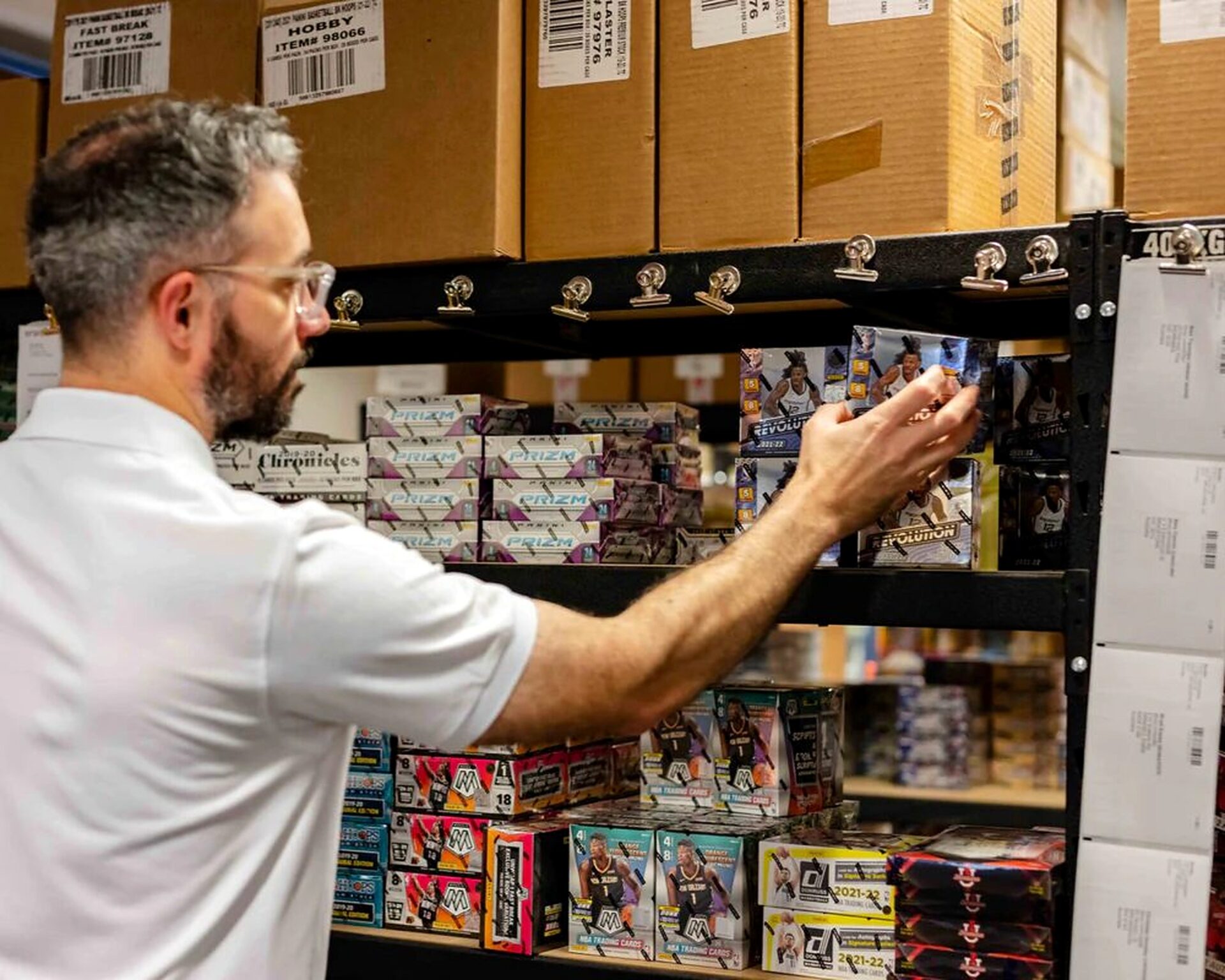
Nothing is better for our business than being cleared out of something.
Grayson doesn’t need a timer, because his customers know cards are limited. Look for where you have a real limit on your own site. A limited-edition run, a bestseller that often sells out or a daily shipping cut-off.
Fake Urgency Is a Trust Cost
The Ecommerce Foundations course covers four kinds of friction on a website: speed, cognitive, effort and trust. Fake urgency seems to remove hesitation. What it really adds is trust friction, the most expensive kind. It follows the customer into checkout and every email after that.
Johan Nyberg runs digital and ecommerce at Elite Supps across more than 140 stores. He has chosen not to use fake “someone just bought this” pop-ups.

It doesn’t matter if you come in incognito or if you have the same session, it’s always the same message. And people see through it. It loses trust, doesn’t it?
If a product really is selling fast, customers want to know. Add a badge to the main product image. Email people who had it in their cart. Make social content out of it selling quickly.
Put the Urgency in the Offer
If you have to invent urgency, the offer usually isn’t strong enough. As Sylvie puts it, if people don’t want to buy something, they don’t want it for free either. The threshold should be within reach, the window should be limited and the benefit should solve a real problem.
Caleb Marshall, Co-founder and CEO of Tropeaka, says the answer is simplicity, especially in big sale periods.

Simplicity is so important. People try to get too fancy, but actually having a really simple offer, especially around key sales periods, can make massive differences.
The gift, the threshold and the end date create the urgency. The cart is just where you show it clearly.
The Takeaway
Know whether your limit is quantity or time. Remove anything that costs you trust. Then build an offer worth acting on now.
Frequently Asked Questions
How do you create urgency in ecommerce without being pushy? Point it at a real limit. Use a gift with purchase while stocks last, show how many units are left, or run a countdown that matches the real end of a sale. Avoid timers that reset and invented purchase pop-ups, because shoppers see through them.
Do countdown timers work in the Shopify cart? They can, if they’re tied to a real deadline. Unicorn Cart’s Sylvie Wilson suggests running a cart countdown on the last day of a seven-day sale, so it ends when the offer does. Quantity limits tend to be more believable than timers.
Does a gift with purchase increase conversion rate? Unicorn Cart’s data from a year of carts showed carts with a gift with purchase offer converted 23.7% higher than carts without one. The gift needs to be something customers want, with a clear limit on quantity or time.
Is fake scarcity bad for Australian ecommerce brands? Yes. Fake urgency adds trust friction, which follows a customer through checkout and into your emails. It can also mislead shoppers. Use real stock levels, real end dates and real demand signals instead.