Max Ladechka: We want all the products that we develop to be class leading. If you haven't got a unique angle or a unique differentiation, then we don't want to just match. What's the other? There's pros and cons to having your siblings working together in the leadership team, but it's worked out pretty well, thankfully, and it's fun. We were kind of worried in the beginning if the Americans will need like subtitles to understand the accent or a certain lingo.
[Voiceover]: Welcome to Add to Cart, Australia's leading e commerce podcast that express delivers all you need to know in the fast moving world of online retail. Every week, Nathan Bush from E Suite and an e commerce industry expert will share the news, research and insights that you need to know to keep you at the top of your game and of course, keep your customers Adding to Cart.
Nathan Bush: Hello and welcome to Add to Cart. My name is Nathan Bush, host of Add to Cart and director at ecommerce talent agency E Suite. Now, before we get into Today's Guest, I have to admit something. I'm not a camper. I know, ironic for someone who spent
Nathan Bush: years working at Australia's biggest outdoor and
Nathan Bush: camping retailer, but the product Today's Guest has developed could even change my mind. Max Ladechka is the founder of Joolca. Now, Joolca is a completely portable hot water system that can be easily used while camping or when you're off the grid, or while you're renovating anywhere where you need the luxury of hot water. Developed by Mac and his team, Joolca is now sold and distributed in four countries, Australia, the U.S. the U.K. and Canada, and is sold online as well as through retailers including Tentworld and Snowys. Today, Mac talks us through how he developed the innovative Julca solution with his engineering background, and he also explains his broader vision of how Joolca could help make anyone feel at home in the outdoors. I think I need that. We also discuss how his three other siblings all joined him on his journey at Dualca, the hacks he's developed for great customer service and his approach to bringing great people into the Dualca team. So let's get into it. Thanks to our partners, Shopify plus and Paclio. Here's our conversation with Dualca founder Max Lidica. Max, thanks for joining me on Add to Cart.
Max Ladechka: Good to be here, mate.
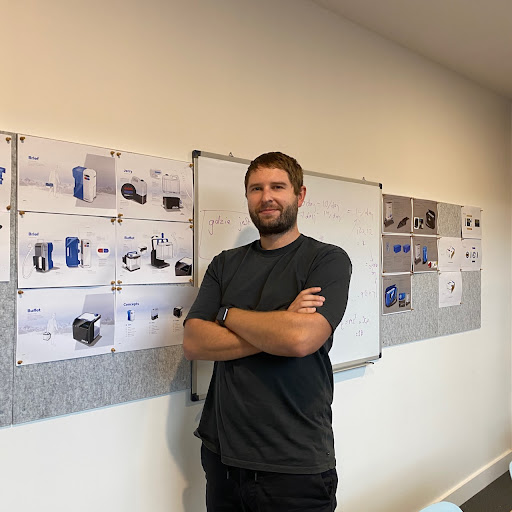
Nathan Bush: You are rugged up. You look rugged up. You've got the vest on, you've got, you know, ready to go, but you're actually in an office. I was expecting to see you out like on the trails or In a campsite or something like that.
Max Ladechka: Yeah. The weather's been a bit funny in Melbourne recently. It's like kind of. I've been unseasonably warm. I think it's like 25 today for April, which is pretty cool. So I kind of by default wear my, you know, like my puffy sort of half jacket, but it's not really necessary. I'm kind of sweating a little bit, so might even take it off halfway through.
Nathan Bush: I promise I won't grow you. There'll be no need to sweat. Now, the reason we bring this up is because your product, Joolca, is designed to help people when it does get cold. Can you give us a bit of context around what you've created?
Max Ladechka: Yeah. Cool. So we have basically a portable showering system. And I guess I'll just step up a little bit and talk about what we're all about from a purpose point of view. So we see ourselves as kind of our purpose being to make anyone feel at home. So we, you know, we do that through comfort solutions. And at the moment, that's the showering system, which is obviously what you can see on the website. And we're all about allowing our customers to go further, go longer and go together. So those are like kind of our three main value propositions. So, yeah, that's kind of our internal mission and those are the sort of problems that we try and solve. So, yeah, right now it's showering. But, you know, if you think about or what people sort of think about when they, like, reasons why they wouldn't want to go camping, so things like not having access to a toilet, maybe getting cold at night, not having Internet, even bad food, washing dishes, like all of that sort of stuff. Like, those are the sort of problems and the problem space that we want to address eventually. And even though right now we just do showers, like, that's kind of. Those are the sort of solutions that we want to have on our roadmap. And that's kind of where we're heading.
Nathan Bush: So, like camping for people who are
Max Ladechka: soft, like me, basically. Yeah. I mean, these days it's kind of what people call it glamping, right? Which is. It's kind of a. Kind of addressing two. Two main segments. It's the people who don't really want to go camping, or maybe they want to, but they. Their family doesn't or their partner doesn't or, you know, that sort of thing. But also the people who are pretty avid campers and they're getting like they just want to invest more into their hobby and they want to give themselves a bit of creature comfort. So they're kind of on like completely opposite ends of the spectrum, but both are I guess our core customer.
Nathan Bush: And if we focus in on your feature product, the hot shower, can you describe to everyone how you came up with that and how it works?
Max Ladechka: Yeah. Okay, so I guess the story is back in the day, so I studied engineering, not mechanicals. It was civil. But back in the day while I was working on my master's, I would just like find used like domestic hot water systems to refurbish and resell for profit. That was like how I guess was making money part time. And I came across a bit of a, I guess I came across the niche of a system like that that could be used in a portable situation. I'm not really sure exactly how I came across, but I did stumble across it and I had a bit of background from dealing with China and Alibaba and importing already. So I was pretty comfortable just jumping on Google and you know, scoping out suppliers and that kind of thing. And yeah, long story short, I was able to find someone that I could kind of partner with and design a portable version of that kind of system that could be used. You know, things like obviously it's run on LPG and not having access to domains, power like those, the two core kind of things and needs to be a bit more small and portable. Yes, that's kind of the origin story of Dualcab.
Nathan Bush: And did that come about because you went camping yourself one day and went, wouldn't it be great if I had that? Or were you trying to convince someone to come camping with you?
Max Ladechka: To be honest, not really. I mean that's, we kind of go with that on the website. It's a good story. I've always been more of a hiker so I, you know, I would do like the seven day sort of hikes, multi day hikes and you just can't carry the hot tap with you. It's you know, the old sort of shower in a river or lake or just bush wipes. Although having said that, maybe that's a possible future product ideas like an ultra portable hot tap. Not too sure. Yeah. So it wasn't that. No. And the way it works basically is just that you, you need access to a power source, a 12 volt power source which everyone has in a car or vehicle and gas. So it could be a small LPG bottle or a small one of those green kind of Coleman canisters and it'll Suction out from your water source. If you have jerry can or a river or creek, it'll suction the water out, it'll kind of run it through the hot tap, which will instantaneously heat it up to your desired temperature and out will come, you know, shower temp water. And the good thing about our system is that it'll heat it heats it without any waiting time. So as long as you have, you know, enough water, you can basically have an unlimited hot shower in the middle of nowhere. Which is pretty cool, right? If you happen to be in a nice spot, it's kind of meditative. It's very soothing, very relaxing. Yeah.
Nathan Bush: Especially after a big day where you've had, you know, you've probably gone on a few adventures and stuff like that. Being able to come back to a warm shower in the middle of nowhere, that's pretty cool.
Max Ladechka: Absolutely. Just like not having to like. Everyone loves having fun outside, right. But then coming back and like you're sticky and sweaty, we just don't feel, I mean, speaking from personal experience, anyway, you just don't feel as comfortable as you could be. So it's, it's just a small, like little luxury. But it makes a big difference, I think, for just the whole group. And it means that, like, it really does mean that you can stay longer. You're happy to stay for multi days instead of just one night or two nights. So, yeah, that's kind of. Yeah, it's pretty cool. It's pretty exciting.
Nathan Bush: And when you started talking with suppliers and manufacturers around this idea, was there something close off the shelf that you had to kind of put your engineering knowledge on top of, or did you have to kind of create it from scratch?
Max Ladechka: Yeah. So originally the original hot tap was largely pretty generic internally anyway. We kind of leveraged a lot of the tech they had for the mechanical kind of engineering side of things internally. And then we just sort of branded it and worked on smaller things like the accessories and. Well, yeah, most of the range of accessories. But as time has gone on, we've kind of taken more of a leading role in designing and engineering and we do most of that here in house. As in Melbourne. We have a company that we work with, we still leverage heavily our supplier. We have a really close relationship with them and they, they're obviously experts when it comes to gas appliances and things like compliance and, and testing. So we do work together. But like as of two or three years ago, basically everything that we develop is not off the shelf. It's completely designed from scratch, including our Little accessories like our shower head, our shower handles, filters, like all the little plastic bits and bobs. We've optimized that for a better camping experience. So yeah, we've just sort of thought through things end to end and I
Nathan Bush: could imagine once you get people into the ecosystem it becomes a pretty sticky one.
Max Ladechka: But we still like to have things not proprietary like we're available. We'd like to have, you know, compatibility with other things that are popular on the market. Not to kind of like get people to feel like they're tied to us. But yeah, once they're in like it's, it's nice because we've got like, we've thought through for example with the hot tab, different solutions for mounting and covers or if you want to install it this way or that way. Like we've thought through all of that and it means that no matter what kind of setup you have or what kind of, you know, install that you want to do, we've pretty much got all of the solutions for you like under, you know, under one brand. So it doesn't, it means that you don't have to go out and hack things together or buy other accessories from different brands and not knowing if it's going to work or not. So again that's one of our, I guess value propositions is just making it easy for the customer and that's, that's a big part of it.
Nathan Bush: And I can imagine you would want a fair bit of trust especially if you're in those situations where you are camping. There aren't any kind of second chances. So you need to make sure everything works together and works well.
Max Ladechka: Absolutely, yeah. It's kind of high stakes I suppose for us because if we stuff it up and of course it does happen but you're going to kind of let the family down or the camper down and it's a pretty rubbish experience. So yeah, we try and make sure that all the products are thoroughly tested.
Nathan Bush: Ever scroll through an E Commerce packaging website for five? Nah, me neither.
Max Ladechka: Until today.
Nathan Bush: Paclio is putting the joy into the packaging game. So let's play a game. I'll tell you the name of the Paclio product and you have to try and guess what kind of product they are. Fairy floss Compostable mailer, Queen Bee Honeycomb padded mailer.
Max Ladechka: Here we go.
Nathan Bush: Gummy shark water activated tape. Now if my jaded thinks that this packaging is fun, imagine what your customers will think. Paclio is also eco friendly Australian owned and operated with same day dispatch and 14 day returns. Now that's pure joy for everyone. Check out the Paclio range of E Commerce packaging options@paclio.com that's Paclio P A C K L E O paclio.com
Max Ladechka: I
Nathan Bush: could imagine that with such a big purpose around making anyone making you feel at home, there would be an endless stream of ideas for whether it's product features or improvements through to brand new products, brand new categories. How do you decide what you go after and what you leave behind?
Max Ladechka: So there are lots of ideas and we think we've been pretty good about kind of filtering things down and being pretty high focus. So like, you know, it's been eight years now and we still only sell a sharing system. So having focus is good for a number of reasons because it means that it's easier to just achieve our goals which you know, expanding overseas, doing a good job with some product that we have, it's easier to like, it's easier to do customer support, easier to do marketing, all that kind of thing. So we're really careful about adding, adding products to the range for that reason. For small products like accessories mostly it's just a matter of customer feedback. So if we, if we notice a demand for something small, we just do it. We don't really do much of a business case development or anything like that for big products and we've got a couple of big products like in the roadmap we kind of, well, we use our purpose as a filter so you know, it kind of gets run through that first. So if we ask ourselves the question, is it addressing a comfort problem, is it going to help the customer go out further, stay longer, help the family kind of come along and if it passes that then we would kind of have, we have like a second layer of like a more of an internal question that we might ask the product team. We want all the products that we develop to be class leading. If you haven't got a unique angle or a unique differentiation where we think it's just going to be substantially or, you know, better than what's out there, then we don't want to just match what's out there because it's going to be, it's going to make it hard for us to compete. We can't compete on anything except for having better products. And so yeah, it's kind of those two things that we use to filter through that noise.
Nathan Bush: Yeah, that makes a lot of sense. Do you ever get surprised by some of the customer feedback and requests for new product features to consider?
Max Ladechka: Not really. I mean we get a Lot of random niche things. I mean, I've heard of people like in terms of the way they use the hot tap, like a lot of it is pretty obvious, like showering with camping and that kind of thing. But we've had people. So people use the hot tap for things like washing dogs, like a dog grooming station, camper trailers, like coffee, camper trailer setups, portable food vans. Probably the weirdest one was this guy. I think he was asking us, I'm not sure if he ended up buying it, but he was asking our CS team some technical questions. He wanted to like heat up a 5,000 gallon pool for. I don't know what he was doing, I don't think. I mean, who knows if it was what was going on there. We didn't ask too many questions, but it sounded pretty both sus and interesting. But I'm not sure what happened there. So we get a bunch of that stuff and again, a lot of stuff that is pretty small and easy for us to do. And if we notice that there's enough feedback or customers asking for it, then we just do it because we love the fact that we can kind of again, it comes back to that value prop of being easy. We have any accessory you need or any little bit that helps yourself. The fact that we can sell it to you directly, we know it works well, is something that we value. So we just do it. Yeah.
Nathan Bush: And so coming from a product and an engineering background, was it difficult for you to then turn this into a customer or a marketing proposition to find your market initially?
Max Ladechka: So initially we started off on ebay. Right. So it was actually probably pretty easy. Like I get what you're saying. I don't have a marketing background, but I think I'm probably naturally pretty okay with, I guess like setting a vision and setting like brand building, I suppose. But obviously we've had a lot of help with that. But it was easy to start for us just because it was on ebay. And you know, ebay is a pretty good place to look. We just got traction there naturally without having to do any marketing or be clever or anything like that. Over time we've had to develop obviously like pretty soon after that we set up the website Shopify. And to grow sales there, we had to do paid ads and that kind of thing. So we've had to, you know, get ad buyers and learn the reps of marketing. Yeah. So my brother, for example, he runs the marketing side. He's. He's got a lot of marketing experience. Also an engineer. We all did the sport brothers, by the way, at Jorca. And we all did civil engineering, so we all copied the oldest one because we were lazy, too lazy to think of our own direction. So we're all civil engineers. But it just so happens that, you know, I'm naturally pretty good at, I guess, brands and products, and Chris is quite good at marketing, so he came along pretty soon after that, and he's just basically run that. That team, which is good. So, yeah, that's kind of how it. How it happens.
Nathan Bush: That's amazing. And so all four brothers work in the business?
Max Ladechka: Yes. Yes. Yeah. Yeah. So, yeah, So I started the company about a year after that. The first brother joined up bar, so he runs our CS side of things. And then it was Jack who again, he. So he's the oldest one. He. He does operations. And then Chris was lost. Now it's all four of us. So parents are pretty proud, I suppose. Pretty happy. Not without its challenges, obviously. Like, there's pros and cons to having your siblings working together in the leadership team, but it's worked out pretty well, thankfully. So it's. And it's fun, which I guess is important.
Nathan Bush: There must be days where you just look around and you go, how are we doing this all together? How did we all land at the same spot doing the same thing all together?
Max Ladechka: It's kind of surreal sometimes. And, you know, I guess we. I wouldn't say we think we were close growing up necessarily, like, being close, I guess it was just average, but we all kind of had this passion for entrepreneurship and just doing our own things. So, like, before Jack joined Jalka, he was. He started a company which didn't work out, unfortunately, selling baby cots. He designed his own baby cot. Yeah. And then, you know, Chris had his own marketing business. But, yeah, you know, I think once they saw that Joker was kind of kicking off, and it was pretty exciting. And it was. It was a good. It was a good thing to kind of jump on board and be a part of that because, you know, hey, it's better to grow one thing together than necessarily, you know, do it. Do it your own. It's always a team effort. So it was just easier, I suppose, just. And from my point of view, getting them to join was. I didn't have to go through that whole trust thing. Like, I just. I knew who they were. You know, we can be pretty direct and frank with each other and all that kind of thing. So, yeah, you know, it really worked out pretty well.
Nathan Bush: And were your parents entrepreneurial?
Max Ladechka: My dad kind of Is. Yeah, yeah. So he's, so, he's so the Polish background, they, you know, they, they left Poland during communism and all that kind of stuff. So. But my dad's been always very pro entrepreneurship and just kind of hustling. Old school hustling. Right. So he was always very supportive and always encouraging, which was great because some of the stuff, some of some of the ideas we had were frankly probably pretty dumb. But he would always on the positive side, which is good. It's a very, very good influence. And I think it could have helped me in the beginning when people were kind of saying, oh, what are you doing? You've got a civil engine degree, why don't you just get a job like everyone else? It could have been very easy to do that. But. And if both my parents were doing saying the same thing, who knows? I might have just buckled and gone that way. But thankfully I didn't.
Nathan Bush: Yeah.
Nathan Bush: Now you've talked about the growth of joolca. Can you give us an idea of what that growth looks like in the markets that you're selling into at the moment?
Max Ladechka: So we started about eight years ago and originally we started selling, you know, obviously just in Australia and we grew our wholesale channels and that kind of thing. We ended up launching into New Zealand probably about four years ago. And right as Covid was just about to hit, we kind of pursued an international expansion strategy pretty aggressively. So at the moment we've got, I mean we had Australia, New Zealand. In the last three years we launched into the USA and in the last, since the last year we've launched into the UK and Canada. So we operate in all those regions. And keeping in mind our product is pretty heavy, pretty bulky. So for us that means that we have to set up 3 PLs in each region and that also means that we have to set up entities and go through all that compliance stuff. So unfortunately it's not as simple as just shipping it from Australia. We could be global straight away. We have to kind of go do it the hard way. But it's been a lot of work. But yes, that's where we stand at the moment. We have access to a pretty large population size, pretty, you know, some, some pretty big markets. So it is pretty exciting.
Nathan Bush: And have you had to make any changes to the product when you're going to markets like Canada, where I can imagine their version of camping is very different to the Australian version of camping?
Max Ladechka: Not really. Like the biggest change might be compliance. We have to go through compliance testing in each region and then you have small Things like, you know, like they, they might use NPT connectors instead of strain standard connectors or the gas fittings are different. But it's mostly small things. By and large, the product has, is pretty much identical, which is good. It's easy for us. Having said that, you know, as we develop those markets, it might mean that we have to get a bit more specific. We might have to adapt it somewhat to the local flavor. We haven't had to do that yet because we're kind of, you know, it's still very early days, but yeah, it may be something that we have to explore.
Nathan Bush: Yeah, your marketing and videos are very. They've got an Australian feel and an Australian tone to them. Do you feel like that's something that you'll change down the track or do you feel that coming from Australia, where generally known as the Outback's pretty tough and unforgiving and that kind of thing. Is that a advantage, especially in marketing to those other countries?
Max Ladechka: Yeah, I think absolutely, it's a big advantage. I mean we have this reputation right of the Outback and like Australians just tough and camping, like camp. Australian camping products have a really good reputation overseas. So absolutely, we want to leverage that and I think we'll keep doing it, you know, for that reason. And two, it's just also fun and it means that we sort of stand out, like, which is a good thing. You know, we're trying to build awareness, trying to leverage any point of difference you can. So yeah, I think we keep it like people seem to love it. We were kind of worried in the beginning if the Americans will need like subtitles to understand the accent or a certain lingo. But it's, it's been fine and I think they really enjoy it. So now we want to, we want to do if anything, even more of it, you know, just kind of lean into it more.
Nathan Bush: Yeah, that makes sense. On your site you've got some really great community and user generated content. And also through your socials, how do you encourage your community to shoot that and supply it? Because obviously bathing and hot water isn't the most natural place for user generated content.
Max Ladechka: Yeah, it is a bit funny. So to be honest, we don't actually do a lot at the moment. We think we're quite lucky with our categories. On one hand it's kind of like, you know, bathing and showering and stuff, but on a larger scale like camping, the camping space. So it's so at a campsite, when someone, you know, when you go to a campsite in Australia, it's like it's pretty common to see blokes walking around and having a bit of a suss to see what, what kind of setups people have and just like having a poke and you know, going and having a chat. So it's one of those things that people are really proud of what they have and what they've done and what kind of hacks they put together and. And it kind of extends itself into the online space. So we get heaps of people kind of like just tagging themselves, not necessarily showering like you know, nudie pics of them, you know, doing stuff like that. But you know, maybe it's like the awesome campsite that they found or how they've set up their camper trailers. We get a lot of that both in our reviews and people tagging themselves. Yeah, doing a bit of a show and tell. So it's. Yeah, it's pretty common and we do leverage it a little bit in our like UCG content but honestly not enough like we do have role available right now by the way for our listeners, for a partnership person to kind of come in and own that for us because we want to leverage that a lot more. And we have a cool little trick actually that we do for generating this is more for reviews as opposed to content, but I guess you could use it for both. So when people, we have a flow on stamp for people to leave a review and we have an automation so if they leave a review that's between 1 and 3 stars, they like we ping the CS team to kind of follow up and try and figure out what's gone wrong and hopefully fix that. And if they leave a four or five star review, we kind of duplicate that review and send them to either Facebook or Google or Product Review.com, whatever platform we want more reviews on. And it makes it really easy to kind of just literally copy and paste that review that they've just left onto one of those platforms.
Nathan Bush: So the customer doesn't need to do anything extra for their review to go into the other platforms.
Max Ladechka: They have to, I think it automatically copies and pastes it and they might have to submit it again. Chris set that up. So it was really clever idea and it's meant that yeah, over the last couple years we've, you know, we've grown our Google reviews and Facebook reviews. Actually maybe not Facebook, not sure if we have Facebook reviews, but certainly google and product review.com it just meant that like all across the board, wherever you look, we've got awesome reviews everywhere. And of Course not everyone trusts the website reviews, which is why we've kind of, you know, we've tried to push the third party review sites as well.
Nathan Bush: Yeah, that's a brilliant tip. It's a great idea. And in terms of creating content around the product because it would be a new concept to a lot of people, you'd be solving a lot of people's problems they've had for a long time. But the product itself is fairly new and discoverable. Has there been any particular content types that you've gone. This really nails the selling points to get people over the line.
Max Ladechka: I'm not too sure actually. So I think what people like to see is social proof having it actually work. Because you know, we get this relatively commonly on top of funnel ads where we have like a really cool 30 second video of showering and bloke showering and you get comments like, oh this is fake or this is, you know, this is bs, doesn't work. So having access to like and we found YouTube reviews are really good. Like a prominent YouTuber who's trusted having him review the product over five to 10 minutes and kind of showing the setup to how it works and all that, it really gets a lot of trust and we know for a fact that that ends up with customers converting. Yeah. So that kind of thing is pretty big. And I think also another aspect of social proof is having like a gallery or easy access for people to like to see camper trailer setups or van setups or something like that where they can kind of see, oh yeah, someone's set up. That's kind of how what my idea was. I know it's possible, that's always done. I'll just copy that. That's probably a much smaller segment but you know, just having I think proof in that way is pretty big.
Nathan Bush: We've all had days, right, where no matter the amount of coffee thrown down the gullet, there is no rescuing you from your own sluggish self. Coffee brand Alternative Brewing had the same problem, but with their old platform starting off as one product with their sole AeroPress maker, they quickly broadened their range and grew their customer base until the site went into a total caffeine coma. Now re platformed onto Shopify plus the site doesn't crash. Pages load much faster and they're getting a 15% increase in average order value. Best of all, they're much less irritable. That's the little cup of joe we are all craving. To read more of Alternative Brewing story and see other case studies, visit the customer section on shopify.com au/.
Nathan Bush: You mentioned stamped as the review platform. One of the other things that I saw as I was going around Joolca site was the product knowledge database that you have on site is really well built and a lot of detail, a lot of information in there, really useful for customers. Is that something that you've built yourself separate to Shopify or is it an add on or how does that work?
Max Ladechka: Yeah, it's just a nest. So it's a pretty popular CS platform. It's hosted in the subdomain, so which is I guess good because it means that we have like one subdomain that takes care of all of our regional sites because at the moment all of our regional sites are like.com, you know, ca, that kind of thing. And yeah, it's just, it's just template. Actually we found a template on Google, it was about 500 bucks. We skinned it a little bit for brand and stuff and it's. Yeah, it works really well. We get quite a few people visiting that page and you know, helping themselves. We've got some post purchase flows set up as well. So if someone buys a hot tap like we'll link them to like. So when it gets shipped before it gets delivered, we'll link them to like a getting started video on the help center where they can kind of, you know, get themselves acclimatized to the products. With Zendesk, it's a really cool platform so they have like a block which I guess other platforms might also have. But if someone types in a question it can kind of sniff out the keywords and it'll like send them suggested articles based on what they've written about and that kind of helps to solve maybe 5 to 10% of our inbound inquiries. Just like things that people don't really need a human touch and they just want like a simple answer. So it's pretty helpful and it's integrated very nicely with Shopify. So if you're the CS agents, for example, when they're in the app they can kind of see the customer history on the right column and see what they look when they've last purchased and what they purchased and that kind of thing. So it works really, really well together.
Nathan Bush: Yeah, it's a great tip. Thank you. And I love what you're saying in here. Whether it's the reviews or whether it's Zendesk, you've created all these little hacks and processes which I know I shouldn't be surprised with four engineering brothers I could Imagine that there's some pretty good processes going.
Max Ladechka: To be honest, we probably overcook it a lot of times because, you know, we try and, you know, get it done to the 10th degree or something and, you know, we forget to keep it simple. But hey, it's, you know, it's pretty good.
Nathan Bush: Any other hacks that come to mind that you went, oh, when we implemented this little change or this process piece or whatever, it's really made a huge difference to our business or our people.
Max Ladechka: Nothing that really comes to mind, to be honest. If I think of anything, I can email you and link you to some like, you know, you can put into the notes. But I'm sure there would be. We've got a lot of these little tiny things that just like make life easier for both internally for our team as well as the customer. And we sort of feel like those little things make all the difference, I think.
Nathan Bush: Yeah.
Nathan Bush: Oh, the examples you gave were great. I'm just pushing my luck a little bit further. And in terms of people, because I've noticed on your LinkedIn that you are hiring a number of roles at the moment and which is a great sign of growth, obviously. What are you finding with the market around E commerce talent right now? Is it hard to convince people to come in? Is there a lack of talent you're seeing? How are you finding that process?
Max Ladechka: Yeah, so, yes, we've got five roles that we're hiring for at the moment. Two at the moment are in marketing. It's been pretty tough, to be honest. It's only been probably about two weeks since we've. Three or four weeks since we've launched those two roles. Yeah, the quantity and quality of people applying hasn't been the best. So I think it's just that, you know, the nature of the times, E commerce is pretty high demand. What we're probably going to be doing is looking at working with a headhunting agency to try and actually approach people who are doing the sort of roles that we, that we need and speaking to them and generating some excitement about Jorcan in our path to hopefully try and get them to, you know, think about joining us. And I kind of feel like that might be what's necessary these days because it's just the pool, you know, the pool of people looking is always quite small relative to the pool of people actually in job and happy and doing and doing a great, great job. Right.
Nathan Bush: So yeah, it's what we say to our clients all the time is the good people in E commerce aren't on LinkedIn and seek looking for new jobs. The good people are head down, bum up delivering great stuff.
Max Ladechka: And they're probably not exactly for jobs exactly. And we've done the same thing for like our other roles in accounting, like accounting, finance, same sort of thing. Operations actually has, hasn't been too bad. We've had some pret, pretty good candidates for like a mid level ops role but across the board it's just, it's pretty hard to hire and you know, we're a small company so we haven't got that process sort of down pat. We don't have the resources to do it properly again. One of the roles that we want to hire at some point in the next six months is going to be someone to lead that, like a HR people and culture sort of person to help out both with recruiting but also just, you know, as we grow, making sure the onboarding is correct, making sure that the right systems are sort of set up and that people are happy and that kind of thing. Because we, you know, again we're all head down, bum up like everyone else that's good and those sort of things. It's easy to get complacent on and forget about.
Nathan Bush: So yeah, when you are interviewing for people, what do you look for in your people to go? That's a joker kind of person.
Max Ladechka: We haven't really knuckled down like values, you know, like what values do we do we want people to have? We don't even care if you're a camper, to be honest, because most of the team don't camp, frankly. And if anything, they might be the best sort of people to work here because they're going to be the most critical about having an uncomfortable experience. Right. And we're. And before COVID we did our inaugural camping trip which is really fun and funny because like out of 15 people, including partners and stuff like that, out of 15 people, like four or five actually have been camping before. So everyone's like trying to figure out the life of living in a tent and setting up a tent and all that kind of stuff. So yeah, we don't really have that. It's just really a lot of gut feel. The process that we have at the moment for hiring is basically we kind of like we have a job application and then the way they apply, when they apply, we have like a few questions that we like to ask them. So we try and be as unbiased and objective as possible. So you know, we ask them questions that they answer and then kind of based on those answers we would decide only then when we look at the resume, right. If they have good answers, we would kind of move them on to the next stage and talk to them. But when we kind of talk face to face, we try and make it more about like culture fit and just sort of, I guess the age old test is just like this is guys, sound guy or gal, seem like a person I'd like to have a beer with. Right. Or spend eight hours on a flight with or something like that. And it's really overnight in a tent with. That might be pushing it, especially because I'm married, but. Oh no, I was meaning like one
Nathan Bush: of those jewel room tents.
Max Ladechka: Yeah, no, I know what you mean, but it's probably a bit intimate for my liking anyway. But yeah, there's something along those lines. And then we would have like, you know, we'd always have like, if it's me interviewing the first round, second round, we might have like someone else from the leadership team doing the final interview just to make sure that we haven't missed anything. But again, our process isn't fleshed out and not very sophisticated. So I wouldn't get, I wouldn't suggest anyone copies it, but it's worked out relatively okay so far.
Nathan Bush: Oh, look, and I don't think you're alone there because we see a lot of clients who have had similar or strong growth during COVID now looking to build a team in probably one of the worst markets for E commerce talent at the moment in terms of trying to attract. So I always say if all you can do is tell your brand story and what you stand for and the vision for where you want to go, if that's where you're at and you've already told that, that's a great starting point because people buy into the people rather than the job.
Max Ladechka: Yes, it's funny you said because so recently we got on board with a headhunting agency. I mean they're really a recruiting agency. They do things a bit differently, but they're really big on kind of integrating themselves with, with our company or with any of their clients. And their process is really interesting. So anytime they come up, come against a good candidate, they would basically just have a call with them for, you know, between 45 minutes in an hour. And it's not about asking any questions or any tests. They just like literally sell the brand. They sell Joel. They talk about what it's like to work at Joel Car, what kind of products we have, what, you know, what the last couple of years of growth have been like. And where and where we're heading. And they kind of reckon that at the end of that call, you know, this person's really excited that, you know, you basically already have them. And then the next stage for them is to send these people a challenge, which is again, kind of like our test, but it's a bit more comprehensive. It can be anywhere between three and five hours, you know, so you really want to objectively test their skills, but they're happy to do that because, you know, you've spent 40 minutes to an hour just selling, you know, just generating all this interest and goodwill and. Yeah, so that's the process. And we've literally signed them up like last week, so we're not actually sure how it's going to work out. But I'm really optimistic because I like the sound of that approach, as opposed to a traditional recruiter which, you know, might spend five or ten minutes with you and saying, hey, you know, this is your car. And like, just kind of one or two points. I think these days you kind of, you have to sell the brand and you want people to be excited about that because, you know, it's more than just nine to five and obviously that comes into it, money comes into it. But if they're genuinely excited about the journey in the brand, it just probably means that it's going to be a better fit for everyone in the long term.
Nathan Bush: Well, good luck and like, you've obviously got a lot, a big team to grow there. It's exciting times. What's next on your radar? So if we talk for the next 12 months, what's got you excited about the next 12 months at Joolca?
Max Ladechka: Right. So it's mostly like, head down, bum up. Right. At Joulca, we've got a product range. One is that we want to keep expanding the hot tap sort of range of products in the markets that we exist in. So UK and Canada are quite fresh, we want to grow them and otherwise the plan for the next one or two years is basically to keep expanding our product roadmap. Right. So we've got, like I was saying, we're all about the comfort, addressing comfort problems. We've got two products in the works at the moment that are outside of the shower category and they will, you know, they're completely new product categories for Joca. We want to kind of see them through, make sure we do a good job of developing them and launching them. And they, both of them should be launching within the next year. So, yeah. So hopefully, you know, in two years time, we probably have a lot more of the comfort's kind of covered and at that point, you know, I don't know, like personally and both business wise, we might reevaluate where I'm at, where the company's at, what we want to do. But it'll, you know, if we're at that point and we successfully get to that point, it'll be a completely different company size wise and you know, everything. So I don't know, hopefully I still, I'm very happy and just keep chipping away because frankly, like I love what we do and what I do, so it's happy to keep doing it.
Nathan Bush: That's awesome. Really exciting Mac. And so if we've got people listening to this, whether they're going, I'd love to talk to Mac about what roles he's got coming up or people just go, I want to check out this hot water system to start with and what's the best way for them to get in touch.
Max Ladechka: Just LinkedIn. Honestly, I haven't really got anything else there, so add me on LinkedIn. I added I accept everyone, so you will definitely be accepted. Trying to grow my network account because it looks good, good stuff.
Nathan Bush: And if you want to check out the product range, head to Jewelcart.
Nathan Bush: That's J O o l c a.com au Mac. Thanks so much for joining us on Add to Cart.
Max Ladechka: That was awesome to be here, mate. Thanks for the questions and hopefully I've added some value to your, you know, to the listeners and yeah, like you said, if they have any more questions, I'm more than happy to kind of to help out.
Nathan Bush: I really appreciate it. Thank you.
Nathan Bush: As an E commerce nerd, I am really excited to see where Joolca can go next. But as a person, no. All the hot water in the world is still not enough to get me going camping. Here are the three takeaways I took away from my chat with Mac. Number one, growth with purpose. At face value, it looks like Joolca's growth is going to be getting more hot water to more campers around the globe. But as you heard from Mac, their mission is actually to make everyone feel at home when they're outdoors. This is water, but it could also be bedding, clothing or anything else. And it doesn't limit them just to camping. By having this guiding statement, it helps the team know the directions that are right for them and it opens up on brand opportunities. Get those guiding statements right. Number two, customer review automations. Mac lets us in on a big customer review hack when he said that the 13 star customer reviews are automatically triaged to customer service so they can get in touch and see if they can resolve the issue. He also takes the four and five star reviews and integrates them with the external review platforms to help spread the word further. Really simple stuff, but it puts the power of a platform like Stamped to the test. And number three Brand Australia. The Jouka content is unapologetically Australian and as Joolca have extended into more regions, they've decided to hang on to this even if they need subtitles at times. It's now a competitive advantage and a differentiator in overseas markets. Brand Australia and it's one that they didn't have to develop. It just comes with the image that is known out there and it's a nice one to leverage if you're a brand like joolca. To get the highlights of today's episode, head on over to add to cart.com and sign up for our free newsletter each Tuesday. We will send Monday's episode summary links and discount codes for you to go next level on. And if you're looking to explore your next e commerce opportunity, come and visit us@esp eSweet. We're a dedicated e commerce talent agency connecting the best e commerce talent with the fastest growing brands in Australia. Head on over to esweettalent.com where you can download the free e Commerce Salary Guide and sign up to our weekly e Commerce job emails. Thanks for listening and until next time, keep those customers adding to CART.