Eugene Cheng: It's like a leaky bucket that has too many holes in it and you're going, oh, shit, the bucket's not filling. So you go, what do we do? We turn the tap on harder and you turn the tap on harder and it costs more money. I flew up to Lebanon, like in the middle of some Hezbollah shootout thing. It was pretty crazy. This dude I'd never met except on Zoom like three times, was like, hey, bro, don't worry. That's like, you know, different area. We've been working for the website for a long time. I think it's time the website works for us.
[Voiceover]: Welcome to Add to cart, Australia's leading e commerce podcast that express delivers all you need to in the fast moving world of online retail. Every week, Nathan Bush catches up with Australian e commerce leaders to get all the insights, tips and lessons to keep
Nathan Bush: you at the top of the e
[Voiceover]: commerce game and of course, keep your customers adding to Cart. Here's your host, Bushy.
Nathan Bush: Hello, everyone. Bushy here. I'm just popping in today. You're not going to hear much from me today, but I have a very special announcement. As you know, a couple of weeks ago we came up to episode number 300. It's a milestone that I never thought we'd get to when we first started this podcast, but it's incredible that we have. And with that, I thought it was time that we brought in another voice alongside mine to help bring you some of these amazing e commerce stories. So this voice is someone that you may know. They're very experienced in the e commerce industry and, and they were actually a journalist at one point, so they've got one up on me. Add to Carter's. Meet your new guest host, Joanne Huey Miller.
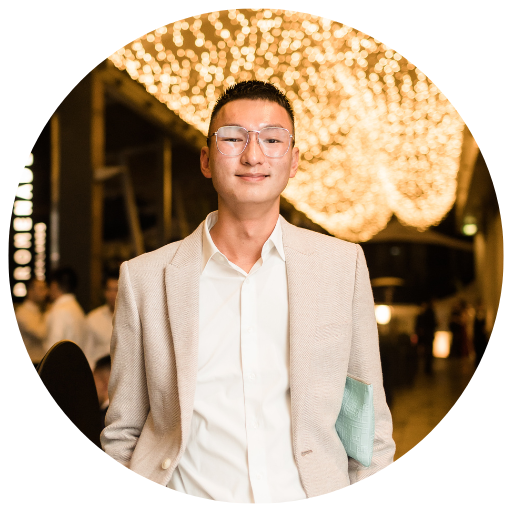
[Voiceover]: Hi, guys. Surprise. My name is Jo Huey Miller, and I am super pumped to be joining Bushie as co host on Add to Cart. Hooray. I am so excited to be here that between us, I actually showed up four hours early. I shoved my kid off to childcare, turned my little apartment upside down to transform it into a makeshift studio. There's shit everywhere. I put on a decent, acceptable outfit to be here with you guys and jumped onto the recording link only to find that no one was here. That is how excited I am. But anyway, today is the day and if we haven't met before, my day job is working as content and insights director at the General Store. It's a retail strategy and innovation agency based in Sydney and we work with brands across a lot of really cool things, from advertising to architecture, digital and design. We've done some great work with some of Australia's biggest retailers like Mirvac, Endeavor Group, Rebbl, Freedom, Barbecues Galore and Salvo Stores, just to name a few. But prior to working at the G store, I actually was a journalist for almost 20 years and I was managing editor at an industry publication you might know called Inside Retail, where I worked six years. So needless to say, I'm a big, big fan of retail. But enough about me. I am so thrilled to introduce to you guys my first guest on ADD to Cart. His name is Eugene Cheng, founder of the kick ass business Sneaker Laundry, which offers sneaker cleaning products as well as services both online and in store. Sneaker laundry launched in 2017 and it now ships locally and internationally and it has stores all over the world including Melbourne, Sydney, Lebanon, Qatar, Saudi, Peru and very soon Cairo. Eugene is an ex lawyer. He's 30 years old and he's now known as Australia's wealthiest shoe shiner, having sold over 110,000 sneaker care products and he's cleaned over 37,000 sneakers in Australia alone. Eugene, hello.
Eugene Cheng: How you doing?
[Voiceover]: I am so excited to be here with you today.
Eugene Cheng: Yeah, maybe wealthiest shoeshiner, maybe. I mean, maybe because I'm the only shoeshiner at the moment. No, not many of us, eh?
[Voiceover]: Oh, dude, I'm so excited that you're here and you have such an incredible story. But between the two of us, as I've always said, you've always given me younger Asian brother vibes. I think it's the swagger, tall, skinny, baggy shorts, this sort of vibe in the best way possible. Don't really give a shit about what anyone says. You're out there running your own race, doing your own thing. So I'm so excited to be here telling, sharing your story with the Add to Cart community today. But I think a really great place to start is obviously from the beginning in 2017. So tell me about Sneaker Laundry and how you came up with the idea for it.
Eugene Cheng: There's really two versions of the story. One which is, oh shit. The one that the news has, which is, you know, I was cleaning a pair of shoes and I was like, oh my God, why don't they have this? I mean, there is that aspect to it, but, you know, I was always wondering whether it'd be feasible in Melbourne. The reality is I was taking this and I was just, I saw that LA launched the first Nickel Audrey by Jason Barr and I was like, all right, well, someone sort of champion in this in la, Asia followed suit pretty quickly. And Australia was generally just lowest to catch on because it's so far away. So when I saw that, it sort of caught on in other places and that my biggest concern was that they weren't going to latch on and that there wasn't. It was just going to be a fad that was going to phase out. So I sort of tried to look into the businesses there and I flew over and sort of saw that they had repeat purchases, like repeat customers that had latched onto the service that kept coming back. So it sort of took from that, that that wasn't just your typical fad that opens and shuts in a few months. And once I had that confidence, I came back here and started it in Melbourne, I guess. So it's a real story. It's a lot less glorious than some of the PR campaigns. I promise that much.
[Voiceover]: But, you know, I mean, as you would know, like, sneakers have just gone crazy in the last few years. Right. And everybo wears them now for all occasions. And I think, especially like, somewhere like Australia, where we have such a casual sense of style anyway, you know, you could be wearing sneakers to work, if it's the right pair of sneakers. You could be, you know, wearing them on the weekend, out to dinner, you know, that sort of thing. So I think it was a great opportunity and a great gap in the market as well.
Eugene Cheng: Right, Definitely. I think, like this there's such a rising segment of people that are allowed to dress casual but still have to be presentable for work. So it's like casual presentable, and you can't be casual presentable if your sneakers are filthy. So it's kind of like, yeah, you can dress comfy, yeah, you can dress casual, but you still got to be presentable.
[Voiceover]: Yeah, 100%, I think, especially white sneakers. Right. So I think white sneakers are seen as the fancy version of sneakers, and yet they're the hardest to clean. So I think your business came in at exactly the right time.
Eugene Cheng: That's it. I think the store sees maybe like 70% of sneakers come in as white sneakers. So it's pretty expensive.
[Voiceover]: Yeah, well, actually, speaking of these stores, so you actually started online and then you had a couple of stores. So can you tell me a little bit about Sneaker Laundry's omnichannel strategy? Like how the store and the websites work together?
Eugene Cheng: Yeah. When we first started, it was quite reluctant to do online. The fear was that it would cannibalize what we were doing with the store. We just spent a whole bunch of money on a store to fit it out. And we went, well, if someone's buying the kit, they're not coming in to clean their sneakers with us. So we were like, that's just straight up cannibalizing. But reluctantly, we did it anyway. We've realized that someone that buys the kit is a completely different audience to someone that will come into your store to get it done. Someone that buys a kit is, you know, it's just someone that, you know, would go to Bunnings and get the stuff sorted themselves, you know, around the house. And someone that comes in to. To use the service is someone that we call a plumber to fix the leak. You know, it's like, it's just like two. Two different types of people that would never merge. And we realized that. So I kind of just had a Shopify store running from day one. But I remember, like, when we first started, like the first week, we might have like one or two orders, I mean, but it would always go up from there. That was awesome thing. It was one or two orders a week into like, you know, three to four orders the next week. It just kept going. And Covid was what really took it off for us. We had the baseline for e commerce already, and everyone was stuck at home with nothing to do. E comm spend blew up. So then it was really the companies that had e commerce set up versus companies that didn't. And we're scrambling to get everything together, at which point it's kind of too late, right? Like, so for us, we were quite lucky. We just had. I think it was really a bit of luck that we already had that stuff in place. And, you know, we're already so heavy on Facebook, Instagram marketing. We're so heavy on everything. So it was kind of like just flick it on and watch it run, really.
[Voiceover]: So as we mentioned before, you guys ship internationally. You got stores Sydney, Melbourne, Peru, Beirut, Doha and Jeddah. And I saw that you guys have just opened up in Harvey Nichols in Riyadh as well, which is incredible. Can you tell me about your local and international store network plans and, you know, if you have any tips for e comm nerds around how businesses can use that to expand overseas?
Eugene Cheng: I personally, it's not obviously the right way to do it. I don't even know if I'm doing it the right way. But I personally use retail as a bit of a halo effect. The reality is, like, sure, our products are better. Our products are the best. We use this stuff in our stores, and if it's shit. We hate our lives for it because we just take forever to clean the shoes. Customers get mad at us, it's not good. So we use the best shit. But the reality is we use retail as a bit of a halo effect. It's very competitive online in the product space with new products coming out, new brands coming to market to try and compete. But not many can do the service aspect as well. So the service aspect serves as a testimonial to what our products do because we clean issues every day and get these results. And the product serves as an option for people that either wanted to try and do it themselves or are just too far to access their service. So the way we use the service as is really as like a halo effect, like a retail, like really just to reduce a marketing cost when it comes to selling these products online. Because the reality is like, you know, Facebook and Instagram roll us and Google roll us, you know, return on ads. But used to be so, so, so, so good. But every year on year it keeps going down and down and down and down and down. And you need to be this much more compet just to maintain your return on ad spend at this baseline level. Whereas there are alternative ways to market and be more creative with marketing. For us, I think that's where the store comes in and the store as a presence markets to quite a large area. And then when we sort of get into the consumer mindset and they go, oh, it's a bit far for me, I'm just going to buy their products, that's when it sort of feeds into what we're doing. Phew.
Nathan Bush: I bet you're breathing a sigh of relief now that Black Friday is over for another year, right? Well, according to our friends at Shopify customers, they haven't stopped looking for bargains and they are going to keep chasing them all the way through 2023 as the cost of living takes its toll. Yes, that old chestnut. But Shopify have surveyed 2000 Australian customers and they found that 3 in 4 Australians are already reducing their discretionary spending and 84% of customers are comparing prices with price and value. Such a hot point for customers, it is worth considering how you are going to continually send price messages throughout 2023 to keep your customers interested. The battle for the wallet is going to be fierce. To view more resources to help with your 2023 planning and see how Shopify can take your e commerce business to the next level, visit shopify.com au today.
[Voiceover]: So in terms of your international strategy, can you tell me a Little bit about that and the role that E Com has played in that.
Eugene Cheng: Sure. So international strategy wise, what we're doing is a bit of a JV structure. The funny thing is when it comes to. We considered a franchising structure, we went really down that road. We talked to quite a lot of franchising consultants before we wanted to go international. And I hate to say it, I mean no offense to anyone that's doing franchise, but like it's just not very. If someone sat across from me and try to sell a franchise, I'd ask them if it was so good, why don't you do it yourself? If your business model was so proven and so awesome as you're selling it, go get some finance, go get investors, go get whatever and, and have your own business. And the best businesses will scale themselves and refuse to franchise. You bought a land to beg them and offer you first one charge to give you a franchise. And so we couldn't do the franchise. Right. Just because I couldn't sit across from someone and tell them how risk free or how simple it was because I just wear. Business is business, it's risky, you know. So we ended up doing JVs with partners overseas. And so the way we do it is we. My personal structure is we take a minority stake in the business overseas, but we don't put any capital up front. And for that minority stake, we license them the right to use our branding and we also supply them the products at a very reasonable cost at much better than what we would sell distributors so that they can then make a marginal retail. This then gives them access to everything that they would normally get with a franchising program which is like support all the tutorials, obviously our products, our licenses, anything that you need. But instead of just having to put cash up front for something silly and something you don't know is going to work, we'll do a jv, you know. But that means that our selection criteria for who we choose to work with is a lot stricter. Obviously trust comes into play heavily because you pretty much go into bed with someone. So it's for me that's like very, very, very heavy that you have to very, very important that you have to trust that person and you have to be able to in order to help you scale that sort of region.
[Voiceover]: So what I find really interesting is that I think it's pretty clear between the two of us that some of those areas that you guys are covering overseas are not the typical. They're not usually involved in, you know, an Australian retailer's typical international strategy. How did you end up landing on Cairo and Peru? Like, how about that?
Eugene Cheng: It's quite funny. It actually all stemmed from Lebanon, so a lot of the Middle east expansion and it could expand, kept spanning outwards into Peru even. It's on the simple basis that if you trust someone and that person trusts another person, you kind of. You sort of go, welcome to inner circle, right? Like, if I trust you, Joe, and you tell me, hey, Eugene, I've got this dope person, or maybe it's a sister or a brother, and I want you to get a business because I trust them so much by proxy, I go, okay, if I really trust you, Joe, and your inner circle, welcome to the inner circle to whoever you introduce me, right? And that's really how I feel. There is this old school aspect of business that I still retain, like this traditional, like the way I watch my dad do business, you know, there was always like this old school networking over dinner. And I still retain that aspect of business when it comes to it. So. Really stemmed from Lebanon, and I flocked to Lebanon, like in the middle of some Hezbollah shootout thing. It was pretty crazy. No insurance company wanted to insure me. But, you know, this dude I'd never met except on Zoom, like three times was like, hey, bro, don't worry. That's like, you know, different area. It's all good, you know, like, just come down. And I was pretty travel starved, right? Like, it's been like two years. We weren't allowed to travel. I was still in lockdown. I had to apply to the government and say, please let me out of here. And they did. So I flew over and we got to spend like a month together, like almost every single day working on the Lebanese, the Lebanon store together. So it's in Beirut now. And I learned a lot of stuff from him. It was a really, really good guy. Much older, about 40 years old, but ran multiple businesses and really, really smart. Switched on, saw the opportunity, I was quick to jump. And we were both aligned on the fact that, like, franchising programs were quite iffy a lot of times. And he'd obviously gone through a lot of sneaky laundries that pitched him a franchising program. Pay me 30 grand, 40 grand and this and that, and royalty fees and all that. But I just said, look, I don't believe in them. You know, if I do trust you and I come over and I trust you, happy to do like a JV thing. And it was a very lovable guy. From there, we sort of expanded Outwards, like I said, like Riyadh, Zohar and all these other spots. We've had a lot of opportunities with Dubai as well. Just haven't. Dubai would make sense because it's just the biggest market. But without the right person to trust to take Dubai, we didn't want to take that step. So it's funny enough the most no brainer spot to go to, but without the key sort of person to trust, we just hold back from it.
[Voiceover]: Yeah, no, it totally makes sense. I'm actually really interested to hear from you sort of the insights that you've gathered from let's say Lebanon in terms of the retail landscape. I don't think I've actually spoken to anybody about Lebanese retail ever. Tell me about that, like what's it like there?
Eugene Cheng: I feel it's very dire. But then again it's been a year since I went back so things could definitely have changed. The main thing for me has been that when I went there, you know, the Lebanese lira was absolute trash. You know, it was like 30,000 to one. When one US dollar, when it used to be 1500 to one US dollar, so you know, it'd gone up 20 times. Everyone had money stuck in the banks that was devaluing day by day, I'm sure, yeah, the top point five percent or top one percent of Lebanon are still the top one or 0.5% Lebanon, they always have money and making from other ways and in channels from overseas as well. So you'd be okay. But yeah, really anything below that was hit quite hard. As a tourist I was loving life, right? You go to a restaurant and that restaurant that used to sell parcel for US$50, fine dining is now going for US$10. So the same chef, same restaurant, same same ingredients, same pasta, right? But I'm paying US$10 for it. So the retail landscape's definitely shifted. The ability to buy stuff from overseas and import them also has obviously shifted. So it's, it affects so many, so many different things. And I think that's like a whole economics lecture, maybe a whole unit university on you know, using Lebanon as a case study for what's going on with economics. But the, the big picture is affordability. No one can afford anything, right? So then it becomes automatically a question about sort of like upcycling and sort of reusing. Like then I have an Apple store. When I went there I was like, oh, I was wondering, I was like, with this shitty currency, would I be able to copy MacBook for cheap, right? And I was like you don't have an Apple store. And I realized like a lot of people are still using like whatever MacBooks I can. And it's not ever an option to buy a new MacBook because it's just, you know, not feasible. So you, you basically keep swapping out parts and keep upgrading and keep upcycling doing what you can within your means to do. So whereas here it's like, oh, I mean if it's a thousand dollars more, I might as well just buy a new MacBook, right? Like that's kind of like the mentality. So I was like, meant, will I be able to afford the sneak cleaning service, which is quite the luxury in Australia? They go well, it's more of a necessity in Lebanon because it's like you have these, you used to have all these luxury designer stuff, but you can no longer afford to keep buying them like you used to. And how can you still. All of us, we still want to maintain presentable in some way. I mean, I don't really care, I'm in trackies every day. But like most people maintain presentable, you know, and if you got like a thousand dollar pair of,000 to 500 Pair of Gucci's or Diors that you've worn, you want to keep wearing out these nice dinners, you got to keep them clean, you know, and instead of buying a new pair after you've worn it 10 times, like you used to just, you know, send them to get cleaned. And you know, in Lebanon it's maybe like 10 bucks or so, 20 bucks or something like that, you know, so that's where the service comes in. It's proven to be quite useful.
[Voiceover]: Well, let's shift gears a little bit. I really want to talk about your core customer base. How would you describe them? Because I imagine a big chunk of them are sneaker heads, right? Like those people who love collecting.
Eugene Cheng: Surprisingly mo. There isn't that many sneaker heads in Australia as there are in the States. You can tell by the size of the sneaker festivals and sneaker events. Here there aren't that many. The market isn't that big. So initially when we first started, that's what we thought our customer would be and that's what our circles were like. You know, my business partner Chase is, you know, very, very known to be on YouTube cleaning sneakers and from like 10 years ago I'm restoring them. So he's got crazy following on there. But that's what we thought a lot of people would, would come into. But you realize like sneakerheads are like have already some level expertise with maintaining the sneakers before we came along. So they will buy our products, but there's only so many of them. And when it comes to like you can only really scale a business so far with just that one, that one little demographic. So when we started to hit like mass mainstream sort of stuff with the PR and everything like that, that's when we started to notice a pickup in everything. Because the average consumer that that will go to JD Sports Hype, Foot Locker and buy these two hundred and something dollar pairs of sneakers. Well, the reality is even the most expensive clean in our store is 50, $25. That's nothing. So you can wear where she's like three months and drop it off and for 25 of the cost, you have it come back looking awesome as opposed to just it having looked like trash. And then buying a new pair of shoes. So that most people, what they do is they buy a new pair of shoes, they wear it like 3, 4 times, 5 times, 10 times out for a night out and it just looks beat, right? And they call them beaters and they put it on the back of the shelf and they'll use it for the hiking or some random occasion where you don't need them to look presentable. And then they'll buy a new parachute, which is the new pair, which is like the presentable pair. This is your average consumer doesn't clean. And then that goes down the life cycle. Before you know it, they have like five, six beaters that they never do anything about. And they just keep pushing new shoes along, you know, but for the price of, you know, like I said, most people go to 45 but get a $45 clean and it comes back looking damn like I can wear the shoes out to a dinner party again. You know what I mean? So the average consumer is really like anyone that really owns sneakers, you would say any $150 and up now. So it's less of the sneaker heads and, and really more of like, you know, average sort of like 25 to 35 where you have to wear sneakers and make it look presentable. The products, people that buy the products tend to be slightly younger. It's more of like I have a bit of spare time, I'm doing DIY thing myself. And as you sort of go more corporate and more everything and you have less free time, it's more of like I'm just drop my stuff off, you know, I'm used to dropping my suits off at a dry cleaner. So I've dropped My shoes off at the sneaker laundry. And it's, you know, something like that.
[Voiceover]: I just realized that we actually haven't described your product range yet because I know there are some incredible products in there, including my favorite, the shoe boxes where you can clap your hands and then the drawers open. Tell me about that.
Eugene Cheng: Yeah, so, you know, the reality is like, we, we sell everything related to sneaker care. And one of the ways we actually really, really like, is that when you've cleaned your sneakers, you want to show them off that they're clean, that they're. That, you know, you don't want, you know, what lights are turned on. It's just a shelf of dirty, manky sneakers. So like, personally for me, I keep my sneakers surreal, super clean. So when anyone comes over, you just see clean things. Because people just look at me and just go, dude, like, you're the sneaker laundry guy. Let me have a look at your shoes right? Like. So we started doing this what we call drop front boxes or sneaker storage from day one, like six years ago, six and a half years ago, before anyone else released it. And we kept evolving it. First it was like, you know, just a plastic weird thing that would open and shut with a little clip on it. Then a clip kept breaking, would change that, it became a magnet. Then a magnet changed into ones with LED on it. And then we were like, what if the LED was like sound activated? That's cool. So then like, you know, like, like if you have a stack of LED ones at your front door, when you open your door, the sound's enough to activate it. And what it does is it turns all the light so it's almost like a welcome light as well. And all your shoes just sort of light up. It's pretty hectic. And you know, there's different settings, like, you know, warm and white and all that kind of stuff. But the beauty of it is that you only power the bottom box. And as you stack each box on, the power just runs through the boxes. So it's pretty dope. Yeah.
[Voiceover]: That's so extra, man. That is so extra.
Eugene Cheng: It's very extra. I wish I could afford it. I'm still saving up for it. Yeah, like, I mean, in reality, like, you know, I'm a simple dude. I don't use it myself. But like, I know a lot of people that have done some pretty cool stuff. But I look at, I go, shit, even I want that. But hey, man, you know, can't sell the goods. You can't use the goods you sell. You know.
[Voiceover]: Yeah, I hear you. I hear you. So I know Snicker Laundry is about to undergo a major rebrand. Tell me about that. What's it involved? What will it translate into? Tell me.
Eugene Cheng: So the funniest thing was when we first started the brand, like, you know, just picture a couple of young 20 guys that would just like, like bootstrapping a brand and just be like, oh, this look good? Yeah, it looks good for a brand. Or I slap it on. That's your logo. Your logo is your brand, and that's all there is to a brand. And then take that logo and slap it as many places as you can. That's brand awareness. And it's like, you know, when I look back, it's a pretty good reflection, you know. Now it sort of evolves where. Where we're trying to scale the business, and every little thing you do affects your sales, affects your bottom line, affects how your business is going to perform. And we have to, you know, look at the brand under a microscope and go, how legible is the brand? How long has the brand been? We haven't changed much about the products, and, you know, we've added more product range. But the reality is the look's been the same for six years. Are we still competitive in the landscape and stuff like that? You know, does that brand that we started six years ago communicate to what our audience is like today? Who is our audience? Right. And. And we embarked on this journey about, man, I would say, close to nine months ago now. It's been a long journey. There's a lot of branding agencies that are just fluff, and you sort of got to work through them, and you eventually sort of find the people that really resonate with you, and they then have the highest likelihood of creating a brand that resonates with your audience and. And then taking that brand further. So, yeah, I guess for us right now, like, we were gutting everything. Everything that we know. The only thing we're keeping is part of the name. So we used to be called the Sneaker Laundry. It's just going to be called Sneaker Laundry now. And that will just sort of help us to scale overseas as well, because then it can be, you know, Sneaker Laundry, Riyadh Sneaker Laundry, Lebanon. The dirt's just waste of three letters, I guess. And yeah, we're just going super legible, super clear, super clean. That's what the brand's about. It's about clean sneakers. It's about clean everything. We want to go more minimal, sanso roof type of stuff. And our products as well. The product range is going to be insane. I look at it, I go, I, I have my stuff in the house now, but I can't wait to get like all the new to come in. And I want one of everything because it looks that good and we put so much time and effort into it. It's small little things, man. Like when you first start a brand, you, you cut a lot of corners, right? Like everything when it comes to your products and stuff, like whatever you can get, you need to get out to market as soon as possible. But I think now, when, when I've been in the business six, six and a half years, you pay attention to a lot of the little details, right? Like even how squeezy is your bottle, how big is the opening, like all that sort of stuff, right? And, and even like brushes, like people always played. I know it goes into a lot of like product design, but it's always this like constant ability to evolve your product to be better and better and better and better. So every competitor that's looking at what you're doing, by the time they copy you, they kind of like three steps behind. And by the time they catch up to you, you're already four steps ahead because you've already thought about the next big thing. Give me example. Like, we've been using wooden handles on our brushes for the longest time. And we realized that in our store, the more we use these wooden brushes, we had to throw them out, you know, after a few months because the handles on them would as wood. So it's wet, starts to swell, it looks bad. So we moved into acrylic handles. Just heavy duty acrylic handles that would just last your life. Throw it stuck against the wall and still went break. And we realized like on a sustainability aspect, like sustainability is about having something that lasts as well. So you don't keep, you know, it's not fast ratchet, it's not like throw bin buy again. So we started like to look into all these little different parts of our business and start to, to improve. And, and we said since we're gutting the whole thing, it's like starting a new brand from the beginning. So nothing from the old brand will stay. None of the products will stay, none of the branding will stay. It's all going. The only thing that's staying really is our formulation, which we're very, very happy with and we've sort of optimized to a T. So our solution stays just as effective and just as awesome. But everything else we're just cool.
[Voiceover]: Wow. Can you tell me a bit about what the website will look like? Are there any new features on it that you're really excited about? Is there anything you can tell us about that?
Eugene Cheng: Yeah, so I can. I mean, from aesthetic standpoint, it's just gonna look better, right? But I think the reality is when you deep dive into it, there's endless amount of numbers that a website would give to you that a retail store struggles to feed you. It's so creepy to the point where like, I mean, they had this years ago and I'm still amazed by it today. Where you can monitor every user's like session on your website. Like you can have mucky orange or some app where it just monitors. It tracks your cursor and it tracks where every session ends and you can do heat maps and see where people are leaving and then you've got all the data that you need to tell where you need to improve. I guess what sparked the website rebuild was that I felt the website was too inefficient for us. Our conversion rates weren't doing very well. Sitting around like 2%, no matter what we threw at it, it wouldn't increase. We threw everything at it, right? Like we. Different themes, different layouts, like apps, speed. We started playing around everything we could and it just sat there and I went, holy shit, like something is not working. And we went, well, it's one of two things, right? One, it's the brand and the product. And to your website, you've done everything that you can. You need someone better to come in and do it. So that's why we went on the sort of the two prong attack and gutting the whole product range and then also revamping the website, which are both two very expensive exercises at the same time to do so. Reality, the website, the main things, the main metrics. We're trying to attack conversion rates to sort of fight return on ad spend dipping, we figured, and the sort of increasing cost of traffic day and day, we figured we needed to make our website more optimized for conversion rate, average order value, your usual sort of like e commerce metrics. Even if you put money into a website that makes it, you know, 20% more efficient than what it's running. We're hoping for 200% more efficient at the moment with our new website, but I'll take it. If you take 20% more efficient, it means that your cost of traffic goes down by 20% because anyone that you send across your website is 20% more likely to buy is 20% more likely to spend more money. And all these metrics stack up. So if your conversion rate goes up by 1% and your average order value goes up by $20, then you've now got one out of 100 customers more likely to come in and also more likely to spend $20. So your revenue goes up not just by that little bit. It kind of just stacks. You know what I mean? And if you then fix on your back end how quickly they repurchase and how much they repurchase, then all those numbers just stack up and you can then afford to buy traffic for a lot more. So a lot of people, I think, especially including me, got. Got stuck on this. Oh, no. We're like, our roas is dipping. Maybe we've got to change the media buyer. Maybe it's our placements, maybe it's our content, maybe it's our copy, maybe it's who we're targeting and they focus on that. But not forgetting that all this impacts the first, the advertising bit. This is everything. Because if you. It's like a leaky bucket that has too many holes in it. So this bucket has too many holes, and you're going, oh, like, the bucket's not filling. So you go, what do we do? We turn the tap on harder. And you turn the tap on harder. And I cost more money. So just like us, like, we had the biggest December ever, but when we got the numbers back from our accountant, we're like, holy, we lost more money than ever. And I was like, dude, like, this is supposed to feel like such a win, and now it's not a win. And we're like, why is that the case? You know, and we realized, well, it's because, you know, our systems were inefficient, our website was inefficient, you know, so it's. It's. It's costly mistakes that we make every day. I guess that's. That's quite painful. And, you know, I'm still experimenting for. I know I can launch my new website. It could be a flop. I could put my product line on and people could say, hey, man, I like the. Oh, shit, better bring it back. You know what I mean? Like, like, so. I mean, I wouldn't. For anyone listening, I wouldn't go out there and do it just yet. You know, like, maybe wait for me to be the guinea pig, you know, a report back or result some other time. But, you know, I'm trying, right? You know, I mean, that's what we do. We try, we fail. If we fail, we cry about it for a day and we do it again. Right?
[Voiceover]: Like, no, I love this approach. I love this approach. What would you say are some of the biggest mistakes that you've made, you know, in your journey at Sneaker Laundry? In terms of ecom?
Eugene Cheng: It all flows back to me. Like, it's too integrated to me as a person. I can't really say I made a mistake ecom related necessarily. I guess I could, yeah. Like, a lot of it would be like advertising. Advertising is everything these days for us. Right? Like, and I'm sure it is for a lot of ecom users. Very few ecom users are purely organic. My biggest mistake that I made with advertising was not really looking into our advertising and how it can be improved and setting a cap and a minimum performance level before we spend the money. We were chasing sales too heavily that I wasn't monitoring what our return on ad spend was. A lot of times reporting isn't too accurate as well. With iOS 14 all this, there's ways you can get more accurate reporting, but the reality is just stick to a very simple. It might seem really obvious, but it wasn't obvious to me. And I hope that a couple of people can avoid the same mistake, but just stick to a very simple formula where if your average order dollar, its average order value is $100. You need to have at least a 3-4x ROAS, depending on your product margin. So just work out how much your product costs, how much it costs to fulfill your fulfillment cost, being shipping, pick and pack, warehousing, all that kind of stuff and any other variable costs you have in that and make sure you just leave 25% at the end of the day. And if you don't do that, then every sale you make, you're just losing more money with the hope that they will one day come back and buy more down the track. Sure you've got the email, sure you, your sales look great and sure your customer base is growing, but they will definitely come back. Can you say how much they'll spend when they come back? It's hard to say. And you're looking at historical data as well, which, so you're kind of banking on a promise. So you're going to, you know, if you, if you go too hard on, on ads without that sort of, I would say like, again, depending on your product margin, but I would say come to be like a 4x roas, you're probably really, really stretching yourself quite far. And I think that there are more creative ways to to look at, to spend your money to get that return on ad spend or return on marketing spend. So I, I would say that's one of my biggest mistakes is we went so hard on, on advertising. You know, October, November, December, our sales was huge. But we also made the biggest losses in those months. There was kind of oversight. The funny thing is that we, I especially, I'm blueprint certified with Met. I've been running ads for six, seven years. I just didn't have the time. So we sort of outsourced it and when we sort of lost control of that, I just kind of went, yeah, sales look good. Keep it going. And then when the bill comes in. Oh right. Oh, we did that much in spend. And then that's a bit scary.
[Voiceover]: Well, thank you for sharing that.
Eugene Cheng: Yeah, yeah, it's a bit disgusting. At least I've got a lot of frequent flyer points I can use now.
[Voiceover]: You gotta learn.
Eugene Cheng: Yeah, yeah.
Nathan Bush: You've refreshed your website. The new range is about to drop. You've never had more customer service options. Hey, but take a look over there at that boring pile of packaging boxes.
Eugene Cheng: Ugh, ugly.
Nathan Bush: Time to give that some love. Luckily, Paclio is here to bring some joy to your customers. Delivery and unboxing experience. It's been ignored for way too long. With vibrant colors, cool designs and eco friendly credentials. There are no more excuses for boring boxes. Even better, Paclio is a shot Australian owned and operated with same day dispatch and 14 day returns. There's nothing boring about that. Check out the Paclio range of E commerce packaging options@paclio.com. that's Paclio P A C K L E O paclio.com.
[Voiceover]: So when you and I first started chatting, so it was when I was at Inside Retail and It was in 2021 and I remember hearing about this dude who had just raised $900,000 in crowdfunding and you used virtual, which I know a few brands have used now like Outland Denim. There's a cosmetics brand called Kester Black, a non alcoholic beverage brand called Soba. They've all used the same platform. Can you tell me a little bit about your experiences with virtual? What was that process like for you and where is your business now in terms of investment?
Eugene Cheng: So the virtual process was a really, really scary one. You go from, it's really the next level up from being just a small, I would say the climb from being a small business to become a small, medium or a medium sized business. Because the second you take that money on, I've got 680 investors on board. I try to make a commitment to get back to them because when we opened for crowdfunding, one of the things that I did was that if I'm going to take in so much as $500 from you, I want you to know that you can, you can reach out to me, call me, email me if shit is the fan. Like I don't want to be the guy that, that, that went missing. And look, the reality is business is risky. So you know, like I don't want to be the guy that just went missing on. You didn't, didn't talk to you at all about how this is going and then lost the money. So we had like 2000 something expresses of interest. I gave them all my personal phone number and I said, you call me anytime you have any questions about this before you invest in it. And I remember I was locked in a room in Malaysia, hotel room in Malaysia for like a week, just ordering delivery food, having the like, you know, the housekeeping do everything, having my laundry picked up from the door. I didn't leave. I just had like 30, 40 Zoom calls a day for an entire week. And maybe at night I'd go out for dinner, you know, like it was very stressful. It's hands down one of the most stressful times of my life. And bearing in mind that I have two degrees, I did my plt and all that while juggling multiple businesses. I would say single handedly the virtual race was the most stressful time of my life. That being said, when I look back, it is also one of the biggest achievements and the biggest milestones for me as an entrepreneur because raising money with VCs and raising money by the companies is cool because you just do one pitch deck and we've done it. You do a pitch deck, you get your numbers to show you tell them how's life and how's everything and what you plan to do. But it's really like having a friendly conversation with one person but having this nationwide attention on your business and you having to open your closet and if you have any skeletons, you got to bear them for literally the entire world to see because you have to upload your financials, everything online which is accessible to anyone. So it really is quite nerve wracking, I have to say. Not that we had anything to bear, but I mean, well, I mean we made mistakes at the start. You got to answer to them as well. They'll quiz you every single thing you can imagine. So it's stressful. It's super stressful. And it's expensive. So, you know, we spent, you know, a lot of money on the virtual raise for press, for marketing, for everything. And we were so lucky to raise the money we did, because if we did it and you don't hit your minimum, you have to cancel the race and you can't go ahead and raise. So if you. If you don't have enough expressions of interest, that looks like you're going to hit the minimum, you cannot race. So you might have spent all this money creating your pitch videos and doing all kind of stuff, but you cannot raise if there isn't the right expression of interest. And virtual is really good in that front. So make sure that raises don't flop. They have a really cool formula in the background that tells you expression of interest, how much each expression of interest has indicated they will invest to work out if you'll hit your minimum raise. If you don't look like you have a likelihood of hitting your minimum raise, they really highly advice, and I think maybe do not let you go ahead. Which means there isn't that many flop of raises. And most raises that do go ahead after the expression interest phase do well. So for us, it's like, like it was really, really stressful. And actually, I think day two looked like we might not have hit the minimum because I forgot about press. I forgot about pr, to be honest. We're a small business, right? Like, fair enough.
[Voiceover]: I hear you, man. I hear you.
Eugene Cheng: PR is fluff to me, right? I just go, what is pr? You know, you hear all these stories about people getting paid, paying PR people and retainer to get, like, nothing, and you go, man, don't worry about pr. We'll just run ads, right? Didn't work that way. It sucked the first two days. Sure, our database was quite big. We did get expression of interest, but it sucked. It didn't look like we're going to hit the minimum just yet. I remember calling Drew Lambert, my press guy, best student in the game. I openly recommended to anyone the day before our EOI campaign launched. And I said, hey, dude, do you mind? Virtual guys recommended you. Please, please, please, can you run a thing on me? He goes, look, sure. When is your campaign? I said, tomorrow. I remember he said, longest pause ever. Anyways, dude. And he has a wait list. I know this now, but he has a wait list of clients, right? And he goes, dude, like, what the hell? And I had the audacity to try and bargain him down as well, because, you know, like, which I felt really bad for after the campaign. So now I just. I just make it up for him by sending in people. So anyway, he took the story and he. That's where the wealthiest shoe shiner came from, right? Because he's just like, hey, man, like, read this press. And like, I don't want to be the wealthiest anything, man. Like, I'm not the wealthiest. I don't feel wealthy at all. Like. Like, you know what I mean? I pay myself absolutely nothing. Like, I don't feel wealthy. Like, why am I the wealthiest shoe shiner? You know what I mean? And he's like, look, man, this is the story. This is going to sell. Do you want it? Okay, yeah, cool. Put it out. And before you know it, it's, you know, every news outlet possible, every radio outlet. We're on Sunrise, we're on this, we're on. You know, we're on Harold sun, the agenews.com, everything that you can imagine, we're on. And I'm flying back from Asia just because I was in Asia for a good mate's wedding. I had to fly back in Asia to do a. To do a segment with 7 news for a day. And I flew back again. It was crazy. And. And, you know, we're so lucky because right after that we just exploded. Just exploded. It kept exploding, you know, and. And anything we ran on ads came back, you know, super positive. It was, you know, we used to pay 30, $40 to try to get someone to fill out a form to expression of interest before the press came out. After the press came out, we're paying seven to eight dollars. Seven to eight dollars. So then the cost of good pr, it was really just canceled off by the fact that you can get these leads in for like a quarter of the price. So, you know, like, the way I see it, it's just like this whole ecosystem, how one thing affects another. And I think people too laser focus on like one aspect of E. Comm. At the moment, which is like ads roll us. Let me tweak the copy, Let me tweak this, let me tweak that. But people aren't looking beyond that, that everything you're doing affects this one little figure that everyone's so fixed on.
[Voiceover]: Well, I guess the moral of the story was believe in the pr. Use the pr.
Eugene Cheng: Believe in Drew Lambert. I wouldn't say necessarily believe in pr. I still hear nightmare stories about PR companies every single day. Yeah, just. Just this dude. If you LinkedIn him and you look up Drew Lambert and you tell him Eugene sent you, he will politely tell you he's too busy, but do it anyway.
[Voiceover]: So if you had any advice for any other businesses that were considering doing virtual, what would it be?
Eugene Cheng: I would say get in touch with the team. Team are really amazing. I think virtual as a team and virtual as a concept is amazing. It is the way I look at crowdfunding, the way I look at virtual. It's like, you know, typical private equity. And Kickstarter had a baby. So you're not getting one guy that gives you half a mil that wants to own your life for it. And they do, because I went down that road and they just seriously want to own your life. They want your firstborn child, they want your pet and your pet's babies and want everything with it for that half a mil, versus this softer route of Kickstarter, where give me $50 to help me kickstart a board game and I'll give you a free T shirt, right, like, so it's somewhere in between. They still have a piece of the company. I'll be the small piece of the company. They also get some perks with it and they're supposed to be your most engaged sort of audience that will sort of like, continue to support the business on the background. So I think it's really cool and I think that it really does have the potential to be whatever you make of it. It can be really stressful, giving a lot of people your details and having them contact you and ask you generally quite common questions. Hey, man, can I sell my shares? Hey, man, what can I do with this? What can I do with that? But the virtual team has been super, super supportive because these are all questions that they face and their clients all face all the time. So when I did that raise, there was no part of the raise that I felt I was unsupported. I had an awesome campaign manager. And that's like, the key. Make sure you get a really cool, really, really awesome, really supportive and experienced campaign manager. And shout out to Claire Brown. She killed it for me. And, yeah, she was really passionate what she did. And that changes everything, everything about your. You know, you could go in there, spend 100 grand or 80 grand to raise money and you might raise, you know, 400k. But if you had a really cool campaign manager that was like, hey, by the way, I saw this, this and this of this other campaign that did super well, and you put that in, you might raise 600 or 700, or you might just hit your maximum, you know, and you might hit that maximum quicker, which means that you don't have to lose sleep. Over the whole two weeks, I kept refreshing you just, you keep refreshing his page going, oh, my God, how we doing? How we do it? You know, you just can't, like, you can't sleep. You go to sleep at night and you see this bar where it's like 100% max, raise it. You see this bar in your head when you sleep. It's the most stressful time, I swear to God. Like, it's, it was so, so, so, so stressful. Like, I wouldn't do it just for shits and giggles, I'd do it. If you need the money and you have a plan for the money, like for us, we had a vision with what to do with the money. We knew that we had solidified our place in the market as Australia's naked care company. And it was really, really important for us to take this to the next level. Not just, you know, from what we started, you know, doing files on Photoshop and this and that, to actually having a proper brand, having a proper team, having proper systems, you know, even like, I like the fact that how within Australia there's a few more stores popping up in other states where they're cleaning sneakers. But we're so far ahead of the game that we have our own task management software for cleaning sneakers. So we track our team speed, each individual team member speed of cleaning shoes and the quality control of them. So they might be on 90% of the shoes they clean, meet this quality control standard, you know, and the 10% that didn't got cleaned again, for example, you know, and this person is cleaning sneakers very poorly. We need to train him. And if you still clean sneakers very poorly, then maybe he's not meant to be part of the team, for example, and you get to see all these statistics which are super duper cool. So, you know, we put money into things like that to just make us even, just make that gap between us. Anyone else that would come into the market even bigger.
[Voiceover]: So, Eugene, what would you say is next for you and the team at Sneaker Laundry?
Eugene Cheng: What we're hoping for is for our website to start working for us. We're working for the website for a long time. I think it's time the website works for us. So we've put a lot of effort into this website. Almost, you know, five, six months into making now. We're probably going to have this new website ready in the next two to three weeks and once that's ready, we're going to start and our new products are being made now as we speak. So new websites going to launch with the old products first and then the new. The new products are going to get loaded into the new website. Once that's done, we're really, really hoping to be in a few more stores than we are now as well. So that third channel is going to come in, which is just sort of like wholesale and distribution. We are stocked in a few smaller stores at the moment and we're just hoping to sort of expand that range a little bit more. And yeah, like, to be honest, I. We're kind of like in a spot now where we've pulled back on online spend because the online spend is being spent on what we feel is a bit of an inefficient channel at the moment. If we can fix everything in the back, which makes it an efficient channel, then I can't wait to simply just flick up the spend and just turn that tap right on. But at the moment, for us, because it's such a niche business, it's a lot of experimentation. This whole business from day one has been experiment until today, still is an experiment. Whereas some of the other businesses in the portfolio, a lot less experimental, like our events companies, is more straightforward. We take an act, we take a venue, we put it on, we sell. And we know because we've been running it for so long that there's certain metrics that we follow. It's not as dynamic and it's, you know, that we will make that money back and then some with sneak cleaning products online and in store. It's still largely like how many people really know about us still. There's still so, so, so much more room to grow. I am curious to see what the effect of having this whole new product range come out and a whole new website come out, a whole new look, a whole new way to communicate to customers what that's going to look for us once that comes out.
[Voiceover]: Well, actually, you were talking about your other businesses. I really do want to touch on that a little bit because you've got a content agency, a nightclub, a waterfront event space and a wedding venue, is that right? Is that all of. That's your empire there? What is it about this entrepreneurial life that keeps you coming back for more and how do you juggle it all?
Eugene Cheng: Yeah, so there's the sneaker laundry, the events business where we run like monthly raves, and then we have. I have a nightclub on Lonsdale Street. There's like you said, the waterfront event space, the promenade, Dockland. So it's right on the water at Docklands massive. I think we're on 1500 square meters there now. And then there is a owners Corp. Company, so we own that. We manage about 2000 apartments in Melbourne CBD at the moment. I guess the thing between all of it is what does it keep coming back for more? I found what I really like doing, which is what I thought would take me a lot longer to find. But I think Covid gave that to me and gave me a lot of clarity what I like doing within the business. And that's like business development. And it's sort of like being able to come up with unique strategies to solving problems, experiment, try it, fail sometimes succeed, and then find out what works and keep doing more of that. It's really sort of what where we're at. So in almost every other of these businesses, I find myself being able to find myself quite quickly because I have clarity on what I really want to do. So the mission is to go into this business. I don't take bootstrap businesses from ground up anymore. So it's always like I go into an existing business only if I know that that role of me is needed and I'll bring that role to the table. And that really is almost like your own businesses consultant. And then you have to have a really good team around that. So you see that vision and mission to carry that forward. And you can meet up with that team once a week and sort of go, okay, what are the three highest level problems that you have for this business and how can I help you solve it? I think on the other extreme, I think Jeff Bezos was like, his goal is to solve one problem a day. At his level is to solve one problem a day. And if he solves one problem a day for the whole year, that's 365 problems. And each of the problems that he solves, you know, is not millions, it's billions for us. You know, for me, I'm a little potato, you know what I mean? So I'll solve a few problems a day and I'm pretty happy with that. But you got to know sort of like as a human you've got, you don't want to be the bottleneck of your own business. That's like the worst thing. So the ability to fire stuff from things that as quickly as possible, obviously watch out for the cost as you do that, because every time you fire yourself from something, it costs money. But the ability to find yourself and replace different parts of you with people that can do a better job and generate more value is the name of the game. And also, I started in nightlife and I didn't want to be degenerate for the rest of my life. So I kind of just wanted to, like, diversify the portfolio a bit. Like, you know, Asian parents, they're kind of like, you can't.
[Voiceover]: I do.
Eugene Cheng: You can't drink forever. You know what I mean? I wholeheartedly agree. Yeah. And so that's sort of what inspired me to sort of go down the road until, like, a variety of businesses have a bit of a portfolio. Understanding that having a portfolio as well will sort of insulate you a little bit as an entrepreneur because, well, you know, in Covid, the nightlife businesses in a portfolio suffered, but econ for sneaker laundry went up. If I was just a nightlife, I think as an entrepreneur, I would have been ruined. I probably would have tapped out, put my hand up taking a job somewhere and called it a day. Probably would have two kids in a house by now, you know. But instead, because as a portfolio, you view it as like, okay, I'm an entrepreneur. But entrepreneur isn't just known for that one business. You can be known for a portfolio of businesses and that portfolio's performance that sort of people judge you on. And not just having one or two businesses fail. Because, I mean, in reality, what's the statistic, like 90% of businesses fail in the first year or something like that. So the reality is the ability to keep businesses just purely alive and floating these days is something to marvel at. And then if you have one of the businesses in the portfolio just succeeding, doing really well, then you must be doing something right. You know what I mean?
[Voiceover]: I like the sound of that. And just the last question. If people want to get in touch with you, how should they do it?
Eugene Cheng: LinkedIn. Eugene Chang. And it's the guy cleaning shoes. You should see my WhatsApp. I think I'm creepy on like a million messages.
[Voiceover]: Well, Eugene, thank you so much for your time today. It's always epic chatting with you. I loved hearing your story today. Thank you so much for your generosity and being so vulnerable with us as well. Can't wait to see what you do next.
Eugene Cheng: Love you, dude. Love you too. Thanks for having me. I appreciate it. I'll catch you guys soon.
[Voiceover]: As always, I loved catching up with my brother from another mother, Eugene. He's so unfiltered and jam packed with super smart insights. Here are three things I learned from him today. Number one, customer segments. Eugene used to be worried about the online component of sneaker laundry. Cannibalizing what he had done in store. But then when he looked deeper into the demographics, he realized they were each serving a different customer. The stores were for the time, poor people who regularly use things like dry cleaning and the online was for people who want a DIY option. So ultimately they complemented each other. Number two don't forget about pr. Eugene previously used to see PR as near fluff and subsequently forgot to include it in his crowdfund. He managed to turn this around at the last minute and was blown away by the difference it made. A big shout out again to his go to guy Drew Lambert. Number three More water won't fix a leaky bucket Focus on optimizing your website rather than throwing money at advertising and content.
Nathan Bush: To get the highlights of today's episode, head on over to add to cart.com and sign up for our free newsletter each Tuesday. We will send Monday's episode summary links and discount codes for you to go next level on. And if you're looking to explore your next e commerce opportunity, come and Visit us at eSweep. We're a dedicated e commerce talent agency connecting the best e commerce talent with the fastest growing brands in Australia. Head on over to esweettalent.com where you can download the free e Commerce Salary Guide and sign up to our weekly ecommerce job emails. Thanks for listening and until next time, keep those customers adding to card.