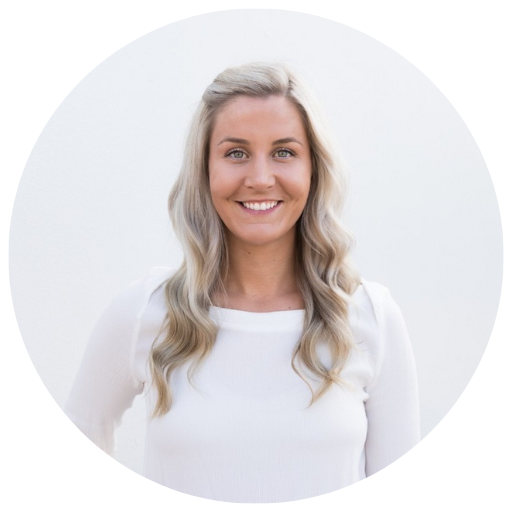
Alice Williams: I mean, you could say we're the most followed brand on TikTok in Australia. Does it make our customer laugh? Does it make them pissed off? Does it make them rally together and say fuck them? Ultimately, that's just me. It's just who I am and so why would I try and hide that?
[Voiceover]: Welcome to ADD to Cart, Australia's leading e commerce podcast that Express delivers all you need to know in the fast moving world of online retail. Every week, Nathan Bush from E Suite and an e commerce industry expert will share the news, research and insights that you need to know to keep you at the top of your game and of course, keep your customers adding to Cart.
Nathan Bush: Today's guest has the most TikTok followers of any brand in Australia. Six million TikTok followers. And no, it's not Nike, it's not Culture Kings, and no, it's not Add to Cart. It's Ovira. Alice Williams is the founder of Overa, a period pain relief device. Now, I've known Alice for a while now and I always love chatting to her because whenever you have an inkling of what she's going to say or do, she flips it on you and presents something in a whole new light. And that's exactly what she and the team are doing at Overa. They're making the conversation around periods, vaginas, women's health normal because it should be. In this chat we cover how Alice stumbled across the device that ended up becoming the Overa device. But we also cover how they got to 6 million TikTok followers. We talk about their creative content strategy when it comes to Facebook ads and her tips and for getting favorable pr. If you are in marketing in an e commerce or retail brand, this is a must. Listen to Alice will absolutely shake up
Nathan Bush: the way that you look at the world.
Nathan Bush: I will warn you right up front that there's some swearing in this episode by me included. So if you are offended by sweary words or heaven forbid, lots of talk about vaginas, you might want to switch over. For the rest of you, if you're like me, you're going to love it.
Nathan Bush: One quick message from me.
Nathan Bush: At eSweet, we've just launched a range of e commerce learning products and courses. These include the foundations of e commerce such as customer experience and returns modules. They're designed to be done on your
Nathan Bush: own time and on demand.
Nathan Bush: We're also doing regular lunch and learns on a Friday, so jump over to esweettalent.com if you want to check them out for yourself or your team. To upskill in e commerce. All right, let's get into it. Thanks to our partners Shopify plus and Paclio. Here's our conversation with Alice Williams, founder of Overa.
Nathan Bush: Alice, welcome to ADD to cart.
Alice Williams: Thanks for having me, Nath. Let's do this. Oh, no.
Nathan Bush: It's been a while. We've been planning this I feel like for six months.
Alice Williams: I think it's even longer. I think you have been very patient and I'm going to even say it was over a year ago that you asked me to come on this.
Nathan Bush: So what's been going on in the last year that has been more important than me?
Alice Williams: Not much really. Just terrible on email.
Nathan Bush: That's fair, that's fair. All right, I know your story and I love your story. But for those who may not have come across Overa, can you explain who Ovira is and what your mission is?
Alice Williams: Sure. We are Aussie born women's health brand focusing on period care and our mission is to end the unnecessary suffering of women everywhere. The first problem that we're solving is period pain. And we do this through a small wearable device based on a TENS machine.
Nathan Bush: Yeah, and how did you come across that machine?
Alice Williams: So I don't have a background in business or marketing or anything like that, but what I do have is horrendous period pain. And I would love researching other ways to treat my pain. I did study health sciences, so I would love looking at literature and seeing like what research was out there, whether it could be like Cairo or infrared sauna or different supplements and so on. And one of the things I came across was electrotherapy or TENS machines. They're not revolutionary technology. This has been around since the 80s and there is a lot of research out there about how it can help women, specifically with desmenorrhoea or period pain. And I was like, why haven't I heard of this before? It's instant relief that doesn't harm the body. Surely this is too good to be true. Tried it, found it, did work, Was like, what the fuck? It actually works. And is this gonna cause cancer in 10 years time? Is that like there's no hidden secrets? It really is as good as it sounds. And so that kind of took me on this crazy journey to where we are today.
Nathan Bush: So for someone like me in our previous chats who hadn't seen what a tense machine is, can you explain, describe what it looks like and what it is?
Alice Williams: Yeah, sure. It's a small handheld device. Ours is the size of an egg, but super flat and discreet. So you can clip it onto your pants or your bra, depending on what you're wearing. And then it's got two sticky pads connected with two cords to the device that you can stick on wherever you have the worst pain. And they send little vibrations that kind of feel like a phone vibrating in your pocket that are overloading the nerves and stopping the pain signals from going to your brain. No signals, no pain.
Nathan Bush: No signals, no pain.
Nathan Bush: And tell me, I bet that you
Nathan Bush: went on your journey with overa and discovering the relief that it can give you, and I expect that it changes your life. Have you seen that with your customers as well, going on that journey?
Alice Williams: Oh, definitely. You know, we have customers who cry their eyes out as soon as they tried the device. We have customers who email us saying they even cried at the checkout process, which is funny. It's called add to cart.
Nathan Bush: In a good way or a bad way?
Alice Williams: In a good way. They're like, I didn't even know it was possible for a brand and product to talk to me like Avira does. And women are really suffering when it comes to period pain. Like, we did a survey recently with about 1,200 Australian women that showed that 98% of them are experiencing pain. And over half of those women's pain is bad enough that they're not able to complete daily tasks. Like, that's huge. That's massive. Yeah.
Nathan Bush: And do you find that a lot of women kind of just grin and bear it?
Alice Williams: Is that the thing?
Nathan Bush: Because people don't know what's out there?
Alice Williams: Definitely. I think, because there is unfortunately still a lot of shame and stigma around periods that it has just kind of been automated that we do grin and bear it. We've never really, I guess, even known to speak up because we've never seen other people do it. I think now that's definitely changing. You know, when I have a condition called endo, and when I grew up, I didn't even know endometriosis existed, so how was I even supposed to ask my doctor, do I have this? You know?
Nathan Bush: Yeah. And in terms of doctors and the
Nathan Bush: medical world, how do you get credibility
Nathan Bush: and trust when you first introduce customers to over. Because it sounds like too easy, right?
Alice Williams: Yeah. It's interesting because we thought health professionals like doctors and so on were going to be really important in getting our customers to convert, but it actually does the opposite. Like, there is a strong distrust towards the medical industry and doctors more generally. And, like, we saw this in the survey results, too, as in, I think it was something like 60% had had a bad experience with their doctor when they'd spoken to them about their pain and walked away feeling at a loss. So that's massive. That's more than half of women. And when we test, including a doctor, as someone who promotes this or vouchers for it, we don't really see results. So ultimately, I mean, trust the data. They don't give a shit.
Nathan Bush: Yeah, right. So it feels like you've got a community of women who are almost like, well, fuck it, I'll solve this myself.
Alice Williams: Definitely. You know, what we do see is that they trust each other. And so friend to friend is super strong. I mean, like most brands, right, word of mouth, but, you know, we have an incredible online community. We've got a Facebook group of, I think over 14,000 users or members or people who just love Avera more broadly. They're kind of like a VIP group. We love them. And then we've got, obviously millions of followers across socials. So our community exists everywhere. It exists in real life, it exists on Facebook, it exists on other social channels like TikTok. We don't care.
Nathan Bush: I love that you casually dropped in like, yeah, we've obviously got millions of followers on social channels and we've probably got business owners going, what was that little bit that you just said? You've become TikTok famous, is that right?
Alice Williams: We have, yeah. I mean, you could say we're the most followed brand on TikTok in Australia.
Nathan Bush: Is that true?
Alice Williams: It is, yes, we are. We have the largest following in Australia on TikTok.
Nathan Bush: Why?
Alice Williams: Because we make great content. And people ask, how did you do it? Like, what's the secret to the algorithm? And, you know, I'm very bad at most things, but TikTok, because I started it with who Shanky on our team, who's incredible. We did it together for the first few weeks and months and we were maniacs. Like, we got hyper obsessed with it. And if there's one thing I do understand extremely well, it's organic TikTok content. And yeah, going back to when people ask, like, what's the trick with the algorithm and posting time and all of these things, things like they're 1 percenters, like the thing that's going to move the needle, the 90 percenter, is making content. People are going to watch. And it's, you know, I speak about this all the time when people reach out or other podcasts, I swear of what is great content. TikTok will tell you. Go and scroll on the for you page and look what's coming up there, 99% of the time it's not brands and that's because brands are making content that worked on Instagram five years ago. It's pretty, it's brand, it's a vibe, but it's fun, boring to watch and it's never going to come up on the for you page. And they also try and stick to their brand guidelines. And when you're making content for TikTok, like you have to put the rule book in the bin and do whatever the hell is going to work. And if it's working, it means people are having an affinity with your brand. They like watching it. As long as you're not causing huge controversy, which, hey, a little bit of that is fine. Then yeah, there's not really a secret.
Nathan Bush: Ever scrolled through an e commerce packaging website for fun? Nah, me neither. Until today. Paclio is putting the joy into the packaging game. So let's play a game. I'll tell you the name of the Paclio product and you have to try and guess what kind of product they are. Fairy floss Compostable mailer. Queen bee Honeycomb padded mailer.
Nathan Bush: Here we go.
Nathan Bush: Gummy shark water activated tape. Now if my jaded self thinks that this packaging is fun, imagine what your customers will think. Paclio is also eco friendly. Australian owned and operated with same day dispatch and 14 day returns. Now that's pure joy for everyone. Check out the Paclio range of ecommerce packaging options@paclio.com that's Paclio P A C K L E O paclio.com.
Nathan Bush: So when you first started playing around with TikTok, where was your head at at that point before you got to your 6 million followers?
Alice Williams: I should know this, Nathan, because I listen to your podcast all the time. But I'm sure other people on your podcast have spoken about the privacy laws that came in recently. And I guess it's change the way a lot of ecom brands approach marketing in general. Because when we launched it was the golden days of Facebook. You could put up anything and Facebook would know who your customer was and it would convert. So we could put up a terrible ad and Facebook would know exactly who our customer was and so they would convert. And it wasn't because we were good at creative, it was because Facebook was incredible. And you'd literally just press a button, chuck up some ads and suddenly that changed and it didn't work anymore. And so we were like, what are we going to do? And we were like, let's test all different things. And we did and one of the things that we tested was TikTok. And when I say tested TikTok, I'd never even been on TikTok before and no one in the team have, so I feel very old hanging out on a platform like that. But we just jumped in headfirst and I think, I know we're posting like one video a day and doing trends like what most people do when they first get on the platform, but one of our videos did happen to go viral. I think it got like 40 million views and it was a device video. And we saw our traffic just go like. And we were like, whoa, there's something in this. And like those people were converting, like it was a high quality audience, which, don't get me wrong, just because a video goes viral, you will get a lot of shit traffic too. But because we saw that, we were like, we want to see that again. And so we kept trying to repeat that. But obviously TikTok is a hungry beast and it likes new content. So we have to diversify very quickly and just posting product stuff. You might go viral once because it's the first time TikTok has seen your product, but then after that you've got to innovate and it's not going to be about the product.
Nathan Bush: So how much time do you spend with your team thinking about all the different types of content that you create versus actually just getting in and doing it.
Alice Williams: So we do zero planning. Zero, zero calendar planning, don't use any of those apps, Nothing.
Nathan Bush: That's so cool.
Nathan Bush: And how do you.
Nathan Bush: Or do you set boundaries around the types of content? Because obvious, obviously you've got over as a product, but then you've got your broader mission around, you know, helping women through pain in general. Sorry, I worded that pretty badly. But then you've also got your personal story, your team story, your business story, everything else around it. Do you put boundaries around what kind of content you'll go live with or do you just go, oh, idea here, idea here, idea here.
Alice Williams: Well, there you go, Nath. Like you just mentioned, like eight different areas we can make content. Why wouldn't we create eight channels and make eight different styles of content that's going to appeal to, you know, all different types of people. So, like, there is so much we can do and that's why we don't put boundaries on it. And like, there is so much variation. And so when we go to make TikToks, we set ourselves a time limit. And so at the moment, like let's say, for example, Shanky's making content. She'll set herself a time limit for one hour and make 15 videos in that hour. And so when she rocks up, she's got no plans about what to do. She'll just pick up her phone and scroll through. Like, it could be the comments section gives great info and then pump them out, upload it straight away. It's no approval process.
Nathan Bush: How good is that? TikTok sprints.
Alice Williams: TikTok sprints, exactly right. And so it's only really an hour of the day that you're doing TikTok. And, like, we get a billion views a month. We get tens of thousands of comments a day. Like, we're not monitoring it, we're not scrolling. And, like, if you had the notification thing live, I'm pretty sure your phone would run out of battery in 20 minutes.
Nathan Bush: And so obviously the content part is key. And I think a lot of people get caught up in talking about, oh, geez, how much content, what kind of content can we create? What about the other side of it around managing comments, communities, getting back to people? Is that a huge part of TikTok?
Alice Williams: Not necessarily. The comments section kind of becomes its own entertainment piece in itself. It's actually can be funnier than the video. You know, there's one video that went viral recently of ours, and someone duetted it, and the original video was talking about how a woman's vagina inside it can be all different shapes and sizes, which is why some people like, using, you know, a period cup or a tampon and so on. And someone duetted the video, and, you know, it showed us being, like, in the background showing the inside of all different vaginas. And then they told the story of their vagina, and they're going, here's the swimming pool. Here's the dark, dirty entrance. And it was hilarious. But the comments section in that was funnier than the video. You know, people coming saying, mine has a psych ward. You know, like just hilarious things. And that's just. TikTok is. I love it because it's not like what Instagram now is, which is like, everyone being politically correct. It's all just the Twitter crowd on there now. Like, I can't stand it. It's so boring. Whereas, like, TikTok is just like, do whatever, say whatever. Like, let's just have a laugh.
Nathan Bush: Yeah. Do you ever get people offended?
Alice Williams: All the time. Yeah. I mean, when you're having like, 1 billion views, that's hundreds of millions of people that are watching your content. Of course not. And I Mean, like our content's going viral in countries where you have to recognize that the culture maybe isn't as progressive as we are here with women's rights. And like, who are we to get on a stand and talk about vaginas so openly? A lot of people don't like that.
Nathan Bush: How dare you talk about vaginas.
Alice Williams: Correct. Like, how dare we talk openly about women's health and try and educate women about their bodies. You know, there are women to pull it back to basics who don't even realize that they have three holes down there and their whole life they've gone. Or they're trying to insert a tampon into the wrong hole. And I mean, this might sound crazy, but this is actually the large majority of women who've grown up not knowing anything about their bodies.
Nathan Bush: How do you feel when you hear stories like that?
Alice Williams: It pisses me off. Like, it really does. You know, for myself, when I grew up and got my period, I remember just being so ashamed, like feeling this really heavy weight and you know, if the girls found out in school you got your period, you were bullied. Like, that was the reaction people had. Which is nuts, right? Like, a period allows us to do the most incredible act there is. It allows us to create human life inside of us. And I don't want to take away from the fact that it's really shit, it can be really painful, it's a pain in the ass if you've got stuff on it, makes you bloated and all the things. But ultimately, like, hey, that's pretty cool. Like, that is one of the most incredible acts as humankind we can do. So why is it that we find these things, like, so disgusting? And I mean, even period blood in itself, if. If you cut your finger knife as a kid, what does your mum tell you to do? Suck on your finger, right? But period blood, oh no. Wow. And like, let's be real, period blood, like those cells are the smartest cells in our body, like, allows us to create human life. And unless you have a blood borne disease, there's nothing disgusting or bad about it ultimately. I mean, sure, you don't need to drink it, but
Nathan Bush: this isn't hell. Yeah, I'm not even going down that path. I'm not going down there. That's fantastic. Do you feel that? Obviously with the impact that you're making on TikTok and I'm assuming reaching a lot of younger women but yourself and there's a lot of other people out there doing it as well, do you feel the younger Generations coming through will be having different conversations in the schoolyard than perhaps you would have at that age.
Alice Williams: 100%, like, Gen Z is incredible in the way that they're just so switched on. You know, they're so in touch with social issues, what's right and what's wrong, and really thinking for themselves, like, all of them are quite unique. Whereas when I was younger, you know, don't get me wrong, like, there's always, like, trends that go through in, like, what people wear and, like, all of those things, but I just think they're so different. Like, for example, I saw and I can't remember what school it was, but, like, shout out to the girls. A high school where the girls decided to protest because the male teachers had been telling them that their skirts were too short. And so why are we sexualizing women's bodies? And why are we putting the onus on the students? Why are men looking at young girls legs in the classroom? And so they did this huge protest about, like, that's enough, we're not taking this anymore. And like, that's amazing. I swear, like, my generation would not have done that.
Nathan Bush: Yeah, yeah, yeah, absolutely. That is amazing.
Nathan Bush: And do you get many young women
Nathan Bush: reaching out to you as, like, a role model for this? Because you're very public now in TikTok, like, you're a celebrity, right? Like, do you get people who are wanting to reach out to you to kind of get your advice or your input?
Alice Williams: No, people don't like me about me. Well, funny. Like, yeah, I'm obviously have a presence. Like, we have a presence and obviously as a brand, but I actually keep my private life quite separate, so I never post. Like, you won't find a thing about me unless it's like, in PR or a podcast or so on. But when it comes to, like, social media, like, I'm actually not putting myself out there. And I've done this intentionally because I love what I do at Avera and I like making content with Avera, but I never want that to come into my personal life because, like, you've heard, when I go all in on something, I'm making 30 to 40 videos a day and get obsessed. And so I can't. I just can't add on another layer of doing it in my private life.
Nathan Bush: Yeah, that makes sense. So TikTok's up and running. Great team running it. It's pumping along. What are you obsessed with?
Alice Williams: At the moment, I'm obsessed with Facebook ads.
Nathan Bush: What.
Alice Williams: Which will shock people. But the obsession is real. And we were Obsessed with Facebook ads in the early days. Vic's on my team, bless her. She, her and I used to pump out about 60 ads a week together. And that obsession is back big time. And so we thought Facebook was broken, which was a big area. And if anyone's listening to this and thinking it is, I would challenge that completely because people are still going on it. Facebook and Instagram, it's changed. So the way you have to approach it is different because now you have to make a really good ad because Facebook isn't going to show it to your customer. So how do we, like, suddenly you have to be extremely good at creative. Not that you didn't before, but I would say even more now. And it's so interesting, like scrolling through it. If you go onto Facebook and Instagram, no one's advertising. It's all the dropshippers because they're very good at making ads.
Nathan Bush: So what does a really good ad on Facebook look like today that's different to what it looked like three years ago?
Alice Williams: So previously we could have just uploaded a piece of ugc, like, literally taken a screenshot of. Exactly. And, you know, put some average copy with it. But now, like, you really have to work hard. So we do a lot of, I mean, like this, this isn't anything new, but video creative of storytelling. And so I would say, like, again, Nath, everything I'm saying is not revolutionary, but having a really strong thumb stopper. So the first one to three seconds, it's the same on TikTok, because people scroll so quickly and then a great storytelling piece, you know, can you create fomo? So mentioning something like, oh, it's selling out again, ending with, you know, making sure people clicking through to the website. We're also finding that sometimes not kind of the opposite of what you've been taught as a marketer of, like, get across the product, you know, in the first three seconds, all of those things, like doing the opposite and making it look like an organic piece of content that you'd come across on TikTok and then somehow introducing the product somewhere so the consumer doesn't even realize they're watching an ad. It's just like a normal video in feed.
Nathan Bush: Okay, so it's not shiny creative. It's still a little.
Alice Williams: Never shiny creative. Like ugly, ugly ads make ugly shit.
Nathan Bush: Fake ugly shit.
Alice Williams: Because it's, again, throw out your brand guidelines, stop romancing and just get down and dirty with it.
Nathan Bush: Oh, wow. And do you put much effort into targeting on Facebook? Facebook now?
Alice Williams: In what way?
Nathan Bush: As in trying to Find your customer yourself or do you let Facebook take the reins and do a lot of the targeting for you?
Alice Williams: Both. We are using Advantage plus, but we find that you can't really scale it as much. Like, I mean, how aggressive do you want to be? Sure. I'm sure if you're with an agency, they're probably just got Advantage plus on. It's like, oh, it's working great, la la la. But they could definitely be doing more. And so we still use regular campaigns, like when we're creative testing or we'll just leave stuff on. Like we're very, very chaotic and we can probably even be more chaotic in what we do. So ignore your account managers when they say simplify your campaigns. Ignore all of that and you know, have. We've got multiple accounts now and yeah, we're just constantly testing shit, trying different interests, like everything, everything and anything. If it's making us money, we don't care.
Nathan Bush: I can't wait to get the emails and the LinkedIn messages from agency owners who are like, all my clients have just told me that they need to be more chaotic and it's all your fault.
Alice Williams: I hope the clients message you too and say, hey, we should never use an agency because in the ecom brand, you're outsourcing your most important piece. And so, yeah, don't use agencies, pretty much.
Nathan Bush: So tell me about that because obviously we're in the game of, of talent and connecting retailers to great talent. We found over Covid that growth marketers, especially in performance, were really hard to come across. And if you wanted an example of anyone who had stupid pay rises, performance marketers and developers were the hot ones. Right. How do you manage that if you've got all of that in house, how do you attract and keep that hot talent?
Alice Williams: I mean, you have to ask my staff who've been with me from the start, like, why do you still work for Alice? She's horrible. Is that what you're asking me?
Nathan Bush: No, I'm just saying it can be expensive to keep in house and not easy.
Alice Williams: Right, well, let's rewind. I would even say that now that I do it and have become okay with it is the best kept secret is performance marketing isn't that hard. And so if you're hiring a performance marketer, what are you getting from that? Like you're paying them a big salary and you know they've come from one of the big names, five to 10 years experience. What are you getting? Because performance marketing isn't a performance marketing play, it's a Creative play. And most performance marketers are horrendous at creative. And so for us is I don't hire performance marketers and I don't hire video editors. It's one role. It's growth. And you're in the account doing the performance marketing, and you're making the creative. And I think that's where Ecom will go because the platforms are broken. They don't work like they used to. And I mean, you've just heard us talking about the way we approach it. You don't have to be smart. Like, it's literally silly stuff that works. Like, actually the sillier the better and the more naive you are, the better of just try random shit. And if it's go all in, you know, that's 15%. And then the other majority is creative velocity and quality. And you don't get that from a performance marketer.
Nathan Bush: And so your philosophy is just get in there, get your hands dirty, play with the tools, get results on the board, whether they're good or bad, and we'll keep moving. That's how you learn and develop in
Alice Williams: growth a hundred percent. And don't get me wrong, like, we've made a thousand mistakes. And. And when I hire someone who's never touched TikTok before or they've never touched Facebook ads, I don't, on day one, throw them the Ferrari keys and say, off you go. Go cruising. You know, we. It's very slow. It's, hey, this is X, Y and Z. What do you think? And you know, if it's a good idea, say, cool, go do it. And then get them to come back. How did that go? What did you learn? And so it's a very slow process of slowly showing them how to drive before you give them the keys. And if they fuck up, who cares? You know, when you're moving so fast, you're bound to have mistakes. And so we always make sure that the Vera, like, mistakes are very safe. It's okay. One of our best, one of the biggest, you know, like Vicky, for example, accidentally, in the early days of Facebook, accidentally turned on, you know, quite a large budget campaign and accidentally targeted men, and it went off. And, you know, if she didn't make that mistake, we never would have known. This is the beauty of Facebook.
Nathan Bush: What do you mean? As in men buying a Vera for their partners?
Alice Williams: Yeah. Wow.
Nathan Bush: Of course it makes sense now, doesn't it?
Alice Williams: Yeah, definitely. I mean, duh. But again, like, who are we to decide who our customer is? And so that's why you always like just want to try something you never, ever, ever.
Nathan Bush: 2023 might be the year that you have to unravel everything that you know about loyalty. New global research from Shopify showed that Australian customers are highly likely to switch brands in order to save money. And here we were thinking loyalty points will keep us together forever. While the battle for customers hearts will
Nathan Bush: be driven by pricing in 2020, 2023,
Nathan Bush: they will not sacrifice customer service in the process. 2023 might be back to basic retail, but it doesn't mean that the opportunity is any less. Treat them lean and keep them keen. I say to view more resources to help with your 2023 planning and see how Shopify can take your e commerce business to the next level, visit shopify.com au today.
Nathan Bush: So when you're looking back on that, whether that be, hey, we just had this TikTok video go viral or we're trying this new campaign that we've never tried before. How do you measure success? Is it all financial or is it engagement metrics? What are the most important metrics for you?
Alice Williams: It depends on like what we're doing and this would always change, but we're very against vanity metrics. So it may sound cool that we've got, I think it's like about 6.8 million followers across socials. That sounds pretty cool, right? But if that's not making us money, then that's the silliest thing ever because why am I wasting time making content to gain followers? Because it feels nice. Like it's, you know, like, obviously education's a huge part for us and it creates value for our customers, but we can't create more education if we're not bringing in money to pay those salaries for our employees. So TikTok is for us. What works for us is we would focus on followers because one, it would mean we would have to upload a shitload of content every single week. So velocity and quality was very important. And two, it means when people are clicking on our content, they like it enough to come back. And so, you know, when we're having hundreds of millions of people click on the Avira TikTok profile and seeing they make a period pain relief device and there's a website, there's a good chance that based on the volume of that number that people are going to click through on our website and we would say that, you know, our followers worked in line with our revenue on TikTok. Again, attribution is just such a shit conversation and it doesn't exist. But do a post Purchase app and see what happens.
Nathan Bush: Nice, nice, nice. Because of shit conversation. We'll move on.
Alice Williams: Yeah, the.
Nathan Bush: I was surprised to read and I can't remember exactly the timing it was last year sometime you, you know, kind of goes against everything. The fuck it. Let's try it and see what happens. You bought a New York Times billboard. How did that come about?
Alice Williams: It was a fuck it moment. And so we literally turned it around. I think in 24 hours, people in New York don't sleep. And the guy. It was a Sunday night and we. This is when obviously those abortion laws were coming into play. And so we saw this happening. And so I was just like, I'm just going to message some big high rises and say, hey, can I buy a billboard for tomorrow? And they all wrote back and it was. Sorry, when I say it was their Sunday night at like 11:00pm you know, in New York, they have to hustle hard. And I was like, respect. And majority of them said no because they don't want to take part in political advertising. You have to imagine that the people that own these billboards are already multi, multi millionaires. But someone said, hey, we'll send the creative across this. The person that owns this is actually the only one who's open. They don't give a shit. And so they said like, yes, we're open to it. Send through the creative, agreed on a price and then up it goes.
Nathan Bush: What did it say?
Alice Williams: You're really stretching my memory. You'll have to get it up, Nath.
Nathan Bush: We'll find it. We'll put it in the. Because there is a news article.
Alice Williams: Put it in the notes.
Nathan Bush: I can't even help you out because I don't have it in front of me.
Alice Williams: It's funny because I wrote the copy for it, so I should know.
Nathan Bush: No, that's all right. We'll put a link in the show notes, find.
Alice Williams: Yeah, yeah, it was just kind of like a. It was a fuck you to whatever was going on. Pretty much, yeah.
Nathan Bush: I've got one more question about marketing before we move on because I'm keen to hear more about your story and business too. Just on the brand, because it caught me when you said about throwing out brand guidelines, but if you look on your website and what you've done to. But you've actually got a beautiful brand, like a really inclusive, honest brand. Right. So it's not like fluffy and skirting around the edges. It is you. It is for all women. Where do you decide where to double down on the brand and create brand? And when you let it go. Does that make sense?
Alice Williams: It does, because if you did click on our website, you'd be like, she's talking smack. She cares about brand. But there's always exceptions to the rules. So for like, website and EDM is probably the still, we don't have brand guidelines. So there obviously we want things to look trustworthy and usually quality comes into play. However, everywhere else it's more of an attention play of people don't know about you yet, they don't care. And so how do we create some affinity with them? Through creating an emotion and some type of emotion that is activating. So it's usually quite a strong emotion. And back in the day, everyone would create Instagram tiles with quotes that were like, quite calming. And so now we try and do stuff which is like, does it make our customer laugh? Doesn't make them pissed off. Does it make them like the abortion billboard? We did rally together and say, fuck them, you know, and same with the educational content is like, people may find it shocking. It's not shocking. Why are we shocked at it? Because we've never been taught about our bodies before in the way that we talk about it.
Nathan Bush: Yeah. A connection piece for a common mission.
Alice Williams: Yeah.
Nathan Bush: Common cause.
Alice Williams: Spot on.
Nathan Bush: Common sense.
Alice Williams: Yeah.
Nathan Bush: Going to your journey, which I've loved following ever since I met you, because I just think you're a leader who isn't afraid to think outside of the normal challenge things not always take the well, this is the consensus we've got to move this way. But I then read a financial review article in 2020 when I first read. I read the opening line and I was like, oh, shit, I wish I was next to Alice as you were reading this, just to get your reaction because it said, I've got to run in front of me. Until a year ago, entrepreneur Alice Williams didn't know what VC meant, had never heard of Series A, and did not even realize she was creating a medical device. Like, if that was me as a founder, I'm like, financially serious. Like, are you, like, what are you. How are you trying to set me up here? How did you feel when you read that?
Alice Williams: I actually didn't mind. I thought for that was my first ever PR interview that I did. And wowee. They could have made me sound so much more horrendous, actually respect to the journo, because I read that and I was like, wow. I gave her absolute, absolute crickets. And like, just like, I was so nervous and she made me sound really decent and everyone was like, wow, that's a great article.
Nathan Bush: Oh, so I've read it wrong on your behalf.
Alice Williams: You have, Nath. But I will say of I've had PR training by someone who I absolutely love. I'll give Brad a shout out and Brad told me that when I'm talking to media of don't talk yourself down because it's exactly that. What you're talking about is if they run with that and people are seeing on paper, they're not reading your personality and exactly what you've read is the response that you would get from someone. Oh, that's really. And so. But ultimately I think like that's just me, you know, it's just who I am and so why would I try and hide that? And I guess it doesn't look good when I've achieved nothing. And back then I hadn't achieved anything. And so you're like, oh, who is this shit kicker? But now I have. And so it makes it even better because you're like, oh, wow, she did come from like nothing. You know, I don't have the flashy LinkedIn profile and she still achieved what she has. And so that's more inspirational than someone who's had every opportunity available to them and has achieved what I have.
Nathan Bush: So it's just another part of the story.
Alice Williams: It's just another part of the story. Doesn't matter.
Nathan Bush: I am surprised that you've done PR training because you are one of the most new, natural, authentic people to speak to in a situation like this. We've had our own conversations, but also when we're on here, you're actually no different. Well, I don't feel than when we
Alice Williams: talk, probably swear a bit more. I also got told not to swear. Yeah, but.
Nathan Bush: Oh really?
Alice Williams: Again, I've got a potty mouth.
Nathan Bush: Swear away. Makes you relatable. But I'm not a PR expert. What was the hardest piece for you to change? Is there a disconnect there?
Alice Williams: So funny, you know how like before we got on this, we were talking about how you'd sent through questions and I said, oh, I haven't actually looked at them because for me, if I try and script or memorize or not speak from the heart, it actually makes things a lot harder and it makes my brain scramble. The thing with PR is you have to go into each conversation. It's usually a phone interview and no matter what question the journey asks us or angle they want to write for the story, you stand by what you want to go in that piece and it's usually have three really strong points and they could ask you, oh, you know, why is that book read? And you could talk about a yellow bike.
Nathan Bush: Did you use that tactic on me? Like, have you got three things that you've been trying to talk about?
Alice Williams: No, no, no, no.
Nathan Bush: I'm not a journo.
Alice Williams: You're not a journo. But still, you know, like, could anything I say, this is the reality. Could anything I say in this podcast come back to haunt me in 10 years time? Like, that was. It was like a lot of scare tactics of, like, everything you push out. Like, you should always think of, like, how in the future could this work against you? But whatever. I'm just like, God, if that happens
Nathan Bush: to you, then I'm screwed too. I think I've got like two.
Alice Williams: Yeah, we're all buggered. I'd never make it as a politician, let's put it that way.
Nathan Bush: So looking back on the Avera story so far and, you know, still relatively early, what are you most proud of so far?
Alice Williams: Two things, I would say. I mean, 100% the impact that we have on our customers. If you look at the reviews on our website, people honestly think they're fake. And you're like, this is too good to be true. And I still love, love, love reading them. Like, we've got a Slack channel called Celebrations and everyone shares customer stories, whether it's on email or our views or so on. And I love that. And so I'm very proud of that. And then second one, which may be more, more so than the first one only because I'm seeing it constantly, every single day, is my team of how proud I am of how much they give to Avera, how much they believe in our mission, how much they give to me. You know, people say, oh, no one ever works as hard as the founder. You know, we've got some people in the team, they give so much to me. And seeing how much, not just them, but we've all progressed as people in our learnings, but also like, as humans, is like, pretty amazing in the short time frame that we have.
Nathan Bush: That's amazing. What makes a good over a person,
Alice Williams: as in a team member, such a hard question to answer because we know it when we see it. But, like, to put it into writing is very, very hard. But I'll give it a riff. I think ultimately it's someone who's very authentic and down to earth, someone who hasn't spent too much time in corporate and is, like, miserable with their job. You know, we interview people and you talk about them with just their normal life. And, you know, they're animated and interesting and, you know, excited about life. And then as soon as you ask them a question about work, they become a robot and they. They shut down. And, you know, that's really sad to see, but it's very hard to unlearn as well. You know, they're interested and curious about things. They're open to trying anything. They have fun. You know, people always say, like, our office is so loud because we're talking shit, like, every hour, God knows what. Like, I walked in yesterday morning and, you know, they were all playing would you rather? And I'm not going to say what the would you rathers were because it's very.
Nathan Bush: Come on, give us one, give us one.
Alice Williams: No, I'm just going to shout out to Nicole and say, I'd really like to throw you under the bus here, Nicole, but I won't, you know, like, that's so. We love what we do and we also work hard and, you know, when we're switching off, we're switching off. We're not working on weekends, we're not working outside of hours when we're rocking up to work, like, we have high output and, you know, smart people too. Like, it definitely helps. That's it. Or optimism. So important. So, so, so important. I would say, like, that's a massive one. Optimistic. You can't be in a startup and saying, like, oh, that's not going to work, that's going to fail. Can't have that.
Nathan Bush: Yeah, yeah, I love that. And we were talking before we press record here that you've banned the word busy.
Alice Williams: Why? Everyone is in the busy Olympics competing as to who is busier. And it is such a boring conversation of how are you oh, so busy. You oh, so busy.
Nathan Bush: Like, probably busier than you.
Alice Williams: Yeah, yeah, I'm busier than you. Let me tell you right now. And I think just the, like, that busy attitude leads to busy work, which leads to work that isn't smart. And so it's funny, someone on my team at the moment, Shanky is like, there is a lot on, and I need to ask her today to say, hey, are you okay? Because she is, like working on multiple tasks that have a lot to do and are very important. And so she could easily be like, rock up and be like, oh, I'm so busy, but doesn't say a word and just gets in there and does it. And so that's what we need because busy just gets you nowhere and it's just really boring.
Nathan Bush: You know what kind of Words or phrases. Have you found that? Replace the word busy when you ask that.
Alice Williams: How are you questioning if someone asks me how I am, like, I genuinely tell them, like, I won't say, like good or busy. I'll be like, you know, how am I at the moment? I've slept bad for the past few nights. That doesn't help. But I got asked this morning when I came in and I said, you know, I've had a bad sleep, but I'm not going to let that ruin my day. I'm here to have a good day. Let's do it, like, give a genuine answer to how you actually are.
Nathan Bush: I'm going to take that. I'm going to use that. That's fantastic. So good.
Alice Williams: I'll remember that, Nath, next time I ask you how you are.
Nathan Bush: I know you're gonna catch.
Nathan Bush: You better not catch me on a bad day.
Nathan Bush: You better not.
Alice Williams: Well, actually, everyone listening to this and I bet it's a lot of people that, you know, can all hold you to that standard.
Nathan Bush: Yeah, you watch, I'll lose my nerve and I'll just edit this bit out. All right, so you've painted the picture right at the start that Ovira is one really important, important piece for your greater mission around helping eliminate pain for women. To finish off, paint us a picture of what that mission looks like when it's achieved.
Alice Williams: I mean, women aren't suffering. It's like really that simple of. But this could be in all different parts of their life, like not just their health, but in their knowledge. The way they're treated at work, like just pretty much anywhere that women are suffering is like, that's our ultimate goal. And so obviously, hey, we're probably never going to compete complete it. But it's how we can take a stand in so many different areas.
Nathan Bush: And does that always have to be product based?
Alice Williams: No, not necessarily. Definitely not.
Nathan Bush: Amazing. I love it. I love it. So Alice, what's next on your radar over the next 12 months for yourself and the Overa team?
Alice Williams: New products we in Australia, we will be launching some very, very soon in the next few weeks, maybe even by the time this goes live.
Nathan Bush: Five days, six days?
Alice Williams: Oh, nah, maybe. Who knows? Yeah, I think it's just like continuing what we have been doing. It's like constantly innovating, both with products, innovating in content, hiring incredible people to join our team. That's it. Like we're at an awesome place. I love, love, love what I do. I love coming to work every day. And so it's just Making sure that's always the case.
Nathan Bush: I'm going to finish there.
Nathan Bush: That's amazing. Alice, thank you so much for joining us on Add to Cart.
Alice Williams: Awesome. Thank you so much, Nate.
Nathan Bush: All right, if you didn't come out of that conversation thinking a little bit differently around TikTok team building or vaginas, I don't know anything that will shake you up. And I never thought those three things would go together. All right, here are the three lessons that stood out for me. Number one Embrace the chaos. Are you going to change Your formula for TikTok creation or performance ads after listening to this episode? Are you going to freak out your agency? Whether that be creating creating 30 TikTok videos in one hour, throwing away your brand guide on social, or loading up your ad channels with a bunch of lo fi content? Alice has shared a heap of tips on how to introduce some chaos to get the performance algorithm working for you. Well worth an experiment. Get on the Tools Alice is a great example of someone with the right attitude and drive who can teach herself anything apart from development just by getting in and having a crack. She allows some things to fail and hangs onto the gold. And that's how she got her team to where they are today. Now, I probably shouldn't say this as someone who develops e commerce learning content as part of the business, but one of the best things you can do in e commerce is just get in and use the tools. As Alice said, it's often not as complicated as it appears, especially in those dark arts of performance marketing. Number three, no more busy. Yes, I kept that in there. I didn't edit it out and you can hold me to account. I'm going to take up Alice's challenge to not use the word busy when people ask how I am. I had started qualifying it as good busy and bad busy for a while there when people ask because I am conscious of it. But I reckon I can cut it out altogether. As Alice said, it not only rewires you to think about how your day
Nathan Bush: really is and what you're prioritizing and
Nathan Bush: your mindset, but it actually makes you more interesting and leads to better conversations. So how are you anything other than busy? To get the highlights of today's episode, head on over to add to cart.com and sign up for our free newsletter each Tuesday we will send Monday's episode summary links and discount codes for you to go next level on. And if you're looking to explore your next e commerce opportunity, come and Visit us at eSweet. We're a dedicated E Commerce talent agency, connecting the best ecommerce talent with the fastest growing brands in Australia. Head on over to esweettalent.com where you can download the free E Commerce Salary Guide and sign up to our weekly e Commerce job emails. Thanks for listening and until next time, keep those customers adding to cart.