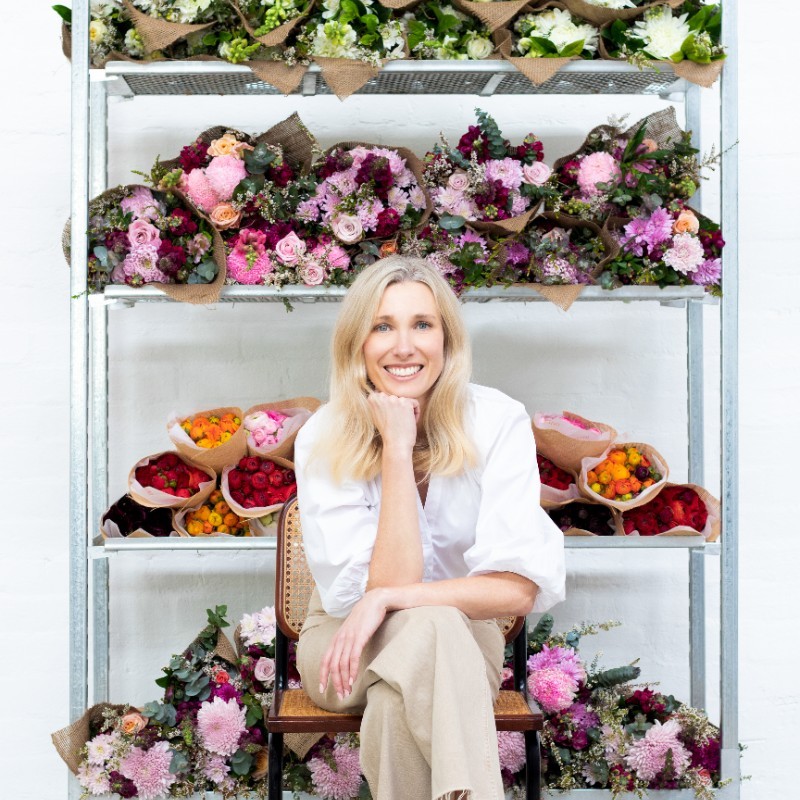
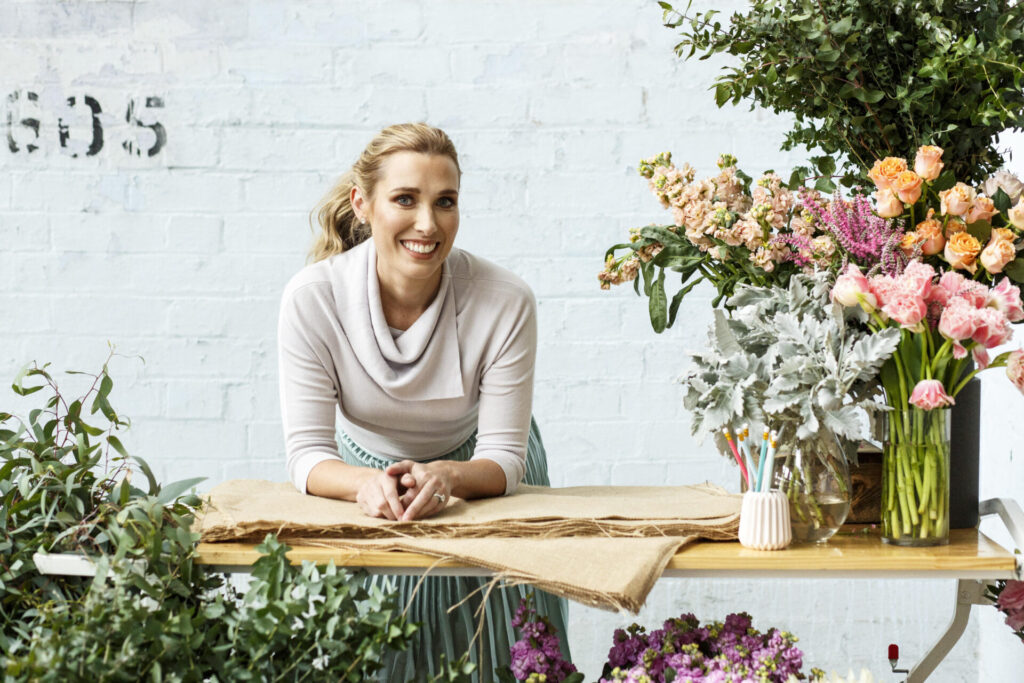
Courtney Rae: And so the store isn't really about selling flowers, as mad as that sounds. You know, every year we do our Daily Blooms Christmas party on Black Friday because it is the worst day of our year. Internally, we call it the Friendship Index. Hi, I'm Courtney Rae from Daily Blooms, and in this episode of Add to Cart, I share our latest plans for Daily Blooms. And it's something that I swore we would absolutely, never, ever do.
Nathan Bush: Twelve years ago, Courtney Ray looked at the flower industry and saw one problem that she could not unsee. A florist pays top rent to sit on a busy street, staffs it all day, then fills the window with a product that is dead inside 48 hours. Sounds like a nightmare business model. So she built a flower business designed to never have that problem. No shop, no. No window, no stock. One bouquet a day, bought that morning with all the other orders. And when it sold out, it sold out. Now, 12 years later, she's gone back on all of that, but she's not doing it the way flower shops have always done it. She is opening a shop on Gertrude street in Fitzroy, and the one thing that she will tell you is that it's not actually a flower shop. Courtney is the founder and the CEO of Daily Blooms, one of Australia's largest online florists. And. But before she started Daily Blooms, she spent eight years in corporate finance doing lots of spreadsheets. And in her time at kpmg, the one job that she did over and over was working capital tables. So when she looked at floristry, she saw a category that was carrying high rent and high perishable stock, and she built a version that mitigated both those risks. So she left in 2014 with $500 and what she still calls the world's worst website. Twelve years on, Daily Blooms delivers nationally out of warehouses. Melbourne, Sydney, Brisbane, Perth and Newcastle. It has served more than a million customers, and it won Power Retail's top innovator award last year. Most of those warehouses that she works out of share a wall with some of the biggest flower suppliers in the city, which, Courtney tells us today is all part of the business plan. She tells us why Black Friday is the worst day of the year for Daily Blooms. So bad that the team now holds its Christmas party on Black Friday and goes to the pub instead. And she talks me through the one feature on her own website that she cannot stand and cannot wait to get rid of. If you want the short version of what we talk about today, you can get the cheat sheets for every add to cart episode over at Add to Cart.com Sign up for our newsletter and you'll get them to your inbox on the day we go live with each episode. As always, a huge thank you to Shopify and Klaviyo for making every each episode of Add to Cart happen. We really appreciate your support to keep these conversations coming. So before we get into today's episode, I want to share some stats that has just come out of Pattern's State of Beauty and Personal Care in Australian E Commerce White Paper. And I tell you what, if you're a beauty brand, you are in for a big couple of years. According to this report, Australia has done in five years what took the rest of the world a decade. Online penetration for beauty products has jumped from 5.8% in 2017 to 22% in 2025 and is expected to reach 24.1% in 2030 and be worth $2.2 billion in e commerce sales in Australia alone by 2030. An absolutely huge market. And in this report you can see how beauty brands are taking advantage of it, especially through marketplaces such as Amazon. If you want a copy of the report, head on over to au.pattern.com and have a look in the Insight section for the report that you can download for free. We'll also put a link directly in the show notes. Here's founder and CEO of Daily Blooms, Courtney Ray.
Speaker C: Courtney, welcome to ADD to cart.
Courtney Rae: Hi. Thank you for having me. Nathan, so nice to meet you.
Nathan Bush: So good to have you here. I was just saying to you off camera, I was like, I've had so many people come up to me and say, have you had Courtney on the show yet? I'm like, no, I haven't. I haven't even met Courtney. What is going on? So I'm so glad to have finally met you.
Courtney Rae: I like that we can actually meet each other with like all these other spectators watching us. It's like being in a fishbowl.
Nathan Bush: Forget them.
Speaker C: Forget them. They don't exist.
Nathan Bush: No one listens to this. Anyway, Courtney, I'm really keen to get into the story of Daily Blooms and you've got a big announcement or a big, big launch happening now, which we'll get to. Oh, how's that for a tease? I've learned a few things in my time, but let's go back to the start with Daily Blooms. You got into Daily Blooms, as I understand you had a finance degree before going into flowers. Tell us about that moment of snapping out of the corporate world.
Courtney Rae: Yeah, that natural segue finance to floristry look, to be honest, I actually always wanted to be a florist. And even when I was at school going through high school, I wanted to be a florist. I did a whole bunch of little side courses and short courses, but I went to a good school. And back then, when you went to a good school and you said to your teachers you wanted to become a florist, they were like, no, no, no, no, no.
Speaker C: How will you ever be successful as a florist?
Courtney Rae: Yeah. So that past didn't eventuate. So I did go down the sensible finance route. But after eight years of doing it, I eventually just thought, you know what, it's now or never, and I need to take the plunge and follow this dream that I've been so passionate about for literally decades. So that's amazing.
Speaker C: Cool.
Nathan Bush: And so when you took the jump, though, you didn't take the jump as like just going, well, I'll open a florist shop on, you know, in my neighborhood and see how it goes. You went to market with a pretty unique offering at the time. What sparked that idea?
Courtney Rae: Look, I think with my background, in fact, when I was a junior staff member at kpmg, there was one job that I had to do on repeat, and that was these working capital tables for various companies. And so I lived and breathed working capital. So when it came time to start a floristry, it was the one thing, the one I kind of, I guess, glaring problem I could see in the industry was this enormous working capital issue. So if you think about a traditional florist store, they have to pay high rents to be on a really popular street in a particular suburb or city. They've got to staff that store, They've got to be open all the time. And then the really mad thing is that they have to fill that store and visually merchandise that store with a highly perishable product. And so I just thought, that's mad. Filling a florist shop with all of this inventory in the hope that somebody walks past your store and happens to need flowers within 24, 48 hours before you're throwing out all the inventory. And I just thought, if you can solve those problems, rent and carrying all this perishable inventory, then surely you've got a good business model. And so that's what we did. Straight away, I just knew it had to be online. And when I started it 12 years ago, E Commerce was. Definitely existed. But it wasn't maybe as, I guess, common or I don't know, it wasn't necessarily an accepted way of shopping, particularly in flowers. So I knew it had to be online. And then I knew I had to solve the inventory issue, which is how we came up with the concept of just creating one product offering every day. And it changed every day. And I would post a photo of what the day's bouquet was, and I'd buy just enough flowers for orders that day. And when we sold out, we sold out.
Speaker C: That was it.
Courtney Rae: And so zero waste, zero inventory issue, zero rent. It was. Yeah, it kind of solved all, all the problems in the industry that I could see. We, we solved pretty easily with that type of model.
Nathan Bush: The business looks very different now. Do you kind of have a reminiscence of.
Speaker C: Of those simpler days?
Courtney Rae: You know what? I really do. And funnily enough, I hired very quickly. I hired three girls that are still with me today. And we reminisce about those very simple times. We used to work in a storage shed and it was. Yeah, it was basic. And we do look back at that time very fondly. The business has evolved a lot over this time, but also in many ways it hasn't because we're still dealing with flowers. We still receive our flowers every single day, and they go out the same day that we receive them. We're not updating our products every single day, but we're updating the products on the website seasonally. So some products will last a fortnight, some products will last a couple of months. It depends on the flower variety and I guess whatever the ingredients are in each particular product. But we are updating them more frequently than you probably think we are.
Nathan Bush: Yeah. Okay, I'm curious around, like, how long do flowers last for now? Like, what's a shelf life?
Courtney Rae: Look, it really varies depending on the flower. So some flowers we sell, you'll see. Actually, I've got some flowers behind and in there we've got ranunculus. And now with a ranuncula, say it's picked today. We want to be getting that out of our warehouse no later than tomorrow.
Nathan Bush: Okay.
Courtney Rae: And then the customer might have five to seven days of a shelf life. Whereas some other flowers, for example, a disbud chrysanthemum, that can last weeks. So it really. They've all got their little idiosyncrasies.
Nathan Bush: That sounds like a nightmare.
Courtney Rae: Yeah, it's not easy.
Speaker C: How do you manage that supply chain then?
Nathan Bush: So because you, you're also offering same day delivery before 12:30. So how does that whole chain work? Where do you get your flowers from? Do you centralize them or do you send Them out from wherever.
Courtney Rae: Yeah. So we have warehouses dotted around the country and our supply network is really varied. So we have a few major suppliers within Australia that we deal with and mostly those suppliers are located very close to our warehouse. So it's actually one of our, I guess, strategic pillars is that we like to have our warehouses right next door to the major suppliers. So if you visit us in Melbourne at some point you will see right next door is a company called Santa Spirito which is one of the biggest flower growers and wholesalers in the country and we share a wall with them. Same in Brisbane. We're actually located within one of the biggest suppliers in Brisbane. So we always like to be quite close to our suppliers. It doesn't mean we only buy from one particular supplier. We're buying in from a whole range of different grow farmers, wholesalers, importers and yeah, every warehouse runs its own, I guess, buying team and yeah, that's, I mean it's not easy. It's tricky.
Nathan Bush: No.
Courtney Rae: In many ways it's like a restaurant and the chef just has to buy all the ingredients that he needs for his particular menu that day. Sort of a similar, similar process.
Nathan Bush: And does that mean then from a front end or a web experience side or even a paid ads or email side you have to really merchandise based on what inventory you've got that could be perishable within the next 12 hours.
Courtney Rae: Yep, yep. So our website is set up that depending on your location you will see what is available in that particular location at that particular time. And it's exactly the same with our Google advertising, meta advertising. Any sort of advertising we do has to be really location specific because what is available in Victoria where I am is very different to what is available in Brisbane where you are.
Nathan Bush: Yeah.
Courtney Rae: And that's to do with climate, seasons, all sorts of things, quarantine issues, everything.
Nathan Bush: I did notice that as soon as I logged onto the website today, I was like oh, hit me with a pop up straight away. But it was just for the postcode. So that all makes sense. Right? You need that information straight up and
Courtney Rae: you know what that postcode pop up is like. Hate it because it's such an obstruction. The moment you get on you're like stop, put your postcode in. But we just actually really need to know where it is that you want to send flowers because what we'll show you is very different based on where you are.
Nathan Bush: It is amazing, isn't it that there's been no technology like personalization technology to really give accurate locations of where people are browsing from. I mean IP doesn't pass it for when you need it. So specifically in your case.
Courtney Rae: Yeah, yeah, we're working on it. But yeah, you're exactly right. It's one of the many challenges.
Nathan Bush: What are your other challenges? What else is on top of the challenges?
Courtney Rae: Dealing with a parachute, perishable product, quarantine issues, like, you name it, we've got it.
Speaker C: And you've expanded out beyond flowers.
Nathan Bush: Now you've got what I see. I saw candles, I saw food, I saw plants, I saw gifts.
Courtney Rae: Yeah.
Nathan Bush: Do they make flowers look harder or easier? You know what I mean? When you're expanding out to those other
Courtney Rae: ranges, you know, the add ons are like really easy. I often think next time, next time if there's ever another business, never a perishable item, never ever. Yes, definitely. Something that can sit on a shelf for a long time.
Nathan Bush: Now one thing you said never to was opening a store based on your working capital calculations.
Speaker C: Never open a store.
Nathan Bush: Has that changed?
Courtney Rae: I know, yeah. Yeah. Well, yes, I may have lost my mind slightly, but yes, that has changed. And we are opening a store in mid October which went super. This is the first time I'm saying it out loud to somebody outside the business.
Nathan Bush: So we love an exclusive. How good's that? Well, congratulations firstly.
Courtney Rae: Thank you.
Nathan Bush: What triggered the change of mind there around physical store?
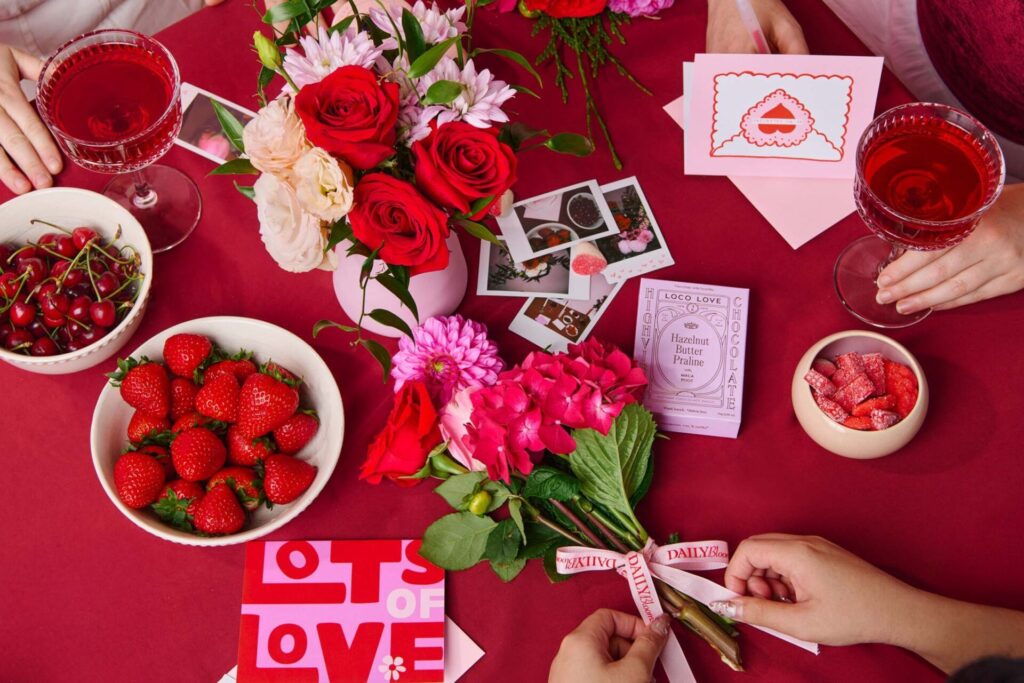
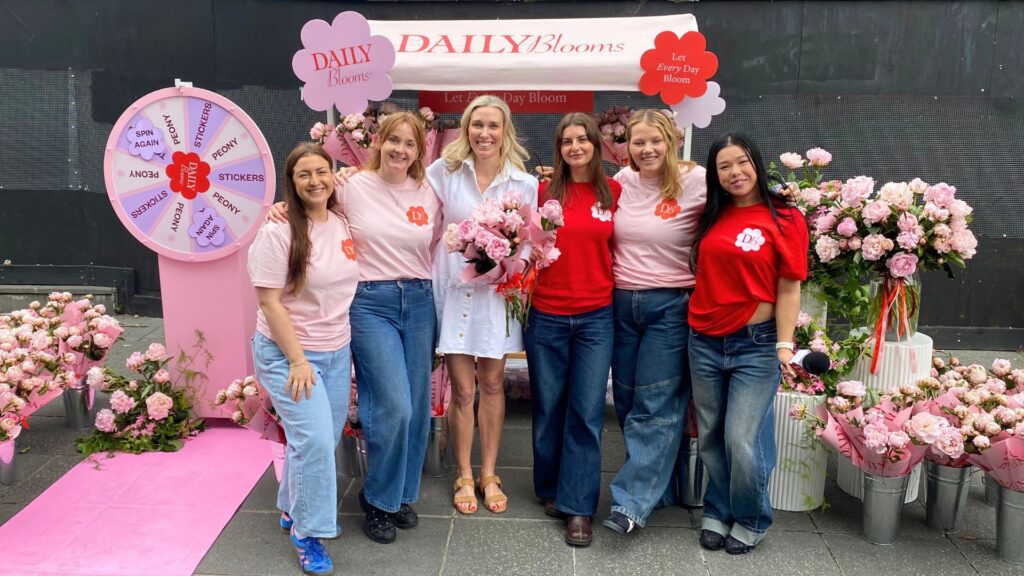
Courtney Rae: Yeah, look, it's something that we've actually been toying with for a while, a couple of years. The decision didn't come lightly for all the reasons I mentioned before. But I think at the end of the day everything we do at Daily Blooms is about the customer. And so how do we connect with our customer, with our community, how do we engage with them? And so for years now we've done a lot of community activations and events. So we'll invite our customers to a jewelry making workshop or a vase making workshop or yeah, we made rings a couple of months ago in Sydney which was so like, it was really hard but really fun. But we do these little things and a customer can bring along a friend or a family member. I mean we have a lot of customers bringing their sisters or their mums and it's just this really nice experience where we can all sit around a table doing something with our hands, something creative and just talking and connecting and engaging and that's fundamentally what our business is about. Like we do sell flowers. Yes. And we do sell gifts, but fundamentally it's about connection. On every single one of those bouquets that goes out the door is a message and that message will be a heartfelt message of love, of celebration, of happiness, of joy, of sympathy. So at the end of the day, it's really about two people connecting, and the flowers are just the vehicle for that. And so what we found is these events that we were hosting is just another way that our customers can connect with each other and we could connect with them. And so we've been doing these events at various places around Melbourne, Sydney, Brisbane, and we just thought it's about time we had our own space where we could actually do it in house. We can do it more frequently. We can do it even when it's not scheduled. We can have customers come in and just roam around and play with the flowers and talk to our staff and learn about different things. And so the store isn't really about selling flowers, as mad as that sounds.
Nathan Bush: I was about to say, you haven't gone out and opened a flower shop, really, have you?
Courtney Rae: We're opening. What we're hoping to open is a community space for our audience.
Nathan Bush: I feel like you get that feeling straight away, just looking at your website and looking at your socials, where flowers have traditionally been very much a romantic proposition. I feel like a while ago you feel very much like exactly what you said, connection, but appreciation. It's like sending flowers to a. To a girlfriend, a friend, a family member. Just as I'm thinking of you all the way through to sympathy, it feels like you've created flowers to express any emotion or any connection need, rather than just this romantic notion, which I think is really nice.
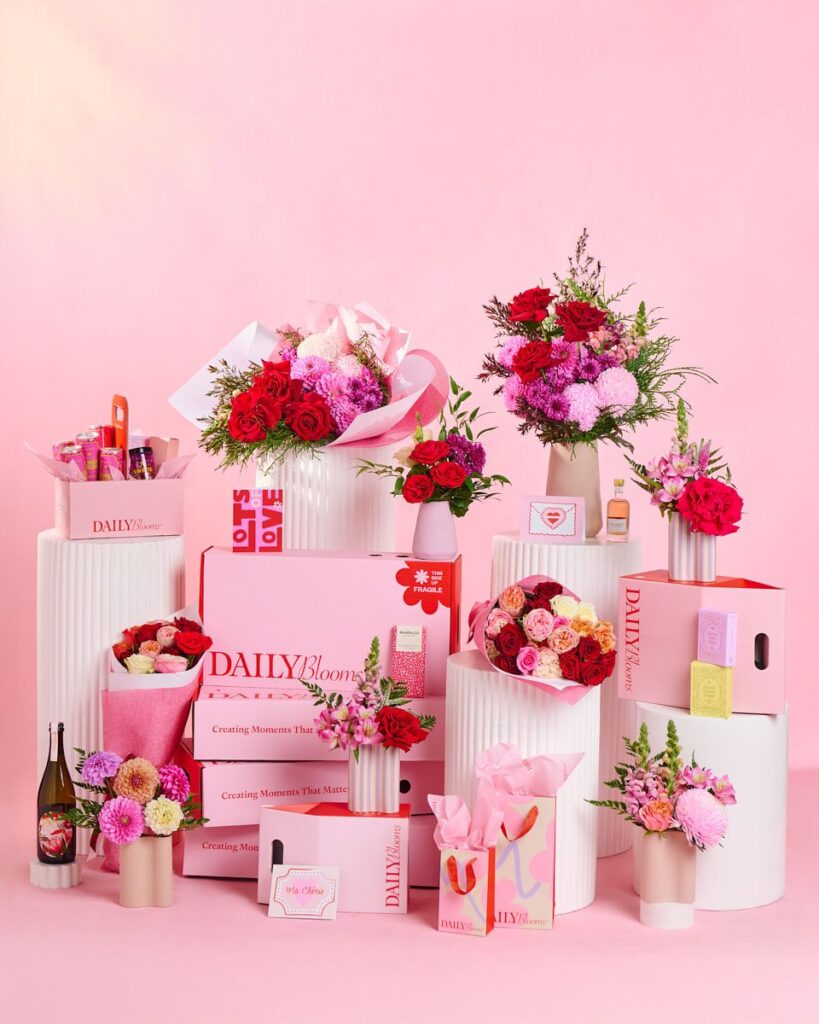
Courtney Rae: Yeah. Yeah, for sure. I think where Daily Blooms differs to maybe a lot of other flower, at least a lot of other online flower stores is that we're not a flower business for everyone. So we're not trying to be something for every single person out there. What we know that we are is really centered on an audience of women who want to connect, generally speaking, with other women, whether it's through birthday celebrations or, you know, congratulations for graduating from uni, or I'm sorry that your boss is a real asshole. I hope this cheers you up. And so everything we do is really thinking about who our customer is and what she feels. And it's a little bit narrow of me to say it's just exclusively women. It's definitely not. But it's kind of the sentiment that the vibe, the sentiment, the passion, the interests of our customer, that's where we want to meet them. So we're not for everyone. We know who we're for, and we just want to speak to that person. And I think this space that we open up will do exactly that. And everything we do on our socials, as you said, our website, our product designs, they're really designed for this particular customer, not for everyone.
Nathan Bush: Yeah, I love that. So where are you putting the store?
Courtney Rae: So it's Gertrude Street, Fitzroy.
Nathan Bush: Beautiful. That's a good vibe, isn't it? That's like good vibe.
Courtney Rae: And there's lots of cool stores opening. So Kip and co have just opened their flagship right across the street. They just did that last week. Kiki K, about a month ago, opened up their flagship just down the street. Yeah, the memo across the road, like, it's like buzzing.
Nathan Bush: That sounds like a great little precinct for a friend. Catch up weekend, like perfect. Okay. And with your view on working capital and your view on flower stores, but you opening this up as being a community space for your customers, how are you going to measure whether this first store is a success or not and whether it's a model that you roll out further?
Courtney Rae: Yep, it's a really good question. So I suppose we're not looking at it like a traditional florist store. We're not looking at it with the traditional lens of, you know, a P and L. What we are thinking is, and I think you mentioned this to me outside of this interview, we're looking at it in a similar way to how July or cheat society or the Memo would think about a store. It in itself is a billboard for daily blooms. So it's somewhere that people can come and experience the product and the brand. And if they happen to like it, great. Hopefully at some point in the future they'll become a customer. Whether they transact on the day or not is irrelevant. We just hope that it gives them a really good feeling. They remember the brand, they have a good association with the brand. And at some point when they do need flowers, because everybody needs some flowers in their lives, they will think, let's go to daily blooms.
Nathan Bush: Imagine knowing your customer is thirsty before they even do. Sounds a little bit creepy, but how deep it's actually genius. Dr. Hydrate, the hydration brand founded by competitive swimmer Cody Simpson and iron man Kane Eckstein, makes supplements that get you drinking more water. But like a lot of fast growing brands, they had loads of awareness. But we're doing a fair bit of guesswork on the sales side. So they leaned into Klaviyo and its predictive analytics specifically to work out exactly when a customer is likely to run dry and need a hydration top up time. That reminder Right. And you nudge a one off buyer into a loyal subscriber. And the results speak for themselves. A 26% jump in revenue from their most loyal segment, Klaviyo, driving 37% of total E commerce revenue. And a little bit ridiculous. 46 times our DIY. 46 times. See, no one needs to go thirsty with Klaviyo. Head on over to klaviyo.com au and see how brands like Dr. Hydrate are doing it right. Oh, I love it. So it's attaching emotion to the brand.
Courtney Rae: It's 100% attaching emotion to the brand. And we are, we're just looking at it like any other marketing spend.
Nathan Bush: I love that. That's so good. And I think Aan at July will be very happy because he's put a bit of spend into those stores.
Courtney Rae: Oh, yeah. And I'm using the same architect, so I know.
Speaker C: Who are you? Oh, my God.
Nathan Bush: Your stores are going to be amazing.
Courtney Rae: Oh, yeah. It's beautiful. It's amazing.
Nathan Bush: And you, I saw that Daily Blooms. You've partnered with the block at the same time you're building your own store. Bit of empathy there for block contestants.
Courtney Rae: Oh, my gosh. Well, so our builder, I think, wants to kill us because he's like, we keep saying these contestants can do a whole room in a week. Why is this taking so long? Yeah, no, that actually has been. I mean, it's been so much fun. We've just had a great year. Honestly, like, partnering with the block has been so much fun. And it was also super exciting because we have been able to kind of really go on that journey with the block contestants. And it's just. Yeah, it's been really fun. Getting to be a little behind the scenes.
Nathan Bush: How did that come about?
Speaker C: Because. What is it? It's.
Nathan Bush: It's about 163rd season of the Block.
Courtney Rae: Yeah, I know.
Speaker C: Why now?
Nathan Bush: And how did you see the block elevating Daily Blooms?
Courtney Rae: You know, it's funny, we were just sitting around in a marketing meeting just spitballing different ideas and thinking that, I mean, we've tried a thousand things like every other brand, and we were just thinking about different, I guess, TV opportunities that would suit Daily Blooms. And I think the block is a pretty natural fit. I mean, people do like flowers when they're styling a home. And so honestly, we just reached out and they jumped at it.
Nathan Bush: Great.
Courtney Rae: Yeah.
Nathan Bush: I think you're the third person we've had who have had a partnership with the block.
Courtney Rae: Oh, really?
Nathan Bush: They go really well.
Courtney Rae: Yeah. I mean, Maybe after the, you know, 165 years of it. So no big surprise, Scott Cam's getting old.
Nathan Bush: But no, it was Stacy from she wear got a start because her boots got featured on there as well. So it's been great for e commerce brands, I feel like, to get that exposure during, you know, the traditional TV slots. So it's fantastic to hear.
Courtney Rae: And you know what? They've been incredible to work with. They've been absolutely wonderful.
Nathan Bush: Do you think it's also because they run their own marketplace, don't they? They run their own shop online, the block marketplace.
Courtney Rae: Yeah, I think they don't.
Nathan Bush: Okay. All right, good. I'm keen to understand a little bit more about how you track your customers and profile them because I love that you said that you know exactly who you fall. You're for women who want to gift to women. And yes, there'll be people who fall into buckets outside of that, but your core audience is for the women who want to appreciate the women in their lives. Flowers have, as I understand it, been traditionally very difficult because you've essentially got two profiles. You've got the giver and the receiver. And from a giver's perspective, especially if they're male, especially if it's around Valentine's Day, they're just trying to tick a, you know, tick a task off the list. They may not ever be repeat customers. They'll probably Google it every time they need to go give flowers. Has establishing that profile of women helped you from a loyalty and a repeat purchase perspective?
Courtney Rae: Look, I think it has, and I think knowing who our customer is and being really targeted has helped. I also think creating a feeling is also really helpful because I think if it is like there are a lot of E commerce flower companies and even I, who has now been in the industry for 12 years, if you put their websites up against each other, they all sort of look pretty similar. And so for us, it's really been about just because everyone else is doing that doesn't mean we should be doing that. We need to speak to who our customer is and really target them. So I don't know, I think in answer to your question, we've always just tried to connect on a more emotional level than, I guess, a transactional level.
Nathan Bush: Yeah. And you've obviously got lots of insights there around who people are gifting to and the gifting occasions. Do you try and get ahead of the game there and preempt what communications, personalized communications you send out based on those occasions?
Courtney Rae: Yeah, look, we are pretty targeted. We Use a lot of klaviyo sort of segmentation obviously to I guess approach people around whatever the occasion is. So for example, we know that we call it the Friendship Index. Internally we call it the Friendship Index. And it's when a friend gifts another person a friend, two friends gift each other flowers for a birthday and then we know with a certain level of confidence that this friend will then not only buy the sort of original sender a bunch of flowers for her birthday, but that friend will also go on to buy a third person a bunch of flowers for their birthday. And so we actually have been able to model, we brought in a company who was able to model this out with a pretty high level of certainty who these people are in our database and when we need to target them and how we go about doing that. And yeah, internally it's called the Friendship Index. And it's actually, it's the beauty of our industry actually, because for every individual sale there are two touch points. So some people might think that's a negative. It's actually the method with which I've grown the business because every single time instead of advertising to just one, you're actually advertising to two. And so it sort of exponentially grows.
Nathan Bush: Have you tracked how far like how many links in the Friendship Index you've seen it go?
Courtney Rae: I haven't actually. I think they just get lumped into the Friendship Index and then they're in it until they fall out.
Nathan Bush: I bet you would see a lot of insights you mentioned there before around the notes that you see on flowers around, Sorry, your boss was an asshole this week, whatever it was. Do you have any way of like confidentially taking the themes and the sentiments in those notes and using them to build out ideas for ads or profiles or other things?
Courtney Rae: We can use, I guess in a sort of metadata sort of way we can somewhat apply, for example, birthdays. Like we know based off messages, we know that a large percentage of our orders are celebrating birthdays. And so we will obviously use the concept of birthdays in our meta campaigns and our social ads. And we'll do that for all the different, I guess, occasion based topics, whether it's graduations, whether it's housewarming, whether it's thank you gifts. So we will do that to an extent. But we try not to be super targeted to individuals because quite frankly you sort of get into we can't be breaching privacy laws. And also it's like really unsettling.
Speaker C: Yeah.
Nathan Bush: Because it's really nice, like emotional moment, isn't it?
Courtney Rae: Yeah. Yeah. And so we will do broadly across the database. Understanding this is a big theme, this is a big occasion. Let's put this out to our audience. Let's put this out to this particular segment. But yeah, we try not to get too individually specific to.
Nathan Bush: I know what you're doing. It's meant to be a personal moment, isn't it?
Speaker C: Yeah, that's right, that's right.
Nathan Bush: That makes total sense. I'm also very keen to understand your tech setup because going on the website, yes, the pop up's there, but I understand now why it is there and I did some research and I think he's called your first website the worst website in the world. It definitely isn't that. Now for a gifting website, it is very smooth and simple to use, especially on the mobile because I feel like it can get complicated. Well, it can get complicated really quickly, especially gifting. Right.
Courtney Rae: Well, we're about to do a full website update, so that's very nice of you, but I'm looking at your old one's.
Nathan Bush: Fine, don't worry about it.
Courtney Rae: I can't wait for this website to be done.
Nathan Bush: What are you changing? What's, what's the impetus for that?
Courtney Rae: Well, I like, you know what, we've actually had this website now for maybe five or six years and I just feel like she's been good, she's been great, but she's just feeling a bit tired and overworked and she needs a little refresh fair.
Nathan Bush: And when you briefed in a refresh, what was like the top of mind things for you that you're like, this is what I need in a modern website.
Courtney Rae: Postcode blocker. That was my number one thing. Look, I just, it has to feel, you know, people evolve, our customer evolves. I think what suited our customer when I built this website was this.
Speaker C: Yeah.
Courtney Rae: I now look at it and I think it feels dated and I feel like we need to keep moving forward. And like I love looking at beauty brands and fashion brands and what are they doing? And that's like, let's shoot for the stars. Let's look at the big global brands, see what they're doing and try and emulate it. Because our customers, that's what our customers are doing. Our customers are looking at the big global beauty brands, fashion brands, that's what they used to, that's what they like. So, you know, why can't we take that to flowers and gifting?
Nathan Bush: That's very smart. It's very similar approach to what the guys at the Memo did around Saying actually because they're baby products doesn't mean it needs to be traditional baby. Like we've got an audience that's used to looking at fashion and everything. Let's make it more fashionable.
Courtney Rae: Yeah, for sure, for sure. I love Phoebe. She's incredible. And yeah, super inspiring.
Nathan Bush: One of the things that I noticed on the website was that you've got incredible reviews. You got, I think it was 4.9 stars out of 5 on one of your main products. It had like 1300 reviews at 4.9 stars, which is. That's incredible. Like for flowers. Like you said, so many things can go wrong with flowers.
Courtney Rae: Yeah.
Nathan Bush: Plus you've got this crazy same day cutoff time. How do you keep that quality and that promise for customers to get 4.9 out of 5 stars for something that can go wrong in so many ways? How do you monitor that?
Courtney Rae: It's a really good question. I guess fundamentally it starts with getting the very freshest flowers every single day. So we're never going to be sending out flowers that have been sitting in our warehouse for days on end. That's just not how we operate. We have really, really robust forecast models that we use to do all of our buying. So that's probably the first thing. The second thing is the product design. So the products are designed so that they can be delivered in a really simple, easy, effective way where the product won't get damaged or won't get heat affected, or won't get cold affected or won't get sort of weathered by any of the elements. And then thirdly, we really, really, really obsess and care about customer service. So if for whatever reason, the product isn't good enough, or you don't like the product, or the product dies before you think it should die, or the product has arrived with like, I don't know, something's happened in transit where it hasn't arrived in the way it should have arrived. We will fix it. So we are not going to be second guessing our customers. We're not going to be challenging our customers. We'll be like, okay, you're not happy. If you're not happy, we're not happy, let's fix that. And so I think with all of those things combined, I think that's how we are able to, I guess, yeah, make our customers happy and deliver a product that they enjoy.
Nathan Bush: It's not easy though, is it? Because you've essentially, like you said before, you've got two sets of customers per order.
Courtney Rae: Well, yes, that is true. And yeah, it's not easy. But I don't think it's easy for any e Com business or retail business generally to make the customer happy. You've just got to like pull all the levers that are available to you and just keep trying and keep iterating and getting better and better and better. And customers expectations over time keep going up. So you have to keep going up to meet them where they're at and exceed.
Nathan Bush: And how do you, how do you draw that in with your customer service team? Obviously it's very easy to say be generous, but also you've got a business to run and you've got a finance background where you can't just give away everything. How do you let them know how far they can go with their generosity?
Courtney Rae: Well, I think a refund and a resend is just standard company policy. If you're not happy, refund, resend, no questions asked. And they all completely understand that that is within their power to easily do. I think fundamentally because we are dealing with an emotional product. So nobody's sending flowers as a purely commercial transaction. They're sending them because they want to connect with somebody, they want to share a message. And so I think we employ customer service people that are really empathetic and they really understand that because they also feel the same way if they're sending their friend a bunch of flowers for, I don't know, thank you for having me over for dinner or thank you for looking after my kid. They want that experience to be great themselves. So they can completely understand that a customer and a recipient also want that experience. So I think it's just kind of embedded in our nature that we want people to be happy and we understand why it's important, because it is.
Nathan Bush: We've all been there, right? Slipping on a great looking pair of shoes, only to regret it a couple of hours later. Who knew that blisters could get blisters? Well, the founders of Frankie Ford did. And that's, that's why they've created a line of stylish podiatrist designed footwear that don't just look good, they actually feel good too. But what began as an online success story quickly stepped into the real world with retail stores opening across the country. And when they moved to the Shopify plus plan and rolled out Shopify pods in store, Frankie4 really hit their stride. Now everything works together. From online browsing to install buyers. It's one smooth, unified commerce experience for both customers and the Franke 4 team. And with the Shopify app store, they're able to Test new features quickly to see what works. It's paying off too, with 170% increase in site visits, a 25% drop in return rates and more happy feet than ever. Streamlined, stable, seriously stylish. That's Franky4 on Shopify. To read more success stories, stories like this search Shopify Case studies Online. Sounds like you've got a pretty amazing culture there.
Courtney Rae: I think that's our secret sauce. But, yeah, you know, I might be a little biased.
Nathan Bush: No, I think that's fair. Like, everything you're saying adds up to that. Is it something you go out to build, like, team culture, or is it just like, I'm going to show up in the way that I think is best to show up and the team tend to follow?
Courtney Rae: I don't know the answer to that. I think I was really, really lucky very early on, hiring a few incredible people that kind of set the culture straight away. And so from that point, we've just kind of had this. I don't know what it is, but it's like everyone tries really hard, everyone cares a lot, everyone takes a lot of ownership and responsibility over the business. Everybody looks out for each other. And I think once you've got a few people, you just keep building on that. And honestly, from time to time, we'll get a staff member who doesn't quite fit that. They just don't really last very long.
Nathan Bush: It just becomes really obvious.
Courtney Rae: Yeah. Whereas, you know, if you like that and you get it, then you stay. And so we have like quite a high retention rate, I guess, of staff. Yeah, we don't have that much turnover. You know, if you're a DB person, like, we hold on to you, we don't let you go.
Speaker C: I just got this weird image. It's not right. I'm like. It's like this little cult, this midsummer cult in the middle of flower field of like, everyone who loves each other
Courtney Rae: dance around and chant.
Speaker C: So good. You mentioned there that obviously you're selling
Nathan Bush: an emotional product and it is very got smell, it's got texture, it's handcrafted, you know, they're all put together by your florists. When it comes to putting these on product pages, how do you then think about. Because you're not just shooting a box from five different angles and throwing a video up. It's like, how do you think about conveying that emotion on a product page? So when someone lands there from a Google Ad or a Facebook ad, that they kind of immediately fall in love with what they're going to Gift?
Courtney Rae: Yeah, it's really good question. And I think it's something that we actually, like, we struggle with, because, as you know, flowers are beautiful when you can see and touch and smell them, and they're such a tangible product, so. You're exactly right. It's hard. I don't know if we do a great job at it, to be honest.
Nathan Bush: You do a pretty good job.
Courtney Rae: Thank you. I think what we've just really tried to do is be as honest and transparent with our product pages as we can be. And so that means taking product images that are truly reflective of what you will receive. So I think that's the first thing, I think, being as informative as we can, like, we don't want hidden surprises for people. I think our products are beautiful, and we can be really clear about that and speak to that. But I think it's always important to be really honest, transparent, and deliver what you'll say. You deliver. I think. Yeah, maybe that's it. And I'm hoping that might give us some more insights as to what we should actually do with the product page. I think there's probably a lot more we could and should be doing maybe on the new website.
Nathan Bush: Well, I've got the old website up here, which might.
Speaker C: Which might give you PTSD if I
Nathan Bush: show it to you there. But what I loved was even in the descriptions, like, flowers are hard to describe, I feel, but you've got little things in here, like handcrafted by a head florist, Bella. And to me, that just makes it feel really personal and that you're a real company.
Courtney Rae: Yeah. Okay, great. Yeah, good.
Nathan Bush: I don't know. I'm not a flower expert, but I think you've just done that personal touch of knowing that there's real people behind this.
Courtney Rae: Yep. Well, there certainly are. That's the thing about flowers. There are a team out this door here. There are a team of florists who are genuinely working, putting individual bouquets together. And Bella is out there.
Nathan Bush: Bella is real.
Courtney Rae: Bella is real.
Nathan Bush: I can't have an E commerce podcast without asking you about AI. Are you embracing AI? Are you watching AI? How do you feel given that it is such a human connecting product?
Courtney Rae: Yeah, I am really supportive of AI. I think it's absolutely helpful. Many areas of the business, I think where we're at internally is. I mean, like anyone else, I keep saying, we've got to use AI. We've got to use AI.
Nathan Bush: We're falling behind.
Courtney Rae: Quick, do something with AI, I think. I don't know if we're actually particularly good at it. We're using it around the edges to improve some operational things, obviously with like, you know, refining content, writing and stuff like that. Just that sort of, kind of around the edges sort of stuff. I think where we're trying to stay away from it is with creating content. You know, you'll see a lot of AI content on social media at the moment and I feel like it's not where I want our brand to be. I feel really protective about the creative and brand assets that we put out into the world and things that we do put onto social media and our website. And so all of that stuff for now is done by real people. And I feel quite, I don't know the team and I feel quite strongly about that. And it could be because what we do is really creative and really manual and really, I guess, you know, like it's tactile and so we feel like we can create these creative assets ourselves. I also feel like the customer can feel it when they're looking at content that isn't real or authentic. So to me, I'm really protective of that aspect of it. But yeah, in terms of operational efficiency and improving what we can, I guess in that regard, I'm all for it and I think we should be doing more of it.
Nathan Bush: Have you done much? Given some of your biggest challenges around perishable stock and multiple warehouses, have you been able to kind of help, streamline or get insights on that using AI?
Courtney Rae: Not really. I think we already had like pretty robust models built. Because of my background, like, I love building a financial model.
Nathan Bush: You're a sicko.
Courtney Rae: Get me a spreadsheet and I will crunch some numbers.
Speaker C: Great.
Nathan Bush: Friday night spreadsheet. Flowers and wine.
Speaker C: Done.
Courtney Rae: And so we already have pretty robust methods for that. And we've also got a fair bit of tech built in to sort of optimize routes, optimize, I guess, the customer journey through the warehouse. So we haven't really. I do think we have a need for it with inventory management around, like the add on inventory management, like glasses and chocolates and candles. I think that's a project that needs to happen. And as you said, I think AI would be integral in that, but we haven't done it yet. It's on the to do list.
Nathan Bush: And when it comes to building the new site, are you building it any differently knowing that we're going into an AI era? I saw that you're on Shopify at the moment, assuming staying Shopify.
Courtney Rae: Yep, yep. I love Shopify. Yep. Still be on Shopify and yes, to sort of be mindful that we're moving into an AI world. What that looks like, I'm not 100% sure yet. But it is a conversation that we're having with the web dev and our E Com team here just making sure that we're at the front of it and we're not playing catch up, that we're actually, I guess, moving in step with these other big brands that I've mentioned before. Like, we want to be on the path, not playing catch up. Which I think is super exciting as well. Because traditionally our industry isn't tech focused. Our industry is always kind of, I don't know, it's like we have this mentality that we don't have to be tech focused or innovative. And so I really want to make sure that we're absolutely at the front of it.
Nathan Bush: Yeah, that makes a lot of sense. And I guess it's really hard. It's a hard time to choose technology. Not so much for Shopify and this isn't just because they're sponsors of the show, but it's like they're putting a lot of the rails and the guardrails to make sure your product catalog is seen wherever it needs to be seen. But it's probably those more periphery apps and piece of functionality where you're looking at them from a totally different perspective, where you're trying to work out what their roadmap is. So you're like, are they the right long term? Because we don't want to build the AI but we want to be on the right train of the people who are building it.
Courtney Rae: Yeah, a hundred percent. That's exactly right.
Nathan Bush: How do you manage big promotional periods? Because you are running, I could imagine, at a very different promotional calendar to most of retail where we're coming up to Black Friday. Not sure. Is it a thing?
Courtney Rae: You know, every year we do our Daily Blooms Christmas party on Black Friday. Do you really? Because it is the worst day of our year. So I'm like, stuff it. We're not working. We're getting out of here. We're getting drunk at the pub.
Nathan Bush: You're going to get so many people apply for jobs for you now from an E commerce world. They're like, great, bring it on. I've got enough of them. If you don't want to ever work another Black Friday in your life, go work for Daily Blooms.
Courtney Rae: You will have to work Valentine's Day and Mother's Day.
Nathan Bush: So you know Mother's Day.
Courtney Rae: Yeah. Pick your boys. And.
Nathan Bush: And how do you Manage, like, obviously, over all these years, you've got very good at managing inventory and ordering and preparing for it. Is that kind of a blessing for you? Because even though Mother's Day has a bit of a peak from a retail perspective, it's not huge. Are you buying ad inventory and making those investments at lower CPM and, you know, ROAS than other brands?
Courtney Rae: Yeah, for sure. And, like, I would actually apply that even more to Valentine's Day, because no other industry really is targeting Valentine's Day the way that a florist targets Valentine's Day. So, yeah, you're exactly right. So our strategy for both Valentine's Day and Mother's Day is really in terms of performance marketing being as efficient as humanly possible. So we know that we're going to sell out every year, and that's usually because of operational constraints. We know that we can 10x on a regular day, but anything beyond 10x, just the wheels start to get a little bit shaky and that's where customers might end up with a poor experience. So we quite comfortably will 10x. And so we know that. Let's try and reach that 10x at the most efficient spend possible. And so we are in constant communication with our agency who manages our performance marketing. Watching pacing, watching the orders fill up. Are we pulling, are we pushing? What are we doing? And that is like, we're on slack all day, every day, through the night, just making little adjustments, whether we're pacing too quickly, whether we're pacing too slowly, how it's going. And yet I think we're very lucky that our big days are big for, I guess, the floral industry, but really not that big for anyone else in eecom. So it's. Yeah, it's a good time.
Speaker C: It's a good time.
Nathan Bush: But I can imagine it's still a very competitive time in the floral industry.
Courtney Rae: It is, but I just think the demand actually outweighs the supply. And so, like, I think it's very rare for a florist, whether E. Com or Bricks and Mortar, to not sort of reach capacity on Valentine's Day or Mother's Day. In fact, I don't think I've ever heard of it. I think it's that everyone.
Nathan Bush: Yeah, well, I had. I had breakfast with Kelly from Roses Only, and she's been on the show before. She's a good friend of mine as well. And she was the one that said, why haven't you had Courtney on yet? I was like, what? You talk to Courtney? Like, you guys should be competitors. Like, what's going on here. And she's like, yeah, we talk all the time. I'm like, that doesn't make any sense.
Speaker C: I'm keen to understand from you, like,
Nathan Bush: being friends with your competitors.
Courtney Rae: Yeah, well, you know what? Sometimes I say to her, we're frenemies.
Speaker C: Yeah.
Nathan Bush: Don't get too close.
Courtney Rae: We're friends, but we're enemies. No, I honestly, I love Kelly. I think she is. She's the best. She's awesome. She's amazing.
Speaker C: It's incredible.
Nathan Bush: How do you guys even manage those conversations? Because it could imagine that you, like, don't want to give too much away.
Courtney Rae: Yeah, like, you're exactly right. And so I think the very. Like, we're on the phone, she's obviously in Brisbane, I'm in Melbourne. So most of our conversations happen on the phone. And the first question either of us will ask is, how's business? And she'll say, oh, yeah, really good, really good. And she'll say, how's business? Oh, great, great, great, great. And so we both say that. And then from that point on, we can just talk freely about whatever else.
Speaker C: Yeah, nice.
Courtney Rae: And like, we're like. We kind of know what we can ask, what we can't ask. And we're both mindful that we're competitors, so we can't speak about the intricate details about P and L, but, you know, we can talk about the industry as a whole or customer sentiment or different E comm things. So, yeah, we get along so well. And I think it's just one of those things in life where sometimes you just click with somebody. And she happens to be a competitor, but we also happen to just get along really well. So, you know, we make it work.
Nathan Bush: I love it. I love it. Because, you know, you're both incredibly smart running different businesses. Funny. Both from finance backgrounds, too, running.
Courtney Rae: Yeah, I know. Maybe that's it, though. Like, maybe that's why we get along. I don't know.
Nathan Bush: Oh, I loved hearing about that.
Courtney Rae: Yeah. And you know what the great thing about Kelly is? Like, we're a very similar age. In fact, she could be a little bit younger than me, and we're at similar points in our lives, but she's been doing this longer than me and Roses Only, and her group of flower companies have been around for such a long time, and so she's further along the journey than me. And so in many ways, she's kind of like a mentor because she's been through these cycles more than once. Whereas for a lot of the time, it's my first kind of, like, go through the cycle. For example, at Valentine's Day, she told me this, which was so incredibly valuable. When Valentine's Day falls on a weekend, demand is reduced by about 20%. Now, I had been through a Valentine's Day on a weekend, but my business was much smaller back then, and so I just wouldn't have felt it. And so having that knowledge is actually really helpful. And, I mean, other people in the industry ended up telling me the same thing, but just kind of having those sort of. I don't know, she's further along, she understands it, she's seen it all. It's like, yeah, I really value our discussions.
Nathan Bush: And the flowers are going to sell out anyway.
Courtney Rae: Well, that's it. Like, everyone's going to sell out. It's about operational constraints. So. Yeah.
Nathan Bush: Is that the thing, though? Valentine's Day on weekends? Is it? Because it's a showy thing. It's like the flowers to the office. So don't even try when you're at home.
Courtney Rae: Yeah, no, no brownie points. It's all about the office seeing, like, look what I've got.
Speaker C: Oh, that's amazing.
Nathan Bush: Courtney, next 12 months sounds like you've got a lot on. There's a new website coming. Beautiful new store slash community space in Fitzroy. What else is on the agenda for you and the team over the next 12 months? If you said that was it, I'd be like, fair enough.
Courtney Rae: You know what I do want to say. That's it. I think I'm really, at the moment, all I am focusing on. Not even the new website. I'm just focusing on this store and making this store the best possible experience it can be. And so on the horizon, hand on heart, nothing else besides those two things. But you know what? Like, I change my mind all the time and something else might pop up. I just don't know what it is right now.
Nathan Bush: Well, the other thing that I saw pop up, I know I was bringing that to a close, but I forgot that we didn't even ask about it. Is your podcasting, video casting, doing the whole thing, interviewing amazing founders. And I've been loving that. Because you're actually doing something useful while you're having a chat.
Courtney Rae: Yeah, you know what? It's really fun. And as I sort of alluded to just a second ago, most of the things that I do in this business are because I think it'll be really fun and I want to give it a go.
Nathan Bush: That's your prerogative as a founder.
Courtney Rae: Well, you know what? Like, you gotta make Work fun, right?
Speaker C: Yeah.
Courtney Rae: And running Flower Press, which is our video series you mentioned, is exactly that. All of the guests that I've had on so far are just people I've met either through the industry or they're just friends of mine. And so I bring them on, we chat about different things and sometimes these are stories or anecdotes that I haven't even heard from them, even though we're friends. And we do it whilst making flowers. And again, it kind of goes back to community because everything we create, whether it's a product, whether it's a content on social media, whether it's building a store, it all goes back to what does our community want? What's a value add, what are they interested in? And so I just kind of feel like if I'm interested in it and I'm kind of part of our community, hopefully our community is interested in it.
Nathan Bush: It's a very non working capital way of looking at it.
Courtney Rae: It I've really disbanded with my business plan.
Speaker C: I love it.
Nathan Bush: I enjoyed watching the episode with Dani from Marry People because she's been.
Courtney Rae: She's awesome. She's amazing.
Nathan Bush: She's amazing.
Courtney Rae: She's so clever.
Nathan Bush: So we're going to put a link to that series into the show notes. If people want to go and see that, we'll put in the newsletter as well. Go check it out because we've got actually a lot of overlapping guests as well. You just interview them a lot better and you've got, you've got a lot nicer video and you're actually doing something really constructive with flowers while you're doing. Which is fascinating to watch.
Courtney Rae: That's so nice of you. Thank you.
Nathan Bush: No, pleasure. It's fantastic stuff. And then obviously we've got the store opening in Fitzroy, so if people around Fitzroy area go in and check that out and if people want to keep up with the daily Bloom story, where would you direct them to go?
Courtney Rae: Well, check out any of our socials. So Instagram, TikTok, LinkedIn, if that's social. I don't know. YouTube, our website. We've got a blog so keeps you updated with lots of different things we're having. Or even better, come and visit us in the store.
Speaker C: Yeah.
Nathan Bush: All right. Well, next time I'm around Fitzroy, I'm definitely coming in to check out that build and to see that you've opened a store that's much better than Nathan ever built.
Courtney Rae: So nothing is better than those July stores. They are incredible work smart.
Nathan Bush: Until now. Until now, I'll say, because you can't say love chatting. Courtney, thank you so much for joining us on Add to Cart.
Courtney Rae: No, thank you so much. It was awesome.
Nathan Bush: You may never see me again. I'm packing up the podcast, I'm packing up the consultancy, and I'm going to go apply for a job at Daily Blooms. That just sounds like absolute bliss to me. Not just because you don't have to work Black Friday, but just the culture. And Courtney is just an amazing leader with such positivity and just great energy. I felt I'm not that kind of person who says energy, but she has a great energy. And you wouldn't know it from that episode, but she was really sick when she recorded that song. So full credit to her for coming on and sharing the Daily Bloom story and all the exciting things that they have coming up. All right, I have three lessons for you from that episode that I want to share. The first lesson is that your operational ceiling should be the target for your performance marketing, not something that you find by crashing through what you can actually deliver on. Daily Blooms knows it can do 10 times a normal day. On Valentine's Day past 10 times, Courtney says that the wheels start getting a bit shaky and customers start having a bad experience. So the brief, the growth brief should be not sell as much as you can. It should be sell as much as you can operationally manage when you are pushed to the limits. So that's a very different mindset to just setting the bar as high as you can and going for it. Making sure that you have have that great customer experience in mind and you don't break that customer experience is probably a really smart level to set your growth ceiling at. The second lesson is that a happy customer always comes with a network attached and you can measure what happens there instead of hoping. Courtney and the team have a name for this inside the business and they call it the Friendship Index. Every flower order has two people in it, the sender and the receiver. It's the beauty of that model model. And most businesses treat that second person as a delivery address. Daily Blooms paid an outside firm to model it properly and they can now say with a high level of confidence that the woman who receives flowers for her birthday goes on to send flowers back to the sender and then onto a third person entirely. So one sale, two touch points, and then it continues to change from there. So while we might not be in the gift giving business business, think about those people who have a great experience with you, how you can encourage them to share their great experience with others either through word of mouth or even better, sending them something so they experience the same great experience that they had with that product. And the third lesson, and this might be slightly uncomfortable, is to find someone in your category who is a cycle or two ahead of you and are open and enough that they will talk about the industry, about business, about what's going on. Courtney and Kelly from Roses Only are direct competitors and they speak all the time. As Courtney said, every call opens a bit timidly and then they get into where they're at, how they can help each other without giving away all the business secrets. Courtney sees Kelly as one step ahead of her in the business journey and I know Kelly also admires Courtney's creativity and the way that she's established a totally different business model. And there's a lot of respect on both sides and I know both get a lot out of that relationship. And so I think that's a really brave and interesting move to find others in your own industry who might be willing to share and mentor or mentee each other to help each other out. Especially if you're Australian founded businesses trying to work through things together. And maybe you won't be competitive, maybe you'll be frenemies in the nicest possible way. Great tip and I love that those two are teaming up two of the brightest minds in E commerce that we have. All right, if any of that is useful for you and you want to keep discussing it, and I hope you do, please come on over and join the Add to Cart community. It is free to join and there are hundreds of e commerce folk in there every day working through some really specific questions and ideas. When it comes to a to ecommerce, you can jump in at any time. It's at Add to Cart. Com. Thanks again to Shopify and Klaviyo who continue to support and partner Add to Cart to make this show possible. We hope that we see you next time on Add to Cart.