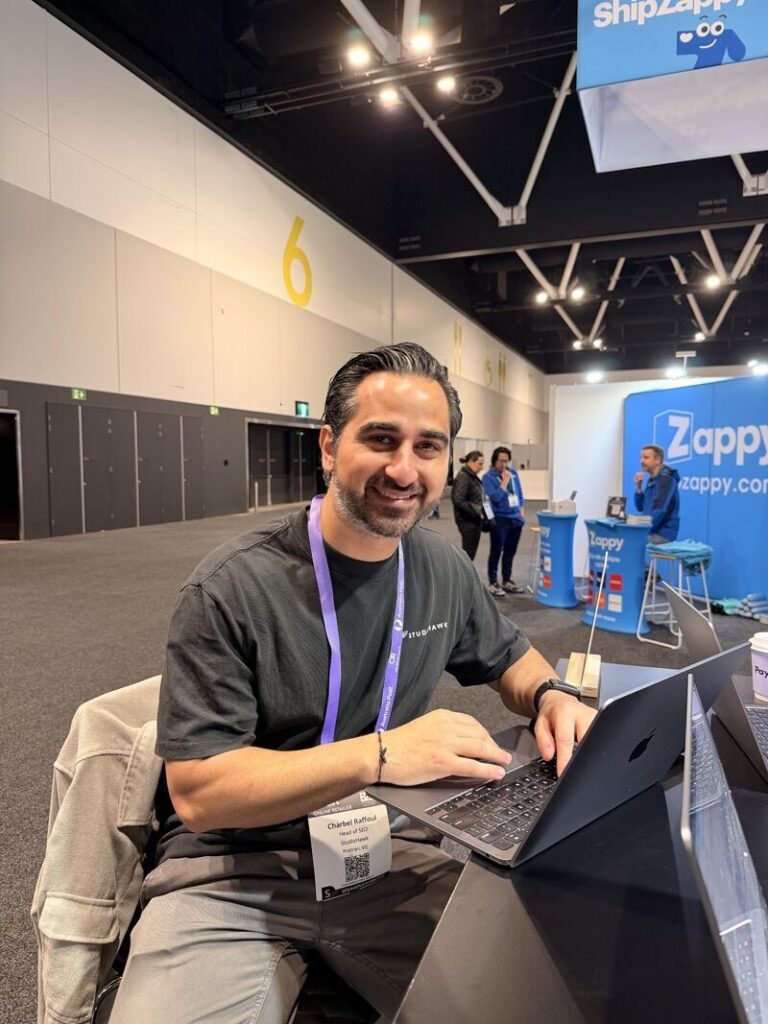
Everyone in ecommerce is panicking about AI search. Charbel Raffoul spends his days in it, and his advice starts somewhere much less exciting: fix your collection pages first.
Charbel Raffoul is Head of SEO Performance at StudioHawk, Australia’s largest specialist SEO agency. Luke Rainsbury is General Manager of Cooper & Co., a Melbourne furniture and homewares brand with around 1,000 of its own designs. Together they’ve run a nine-month SEO and AI-search program that delivered +125% organic revenue, +103% non-branded clicks, and more than 10x AI-referred sessions. This is what they took into the business, and what you can too.
In this article, we cover three things ecommerce operators can take into their business:
- How to find 30+ high-value collection pages hiding in your own product catalogue
- Why a digital PR campaign’s real value is brand mentions, not just backlinks
- How to redesign product pages for shoppers arriving pre-qualified from ChatGPT and Gemini
Fix the Foundations Before You Chase AI
When Cooper & Co. came to StudioHawk, the brief was simple: grow non-branded traffic, reach people who don’t know the brand exists. The temptation in 2026 is to jump straight to AI-search hacks. Charbel’s whole point is that the boring foundations matter more than ever, and the biggest one is the page type most retailers under-build: the collection page.
Collection pages on an ecommerce website, those are the big terms. Someone searching lamps, or bedside table, or LED mirrors. Those are the ones I usually see retailers miss, simply because they don’t know what they don’t know. And those are the biggest search terms, which means the biggest revenue drivers.
For Cooper & Co., the fix wasn’t glamorous. They cleaned up their product data, then built collection pages they never had. Luke’s team found 30 to 40 new collections hiding in their own catalogue, from green coffee tables to black LED arch mirrors, each with real search demand and enough SKUs to be worth a page. A good collection page today is simple: a clear H1, 200 to 300 words of genuine copy (top or bottom of the page), internal links to adjacent collections, a decent SKU count, and schema. The old playbook of a keyword-stuffed paragraph and a giant link footer is dead.
One practical objection Charbel hears nine times out of ten: retailers don’t want dozens of new pages cluttering the main navigation. You don’t have to. On Shopify, a new collection page goes into your sitemap automatically, and you link to it internally from the main collection page, so shoppers and Google can find it without it living in the menu.
Digital PR Is the Authority Edge Most Retailers Skip
The line that made Nathan laugh: you sign up for an SEO job and end up doing PR. But digital PR is where StudioHawk builds the “digital authority” that Charbel says puts them years ahead of other agencies, and it’s the lever most Australian retailers aren’t pulling.

Cooper & Co.’s standout campaign ranked Australian suburbs for first-home buyers under the 5% Deposit Scheme. It earned 30 to 40 brand mentions across publications and around 10 high-quality backlinks, including news.com.au and realestate.com.au, and it got syndicated across the big publisher networks. But the reason it worked for search wasn’t just the links.

It’s putting our brand in front of our target market at the right time. These people reading the articles are first home buyers. We’re trying to market to first home buyers. All of these brand mentions and backlinks is what’s building up our brand authority, and it’s assisting our overall AI strategy.
The mechanics matter. Cooper & Co. published the full study as a blog on their own site first, which makes it far easier for a journalist to link back, and gives the SEO team something to internally link from down into collection and product pages. And here’s the part most people miss: even an unlinked brand mention has value. Charbel points to Ahrefs research showing branded web mentions are one of the strongest correlating factors with showing up in AI search. A mention on Channel Nine with no link still counts.
Free SEO Resources
Serve the AI Shopper Differently
AI-referred traffic is still a small slice of revenue, and that’s exactly why most brands ignore it. Luke isn’t ignoring it, because the behaviour of those shoppers is different enough to change what you put on a product page.
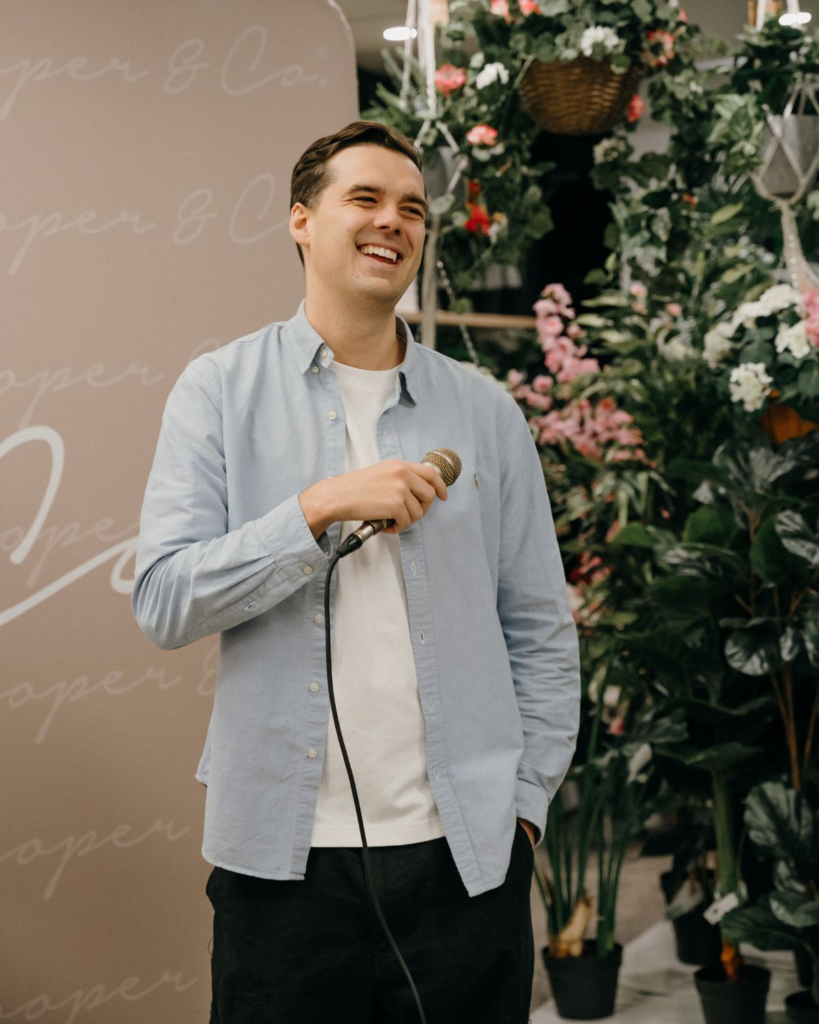
They’re coming in with a lot more purchase intent, and they’re spending a lot more time on the product pages. They’re not necessarily looking at the things they should be. They’re really just trying to get confirmation of what they’ve seen on ChatGPT or Gemini.
A shopper arriving from Google browses: home, collection, product, bouncing between options. A shopper arriving from an LLM is often pre-qualified and lands straight on a product page to confirm and buy, checking the gallery, the specs, the shipping calculator. So the highest-value things to surface are the ones the LLM couldn’t easily see: your shipping, promotions, subscription offers, reviews and social proof, the proprietary detail that lives only on your site.
Two more one-percenters from the episode worth stealing. First, an AI info page: Cooper & Co. added a page (linked in the footer) that tells AI assistants exactly who the brand is, what it sells, and how to describe it, so you control the narrative when ChatGPT talks about you. Second, write product pages that cover the use case, not just the specs, because people now search “TV unit for a small space that fits a 60-inch TV,” and that detail has to exist in your data to win the query.
The Takeaway
The through-line across both conversations is the same: the unglamorous data work comes before the AI wins. Cooper & Co.’s +125% organic revenue and 10x AI-referred sessions didn’t come from an AI-search hack, they came from collection pages that should have existed years ago, PR built for search rather than headlines, and product pages written for a shopper who already half-trusts the answer an AI gave them. Fix those foundations first, and the AI traffic looks after itself.
Frequently Asked Questions
What does a good ecommerce collection page look like for SEO in 2026? Keep it simple. Use a clear H1 that names the category (for example “Wall Mirrors”), include 200 to 300 words of genuine copy at the top or bottom of the page, add internal links to adjacent collection pages, make sure the page has a healthy SKU count, and include schema so search engines understand what the page sells. Avoid the old approach of a keyword-stuffed intro paragraph and a giant link-filled footer.
Do collection pages have to be in my main navigation menu? No. On Shopify, a new collection page is added to your sitemap automatically, so Google can find and index it even if it’s not in your menu. You can also link to it internally from the relevant main collection page, so shoppers reach it without cluttering your navigation. This lets you build pages for high-demand niche terms without turning your menu into a forest.
What is an AI info page and why would an ecommerce brand add one? An AI info page is a page on your site (often linked in the footer) that clearly states who your brand is, what it sells, when it was founded, where it’s based, and how AI assistants should describe it. Its purpose is to control the narrative when tools like ChatGPT, Claude, Perplexity and Gemini answer questions about your brand, and to give them crystal-clear, accurate context. It’s a quick one-percenter, not a game changer, but it takes about half an hour to do.
Do branded mentions without a link help SEO and AI search? Yes. While a linked mention passes more direct SEO value, branded web mentions on their own are one of the strongest correlating factors with visibility in AI search answers, according to research Charbel cites from Ahrefs. So a media feature that names your brand but doesn’t link to your site still carries weight, which is a core reason digital PR is so effective for AI discoverability.