
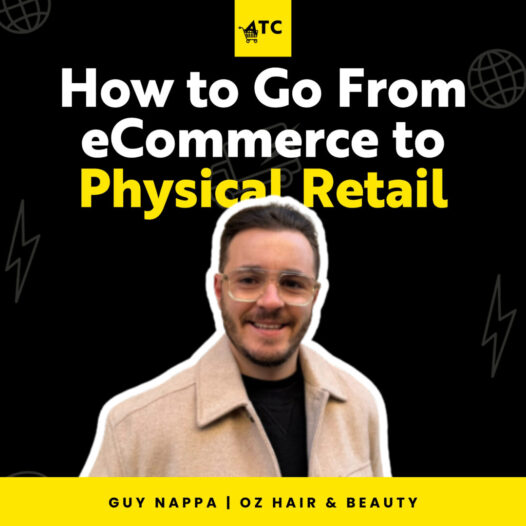
How Oz Hair & Beauty Went From Zero Stores to Thirty in Three Years
Oz Hair & Beauty spent its first decade as a pure ecommerce business. Good at customer service, fast at dispatch, and highly reviewed. No stores.
The move into physical retail didn’t come from an internal strategic plan. During COVID, a group of investors that included Daniel Agostinelli from the Accent Group and Brett Blundy came to the Nappa brothers with a clear position: stores are going to come back, and ecommerce is only going to get more expensive.
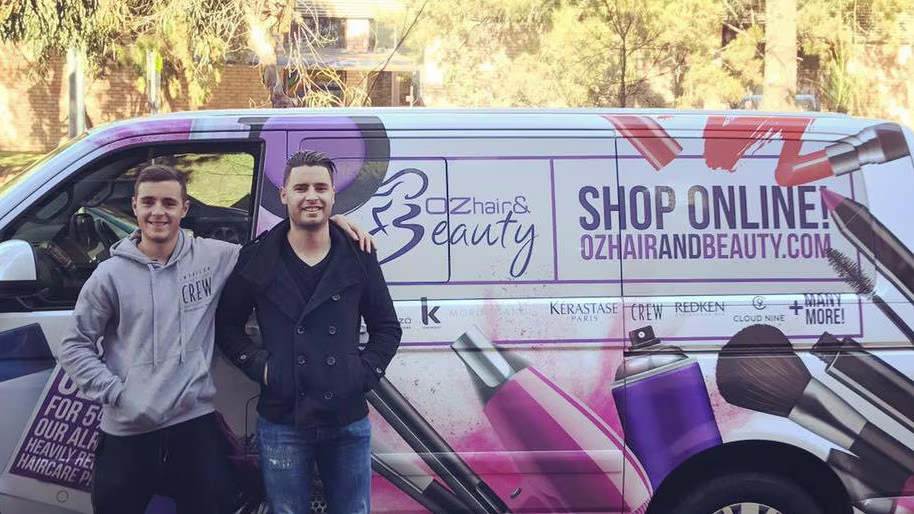
“Post COVID stores are going to be back and e-comm is only going to get more expensive. Our only regret is we didn’t do stores earlier.”
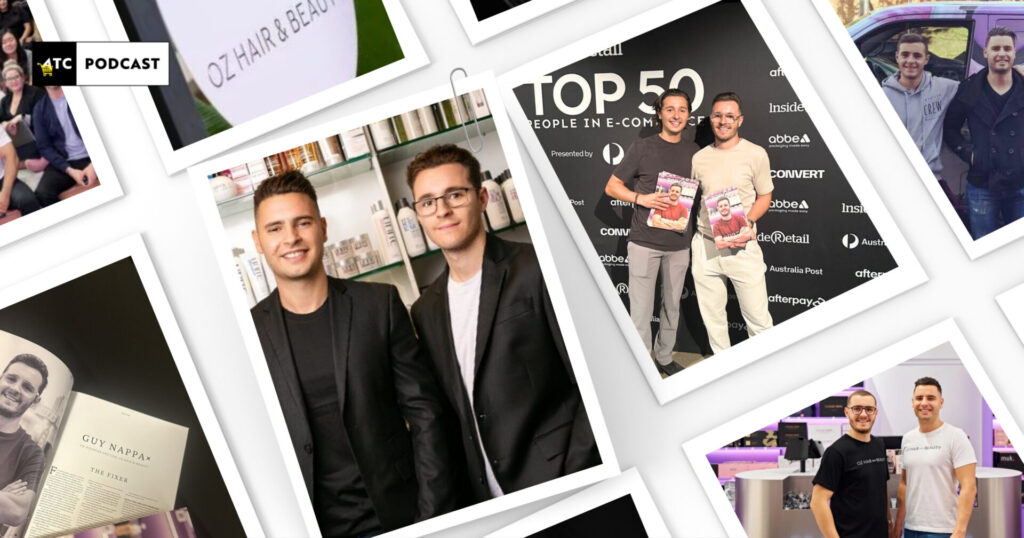
Guy Nappa, COO, Oz Hair & Beauty
That conviction, backed by people who had spent their careers running physical retail at scale, changed the direction of the business. Three years later, Oz Hair & Beauty had opened thirty stores. The e-commerce foundation they’d spent a decade building turned out to be an advantage, not a liability.
Know What the Store Is For Before You Sign the Lease
The most common mistake e-commerce operators make when moving into physical retail is opening a store to “build the brand” without defining what that means in measurable terms. Every decision that follows, from location to fit-out to staffing, flows from what the store is trying to achieve. Without that clarity upfront, you’ll make different calls at every fork.

Two businesses show what it looks like when that’s done right. When Life Interiors opened their first store, a 60-square-metre space in Pyrmont that Basil Karam describes as the size of two car parks, he wasn’t measuring it by what it sold in-store. He was measuring it by what it did to the online business. Sales went from $10,000 to $40,000 a month after it opened. The store’s job was online revenue, and that’s what it delivered. It seeded a strategy the business has run ever since: a physical presence in each state, designed specifically to drive the online channel.

Ecosa did it differently. They resisted opening stores for a decade despite consistent customer demand. When they finally opened, they knew exactly what the store needed to do: let people lie on a mattress before committing. For a considered purchase where the buyer’s primary uncertainty is about feel, the physical experience removes the biggest barrier to buying. In-store conversion was immediately and directly higher.
Two completely different strategies. Both worked because the job was defined before the lease was signed.
Model Rent as an Acquisition Cost, Not an Occupancy Expense
The e-commerce operator’s instinct for unit economics is a genuine advantage in physical retail. Most founders leave it at the door when they start evaluating stores. The businesses that unlock the real value of physical retail apply it.
July ran the numbers. Customer acquisition costs through their physical stores ran at roughly half what they were paying through paid social. Retail represented twenty percent of Australian revenue from a handful of locations against the entire online market.

“Our CACs halved for physical retail… it’s quite a powerful tool.”
Athan Didaskalou, co-founder, July
The harder part of this is measuring what the store does for the online business, not just what it sells in-store. The frame that works is dollars per square mile, not dollars per square metre. The store’s KPI should explicitly include the sales it drives online. Without a unified view across channels, you’ll systematically undervalue your physical footprint. Customers who shop across both channels spend around eighty percent more with a brand, and hard-line channel attribution actively hides that relationship.
The attribution model doesn’t need to be perfect before you open your first store. But it needs to exist.
Build the Store-Opening Playbook Before You Need to Run It Fast
The brands that struggle in physical retail expansion treat every new store as a fresh project. The brands that scale well treat each new store as version n+1 of a tested system. The gap between those two comes down to one discipline: after-action reviews.
Not after the campaign. After each store. What went wrong in the fit-out? What would you do differently in the lease negotiation? Where did you lose two weeks you could have back?
“We have a template in place… we’re so used to stopping, doing an after-action review, looking at every single point. It got to a point where we were doing so many we didn’t get to stop and take stock on what can we do better.”
Guy Nappa, COO, Oz Hair & Beauty
Oz Hair & Beauty opened fifteen stores in twelve months at one point and found they’d moved too fast to capture their own learnings. The stores that followed after they paused and updated the template were better.
The consistent advice from practitioners who’ve helped e-commerce brands make this transition is to talk to founders who did it recently, not the ones who did it years ago. The retail environment changes fast enough that advice on costs, technology, and customer expectations from five years ago may not reflect what you’re about to encounter. Low-commitment physical retail experiments that simply weren’t possible a few years ago (pop-up stores, event retail, short-term leases) are now a legitimate way to test the format before committing to a lease.
The playbook isn’t finished before you open. It’s built by opening stores, capturing what you learn, and making the next one a version better.
The Takeaway
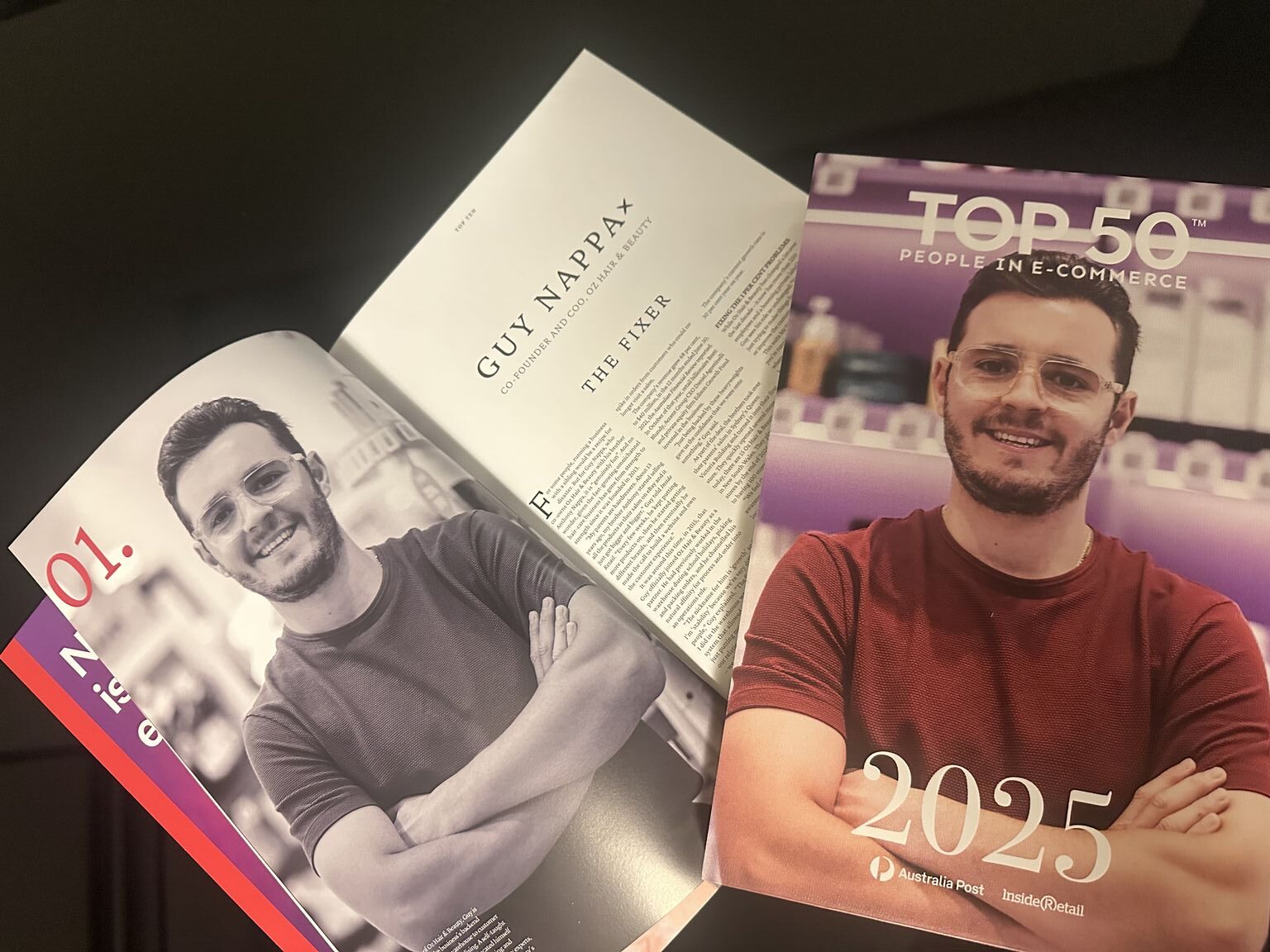
Oz Hair & Beauty started online. The data discipline, the service obsession, the ability to read customer behaviour and iterate fast. Those skills didn’t stop being useful when they opened stores. They became an advantage. Guy Nappa now holds two consecutive Inside Retail number one rankings while running thirty locations.
The e-commerce foundation most pure-play operators think of as their core business is actually the best preparation for physical retail. The question isn’t whether you’ve earned the right to open stores. It’s whether you’ve defined what the store is for before you sign anything.
Frequently Asked Questions
How do e-commerce brands successfully expand into physical retail? The brands that make the move well do three things before opening: they define what the store is for (brand building, customer acquisition, or conversion of high-intent buyers), they model rent as a customer acquisition cost rather than an occupancy expense, and they build a repeatable store-opening system from the start rather than treating each location as a new project.
What is the best way to measure the ROI of a physical retail store for an e-commerce brand? Model rent as a customer acquisition cost and compare it to what you’re paying for digital channels. Also measure what the store does for online revenue, not just what it sells in-store. Brands like July have found their in-store customer acquisition cost was roughly half their paid social CAC. Without attribution that includes online sales driven by the physical presence, you’ll systematically undervalue the store’s contribution.
How many stores should an e-commerce brand open first when entering physical retail? There’s no universal answer, but starting with one or two stores and treating each as a learning exercise is more important than the number. After each store opening, run an after-action review that captures what to improve in the next one. Oz Hair & Beauty found that opening fifteen stores in twelve months meant they were moving too fast to properly capture their learnings, and the stores they opened after pausing to update their template performed better.
Why do physical stores help e-commerce sales? Physical stores build the emotional memory that makes subsequent digital touchpoints more effective. When Life Interiors opened a 60-square-metre first store, online revenue quadrupled because customers who visited in person gained the confidence to buy online. Customers who shop across both physical and digital channels also tend to spend significantly more with a brand than those who shop through a single channel only.
Based on Episode 623 of the Add To Cart podcast with Guy Nappa, COO, Oz Hair & Beauty. Join the Add To Cart community for free.
In this Playbook:
- Build the system before you scale the stores
- Treat operations like your competitive edge
- Don’t hide problems surface them early
Join Us!
Come behind the scenes with Add To Cart Community: Join our crew of e-commerce operators chasing growth, sharing wins, and staying sharp with deep dives, live events and no-BS inspiration.