Jamie Villella: And I started getting these emails from customers who'd gone through chemo and they were sending me not just a Luke's review, like a half page email to my inbox. You know, I can tell if a piece of creative is going to hit usually when I look at it. And nine times out of 10 it's right. And I have friends who've told me, scale 30%, it'll be great. And for us, it was implosion. I'm Jamie Villella, the co founder of Cookie Hair Care and Eurowalls, and today I'm going to be talking about our journey of buying and scaling E commerce business as a lifestyle as leanly as we can.
Nathan Bush: Hey, it's Nathan Bush or Bushy joining
Nathan Bush: you from the land of the terrible
Nathan Bush: people here in Brisbane, Australia.
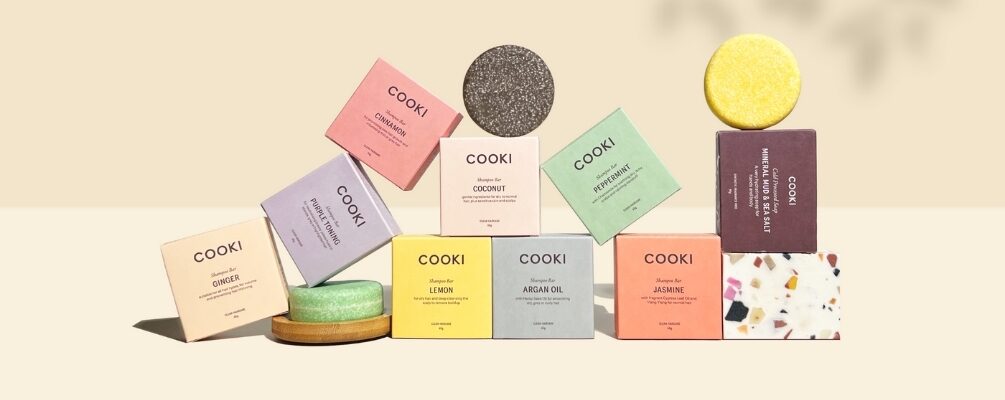
Nathan Bush: One of the big questions that I'm hearing in E commerce right now is whether it's still possible to build and scale an E commerce business without massive teams, without outside capital and a whole lot of activity. Can we still keep it simple? Can E commerce still be a lifestyle business? That's what we're going to discuss today with our guest on Add to Cart. Jamie Vilela is the managing director of Cookie Hair Care, the solid shampoo and conditioner brand that she and her husband Lucas bought as a tiny business in a box, doing four sales a day originally, which they've scaled to around 3 million a year profitably and with an incredibly lean setup. In this conversation, Jamie breaks down how they did it, focusing almost entirely on Meta and Klaviyo, obsessing over customer pain points, resisting channel addiction, and building systems that let a very small team operate at a very high level. We also talk about applying the same thinking to acquiring and growing a second business in a completely different category. If you're responsible for operating or scaling an E commerce business or you're thinking, hey, should I go out and buy an E commerce business? There's a lot of things that you'll be able to take from this episode. Thank you to Shopify and Klaviyo for supporting ADD to Cart and helping us bring these conversations to the E commerce community. Here's my conversation with Jamie Valella, managing director of Cookie Hair Care. Jamie, welcome to ADD to Cart.
Jamie Villella: Thank you, Nathan. It's such a pleasure to be here. I feel like I've climbed into my own Spotify, which is very weird.
Nathan Bush: Oh, that's lovely. It was so good to meet you and your husband Lucas at our Klaviyo wind down event at the end of last year. And I was blown away by the business that you've built here, but also the way that you two have gone around it. So I'm so pumped to get into this conversation today.
Jamie Villella: As am I.
Nathan Bush: All right, let's kick it off. Cookie Solid Shampoo. This is the business and there are others to talk about, but this is the one we're going to focus on today. What got you into the solid shampoo game?
Jamie Villella: Yes, yes, it is rather niche. So I was actually working as a head of marketing for another beauty business and had been in marketing for years. But Lucas, my husband, is sort of ops and finance minded and I'm marketing minded. And so he'd said to me, why don't we buy a tiny ecom? You don't have time to start a business your own time, but why don't we buy something and grow it together? And so I had actually been freelancing for InStyle Australia, may it rest in peace, Amazing magazine. And they had flicked me an article on shampoo bars to edit. My background is in writing and editing and I was like, shampoo bars? I. I just, I had never heard of one, I'd never used one. I'd worked at DJs and Beauty. I've been around the beauty traps for years and I'd just never seen one. And they were talking about how Loewe did soap on a rope and Glossier was doing face bars and it was bars are back. And so I thought, oh, how interesting. Put that to the back of my head. And then a few months later, no joke, I saw a shampoo bar company for sale and it was discovered.
Nathan Bush: Where did you see it? Where? Where did it cross your path?
Jamie Villella: Like minded bitches drinking wine. Shout out Lou, for starting the most amazing community. I love when boys hear the name of that group, they just freak out because it's kind of like every woman in Ecom knows it.
Nathan Bush: I love it. It's the best name for a group.
Jamie Villella: It really is. And so the founder had just popped it in there and she popped it on another online site that sells E comms and. And it ended up being the first one that we even investigated buying and we bought it and it all happened quite quickly. So that's how it happened.
Nathan Bush: And was the seller selling it for any reason? Were there any red flags that you saw immediately or are you like all in straight away?
Jamie Villella: She's amazing. So she's an E comm consultant and is just phenomenal at going 0 to 1 at that early scrappy stage and getting product market fit and early resonance. And so she had just had a baby and she'd had Cookie for a couple of years and I think had taken it as far as she wanted to and knew that different skills were required to scale it from there. And I was in the opposite position where I love scaling and wanted something that was like business in a box, ready to go. But she'd run the business so beautifully. It had about 10,000 on the database. When I got it, it was profitable. It was doing about four sales a day. She has a lot of integrity and had to set up the business really well in the back end and was just a great person. I had the best experience buying from her and we got lucky. But Lucas did a full due diligence on it. His background is an M and A, so this poor founder was getting a professional M and A.
Nathan Bush: Just take it, take it and run.
Jamie Villella: So, yeah, there were documents. But Lucas, you know, I think it's so important to have that skill set. He knew exactly what he needed to look for. He can see things in numbers that I never would. So, yeah, we made a good team on that side of things. And we've obviously gone on to buy another biz as well. But, yeah, that's how it happened. And I mean, why solid shampoo? I have stage four endometriosis. And so as sort of. As part of that, when you have any sort of chronic inflammatory condition, you're always looking to reduce inflammation. And there's a lot of chatter and beauty around, sort of low tox or better for you, cleaner ingredients, products. And I think you've got to be careful with some of that. But certainly I was at a point where I was willing to throw anything at it. And so reducing chemicals, if it was an easy good switch to something else that just didn't have those ingredients, I thought, why not? Hair care was so hard to find something natural or better for you that foamed. Like, they just don't foam up. They're like these waxy things, whether solid or liquid. And when I tried the bars, they foamed just. Just like a glorious foamy salon shampoo. And so I was really amazed by just the product quality of the biz we were buying. It wasn't a vehicle within which I then had to start from scratch. The products were amazing. So that's really what got me hooked as well. And I thought solid shampoo doesn't leak in your suitcase, better for you. Ingredients, light and easy to travel with in general. And now I'm a total bar convert. I've used them for years.
Nathan Bush: There you go. Okay, so I think this is a good time to introduce your other business because we're going to talk a lot around your philosophy around buying and scaling businesses. So I think a lot of people might be thinking, oh, okay, cool. Well, with your background in InStyle and your endometriosis and obviously your desire for a healthy, natural lifestyle, it would be a very health focused business. Your second one, it's not. What else are you into?
Jamie Villella: It's wallpaper. So September 2024, we bought a wallpaper business. It's actually a very poetic tale. So when Lucas and I went on our first date in 2018, he was doing his MBA in Sydney. He's from Brazil. And he was like, I'm working part time at a wallpaper company. And I was like, a wallpaper company? Okay. And I think I had it in my head sort of commercial vinyl wall coverings or something like that. But he had an amazing time working for this company. The margins are dunning, as you can imagine, compared to cpg. And he just had a beer in his bonnet about it for years. He even got me to meet with the founders in 2022 about potentially buying it. But I had a beauty itch to scratch. I really wanted to do a beauty brand. And then actually in early 2024, he said, I can't stop thinking about Euro Wools. And I said, fine, reach out.
Nathan Bush: Like, fine. You've been talking about it since our first date. Give it up already.
Jamie Villella: Correct, I give up. And so that actually happened really quickly. So we reached out to them in June. We'd bought it by September. And it's premium imported European wallpapers from Germany and Italy, but at amazing value. So it's sort of a value play. You know, the wallpaper market In Australia is 89 million and it's a really interesting market to be in. And I love beautiful things at home. So, like whether it's pretty hair care or pretty walls, you know, beauty and interiors is my bread and butter. So the interiors angle was, you know, not a link. And I think it's been so good for me learning how to sell a high AOV product with an incredibly long sales cycle where the customer behavior is totally different. And that's been a really good challenge and quite fun for me too.
Nathan Bush: And was the decision process very similar for both businesses, even though they were different categories? Did you come at it from the same way?
Jamie Villella: Yeah, I think that's a great question. So I think with Euro Wools, Lucas knew the business inside and out because he'd Worked inside it and we knew the supplies were great. The product was stunning. You know, Euro Wools was the first ever online wallpaper store in Australia. So it's been around since 2008. And it had just incredible relationships. You know, we still have the top architects and designers in the country in our inboxes proactively all the time. And so it had a really interesting journey where it had been sort of dormant for a few years. And they used to have retail stores that they'd closed and gotten full ecom. So they shut down the five retail stores during COVID and just didn't reopen. And so we, when we were looking at the opportunity, it was high margin. You know, I think when we look at both businesses, the opportunity was Jamie's skills haven't been used on these yet, which is digital marketing, product market fit, repositioning, branding. So we can just reposition the ship and then go faster in that direction. And I think really that's what we look for. You know, existing brand love, product market fit and room to move digitally. And so that was sort of the main decision factor. But, yeah, the juicy margins is what got me over the line because it was a. I could see it could have been a distraction from Cookie. The heartbreaking timing was that the month we took over the business, Cookie had tripled in a week. And so we were in a true world of pain. It was. I was in New Zealand for a friend's wedding and Lucas had come up to me and said, Jamie, I need 80k in cash by Saturday to replace all the bars. You just sold all our Black Friday bars. And it's September. Kind regards. And then I was getting emails from customers about wallpaper and trying to Google adhesive. And so, yeah, that was. I'll always.
Nathan Bush: Champagne's down at a wedding.
Jamie Villella: Yeah. And I was at my best friend's wedding singing carol karaoke till 11. So that was fun. But yeah, I think to answer your question, we look for the same things in those businesses. What are the commonalities? How could we grow it? Are we inspired by growing this? And how would it fit into the portfolio of what we're already doing? Because there's a lot of sort of commonalities in marketing and E comm with what you do each week with email and social and ads. So, yeah, it was. It was very, very different, but also was exciting to us knowing what, you
Nathan Bush: know now after buying those two businesses. What is the minimum gross margin you would go in on, on a business at the moment, knowing what you need to do to be able to scale a business beyond that, zero to one. In a digital world, where's the point where you go anything below GM is this GM percentage is just too hard. It has to start here and go up.
Jamie Villella: Oh, call me a sucker for punishment, but I would still do cpg. Like, I'd still do those disgusting beauty margins because I just think at the end of the day, I know beauty, I know how to sell it. And if you've got pain points like hair thinning or dandruff, they're a lot easier to sell on at volume than a slow decision making process such as wallpaper. So I think I'm a glutton for punishment. But you know, beauty is famously low in margins and so I don't have a minimum. Now. I, I love my high margins and wallpaper, but I think I, you know, I'm. We're literally in talks about another beauty brand as we speak. So I think, ask me in a year.
Nathan Bush: I think slow decision making around wallpaper. I can definitely relate to that. At the risk of mentioning a competitor, we had Milton and King on.
Jamie Villella: I love them. We're actually in chats with them about collabs and things. They're amazing.
Nathan Bush: Yeah, they are.
Jamie Villella: They're a manufacturer, so they're friends of ours.
Nathan Bush: Yeah. Great. And I'm a good friend of Chris. I used to work with him back in agency days. So I love going under the covers of the wallpaper business and hearing how wallpaper has changed so much from how it used to be when it used to stick on and you had to get like scrape it off and it was kind of stuck there forever. So I've been having all these ideas and then looking at your side as well. I'm like, what can I do to this room to set it up as a, you know, with the studio and the wallpaper. And I have all these ideas and my wife, I always send them through to Sarah, you're an idiot. Just settle down. You're not doing anything to the walls. So I blame my slow decision making on my wife.
Jamie Villella: I understand, I understand. It's crazy because you'll get, you know, we'll sell sample A4 samples of different patterns and then someone will order samples in March and then install it in December. So, you know, with Cookie, most people buy it the same day. It's not even a day that they wait. And so I've had to really get used to, you know, with, with the wallpaper, you know, someone might buy with the wallpaper, you know, a customer might buy the sample, but then their installer or tradesperson might buy the roll. And so you can't even map the customer journey from sample through to roll. It's a glorious LTV job, let me tell you. But, yeah, I think, again, different challenge, different industry, but, yeah, very slow decision making.
Nathan Bush: Well, it's so different, isn't it, to Cookie, where you've got 6,000 five star reviews, so you're getting all of this feedback. And I can imagine, as you said, it's almost real time. You buy it, you use it, you give feedback. How have you driven all of that customer feedback to care, like, at the end of the day and not to be disrespectful, it's a bar for your hair, like for customers to go that next step. And really, I've been on your site, you've got some amazing, UGC amazing reviews. How do you get them to care so much that they want to give all that back to you after that purchase?
Jamie Villella: I think that's a really interesting question. I think it comes back to the stickiness of the emotional element of buying hair care because hair is so much around our identity and how we feel about ourselves. And if you lose your hair, you know, whether that's balding for the guys or whether it's thinning, you know, after a baby or after chemo. So I think we are finding people often after they've done chemo and they're looking for hair growth. So that's been a huge way we've scaled gray hair. So suddenly, oh, suddenly my hair has gone gray. And it used to be silky and brown and now it's wiry and coarse and I don't know how to care for it. And we are coming to you with a solution that's affordable and beautiful to use and, you know, economical. And so people are. People feel so strongly about our products. It's true. There's this very unusual attachment to it, and I think it's because it's really exhausting navigating the beauty landscape, spending all this money, and you have so many fails in a row. And so when you find something that works for you, you're like, oh, thank goodness. And so I think with Cookie, they've just really rallied. But, yeah, it has been this really kind of incredible community that has formed and I'm very grateful for it in terms of, you know, how we get reviews, we send a Luke's automated email, and then somehow 6,000 of them have come back in 18 months. So I don't know. I'm as shocked as you are, but it's been amazing to watch.
Nathan Bush: Has there been a piece of feedback that's stuck in your mind or change the business?
Jamie Villella: Yeah, I mean, I love that question. So, firstly, when I bought the business, it's important to add that I inherited an older demo because the original packaging was quite neutral. It wasn't design led and it had just attracted that group with its positioning and the copywriting and the visuals. And I wanted to keep them and grow them, but also expand out, which is what we've done. But we still have this very loud, very OG cohort of women in their 50s and 60s and many of them post menopause are going through breast cancer and chemo. And so a lot of customers find us in a. During a post chemo journey. And when I started getting these emails through because we sort of dialed up the hair thinning piece when I took over the business because I saw that there was an opportunity there and we already had all these amazing reviews about what the natural ingredients were doing for promoting new growth. And we've never promised to be a silver bullet, but I think, you know, the products do work in that way. And I started getting these emails from customers who'd gone through chemo and they were sending me, not just a Luke's review, like a half page email to my inbox. I have so many of them, I'd like to print them all and put them in a little binder for myself. And they were saying things like, I'd lost my confidence. I can't believe what a difference this has made. Thank you so much. I've told all my friends I've got the whole house using it and I get those every day. I had another one yesterday and so that made me think, oh, wow, people really care about this and people feel connected to this brand and I think they trust us. And so that was huge. And then I think when I started noticing these patterns that people were saying, oh, I bought this for travel, but now I'm not going to go back to my bottled stuff because this is such good stuff. I thought, oh, that's so interesting because you're actually creating demand for a new category. So you're growing the solid product category. And that is really interesting to me to observe because my competitors aren't necessarily even other bar brands, they're people that are using shampoo. Yeah, yeah, that's been really interesting to observe.
Nathan Bush: I love the way that you talk about how the cookie bars are transformative for people. We had Tara from Proud Poppy on a Couple of weeks ago and we were talking around clothing and fashion as a piece of identity and the emotion attached to that. And I can see the similarities there of being able to tap into the emotions and the use cases there. From a marketing perspective, when you go out and you're thinking about introducing Cookie to new audiences, are you doing the traditional demographics piece in terms of maybe having customer segments or profiles or are you looking at it more around use cases such as I'm going through chemotherapy, I'm losing my hair, I'm going grey, or all those pain points that you're solving for, or is it a mixture of both?
Jamie Villella: I'd say primarily psychographics in terms of, you know, there's the segment that want to reduce plastic waste and they're really passionate about that or I don't lead with that though. I think that's an incidental and sort of table stakes for brands today to be more environmentally conscious. So I think people find us sometimes through that, but it's generally around, you know, better for you. Ingredients crowd, plastic free crowd and then concern led. So we've also got this wild, wild cohort of men who are obsessed with our peppermint shampoo for dandruff, psoriasis and eczema. And I think dandruff seems to be this male issue. I'm just seeing so many customers who are guys buying the dandruff bar and I just find that really fascinating. And so I've nicknamed that the husband bar because the husbands always steal it and then the wives laugh. And you know anything about it, it's always the wives as well. It's never the girlfriend. So I think definitely psychographics. But there's, I think it's concern led and I think it's age range and then I think there's travel. So the travel, you know, psychographic piece can be any age and we have lots of people in their 30s and 40s using the bars as well. But yeah, I think we scaled swiftly with the older crowd and with gray hair, menopause, chemo and concern led. And then sort of they've actually started influencing the younger people in their families, which is hilarious.
Nathan Bush: And obviously word of mouth is really strong for you in terms of probably household word of mouth and then expanding out from there. What other marketing channels are really moving the needle for you to allow you to tell those stories?
Jamie Villella: Honestly, we've played it so simple. So, you know, when we bought the business, I had left my full time job and jumped in full time in. Sorry, Jan of 2024. And because there was only one of me, Lucas was still working full time. We didn't have budget for, you know, teams or anything. This was purely a social experiment for us of we will put our own cash into buying this small business and see what we can do with it.
Nathan Bush: Social and a marriage test all in 1, 100%.
Jamie Villella: I didn't, you know, it was a working together test. But when we went to buy Euro, Lucas was like, this has gone really well. We are now ready for a bigger business. I was like, oh, I didn't know that this was a tr. Good to know. Yes, correct. This has gone very well. Yeah. So I had really decided that we needed to scale on Meta ads because I just seen Meta as if you can make it here, you can make it anywhere. And it's very much your positioning playground. I think a lot of brands have used organic for that really successfully, but you can also use paid. And you know, I think when we bought the business, we were doing about $50 a day in spend and I just slowly started scaling that up. And basically I think this might be a dramatic opinion, but I really think you can hit, you know, 5 to 10 million on meta alone. You don't have to do other things. It's a terrifying little game I like to call scaling on one leg and it's what we've been doing.
Nathan Bush: What do you mean by that?
Jamie Villella: Well, on the days where your Meta ads fail, you've got no legs.
Nathan Bush: Yeah.
Jamie Villella: Okay. And that's a really bad week. And that's probably been three weeks of the last two years. You know what it also does is it cleans up all the noise around attribution. There's no double dipping. You've got Klaviyo and Meta and those are the two ways we've scaled. So when we bought the biz, we were doing, I think in 2023, the business did 179k in rev. In 2024, we did 1.1 mil in rev. And then last year we closed at just over 3 million in rev. And that's just been Meta and Klaviyo. I think we started some token Google search late last year and I'm not that invested in it. And I think that's because it can be really easy to go really broad and dilute yourself across a lot of channels and be sort of have that channel addiction. I needed to find product market fit. I needed to prove that what I bought could scale in a niche or in multiple niches. And so I put all of my energy and focus into learning to buy ads for the first time, myself making ads and scaling those ads. And so really I think you could go and do an amazing affiliate program and you could spend time on organic, which I literally haven't. But I think you've got to pick a couple of channels and do them really well. And I think once you do well on those, you earn the right to broaden out from there. And that's where we would be this year, which is exciting.
Nathan Bush: There's nothing that's much more personal than undies and lingerie, right? But I mean, you wouldn't just shout at random customers about the types of undies that they want to wear, would you? That's why it was crucial for Nala, one of Australia's fastest growing underwear brands, to speak on a personal level with their customers. No shouting, no shaming. By using Klaviyo's B2C CRM and a masterful fit library that they'd created, they have been able to take a targeted approach to product launches, give back in stock notifications and reactivate dormant customers. With the right offers, they now run 34 live flows, including one that saw a 125% jump in attributed revenue in just 90 days. They've pulled off 109% ROI on the platform and they haven't stopped growing since. You could say that they get pretty intimate with intimates. If you want to turn customer data into your biggest growth driver, visit klaviyo.com au to see how brands like Nala are scaling fast.
Nathan Bush: One of the things that I loved when we caught up was how lean your team is and it makes sense when you position your marketing strategy like that, standing on one leg. I love that analogy. So as you think about that though, and potentially broadening out the channels, does that change also your team structure as well?
Jamie Villella: Not really because we're insane. So I think you can scale to 10 million in revenue on Meta alone if you wanted to. And again, as long as you're growing the brand organically alongside that, whether it's organic socials, whether it's community building, like we've done really successfully, you know, even email database retail is an amazing way to grow community around the brand, which is was a big part of our last year. We went into 100 new stores in September and we're now in 175. So that was a whole story in itself. But we kind of got picked up by Govider who approached us after seeing the buzz around the brand in store. And so I think you can Stay incredibly focused and narrow on your channels up to 10mil if you wanted to. Obviously you would not grow the brand as quickly as if you were doing a lot of top of funnel activity. And I think there's real wisdom in knowing those trade offs. For Lucas and me, it's definitely a lifestyle business. So we have no desire to, you know, raise and burn and grow super fast and sell in five years for a huge profit. This is our lives and we love these businesses and we plan to have them for a long time. And so for us, growing a small team really well and doing a few things well is more important to us. And so, yeah, I think we could broaden out and I would love to, but I do think Meta is, you know, a really powerful channel. I'll give you a wild anecdote which is that I was on a podcast last year in the UK and she asked me for my E com top tip and I said, oh well, I'm going to be so boring and say chatgpt. But it's a specific way I've been using chat, which is that I went onto Ecom guru Nick Sharma's website, pasted it and downloaded a bunch of his resources and said to chat. You are Nick Sharma. Here is his website, here's all of his methodology, here's everything he's ever said or done. Help me with these scaling challenges. And he became my friend. And so Robotnik was my friend. Real Nick Sharma heard that episode and I ended up getting a free consult with him for half an hour from New York at 5:00am, which was so kind of him. And he'd heard the crazy story. And we got an intro from a mutual friend which was really lovely. And I put this to him. I said, look, I'm scaling, so lean on Meta. What do you think? Like, should I diversify? And he was like, no, just stay there. And so you can keep scaling in that direction. And I think it is dangerous. Like you can have performance marketing addiction. You can risk not having a true deep brand. All these things we know. And I know best practice because I've had marketing teams of 10 and ginormous budgets in the past, which is, you know, I now laugh in the direction of thinking of how my day looks and how my to do list looks. But I think when you are buying and growing a business, your first three, five, 10, whatever you're trying to do, your biggest risk is going to be channel addiction and going too broadly too quickly and not being able to attribute correctly because you're double dipping. And so I plan to stay lean for as long as I can get away with. And I think you soon start to surface problems such as, oh, you know, brand awareness is a problem or following is a problem or whatever these things might be. And that's when you think, okay, well how do I grow those channels better? But in terms of revenue and profit, meta can be fantastic. If you know what you're doing with
Nathan Bush: creative and what is your Sharma bot and your lived experience telling you around? Is there a playbook that you are using to kind of get that scale when you talk? 1, 3, 5, 10. Where should people start? If you're talking about setting up meta, where would you say actually the low lying fruit is here before we start to get more complicated?
Jamie Villella: I think that's a great question. So I think, you know, what you're looking at is the brand and the pain points. Always start with the pain because that's what makes things sticky and it's what makes people click. So for hair care, you know, there was thinning, there was gray hair, there was menopause, and there was a real opportunity to create UGC that looked like the customer. And so I think I am so strict on profit with meta. So if a campaign hits over $5 over my CPA target, it goes off. So we've just been ruthlessly strict on profit for two years, but it's how we've maintained the same CPA the entire time. And so you have your klaviyo, which obviously will double dip. And if you do a great email campaign, that will come down a little bit. But really it's been about very slowly testing good creative that is created with that customer psychographic in mind. And for our demo, often longer ads work. So, you know, all the meta guys would say 15 seconds and I'd be finding ads a minute and a half working really well for me because it's a different demographic. You know, if you look at my product pages, you know, best practices like half a para to a para mine are long. Our conversion rate last year was 8.4%.
Nathan Bush: Holy moly.
Jamie Villella: Yeah, so when we took over the business it was 4.3%, which is already great. And then it just. Yeah, so the year before was 7 point something. Last year was 8.4.
Nathan Bush: And that's really unusual when you've got so much money or so much traffic coming from Facebook. Right. Or Instagram, from paid traffic. Because usually it bounces when you're talking. When you're increasing those volumes, especially as you scale it, your conversion rate will go down over time. But to hold it at over 8%
Jamie Villella: is incredible because we're so focused on our audience and we know exactly who they are, what they want, what they respond to and what they hate. And so we've just been very defined with who we're acquiring. And so I think it would have been really easy to start all these other sort of ring fence tests. And there was other stuff that I spoke to Nick Sharma about was around, you know, age range testing and all these things when you have an older demo. And he gave me some great advice there. But I think, you know, to answer your question, it's, you have a hypothesis of who the customer is. Once you get early resonance with a couple of ads, you just triple down on it and you watch every element of the funnel like a hawk. So how are CPCS looking then? How's add to cart looking then? How's conversion? And I think it is a really analytical game. But I can also have sort of like a gut feel relationship with the account and I can just sense it, which is insane when I say that to most buyers. But, you know, I can tell if a piece of creative is going to hit usually when I look at it. And nine times out of 10 it's right because we just know this customer so well and I think we're lucky that it's a really niche audience. And so that's been how we've done it. But I'd say, you know, on Meta, I'm surprised how many E commerce owners I speak to who don't have a target cpa. They don't necessarily have a target of what good looks like each week in terms of making or losing. And I think when you're starting out, it can be quite nebulous. But Lucas, Captain Lucas over here was like, this is it. And so I had something really crystal clear to aim for. And I love a goal. And so I just have kept everything to that level. And, you know, if Facebook ads blow out one week, then you have to run a flash sale on email. But we try and avoid that as much as possible. And I think really it is that balance of great creative not scaling too quickly. You know, I never scale more than 15% every two days. Yeah, car and I have friends who've told me, scale 30%, it'll be great. And for us it was implosion. And so I'm very, very strict on scaling very slowly, very sustainably and very profitably. But I think all the legwork was done before we started within Meta because the brand strategy was so Clear in terms of we've done focus groups on the customer, we know what we're going after, we have a hypothesis about what creative they'll respond to, and then we iterated it from there. I think if you're going to try and go for everyone, that's when you fall into trouble.
Nathan Bush: You mentioned before that there were only three weeks where Meta left you in the lurch from a driving, traffic and revenue perspective. What happened there? Was it a case of costs just skyrocketed out of control? Was it that campaigns just weren't working? Because when you talk about that $5 CPA, it's either on or it's off. I love that approach, and it makes decision making really simple. Is it a case of running out of ideas or the market just getting ultra competitive?
Jamie Villella: I'll tell you what happened. The first one, my ads stopped serving. Oh, but we were using. Yeah. So it was a Meta glitch, apparently. And we were still spending the money, but they were not reaching anyone. And so that was awful. That was in about March of 2024. And then the second one was in September of 2024 when my ads just all died for some reason. It was just this really scary week where they all just sort of flopped. I think it was creative fatigue, to be honest. And so I went from sheer panic at the be of the week to within a week later, launching an ad that tripled our business. So we went from 40 to 120 sales overnight, which then never came back down. And so that was one great ad. And so I think creative fatigue. And that was a really early lesson of I need to become a more, you know, seasoned media buyer, because this is all very new. The third time was the Andromeda Update in September. September 27, 2025, if we all remember that day. And most brands tanked for about three weeks. Weeks. And the fourth one was when I took some advice that had worked for another business and scaled by 25% instead of 15% and it included our ads for three months.
Nathan Bush: Okay, that's all. That's all explainable.
Jamie Villella: It is. So, I mean, look, I think generally speaking, if you keep on top of your creative funnel, you can sustain those campaigns and you can keep things moving. And I think it's a real mixture of the art and the science. So it's creative hitting and then it's being quite experimental around your buying and trying things. I love following other buyers on LinkedIn and stealing all their ideas and trying things. So I think it's that mix
Nathan Bush: expanding into New markets isn't just about selling more, it's about selling smarter. Every region has its own rules, currencies and customer preferences. But with Shopify, global expansion is simple. Localize storefronts, tailor experiences and build trust all from one unified platform. Shopify removes completely complexity so that you can focus on growth and deliver tailored shopping experiences for every market in store and online. Accept over 100 currencies with Shopify payments for fast familiar checkouts and use built in analytics to identify your most profitable markets. One platform built for global adaptability so you can scale without growing pains. Visit Shopify for enterprise to learn more and start selling worldwide.
Nathan Bush: You mentioned the creative fatigue and I think that's a really interesting piece that we've been speaking about on add to cart for a little while now. You also have a really tuned in radar on what your customers like. We kind of hear it both ways. We hear that even founders. We've got Mike from scratch who is a really creative guy, but he said look, I've been throwing up lots of creatives and the ones that are working are the ones that I'm not expecting to work and I don't really want to work, but they still work and the ones that I think are gonna knock it outta the park aren't working. You said there that you are really confident in what you put up and that you know will work and resonate with your audience. Have you ever been surprised?
Jamie Villella: I mean I think the one that tripled us shocked me because it was a 2 minute long lo fi in bathroom UGC piece and I thought I knew it was good, I knew it was a really compelling ad cause it was so authentic. And I actually met someone at a black tie wedding at the Opera House last year and she said oh, what do you do? I said oh, I have a brand called Cookie Hairc. She was like cookie, I have the ginger one in the tin. And her husband was like I'm not allowed to touch it. And she said oh, I saw this lady and she was so authentic and genuine. It just didn't feel like an ad. And so that one I knew it would be good, but I didn't know it would triple us overnight and change our business. And so that, that was a shock. And that's been a great template to kind of follow. And it's given me confidence that you can go for longer ads and they can be incredibly explanatory, almost hitting every single pain point up front. And then similarly just a really lo fi static I made in canva of like a Photo with one headline on it, and that's been a bread and butter piece that I can. I can keep going with for a year and a half. And I think I've learned that ads are like steak. If you rest them for 15 minutes, you know they can reemerge. So I rest my ads like steak, and so I'll find that I have an amazing campaign that then fatigues. You can actually turn that whole campaign on six months later. And sometimes it has a second wind and does amazing. So just little things like that. I think bringing ads back again is something I wish I'd known sooner. They can thrive, they can die, and then you can resurrect them, which really helps your funnel too.
Nathan Bush: Great tip going back to that 8% conversion rate, because that blows my mind. One of the things that I noticed on your website is that you have your payment options directly under your add to cart button. So it's a really unusual layout in terms of you've got your add to cart button and then the logos of all your payment options, including your credit cards, which I haven't seen before. And I'm assuming there's some science behind this. Where's that coming from?
Jamie Villella: I inherited that with the site from the founder. And I also thought it was odd. I was like, what's that? And it originally had said 100% safe checkout guaranteed in green font as well. And I was like, well, I don't know if I really want to guarantee that. So I took that out. But when I took over the business, I would get. It's so funny, the comments that you get. I've had so many. Lucas and I have an in joke where sometimes one of us will just say to each other out of the blue, what about conditioner? And we'll both crack up laughing because the number of times I've had, what, without conditioner under an ad, it's like 70 times at least. And the other one is, do you have PayPal? Do you have, you know, afterpay? And we'll get emails about it and we'll get. And when I saw the payment options there with the PayPal logo, I was like, can't hurt. And so you're the first person that's ever spoken to me about it. Maybe I should remove it. But I had it in the bottom of the EDMs as well. And I just thought, you know what? There's so much angst with this demo that I inherited around Scams online, understandably. And so any assurance we can give them around PayPal payment options, you know, it sort of goes hand in hand with the 60 day guarantee that we offer. I think it's just reassurance. But I agree it was a, it was an unusual design choice.
Nathan Bush: Yeah, yeah, yeah, yeah. And it makes sense now. When you even talk about the demos that you've inherited, I'm like, oh yeah, that kind of makes sense. And sometimes I think in E commerce we take some of the most basic things for granted in that, yeah, customers are comfortable buying online. We're sweet. They know that's being taken care of.
Jamie Villella: Of yeah, I have a few that still want to order on the phone, which I was personally doing for all of 2024. That was fun. I used them as an opportunity to sort of do, you know, customer interviews at the same time. But yeah, they saying, you know, I've been scammed and I want to, I want to order it directly. So yeah, I get it.
Nathan Bush: I'm really interested in from a product perspective. You have some of the most. Like I looked at your site and I'm like some of these actually sound like cookies or desserts rather than shampoo bars. And I'm really keen to hear how you help people take that first step, especially new custom that land there for the first time. Because I can imagine as we were talking about before, it could erode your conversion rate pretty quickly if they're just interested and they're having a poke around, but you've obviously done something to get them to convert straight away. I could imagine that having that many, not that many options but like interesting options could cause a little bit of cognitive dissonance around. I just don't know which one to choose. I'll come back later and do it. How do you get people to make a decision there and then?
Jamie Villella: Great question. I think the reality is that most of our ads are about a specific product and so they're coming through with, you know, 6,000 five star reviews, 60 day guarantee and then they click through a piece of UGC that looks or feels relevant to them and then they land on it. And then there's Tolstoy with other UGC that looks and feels like them and then they start reading the reviews. And I think this audience is very decisive. You know my nana who's 90, we put new wallpaper in her bathroom. She wanted Laura Ashley wallpaper to match her Laura Ashley kettle and toaster. It's chaos. It's a lot of blue and there. And I gave her three samples and she was like that one. She didn't want 10 more samples. I was like, oh, I have, you know, 20,000 products at Euroballs. Would you like to see some more? She's like, no, that's lovely. So I think, I think they're also like, they've parented teenagers and 20 somethings and their grandparents and they don't have time and they're going to just do it. And so I think social proof, you don't need much. I also though, did spend the time creating a Canva asset, which hilariously became my best ad for all of 2024. So lo fi, where it was just which shampoo is for you? And then it's a BAS stack and each one for thinning, for dandruff, for gray hair, for this. And then we have a CTA at the bottom of each product page, which is deciding between a few. Email us here. And we make it really easy. And so we do do very tailored advice back and forth. Tons of customers each day. And I think you can see in my product pages, it's very long. It's like, prefer low scent go here, prefer fragrant go like, there's just, it's like a clickable little map where you can kind of bounce around eternally. But I think they're more decisive than a millennial. I think usually we funneled them straight to a single product, not a category page. And I think within that page, there's enough social proof that they're willing to just give it a go and we make it really easy to give tailored advice.
Nathan Bush: Makes a lot of sense. Sounds easy, you'd think.
Jamie Villella: But my temptation is I just want to add more sense, so I have to, I have to calm myself down also.
Nathan Bush: And then obviously getting that first sale is great, but then you've got people who are so passionate about your products. How do you then take those people and increase their AOV and their customer lifetime value over their relationship with you? Obviously, obviously you've got a product that needs to be repurchased constantly, which is a great start. But I also loved some of the bundling that you've done. Has that played a key role in taking that relationship to the next level?
Jamie Villella: Absolutely. I think based on, you know, some data that we were pulling about our bundles, you know, there's a handful of bundles that do over 50% of the rev, and that's because a lot of them are attached to some of our, you know, top sellers in terms of the bundle revenue. But I think a lot of them, I think they find it really fun to try the different ones. And so they'll Come back and they'll try another one. And we do bundle a few together. So we'll have, you know, the ultimate hair loss bundle and that will have a few different ones. But I think bundling has been amazing for us because I've needed to do more bundle options than I would have preferred, because this demo, if not every single bar in both tin and box is in a bundle, you'll get an inner. So I decided it was more painless just to have all of the options there and there's two pages of them, whereas my preference would be to have 10 bundles. We also have build your own bundle, and I have found it so hard to get people over there to do it. And I think people just can't be bothered. They just want to. Again, they're decisive, they're in, they're out. And so. So build your own bundle would be great, but people want those bundles. And so I find that, again, if I have a bundle ad and it goes, that bundle gets purchased. But making it really easy for people, so making sure that those starter bundles have all the accessories you need to have a good bar experience. Which is why I don't just do one or two bars, I do a group of bars. And accessories has been really key as well.
Nathan Bush: Is it hard then to get your head over to wallpaper then? Like, if you're managing both of these businesses where people are on cookie and they're like, really decisive, it's like that one, let's transact, let's go. And then you're like, okay, what do I need to give people who are considering buying wallpaper for their home if they're not like your nana, who can just go, boom. Is that hard in taking those different customer journeys?
Jamie Villella: Absolutely. There's just. There's so much more sampling involved. And what's helpful is, you know, obviously with AI tools these days, you can do mockups or renders in someone's space. So they'll send us a photo of their space, we'll put it on the wall for them, and then they'll see. So that's been really helpful. A lot of our clients at Eurowals do work with interior designers, so the designer's job is to be that decisive one. And they know our range really well. So, you know, we send free samples out to interior designers and we, we have, you know, a huge community of designers who work with us, so I think they make that easy. But we also, we also say, you know, want to visualize it in your space. Email us and we'll Help. So again, I think something that flows across both brands is customer service is something we take incredibly seriously. We spend so much more time there than I would imagine most do and we build a lot of kind of back and forth, one to one relationships, but it's so worth it. And I think with wallpaper, you know, it's a harder journey, but it's a really rewarding journey because it's high aov, et cetera. But obviously with Cookie, it's consumables, so they need to come back in a couple months with Euro walls. They might not renovate a room for another 10 years. So aside from our designers, that LTV is going to look totally differently. So I think our LTV modeling In terms of CPAs for both brands are really different. Understandably.
Nathan Bush: Yeah. I'm in awe of how you've built both of these businesses and you've done it sustainably, you've done it profitably and you've kept your vision. You know what, what you want these businesses to be, that they want to be lifestyle businesses that they need to scale, they need to be set up to scale, but they are lifestyle businesses. You're doing this for a reason. When you then talk around things like, hey, if you don't know which cookie product to buy, just email us and we'll get back to you. Or we're dealing with interior designers, I can imagine that starts to get really manual and custom. Have you set up any systems to help make sure that you don't get pulled into that and like it takes up all of your time or makes you increase to a 10 person customer service team?
Jamie Villella: Absolutely, yeah. So I did all of customer Service cookie until mid 2024 and that was very good training for me. But the cool thing is then we had a bunch of templates. So, you know, we'll drop templates into ChatGPT and that's the Jamie Turner voice for Cookie or the Jamie Turner voice for Yearables. And then we have an amazing customer service part timer VA who does both brands and so she can like put the question into chat and it will reply in my tone of voice. Off it goes. And she's now learned that tone so well that she replies as me. Sometimes she replies as me and I think, think I don't know if that was me or her. So I think, yeah, customer service with Euroballs, it was obviously a much smaller business than Cookie. Cookie scaled a lot. So customer service has scaled a lot, but we're still very lean. So we have myself and Lucas. Lucas jumped in full time into the business last June. So, yeah, we basically scaled to about 2 million in rev with just me and a part time VA and Lucas moonlighting for about 10 hours a week. And he jumped in full time in June, which was incredible. And now we have, you know, a VA who does ecom, a VA who does customer service, and then I have a part time person helping with media, social and content as well. So that's sort of. It's still very lean and very much freelancers, but that's how we've done it. And I think customer service, we've just got a bunch of templates and you'd be surprised maybe, maybe not, how identical the queries are. It's like what's best for gray hair? Where are the blue wallpapers? You know, it's usually really simple. And I think in two years of Cookie, I've now been asked every scientific formulation question you could be asked. And so I have an answer for that too.
Nathan Bush: Yeah, fantastic.
Jamie Villella: All right.
Nathan Bush: You're the master of systems, master of creativity, master of knowing a customer. Is there anything you can't do?
Jamie Villella: Sleep. Sleep.
Nathan Bush: That's fair. All right, next 12 months, you've talked about continuing to scale both businesses and you've obviously got some key targets in mind. Talked about potentially acquiring another business at some point in there. What are your priorities for the next 12 months?
Jamie Villella: I think for us, it's such an interesting one with Cookie because there's this real balance of retail and DTC when you are bootstrapped, self funded, with no loans. So where I think hitting that 3 million revenue inflection point, most brands would take retail really seriously. You know, we had a really fantastic run last year. We said we wanted to be in 200 stores by the end of last year and we got to 170. I thought Lucas was nuts when he gave me that goal, but it was a great year. And so basically we had, we pitched into Go Vita at the local level and then the bars started moving so quickly because we mobilized the community that then the national buyer reached out and then we went into Go Vita nationally in September, and then within two months, the national buyer called me. And you know, buyers don't usually throw flowers. They're very analytical people and very commercial. And he said, jamie, I've been here for eight years and in my eight years, I have never seen an indie brand brand fly off the shelf like that. Never seen that revenue with a new brand. What are you doing? And I said, the people don't want to pay for shipping the people want their cookie bars because they're going to Italy tomorrow and they want to come into the store and so I send them in store. And so we really got behind that launch and that gave us huge confidence for this year to go into retail more. So we're looking at, you know, we're going to Expo west in LA in March. Super exciting. It's seven stadiums of natural products.
Nathan Bush: No way.
Jamie Villella: All the buyers from every store in the world go and. And so I think the US is a really interesting opportunity because we're very much health food. That's where we see ourselves.
Nathan Bush: Can you put it out into the world? What would be the ideal US store to get into?
Jamie Villella: Whole Foods and Credo Beauty. They're my two dreams. And so yeah, we would see ourselves going into health food overseas before we'd see ourselves going into grocery here, for example. And so our challenge as self funded businesses is how do you keep D2C growing at a certain level to fund the cash flow requirements of the payment terms of the retail retailers. So where most people would start raising at our stage, we're like, nope, we're going to keep with our meta strategy and we're going to have to just keep growing even faster because retail is ramping up and we can't let it catch up. So I'm going to be doing a delicate dance of growing retail but not too much, otherwise we will have to raise, which would be interesting and total strategy change for us. And then I think for Euro Wools we've got some incredibly exciting partnerships coming up for Euro and growing that business. So you know, Lucas did an incredible job and was was mainly running that one last year and it grew by 50% and we want to grow Euro even more. We know there's a huge opportunity there and so I think it's retail expansion, but not at the expense of D2C for cookie and sort of going overseas for the first time. And then for Eurowalls, it's getting more of my time onto it because last year with Tripling I didn't have enough headspace for it and I think having a bit more marketing time dedicated there would really do wonders for its growth. So that's the plan.
Nathan Bush: How exciting. I'm exhausted for you already.
Jamie Villella: Thank you. Yeah, it's gonna be great.
Nathan Bush: Jamie, thank you so much for joining us on Add to cart. I think your story is an incredible one of knowing where your strengths are in knowing that you can take a business that's hit that 0 to 1 and then scale it and knowing what you need to look for in a business to bring your strengths on top of it. Your insights around focusing on one channel for both attribution but also focus was a standout for me. And then your approach to knowing that you can scale businesses without having to go into huge debt, have massive teams and doing it in a that you want to do it was really refreshing as well. So thank you for sharing all that today.
Jamie Villella: Oh thank you. It's been such a pleasure to chat about such niche topics with someone who gets it.
Nathan Bush: It's so fun what we do. Thanks Jamie.
Jamie Villella: Thanks again Nathan.
Nathan Bush: What an absolute powerhouse Jamie and Lucas are. I love that they've designed their e commerce business around their lifestyle but haven't given up their dream dreams of scaling and growth at the same time. Here are three practical takeaways from this conversation that I think are worth taking a bit of time to think about. Firstly, focus beats Brett. Jamie showed that scaling primarily through Meta worked because the team went deep on one channel, one customer and one set of pain points before earning the right to expand. Secondly, simplicity only works when it's enforced. Cookie's Lean Team, strict CPA discipline and clear creative rules are what has made that simplicity sustainable at scale and more growth. And thirdly, knowing your customers better than anyone else isn't just puff, it makes commercial sense. It's what has allowed Jamie to run longer ads, high conversion product pages and confident bundles that most brands might be too nervous to try. If you're working working through similar trade offs around channels, resourcing or growth discipline, these are exactly the kinds of conversations that keep going inside the Add to Cart community, especially with operators comparing notes on what actually works in market. You can join us for free at Add to cart.com au thank you for spending your time with me today. I look forward to seeing you again next week on Add to Cart.