Tom Ferrier: What's a kilogram of carbon? What's a tonne? How does that, how is it a tonne? It's air, it's weightless, like what's going on? And so these businesses are seeing this as a pure loyalty play for their existing customer base. It's not about a handful of people doing zero emissions perfectly. It's about everyone doing it imperfectly.
[Voiceover]: Welcome to add to cart, Australia's leading e commerce podcast that Express delivers all you need to know in the fast moving world of online retail. Every week, Nathan Bush from E Suite and an e commerce industry expert will share the news, research and insights that you need to know to keep you at the top of your game and of course, keep your customers adding to cart.
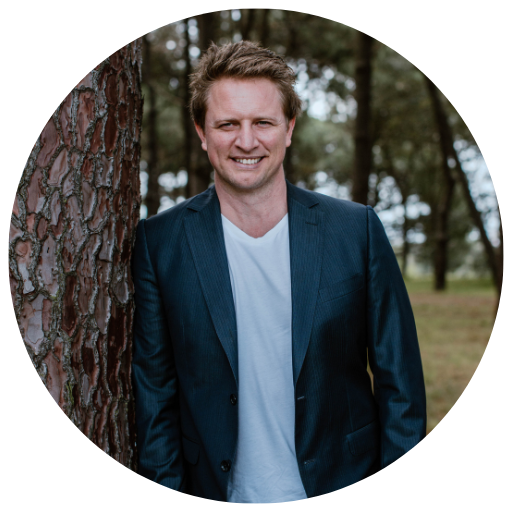
Nathan Bush: Today's guest just kept popping up in my LinkedIn feed and I got very curious. They were connected and interacting with some of our favourite past guests such as Julie Mathers, Josh Howard, Sean Greenblow and more. So I thought it was time to reach out for a chat and I'm really glad I did because I think we've got them in the really early stages of what could be a very exciting and impactful activity. Tom Ferrier is the founder of Greener, a service and an app to help retailers and consumers measure and reduce their environmental impact and power the green economy, as they like to put it. Tom will explain how it works in the episode, but he is helping retailers reduce and offset their emissions while attracting like minded consumers who are interested in sustainability. It's almost like an informal green loyalty program for customers. He is helping them know what the heck an actual carbon ton is. Finally, and whether that is good or bad. The average Australian is responsible for 15 tonnes of carbon. The goal, according to Tom, should be too. We've got some work to do. Tom and the Greener team already have brands on board including Koala, T2, Microsoft BrewDog, Modibody and Baird, plus plenty more. They have raised over $4 million from investors such as NAB and have recently partnered with the Australian Retailers Association. What an awesome start. Today, Tom shares the Greener mission and exactly how it works for both retailers and consumers. He shares the steps that retailers can take to have the biggest impact on reducing their environmental impact. And he tells us how it took one person, one random person, to interrupt him over a glass of red wine to totally change the course of his life. One quick message from me before we jump into our conversation at E Suite. We have just launched a range of e commerce learning products and courses that I am very excited about. These include things like the foundations of E commerce, including customer experience and returns, so that we can get your team up to speed with all the basics of E commerce. We're also doing regular lunch and learns and some very special skills courses coming up. So jump on over to esweettalent.com if you want to check out all the courses that we have available for yourself or for your team. All right, let's get into it. I won't waste any more carbon explaining it. Thanks to our partners, Shopify plus and Paclio. Here's our conversation with Tom Ferrier, founder of Greener. Tom, welcome to ADD to cart.
Tom Ferrier: Hey, Nathan, I am so excited to be here, seeing the lineup of people that you've had in the past.
Nathan Bush: I'm just.
Tom Ferrier: Yeah, honoured. So, thank you.
Nathan Bush: No, thank you. All right, so let's get straight into it. We've got a lot to cover today. Tell me, tell me, Tom, what is greener?
Tom Ferrier: Look, in short, we just help people and businesses get to zero emissions. It's that simple. The problem is this space is not simple. So we've effectively got two solutions that help people and businesses do it. So I'll start firstly on the business side. We've got a solution called Greener for Business and it's really a tool that helps businesses understand where they're at on their sustainability journey and gives them them their own step by step roadmap to zero emissions based on their industry and how far along they already are. Once the business then pledges that they are on the journey and they're targeting zero emissions by a date, they can be showcased to consumers in our consumer app, which helps bring them new customers. And that's the other side. So that's the Greener app and it really helps people get to zero. So we start off by helping them understand their carbon footprint in really simple terms. They connect their bank account using secure open banking, so that way we can measure their footprint and keep it up to date with ease. But when they shop with partners in our green economy, those purchases are made carbon neutral to reduce their footprint.
Nathan Bush: Gotcha.
Tom Ferrier: So, like I said, it's complicated, but we try and keep it simple at the top. And just maybe one thing, what most people don't know is if they get their footprints down to 2 tonnes or below, we can end climate change. So that's the ultimate goal.
Nathan Bush: All right, so let's kick off. You've got some brilliant retailers on board. I do do a little bit of research. Let's start by sharing who you've got on board.
Tom Ferrier: Oh, look mate, this is what gets me most excited. The support we've got from some fantastic household names is just incredible. So look, the retailers we've got on board so far I'm super excited about and they cross really all categories. So We've got over 250 founding partners, grocers, we've got the likes of Scoop, Whole Foods and other grocers in the organic space, which is just all awesome. We've got national cafes like Pablo and Rusty's who are leading the charge in the green space. In fashion, we've got the upside a fans, bad footwear who are doing incredible things. But the one that got me the most excited when we signed them really was Koala Koala Mattresses. And I must say, it was probably the day that we had our first meeting with Koala that I just went, hang on. They're a massive brand, they do cool marketing, they get their message out there and they changed an industry. This is when it's going to work. So yeah, it's been awesome. Great brands coming together to really bring their consumers. Like minded brands with like minded customers coming together to make sure everything we buy is carbon neutral to end climate change.
Nathan Bush: Phew. I bet you're breathing a sigh of relief now that Black Friday is over for another year, right? Well, according to our friends at Shopify customers, they haven't stopped looking for bargains and they are going to keep chasing them all the way through 2023 as the cost of living takes its toll. Yes, that old chestnut. But Shopify have surveyed 2000 Australian customers and they found that 3 in 4 Australians are already reducing their their discretionary spending and 84% of customers are comparing prices with price and value. Such a hot point for customers. It is worth considering how you are going to continually send price messages throughout 2023 to keep your customers interested. The battle for the wallet is going to be fierce. To view more resources to help with your 2023 planning and see how Shopify can take your e commerce business to the next level, visit shopify.com au today. That's a quick uptake. Over 200 retailers in how long are we talking here?
Tom Ferrier: So we started pre Covid, so it's been a little while and Covid threw a massive curveball to all of us. I guess the good thing is though, during that time we've worked with a lot of them and they're passionate customers to really shape our solution. This is a complicated space. How do we solve for it and our product? I guess two years ago or so is very different to what it is now. And so we're really gearing up now and startup journeys are hard. You don't have much capital, you can't move as quickly as you like. But now we started to get the momentum through support both through retailers, investors and really just other major strategic partners like the Australian Retail association to scale what we're doing. Yeah, great.
Nathan Bush: And so when you go in and talk to these retailers like Koala, what's the sales pitch? What is the line or the benefit that they go, oh yes, we do need to sign that, we need to get on board.
Tom Ferrier: This is the thing, I'm it, I've spent my whole life in consulting, what have you. Like, they're not salespeople, I'm not a salesperson. And the beautiful thing about this is you do not sell when you're speaking to brands like that because they truly are values aligned and they understand that business is tough. We make sure we've reduced the barrier to entry for any partner to join this green economy we're building. It is a merchant funded model, but it's super thin and that that funding covers the carbon offset to turn any purchase carbon neutral if it's not already. And so these businesses are seeing this as a pure loyalty play for their existing customer base and really a really simple turnkey solution to make sure whatever they're selling is carbon neutral. So many of them have committed to the race to zero or zero emissions and we're not selling, we are helping. And that's what I love about this because so many of the discussions we have, it's not a matter of should we do this, it's how soon are you going to be in market. We want to get this in the hands of our customers. So Matt, it's just been fantastic. They really see it as I think now that we've got a really good coalition of brands coming together and as I said before, all of those brands, they see this not just as a solution for them but but one for all of their customers. So like minded brands sharing their like minded customers to really take, I guess just to drive a massive amount of impact, which is awesome.
Nathan Bush: To save the world.
Tom Ferrier: Exactly. It sounds crazy, doesn't it?
Nathan Bush: Well, it doesn't sound crazy. Not at all.
Tom Ferrier: Why not?
Nathan Bush: It should be our number one priority, right?
Tom Ferrier: Look, I totally agree with you, but it just sounds daunting.
Nathan Bush: Yeah, it does sound daunting. 100% agree.
Tom Ferrier: And I'm not saying that we're going to do it on our own, but so many great People, partners and organizations are coming together and I think that energy can do something special.
Nathan Bush: Do you think the word zero emissions, it's almost like trying to believe in God. It's something we can't see, right? How do people know what good emissions look like, bad emissions? You say two tons. I've got no idea what two tons looks like. How do you make this practical for people, mate?
Tom Ferrier: It is so hard. Look, we've seen so much progress in the sustainability space of late. People feel bad if they order a coffee and it's not in a keep cup or one of the cups from the coffee shop. But that is because people understand plastics or disposable stuff. They can see it and it does. It makes them feel bad. But this emissions problem is invisible. And so we're still. The world's still trying to grapple with how do we help, I guess, connect with mainstream consumers on this? And what's a kilogram of carbon? What's a ton? How does that. How is it a tonne? It's air, it's weightless. Like, what's going on? We're always trying and testing new methods. We're working with Harvard's behavioral science team, who are the experts in this space, and they're the ones that also say they haven't cracked it. But ultimately it's about making it meaningful for people. So if I talk about two tonnes, it's like, what does that mean? I'm sorry, but what we've seen in our recent pilots is that we can help people take the equivalent emissions out of the atmosphere as removing a car. So one less car off the road, for me, I feel good about it and I don't exactly know what that means, but I want to now get to two. So it's about playing on sort of what people understand and finding what connects with people, which is quite different, depending on the person.
Nathan Bush: How does that make you feel at Harvard? Haven't even cracked it.
Tom Ferrier: Look, it's a worry. This is the problem, right? Like, the world has had the most talented scientists working on this to understand what is actually the root cause of this crisis we face and why is it happening. The great thing is they figured it out, but they've never figured out how to communicate it to people to make them take action. And it's something that, again, it's a tough one, but we're always up for a challenge. And it's something that, from what we're seeing with early signs of our beta products, we're making some really terrific progress. And I think the other piece is it's not about playing to the whole, you've got to be green, because that's what we're here to do and that'll save the planet. If we really play into the fact, and we do this with Greener for Business, we can help you save 30% of your energy costs and bring you new customers by simply being green. Like, that's what gets people interested. The hooks they understand, the more selfish, motivated, I guess, or motivations, which is fine if ultimately we get to that goal. So again, different, I guess, carrots for different audiences. And some people don't like carrots. So we've got to figure out how to make them understand this whole space. But it's a challenge that we're up for and we're making some really great progress on it.
Nathan Bush: And what was your motivation? What was your carrot for starting Greener? Because I understand you come from the consulting space before this. What was the moment that you went, I've got to get into. I've got to start this thing.
Tom Ferrier: Look, I remember it so vividly. And it was about four or five years ago. Before I touch on that, though I don't know about you, I was one of those people that you'd walk past the newspaper stamps at Woolworths or wherever, and I still remember one day saying, like, we're now past the point of no return as a headline. I don't know if you've ever seen anything like that.
Nathan Bush: Yep, yep. See it all the time.
Tom Ferrier: And I just felt so hopeless, so downtrodden, like, well, why try anything? Why bother? And the moment that shifted all of that for me. I was out for drinks one night and I had this beautiful glass of bread in my hand. I was having it. And someone that I didn't even know, I was at a function, someone I didn't know came up to me, interrupted my discussion and said, did you know consumerism is the cause of the climate crisis?
Nathan Bush: Cool. What do I do with that? Thanks.
Tom Ferrier: This is just too heavy. I'm out for a drink. I've just seen that the world's going to end on the headlines and now you're having a go at me, like, come on. And I didn't even respond. I didn't know their name, anything. And they instantly started on their next part of the rant. And that was, it's because everything we buy has a hidden price tag on the planet. That price tag's carbon, the key contributor to climate change. But the way they said that actually connected with me because similar to Your earlier question, these emissions things are invisible. What? What are they? I hear politicians talking about it, I hear people fighting about it. But I then sort of stood there with my glass of red and in my mind started seeing this smoky cloud coming out of the top of it. These emissions. I said, okay, that's pretty interesting. And they actually then got super excited because someone had talked to them and they said, well, did you know, we can actually stop this crisis though if we all get our carbon footprints down to 2 tons per annum. And that was the moment that I realized, hang on, this isn't too far gone. And my instant response back was, what's mine? They said, look, the average Aussie is about 15 tons. Now. While I thought that's a massive gap to bridge, I'm an optimist and I thought, well, hang on, if there's a target and most people don't know that, secondly, if we can help people understand where they are and how to get to that target in a really simple and uplifting way that you don't have to overhaul your whole life, maybe we could shift the needle on the problem. And ultimately, from that moment, Nathan, from that moment, and I still remember it, I have not stopped working on Greener. Wow.
Nathan Bush: Have you gone back to that conversation interrupter and told them what they've triggered?
Tom Ferrier: You know what, I would love to. The problem is I still don't know their name. I wouldn't know who they are. Like, this person took my life from what was a trajectory and totally shifted. A true sliding doors moment. My life is so different and that one person doesn't know what impact they had. By interrupting me, scaring me and actually then hitting me with a bit of uplift to go, we can solve this and here's how to do it. So that's what we're here to do for businesses and consumers and, and really bring them together to help end climate change.
Nathan Bush: So if I'm a retailer and you come in and we have a great meeting and we get all excited and then it gets to the brass tacks and we go, tom, we're in. What does the commercial model look like?
Tom Ferrier: Look, Nathan, it's super simple. We've reduced every barrier we can to make sure that we can get businesses on quickly to help start or to start solving this problem. So it's a simple flat fee, merchant funded model where merchants pay us. Typically on average it's about one and a half percent. It will change depending on category, groceries lower because of thin margins and so on. But let's just Say one and a half percent whenever a Greener member shops with them. Now that one and a half percent covers our platform and growth, but it also covers the carbon offset to turn that purchase carbon neutral for the full scope. 1, 2 and 3. And these businesses get to keep those carbon credits for their own impact targets and reporting. So super low cost. They're getting the business its fee on success and they get to keep the credits. It really is a no brainer.
Nathan Bush: Great. So I think this is a good time to skip over to the customer side so we can explain the other side of the scenario for retailers. Tell us about the Greener for Customers app and how that works.
Tom Ferrier: Look, again, we've tried to make it simple so for the consumer, simply download the app and then you get exposed to brands in the palm of your hand. That'll turn your purchase carbon neutral for everything you buy. We don't force people to connect their bank account, they can browse around and check it out, but if they want to understand what their footprint is on that 15 ton scale they securely connect their bank account with. We use the same technology that's owned by nab, Westpac afterpay and others and we then carbon footprint them based on everything that they're buying because ultimately it's that hidden price tag that I came back to before, that's what our footprint is. So we'll say, hey, Nathan, you're 20 tonnes. This is where you've been shopping. Let us now provide you with some smart suggestions. Next time you're going grocery shopping or next time you're buying your cafe, your coffee. Because whenever you shop with these partners, their commitment is to make sure that the purchase is zero.
Nathan Bush: So almost like a step counter or calorie counter for the environment.
Tom Ferrier: Spot on. If you're 200 kilos, which, you know, you look pretty trim there, mate, you're looking good. But let's say you're 20 ton target your 200 kilo sort of waistline, we just want to get it down exactly the same. So when they shop with brands in the green economy, their purchase is carbon neutral to help people get down to that two to on target. And then climate change.
Nathan Bush: Great. And then from your customers in there at the moment, where are you seeing average? Because I'm assuming that you've got customers, especially in the early stages of signup, who are probably on the earliest stage of that bell curve in terms of awareness and motivation for sustainability. Where are you seeing their average emissions being at the moment?
Tom Ferrier: Yeah, it's a wide span and it's because we thought the same as you. We expected that the deep green, those who would have a lower footprint would be more attracted to the solution. The thing is, with our messaging, we're not targeting the 4 to 6% of deep greens who want to make a difference and they'll actually pay more for an inferior product as long as it's green. We're targeting that middle green mainstream consumer, the 45 to 65% of consumers who want to make a difference don't know how, don't want to pay, just need simply simplicity. So really we're seeing footprints around the 15 to 20 ton initial sort of mark on average. But the great thing is we've managed to, in the first sort of month or two of a user using our solution, they're reducing their footprint on average of a little bit more than 20%. So like I said at the top of the podcast, that's like each person's taking a car off the road in emissions and with one of the pilots that we're doing, the business that we're working with wants, they've got large scale, they want to get a solution in the hands of all of their customers. And if they did, based on these pilot results, we could take the same emissions out of the atmosphere equivalent to turning off 20% of Australia's coal fired power plant.
Nathan Bush: Amazing.
Tom Ferrier: Now that's impact. That's huge.
Nathan Bush: That's impact. You know what I especially loved while you were explaining all that you had the most petrol heavy car go past you in the background.
Tom Ferrier: That's the thing. That was the car that I took off the road. They're driving it off now to the wreckers.
Nathan Bush: Your sound effects are incredible. So I get the mechanism and that makes a lot of sense. So you've got customers who are curious around what their actual footprint really is. Make it a tangible thing for me, help me reduce it. What you can't measure, you. I can't remember the saying, you can't change what you can't measure. And then you've got retailers who see value in that customer and wanting to make, you know, acquire new customers who are sustainably led and lead them to their products or their services because they're in that mindset. That's a really nice loop there we were discussing just before we jumped in. It's almost like a new version or a spin on a loyalty program. Is that how some of your retailers see it?
Tom Ferrier: Absolutely. But they don't see it as a cheap and dirty rewards points, loyalty type thing. We speak quite often with our partners that we see sustainability as the next frontier of loyalty and they truly believe it as well. And what we're seeing from our early, more recent beta data is that, yes, our users are now shopping more regularly with the brands that they typically shop with now that they know that it's carbon neutral, because they see the transactions come through the app and it's green and it makes them feel good instead of the other ones that are gray and make them feel, I don't know if I should have done that. So the loyalty piece for existing customers is key. But again, we're seeing that we're actually managing early data, but we're managing to drive considerable new business to brands that our users haven't shopped at before. And it again is really give me two choices. If they're both within the same vicinity and their convenience is on par, if the price is on par, I'm going to pick the one that makes me feel good. And it is awesome. Getting the real data on this has just been mind blowing and it's making again these conversations where we're not selling, but so much easier. It's like we're going to do something great together. We can potentially help you sit alongside these other amazing brands while driving greater share of wallet with your existing customers. And hey, we might bring you some new ones as well. It just doesn't get much more compelling than that.
Nathan Bush: Yeah, awesome. I think a few of our retailer ears would have pricked up when you said about being a green brand versus being a gray brand. What are the main determinants? Because we talked about the coffee cup, for example, being almost like a token gesture of sustainability. What are the main real determinants of whether your retail shopping are sustainable or not? What's in the algorithm behind it?
Tom Ferrier: Mate, this is super tricky and again, this is why we've been at this for a little while before a proper launch, because we want to make it super easy for the mainstream. We do not want to perpetuate greenwash, but there's a real tension there. And so this is an ever evolving space for us. When I say you see a green transaction versus a gray, that part's simple. If they're a partner of greener and in our green economy and therefore the purchase is carbon neutral, the transaction will come up green, but if they're not, it'll come up gray with the kilograms or tons of carbon right next to it. So we're not saying one brand is greener than the other, but we are saying these are partners that'll turn your purchase carbon neutral. But just to I guess get into some of the specifics. We've worked with Harvard and many others to come up with a green brand framework that really helps us, I guess determine, not determine, because we're not a rating body, we're not an accreditation or a certification body. We're just trying to bring transparency to the end user. And one of the more important things that we try and shine a light on is if a business has committed to Xero. Because if they've committed to Xero, they may not be super green today, but they've committed to starting the journey at the top of their leadership. And not only are they then on that journey by then helping you turning your purchase carbon neutral, they're helping you on that journey too.
Nathan Bush: You've refreshed your website. The new range is about to drop. You've never had more customer service options. Hey, but take a look over there at that boring pile of packaging boxes. Ugh, ugly. Time to give that some love. Luckily Paclio is here to bring some joy to your customers delivery and unboxing experience. It's been ignored for way too long. With vibrant colors, cool designs and eco friendly credentials, there are no more excuses for boring boxes. Even better, Paclio is Australian owned and operated with same day dispatch and 14 day returns. There's nothing boring about that. Check out the Paclio range of E commerce packaging options@paclio.com that's Paclio P A C K L E O paclio.com. And what I loved in the research that I saw is obviously we've got this great commercial model here that is for the benefit of the world but you do a lot of work in education. So we talked a bit about education for the consumer and being able to track measure their impact from a retail's perspective. Of those retailers who may not be as far along on the sustainable journey as they are, I heard that you help them plan out a roadmap to sustainability. Are you able to share any of the key steps on that roadmap?
Tom Ferrier: Absolutely. So that's for the greener for business products. So businesses that are still trying to it might be businesses that maybe have a part time sustainability person or really passionate founder in the space. This tool helps them understand what their roadmap is and then join the app. And so it's targeted more towards the small to medium end. But really simply it all starts with the low hanging fruit. The easiest and the most impactful for them. Because we've seen once people start making progress they feel like they want to do more. So the most impactful thing a retailer can do for the planet is really switch to 100% green power. That is carbon neutral energy that's actually for all intents and purposes come from solar and wind. And it takes less than 10 minutes to do it. If the caveat is you need to have control over your energy provider. But switching to certified green power is so simple, so easy and it can help you shave 20 to 30% of your carbon emissions or your footprint as a business in no time. And if you have control over your roof, then considering solar like, you can save a lot of money. We've got to remember the sun is free, let's use it. But if we're talking about the most impactful thing a retailer can do to build loyalty with their customers, we've seen sustainable packaging get great results. People, as we spoke about before, they understand plastics packaging is highly visible in the e commerce space. You're always sending stuff out so you can engage your customers on an emotional level there if done well. And that sounds really stupid. Oh yeah, engage them on an emotional level with your packaging like that. Look, people feel so good when they unwrap something that they bought online. They're waiting for it to get delivered. They can feel so good when they unwrap it. But if the packaging's really bad and all plastic or whatever, they feel bad when they're going to the bin. Why not keep that uplift and that feel good as they're going to the bin to throw it out. And again, it's super simple, super cheap and really impactful for the planet.
Nathan Bush: Yeah, it is amazing and it is an emotional thing because, you know, if I think back even recently around a couple of deliveries that I've had booty, all paper packaging and I love what they do because everything goes in the recycling bin. Brilliant. But then compare that to. I won't name them a very. A large retailer, fashion retailer in Australia who do claim big environmental credentials. Literally every piece of item was still in its plastic wrap with a plastic packaging on the outside and I just felt like a piece of shit taking all of that to the garbage bin.
Tom Ferrier: Absolutely. And it's so interesting you mentioned Buddhi. We were chatting that to them about sustainability the other day and some of the innovation that they're doing. People, consumers just love the story that goes with it. I don't want to steal their thunder because I don't know if it's something that publicly marketing yet, but watch their space. They are doing this. Look, I can't I don't want to get in trouble. And I know you've got such a great following, Nathan. Everyone had learned about it, but all I can say is watch birdie. They're doing some cool things and. And it's not just about being better for the planet, it's, hey, you've got a cool story to share. Next time tell your friends.
Nathan Bush: Yeah, absolutely. I want to go into the greener story a little bit more obviously. Some great runs on the board over Covid, some brilliant retailers, over 200 retailers. Getting the word out about amongst customers. Seems like you've had a fairly good impact too in the investment and business community with some recent fundraising, seed investment from people like nab. How has that process been for you, mate?
Tom Ferrier: Really hard. Really interesting. Like raising money. Every founder, when they start out in the startup game thinks that's the badge of honor. Raise money. Awesome. Oh my God, it is so painful. It is so hard. And by the time you actually can start talking about it publicly, you moved on to the next thing. It is such hard work, but obviously it's the lifeblood of what we're trying to do. And I think the key is doing both parties. Just because you're a little old startup doesn't mean you've got your hand out and you'll take money from anyone, especially in the sustainability space. Like, it's all about doing your due diligence up front on both sides and making sure there is a true values alignment. Now, starting at. You mentioned nab and a lot of people go, oh, big bank, they support some big fossils. That's terrible. It is. It's not great supporting fossil fuels, but it's all about the right transition. If we look at it very black and white, people can take sides, but it's about making sure that we're supporting the right organizations, make the transition to the right future. And what really, you know, NAB isn't the greenest bank, but they're not saying they are. What they're demonstrating with their investment in us and others is that they want to get better and that they want to get greener. They're not the greenest, but greener. Now, it's that distinction that we want everyone to take people or businesses. I love this aang. It's not about a handful of people doing zero emissions perfectly. It's about everyone doing it imperfectly. And when we're trying to build a new green economy, that's a massive ambition. And partnering with the largest business bank in the country has major benefits to help Scale this impact and the impact that we can have together by helping all of their businesses get to zero would just be unprecedented. So they've been a fantastic partner. It's still early days and working with big organizations can be slow, it can be tough, but they're really in it for the right reasons and we're really excited about it.
Nathan Bush: That partnership in particular, giving you more doors in than money alone. Obviously, you know, $4 million in seed investment from a group of businesses, including NAB, is significant, but what benefits has that investment had beyond the money?
Tom Ferrier: I would say yes, the money is great, but the additional benefits outweigh that, that capital. So networks. Oh, sorry, let me take a step back. It's really about credibility to start with. If you've got a big bank like that, who big banks are traditionally really risk averse and they're backing an organization, they definitely did their due diligence on us and other people recognize that. So there's instantly a level of trust that you've established that you're not just another startup that won't be around next week. So that was critical. I think the other thing, yes, networks have been awesome, but the halo effect and just a little bit of the noise, like we haven't had a chance to really talk about some of the cool things we might do with that bank. But I guess that partnership, as well as the partnership with the Australian Retail association, we're looking to help all their retailers get to zero now as well. And they're going to use Greener for business for all of their partners. Oh, sorry, all of their members.
Nathan Bush: Yeah.
Tom Ferrier: And those two, I guess, proof points and talking points. We're no longer talking. The only ones talking about Greener. And over the last month or so we've had some of the largest organizations in the country reach out, wanting to understand more and how can we potentially work together. So coming back to your point, yes, the capital has been incredible to help us accelerate and improve in the foundation of the business. But the halo effect that's come with it and the credibility has been super impressive.
Nathan Bush: I want to use this as a chance to put the word out there. If you were to name one retailer on your dartboard who you would love, love to have as a Greener member,
Tom Ferrier: who would it be? This is like the guilt trip. Who do you want?
Nathan Bush: Exactly. And you know, we'll just turn into a clip and we'll retarget all their LinkedIn ads and all that sort of stuff so they can't miss it.
Tom Ferrier: Fantastic. Okay, so I'm Gonna say a category. One of the largest parts of all of our carbon footprint is grocery. We all eat three if not more meals a day and we spend a lot of grocers. So grocery is one of the largest portions of your footprint. And we've started to get some great grocery partners. But if we could get the likes of a Harris farm who's doing incredible things in the regenerative, regenerative agriculture space, if we could get a few of the IGAs who are ahead of the game, the Romeos, the Khans and so on, that would just be amazing. So groceries are core focus for us because it's where we can drive impact. People shop there regularly and for those brands. Let's talk because we'll show you the business that we've been and loyalty. We've been driving for you without you even knowing it.
Nathan Bush: There you go. All right, let's get that word out there. Tom, one of the things that I read about you and you mentioned it right at the start is that you're a self confessed optimist. You have a giant job ahead of you and it's not your job alone. You're playing a role in it. How do you remain optimistic?
Tom Ferrier: I don't know. I truly, I think it's hardwired. I don't know, it's really bizarre. I've got the best family and friends ever. I think it was an upbringing thing. I think my family just did the most, I wouldn't say the best job in upbringing me. Like there's, I've got some major flaws, but it was always just look, be positive, make your own luck and work hard. And I think that's just a really key message for a lot of people out there. You know, you can always look and try and point the finger at what's not at someone else or what's not working or what have you. But ultimately it's up to us. So look, I think we're all super fortunate to be here and we've just got a big job to do, so let's get cracking and have some fun along the way.
Nathan Bush: I love that philosophy. All right, Tom, you couldn't give us the secrets of what's coming up for booty, but what is coming up in the next 12 months for yourself and the Greener team? What are the big things on your
Tom Ferrier: radar now that we've got this investment? It's all about building an amazing team that really understand the vision for the business and can help take it to the next level. I'm sick of being the jack of all trades, master of none and just trying to do things as a founder. Let's bring some experts in. So we've been really lucky to start attracting some incredible talent and we're really looking to take both products, the app and Greener for Business, from beta into something that really is launch ready. And I don't think they're too far off. So lots of testing, learning and iterating and that's the fun stuff. Even this week, it's only Monday and we've already uncovered a massive learning from some of our users that I think will help reduce friction and accelerate impact. So look, this is the fun stuff. We've really got some major pilots underway with big banks, with large corporates, with councils that are looking to do some work with us, the discussion. So we just really want to take things from where we are to a launch ready product, get it out there and start delivering some amazing things.
Nathan Bush: Brilliant. And so if I'm a retailer, or even just someone from a personal consumerism level who wants to get involved with Greener, what is the best way for them to do so?
Tom Ferrier: Awesome. So if you, like me, believe sustainability is the future of loyalty or is the next frontier of loyalty, look, we would love to share how we can help. So if you're a retailer, check out www.getgreener.com business and if you want to get early access to the app, check out getgreener.com and sign up as an early adopter. The caveat is you've got to provide your feedback and you've got to provide some of the things that why did you come and use it? What did you like about it? What didn't you? And if you left, why did you leave? That's what we want to know while we're really iterating it and getting it to the next level.
Nathan Bush: Brilliant. I'm sure we will have some beta testers in our mix. Tom, thank you so much for sharing what you're doing with Greener. It's really exciting and obviously really purpose driven and relevant for our e commerce community. So thank you very much, Nathan.
Tom Ferrier: Thanks for having me. This has just been a blast.
Nathan Bush: I feel a bit more informed now after speaking to Tom, especially around those key environmental metrics and targets that actually mean something to me now, both personally and also in the retail context. I really appreciate Tom coming in and giving us some clarity around that. And as Tom said, that's all part of the process and what they've almost inherited. It's a big job ahead of them to educate people around what all this means before you can truly change behavior. Here are the top three things that I took away from the conversation with Tom. Number one Green Power Impact. I don't know about you, but I'm always a little bit sus around the those schemes which allow you to offset or pay more for green alternatives. But according to Tom, the biggest impact that retailers can have on their environmental impact is switching to green power. If your power retailer will allow you to do so, you can eliminate up to 20 to 30% of your impact. So well worth a look at next time when you pay that power Invoice Number two the Green Middle I thought it was really interesting that Tom finds that most of their initial impact comes from the middle green mainstream consumer, not the hardcore green chasers. So that means it's obvious that there is an appetite from most Australians for simple but impactful ways to make shopping more sustainable. Now, whether that is Viagreena or other ways, have a think about how your brand can cater to this and in turn generate loyalty from this mass customer. And the third one, Unpacking Emotions Tom hit on a great point about the unboxing experience for customers. Whether they're an environmental warrior or just aware of the damage that plastics can do, there will be a psychological price to pay for experiences that leave customers with a handful of damaging waste that's got to go straight into the bin. It's not a great final step in their retail experience and I dare say it won't be long until it is not accepted at all. To get the highlights of today's episode, head on over to add to cart.com and sign up for our free newsletter each Tuesday Tuesday we will send Monday's episode summary links and discount codes for you to go next level on. And if you're looking to explore your next e commerce opportunity, come and visit us at E Suite. We're a dedicated e commerce talent agency connecting the best e commerce talent with the fastest growing brands in Australia. Head on over to esweettalent.com where you can download the free E Commerce Salary Guide and sign up to our weekly e Commerce job emails. Thanks for listening and until next time, keep those customers adding to cart.