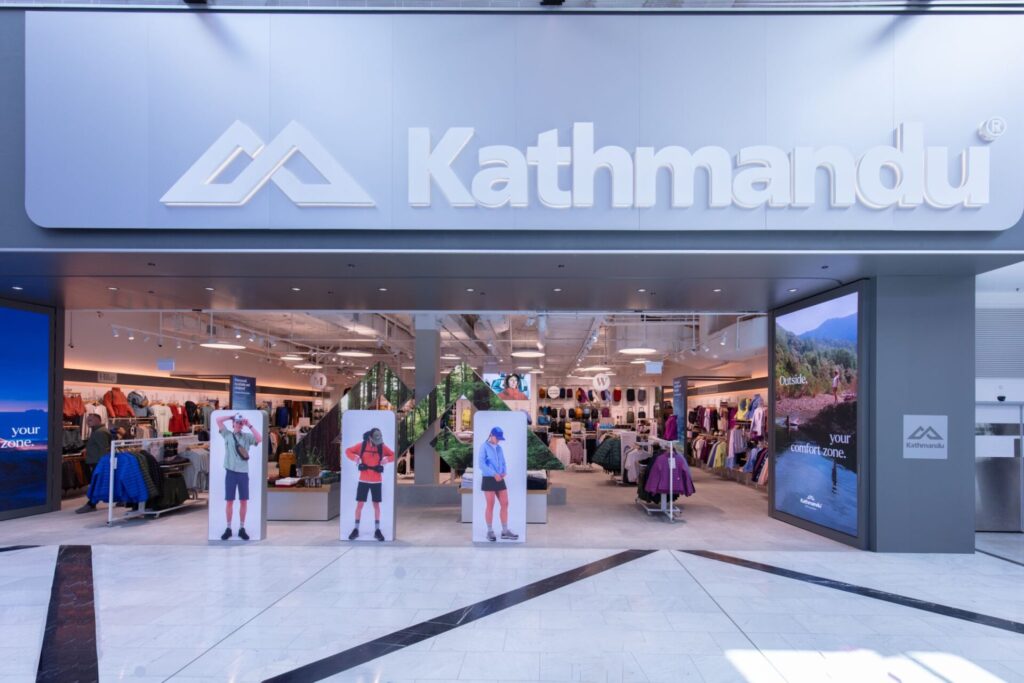
Nathan Bush: When did you last ask ChatGPT what to buy instead of googling it Now I know you are ahead of the game, but customers are there as well. They're not looking just for links anymore, they're asking AI for product recommendations. And if AI can't understand your brand, it won't recommend you. I recently teamed up with Studio Hawk, Australia's largest SEO and AI search agency, on a white paper called Chosen Not Clicked. It's built on 21 months of data across 100e commerce brands, breaking down what gets a brand chosen by AI, not just ranked by Google. You can grab the white paper plus their exclusive E commerce AI visibility toolkit and free personalized SEO and AI search master plan for your brand. When you visit Studio Hawk, add to cart. We've got the full link in the show notes. Go get it. It's pretty wild when you actually think about it. In E commerce, we're often asked to build a whole new house while making the existing house bigger and better at the same time. But that's essentially what a RE platform project really is. You're not pausing trade while you move across. You're still trying to grow the business, hit the numbers, run the sales, sell the product, all while shifting the entire thing to a brand new site. It's a really delicate balance and it's a lot harder than any project plan will ever make it look. I've lived this one myself. Years ago we went through a major RE platform off Salesforce across multiple brands, and the way that we got through it was that we took the whole team out to an old unused warehouse shed in the back of Brisbane. We brought in our agency partners, our IT team, our QA team, and we all just got through it together in one room. Now, the world's a little bit different now, especially when it comes to tech, and you may not need the shed anymore, but the principle hasn't changed at all. A project such as a significant transformation or a RE platform needs its own space and needs its own resources. You can't just squeeze it around the day job of E commerce Trading. And that's why I really enjoyed this chat with Craig Mildenhall. Craig's the GM of digital Kathmandu, and a year ago his team moved the whole business off Magento and onto Shopify plus in just four months, then went live in the middle of a flash sale, which their agency reckoned that they'd never seen done before. So let's hear it from Craig.
Craig Mildenhall: Our migration journey started one year and four months ago. We decided that you Know, it was time for us to kind of relook at our platforms both from a front end and back end. And we'd been on Magento for a while now, but it just wasn't. We were working against the system and tools versus working with us. So we went through a bit of a process with Rip Curl as well and understanding what does that look like and what does a foundation kind of need to be to help us accelerate at pace but also connect with consumers in a lot more of a regular up to date manner. So we made the decision to move to Shopify and we did it in four months. So that included the full front end, redesign, back end, which was yeah, a pretty crazy time. Lucky we had really, really strong partners that we work with from Dot Collective to Shopify to Searchspring to Yacht Pipe, all kind of bringing together to kind of achieve this goal within a four month period. The time frame was dictated because we wanted it to be in before winter sale, before our winter period basically. So that was really crucial for us. And then we launched right in the middle of the Flash sale at the time, which is pretty, which is pretty crazy. You're talking to the dock crew, they were like, I've never seen that done before. And it went like super smoothly and successful as well. So yeah, really great team obviously worked on it. But yeah, really exciting project to get that, that pace and also to that level. And then we've just constantly iterated and built on it from there.
Nathan Bush: So yeah, yeah, there's always bugs when you go live and I can imagine a sale period as well. Whether it's an SEO drop off or it's a little gremlin at Cart or a promotion's not working as expected. Anything major?
Craig Mildenhall: Nothing major, I think, you know, like anything when you look back the whole, we've got quite a big loyalty base. So our account structure and getting, when you're trying to get that many people to migrate across to a different platform comes with some challenges. And look, there were a few little bugs and things here and there, but nothing fundamental. You know, we switched over sales, kept tracking really well. We saw some really good growth post that launch as well. So yeah, I can't say anything drastic but just a few little things. SEO is obviously a big one. You naturally see that, but we've started to see that lift up quite dramatically since then. So yeah, I think nothing.
Nathan Bush: Oh man, congrats. Four months, that's epic.
Craig Mildenhall: Yeah, no, it was good. It was a lot of fun. You know, we had just big bell that we Would like ring every single time.
Nathan Bush: Come on, you got to show us the bell. You pulled it over for us before.
Craig Mildenhall: There's the bell, there's the Shopify bell. How epic does that look? Hey, mate, it's kind of modeled on the rip curl bells Beach.
Nathan Bush: Can you give us a ring?
Craig Mildenhall: Will it turn up or is it
Nathan Bush: sacrilegious to ring it if you haven't.
Craig Mildenhall: No, no, no. Everyone's looking in the office.
Nathan Bush: Sorry. If you're in the car and we've just rung a bell in your ears.
Craig Mildenhall: I think finance were like sitting next to us at the time and then became an exciting part of the project because every time we had achieve a mil so near the end of it, we were ringing that thing like anything. And you can imagine the day of launch, it rang pretty hard, mate.
Nathan Bush: So that's so good.
Craig Mildenhall: Just to create a bit of energy and excitement through that piece of work, which is huge undertaking as well.
Nathan Bush: Those little signals are so important. Exactly what you said, like an energy perspective. When you are going through four months of pain, it's exciting for everyone's excited, but they're running on adrenaline and there are tricks. Yeah, peaks and troughs the whole way through. So I love those little mechanisms. When you said front end and back end were obviously Shopify plus at the front end, what were the major changes at the backend that you integrated at the same time?
Craig Mildenhall: So we're on D365 as our kind of core ERP system. We didn't change that. I think the big piece was that we ripped out our old kind of system, which was a magenta Adobe that had just kind of had served a time. We needed a change and so we pulled that out and put Shopify in at the back end. We redesigned the front end so it had a full front end redesign of the whole site and how you experience the site. We changed from Salesforce Marketing Cloud to Klaviyo as well at the same time. So we kind of changed our whole CRM kind of cadence and what that meant as well. And then as you go through that, you know, it's like moving house, which I've done a lot. You know, you start to figure out we don't need that. We can restrict out that because a big part of what we wanted to do is just streamline our operations like any econ, good econ play wants to do. You know, you don't want to create friction. It's unnecessary. So for us, a lot of that unnecessary tools were just built like a complicated system over Time that needed to be stripped down and now Shopify is just, you know, as an evolution for the team as well because some of these guys have been working on Magento for 10 plus years. So going through that and how you bring a team on board of that is super important. So that was also, also fun. As part of that experience.
Nathan Bush: I was about to say it's a big change management exercise, especially for a public company. Like when we're in our world of E Comm and digital. When you say, oh, we're moving from Magento to Shopify, like we go, yeah, of course. That makes total sense. We probably don't even have to justify it. Did you have to do a lot of justifying to boards and leadership teams?
Craig Mildenhall: Yeah, there's a bit of a process you go through because it's not just us, there's Ripkill Oboz as well as part of the KMD group. So we to really work as a group to kind of understand is this going to help solve it? What is the benefits? Not just from an experience but a cost and all of that kind of went through that process with it. So yeah, that part took a period of time. But then once we decided to go, then it was all go and then, you know, then we ran at paces. As our project lead Rachel would say. It just. Yeah, then it got fun and then we just really got into the weeds and started to really build on it, which was epic.
Nathan Bush: I feel your pain there doing that in corporate. I spent three times as long in convincing and doing business cases than we did in building replatforming. So it is a process, it's important to do, but it can be frustrating once you get into building. That's the fun stuff.
Craig Mildenhall: Yeah, exactly. But once you, once you put it all on paper and you kind of showcase the benefits and what we were moving to, it became a no brainer in the end.
Nathan Bush: And it sounds like you were able to still make changes as you went. Like it wasn't like, here's the plan, we've got to stick to the plan. You said you were discovering little bits and pieces that you could move or change as you went. When you're doing a project as major as that, how do you balance sticking to the plan versus taking advantage of changing the plumbing while you're in the build.
Craig Mildenhall: Yeah, that was it. Because the way we did it, we split the team into two. So we had our Shopify crew that were just purely focused on that rebuild and then we had our trade crew which made sure the business because we were still running the business at the same time. It's not like everything just stops and you know, so we basically split the team into two and obviously there's a lot of combination and collaboration between the two, but that gave a real clear direction for each team. And then within the Shopify crew, yeah, we were very strong with our cliche, the MVP of what we wanted to launch with. And because we started the front end redesign a little bit before the Shopify piece because we didn't want to be restricted by what platform. So we had to kind of be a little bit more kind of rigorous in terms of. Okay, that will come later. That will come later. What are the core elements that the customer needs to. How's your PLP looking? Pdp the core parts of any great website that we needed to make sure with there. But obviously as you get through this, we can do that, we can do this and then something else will come in and we'll didn't expect that. You know, the whole our loyalty system is a huge beast and making sure that integrated well was. Was a fun experience as well because you know, the company we use is based in Europe. So all of that was a real fun exercise. But we had a date and we just stuck to it, you know. And I think and with that trade offs have to be made. But we were pretty close to where we kind of started from our MVP to what we launched with. And now then it's accelerated in terms of what we've been able to do in the last year since we've moved as well.
Nathan Bush: Yeah.
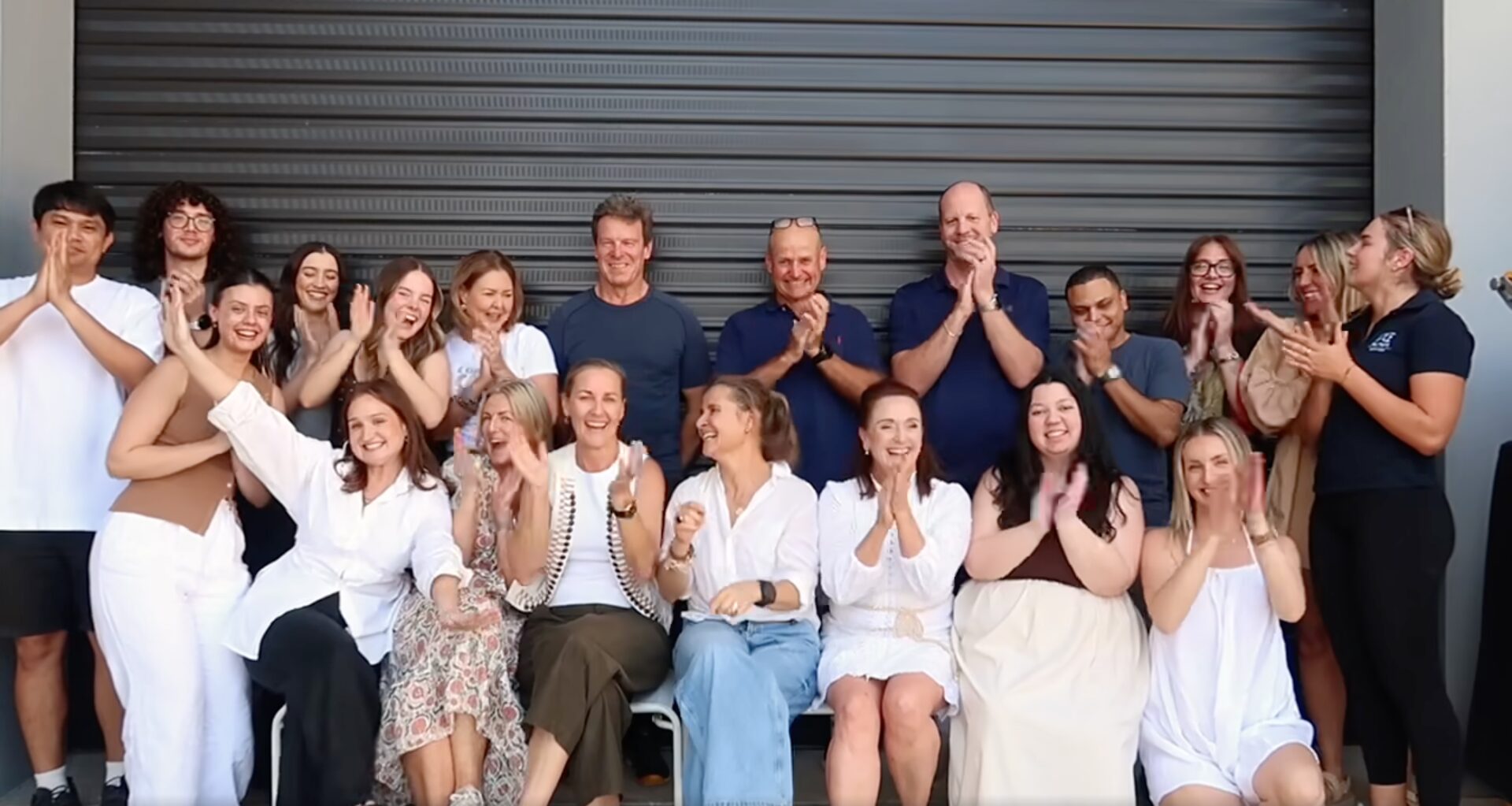
Craig Mildenhall: And a big part of it was bringing our development is all done with Dot Collective. So we brought them over and sat in the office for a few weeks and just was like immerse us as part of a team. Because as you know, partnerships are so crucial in these. So for them to be in the business and sit here with the team, it built that camaraderie early on. So when we're in the depths of like that didn't work or that we didn't see that coming, you know, you've already built that strongness so you can pivot pretty quickly as well throughout it.
Nathan Bush: It makes such a big difference to have those teams together because there's nothing more frustrating. When you're at the pointy end of a project and you're working with a development agency who might be amazing, but every little thing that comes up, it's like, oh, can you raise a ticket for that? Or put it into JIRA or whatever it is. And it's like, oh, is this slowing down? Can you just get together and talk this through? We'll be done this morning.
Craig Mildenhall: Yeah, 100%. So yeah, Jordan and Georgia, who are the key, the key points on the project. Yeah, they got really close to the team over that period. So no, it was a lot of fun. I think there's a great team here. So yeah, that also helped.
Nathan Bush: What Craig's describing, there is obviously a huge success story for a Shopify launch, but it's a scenario that you can find yourself in whether it's Shopify or any other major tech development in eecom. Creating the exciting new project while keeping the existing business running and growing and making money is really hard. So let's go back into the archive and hear from a few others who have been through it and the lessons that they'd share. If you're going down the same path. So where do you start? The honest truth is that it's really hard to have the headspace to do both projects and operations at the same time. Building a shiny new tech and running the current business pull in completely different directions. So before you even kick off, have a think about splitting the team into two crews, or at the very least carving out dedicated time and space where people can be working on one or the other. Obviously you want them to collaborate whenever they can, but the boundaries around ownership and priorities blur really quickly when it's the same people trying to do both the project and the operations. Lou Kendall's approach at leeuwenhyde was a very nice version of this. Rather than splitting the team, she chose to resource up. She brought in dedicated people just for the project.
Speaker C: We actually hired an external person, a third party, someone we'd worked with before in other agencies who was now independent. That was the game changer. She was our project manager and this is what I love about our team. We sit down, you think about it. It has to be strategy about what you're doing. Let's get our ducks in a row. Who's involved? What do we want? So over that three week period, there were four people involved. You know, there was the build. Those two positions could have been done, outhouse could have been done. But we needed to customize it for us. We had smart people within the team. Not only that, the process, that over the four month period, it meant that we had two people in house who knew exactly how this was built.
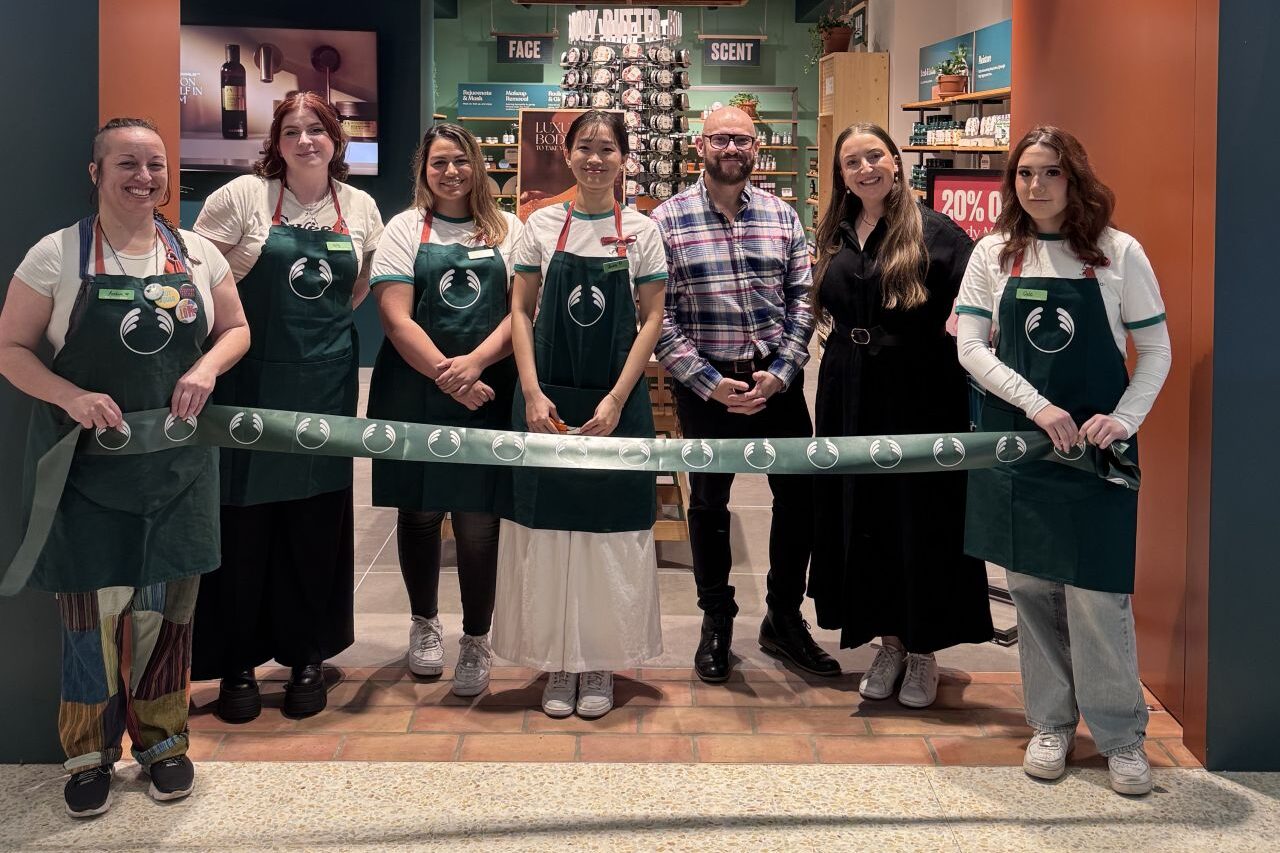
Nathan Bush: I think there's a lesson in that that we sometimes miss. In retail. We can be a bit hesitant to bring in outside people, especially to come in and major and important projects like this. But when you look at the money that's already sunk into the build and the benefit that you're expecting on the other side, that window of getting it live is so critical that the extra investment in resourcing it properly is almost always worth it. So don't be shy around bringing in help to make sure that project is successful. The next thing, and this is the one I have to remind myself of every single time, is that what you go live with does not have to be perfect, it just has to be better than what's there today. Your website is the baby that you never stop feeding. What you launch with is not anywhere near what you will have in six months. So don't get too attached to what it looks like on day one. Craig's team were ruthless about this. They nailed down the core that the customer actually needs when they went live. The category pages, the product pages, the checkout and everything else went on a later list. Kira McLeod Fink put this really well. She replatformed the whole body shop business here in Australia onto Shopify in about 90 days. So she had to be brutal about what to hold onto and what to let go of for launch day.
Speaker C: Right. So sometimes you have to push against an idea and try and bend it to your will and then other times you're just like, you know what, what are my priorities? Like, what have I got to get done and what am I willing to let go of in order to achieve what we need to achieve? And we knew that this is like
Nathan Bush: they just were choices that we had to make.
Speaker C: So, yeah, it's bumpy, it's bumpy, but that's okay. So we're human beings and, you know, we're. I think what you, you know, what people love about us is we are that sort of, we are organic, we are natural. It doesn't not have to be perfect.
Nathan Bush: And that's the mindset right there. Pick the pain that you're willing to accept, try and hold onto your go live date and let the rest be a little bumpy. It's never going to be smooth. It has to work, obviously, but it just has to be better than today and the last one. And I'll be honest, this is one where I get a little bit ranty. I'm pretty well known for not following the rules when it comes to tickets and queues. I get why they exist, I really do, but a ticket is often not the way a project should run day to day. They're the bane of my existence. It often gets in the way of fast movement. The best collaboration nearly always happens in person. And on a good project, the ticket becomes the record of the outcome or the decision or the next action, not the way that you communicate to get there. Craig sat his agency, DOT Collective, in the Kathmandu office for weeks just so the team could turn around to each other and solve things on the spot. Sylvan Bard, who leads e commerce and tech at the clothing brand Gander, described what that kind of partnership actually gives you. His point is that a good partner isn't just building what you ask for. They're collaborating with you to tell you the things you didn't know to ask. Because they build websites every day for a living and you don't.
Craig Mildenhall: Having Convert in this process is hugely important for us because they are the guys that kind of can say, okay, well this is what your design team wants, but this is also what you want from a process flow behind the scenes. And here's the piece of technology that's going to allow us to make that happen. We've been very happy with our relationship with Convert. They truly have been true. Not just kind of business partners, but business advisors for us in terms of
Nathan Bush: where we want to go.
Craig Mildenhall: When you have that trust in those advisory roles, that goes a long way. Because we do fashion on a daily basis, we don't necessarily do websites on a daily basis. And so we're dependent on Convert to say, hey, you know, well, maybe have you thought about this? Or have you thought about that?
Nathan Bush: To me, that's the difference between a partner who raises the ticket and lobs it over the fence to one who says, hey, got an idea? Have you thought about this? One of them follows the process, but probably costs you weeks in back and forth. The other helps you solve the problems in the best and quickest way possible on the spot. So let tickets be the paper trail, not the conversation to get there. So if you take one thing from this, it's that a re platforming project is a people problem as much as a technology one. The platform is often the easy bit, keeping the business trading and growing while you're building the shiny new tech. That's the real job and you can't just wish it into happening. You have to be very specific and resource the project appropriately so the business can keep trading while the new build is going on. Don't expect some magical miracle where the same people hold the same numbers up and squeeze a major project into the side of their day jobs to get live. It doesn't work like that. Be deliberate resource it properly protect the trade and give the project the room it needs to breathe and be successful. If you're staring down a migration or you're trying to work out how to keep trading right while you're doing major tech projects, that's exactly the kind of thing E Commerce teams are working through in the Add to CART community. And every day it is free to join. And we would love to have you in there sharing your war stories of all your major tech developments. Head on over to add to cart.com to join up and join that conversation. That's it for the Playbook. Good luck in your projects. We'll see you again next week.