Natalie Wakeling: I think people thought I was insane selling plus size jeans online. I need a psychology degree as well sometimes because there's so much emotion around shopping with women. You still today cannot open up an Elle or a Vogue or any of our magazines here in Australia and just see even one page dedicated to dressing over a size 16. So it's such a missed opportunity for Australian brands. Australian fashion, our growth. Welcome to Add to cart, Australia's leading e commerce podcast that Express delivers all
[Voiceover]: you need to know in the fast moving world of online retail.
Natalie Wakeling: Here's your host, Joanne Huey Miller.
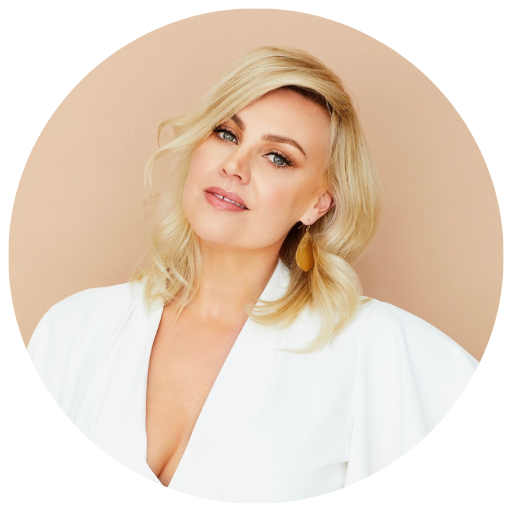
[Voiceover]: I'd like to acknowledge the traditional custodians of the land I'm on, the Gadigal people of the EORA nation. I pay my respect to their elders, past and present, and I extend that respect to all Aboriginal and Torres Strait Islander people listening today. Hi everyone, it's Jo here and I'm so pleased to be back in your ears again. As you know, I'm a guest host on Add to Cart each month and I'm a huge fan of retail. My regular gig is working at retail strategy agency the General Store and prior to that I was managing editor at Inside Retail for six years. Years. Today I'm chatting with a particularly glamorous entrepreneur. What were you doing in the late 90s? If you were anything like me, you were probably chatting with your friends on ICQ and listening to the Spice Girls. Well, my guest today was involved in much more fabulous pursuits, namely making her mark as Australia's first plus size model. Natalie Wakeling landed her first editorial spread in Cosmopolitan magazine in 2000 and since then she's worked with every major Australian fashion title, plus size brand and large retailer. Her own struggle as a teenager to find cool fashion that actually fit led her on a crusade for size inclusivity. And in 2006 she launched her own plus size fashion label, Embody Women. In our chat today, Natalie shares the surprising stats of the plus size fashion market, her trust policy with returns and the journey she's taken to acquisition. Natalie is also offering 20% off@Erodiewomen.com for this week only, so don't miss that code at the end of the chat. So, thanks to our partners, Shopify plus and Signet, here's our conversation with Natalie Wakeling, founder of Embody Women. So, Nat, before Embody, you were actually Australia's first plus size model in the 90s, is that right?
Natalie Wakeling: I know it feels so long ago that not much has changed.
[Voiceover]: Let's talk about that. Back then, size inclusion wasn't really on the radar for the majority of the industry back then. So I would really love to hear about your experiences as a model when it came to being dressed by brands and being booked by clients as well. Can you tell me about that?
Natalie Wakeling: I think I need to start right at the beginning. So right at the beginning there was in Australia, BGM Models. Now BGM Models were the very first plus size agency ever opened in the whole world. So that's how far ahead of the game we were. Back in 1997, I think she opened. I happened to come on the scene around the same time as Sophie Dahl. Do you remember Sophie Dahl?
[Voiceover]: Yes, I do, I do.
Natalie Wakeling: Roald Dahl's daughter. And she did the big OPM campaign and that really opened the world up to the opportunities of seeing a fuller figured model. And it was quite shocking if you don't remember. There was quite a lot of media around that campaign. So it was just worlds collide timing. I always struggled to be a thin model. I gave up on being a thin model and pursued my dream of becoming a makeup artist, which this still kept me very close to the industry, funny enough, and therefore led me to be around a photographer that happened to be working with BGM models. And he said, listen, I think you should be a plus size model. And I'm like, what? That's just so weird. And I was actually a little bit offended.
[Voiceover]: Right.
Natalie Wakeling: Went and saw my agent and things moved really quickly. Within a week, I'd gone and seen Deborah Hutton from Women's Weekly magazine. I did my first shoot with her within a week of signing. And then it was all Cosmopolitan because Mia Friedman became the youngest ever fashion editor of Cosmopolitan. She was really mixing up the game. Went to this massive casting. I was the only probably 19 year old that was a size 14 there. And she was just like, oh, oh, oh, oh, we love you. Okay. Your book just all happened very quickly. And then that was the start of plus size models being used in mainstream fashion editorials. I worked for Cosmo for nearly a decade and they were religious in having the Body Love issue every month. And then this opened up opportunities for people like myself that then expanded into fashion to have their clothing featured in some beautiful editorial where, I mean, at that point I'd been working a long time for lots of brands like David Jones and Maya. And the styling, I looked about 55. I want to show you one of the photos from back then wearing a big moo moo. I actually look like I could be my own grandmother. So the styling around plus size fashion in Australia has changed. The growth within the high fashion element has just disappeared. It's quite bizarre. So we have women that are more in tune with their bodies, they had the money to spend in this demographic. Yet you still today cannot open up an L or a Vogue or any of our magazines here in Australia and just see even one page dedicated to dressing over a size 16. So it's such a missed opportunity for Australian brands. Australian fashion, our growth, just everything. Just give you some little fun facts. So the current ABS data is the average woman is a size 16 to 18. So 67% of women in Australia are regarded as plus size and only 6.3% of retailers sell plus size. So is that mind boggling?
[Voiceover]: Missed opportunity?
Natalie Wakeling: Completely. And we've had a 4.8% growth year on year since 2017 in the marketplace. So there's a lot of money that's just floating out there, not being able to spend in our fashion categories.
[Voiceover]: Yeah. Well, I did want to ask you a little bit about what it was like shopping as a consumer back then, and what was it like for you when you first began as a model? When it came to shopping for clothes, how would you describe the retail landscape back then?
Natalie Wakeling: Well, that's how embodied women was born. Because a size 14 and I was a teenager, 16, 17, I'd have to go to the menswear department to buy my jeans. So the whole concept of young women having to shop in a men's department, you can imagine what this is doing to our heads. I'd struggled with bad body image ever since I was probably about 10. I can remember trying to not eat from a very young age, from the age of 10, because I knew my body was bigger than the other girls at school. And I come from a fashion background. I've got three older sisters. My mum owned boutiques growing up in the 90s too, with the supermodel era. So fashion wasn't. Shopping wasn't particularly fun for me as a teenager. And then I had this moment of trying to get into a pair of Sassan Vibe jeans and I literally had the biggest tantrum and I am like, that's it, I'm done if I can't buy a pair of jeans. And I wanted Sass and Vince so bad. Couldn't be to them because they're little zip. That's when I'm like, damn it, I'm just gonna go and start my own denim label. I didn't have too much research behind me, but I knew as a woman, I was the only research I needed because If I knew at a size 14 I couldn't get a pair of jeans to fit me. Where were the size 1820 girls going? They were nude. They were walking around nude.
[Voiceover]: Yeah.
[Ad]: Shopify have put together their version of the Australian E Commerce Avenger. Ten E commerce experts, including me. Unfortunately. I think I'm the Hawkeye of the group to give you tips on how to set yourself up for success this year. You'll even recognize some of the contributors from past add to cart episodes. Mark Bartzer, Kelly Slessor, Paul Waddy, Lisa Jones and more will share tips from how to create great discounts, how to boost conversion rates, optimize email and sms, even use AI to drive sales. It's all in there. I share how to set up your team for success. I can guarantee you will take at least two to three tips that you can use to optimize your sales this peak season. So put on your spandex and join the E Commerce Avengers with Shopify's free peak season playbook. Download it at Shopify peaksalesseason2023 or just follow the links in the episode show notes from the device you're on.
[Voiceover]: I remember that Sasson Bide era as well. It was all about the hip hugger jeans and it was all about the ass crack. Yeah, it was the ass crack era. All low riders. I remember that.
Natalie Wakeling: And the hip bones, like you had to have the right kind of hip bone to wear them. It was just, just, just bizarre. Even when I think of the fashion stories from that era now, there's things that they could even say and do back then we just couldn't get away with now. Yet we haven't had the progress as I said in our certain categories. We have certain boutiques that have extended like seed now offer a size 16 witchery go up to a size 18 or 20 in store. I've noticed they've released beautiful plus size mannequins in the window. There was no big flashing lights saying we have plus size in store. It was very elegant. I think the way that they executed that. We have Sherrid and Taos who had just a size 1416 models in their window in their marketing. So it's being fed very slowly. But again we're just not seeing a whole new breed of I think designers coming out of design school that are being taught the value in offering extended sizes.
[Voiceover]: Yeah, I think there's a lot of skill as well, knowledge training that's required on that end of things too, right?
Natalie Wakeling: Exactly. You can't just grade everything up you need allowances for armholes. You need to understand having a bigger bust. You've got to have lived it. I really feel it's one of those things you have to have dealt with a changing body from teenager to becoming a mother or going through menopause. You need to understand the life cycle of a woman's body to be able to design well.
[Voiceover]: Yeah. There's an incredible US label, I'm sure you've heard of it before, called Universal Standard, which does amazing things in terms of diversity, inclusion. It's probably one of the most diverse brands, size inclusive brands in the world. The largest, widest size range. And what I love about them is they're very open about collaborating with brands and teaching brands about the system they use in terms of grading, in terms of tailoring, in terms of pattern making, so that they can also take those skills and then better cater their customers as well.
Natalie Wakeling: Which is amazing. And I do feel that's. That is one beautiful thing that you find amongst the plus size, size inclusive independent designers in Australia. We're all very close knit and we all want to see each other succeed. So because we're so small, there's only a few of us, we really need to band together. So I think what they're doing over there on that level is obviously huge. But again, teaching that value in our universities and design schools on levelling up your sizes because women are only getting bigger as well. We're generally not getting smaller. So I don't see why it's such a big deal to even just you, come on, let's just stretch it even up to a 20. And I know that's still not good enough for the ladies out there that are above a size 20. And even with M my, you know, it's not my brand because I sold it, but I'm still working for embodied women. As you know, when it was my brand, when I first begun, I went size 8 to 26, which was huge. Back then, nobody was really doing that. I think people thought I was insane selling plus size jeans online.
[Voiceover]: What?
Natalie Wakeling: That was launched in 2007. So people like Victory and those big brands, they weren't even online at that point in time.
[Voiceover]: Wow.
Natalie Wakeling: So plus size consumers are very savvy. They can sniff out things online and how attuned their eye is. Like, even when they're driving, if they happen to see a dress that they know is cut in a certain way, you'll almost see them just stop, park the car, just get out and run. Because I had a boutique at one stage in Balgala and women would travel. The dedication to women in the plus size market is incredible. They will travel far wide. Just to even have an experience in a boutique is so rare as. As you'd even know if, like even As a size 10 or 12, you walk into the big department stores and they're usually the first sizes that are gone.
[Voiceover]: Yep, I hear you. I hear you. You talked a lot about how important it is for training and for students to understand how to cater to a wider size range. But for a woman who didn't come from fashion design school to then launch 8 to 26 online and you didn't have a business background, I know that your family did, that's massive. What was that journey like to launch your own business?
Natalie Wakeling: Crazy. I also had children, so I had my first baby at 20 and my second child at 25. So. So it was actually after I had Oliver, my second baby, that that's when I was like, I've got to do something about this. And in my mind I thought, my modeling career's over now. I've had two kids. I'm 26, I'm old. Better get a crack on with this. Dragged the kids to warehouses. They would come to the trips with me to see supplies. It was not fun. There was weird breastfeeding moments. Like it was like hell. Actually, I got ripped off, completely ripped off by my first manufacturer because I was so dedicated on being Australian made, which 98 of our product range is still manufactured here, I would like to mention. So I don't know the confidence I had, I don't know because if I had to go back and do that now, I don't think I could do it. But I could see what we needed. And it was a real fire and a real passion for me to bring that to the marketplace. And I launched with four different very body types. And that was my basis. I threw the rule book out because I knew some women weren't Barbie. Some of us had a thicker waist and had no bottom at all. So that's what I launched with these four very different denim styles that weren't cut from the same pattern. And it was costly. My waistbands were thicker than usual because I knew we needed a little bit more comfort around our waist. And I didn't want to go cheap on any of the trims either. So I guess that's a testament as to why the brand lasted so long. It survived gfc, it survived Covid, and eventually I was able to sell it so that the brand can grow further.
[Voiceover]: Yeah, well, let's talk about the sale because that is quite an achievement. So congratulations on that.
Natalie Wakeling: Thank you.
[Voiceover]: Tell me about the journey towards acquisition. Like, why did you decide that it was the right time for you?
Natalie Wakeling: Because of the growth within our social media marketing and how important that is for any business now. The amount of money and time that I was dedicating to Facebook ads, Google, all of that was just so tiring and I just couldn't do it all on my own anymore because it's always just been me and a small little team and I was tired, I was tired and I just, I just didn't want to shut the brand either because that would be devastating. So that's when I thought, you know what, I'm just going to put it to market, see what interest I get. And the brokers were correct. They said, look, it'll probably take three to six months to get a sale. We'd negotiated within four. And the two new owners are successful young people, both within their own industries that happen to have their own digital marketing agencies. So the partnership seemed just perfect because I still get to keep my dream job and they get to learn my skill set that I do not have to worry about the SEO, Google, all of that stuff. Shouldn't say stuff, but you know what
[Voiceover]: I mean, it's just like I do, I do.
Natalie Wakeling: It's very hard to keep up with and even people that own their digital marketing agencies, it's just exhausting. So that was the big decision. I just didn't want to have to shut it because I was tired. I was very tired. I hear you, I hear you.
[Voiceover]: So what's your involvement now in the business?
Natalie Wakeling: Creative director, designer.
[Voiceover]: Oh, nice.
Natalie Wakeling: All the fun stuff, typically, which is where my passion is, which is designing beautiful clothes for women with hips and curves and trying to resolve our, our issues with just trying to get dressed in the morning.
[Voiceover]: So where would you love to see embody go in the future?
Natalie Wakeling: I would love for us to have a bricks and mortar store where I could do one on one styling sessions with women, get their confidence back. Because a lot of curvy women don't have the opportunity to go into a store and get treated with a little bit of time to learn how to style garments. I'd love to go back into that arena and be able to just make women feel amazing and walk out of the shop and know that it's not going to be a drama to get dressed for work every day of the week together. Their capsule wardrobe. No, they're not going to have to go out and buy a new wardrobe every season because I'm very much about supplying classics as well. We shouldn't have to be going out and buying something new all the time.
[Voiceover]: Yeah, well, I definitely know in terms of any fashion, really fit is everything. But especially if you have been an underserved plus size customer and you've been burnt many times, you're quite hesitant when it comes to trusting new brands. So when it comes to online retail, can you tell me about the ways that you sort of helped your customers online to find the perfect pair of jeans?
Natalie Wakeling: So initially it's very old school, but back when I first launched, it was all very much about the body shape, the pear, the apple, identifying your body with the piece of fruit. Basically we had that kind of model, whereas now it's a little bit more complex where we're very hands on with our customers. They send us their hip, waist, bust measurement and we still ask them to send us their measurements before we send a pair of jeans out, just to make sure, because we want the transaction to be as seamless as possible. A few things even, like the fact with our exchange policy, we don't require the customer send back the pair that doesn't fit. We have complete trust with our customer, we will send another pair out before we receive the exchange. Always have, always will. And I can tell you, I think I've only ever had one pair not returned in 18 years.
[Voiceover]: Wow.
Natalie Wakeling: So that whole experience of offering a really quick seamless exchange process, trying to not make it a hassle, because it is a hassle. No one's got time to run back and forth to the post office and just giving women the confidence. Because our tagline is your size does not define you. I hate having a size tag in anything because, as you know, some jeans have 30% stretch, ours only have 2% because I value the quality in our product. So we want it to have a long lifespan. So you put on a pair of jeans from just say a chain store that has 40% stretch, you put on a pair of jeans from Embodied women that has 2%, the fit is going to be very different. You're going to have to wear that jean in and wash it and love it a few times. You're not going to have that instant glove sensation because you're wearing stretchy poly plastic, essentially. So it's educating our customer that please don't look at the size label, if it fits you or you need to go up a size. Who cares? Who cares? In the big scheme of things, you might be a size 16 at Suzanne Gray. And you might be a size 18 and embodied women. At the end of the day, does the garment look beautiful on you? Do you feel confident? So it is actually educating women. I think I need a psychology degree as well. Sometimes because there's so much emotion around shopping with women, we take all our bags in, you know, emotional and otherwise emotional bag. We expect that dress to just fix our problems. So I hear you. Yeah. We've really tried to make the whole process of finding something that's very difficult, which is a pair of jeans, as easy as possible. Yeah.
[Voiceover]: I have to say there were a good few years in my life where I actually avoided buying jeans or wearing jeans because I found the experience really demotivating, humiliating. And I think as well as women, a lot of the time, you think the problem is with your body.
Natalie Wakeling: It's not with the clothes exactly. Unfortunately, in fast fashion, they're not making allowances. For some women that have a thicker waistband, a thicker midsection. Everything's just cut off the same block and graded up. Even myself. I went into H and M doing some market research and thought I'd try on their curve range, put on a pair of size 16 jeans that I thought looked really cool. Actually, I couldn't get the waist up over my hips, and that's not even the widest part of me. So again, it's this whole very old standard sizing that women essentially are all hourglass, which we're not.
[Voiceover]: Yeah. Can you tell me about the embody fit system?
Natalie Wakeling: Yes. So that's new that we're launching, and we're hoping to get some, eventually some AI involved on the website, so women can actually get their body scanned, and then we can essentially tell you which style suits you. The embodifit system is where you can email us your measurements and our stylist will get back to you with a personal recommendation on what Gene best suits your body shape. So it's a personalized service that we offer that it's not the computer, so to speak. It eventually go down that line, but at the moment, we take pride in still being one on one with our customer. Yep.
[Voiceover]: I feel like customers still love knowing that there's somebody behind the computer as well. Right. Like when it comes to offering that customer service. So it sounds like you guys have definitely got that sorted.
Natalie Wakeling: In that case, I must say, our customer service is pretty fabulous because we get great emails. Annalise, who is our internal stylist and warehouse manager, she is all across that. That's her job in the Warehouse. She knows the product forwards, backwards and when you send in your measurements to her, you're dealing with her. So it's a really nice feeling. Yeah.
[Voiceover]: Well, speaking of customers, can you share with me some of the most interesting sort of insights or lessons that you learned about your online customers and what they actually want from a shopping experience online?
Natalie Wakeling: They want to be heard. They're not being heard when they're going shopping and brands think that they know their customer and they're throwing all this imagery and marketing out there, which is still very, you need to be young and thin and a little bit off topic. But even when it comes to the age positive movement, which is fabulous, we're seeing so many beautiful gray haired, normal women that just look their age. They haven't had a lot of plastic surgery, which I think is really beautiful. Again though, you're not seeing very many plus size age positive women. So we're still yet to break that stereotype. So again, I think it's having the right message towards your, your customer. I don't think we should try and pinpoint them into a box. You know how we have our own internal stats. Oh, this is my demographic. She's between 28 to 50, we know that, but that is changing all the time. We've got a lot of young women now that are going to the gym a lot. Their body shape's changing, they seem to have a lot more money. I think the bank of mum and dad is flowing and they're really, really clever. I must say the younger generation of women are so smart when it comes to brands being eco conscious and their footprint and understanding what they're buying, they're so on top of it. So if you're not giving the customer a beautiful, sustainable story now she's thinking long and hard about whether she's going to make that purchase and we're all a little bit more inclined that way now, I feel. So don't think your consumer doesn't really shop without making some really educated decisions, I think, and not putting limits on our customers. I mean, I had, I remember having this woman that was probably 89 come into my boutique and she was fabulous and she was willing to try on my flared jean. And I just remember thinking what a groovy woman. Like she wasn't like, oh, I'll just wear the plain straight leg. No, she's like, ah, give me that. And she was open to having them hemmed because she was quite tiny and petite. So having that predisposition to thinking that we know what our customers Want all the time. I think we've got to keep an open mind and be willing to experiment and make mistakes. It's the only way you learn as a brand. I think.
[Voiceover]: Yeah. I feel like as well there are still demographics that aren't catered for in terms of size diversity. So when I look at even I've got a teenage stepdaughter, she's more of a lady size 12. But I actually found that the sizing for kids, for teens, for tweens is so limited.
Natalie Wakeling: Yeah. Yes.
[Voiceover]: You know, it's very strange.
Natalie Wakeling: I had this conversation yesterday.
[Voiceover]: It's very strange. So much more work to do.
Natalie Wakeling: Same thing with my friend. We're talking about fashion for boys. How again, it's all very skinny. Like the pants are so tiny. And I'm like, no, no. Size 8 Australian Boy can probably fit into the size 8. So again, the messaging that we're putting on to our children at a young age is that they're all too big. Yeah, yeah. That's another whole issue, isn't it? Particularly for women when you're transitioning from a girl to a woman. I do feel that age bracket 12 to 15 is so difficult. It's so hard.
[Voiceover]: And I think as well of the men's plus size category as well. There is just so much space for growth there and they're being so under catered for too. I just think it's crazy really.
Natalie Wakeling: I'm not quite sure how to fix the problem, but all I can see is if you know there's always going to be little brands that will pop up and try to fill some niche. But I do feel it definitely has to be something that's integrated into our fashion schools at a grassroots level and teaching them the value of offering this extended size range not just for our mental health, but they're missing out a huge chunk of money for their business. These women have money that they want to spend it. The problem is they're going and buying shoes and accessories because that's all they can fill the void with.
[Ad]: If E Commerce brand names were on par with band names, this brand would be the equivalent of Led Zeppelin. Deadly Ponies is a luxury bag brand with the coolest name going around. But here's the catch. They're not killing anything. They're saving the world by making their packaging 100% recyclable. Using Signet's eco friendly solutions such as the Honeycomb Mailers and Giami Honeycomb Wrap, their packaging is now 100% curbside recyclable. In E Commerce that's very rock and roll. Visit signet.net au to browse the range and contact the team to find out how their packaging solutions can help your e commerce business.
[Voiceover]: I've always thought it was crazy as well that even the brands that do stock larger sizes, extended size ranges, the women that they put in their marketing campaigns are still smaller. So if you are of a different size and you don't even have to be like a size 18 or 20, but say a 14 or a 16, you're not going to know that you're being catered for because you're not in the campaign. I just think that's crazy.
Natalie Wakeling: I know that was a really big issue for me. Even when modeling, I'd be booked for the internal lookbook that went out for wholesalers. But my image was never used in any of the advertising campaigns, which made no sense to me because I'm like, this is bizarre. So it's quite obvious this product is selling through really well in a wholesale level in the shops. But they weren't showing it online. And to me it felt a bit like, oh, we're a little bit embarrassed to be offering the plus size because we don't want to offend our smaller target audience. I don't know, it's. It's an attitude problem, really.
[Voiceover]: Yep. So on another note, I think the last time I actually saw you in person was when it was Fashion Week and you had just come off the Runway. Your brand had just the Runway.
Natalie Wakeling: Yes.
[Voiceover]: Tell me about that experience. What was that like? Seeing your brand at Fashion Week was so exciting.
Natalie Wakeling: I didn't get to see any other shows that week, but apparently it was the highlight of that week and everyone wanted to have the ticket to that show. And given we copped a lot of flack because it didn't have the high end fashion element. But us designers, we only had five or six weeks to put our collections together for that Runway. So it's not like we had months and months of advance notice. We did the best we can. But even so, it was such a milestone to show that it could be done and it could look beautiful. It could be done well if there were buyers there for us, who knows, you know, it's just we just don't have the buyers here. We don't have enough people that again, still see the value in bringing in some plus sizes into their stores. So hopefully the message was, it can be done. It's a lot of money to put on the show. As you know, I think that show alone, they cost Bella management $120,000 or something. So it's not something a lot of small brands just have laying around.
[Voiceover]: I do remember though, the some of the conversations that happened during Fashion Weekend and the lead up to it when it came to the Curve show because there was some discussion around why these plus size pieces weren't included in runways, why it had to be a separate show as well. I really want to hear from you what your take is on that and where you see sort of plus size fashion going in the future.
Natalie Wakeling: So, one, you have to be accepted. So it's like anything. You can't just put your head up and go, I want to be in Fashion Week. And they let you in the process. One is you have to apply. To apply. You have to have a very strong brand, very strong message, a strong commercial image, and then you have to have the money to get in to produce your own show. And it's just not as easy as people think it is. So, unfortunately, there may be a lot of plus size brands that do put their hand up and apply, but they're just not getting accepted because Fashion Week has its own image to protect. And the reason why our show was independent was because Bella management paid for that show themselves and had to submit Australia's top six independent plus size designers. And that's the only way that show happened. So there was no other opportunity for even me, myself to do a standalone parade if I wanted to. Just because, again, money and maybe Fashion Week didn't want me there on my own. You know, they're worried maybe what happens if nobody came to my show, although I doubt that would happen. But I can understand from a business perspective they have Fashion Week to protect. So it's, again, it's a matter of us brands continuing to elevate plus size fashion, make it look beautiful, make sure the models and the talent and the styling and the photography is just as good as any other major brand. I've always tried very hard and went for broke to make sure that my imagery was as good as it could be for being in the plus size market. I never wanted it to look slapped together, use good models. We have to try so much harder as well than other brands, because we've got so much more to prove that we belong here in this space and in the future.
[Voiceover]: Where would you like to see the category go? How would you love to see it evolve?
Natalie Wakeling: Oh, look, I definitely feel if Fashion Week were to open up a category or a spot for two or three brands to showcase every year, it would build momentum and Again, you'd have younger designers going, well, I'm definitely going to be a part of that. We've got a strong body, positive movement now. We've got a lot of people in the media now that are coming forward that are over size 14. We've got celebrities that are oversized 14 and want to see beautiful, high end fashion. So I feel like I just need someone to take the risk and go, okay, we're going to open up these two little spots for you guys to showcase your collections, get the buyers in. And once the buyers see the value it's on the floor, see it sell through, it will start to grow. So one fashion week, two. I don't know if there's a lot of support, support externally. So when I say that, I mean like our media and our fashion magazines, we're lucky to get one main editorial probably once a year. So I still don't understand why the magazines can't just have one page that's dedicated to offering Curve fashion.
[Voiceover]: Yeah.
Natalie Wakeling: Or showcasing her fashion. I think that will help the growth too, because women are still stabbing around the dark. Where can I go and buy good T shirt in an extra large? You've got to go to the Internet and then wait and search and hope it fits.
[Voiceover]: If you could give advice to any fashion brand who wants to become more inclusive, what would it be?
Natalie Wakeling: Start small. You don't have to make this big hoo ha change that. We're now doing extended size plus size. Just drip feed it into your category, even slowly. Maybe it's. Let's just start with our dress category. Let's just start pushing that up to a size 20 and see how we go. Something is better than nothing. And I feel a lot of them get overwhelmed and feel we can't do this or what Are our smaller customers going to think that now we're offering plus size in store and most women want to see other women succeed. So I don't get offended if I'm in a shop and There's a size 20 woman next to me and I don't get offended if there's a size 8 woman. So let's just get rid of that attitude that we're going to offend our customers. And yeah, just start small. Just start introducing into little categories and test the market and see how well you do.
[Voiceover]: Yeah. And just before we wrap up, Natalie, what's next for you?
Natalie Wakeling: Look, I'm so happy just be doing this portion of work now and not have to have my business brain on 24 hours a day because it's been a lot like it's been 18 years of raising children and a business and having to continually grow. I think I'm actually ready to just have a brain freeze, like,
[Voiceover]: I don't
Natalie Wakeling: know, have a holiday. Yes.
[Voiceover]: Well, it's like your baby, isn't it, really your business? So big journey together.
Natalie Wakeling: Yeah. So I'm pretty happy to be in this space where I still get to be involved on a creative level and still be doing something I love. So at present I'm pretty content. I don't see myself rushing off to go and start another business anytime soon. So, yeah, it's just enjoying the little things now.
[Voiceover]: And lastly, if our listeners want to get in touch with you, what is the best way of doing that?
Natalie Wakeling: My Instagram, Natalie Wakeling. They can send me a message. I generally get back to most people through message or email. That's how they can contact me.
[Voiceover]: Brilliant. Well, thank you so much for that, Nat. I can't wait to see what's next.
Natalie Wakeling: Yes. So we will have a new collection coming up soon. So that's always exciting having something new to offer.
[Voiceover]: Yeah.
Natalie Wakeling: So stay tuned.
[Voiceover]: Oh, beautiful. Thank you so much. Thank you so much, Nat.
Natalie Wakeling: Thank you.
[Voiceover]: Bye. I hope you enjoyed listening to my conversation with Natalie today. Here were some of my top takeaways from our chat together. One, Natalie's dreams of being a model didn't work out at first and so she sidestepped and became a makeup artist so she could stay close to the industry she loved. So smart. It ended up paying off when she was scouted by a photographer. Two, Natalie's policy to send out new items before receiving the exchange garment back shows a real commitment to customers and mutual trust working at its best. She's only lost out once in 18 years. And lastly, like most things, inclusivity begins with a first step. If you're a fashion brand who'd like to represent more sizes, Natalie's advice is to start small. Drip feed it into your category, perhaps just in one garment style and test it out if you're looking for a pair of jeans, a frock or a jumpsuit for that Christmas party, Natalie is giving us 20% off@embodywomen.com with the code ATC podcast. It's just for this week though, so don't delay.
[Ad]: Thanks for joining us today on Add to Cart to listen to all our e commerce conversations now in the hundreds. You can head on over to addtocart.com there you can also join up to our free private Slack community to share e commerce ideas tips and questions with other listeners. You can also subscribe to the Add to Cart weekly newsletter and browse some of the video highlights from our chats. There is a lot there. That's addtocart.com and if I can ask ask you one thing before you go. If you enjoyed today's episode, make sure you share it with a friend or a colleague who could benefit or leave us a review. It really makes a difference. Thanks again for listening. And until next time, keep those customers adding to Cart.