[Voiceover]: We came off the block. We were police officers before and so after that we launched our own design firm. It went probably as smoothly as possible and even still, like there was disruption, like we've probably lost a million dollars from having to hold back sales. But it's short term pain because it's that bigger picture of being able to expand. We run on instinct and when we know something is going to work, you can't tell us otherwise.
Nathan Bush: Yeah.
[Voiceover]: Welcome to Add to Cart, Australia's leading e commerce podcast that express delivers all you need to know in the fast moving world of online retail. Here's your host, Bushi.
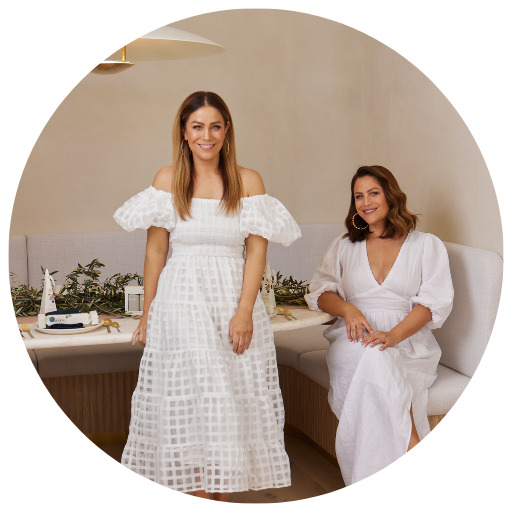
Nathan Bush: Welcome to another episode of Add to Cart. I'm Bushy and I'm joining you from the land of the Turrbal people, otherwise known as Brisbane, Australia on Add to Cart. We welcome everyone to share and listen to e commerce stories. The more diverse, the better. I want to especially welcome the traditional owners and the original storytellers of the land that we are on, our indigenous and Torres Strait Islander listeners to join us in our E commerce conversations and our community. My guest. Today's career journeys have been colorful, to say the least. They've gone from being police officers to reality show winners. They're kind of household names in Australia now to interior designers. And they're now talking on Add to Cart as the founders of the successful home and personal care brand Alive Body. Elisa and Lissandra Fraser started the brand alive body in 2020 just as Covid hit Australia. And today they have 50 product lines, 750 stockists and an estimated turnover of of $22 million coming up in 2024. Today we've chat briefly about their success on the block back in 2013. It was 10 years ago now, but the pair have done so much more since then. They share their standout learnings from a recent warehouse relocation. They tell us how they approach decision making as twin sisters and co founders and why forecasting is such an important aspect of their business. And quickly, before we get into today's episode, if you are a tech provider, a service provider or an agency in e commerce and you want to jump on and sponsor Add to cart in 2024, we now have our sponsorship packages open. We are limiting the 2024 sponsorship opportunities to two gold partners and five silver partners. If you want to know what those sponsorship packages look like, reach out to me directly. Nathandecart.com Elisa and Lissandra have offered listeners 15% off live body, so listen out for the code right at the end. But for now, let's get into the episode. Thanks to our partners Shopify plus and Signet. Here's our conversation with Elisa and Lissandra Fraser, founders of AliveBody. Elisa and Lissandra, welcome to Add to Cart.
[Voiceover]: Thanks for having us. Yeah, thank you.
Nathan Bush: Pleasure. Thank you for joining us. I know we are in the peak silly season right now. Appreciate your time. We're also in the peak block season right now, and I don't know if you guys really even want to talk about it because it's been 10 years since you've won the block, but it might be where some of our listeners first recognize you from and may be able to get a bit of a mental image of you if they're listening in their car. How do you feel 10 years on? Does it feel like a lifetime ago or does it feel like yesterday?
[Voiceover]: It's actually coming up to 11 years and that kind of seems nuts. It does feel like a lifetime ago. It does, because so much has happened since. Yeah. It's not one of those moments where I feel like, oh, it feels like yesterday we were on it. It actually really doesn't. And our bodies remind us of that every single day. Yeah. I think we're actually probably still recovering because we just haven't stopped since. And it's kind of never got off that train.
Nathan Bush: Is it as brutal as it looks on tv? As in, like the sleep deprivation, the pace and everything? It is that.
[Voiceover]: And I think even more so when we were doing it because we. The series that we did, we had to demo, like, hotel rooms, bathrooms. We had to pull out carpet and scrape vermiculite off of the ceiling. So before we'd even started that week, we had eight rooms to demolish over that whole period. It was actually probably 16 because it was a full bathroom every single week and a full bedroom before you even actually started on the, like, actual bills. So, yeah, it was way harder than what you would ever. Than anyone could ever imagine it was. Literally, you would go to bed at three o' clock every single morning and you'd wake up at six. So you were living on three hours sleep that we did 17 weeks, the longest block in history. And then on that final Sunday, you're up 48 hours before you were not sleeping. And definitely not have it in me to do it again. No, no.
Nathan Bush: Is E commerce easy now after you've been through that?
[Voiceover]: I think that's what it was. Probably a blessing in disguise that it was so hard now because anything seems easy from that.
Nathan Bush: So take us on the journey from the block or beforehand, if relevant in terms of how we got to what a live body is today, which is a phenomenal brand in market. Huge growth. And we're going to find out more about that. But what was the pathway from the block to launching your own brand?
[Voiceover]: It wasn't straight away. I guess we came off the block. We were police officers before. So after that we launched our own design firm, which I think was probably. Was it about five years? What, that we were doing that before we decided to do Abbott Park? Oh, at least. Oh, yeah, yeah, yeah. So about five years we had our own design firm and then we decided to do our own project in Albert Park. Our own. Build an investment. And I guess that's kind of where the idea was born. When we were, I guess when we were forced to style these bathrooms and we were shopping. I remember you remember going out shopping and we just. We couldn't find anything that like, hadn't been seen before.
Nathan Bush: Yeah. And why did you go straight to the bathroom? Like, obviously you are renovating whole houses here. What you've launched with and obviously expanded since then, but. But you launched very bathroom specific.
[Voiceover]: I think it was that realization of. And I remember it vividly, we're in Melbourne and I was just like, bloody hell, we don't have time to go out looking for this piece that we can't find. And then that was that. It wasn't thought about again until we got home back to Adelaide, and the project didn't go to plan. We bought in peak period holding costs were phenomenal. And then the market crashed. So we actually didn't make money on that property. And if we'd had made money, we would have just gone on to the next project. So everything happens for a reason. And it wasn't until we got back and we were sitting in the office and I remember just saying to Lissandra, we need to approach like a palm olive to do like a design arrange. Because there's just nothing out there. I don't know what it was that came into my mind. I shut that down pretty quick. Yeah. What do you mean? This is really like. And then that's the best thing she could have bloody done, honestly. Bring it. I think it was that palm olive side of it. And I'm like. And then I remember saying to her, like, no, are we. Let us wear on this show.
Nathan Bush: Oh, go for gold.
[Voiceover]: Okay. Well then I was like, fuck it, we're not going to palm olive to do it. Let's do it ourselves. And so, yeah. I spent six months just deep diving into the world of bloody manufacturing and Logo design and trademarking and that's the end of it, really.
Nathan Bush: It feels like you're not afraid to take on totally new challenges that are outside of your comfort zone. Obviously, police officers to interior designers to reality show, to creating your own brands. What gives you the confidence to go, actually, no, I'm not going to go to Palmolive, I'm going to create it myself.
[Voiceover]: Yeah. You know what? I think it is just intrinsically in you. I think you're born with that. Yeah, it's a natural. It's 100%. You can't. But, you know, we came from a single mom who raised Elisa and I, but on our own, and she had her business early on and, you know, she had a secondhand baby store and at that time it was, you know, she didn't sell secondhand babies, she sold secondhand furniture. And, you know, we were always in the back end of that, you know, cleaning prams and cots and just following her around from such a young age. And because we didn't really come from a lot of mum's kind of struggled our whole lives, it was just, I think that that's what instilled that work ethic, to work hard to get things that you want, because nothing was ever, ever handed to us. And I think as well, we know that we will outwork anyone or anything that we have to to achieve something. So hard work was. Certainly doesn't scare us. But, yeah, I mean, it was a big risk. Lissandra sold her house to put money into the business.
Nathan Bush: Yeah.
[Voiceover]: And that's risky, but I think we run on instinct and when we know something is going to work, it's like, you can't tell us otherwise. Yeah.
Nathan Bush: And surely you must have done some calculations of some sort when you're going, yep, we'll go after this brand. Especially if you've got to do something like sell your house. Where did you put your focus in terms of the numbers to work out the market size available?
[Voiceover]: We very early on got our consultant on board and I think that was a really big help for the business. She helped us understand our profit margins and educate us on the world of business and especially in this digital space. And so she certainly helped us put together a bit of a budget as such. But to be honest, like, only now am I really starting to get absorbed into all of the numbers and margins and gross profit. And we were actually probably quite naive in the sense of, you know, you don't know what you don't know to a certain extent. But it was also running off of that instinct of going, like, once we had that prototype made up in that design and it was in front of our faces, we were like, there's just no way that this isn't going to work. So selling my house, yes, was a big deal. And yes, I've had to live in rentals and shared pretty bad conditions for a long time.
Nathan Bush: But.
[Voiceover]: But I guess just knowing and having that belief in a product and, you know, like, obviously our prototypes at the start, like, and we've got boxes here about the initial ones and, you know, like, the gut instinct wasn't there. And it was like, as soon as we developed it and landed on it, it was just like, boom, this gut instinct and that. We have that throughout our design, you know, throughout, I guess everything. And yes, we have made lots of mistakes, so our gut instinct isn't always right, but it was. No. And that's what we learned now. Ye.
Nathan Bush: Yeah.
[Voiceover]: But it wasn't like we didn't do any financial modeling. I got a piece of paper and a pen and I said, the first shipment's going to cost this much money and if we sell it for this, then we're going to make, oh, my God, we're going to be millionaires soon. But then I forgot there was all these, like, expenses and.
Nathan Bush: And a bit of work to be done before you get there. So when you are designing that first prototype, obviously where you are now with the product that's on shelves has a lot of differentiators, beautiful packaging, unique ingredients, sustainable. Where did you start? Where did you go? We've got to get this thing right, this part of the product. Right. In order to cut through.
[Voiceover]: It was actually from the very beginning, it was from the name. So I was sitting on the beach one day and I was like, if we are going to develop a product, it has to be unique. There's no point in entering the market. What do we stand for? We absolutely love being in nature.
Nathan Bush: We.
[Voiceover]: We're in this wonderful position to be able to create a brand that can also give back. So we wanted to create initiatives that help keep the planet alive. We wanted people to feel alive when using the product. And we also wanted. I wanted to incorporate both of our names into it. I was sitting on the beach and riding in the sand, literally just scrubbing it out and going, what does it stand for? And it just hit me and I was like, al. I was like. It was just. It was perfect.
Nathan Bush: Yeah.
[Voiceover]: So I think from the very beginning, from that moment, we knew the brand had to stand for something. And we knew that it had to be different in the market, hence the beautiful packaging. It is a styling item in your home. Yeah. And I think that just comes off of the back of us being interior designers and people knowing us in the industry for that. And it's almost like, I guess they go hand in hand, where people probably have that confidence to be able to go. Right. Well, it's not only a practical item, but it's a stage styling item as well. And it's been designed by two interior designers.
Nathan Bush: Yeah.
[Voiceover]: And people buy with their eyes. And it is actually crazy that our duos can make such an impact on the space.
Nathan Bush: I know.
[Voiceover]: I've got them in every room of my home and I love walking into the bathroom. I just think, take that duo out of this bathroom, and it would be lacking.
Nathan Bush: Yes.
[Voiceover]: So it's actually such an affordable and unique styling item.
Nathan Bush: Yeah, it has that effect. I actually bought the duo for my wife for Mother's Day, and it is that reaction because she wasn't close to the brand beforehand and she opened it up and she was like, oh, wow. She thought it was a candle or something along those lines. In terms of the aesthetic of. Yes, this fits right into my home. And it actually smells nice and it works. And it's all this other stuff as well. Obviously hit the mark there. When you had the prototype ready to go, I could imagine that your launch strategy would be different than a lot of other new brand launch strategies, because you've already got a profile in market, you've got credibility from what you've done. But also as interior designers, what was your launch strategy to make a mark?
[Voiceover]: Well, yeah, obviously we'd had a fairly big following on social media at that point, so without doubt, that definitely helped us launch. It stands on its own now. But in the initial stages, that that was our biggest marketing tool, social media, hands down. But when we first launched, our biggest strategy was actually going B2B. Yeah. And we launched the first week of COVID like, literally the first week of shutdown. And we were like, holy, we have worked two years on this. And now you were saying that the country is locked down. Like, do we hold off the launch? Do we wait until this is over? And we're just so lucky we didn't, because really, everyone was at home. They weren't spending their money, they were washing their hands all the time and they wanted their homes to look nice. So it was like, literally the perfect timing for us. But Even still, our B2B business was still probably a good 70% of our business. First at least 16 months, but we were still using our social media platform to get it out there. So a lot of these homeware stores around Australia are following us because it's the design world.
Nathan Bush: Do you know why 99 bikes is called 99 bikes? Is it because A, it takes 99 minutes to put the average bike together, B, they originally stocked 99 bikes, or C, they've recently eliminated 99% of their plastic packaging with the help of Signet. Well, B is the answer. Answer. But C is also true. Not only have 99 bikes eliminated 99% of their plastic packaging, they reduced their packaging cost by 60% and packing time by 50%. That's plenty more time to swear at those spanners while you put those bikes together. Visit signet.net au to browse the range and contact the team to find out how they can help take your packaging solutions to the next level. That is incredible that you could launch a hand wash brand in the first week of COVID Did you then run into supply issues? Because obviously ingredients would have been hard to come by after that.
[Voiceover]: Well, initially we launched with three products. I can't actually even tell you how many SKUs we've got now, but we launched with three.
Nathan Bush: Okay.
[Voiceover]: And we had MOQs, obviously. And so the MOQs were probably meant to last us a year.
Nathan Bush: Yeah.
[Voiceover]: It wasn't like we were concerned that our supply would run out. We were concerned that we had to order too much, but that wasn't the case because it took off so quickly. But to be honest, we were so fortunate during COVID And, and I will put my hand up to say that had a lot to do with me making sure that I was just onto things and moving things and talking to things. Like, I just played it exactly how I needed to play it so that we didn't run out during that pandemic. And I mean, sometimes a shipment might be a couple of days late and you're out, forced to be out of stock for a couple of days. But we didn't have any, like, sellouts. We didn't have any supply chain issues. It actually went very to plan. But that's because we're very organized as well. Yeah, I think what it does, it changes your mindset moving forward as well with the pandemic. You know, like you might only have to order three to four to five months ahead of time. Obviously Covid hit and businesses had to change how they looked at it that safeguard in case it was to happen or is to happen again. Yeah, like over ordering and holding onto more so than what you used to. But people did what they had to do and that's what they probably double the stock that they had to just in case. So it was probably not good for cash flow.
Nathan Bush: But being a Covid baby, does that make life difficult now? Because obviously the world we're in right now in terms of forecasting and customer behavior is very different to when you established in market. Is it hard to forecast now?
[Voiceover]: I think because we were so new, it was hard anyway. Yeah, we didn't have any data, historical data to rely on. So it's not like we came out of COVID and it was harder. We've seen very steady growth. You know, I know some businesses boomed in Covid and it was this Covid boom. And then after Covid they actually, you know, slowed down and was left with all this stock. We've been very fortunate that the business has continued to grow more than 40% year on year. But as well, like we're talking, when we started it was a team of three. We've now got a team of 22.
Nathan Bush: Amazing.
[Voiceover]: So we have really good people in. Our head of operations is all over the forecast and yes, so you can always be better at forecasting. And that is something that we are working through now is that forecasting is the biggest beast in this business. It's the biggest risk for out of stocks. It's your biggest risk because it sucks cash. And you know, any point in time you could be holding $4 million worth stock, that's huge because we formulate in Australia, but we get our packaging from overseas. So you're talking big lead times as well. You're talking probably four months by the time you place an order that's not even to finish goods. So you know, you are talking a good six, seven, eight months of needing to forward plan. And for example, like we had launched our kitchen trio last year and we'd forecast it and we had 10 months worth of stock and it sold three times faster than we had predicted. So to catch up on that stock, takes us six months to catch up. So we were out of stock of our best selling sku. We've been in and out of stock because we are trying to play catch up. So yeah, forecasting is the number one beast in this business.
Nathan Bush: I mean it's a great problem to have to sell out so quickly, but at the same time, when you're starting a brand, you're like, oh, there's so much we could be leaving on the table here.
[Voiceover]: Yeah, I know when you actually work out dollar wise what it costs. It's a lot of money.
Nathan Bush: Yeah. And so from a B2B perspective, because I think that's really interesting. I actually picked up the duo from Maya at that time of year. Have you gone back to B2B? Because I think that's a trend we're really seeing for a lot of D2C businesses. Even though you said you had B2B in mind right from the start, a lot of D2C businesses are saying now, well, if we don't have a B2B presence or a wholesale presence.
[Voiceover]: Yeah, I am hearing that as well. So we were about 70, 30 probably for the first 16 months and then it changed and we at some point we're at 5050 and then direct to consumer took off and we were sitting at about 60, 40. But you know, now we're heading into the Christmas period. It's now at 5050 so it's always going to fluctuate. The thing is with D2C is that there's no roof. Well, there is, there's a ceiling, but we're so far from that ceiling. So that's the exciting part and that's the biggest room for growth. But it's funny because profitability wise they're actually very similar because you obviously get, all of you get better rates when you're sending more to your retail stores. So yeah, it's. We're learning a lot more about it. It's interesting. It's always evolving because then you take on your majors like Maya, which changed the story for a trade. Yeah. So it's very.
Nathan Bush: Yeah, I can imagine too you'd have to be pretty careful or selective with what retail partners you go into. Given the brand image that you have that you probably don't want to be just plop down next to a palm olive. Right. You want it to be represented in a nice setting. How do you select that?
[Voiceover]: That's one thing we've always tried to maintain within the brand is that whoever stocks alive, it has to align with our design aesthetics. And I guess we vet every application that we get coming through because it does have to align to our brand and we are very protective of that.
Nathan Bush: What are the non negotiables for you?
[Voiceover]: That's got to be aesthetics straight up, doesn't it? Aesthetics 100%. Would we feel proud to have our product in that store?
Nathan Bush: Okay.
[Voiceover]: We also do offer a postcode exclusivity too. So it's not everywhere. So at the moment there's a 2 kilometer postcode exclusivity. We are always looking at. We're always revisiting that because obviously you don't want to start your own growth as well. So it might be that a forest can have it in the same postcode that a homeless source can have. They're not going to stock customers as well, so. And they're not going to stock the whole range. So it is that fine line.
Nathan Bush: And speaking of range, you have expanded range pretty significantly over these years. Recently I saw that you've got the baby products now. You've got a great gifting set available for Christmas. Where do you envision a live body being able to go? Where do you have permission to play?
[Voiceover]: We have permission to play in every room of the home.
Nathan Bush: Yep. Okay.
[Voiceover]: And we really are nearly there. So we started off in our body range, which was the hand and body wash. We then launched baby. We then launched our essentials range, which has a little hand sanitizer and the hand balm body scrub. Then we moved into fragrance. Yeah. Home fragrance, candles, fuses, moved into kitchen, which has been a massive category for us. And then we moved into cleaning, home cleaning just recently.
Nathan Bush: Wow.
[Voiceover]: I gotta tell you, they're the best damn cleaning products you'll ever use. And they look stylish.
Nathan Bush: I bet they smell good.
[Voiceover]: Oh, they smell good. Yeah. They have to smell good.
Nathan Bush: How many years have you been going for?
[Voiceover]: Three and a half.
Nathan Bush: It's not a bad expansion for three and a half years.
[Voiceover]: Yeah. Yeah. And we've got a couple of really big category expansions that we're working on as well, which I think will really change it up for us as well.
Nathan Bush: Awesome. And I know that from a packaging perspective, obviously, beautifully designed packaging, but you also do refills to try and cut down on the amount of waste. Can you tell us how that works?
[Voiceover]: Yeah. So we decided very early on that a part of us being a sustainable brand that we would introduce refills into our range. And so we offer a litre pouch and you can refill your bottle twice. It says 85% less plastic. And also it's just so damn convenient. You literally put it in your cupboard and you fill it up. You could. That could last you an entire year. So now the movement that we're seeing, and we're always constantly assessing what we're doing from an eco and sustainability sanded it in the business. We want to make sure, like 98% of our packaging is recyclable. And that is the question that we ask every single time we develop a new product. Is it 100% recyclable. Now, back in the day when we had REDcycle, everyone was using refill pouches and you could Recycle them through RedCycle or TerraCycle. Now that that's actually no longer, there's a lot of businesses that are facing exactly what we are facing, that we're trying to be sustainable, but now no longer can these be recycled. So there's always going to be this changeover period. So we're working as quickly as we can to come out with a refillable bottle that is made from 100% recycled plastic and can be recycled. Recycled. So it's always at the forefront of our business and we'll always pledge that. And we've always said from day dot that we will never use palm oil in our products and that has come at a cost. It's more expensive, it's harder to formulate, but that's non negotiable.
Nathan Bush: Yeah, nice.
[Voiceover]: We will never formulate with palm oil.
Nathan Bush: Yeah, great. On the red cycle piece, obviously that was a big blow when it went under. Have you heard anything through the industry around, any alternatives, anything coming through that might take its place?
[Voiceover]: You hear whispers every now and then, but nothing set in concrete. I mean, it's pretty disgusting, isn't it, that the government isn't. It's not a priority.
Nathan Bush: Yeah.
[Voiceover]: What is it? Net of 0 by 50. 20, 50. And no one's like, there's no initiative out there. It's rubbish. They spend their money on all this other stuff. And everybody was getting on board like everybody was red cycling. You had three components in your bin. I literally designed my brand new kitchen. I have eight bins. I've gone over the top because I was committing to it and now all of a sudden I'm sitting there, I'm like, yeah, I'm not feeling that up now.
Nathan Bush: Yeah. I was hoping you might have had an inside word on something that might be coming through that we haven't heard about. So we've heard the incredible growth story and like we said, it's been three and a half years. So you've achieved so much in that time already. And with that comes making some big decisions. I could imagine pretty quickly. I saw that you've just hired your first general manager, you've moved your warehouse around. How do you guys make decisions?
[Voiceover]: Oh, bloody hell.
Nathan Bush: Your face when I said that.
[Voiceover]: Honestly, moving a warehouse of this scale could sink a business.
Nathan Bush: Tell us about that.
[Voiceover]: Bloody hell. Our poor head of operations. Poor Pete. Or just everybody. Because it has been four months of hell. Okay, we're now on the other side of it, thank God. But it's not fun. We needed to because our we3pl, our current warehouse just couldn't keep up with our orders. It was going to stunt our growth.
Nathan Bush: Okay.
[Voiceover]: So we had to make the move. It was, I mean we're very, very fortunate that we've got such an amazing team. It went probably as smoothly as possible and even still, like there was disruption. We've probably lost a million dollars from it just from having to hold back sales. But it's short term pain because it's that bigger picture of being able to expand. And yeah, they were just holding us back.
Nathan Bush: So you were moving a warehouse from South Australia and where did you move to?
[Voiceover]: To Melbourne. We moved to Melbourne.
Nathan Bush: Okay.
[Voiceover]: And it makes sense because obviously we've got, you know, a larger majority of orders going out in Melbourne as well. So there are, you know. Yeah, 80% of our customers are from the eastern states.
Nathan Bush: Yeah, yeah.
[Voiceover]: So now they're getting them really quick. We're getting reviews. Oh my God. I got my delivery really quick and now we order them and it's like they're taking two days. I won't go down to the warehouse and stock up anymore.
Nathan Bush: That bloody alive company, like leaving Adelaide in the dark again. What's going on? What advice would you have for other founders who might be considering a warehouse move? What were the some of the lessons that you took out of it that you go actually learn from?
[Voiceover]: Make sure you've got ahead of somebody leading that that has is experienced and knows what they're doing. If they don't, you can hire external agencies that can do this for you. It costs a lot of money, but it's worth it in the long run because like I said, we're very, very fortunate that our head of ops is just so capable. But literally she was working like a dog for four months. She lived and breathed well, that's just it. You still have to research all the warehouses that you're going to. You can't just move to one warehouse without, you know, doing your homework to see whether they actually have the capacity or the capabilities to extend it. Because you might actually, that move might end up being worse than what you already had. So you want to be doing a tender. So you need to go through a really stringent tender process, which is what we did. Like there was like six potentials on the table and then each time it was like, no, they can't, they can't meet this off the table. There's down to three. They can't go over this. You go over, you meet with the team, you look at the warehousing, you look at their systems, you look at their technologies, all of their integration and then you finally get to. And then obviously if you can ask for references, that's a big thing as well.
Nathan Bush: It's the calm before the storm. And unlike George Clooney in the Perfect Storm, spoiler alert. Shopify wants retailers to come out not just alive, but thriving because it's a big deal. Especially here in Australia. Last year, Australian merchants ranked third globally in Black Friday Cyber Monday sales volume. What an opportunity. So if you want to maximize your share of the peak sales this year, use this time before the storm to download and read Shopify's peak season playbook. They've got 10 experts, including me, to share their tips on how to maximize sales at this time. So put on your life jacket and get your hands on Shopify's free peak season playbook. Download it at shopify.com/guides or just follow the links in the episode show notes from the device. You are on land ahoy. As founders coming together, we talked a lot about the initial gut feel of Fuck it, let's go. How do you make those decisions now? Those major decisions, how do you make them together?
[Voiceover]: So I am the CEO of a lifebody and Lissandra is CEO really of interior interior design business. We come together for the really big decisions and then we let each other run day to day. Lissandra obviously still has all of her head over all of the design and concepts and but we had to divide and conquer. It was just, it couldn't have worked any other way. There's just too much going on. So when I'm running the business, a lot of it is again, it's just that intuition, that gut. I don't spend time pondering over things. It's a really quick. There's no traffic light system that has to go through. A lot of people complain about this in big corporations is that a decision can take three months because it has to go down through all of the departments here you get together. If it feels right, you do it and if it doesn't. And I mean the teams also very opinionated, which is great. And they all put their case forward to why something should be done or why it shouldn't be done and we all listen and we make a decision quickly.
Nathan Bush: And I think that's really key in E commerce. We were discussing this at the Emarsys event last week around the power of quick decision making. How do you hold back from doubting yourself or changing decisions, Say, a week later, you're like, oh, I don't know if that was right. I made that call really quickly. How do you stick to your guns? Or do you have to stick to your guns?
[Voiceover]: I don't think that really happens. Does it like, it's not like we've ever gone, oh, shit, that was a really good. It might not have been a bad decision. What it might be is that maybe next time we could do this a little bit better or we could improve on. On that. But it's not like, oh, shit. Like, that was a massively bad or wrong decision. That's just like, right, well, we've learned a little bit from this. Well, how can we make it better?
Nathan Bush: Yeah.
[Voiceover]: I can't think of one thing where we're like, shit, we shouldn't have. Like, we really, really. That was damaging. Yeah, we shouldn't have done that. No. I mean, there's a few things at the beginning, it's like, with the formula, and there's things where we're like, thank God we didn't go or make that decision. Like, where we were at a crossroads and we decided to go this way instead of that way. And, you know, we look back and we're like, oh, my gosh, we made the right decision. And when we look back at those, they have been the right decisions. They haven't been the wrong decisions, luckily, because it really could have had a huge effect. But that, I think, once again, comes down to that gut. I think the biggest thing actually, when you think about it, is actually staff making the right decisions on who you hire. We've got a team of 22 freaking awesome people. There's been, like, maybe a handful of dud hires where you're like, shit, we knew that. We bloody knew that from the start. We even knew it in our gut, though, and we didn't know that and we didn't trust it, and we held onto them for too long, and we should have made a decision earlier to move on from them. I think that's probably the biggest thing of like, oh, shit. But it hasn't exactly damaged. No, it hasn't. It hasn't damaged. Just might have slowed down a little bit of a process here and there.
Nathan Bush: Yeah. And when you are hiring, what are the red flags that your gut throws up? That when you go, oh, if this person's like this, then I know they're not a live body person?
[Voiceover]: I think probably for me, is that I want to come in and I want to do 8:30 and I need to leave at 4:30. I'm like, you're aware, coming into a small business, mate, it's give and take. If something needs to happen, then everybody dives in and makes it happen. That, to me, is the biggest flag. It's got to be that give and take. You know, they come in early because you've got a sale on or whatever, and it's like, leave her. Like, it's. We're very give and take. Like we are fair and reasonable bosses. But it's like, you know, if someone wants to come and just work their job and do that structured hours. And 99% of the time it is structured hours, but there might be that 1% where we need people to work on a weekend or stay back late or do this. And having that flexibility of, like, feeling like they're really a part of the team instead of just working a job.
Nathan Bush: Yeah.
[Voiceover]: And I think probably the next biggest flag is when people come into a small business and they go, I like structure and I like, you know what? There's no structure.
Nathan Bush: Roll up those sleeves.
[Voiceover]: There's 10 different hats that you're wearing. Everybody chips in where they can. And they need to be versatile, they need to be adaptable, they need to be really not scared of hard work and getting their hands dirty. That's the biggest thing we could ever hope for is that people go above and beyond and treat it like it's their own business and that they're dedicated to actually making a difference. Yeah, making a difference.
Nathan Bush: And obviously it sounds like they need to buy into the mission and do whatever they can to help everyone achieve the mission together. Yeah, yeah.
[Voiceover]: And if they don't hold the same core values, it's never going to work. It's work ethic. I think because we've always been such hard workers and we don't expect people to be as hardworking as us. Like, we are the founders. No one's going to be as invested, but you still want them to have that level of dedication and hard work behind them.
Nathan Bush: You mentioned your mum was an incredibly hard worker and you got a lot of your work ethic from her. What does she think of what you've created?
[Voiceover]: She says she still has to pick herself up from the floor. She's incredibly proud.
Nathan Bush: Yeah, that's awesome. All right, well, we should talk some E commerce while we're here. I saw that you recently moved over to Shopify 2.0. What was the reason for that and how did that move go?
[Voiceover]: The reason for that was because my amazing. Our Amazing. Marketing manager came up to me and was like this, we can't, we can't keep going like this. We need to upgrade. We need to invest in some money. She was obviously finding it well, the whole team, ECOM team was finding it very restrictive. We hadn't updated our theme since 2020, 2020. And they were just finding every single time they wanted to run a promotion or do an upsell or anything like that, it was all had to go through a developer. It was clunky, it was expensive, just for the basic functionality. And we're all about customer experience as well. You've got to keep up with the times and you've got to keep progressive. And so she's like, I think it's time. And I was like, tell me why. And that's what she said. I was like, okay, that's what you think, then let's do it. Yeah. So then. It's been great, actually. The new website looks amazing. It's now allowed us to not rely on developers as much. We've obviously worked very closely with a developer to get the new theme designed and it's nice and custom and now Molly and Georgia and the team can use a lot of it internally without having to call up a dead person and ask it out. And then you get the invoices and it's just like, oh, that, that, that hurt, that hurt. Something simple that should have been, you know, fairly straightforward in the first place. So, yeah, it's been great.
Nathan Bush: From a technology perspective, do you have any major hurdles or pain points that you're trying to get through?
[Voiceover]: The biggest thing for us is we've experienced such rapid growth that you start off with one system that then it needs to integrate with another, then you outgrow that system and then you need another system and the integration isn't so great from that to that, and then they start stop talking to one another. And I guess at this point in time in a business, it's where businesses spend money on investing into an ERP system so that they're all integrated and talk to one another. And I think there's definitely challenges from all departments just finding that. Also that one source of truth, that's the challenging part. We are looking as well, potentially looking into maybe an erp, but right now we're doing everything to avoid that. I understand how stressful and expensive that can be, but we're working through certain things to make it function a little bit better. And again, the biggest thing for us is probably a forecasting system right now.
Nathan Bush: Yeah, your face and your tone was exactly the same when you said erp as when you were talking about your warehouse project.
[Voiceover]: You just like, we can't do warehouse and erp. We won't have time left.
Nathan Bush: All right, so what's coming up over the next, say, 12 months? Clear selves and alive?
[Voiceover]: Well, we're working on a very exciting category which we can't talk about, but it's really freaking exciting. That's a little bit of a long road ahead. It's probably 18 months away.
Nathan Bush: Cool. Under the same brand.
[Voiceover]: Yep, under the same brand. A new category and then we'll obviously look at going or hopefully expanding internationally at some stage. 2. That's the ultimate goal. We need to get better cemented in New Zealand first. We do actually currently sell to New Zealand direct to businesses in New Zealand. It's just a bit clunky. So we need to warehouse over there. We need to understand we're using New Zealand as a little bit of a trial and a test to make sure that we understand international and customs, set of and forecasting and what have you. But, yeah, I mean, that is our ultimate goal. A light body needs to be worldwide. World domination, baby, here we come.
Nathan Bush: I've got no doubt that with your mindsets it's going to happen.
[Voiceover]: Yeah, it will. It will happen. 100%. It has to happen. We just need the block to be ed in America and then we can go on and do it again and then that's the best thing. The brand just stands on its own now.
Nathan Bush: Yeah.
[Voiceover]: People are like, oh, you're the girls that own a live body. It's not even anymore. You girls were the girls on the block. They talk about the brand, not the block, which is bloody awesome. Well, they talk about both. It will be nice when they stop talking about the block.
Nathan Bush: I felt really bad opening with that, but I was like, people want to be my picture.
[Voiceover]: It's our claim to fame. So maybe in another 10 years people will forget about that side of it.
Nathan Bush: Exactly. It won't be forever. Would you do another reality show? Are you done?
[Voiceover]: I want to do Survivor, so I would do Dancing with the Stars. Not that I can dance with shit, but I would love to now. I would love to do Survivor. Yeah, that's on my radar. But you can never say no to anything if an opportunity became available. I guess it just depends on what's offered and if it aligns with what we want.
Nathan Bush: Yeah.
[Voiceover]: It would have to be something we would want to do in order for us to say yes. We say no. A lot these days, which is nice.
Nathan Bush: Could imagine. So if people have heard this today and they want to go check out the range, perhaps buy something for Christmas or learn more about you guys, what's the best way for them to get in touch?
[Voiceover]: Definitely@alivebody.com and then our Instagram Instagram which is alive. And then our personal one which is Alisala Sandra. And for any interior design inquiries, it's just alisaandlisandra.com beautiful.
Nathan Bush: Lisa Lissandra, thank you so much for joining us on Add to cart. I love the story and I can't wait to see the world domination.
[Voiceover]: Thank you. Thanks for having us.
Nathan Bush: I felt really guilty about leading with that question around the block, but I felt it's something we had to cover and I was personally curious about. But I know for them they've done so much since the block and I'm so glad that we had a chance to dive into it and hear all about it. All right, lots of lessons in there. Three that I want to bring us back to. Number one, forecasting is key. I think we all know this over the last few years, especially if you've started a business in Covid, forecasting is an absolute killer. Even though times are still a bit tough. Hopefully we're starting to get a little bit of normality in being able to forecast forward, both in terms of how we can manage suppliers and free up that supply chain, but also customer demand. Forecasting is so important, important when running an e commerce business, especially with cash flow. Number two, warehouse relocations. I think it'll send a shiver up the spine of anyone and as you can hear from Elisa and Lissandra, it was not an easy experience. I don't think I've ever heard of anyone who has had it easy. So I always think with warehouse relocations you need to double the amount of time, double the amount of cost that you are going to put into it. It's kind of like a replatformation going with best case intentions but know that it probably won't work out that way. And number three, hiring for your business. I love their approach of not just hiring people who can do the job but want to be part of a team. I think that's especially important when you are a founder, that you have an underlying expectation that people care about your business as much as you do. So you are really then hiring foundation for personality and how people will take your brand to the next level, not just what they can do on paper. As promised, Elisa and Lissandra have given us 15 off a live Body products excluding bundles and sale items and cannot be used in conjunction with any other offer limited use of one per customer. You can grab that 15 off with the code ATC15 that's add to cart so ATC15 go spruce up those bathrooms thanks for joining us today on Add to Cart to listen to all our e commerce conversations. Now in the hundreds. You can head on over to add to cart.com there. You can also join up to our free private Slack community to share e commerce ideas, tips and questions with other listeners. You can also subscribe to the Add to Cart weekly newsletter and browse some of the video highlights from our chats. There is a lot there that's add to cart.com and if I can ask you one thing before you go. If you enjoyed today's episode, make sure you share it with a friend or a colleague who could benefit or leave us a review. It really makes a difference. Thanks again for listening and until next time, keep keep those customers adding to cartoon.